
 IN
Organic Livestock Feed
21 products available
What are Organic Livestock Feed?
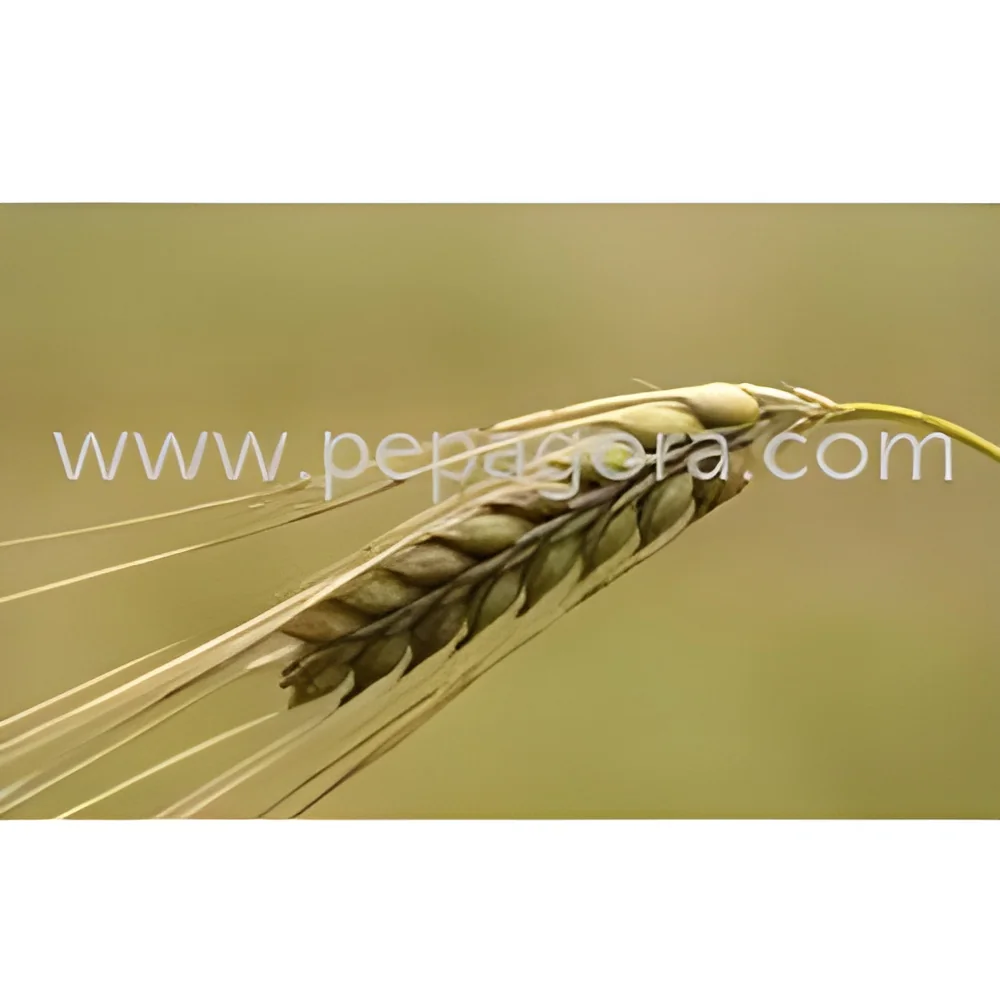
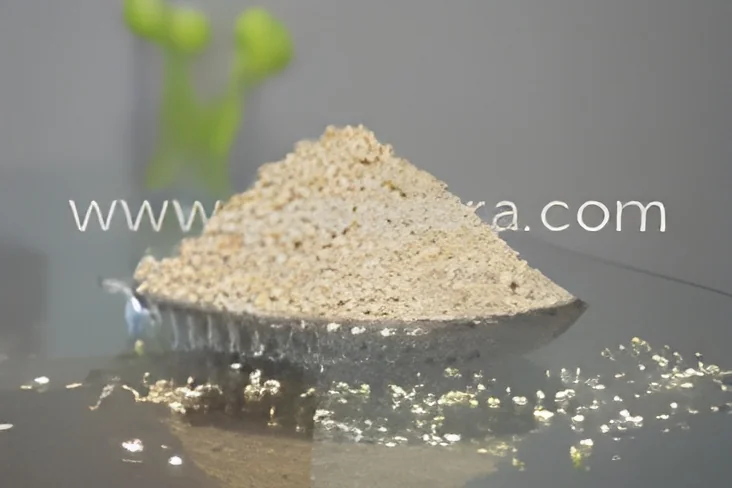
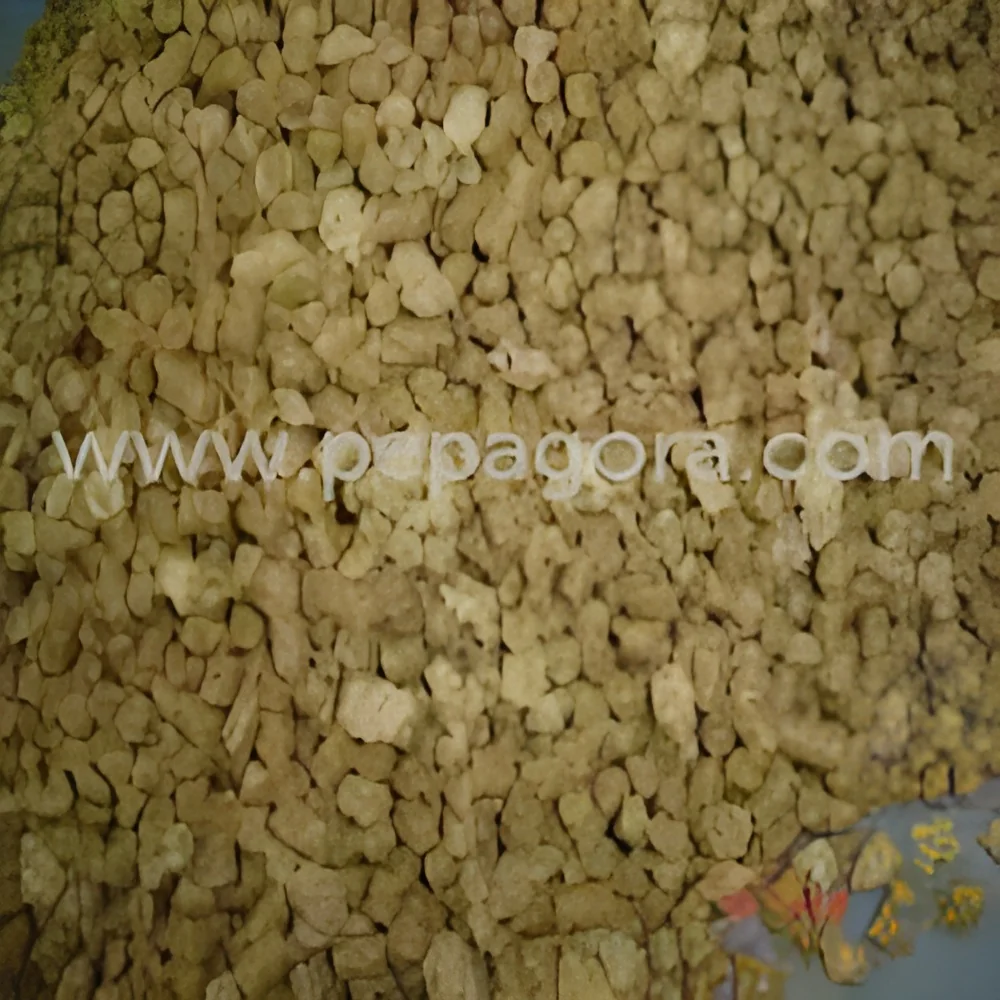
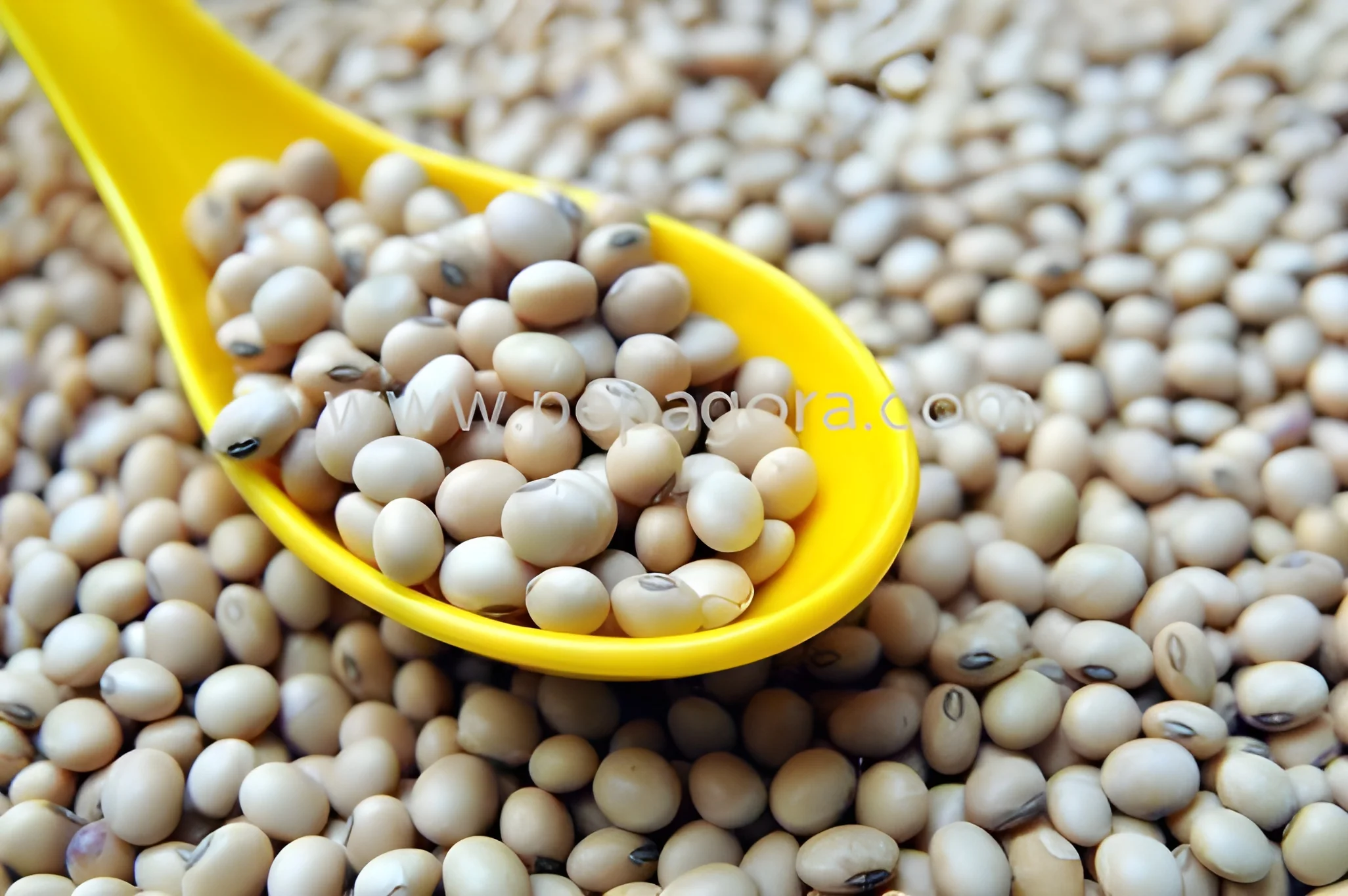
Organic livestock feed is a type of animal feed made from organic ingredients, which are cultivated without synthetic fertilizers, pesticides, or genetically modified organisms. This feed is designed to provide essential nutrients to livestock while promoting health and sustainability. Organic livestock feed typically includes a mix of grains, legumes, vitamins, and minerals that meet the dietary requirements of various farm animals.
The primary uses of organic livestock feed are in the production of organic meat, milk, and eggs. Farmers who raise livestock organically must source feed that complies with organic standards to maintain their certification. This feed plays a crucial role in enhancing animal welfare, improving the quality of animal products, and minimizing environmental impact. The growing demand for organic food products has led to a significant increase in the organic livestock feed market, making it an essential component of the agricultural sector.
In the current market context, organic livestock feed is becoming increasingly relevant due to rising consumer awareness regarding health, sustainability, and animal welfare. As more consumers seek organic products, farmers are encouraged to transition to organic feeding practices. This shift not only benefits livestock but also positions businesses to capitalize on the expanding organic market.
Key Features and Specifications
Organic livestock feed comes with several key features and specifications that ensure it meets the nutritional needs of livestock while adhering to organic standards. These specifications can vary depending on the type of livestock and the intended use of the feed.
Key specifications include:
1. Ingredient Composition
- Made from 100% organic ingredients
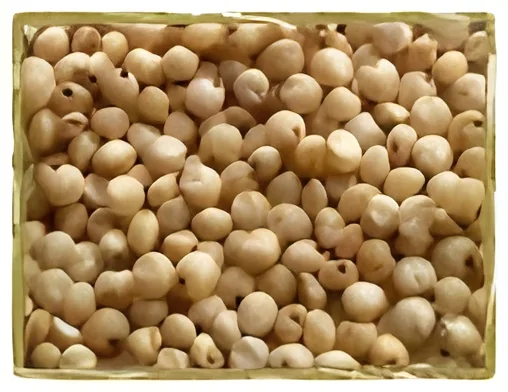
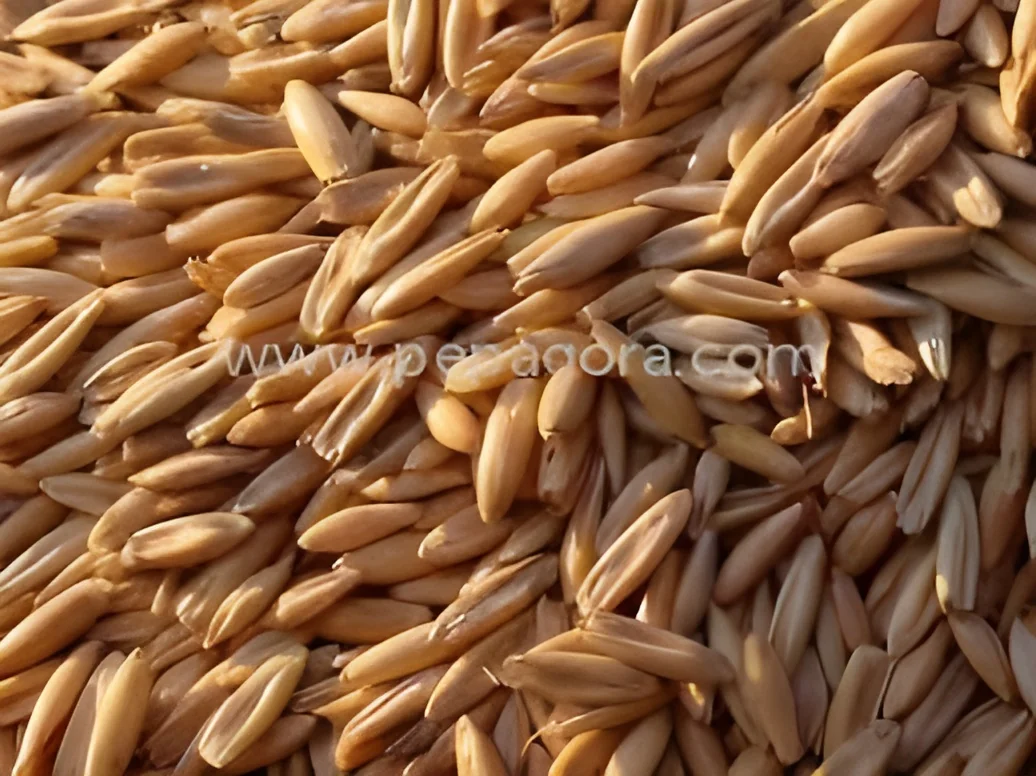
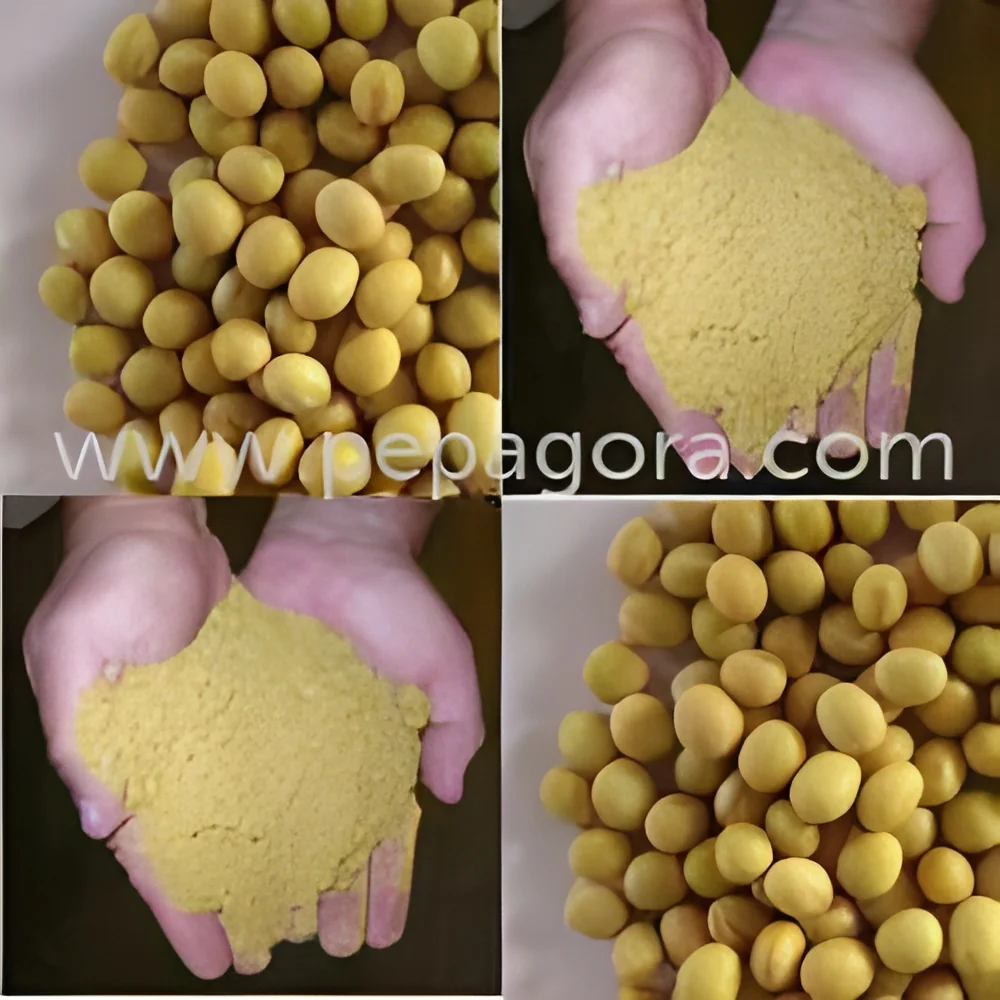
- Includes grains, legumes, vitamins, and minerals
2. Nutritional Profile
- Balanced ratios of protein, fiber, fat, and carbohydrates
- Tailored to specific livestock needs
3. Certification
- Complies with organic certification requirements
- Certified by recognized bodies such as USDA or EU organic standards
4. Shelf Life
- Typically has a shelf life of 6-12 months
- Proper storage conditions are required to maintain freshness
5. Packaging Options
- Available in bulk or retail packaging
- Eco-friendly packaging materials are preferred
6. Non-GMO Assurance
- Guaranteed free from genetically modified organisms
- Supports sustainable agricultural practices
7. Traceability
- Clear documentation of sourcing and production processes
- Ensures transparency for consumers and regulatory bodies
In summary, the specifications of organic livestock feed are designed to ensure quality, safety, and compliance with organic standards, which is vital for both producers and consumers.
Common Applications and Use Cases
Organic livestock feed is utilized across various industries, each with unique applications.
1. Organic Dairy Farming: Organic livestock feed is essential for dairy cows, providing the necessary nutrients for milk production while adhering to organic standards.
2. Organic Poultry Farming: Chickens raised for organic eggs and meat rely on organic feed to support their health and ensure the quality of the eggs and meat.
3. Organic Beef Production: Cattle raised for organic beef benefit from organic feed that promotes healthy growth and enhances meat quality.
4. Organic Goat Farming: Goats require specific nutrients that can be supplied through organic livestock feed, which supports their overall health and productivity.
5. Organic Swine Production: Pigs raised in organic systems depend on organic feed to meet their dietary needs and maintain organic certification.
6. Aquaculture: Some organic feeds are suitable for fish farming, helping to produce organic fish products.
7. Small-Scale Farming: Small farms often use organic feed to support diverse livestock types, ensuring they meet organic standards for various animals.
Product Variants and Subcategories
Organic livestock feed includes a range of product variants designed to cater to specific livestock needs.
Pelleted Organic Feed
This variant is compact and easy to store, providing a balanced nutritional composition for various livestock types. Pelleted feed is convenient for farmers, allowing for straightforward feeding processes.
Organic Grain Mix
This variant consists of a blend of organic grains, providing essential carbohydrates and energy. It is ideal for livestock that require higher energy intake, such as dairy and beef cattle.
Organic Protein Supplements
These supplements are formulated to enhance the protein content of livestock diets. They are typically used alongside regular feed to ensure animals meet their protein requirements.
Benefits and Advantages
Sourcing organic livestock feed offers numerous benefits for farmers and livestock producers.
1. Enhanced Animal Health: Organic feed contributes to better overall health in livestock, reducing the need for antibiotics and promoting natural growth.
2. Improved Product Quality: Animals raised on organic feed produce higher quality meat, milk, and eggs, which appeal to health-conscious consumers.
3. Environmental Sustainability: Organic feed production methods are more environmentally friendly, reducing chemical runoff and supporting biodiversity.
4. Compliance with Regulations: Using organic feed helps farmers maintain compliance with organic farming regulations, protecting their certification status.
5. Consumer Demand: Increasing consumer interest in organic products drives demand for organic livestock feed, providing market opportunities for producers.
6. Profitability: Investing in organic livestock feed can lead to higher profit margins due to premium pricing for organic products.
Buying Guide for B2B Buyers
When sourcing organic livestock feed, B2B buyers should consider several important factors to ensure they make informed purchasing decisions.
1. Quality Assessment: Evaluate the quality of feed based on ingredient composition and nutritional value. Look for certifications that guarantee the feed meets organic standards.
2. Supplier Verification: Vet suppliers to ensure they have a reliable track record and offer organic products that comply with relevant regulations.
3. Pricing and MOQ: Consider the pricing structure and minimum order quantities (MOQ) offered by suppliers. This helps in budgeting and ensuring sufficient supply for operations.
4. Delivery and Lead Times: Assess logistics capabilities, including delivery times and shipping options. Timely delivery is crucial for maintaining livestock health.
5. Compliance Requirements: Ensure that the feed meets all regional and national compliance requirements for organic products, which can vary by location.
Compliance and Certifications
Organic livestock feed must adhere to various quality standards to ensure safety and efficacy. Relevant standards include ISO 9001, which focuses on quality management systems, and HACCP, which emphasizes food safety and hazard analysis. Compliance with Good Distribution Practices (GDP) is also essential for maintaining feed quality during transportation and storage.
In addition to these standards, industry certifications such as CE are important for verifying that the feed meets safety and quality criteria. Safety testing requirements must also be fulfilled to ensure that the feed is free from contaminants and harmful substances.
Regional compliance considerations play a significant role in the acceptance of organic livestock feed. Different countries have specific regulations that govern organic farming and feed production, necessitating careful attention to local laws and standards.
Why Source Organic Livestock Feed from Pepagora?
Pepagora offers a trusted platform for sourcing organic livestock feed, providing businesses with numerous advantages.
Verified Supplier Network: Pepagora connects buyers with a verified network of suppliers who are committed to providing high-quality organic feed. This network ensures that buyers can trust the sources of their feed.
Streamlined RFQ Process: The platform features a streamlined Request for Quotation (RFQ) process, making it easy for buyers to obtain competitive pricing and product information from multiple suppliers in one place.
Trade Assurance and Support: Pepagora provides trade assurance, protecting buyers from risks associated with sourcing. The platform offers support throughout the purchasing process, ensuring a smooth transaction.
Regional Coverage: With a wide geographic reach across India, the GCC, and Southeast Asia, Pepagora enables buyers to access organic livestock feed tailored to their regional needs, enhancing market reach and operational efficiency.



Frequently Asked Questions
What are Organic Livestock Feed?
Organic Livestock Feed refers to feed that is produced without the use of synthetic pesticides, herbicides, or genetically modified organisms (GMOs). These feeds are made from natural ingredients that are grown and processed in accordance with organic farming standards.
What are the different types of Organic Livestock Feed?
There are several types of Organic Livestock Feed, including organic grains, legumes, protein meals, and forage. Each type serves different nutritional needs and is suited for various livestock, such as cattle, poultry, and sheep.
How do I choose the right Organic Livestock Feed?
Choosing the right Organic Livestock Feed involves considering the specific nutritional requirements of your livestock, the type of animals you are raising, and their life stage. Consulting with a veterinarian or an animal nutritionist can also provide valuable insights.
What are the standard specifications for Organic Livestock Feed?
Standard specifications for Organic Livestock Feed typically include a minimum percentage of protein, fiber, and essential nutrients, which can vary based on the type of livestock. Additionally, the feed should comply with organic certification standards set by relevant authorities.
What is the price range for Organic Livestock Feed?
The price range for Organic Livestock Feed can vary widely depending on the type and quality of the feed, as well as the supplier. Generally, prices may range from INR 25 to INR 100 per kg, but it is advisable to check with specific suppliers for accurate pricing.
What quality standards apply to Organic Livestock Feed?
Quality standards for Organic Livestock Feed include compliance with organic certification regulations, which ensure that the feed is free from synthetic additives and chemicals. Additionally, the feed should meet nutritional guidelines established by livestock health authorities.
Where can I find Organic Livestock Feed suppliers in India?
You can find Organic Livestock Feed suppliers in India through various online marketplaces like Pepagora.com, local agricultural fairs, and industry exhibitions. Networking with farmers and attending trade shows can also help you connect with reputable suppliers.
Can Organic Livestock Feed be customized?
Yes, many suppliers offer customization options for Organic Livestock Feed to meet specific nutritional needs or preferences of certain livestock. It is advisable to discuss your requirements with the supplier to see if they can accommodate custom formulations.
What is the typical minimum order quantity for Organic Livestock Feed?
The typical minimum order quantity (MOQ) for Organic Livestock Feed can vary among suppliers but often ranges from 500 kg to 1 ton. It is essential to confirm the MOQ with your chosen supplier before placing an order.
What is the typical lead time for Organic Livestock Feed?
The typical lead time for Organic Livestock Feed can range from 1 to 4 weeks, depending on the supplier's inventory, processing time, and delivery location. It is recommended to check with the supplier for specific lead times for your order.
Why Businesses Trust Pepagora
Thousands of companies trust Pepagora to source smarter and sell faster
Expand Your Sales Globally

Source Smarter,Grow Faster
