What are Single & Double Bucket Milking Machines?
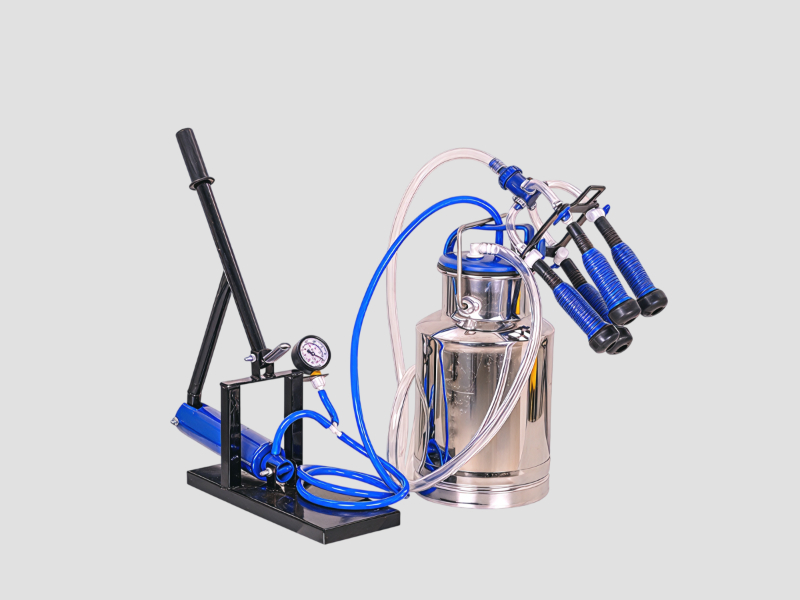
Single and double bucket milking machines are essential equipment in dairy farming, designed to facilitate the milking process of cows and other dairy animals. These machines work by creating a vacuum that extracts milk from the udder and collects it in a bucket. The single bucket model typically serves one animal at a time, while the double bucket machine can milk two animals simultaneously, enhancing efficiency and productivity on dairy farms.
The primary use of these machines is in commercial dairy operations where maximizing milk yield and maintaining hygiene standards are critical. They are widely employed in both small-scale and large-scale dairy farms, offering a labor-saving solution that also ensures the quality of milk. As the demand for dairy products continues to grow, the relevance of milking machines in the industry remains high, positioning them as a vital component of modern dairy farming practices.
Key Features and Specifications
Single and double bucket milking machines come with a range of features designed to improve efficiency and ensure milk quality. Understanding these specifications helps buyers make informed decisions.
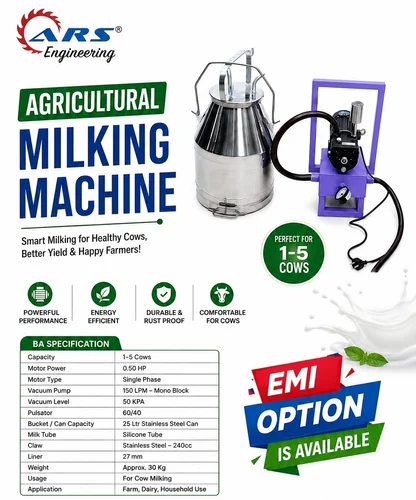
Key specifications include:
1. Milking Capacity
- Single bucket machines typically have a capacity of up to 15 liters per milking session.
- Double bucket machines can handle up to 30 liters in the same timeframe.
2. Vacuum Pressure
- Standard vacuum pressure ranges from 40 to 60 kPa.
- This pressure ensures effective milk extraction without causing discomfort to the animals.
3. Material Construction
- Machines are generally made from stainless steel for hygiene and durability.
- Some components may include food-grade plastic for lightweight applications.
4. Weight
- Single bucket machines usually weigh around 25 to 30 kg.
- Double bucket machines weigh between 40 to 50 kg.
5. Mobility
- Many models come equipped with wheels for easy transport between milking locations.
- This feature enhances operational flexibility on farms.
6. Noise Level
- Most machines operate at a sound level of less than 70 dB, ensuring a quieter milking environment.
7. Power Source
- Milking machines can be powered by electricity or diesel engines, depending on farm energy access.
8. Cleaning System
- Automated cleaning systems may be available, simplifying maintenance and ensuring hygiene.
These specifications contribute to the overall effectiveness and reliability of milking machines in dairy operations.
Common Applications and Use Cases
Single and double bucket milking machines are utilized across various industries, primarily in dairy farming.
1. Dairy Farms: These machines are standard on dairy farms for efficient milking of cows, goats, and sheep. They help increase productivity while minimizing labor costs.
2. Organic Farming: In organic dairy operations, these machines assist in maintaining high hygiene standards while ensuring the quality of organic milk is preserved.
3. Research Institutions: Some research facilities use milking machines for studies related to dairy animal health and milk production techniques.
4. Smallholdings: Smaller farms or homesteads benefit from single bucket machines, allowing them to manage milking processes effectively without extensive labor.
5. Exporting Dairy Products: Companies involved in exporting dairy products utilize these machines to ensure high-quality milk production that meets international standards.
6. Cooperative Dairy Ventures: Milk cooperatives use double bucket machines to maximize milking efficiency across multiple farms, improving overall yield.
Product Variants and Subcategories
Single and double bucket milking machines come in various models to cater to different operational needs.
Single Bucket Milking Machine
This variant is ideal for small-scale dairy operations, allowing farmers to milk one animal at a time. It is compact, easy to operate, and perfect for farms with fewer dairy animals.
Double Bucket Milking Machine
Designed for larger dairy farms, this machine can milk two animals simultaneously, significantly enhancing productivity. It is suitable for farms that require efficient milking processes and higher milk yield.
Benefits and Advantages
Investing in single and double bucket milking machines offers numerous advantages for dairy operations.
1. Increased Efficiency: These machines reduce the time required for milking, allowing farmers to focus on other important tasks.
2. Labor Savings: Automating the milking process decreases the need for manual labor, leading to operational cost reductions.
3. Improved Milk Quality: By minimizing human contact, these machines help maintain hygiene standards and reduce the risk of contamination.
4. Consistent Milking: Automated systems ensure that each animal receives equal attention during the milking process, promoting uniform milk production.
5. Enhanced Animal Welfare: The gentle milking action of these machines reduces stress on the animals compared to manual milking.
6. Easy Maintenance: Many models are designed for quick assembly and disassembly, simplifying cleaning and maintenance procedures.
Buying Guide for B2B Buyers
When sourcing single and double bucket milking machines, buyers should consider several key factors to ensure they make informed decisions.
1. Quality Assessment: Evaluate the materials and construction of the machines to ensure they meet industry standards for durability and hygiene.
2. Supplier Verification: Research and verify suppliers to ensure they have a reputable track record and can provide reliable products.
3. Pricing and MOQ: Compare prices from different suppliers and inquire about minimum order quantities to understand cost implications for scaling operations.
4. Delivery and Lead Times: Discuss logistics and delivery timelines to ensure that the machines can be delivered in a timely manner to meet operational needs.
5. Compliance Requirements: Familiarize yourself with any regulatory standards that may apply to the machines, ensuring that they comply with local and international requirements.
Compliance and Certifications
Single and double bucket milking machines must adhere to various industry standards and certifications to ensure quality and safety.
ISO 9001: This quality management standard ensures that manufacturers maintain consistent quality throughout the production process, promoting reliability in their products.
CE Certification: Machines that carry the CE mark comply with European health, safety, and environmental protection standards, indicating they are safe for use.
Safety and Testing Requirements: Manufacturers often conduct safety tests to evaluate the performance of machines under various conditions, ensuring they are safe for both users and animals.
Regional Compliance Considerations: Buyers should be aware of regional regulations that may affect the operation and import of milking machines, ensuring they meet specific local standards.
Why Source Single & Double Bucket Milking Machines from Pepagora?
Pepagora offers a trusted platform for sourcing single and double bucket milking machines, providing several key advantages to B2B buyers.
Verified Supplier Network: Pepagora collaborates with a network of verified suppliers, ensuring that buyers receive high-quality products from reliable manufacturers. This vetting process helps mitigate risks associated with sourcing.
Streamlined RFQ Process: The request for quotation (RFQ) process on Pepagora is designed to be user-friendly, allowing buyers to quickly obtain quotes from multiple suppliers, facilitating informed decision-making.
Trade Assurance and Support: Pepagora provides trade assurance, protecting buyers' investments while offering support throughout the purchasing process. This commitment to service enhances buyer confidence.
Regional Coverage: With a strong presence in India, the GCC, and Southeast Asia, Pepagora ensures that buyers can access a wide range of products and suppliers, catering to diverse market needs.

 IN
IN