
 IN
Signal Lamps
4 products available
What are Signal Lamps?
Signal lamps are visual indicators used in various industrial and commercial applications to convey information or alert users to specific conditions. These lamps are designed to emit light in different colors and patterns, making them easily recognizable. Their primary function is to signal operational statuses, such as system readiness, warnings, or emergencies.
In business applications, signal lamps are utilized in manufacturing facilities, transportation systems, and safety equipment. For instance, they can indicate equipment status on a production line or serve as warning signals in hazardous areas. The relevance of signal lamps spans across multiple industries, as they enhance operational safety and communication, ensuring that personnel can respond quickly to changes in their environment.
Key Features and Specifications
Signal lamps come equipped with various features that cater to different operational needs. They are designed to provide reliable performance under various conditions, ensuring effective communication in industrial environments.
Key specifications include:
1. Light Source Type
- Options include LED, incandescent, and fluorescent.
- Each type offers different brightness levels and energy efficiencies.
2. Operating Voltage
- Common ranges include 12V, 24V, and 110V.
- Voltage specifications should match the intended application for safety and performance.
3. Color Options
- Available in colors such as red, green, yellow, and blue.
- Color selection corresponds to specific signaling requirements, such as alerts or operational statuses.
4. Mounting Options
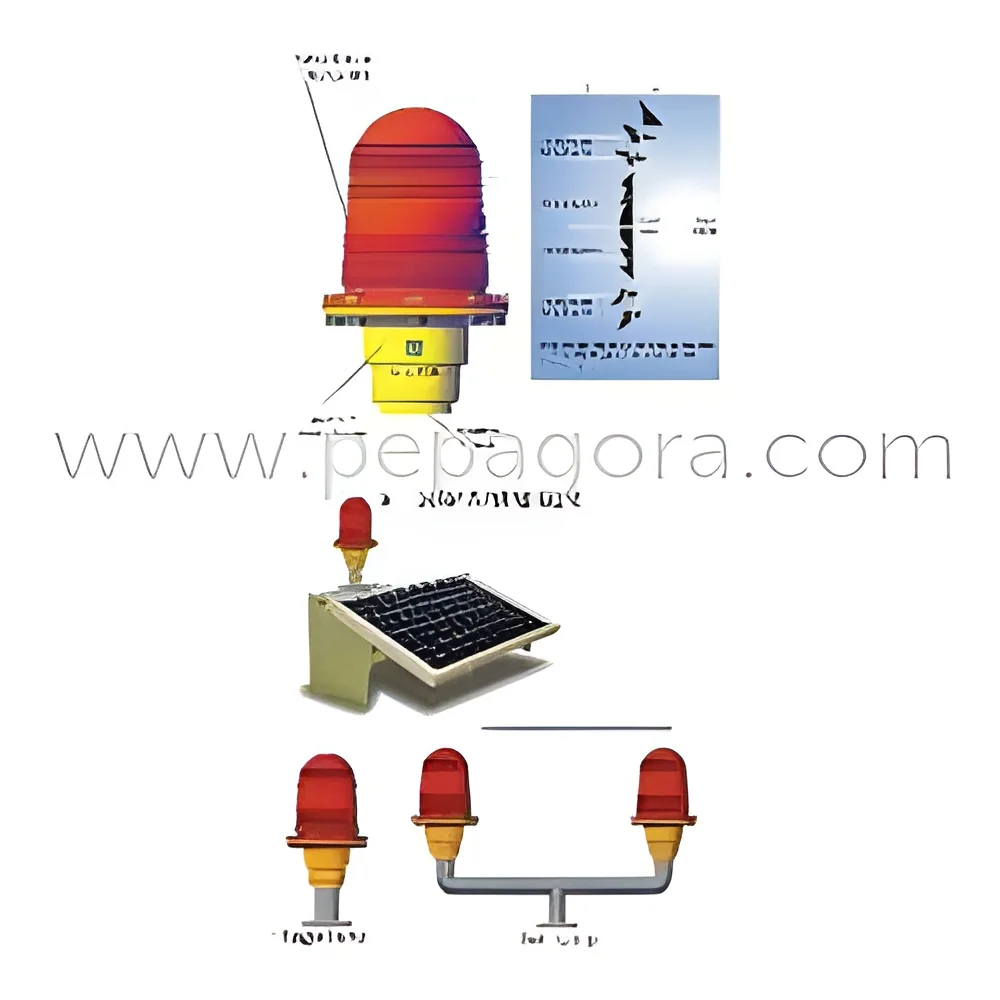
- Can be surface-mounted, panel-mounted, or free-standing.
- The choice of mounting impacts installation flexibility and space requirements.
5. Protection Ratings
- Typically rated IP65 or higher for dust and water resistance.
- Higher ratings ensure durability in challenging environments.
6. Lifespan
- LED signal lamps generally have a lifespan of 25,000 hours or more.
- Long lifespan reduces maintenance frequency and costs.
7. Response Time
- Quick response times are essential for urgent signaling.
- Specifications should indicate the delay between activation and light emission.
8. Certification
- Compliance with CE standards ensures safety and reliability.
- Certifications may vary based on regional requirements.
In summary, understanding these specifications helps businesses select the right signal lamps tailored to their operational needs.
Common Applications and Use Cases
Signal lamps find application in a variety of industries, enhancing safety and communication.
1. Manufacturing: In production facilities, signal lamps indicate machine status, alerting operators to malfunctions or maintenance needs.
2. Transportation: Signal lamps are used in vehicles and traffic management systems to communicate status and safety information to drivers and pedestrians.
3. Oil and Gas: In this industry, signal lamps are critical for indicating emergency situations, such as gas leaks, ensuring prompt response.
4. Healthcare: Hospitals utilize signal lamps to indicate patient status in emergency rooms or operating theaters, allowing for quick access by staff.
5. Warehousing: Signal lamps help manage inventory processes by signaling when items are ready for shipment or when restocking is needed.
6. Construction: On construction sites, signal lamps are employed to signal hazardous areas or alert personnel to equipment operation.
7. Telecommunications: In data centers, signal lamps are used to indicate system health and operational status, helping technicians maintain service continuity.
Product Variants and Subcategories
Signal lamps offer a diverse range of variants to meet specific needs across applications.
LED Signal Lamps
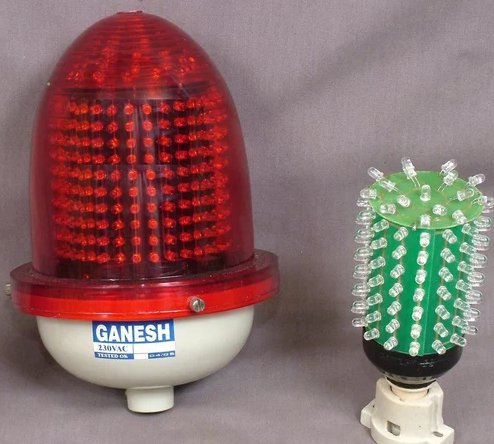
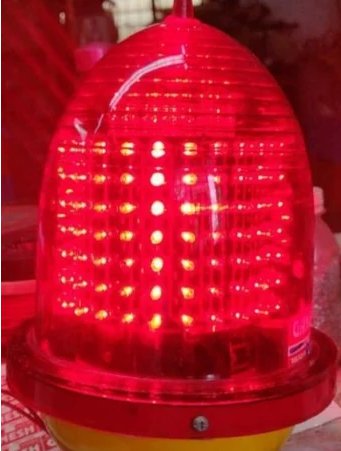
These lamps are energy-efficient, long-lasting, and provide high visibility. They are ideal for environments where constant operation is required, such as manufacturing plants.
Incandescent Signal Lamps
These traditional lamps deliver bright illumination and are suitable for applications where color differentiation is critical. They are often used in older systems or where retrofitting is necessary.
Flashing Signal Lamps
Designed to capture attention, flashing lamps are commonly used in safety applications, alerting personnel to urgent situations or hazards.
Multi-functional Signal Lamps
These variants can change colors or patterns based on operational status, providing versatile signaling options for complex systems.
Benefits and Advantages
Signal lamps offer numerous advantages that enhance operational efficiency and safety.
1. Improved Communication: Signal lamps facilitate quick communication of status changes, reducing misinterpretations in critical environments.
2. Enhanced Safety: By alerting personnel to hazards or operational issues, signal lamps help prevent accidents and ensure a safer workplace.
3. Cost Efficiency: LED options reduce energy consumption and maintenance costs due to their long lifespan, making them a cost-effective choice.
4. Flexibility: With various mounting options and colors, signal lamps can be adapted to fit different environments and operational needs.
5. Increased Productivity: By providing clear visual signals, workers can respond more quickly to changes, minimizing downtime and enhancing workflow.
6. Compliance Assurance: Using certified signal lamps helps ensure adherence to safety regulations, protecting both personnel and equipment.
Buying Guide for B2B Buyers
When sourcing signal lamps, it is essential to consider several factors to make informed purchasing decisions.
1. Quality Assessment: Evaluate the quality of materials and manufacturing processes. Look for certifications that indicate compliance with industry standards.
2. Supplier Verification: Ensure suppliers have a proven track record and reliable customer service. Consider obtaining references or checking online reviews.
3. Pricing and MOQ: Analyze pricing structures and minimum order quantities to align with budget constraints and operational needs.
4. Delivery and Lead Times: Confirm logistics capabilities and expected lead times to ensure timely delivery, especially for critical projects.
5. Compliance Requirements: Be aware of regional compliance standards and certifications necessary for the intended application to avoid penalties.
Compliance and Certifications
Signal lamps are subject to various quality standards and certifications ensuring their safety and reliability. ISO 9001 is a common standard that emphasizes quality management systems, ensuring consistent product quality. Additionally, CE certification indicates compliance with European health, safety, and environmental protection standards.
Safety and testing requirements are critical in industries where signal lamps are used. They must undergo rigorous testing to confirm their durability and operational performance in challenging environments. Compliance considerations may vary by region, which is essential for businesses operating in multiple jurisdictions.
Why Source Signal Lamps from Pepagora?
Pepagora provides a reliable platform for sourcing signal lamps, offering several key advantages to B2B buyers.
Verified Supplier Network: Pepagora partners with verified suppliers, ensuring that buyers receive quality products from reputable manufacturers. This network helps mitigate risks associated with procurement.
Streamlined RFQ Process: The request for quotation (RFQ) system simplifies the purchasing process, allowing buyers to compare offers and select options that best meet their needs.
Trade Assurance and Support: Pepagora offers trade assurance to protect buyers, ensuring that transactions are secure and that support is available throughout the purchasing process.
Regional Coverage: With a strong presence in India, the GCC, and Southeast Asia, Pepagora provides extensive geographic reach, making it easier for businesses to find suitable suppliers regardless of location.


 India
Frequently Asked Questions
What are Signal Lamps?
Signal lamps are lighting devices used to convey information or instructions in various environments, including industrial settings, transportation, and public safety. They can indicate status, alerts, or warnings through different colors and flashing patterns.
What are the different types of Signal Lamps?
Signal lamps come in various types, including steady burn lamps, flashing lamps, and multi-color lamps. Each type serves specific purposes, such as indicating operational status, alerting to hazards, or providing guidance.
How do I choose the right Signal Lamps?
Choosing the right signal lamps involves considering factors such as the intended application, visibility requirements, and environmental conditions. It's also important to assess the power source, size, and mounting options that best fit your needs.
What are the standard specifications for Signal Lamps?
Standard specifications for signal lamps typically include parameters such as voltage rating, power consumption, brightness levels, and operational temperature range. Compliance with relevant safety and performance standards is also crucial.
What is the price range for Signal Lamps?
The price range for signal lamps can vary widely based on factors like type, features, and manufacturer. Generally, basic models may start at a few hundred rupees, while advanced or specialized lamps can cost several thousand rupees.
What quality standards apply to Signal Lamps?
Signal lamps must comply with industry standards such as ISI, CE, or UL certifications, ensuring safety and performance. Quality assessments may include durability testing, brightness evaluation, and energy efficiency.
Where can I find Signal Lamps suppliers in India?
You can find signal lamps suppliers in India through online B2B marketplaces like Pepagora, industry trade shows, and specialized electrical supply stores. It is advisable to compare multiple suppliers to ensure quality and competitive pricing.
Can Signal Lamps be customized?
Yes, many manufacturers offer customization options for signal lamps, including color selection, size modifications, and specific mounting configurations. Custom solutions can be tailored to meet unique operational requirements.
What is the typical minimum order quantity for Signal Lamps?
The typical minimum order quantity (MOQ) for signal lamps varies by supplier and can range from a single unit to several dozen units. It's best to consult with suppliers to understand their specific MOQ policies.
What is the typical lead time for Signal Lamps?
The typical lead time for signal lamps depends on the supplier, type of lamp, and whether customization is requested. Generally, lead times can range from a few days for standard products to several weeks for custom orders.
Why Businesses Trust Pepagora
Thousands of companies trust Pepagora to source smarter and sell faster
Expand Your Sales Globally

Source Smarter,Grow Faster
