
 IN
Shoe Racks & Shoe Organizers
16 products available
What are Shoe Racks & Shoe Organizers?
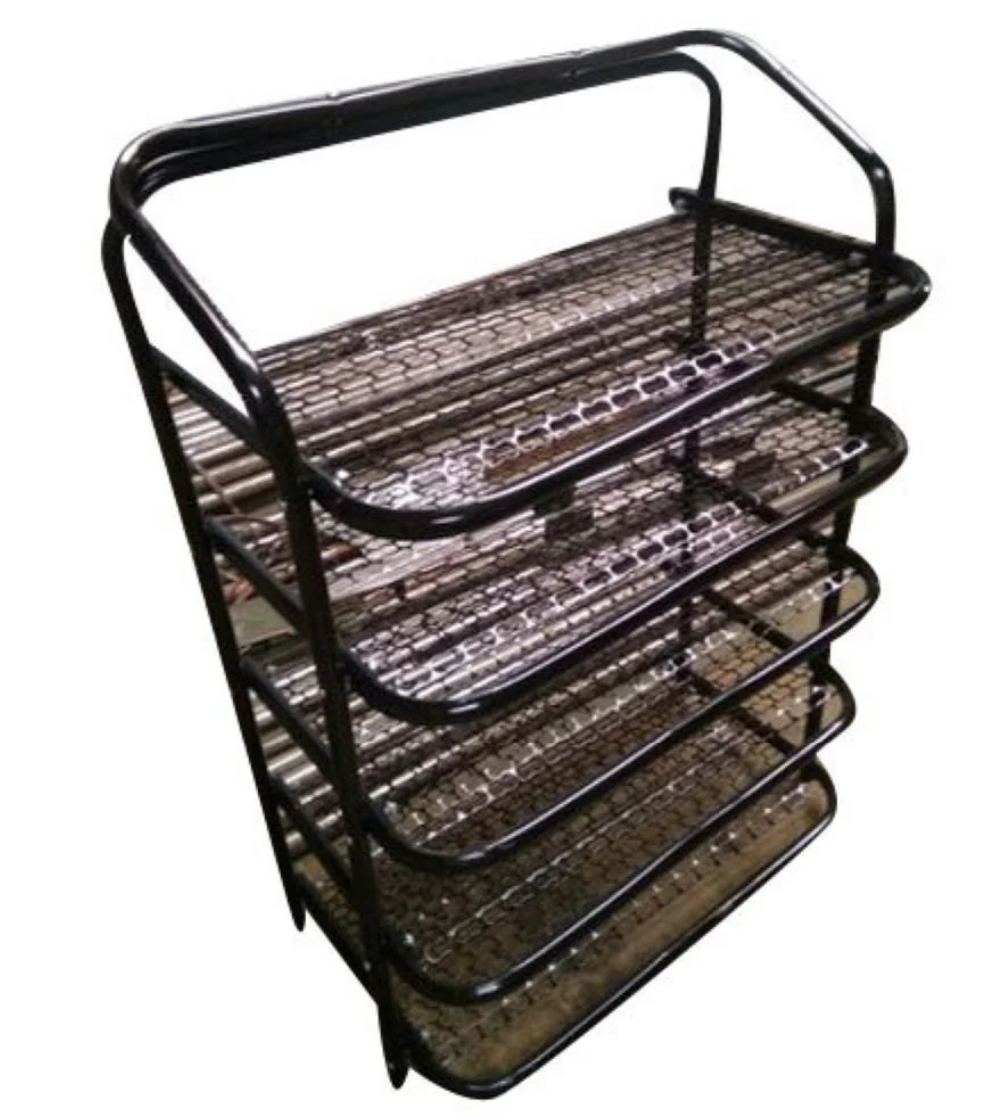
Shoe racks and shoe organizers are storage solutions designed to efficiently store and manage footwear. These products come in various designs and sizes to accommodate different needs, from compact options for small spaces to larger units for extensive collections. Their primary function is to keep shoes organized, accessible, and protected from damage, while also contributing to a tidy environment.
In a business context, shoe racks and organizers are essential in retail environments, warehouses, and manufacturing settings. They help maintain order in stockrooms and display areas, allowing for easier inventory management and improved customer experience. Organizations that prioritize cleanliness and organization often find shoe organizers beneficial as they enhance workplace safety and efficiency.
The market for shoe racks and organizers continues to grow, driven by increasing consumer awareness of the importance of organization and space management. Many industries, such as retail and logistics, recognize the value of these products in optimizing storage solutions and improving operational workflows.
Key Features and Specifications
Shoe racks and organizers come with various features tailored to meet specific user needs. Understanding these specifications can help businesses choose the right product for their requirements.
Key specifications include:
1. Design Type
- Various designs available include vertical, horizontal, and tiered options.
- Each design caters to different space constraints and aesthetic preferences.
2. Material
- Common materials include wood, metal, and plastic.
- Each material offers different durability, weight capacity, and aesthetic appeal.
3. Capacity
- Capacity can range from a few pairs of shoes to over fifty.
- Larger capacities are ideal for commercial settings or large households.
4. Adjustable Shelving
- Many models feature adjustable shelves for customizable storage.
- This allows users to accommodate different shoe sizes and styles.
5. Mobility
- Some racks come with wheels for easy relocation.
- Mobility features are beneficial in dynamic environments where space needs change.
6. Assembly
- Some products require assembly upon delivery, while others are pre-assembled.
- Easy assembly options save time and labor costs during setup.
7. Ventilation
- Proper ventilation helps prevent odor and moisture accumulation.
- Features may include slatted designs or open shelving.
8. Aesthetic Options
- Available in various colors and finishes to match different decor styles.
- Personalization options can enhance brand visibility in commercial settings.
In summary, these specifications ensure that shoe racks and organizers cater to various applications, providing efficient storage solutions in both personal and commercial environments.
Common Applications and Use Cases
Shoe racks and organizers serve a wide range of industries, offering tailored solutions for diverse needs.
1. Retail: In retail settings, shoe racks display products attractively while keeping the floor organized. They enhance the customer shopping experience by making products easily accessible.
2. Warehousing: In warehouses, shoe organizers help keep stockrooms orderly. They allow for quick inventory checks and efficient management of footwear stock.
3. Hospitality: Hotels and resorts benefit from shoe racks in guest rooms and staff areas. They provide guests with convenient storage options while maintaining a tidy ambiance.
4. Manufacturing: In manufacturing environments, shoe organizers keep employees' footwear organized. This is crucial for safety and compliance with workplace regulations.
5. Residential: Households use shoe racks to declutter entryways. They provide a designated space for shoes, promoting cleanliness and organization in living areas.
6. Educational Institutions: Schools and universities utilize shoe organizers in locker rooms and common areas. They help manage students' footwear, keeping facilities tidy.
7. Fitness Centers: Gyms and fitness studios often have shoe racks to accommodate members' footwear. This ensures a clean environment and enhances user experience.
Product Variants and Subcategories
Shoe racks and organizers come in various forms, catering to different storage needs and preferences.
Wall-Mounted Racks
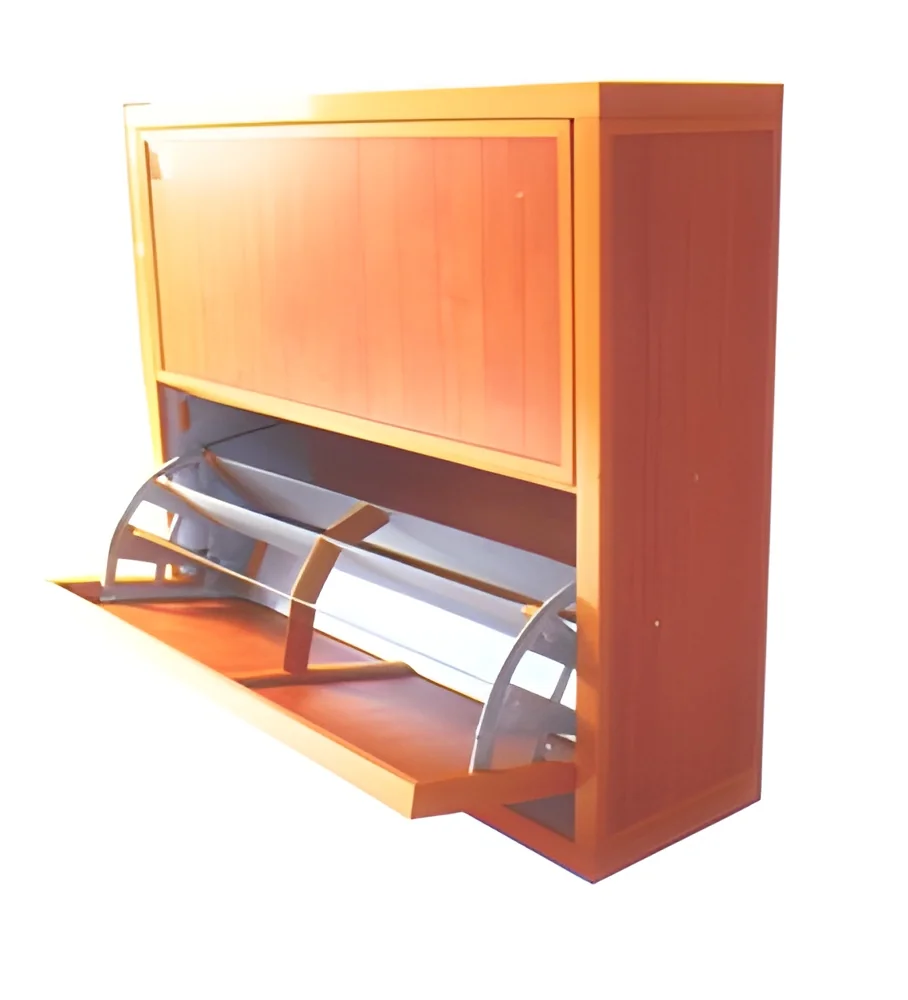
These space-saving designs are ideal for small areas. They can be installed in entryways or closets, providing an organized solution without taking up floor space.
Freestanding Racks
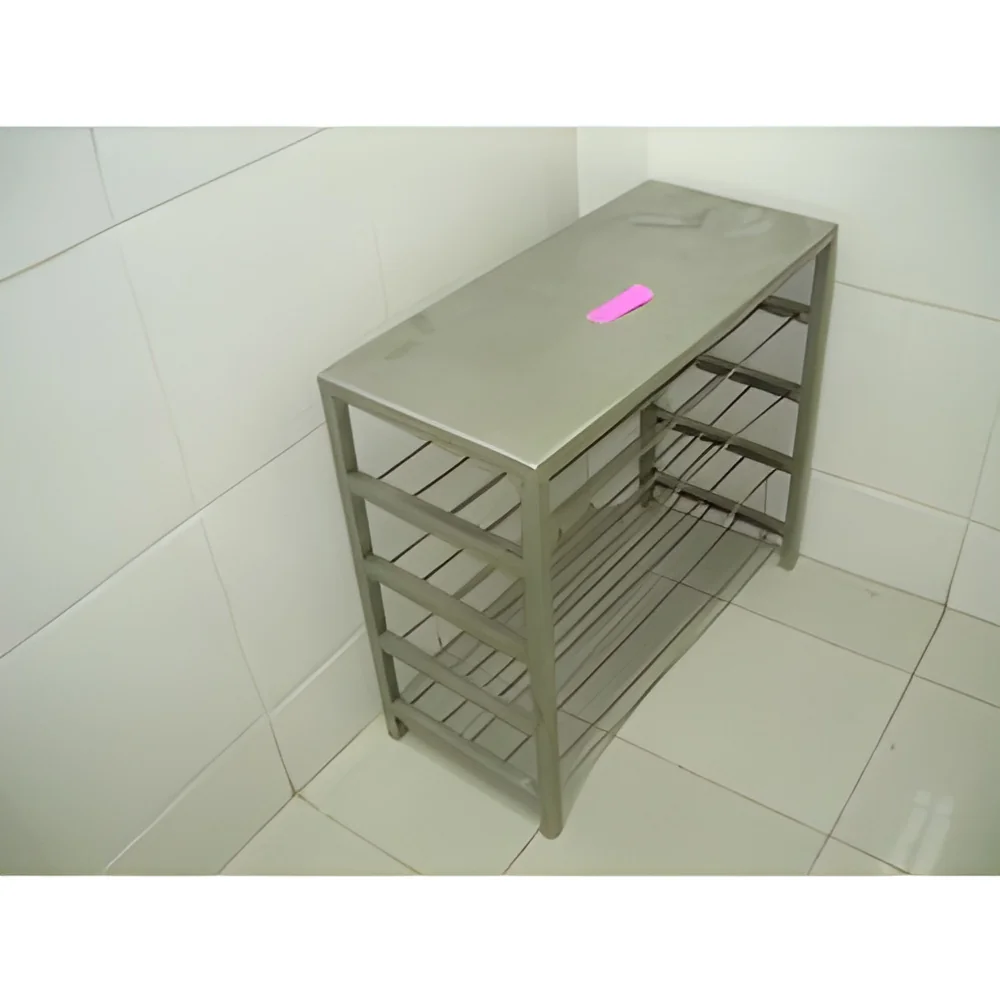
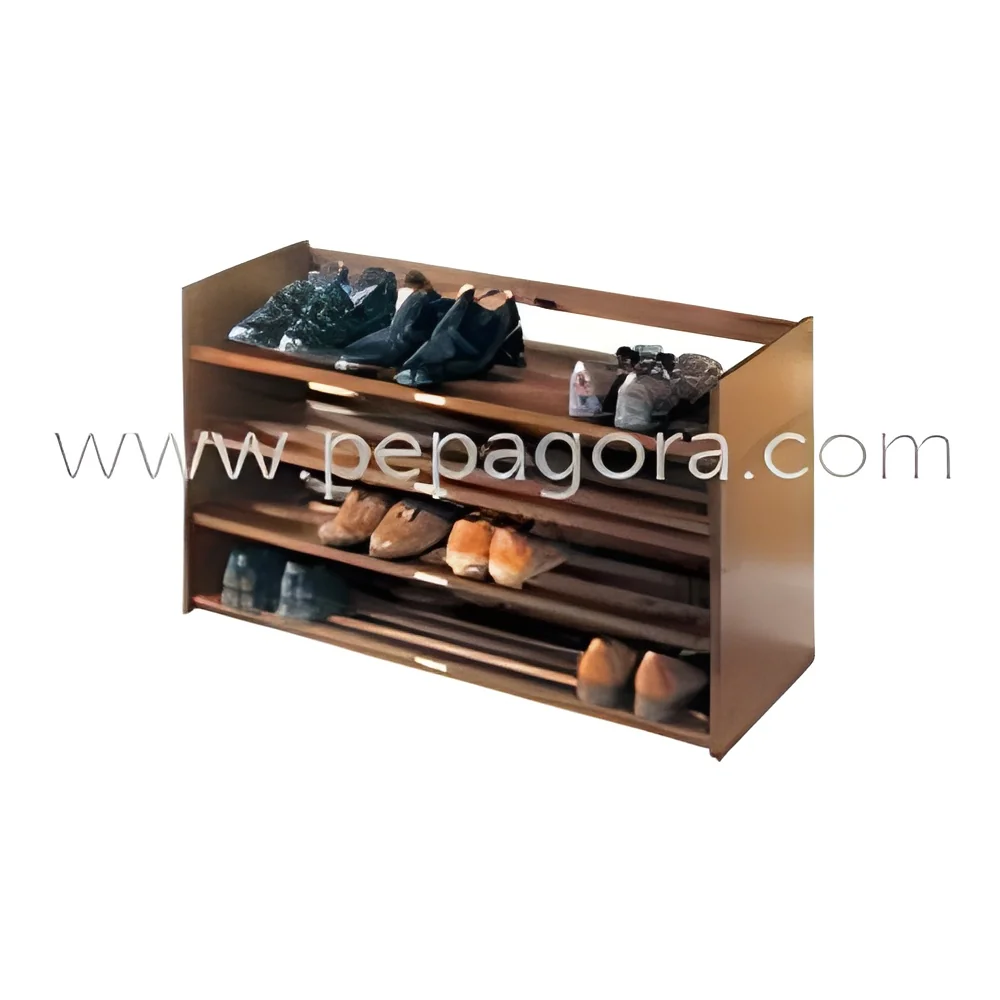
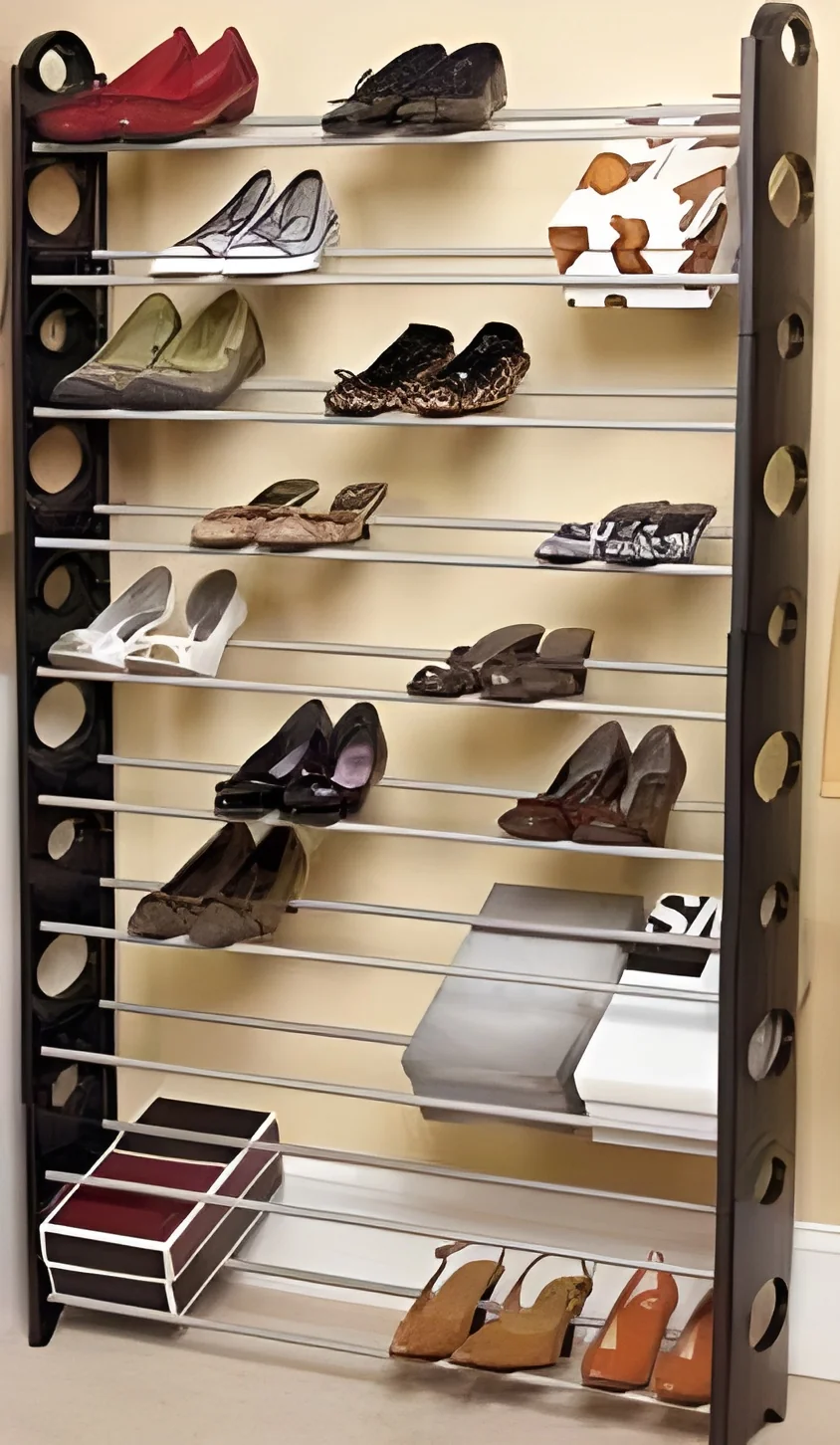
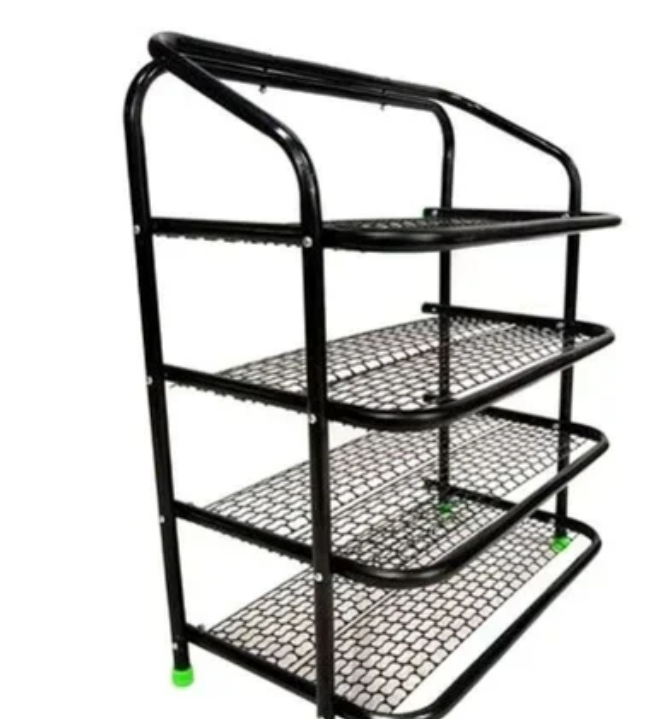
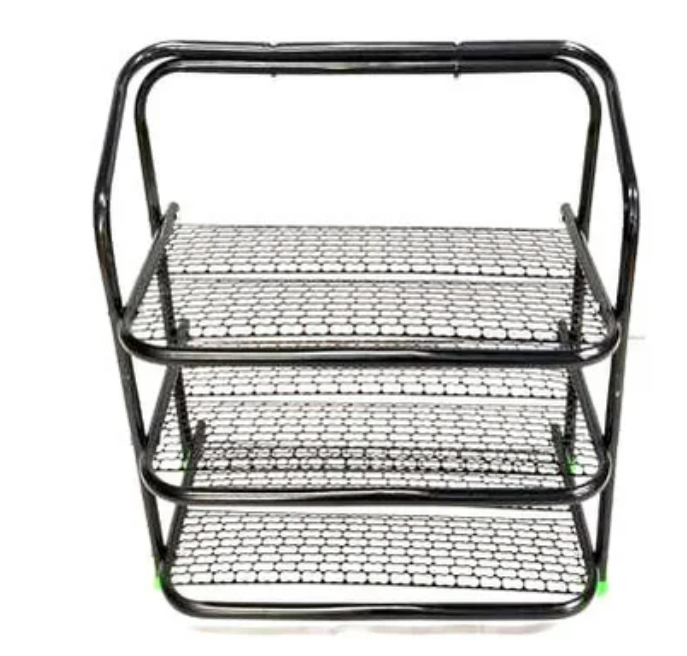
Freestanding options are versatile and can be positioned anywhere. They often feature multiple tiers and are suitable for larger collections.
Shoe Cabinets
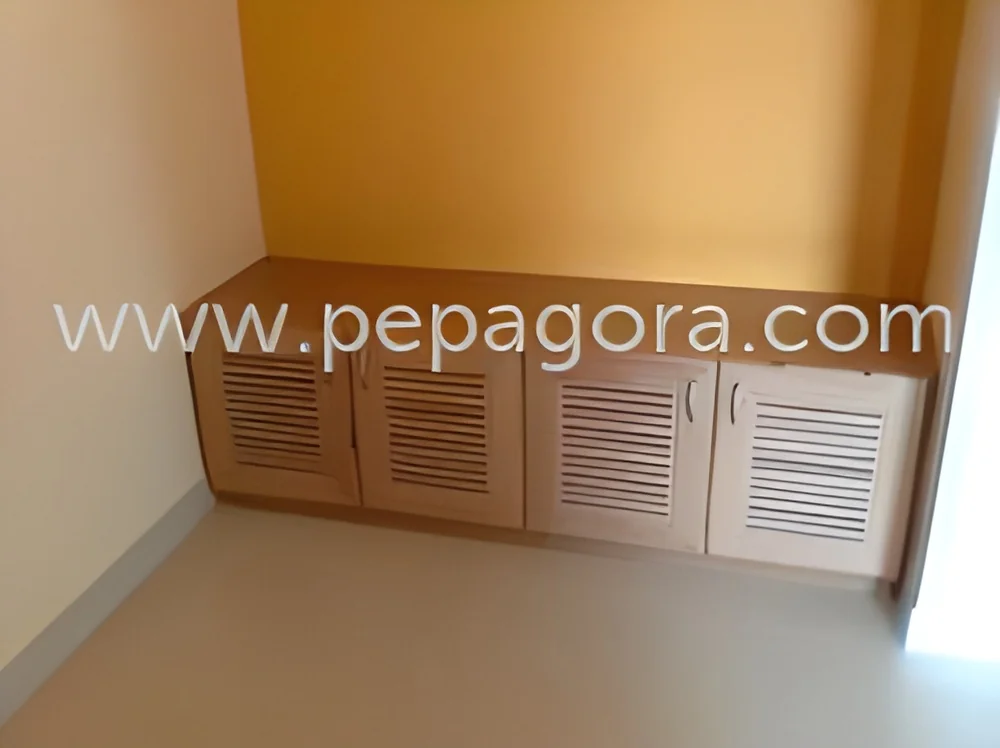
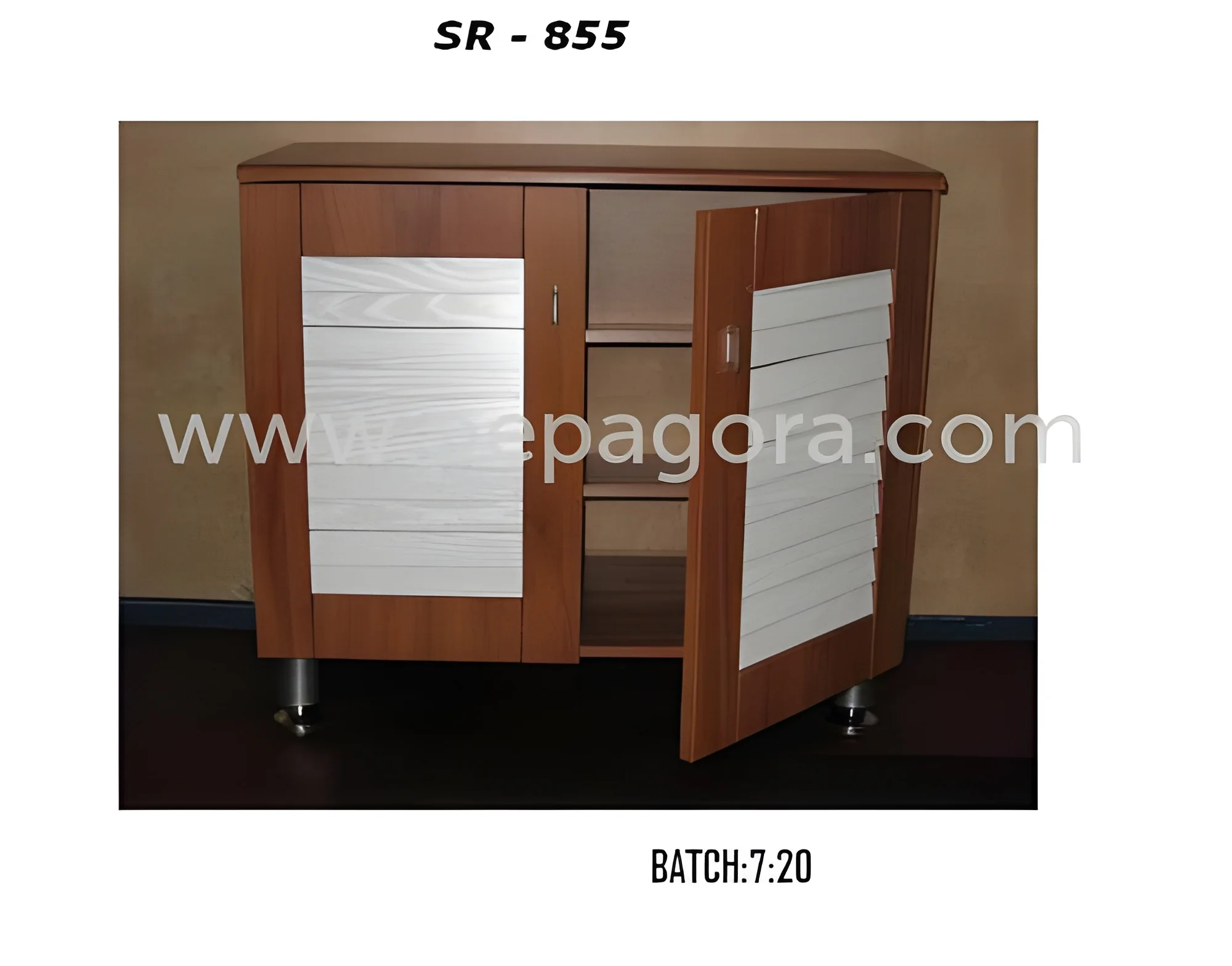
Shoe cabinets offer a more concealed storage solution, protecting shoes from dust and damage. They often come with doors to maintain a clean look.
Portable Organizers
These organizers are lightweight and easy to move. They are perfect for temporary setups or events where footwear needs to be stored efficiently.
Benefits and Advantages
Shoe racks and organizers offer several advantages that enhance their appeal to businesses and consumers.
1. Space Optimization: They maximize available space, allowing for more efficient use of storage areas. This is especially beneficial in environments where space is limited.
2. Improved Organization: These products help keep footwear organized, reducing clutter and making it easier to find specific pairs. This leads to increased productivity in commercial settings.
3. Enhanced Durability: High-quality materials ensure that shoe racks withstand regular use. This longevity reduces the need for frequent replacements, saving costs in the long run.
4. Aesthetic Appeal: Shoe organizers can enhance the overall look of a space. Stylish designs contribute positively to the ambiance of retail or hospitality environments.
5. Increased Safety: By reducing clutter and providing designated storage areas, shoe racks help maintain safe environments. This is crucial in workplaces to prevent accidents.
6. Versatility: Shoe racks can be used in various settings, from homes to commercial spaces. Their adaptability means they meet diverse needs effectively.
Buying Guide for B2B Buyers
When sourcing shoe racks and organizers, it is essential for B2B buyers to consider several key factors.
1. Quality Assessment: Evaluating the quality of materials and construction is vital. Buyers should look for products that meet durability standards and can withstand regular use.
2. Supplier Verification: It is crucial to vet suppliers to ensure reliability and quality. Researching supplier backgrounds and customer reviews can help identify trustworthy partners.
3. Pricing and MOQ: Understanding the price range and minimum order quantities is important for budgeting. Buyers should compare prices across different suppliers to find competitive offers.
4. Delivery and Lead Times: Timely delivery is essential for operational efficiency. Buyers should inquire about lead times to ensure products arrive when needed.
5. Compliance Requirements: Awareness of regulatory and safety standards is necessary. Buyers should ensure that products comply with relevant industry certifications and quality standards.
Compliance and Certifications
Shoe racks and organizers must adhere to various compliance and certification standards to ensure product quality and safety.
ISO 9001 is a relevant quality management standard that ensures consistent quality in production processes. Companies that meet this standard demonstrate their commitment to quality assurance.
The CE marking indicates conformity with health, safety, and environmental protection standards within the European Economic Area. This certification assures buyers of the product's compliance with essential regulations.
Companies should also consider safety and testing requirements specific to their industry. Ensuring products meet these standards is crucial for operational safety and compliance.
Finally, regional compliance considerations may vary, so buyers should be aware of local regulations affecting product use and certification.
Why Source Shoe Racks & Shoe Organizers from Pepagora?
Pepagora offers a reliable platform for sourcing shoe racks and organizers, providing several key advantages for B2B buyers.
Verified Supplier Network: Pepagora features a network of verified suppliers, ensuring that buyers can connect with trusted manufacturers. This verification process adds a layer of security in the sourcing process.
Streamlined RFQ Process: The Request for Quotation (RFQ) system simplifies the procurement process. Buyers can easily request quotes from multiple suppliers, facilitating better pricing and options.
Trade Assurance and Support: Pepagora includes trade assurance measures to protect buyers. This support helps ensure that transactions are secure and that products meet quality expectations.
Regional Coverage: With a strong presence in India, GCC, and Southeast Asia, Pepagora provides geographic reach that benefits buyers looking for local and regional suppliers. This broad coverage enhances accessibility and convenience for businesses across different markets.


 India
 India
 India
 India
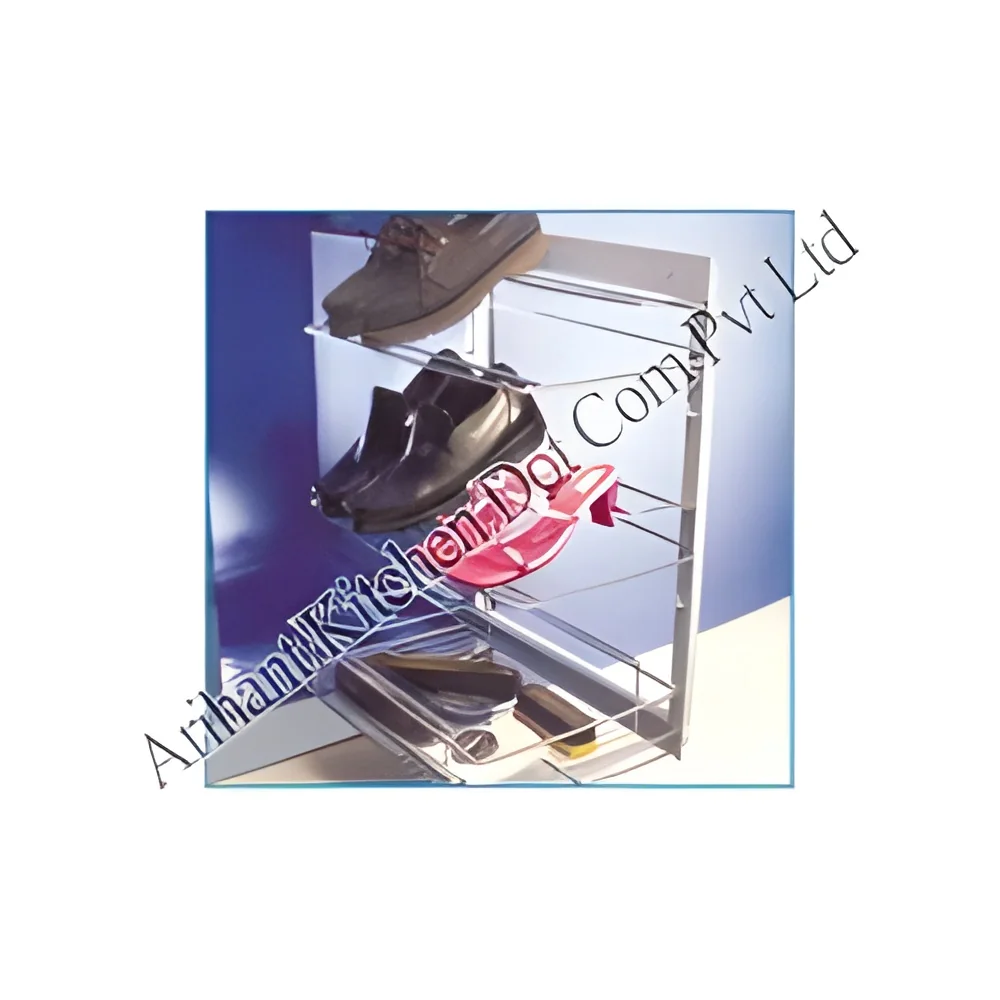 India
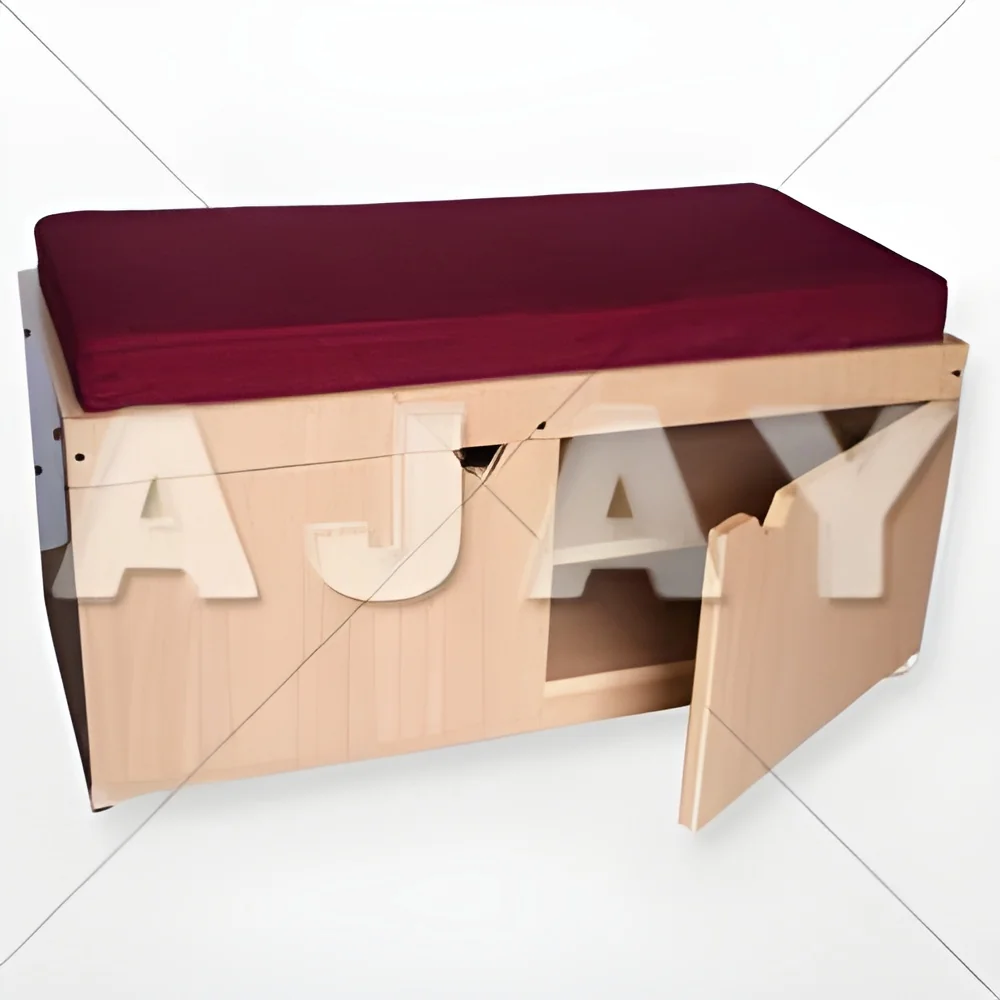 India
 India
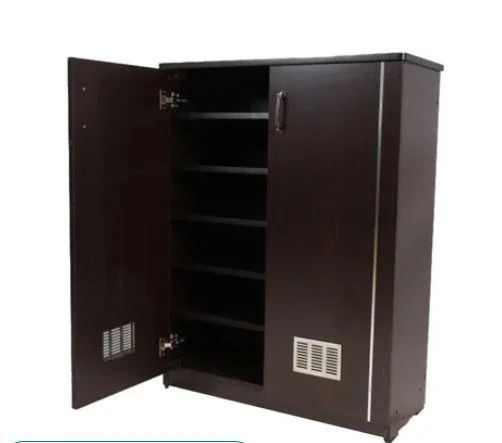

 India
 India
Frequently Asked Questions
What are Shoe Racks & Shoe Organizers?
Shoe Racks & Shoe Organizers are furniture pieces designed to store and organize shoes in a neat and accessible manner. They come in various styles, sizes, and materials, catering to different storage needs and aesthetic preferences.
What are the different types of Shoe Racks & Shoe Organizers?
There are several types of Shoe Racks & Shoe Organizers, including freestanding racks, wall-mounted organizers, under-bed storage, and multi-tiered shelves. Each type serves specific purposes, such as maximizing space or enhancing visibility.
How do I choose the right Shoe Racks & Shoe Organizers?
To choose the right Shoe Racks & Shoe Organizers, consider your available space, the number of shoes you need to store, and your preferred design. Additionally, look for materials that match your interior decor and ensure the rack is sturdy enough for your shoe collection.
What are the standard specifications for Shoe Racks & Shoe Organizers?
Standard specifications for Shoe Racks & Shoe Organizers typically include dimensions such as height, width, and depth, as well as the number of tiers or compartments. Material specifications may also include wood, metal, or plastic, depending on the design.
What is the price range for Shoe Racks & Shoe Organizers?
The price range for Shoe Racks & Shoe Organizers can vary significantly based on material, design, and brand. Generally, prices can start from as low as INR 500 and go up to INR 5,000 or more for premium models.
What quality standards apply to Shoe Racks & Shoe Organizers?
Quality standards for Shoe Racks & Shoe Organizers often include durability, stability, and resistance to wear and tear. Manufacturers may follow specific guidelines to ensure that their products meet safety and quality benchmarks.
Where can I find Shoe Racks & Shoe Organizers suppliers in India?
You can find Shoe Racks & Shoe Organizers suppliers in India through various online B2B marketplaces, trade shows, and local furniture stores. Websites like Pepagora.com provide a platform to connect with reliable manufacturers and suppliers.
Can Shoe Racks & Shoe Organizers be customized?
Yes, many manufacturers offer customization options for Shoe Racks & Shoe Organizers. Customers can request specific sizes, materials, and designs to suit their individual needs and preferences.
What is the typical minimum order quantity for Shoe Racks & Shoe Organizers?
The typical minimum order quantity (MOQ) for Shoe Racks & Shoe Organizers can vary by supplier but often ranges from 10 to 50 units. It's advisable to confirm the MOQ with the supplier before placing an order.
What is the typical lead time for Shoe Racks & Shoe Organizers?
The typical lead time for Shoe Racks & Shoe Organizers can range from 2 to 6 weeks, depending on the complexity of the order and the manufacturer's production capacity. Always check with the supplier for specific timelines.
Why Businesses Trust Pepagora
Thousands of companies trust Pepagora to source smarter and sell faster
Expand Your Sales Globally

Source Smarter,Grow Faster
