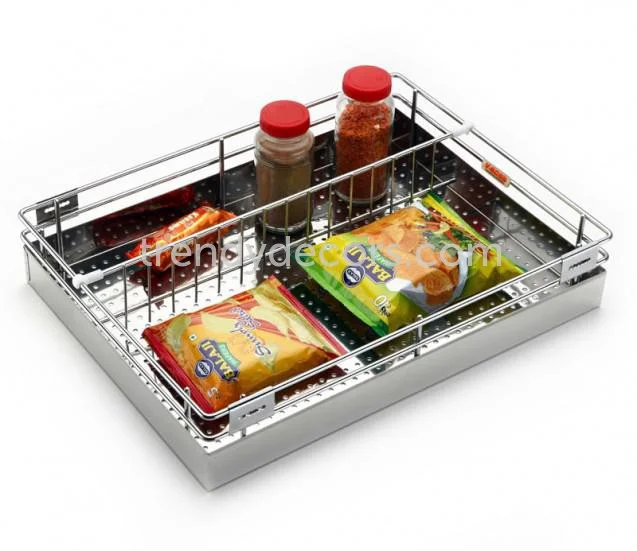
What are Stackable Baskets & Containers?
Stackable baskets and containers are versatile storage solutions designed to optimize space efficiency and organization in various industrial and commercial settings. These products are engineered to be stacked securely, allowing users to maximize vertical space while maintaining easy accessibility to stored items. Made from durable materials, these containers are ideal for transporting and storing goods in environments such as warehouses, retail spaces, and manufacturing facilities.
The primary uses of stackable baskets and containers include the storage of raw materials, finished products, and inventory management. Businesses often utilize these containers for efficient sorting, display, and transportation of goods. As industries continue to prioritize efficiency and space management, stackable baskets and containers have become integral to supply chain management, inventory control, and logistics operations.
In the current market context, stackable baskets and containers cater to a broad range of industries including food service, retail, and manufacturing. The demand for these products is driven by the need for improved organization and ease of access to materials, making them a crucial element in enhancing operational productivity.
Key Features and Specifications
Stackable baskets and containers come with a variety of features tailored to meet the needs of different industries. Their design often includes lightweight yet sturdy construction, ensuring that they can withstand the rigors of daily use while remaining easy to handle.
Key specifications include:
1. Material Composition
- Typically made from high-density polyethylene (HDPE) or polypropylene (PP)
- Resistant to impact and chemicals
2. Weight Capacity
- Varies by design, typically ranging from 20 to 100 pounds
- Maximum load ratings help prevent overloading
3. Dimensions
- Available in various sizes to fit specific storage needs
- Common dimensions include lengths of 12 to 48 inches
4. Stackability Features
- Designed with interlocking edges or rims for secure stacking
- Allows for stable vertical storage without tipping
5. Ventilation Options
- Some models include perforated designs for airflow
- Ideal for food storage or perishable goods
6. Customization Options
- Many suppliers offer custom colors or labels
- Enables branding or easy identification of contents
7. Ease of Cleaning
- Smooth surfaces facilitate quick cleaning and sanitization
- Suitable for industries with strict hygiene standards
8. Environmental Considerations
- Many products are recyclable or made from recycled materials
- Supports sustainability initiatives within businesses
In summary, stackable baskets and containers provide a range of features that enhance functionality, durability, and ease of use, making them valuable assets in various business operations.
Common Applications and Use Cases
Stackable baskets and containers find utility across multiple industries, enhancing storage and transport solutions.
1. Food and Beverage Industry: These containers are frequently used in food processing and catering for storing ingredients, transporting goods, and organizing kitchen spaces.
2. Retail Sector: Retailers utilize stackable baskets for merchandising products, enabling attractive displays while optimizing space in stores.
3. Manufacturing: In manufacturing settings, these containers are essential for organizing components and materials, streamlining production processes and reducing waste.
4. Logistics and Warehousing: Stackable containers help in efficiently managing inventory and optimizing storage in warehouses, promoting better space utilization.
5. Healthcare: In hospitals and clinics, stackable baskets assist in organizing medical supplies and equipment, ensuring easy access and compliance with hygiene standards.
6. Agriculture: Farmers use these containers for harvesting, sorting, and transporting produce, capitalizing on their durability and stackability.
7. Automotive: In the automotive industry, stackable containers are used to sort and store parts, facilitating efficient assembly and inventory management.
Product Variants and Subcategories
Stackable baskets and containers come in various designs, catering to different needs and applications.
Plastic Stackable Containers: These containers are lightweight, durable, and resistant to chemicals, making them suitable for various industrial uses. They often feature a design that allows for easy stacking and retrieval.
Metal Stackable Baskets: Constructed from steel or aluminum, these baskets provide added strength and are ideal for heavier items. They are commonly used in warehouses and manufacturing environments.
Collapsible Stackable Baskets: Designed for easy storage when not in use, these baskets can be collapsed to save space. They are particularly useful in retail and food service for seasonal needs.
Airtight Stackable Containers: These containers are designed to keep contents secure and free from moisture or contaminants. They are often used in food storage and pharmaceuticals.
Benefits and Advantages
Stackable baskets and containers offer numerous advantages for businesses seeking efficient storage solutions.
1. Space Efficiency: Their stackable design allows for maximum use of vertical space, leading to enhanced storage capacity in limited areas.
2. Organization: These containers help keep items sorted and easily accessible, reducing time spent searching for products.
3. Durability: Made from robust materials, stackable baskets can withstand wear and tear, ensuring long-term use.
4. Versatility: Suitable for a wide range of applications and industries, making them adaptable to various business needs.
5. Cost-Effectiveness: By optimizing storage and reducing clutter, these containers can lead to lower operational costs over time.
6. Easy Transportation: Many models are designed with handles for easy lifting and transport, improving efficiency in logistics.
Buying Guide for B2B Buyers
When sourcing stackable baskets and containers, businesses should consider several key factors to ensure they select the right products.
1. Quality Assessment: Evaluate the materials and construction of the containers to ensure they meet industry standards for durability and performance.
2. Supplier Verification: Research and vet suppliers to confirm their reliability and track record in providing quality products.
3. Pricing and MOQ: Understand the pricing structure and minimum order quantities to align with budget constraints while meeting business needs.
4. Delivery and Lead Times: Inquire about logistics and delivery timelines to ensure timely receipt of products for operational continuity.
5. Compliance Requirements: Ensure that the products meet any relevant industry regulations or certifications, particularly for food and health-related applications.
Compliance and Certifications
Stackable baskets and containers must adhere to various quality standards and certifications to ensure they are safe and effective for use in different industries.
ISO 9001 is a key quality standard that dictates requirements for a quality management system, ensuring consistent quality in manufacturing processes.
HACCP (Hazard Analysis and Critical Control Points) is critical for food-related applications, as it outlines safety measures to prevent contamination in food handling and processing.
CE certification indicates that products meet the European Union’s health, safety, and environmental protection standards.
Additionally, companies should consider safety and testing requirements relevant to their industry, particularly in sectors like healthcare and food service.
Regional compliance may also be necessary depending on local regulations, making it essential for buyers to be aware of the specific requirements in their geographic locations.
Why Source Stackable Baskets & Containers from Pepagora?
Pepagora presents an excellent platform for sourcing stackable baskets and containers, offering several critical advantages for B2B buyers.
Verified Supplier Network: Pepagora has established a rigorous vetting process for suppliers, ensuring that buyers can trust the quality and reliability of the products available.
Streamlined RFQ Process: The request for quotation system simplifies the procurement process, allowing buyers to quickly compare offers and select the best options for their needs.
Trade Assurance and Support: Pepagora provides trade assurance, offering buyers protection against order discrepancies and ensuring a smooth transaction experience.
Regional Coverage: With a broad geographic reach, including India, the GCC, and Southeast Asia, Pepagora connects buyers with local suppliers, facilitating efficient logistics and timely delivery.
By choosing to source stackable baskets and containers from Pepagora, businesses can enhance their operational efficiency and ensure they have access to high-quality storage solutions.

 IN
IN