What are Modular Kitchen Storage Units?
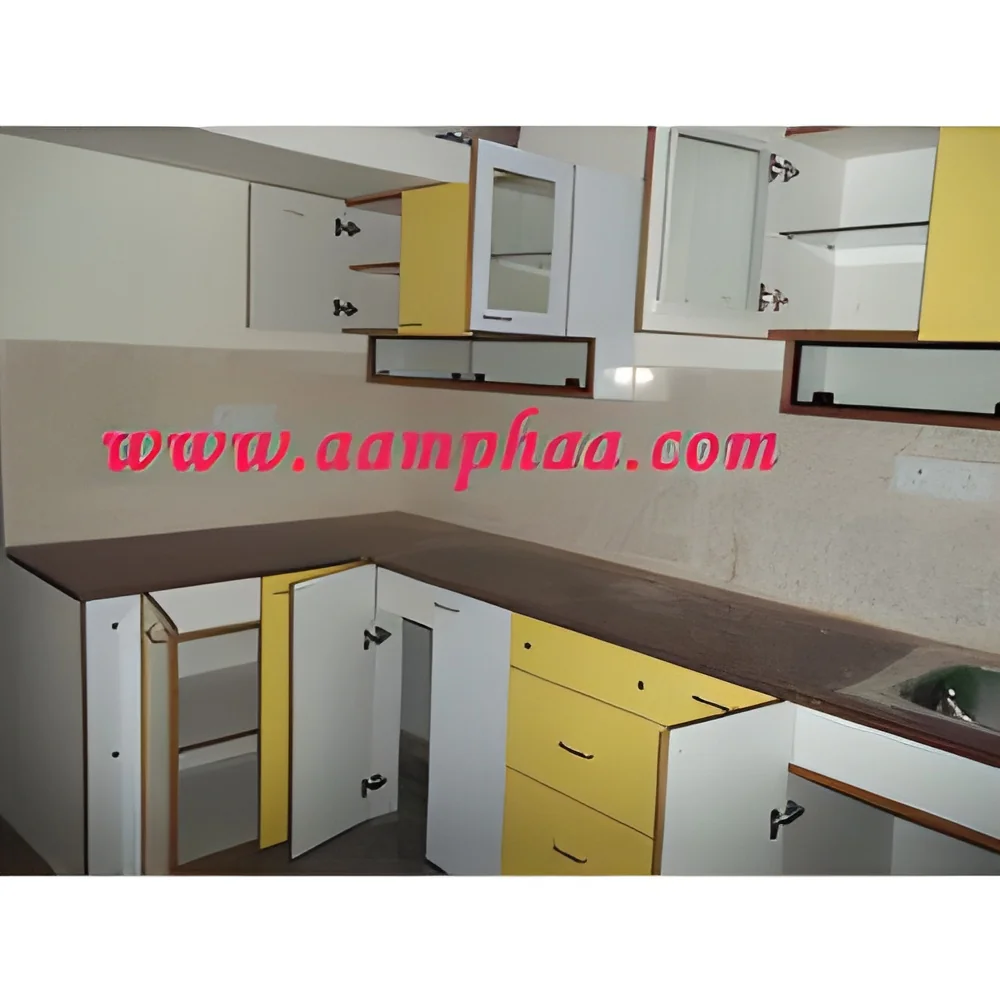
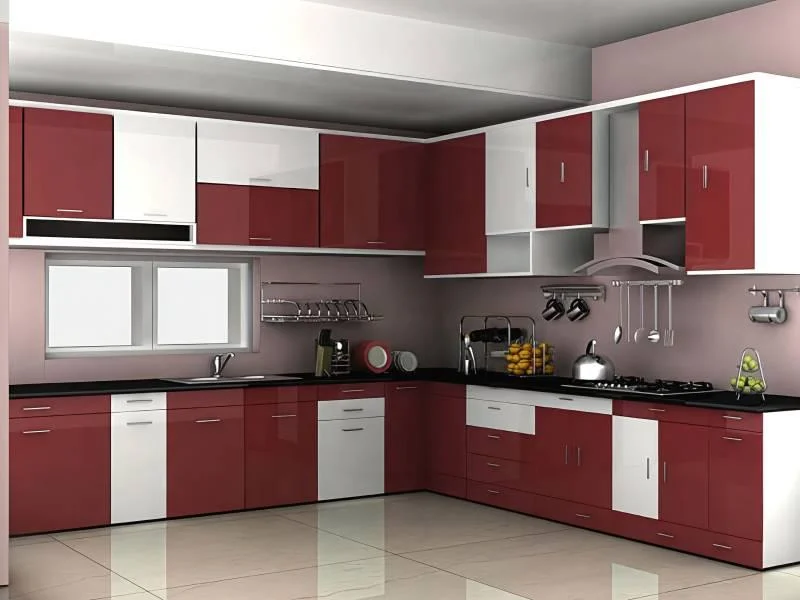
Modular kitchen storage units are customizable storage solutions designed to maximize space efficiency in kitchens. These units are built from various materials and components that can be arranged in multiple configurations. This flexibility allows businesses to create kitchen layouts that meet specific needs and preferences, making the most of available space.
These storage units are widely used in both residential and commercial kitchens. In restaurants, hotels, and catering businesses, they help streamline operations by providing organized storage for utensils, ingredients, and equipment. The modular nature of the units allows businesses to adapt to changing requirements, ensuring that kitchens remain efficient and functional.
In the current market, the demand for modular kitchen storage units is on the rise as more businesses recognize their advantages. With a growing focus on space optimization and efficiency, these products play a crucial role in modern kitchen design. The increasing trend towards customization in the food and hospitality industries further emphasizes the relevance of these storage solutions.
Key Features and Specifications
Modular kitchen storage units come equipped with various features that enhance functionality and convenience. These features cater to the diverse needs of businesses in the kitchen industry. Understanding these specifications is essential for selecting the right storage solutions.
Key specifications include:
1. Material Composition
- Typically made from high-quality materials such as stainless steel, laminated wood, or durable plastics.
- Varies based on strength and suitability for different kitchen environments.
2. Configuration Options
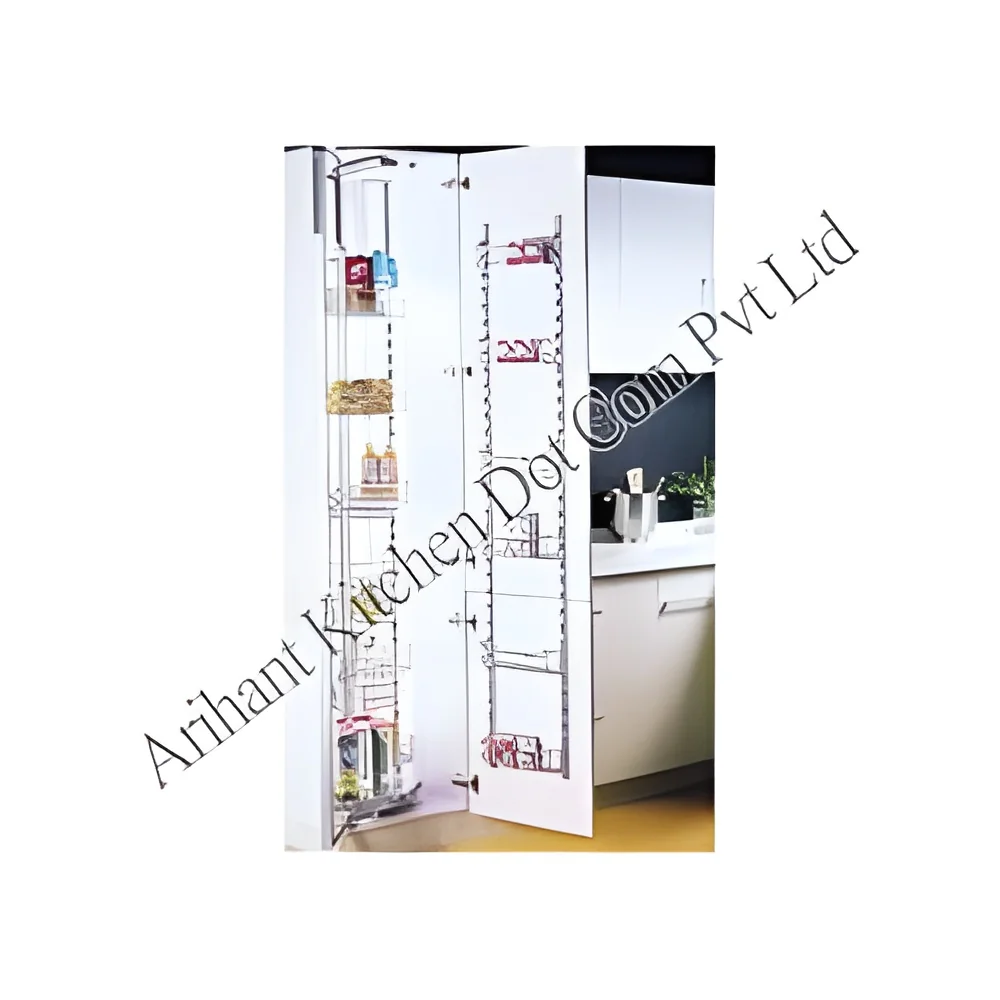
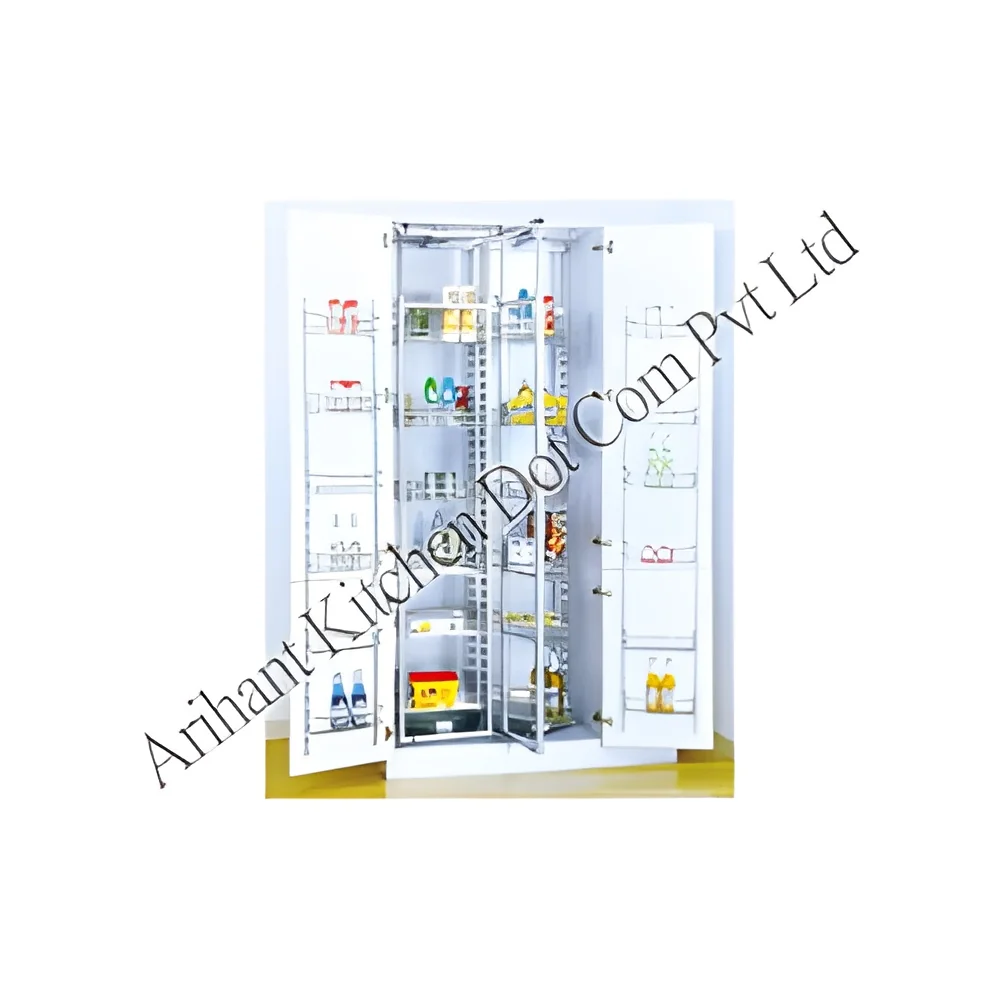
- Available in various configurations, including shelving units, cabinets, and drawers.
- Customizable layouts to fit specific kitchen dimensions and requirements.
3. Load Capacity
- Designed to support significant weight, with specifications varying based on the unit type.
- Ensures that heavy kitchen equipment can be stored securely.
4. Surface Finish
- Offers options such as matte, glossy, or textured finishes.
- Affects the aesthetic appeal and ease of cleaning.
5. Assembly Requirements
- Some units come pre-assembled, while others may require on-site assembly.
- Influences installation time and complexity.
6. Modular Components
- Includes interchangeable parts that allow for easy updates or expansions.
- Facilitates adaptability as kitchen needs change.
In summary, understanding the features and specifications of modular kitchen storage units is vital for businesses looking to optimize their kitchen spaces.
Common Applications and Use Cases
Modular kitchen storage units serve a variety of industries and applications. These units are versatile, making them suitable for different kitchen environments.
1. Restaurants: In commercial kitchens, modular storage units provide organized areas for ingredients and tools, enhancing workflow efficiency.
2. Catering Services: These units allow caterers to maintain order and accessibility, crucial for managing large events and multiple clients.
3. Hotels: Modular storage is essential in hotel kitchens, where different meals are prepared simultaneously, requiring efficient organization.
4. Food Processing Plants: In industrial settings, these units help streamline operations by providing designated storage for ingredients and equipment.
5. Educational Institutions: School and college kitchens benefit from modular storage units for meal preparation, ensuring compliance with food safety regulations.
6. Healthcare Facilities: Hospitals and nursing homes use these units to maintain organized storage for food supplies, essential for patient care.
7. Residential Kitchens: Homeowners seeking functional kitchen space often opt for modular storage solutions to enhance organization.
Product Variants and Subcategories
Modular kitchen storage units come in various forms, providing businesses with a range of options to suit their specific needs.
Wall-Mounted Units
These units save floor space and are ideal for kitchens with limited area. They offer shelves and compartments for easy access to frequently used items.
Freestanding Cabinets
Freestanding options provide ample storage space and can be placed anywhere in the kitchen. They are perfect for storing larger kitchen appliances and bulk items.
Drawer Systems
Drawer systems allow for organized storage of utensils and small items. Their design helps maximize accessibility and efficiency.
Corner Units
Corner modular units make use of otherwise wasted space in kitchens. They provide unique storage solutions for hard-to-reach areas.
Benefits and Advantages
Modular kitchen storage units offer numerous benefits to businesses seeking efficiency and organization in their kitchens.
Key benefits include:
1. Space Optimization: These units maximize available kitchen space, allowing for better organization and workflow.
2. Customization: Businesses can tailor the units to their specific needs, ensuring that storage solutions meet operational requirements.
3. Increased Efficiency: Organized storage leads to reduced time spent searching for items, enhancing overall kitchen productivity.
4. Easy Maintenance: Many modular units are designed with easy-to-clean surfaces, promoting hygiene in kitchen environments.
5. Scalability: As businesses grow, modular units can be expanded or reconfigured to accommodate changing storage needs.
6. Cost-Effectiveness: Investing in modular storage solutions can lead to long-term savings by improving kitchen efficiency and reducing clutter.
Buying Guide for B2B Buyers
When sourcing modular kitchen storage units, B2B buyers should consider several important factors to ensure they make informed decisions.
1. Quality Assessment: Evaluate materials and finishes to ensure durability and suitability for kitchen conditions. Look for units that meet industry standards for quality.
2. Supplier Verification: Research potential suppliers to check their credibility and reliability. Request references and reviews from previous clients.
3. Pricing and MOQ: Understand the pricing structure and minimum order quantities. This helps in budgeting and planning purchases.
4. Delivery and Lead Times: Confirm delivery schedules and lead times to ensure timely installation of storage units in the kitchen.
5. Compliance Requirements: Make sure that the products meet any necessary regulatory standards. This includes food safety and hygiene regulations applicable in the region.
Compliance and Certifications
Modular kitchen storage units must adhere to various quality standards and certifications to ensure safety and reliability in kitchen environments.
Relevant quality standards include ISO 9001, which focuses on quality management systems, ensuring that products meet customer and regulatory requirements. Additionally, certifications like HACCP (Hazard Analysis and Critical Control Points) help in assessing risks and ensuring food safety in kitchen operations.
Industry certifications such as UL and CE signify that the products have undergone rigorous testing and meet safety standards. These certifications are essential for building trust with customers and ensuring compliance with safety regulations.
Regional compliance considerations may vary, necessitating that businesses remain informed about local regulations. Ensuring that modular kitchen storage units are compliant is critical for their safe use in food preparation environments.
Why Source Modular Kitchen Storage Units from Pepagora?
Pepagora offers a reliable platform for sourcing modular kitchen storage units, providing several key advantages to businesses.
Verified Supplier Network: Pepagora connects buyers with a network of verified suppliers. This ensures that businesses can source high-quality products from trusted manufacturers.
Streamlined RFQ Process: The platform simplifies the request for quotation process, allowing buyers to receive multiple quotes quickly and efficiently. This saves time and facilitates better decision-making.
Trade Assurance and Support: Pepagora provides trade assurance to protect buyers during transactions. This includes customer support to assist with any inquiries or issues that may arise.
Regional Coverage: With a focus on markets in India, the GCC, and Southeast Asia, Pepagora offers extensive regional coverage. This allows businesses to access a wide range of products and suppliers tailored to their specific needs.

 IN
IN