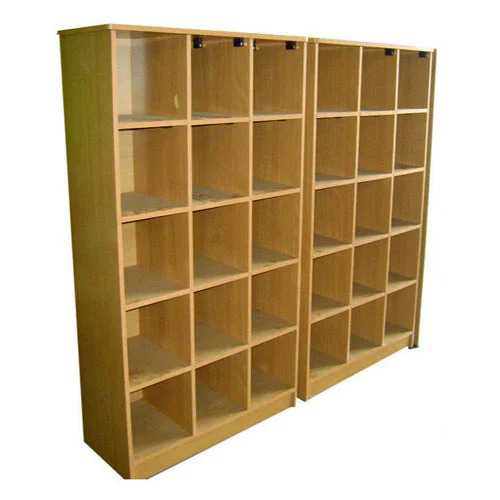
What are Bookshelves & Bookcases?
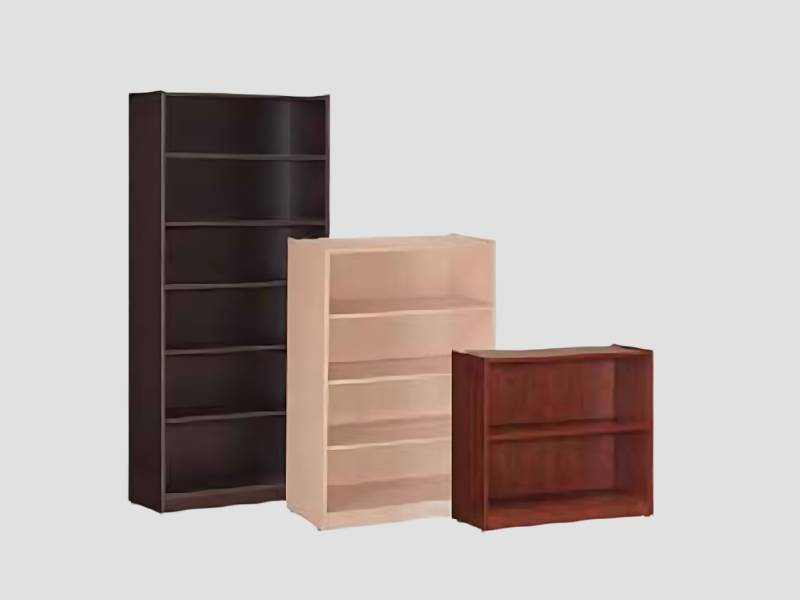
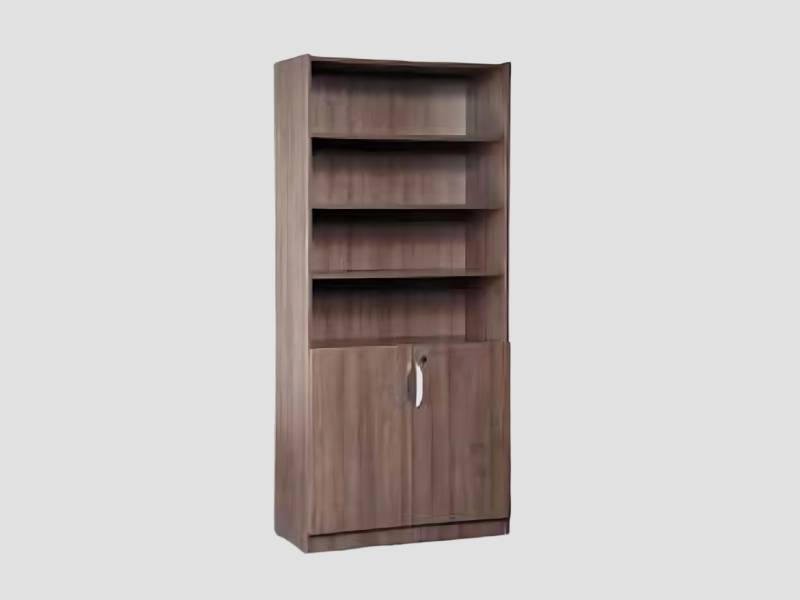
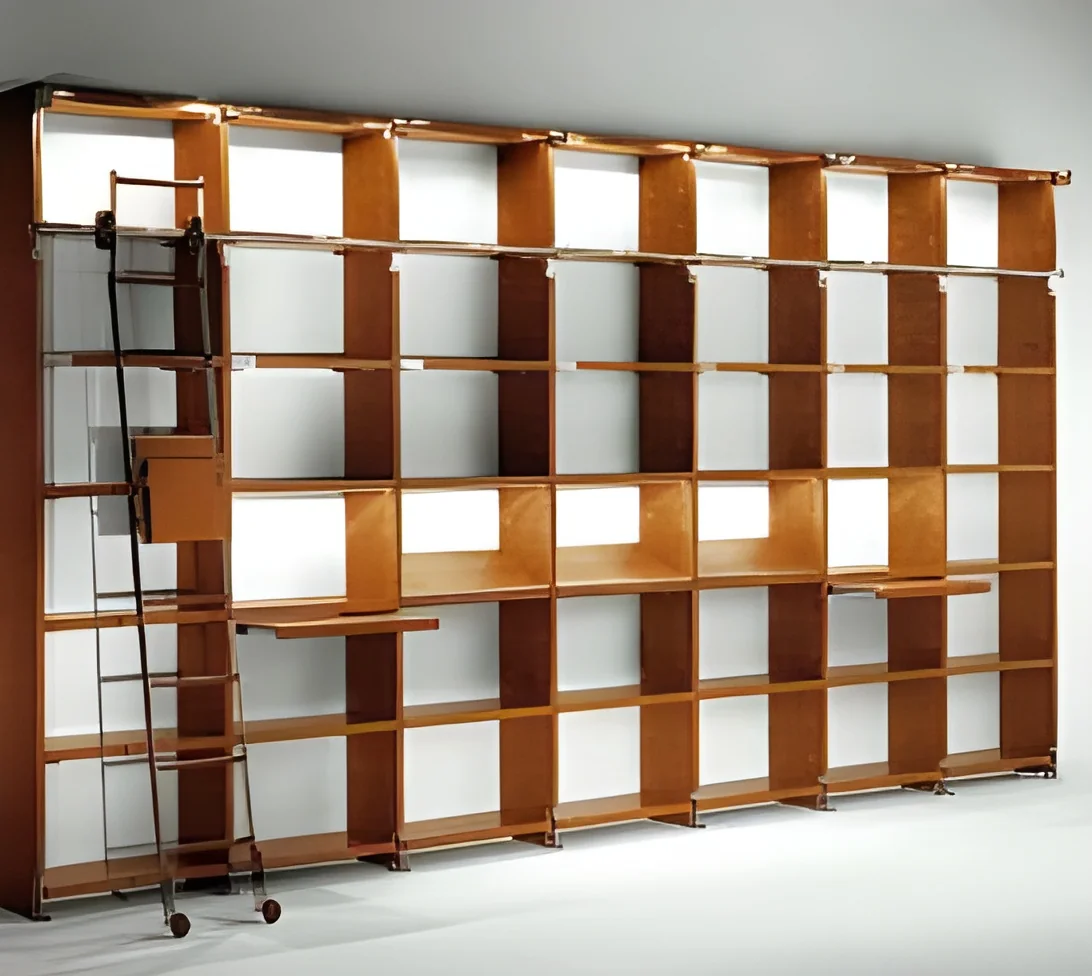
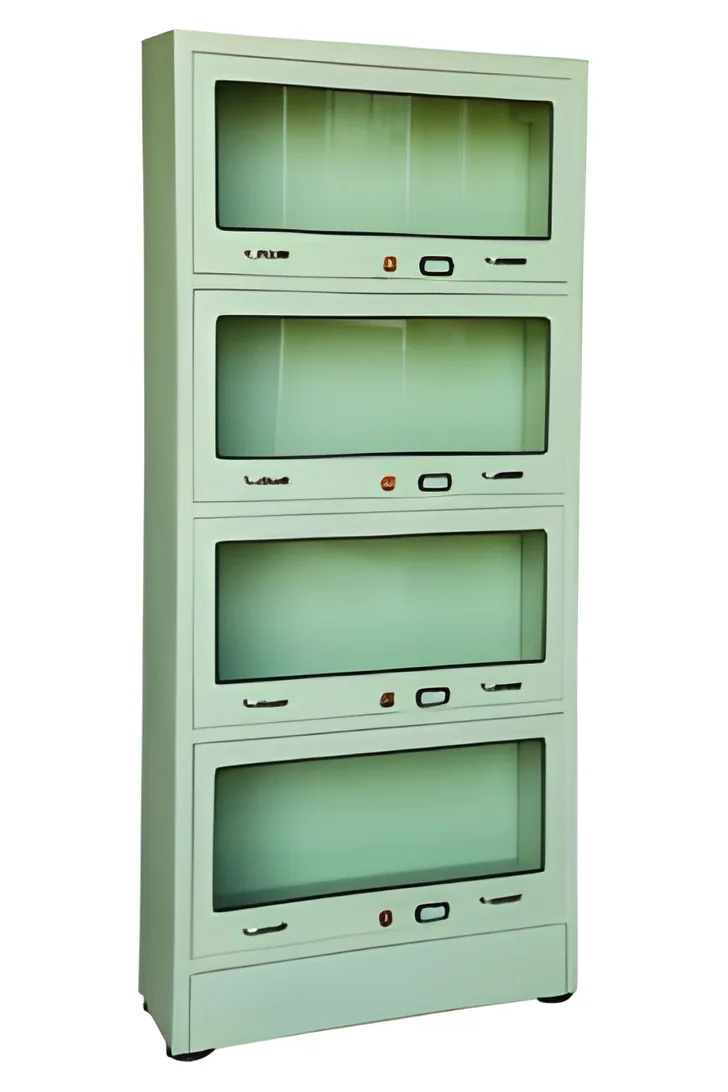
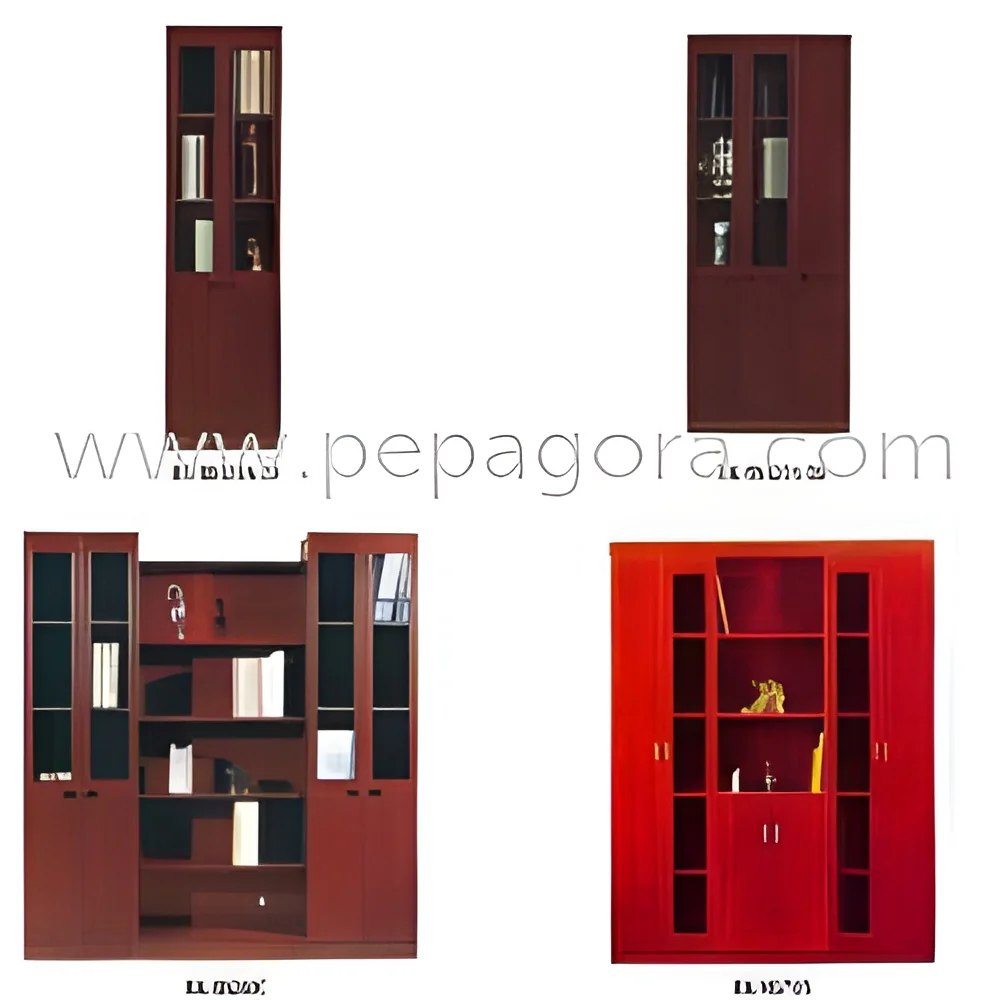
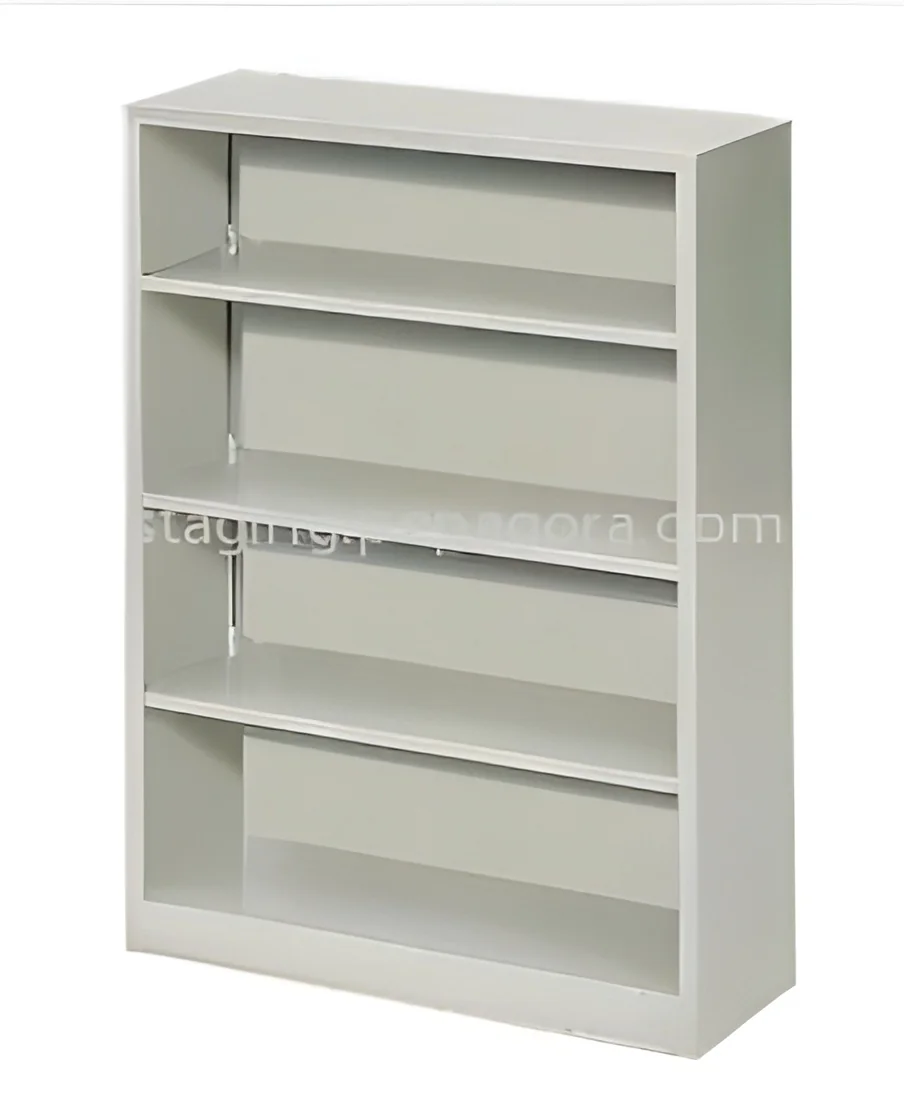
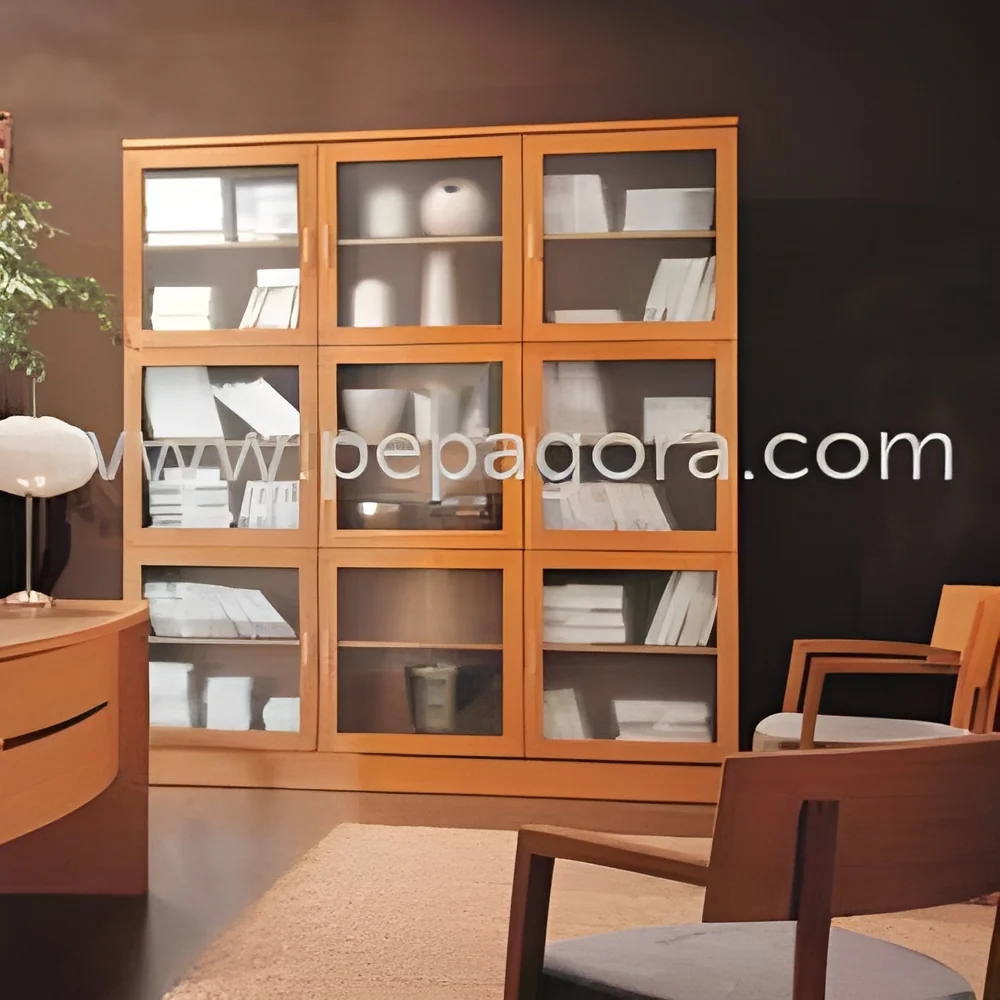
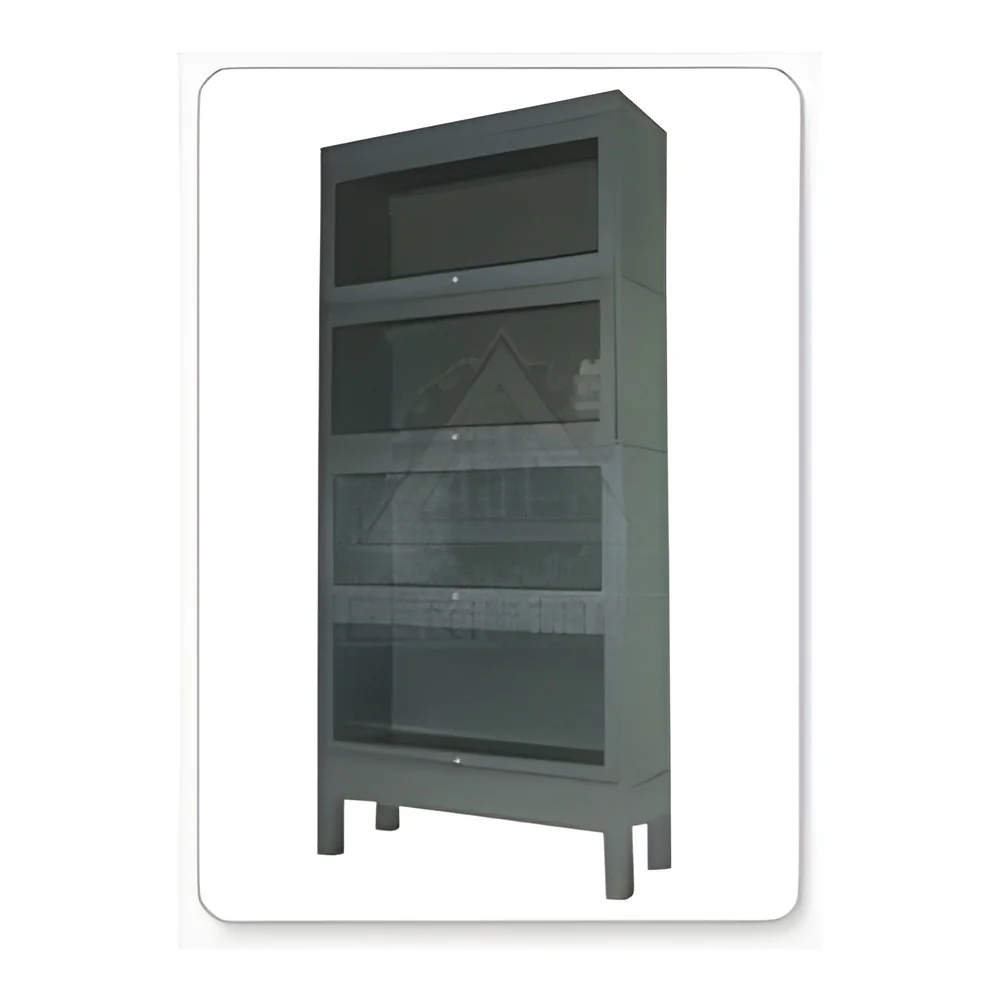
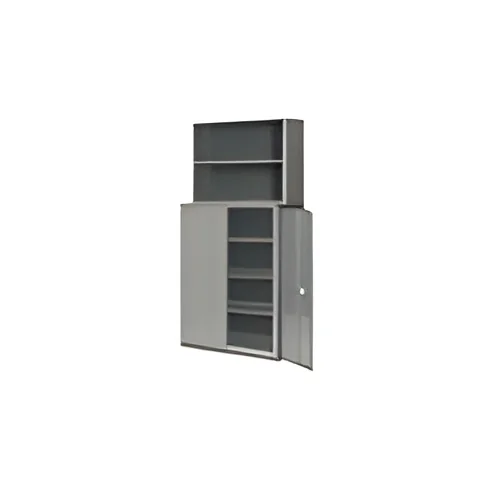
Bookshelves and bookcases are furniture pieces designed primarily for storing and displaying books and other items. They come in various styles, sizes, and materials, catering to different needs in both home and office environments. A bookshelf typically consists of horizontal surfaces or shelves fixed to a vertical frame, allowing for the organization of books in an accessible manner. Bookcases, on the other hand, often feature enclosed cabinets or doors, providing a more polished look while also protecting contents from dust and damage.
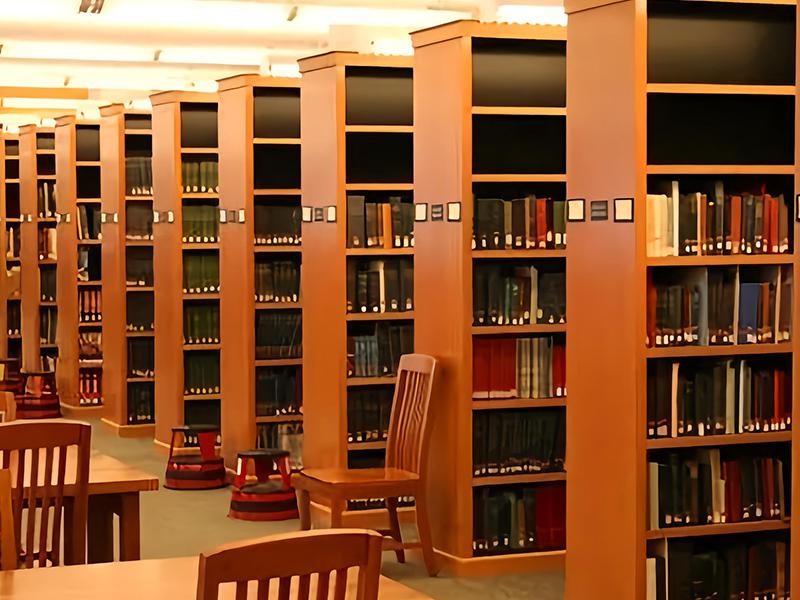
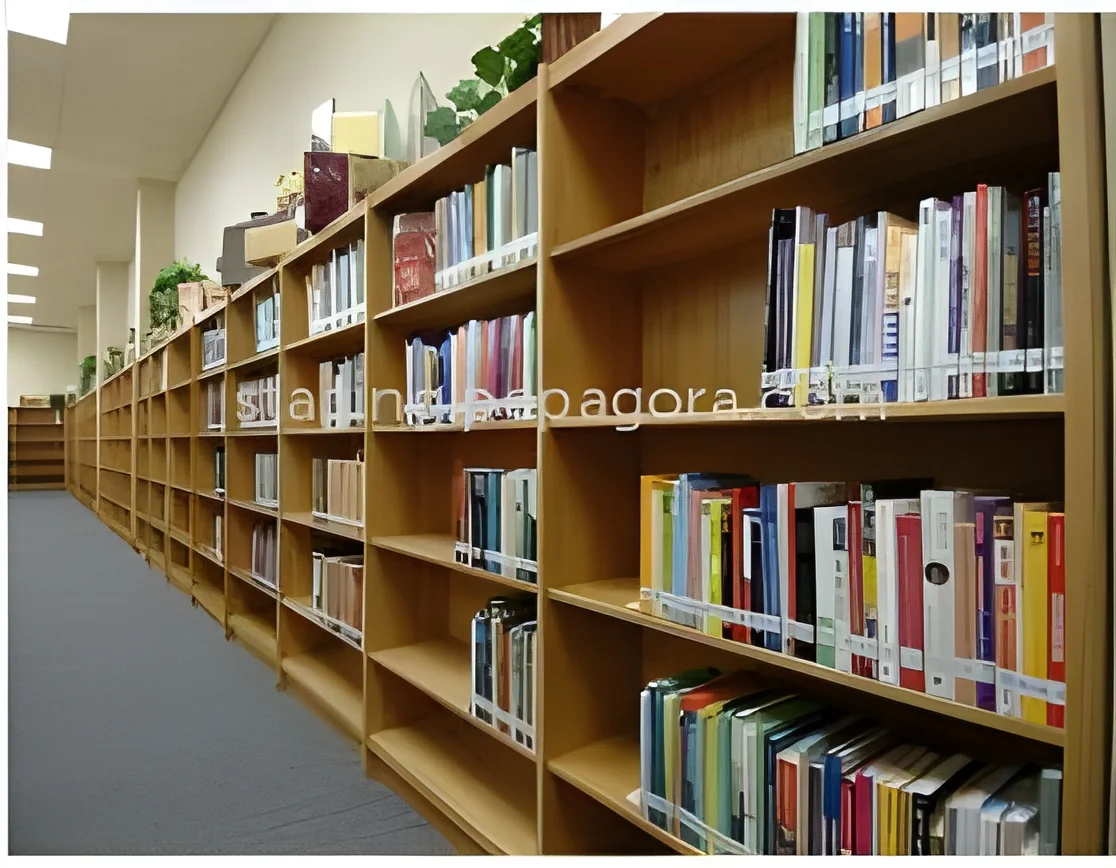
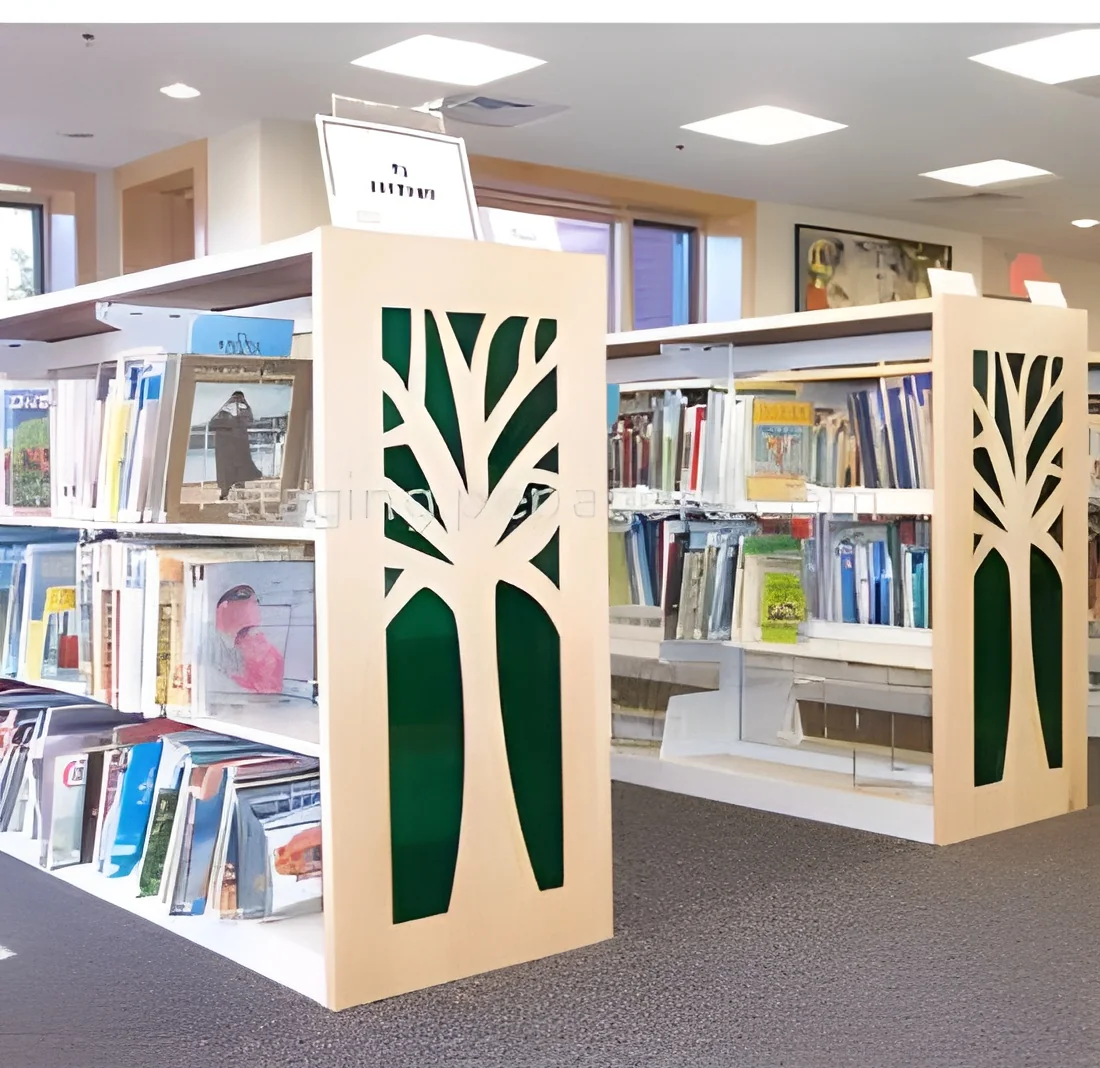
These products serve essential functions in various business applications, such as offices, libraries, educational institutions, and retail environments. In an office setting, bookcases can be used to store reference materials, manuals, and other documents, promoting an organized workspace. Libraries rely on bookshelves to house vast collections of literature, while retail stores may use them to display promotional materials or products. The relevance of bookshelves and bookcases in the market is significant, as they remain a staple in both commercial and residential spaces, reflecting current trends in interior design and functionality.
Key Features and Specifications
Bookshelves and bookcases come with a variety of features and specifications that cater to different user needs. When evaluating these products, it is important to consider the construction materials, design aesthetics, and functionality.
Key specifications include:
1. Material Type
- Common materials include wood, metal, and engineered wood.
- Durability and aesthetic appeal vary with each material.
2. Dimensions
- Standard heights range from 30 to 80 inches.
- Shelf depths typically vary from 10 to 14 inches.
3. Weight Capacity
- Individual shelf weight capacities can range from 30 to 150 pounds.
- Important for ensuring stability when loaded with books.
4. Assembly Requirements
- Some models come pre-assembled, while others require assembly.
- Easy assembly options save time and labor costs.
5. Adjustable Shelves
- Many bookshelves feature adjustable shelving for customizable storage.
- Flexibility to accommodate books of various sizes.
6. Finish Options
- Available in various finishes like laminate, paint, or natural wood.
- Finish impacts both appearance and maintenance.
7. Design Style
- Styles range from modern to traditional, appealing to diverse aesthetic preferences.
- Options include open shelving, closed cabinetry, or a combination.
8. Safety Features
- Some bookcases include wall anchoring options for added stability.
- Important for preventing tipping in high-traffic areas.
In summary, understanding the key features and specifications of bookshelves and bookcases can help buyers make informed choices based on their specific needs and applications.
Common Applications and Use Cases
Bookshelves and bookcases are versatile products used across various industries.
1. Education: Schools and universities utilize bookshelves to store textbooks, reference materials, and educational resources, promoting knowledge accessibility for students and faculty.
2. Corporate Offices: Businesses implement bookcases for organizing company documents, training manuals, and other resources, enhancing productivity and workspace organization.
3. Libraries: Public and private libraries rely on bookshelves to hold extensive collections of literature and media, facilitating easy access for patrons and staff.
4. Retail: Retail environments use bookcases for displaying merchandise, promotional materials, or catalogs, enhancing customer experience and product visibility.
5. Healthcare: Medical offices and clinics utilize bookcases to store patient resources, medical literature, and reference materials, ensuring easy access for staff.
6. Personal Spaces: Home offices or study areas benefit from bookshelves for organizing books, awards, and personal items, contributing to a productive environment.
7. Hospitality: Hotels and resorts employ bookcases in lounges and libraries to provide guests with reading materials, enhancing their overall experience.
Product Variants and Subcategories
Bookshelves and bookcases come in various designs and forms to meet diverse customer needs.
Freestanding Bookcases
Freestanding bookcases are designed to stand independently and can be easily relocated. They often feature multiple shelves and can accommodate a large number of books and items.
Wall-Mounted Shelves
Wall-mounted shelves are a space-saving solution that attaches directly to the wall. They provide flexibility in layout and design, allowing for creative arrangements in smaller spaces.
Corner Bookcases
Corner bookcases are specifically designed to fit into corners, making effective use of space in smaller rooms. They often feature a unique design that maximizes storage while minimizing footprint.
Ladder Bookcases
Ladder bookcases have a distinctive leaning design that resembles a ladder. They offer a modern aesthetic and are typically used for both storage and decorative purposes.
Benefits and Advantages
Investing in bookshelves and bookcases offers several advantages for businesses and institutions.
1. Organization: These products help maintain order in workspaces and libraries, making it easier to locate and access books and documents.
2. Space Efficiency: Bookshelves and bookcases optimize space utilization, especially in environments with limited room, allowing for maximum storage without clutter.
3. Aesthetic Appeal: They enhance the overall decor of a space, contributing to a professional and organized environment while reflecting the brand's identity.
4. Customization: Many models offer adjustable shelving and various finishes, enabling users to customize the product to fit their specific needs and style preferences.
5. Durability: Quality bookshelves and bookcases are built to last, providing long-term storage solutions that withstand heavy use over time.
6. Versatility: Suitable for various applications, these products can adapt to changing needs within an organization or business setting.
Buying Guide for B2B Buyers
When sourcing bookshelves and bookcases, buyers should consider several key factors to ensure they choose the right products for their needs.
1. Quality Assessment: Evaluate the materials used in construction and the overall build quality. Look for durable options that can withstand regular use, particularly in high-traffic areas.
2. Supplier Verification: Vet suppliers to ensure they have a good reputation for quality and service. Consider checking reviews and requesting references to confirm reliability.
3. Pricing and MOQ: Understand the pricing structures and minimum order quantities (MOQ) required by suppliers. This will help in budgeting and ensuring that the purchase aligns with financial constraints.
4. Delivery and Lead Times: Inquire about delivery options and lead times to ensure that products can arrive when needed, especially if they are intended for a specific project or event.
5. Compliance Requirements: Check for any regulatory compliance standards, such as safety and environmental regulations, to ensure that products meet necessary guidelines.
Compliance and Certifications
Bookshelves and bookcases may be subject to various compliance and certification standards that ensure quality and safety.
Relevant quality standards, such as ISO 9001, focus on maintaining effective management systems for consistent quality. This standard is essential for manufacturers aiming to provide products that meet customer expectations and regulatory requirements.
Industry certifications like CE mark indicate that products comply with European health, safety, and environmental standards. This certification can be particularly relevant for businesses sourcing products from international suppliers.
Safety and testing requirements may vary depending on the intended use of the bookshelves and bookcases. For instance, products used in educational or healthcare settings may need to meet additional safety standards to ensure they pose no risk to users.
Regional compliance considerations are also critical, as different regions may have specific regulations regarding materials used in furniture production. It is essential for buyers to be aware of these regulations to ensure full compliance and avoid potential legal issues.
Why Source Bookshelves & Bookcases from Pepagora?
Pepagora offers a trusted platform for sourcing bookshelves and bookcases, providing several key advantages to B2B buyers.
Verified Supplier Network: Pepagora has a rigorous supplier verification process that ensures all listed suppliers meet high standards of quality and reliability. This gives buyers confidence that they are working with reputable manufacturers.
Streamlined RFQ Process: The Request for Quotation (RFQ) system simplifies the procurement process, allowing buyers to easily request quotes from multiple suppliers. This efficiency helps buyers find the best deals and options quickly.
Trade Assurance and Support: Pepagora offers trade assurance, providing buyers with protection against potential risks in transactions. This support enhances buyer confidence when sourcing products online.
Regional Coverage: With a strong presence in India, the GCC, and Southeast Asia, Pepagora provides extensive geographic reach for sourcing bookshelves and bookcases. This regional coverage ensures that buyers can find suitable suppliers within their markets.

 IN
IN