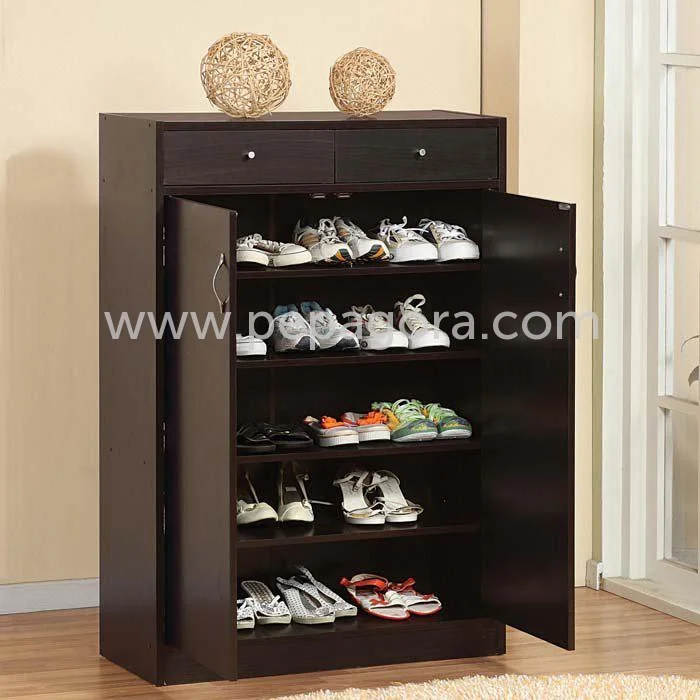
What are Shoe Cabinets?
Shoe cabinets are specialized storage solutions designed to organize and protect footwear in both residential and commercial environments. These cabinets come in various designs, sizes, and materials, catering to diverse needs. They help to maintain order and cleanliness by providing a designated place for shoes, thus preventing clutter in entryways, hallways, or workplaces.
Shoe cabinets are primarily used in homes, offices, and retail environments. In homes, they serve to keep shoes out of sight and protect them from dust and damage. In commercial settings, such as retail stores or warehouses, shoe cabinets can enhance organization and improve the customer experience by making it easier to locate and try on shoes. The demand for these cabinets has been growing due to increased awareness of the importance of organization and cleanliness in both personal and professional spaces.
In terms of market context, shoe cabinets are relevant across multiple industries, including furniture manufacturing, retail, and home improvement. The rise in e-commerce has also contributed to the growth of shoe cabinet sales, as consumers seek convenient solutions for their storage needs. As urban living spaces become smaller, the need for efficient and stylish storage solutions, such as shoe cabinets, continues to increase.
Key Features and Specifications
Shoe cabinets are designed with various features that cater to the specific needs of users. These features enhance functionality, aesthetics, and durability. Understanding the specifications of shoe cabinets can help businesses choose the right product for their requirements.
Key specifications include:
1. Material
- Common materials include wood, metal, and plastic.
- Each material offers different durability and aesthetic qualities.
2. Size
- Shoe cabinets come in various sizes, accommodating different numbers of pairs.
- Typical dimensions range from small single-door units to larger multi-door cabinets.
3. Storage Capacity
- Storage capacity can vary widely, typically accommodating between 6 to 30 pairs of shoes.
- Some cabinets include additional compartments for accessories like shoe care products.
4. Design Style
- Available in modern, traditional, and minimalist designs.
- Customizable options may be offered to match specific interior styles.
5. Ventilation Features
- Some cabinets include ventilation to reduce moisture buildup.
- Ventilation helps maintain shoe quality and prolongs lifespan.
6. Locking Mechanisms
- Certain models offer locking features for added security.
- Locking cabinets are beneficial in commercial settings.
7. Ease of Assembly
- Many shoe cabinets are designed for easy assembly with minimal tools.
- Clear instructions are typically provided for quick setup.
8. Weight Capacity
- Most cabinets are designed to hold a specific weight and size of shoes.
- It is important to adhere to the manufacturer's recommendations for optimal performance.
In summary, understanding the key features and specifications of shoe cabinets allows businesses to select products that best fit their operational needs and customer expectations.
Common Applications and Use Cases
Shoe cabinets serve a multitude of industries, providing efficient storage solutions tailored to specific environments.
1. Residential Homes: In households, shoe cabinets help maintain cleanliness and organization in entryways or mudrooms, making it easier for families to manage their footwear.
2. Retail Stores: Shoe cabinets are essential in shoe retail environments, offering customers a neat display of available products while ensuring easy access for try-ons.
3. Offices: In corporate settings, shoe cabinets provide employees with a dedicated space to store their shoes, promoting a tidy workplace and enhancing employee comfort.
4. Hospitality Industry: Hotels and resorts utilize shoe cabinets in guest rooms, offering convenience and organization for travelers.
5. Gyms and Sports Facilities: Shoe cabinets in gyms allow members to store their footwear securely while they engage in physical activities.
6. Educational Institutions: Schools and universities benefit from shoe cabinets in locker rooms, helping students keep their shoes organized during physical education classes.
7. Health Care Facilities: Hospitals and clinics use shoe cabinets to maintain hygiene by providing a designated area for staff to store their shoes, reducing the risk of contamination.
Product Variants and Subcategories
Shoe cabinets come in a variety of designs to meet the diverse needs of users. Each variant offers unique features tailored for different applications.
Wooden Shoe Cabinets: These cabinets are popular for their aesthetic appeal and durability. They often come in a variety of finishes, making them suitable for both modern and traditional interiors.
Metal Shoe Cabinets: Known for their sturdiness and security, metal cabinets are ideal for commercial use. They often feature locking mechanisms and are resistant to wear and tear.
Plastic Shoe Cabinets: Lightweight and often more affordable, plastic shoe cabinets are suitable for residential use. They are easy to clean and maintain.
Modular Shoe Cabinets: These cabinets can be customized and expanded according to needs. Ideal for growing families or businesses, they allow for flexibility in storage options.
Benefits and Advantages
Shoe cabinets provide numerous advantages that enhance organization and user experience.
1. Space Efficiency: Shoe cabinets maximize available space, especially in smaller homes or offices, allowing for better use of square footage.
2. Protection: By storing shoes in cabinets, they are protected from dust, dirt, and damage, preserving their quality over time.
3. Improved Organization: Shoe cabinets help keep footwear organized, making it easier for users to find the shoes they need quickly.
4. Enhanced Aesthetics: A well-designed shoe cabinet can contribute to the overall decor of a space, improving the visual appeal of entryways and rooms.
5. Customization Options: Many manufacturers offer customizable designs, allowing businesses to choose cabinets that fit their unique branding and functional needs.
6. Durability: High-quality shoe cabinets are built to last, offering long-term solutions for footwear storage in both residential and commercial settings.
Buying Guide for B2B Buyers
When sourcing shoe cabinets, several factors should be taken into consideration to ensure the best purchase decision.
1. Quality Assessment: Evaluate the materials and construction of shoe cabinets to ensure they meet industry standards. Look for durable materials that provide longevity and resistance to wear.
2. Supplier Verification: Vet suppliers by checking their reputation, customer reviews, and previous projects. Reliable suppliers should provide transparency in their operations and product quality.
3. Pricing and MOQ: Understand the pricing structure and minimum order quantities. This information is vital for budgeting and ensuring that suppliers can meet your demand.
4. Delivery and Lead Times: Inquire about the expected delivery times and logistics to ensure timely receipt of products. Efficient delivery is crucial for meeting operational timelines.
5. Compliance Requirements: Ensure that the shoe cabinets meet relevant regulatory and safety standards. This may include certifications like CE to confirm product safety and quality.
Compliance and Certifications
Shoe cabinets must adhere to specific compliance and certification standards to ensure safety and quality in various markets. Relevant quality standards include ISO 9001, which focuses on quality management systems, ensuring that manufacturers maintain consistent quality in their products.
Additionally, many shoe cabinets carry the CE mark, indicating that they comply with European safety, health, and environmental requirements. This certification is essential for products sold within the European market.
Safety and testing requirements vary by region and application, and it is crucial for manufacturers to conduct thorough testing to ensure their products meet these standards. Regional compliance considerations may include adherence to local building codes and environmental regulations, ensuring that products are safe for use in specific locations.
Why Source Shoe Cabinets from Pepagora?
Pepagora offers a trusted platform for sourcing shoe cabinets, providing several key advantages for businesses seeking reliable products.
Verified Supplier Network: Pepagora maintains a network of verified suppliers, ensuring that buyers can trust the quality and integrity of the products offered. This verification process helps mitigate risks associated with sourcing from unknown suppliers.
Streamlined RFQ Process: The platform features a streamlined Request for Quotation (RFQ) process, allowing buyers to easily communicate their needs and receive competitive quotes from multiple suppliers. This efficiency saves time and ensures that businesses can find the best deals.
Trade Assurance and Support: Pepagora offers trade assurance and support, providing buyers with protection throughout the purchasing process. This support includes assistance with order tracking and resolution of any issues that arise.
Regional Coverage: With a geographic reach covering India, the Gulf Cooperation Council (GCC) region, and Southeast Asia, Pepagora connects buyers with local suppliers, ensuring accessibility and convenience for businesses across these markets.

 IN
IN