What are Pantry Cabinets?
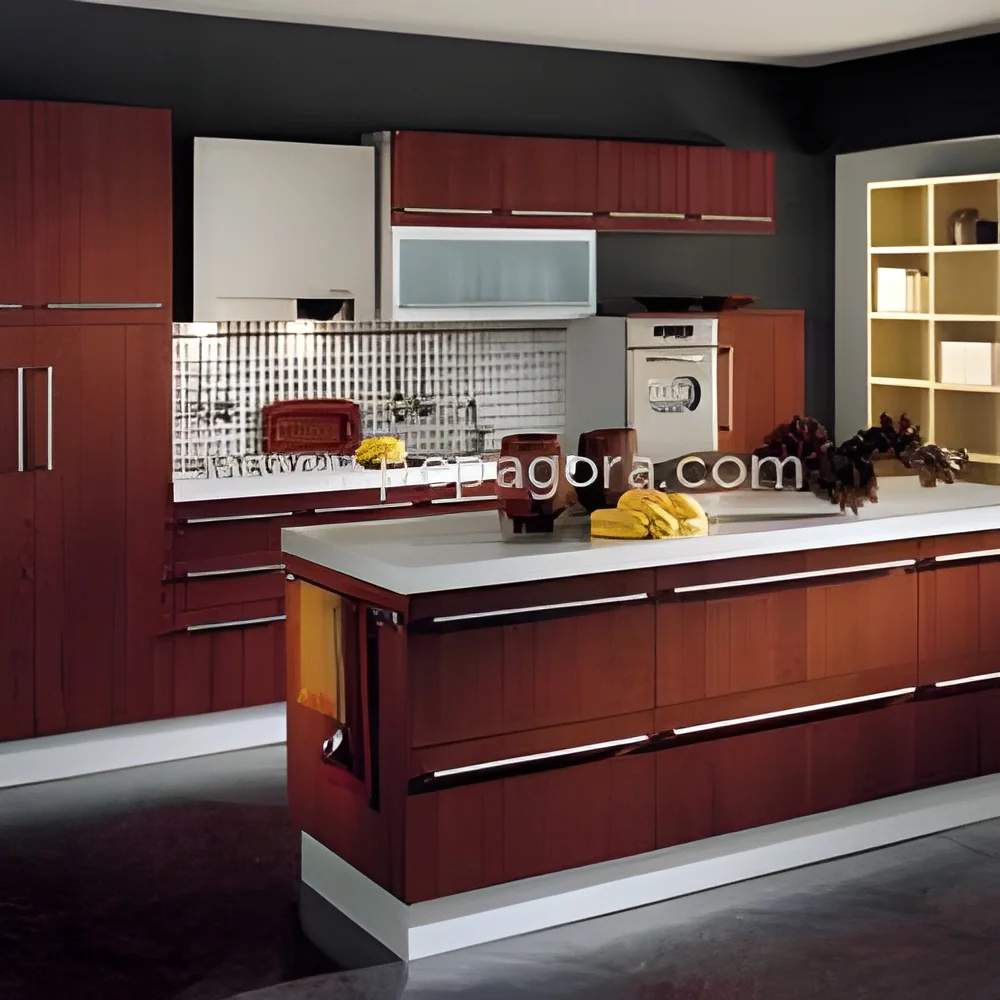
Pantry cabinets are specialized storage solutions designed to maximize the organization and accessibility of food items and kitchen supplies. They are typically tall, enclosed structures that offer multiple shelves or compartments, allowing users to store a variety of items efficiently. These cabinets can be made from various materials, including wood, metal, and composite materials, and are available in numerous styles and finishes to complement different kitchen designs.
In a business context, pantry cabinets are primarily used in commercial kitchens, restaurants, and food service establishments. They provide a centralized location for storing dry goods, canned products, and other non-perishable items, making it easier for staff to manage inventory and prepare meals. The ability to keep food organized and accessible is crucial for maintaining efficiency in fast-paced environments.
The market for pantry cabinets is growing, driven by the increasing demand for organized kitchen spaces in both residential and commercial settings. As businesses seek to enhance productivity and streamline operations, the relevance of pantry cabinets in enhancing storage solutions becomes apparent. With a focus on quality and compliance, manufacturers are responding to industry needs by offering cabinets that meet specific operational requirements.
Key Features and Specifications
Pantry cabinets come with various features designed to enhance their functionality and usability. Understanding these specifications is crucial for businesses looking to procure the right product for their needs.
Key specifications include:
1. Material Composition
- Common materials include wood, metal, and composite options.
- Each material offers different durability and aesthetic qualities.
2. Dimensions
- Standard heights range from 60 to 84 inches and widths from 24 to 36 inches.
- Custom sizes may be available to fit specific space requirements.
3. Shelving Options
- Adjustable shelving allows for flexibility in storage.
- Fixed shelves provide stability for heavier items.
4. Door Style
- Options include hinged, bi-fold, and sliding doors.
- Each style affects accessibility and space usage.
5. Finish Options
- Available finishes can include laminate, painted, or natural wood stains.
- Finish selection can impact aesthetics and maintenance needs.
6. Weight Capacity
- Each shelf may support varying weight limits depending on construction.
- Important to consider for heavy items.
7. Locking Mechanisms
- Some models feature locks for security.
- Useful in environments where access control is necessary.
8. Customization
- Many manufacturers offer customization options for specific needs.
- Custom features can include specialized shelving or additional compartments.
In summary, the right pantry cabinet will depend on the specific needs of the business, including material preferences, size requirements, and desired features.
Common Applications and Use Cases
Pantry cabinets serve various industries, providing essential storage solutions that enhance organization and efficiency.
1. Food Service Industry: Restaurants and cafes utilize pantry cabinets to store dry goods, spices, and other food items, ensuring quick access during meal preparation.
2. Grocery Stores: Retailers use pantry cabinets to display and organize non-perishable items, facilitating inventory management and customer access.
3. Catering Services: Catering companies rely on pantry cabinets for storing bulk food items and supplies, helping them maintain organization while preparing for events.
4. Hospitality Sector: Hotels and resorts may use pantry cabinets in kitchens to keep ingredients organized and easily accessible for chefs.
5. Healthcare Facilities: Hospitals and care centers utilize pantry cabinets in their kitchens to store food supplies, ensuring compliance with health regulations.
6. Educational Institutions: Schools and universities often have pantry cabinets in cafeterias for organizing food supplies, aiding in efficient meal service.
7. Residential Kitchens: While primarily for commercial use, pantry cabinets are also popular in residential settings, providing homeowners with a means to optimize kitchen storage.
Product Variants and Subcategories
Pantry cabinets come in various types, each designed to cater to different storage needs and preferences.
Modular Pantry Cabinets
These cabinets consist of individual sections that can be configured in various ways. This flexibility allows businesses to adapt their storage solutions based on changing needs or available space.
Walk-In Pantry Cabinets
These larger installations offer extensive storage and often include features like shelving, lighting, and climate control. They are ideal for larger kitchens or establishments with high-volume storage requirements.
Wall-Mounted Pantry Cabinets
Designed to be mounted on walls, these cabinets save floor space while providing storage above counters or appliances. They are suitable for smaller kitchens or areas where floor space is limited.
Freestanding Pantry Cabinets
These cabinets stand independently and can be moved as needed. They are versatile and can be used in multiple settings, from kitchens to utility rooms.
Benefits and Advantages
Investing in pantry cabinets offers numerous advantages for businesses looking to enhance their storage solutions.
1. Improved Organization: Pantry cabinets provide a dedicated space for food storage, making it easier to locate items and maintain inventory.
2. Maximized Space: By utilizing vertical space, pantry cabinets help businesses make the most of limited kitchen areas.
3. Increased Efficiency: Easy access to stored items allows for quicker meal preparation and service, enhancing overall operational efficiency.
4. Enhanced Safety: A well-organized pantry reduces the risk of food spoilage and contamination, contributing to safer food handling practices.
5. Customization Options: Many manufacturers offer customizable designs to fit specific operational needs, ensuring the cabinet meets unique requirements.
6. Aesthetic Appeal: With various styles and finishes available, pantry cabinets can enhance the overall look of a kitchen, contributing to a more professional atmosphere.
Buying Guide for B2B Buyers
When sourcing pantry cabinets, businesses should consider several key factors to ensure they select the right solution.
1. Quality Assessment: Evaluate the materials and construction of the cabinets. Look for durable options that can withstand frequent use and meet industry standards.
2. Supplier Verification: Research potential suppliers to ensure they have a good reputation. Verify their certifications and ask for references from previous clients.
3. Pricing and MOQ: Understand pricing structures and minimum order quantities. This helps in budgeting for purchases and managing inventory levels effectively.
4. Delivery and Lead Times: Inquire about typical delivery times to ensure the cabinets arrive when needed. Consider logistics and potential delays.
5. Compliance Requirements: Ensure that the cabinets meet any relevant industry regulations and safety standards. This is especially important in food service and healthcare environments.
Compliance and Certifications
Pantry cabinets must adhere to various quality standards and certifications to ensure they are safe and effective for their intended use.
Relevant quality standards include ISO 9001, which focuses on quality management systems, ensuring that manufacturers maintain high production quality. Additionally, compliance with HACCP (Hazard Analysis and Critical Control Points) may be necessary in food-related industries, as it outlines systematic preventive measures to ensure food safety.
Industry certifications like CE indicate that the product meets European safety and environmental protection requirements. This is crucial for businesses operating in or exporting to regions with strict compliance regulations.
Furthermore, safety testing requirements should be a priority. Manufacturers should conduct regular testing to ensure their products are safe for use in commercial environments. Regional compliance considerations may vary, so businesses should be aware of local regulations that may affect their purchasing decisions.
Why Source Pantry Cabinets from Pepagora?
Pepagora offers a reliable platform for sourcing pantry cabinets, providing several advantages that appeal to B2B buyers.
Verified Supplier Network: Pepagora maintains a network of trusted suppliers, ensuring that businesses can access high-quality products from reputable manufacturers. This reduces the risk associated with procurement.
Streamlined RFQ Process: The request for quotation process is designed to be efficient and straightforward. Buyers can quickly submit their requirements and receive competitive quotes from multiple suppliers, allowing for informed decision-making.
Trade Assurance and Support: Pepagora provides trade assurance, protecting buyers from potential fraud and ensuring that their orders are fulfilled as promised. This level of support adds an extra layer of security to the purchasing process.
Regional Coverage: With a strong presence in markets such as India, the GCC, and Southeast Asia, Pepagora connects businesses with local suppliers, facilitating easy access to pantry cabinets and other industrial products. This geographic reach ensures that buyers can find suitable options that align with their specific needs.

 IN
IN