
 IN
Sheet Protectors
2 products available
What are Sheet Protectors?
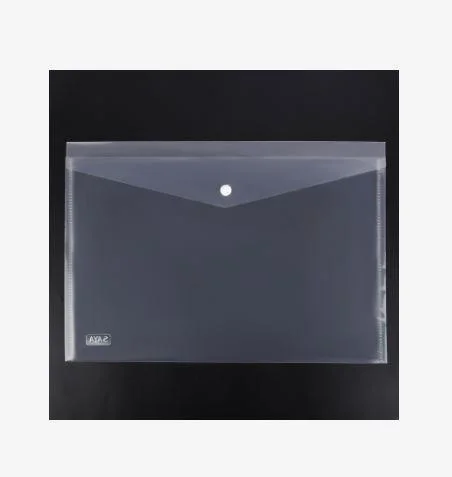
Sheet protectors are transparent plastic sleeves designed to hold and protect documents, photographs, and other printed materials. These protectors are typically made from polypropylene or PVC, providing a reliable barrier against dust, moisture, and general wear and tear. Their primary function is to keep important papers safe while allowing for easy viewing. By securely enclosing documents, sheet protectors help maintain the integrity of materials, preventing damage from spills, tears, or fading over time.
In a business context, sheet protectors are commonly used in offices, schools, and various industries to organize and present documents. They are vital in environments where information must be readily accessible, such as during presentations, meetings, or training sessions. Additionally, they are frequently used in legal and financial settings to preserve important documents. Given the increasing demand for efficient document management solutions, sheet protectors have become an essential tool in many organizations.
Key Features and Specifications
Sheet protectors come with a variety of features that enhance their utility and usability. Understanding these specifications can help buyers choose the right product for their needs.
Key specifications include:
1. Material Type
- Commonly made from polypropylene or PVC.
- Offers varying degrees of durability and flexibility.
2. Thickness
- Measured in mils, typically ranging from 3 to 5 mil.
- Thicker protectors provide enhanced protection against tearing.
3. Size Options
- Available in standard sizes like A4, Letter, and Legal.
- Custom sizes may be available for specialized needs.
4. Edge Design
- Designed with top-loading or side-loading openings.
- Ensures easy insertion and removal of documents.
5. Color Variations
- Clear options are standard, but colored sheets can be found.
- Colored protectors can be used for organizing or categorizing documents.
6. Archival Quality
- Some protectors are made from acid-free materials.
- Helps prevent yellowing and deterioration of documents over time.
7. Anti-Static Properties
- Certain protectors include anti-static features.
- Reduces dust attraction and enhances longevity of the contents.
8. Certifications
- Many products comply with CE certification.
- Assures users of safety standards and material quality.
In summary, understanding these key features and specifications can aid businesses in selecting the most appropriate sheet protectors for their specific requirements.
Common Applications and Use Cases
Sheet protectors are versatile tools that find applications across various industries. Their ability to safeguard documents makes them invaluable in many professional settings.
1. Education: Schools and universities use sheet protectors for holding syllabi, handouts, and student work, ensuring materials remain intact throughout academic terms.
2. Legal: Law firms utilize sheet protectors to organize case files, contracts, and essential documents, providing easy access while protecting sensitive information.
3. Healthcare: Medical offices use them to preserve patient records and informational brochures, safeguarding them from spills and physical damage.
4. Financial Services: Accountants and financial advisors deploy sheet protectors for reports, tax documents, and statements, allowing for easy reference during consultations.
5. Real Estate: Agents use sheet protectors for property listings, brochures, and contracts, ensuring that marketing materials remain presentable and professional.
6. Manufacturing: Companies in this sector utilize sheet protectors for technical drawings, safety manuals, and product specifications, keeping critical information accessible and protected.
7. Nonprofits: Organizations use sheet protectors for grant proposals, reports, and promotional materials, maintaining a professional appearance while safeguarding important documents.
Product Variants and Subcategories
Sheet protectors offer a diverse range of options to meet the varying needs of businesses. This diversity allows buyers to select products that best fit their specific requirements.
Standard Sheet Protectors
These are the most common type, typically featuring a clear design for easy visibility of contents. They are ideal for everyday use in offices, schools, and homes.
Heavy-Duty Sheet Protectors
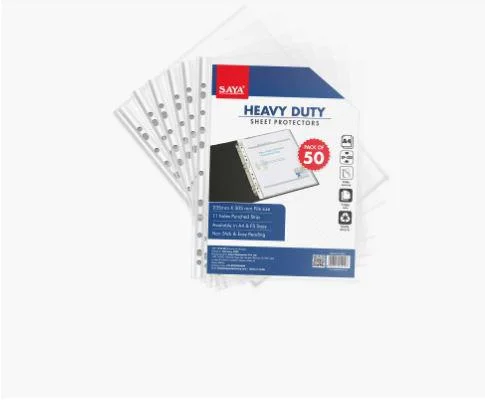
Designed for increased durability, these protectors are thicker and provide enhanced protection for frequently handled documents. They are suitable for environments where documents require extra care.
Business Card Holders
Specifically designed to hold business cards, these protectors allow professionals to organize and display their cards effectively. They are perfect for networking events and trade shows.
Photo Sleeves
These protectors are tailored for photographs, providing a safe way to store and display images without damaging them. They are often used by photographers and enthusiasts.
Benefits and Advantages
Choosing the right sheet protectors can offer several benefits to businesses. Understanding these advantages can help organizations make informed decisions.
Key benefits include:
1. Document Protection: Sheet protectors shield documents from physical damage, moisture, and dirt, preserving their quality over time.
2. Organization: They help keep documents organized and easily accessible, reducing clutter and improving efficiency in the workplace.
3. Professional Presentation: Using sheet protectors enhances the appearance of materials, making presentations and reports look polished and professional.
4. Cost-Effectiveness: By extending the life of documents, sheet protectors can reduce the need for reprinting, saving businesses time and money.
5. Versatility: Suitable for various applications, sheet protectors can be used across multiple industries and settings, making them a valuable asset.
6. Easy Customization: Some protectors come in different colors or sizes, allowing businesses to create a customized organizational system that meets their specific needs.
Buying Guide for B2B Buyers
When sourcing sheet protectors, several factors should be considered to ensure that the right product is selected for the intended use.
1. Quality Assessment: Examine the material quality and thickness of the sheet protectors to ensure they meet durability requirements. Look for products made from archival-quality materials if long-term storage is necessary.
2. Supplier Verification: Vet potential suppliers by checking their reputation, customer reviews, and their compliance with industry standards. A reliable supplier will provide consistent quality and timely delivery.
3. Pricing and MOQ: Consider the pricing structure and minimum order quantities. Evaluate bulk purchasing options that may offer cost savings without compromising quality.
4. Delivery and Lead Times: Check the supplier’s lead times for delivery and ensure they align with your project timelines. Timely delivery is crucial for maintaining workflow and meeting deadlines.
5. Compliance Requirements: Verify that the sheet protectors meet any relevant regulatory requirements or industry standards. This ensures that the products are safe and suitable for your specific applications.
Compliance and Certifications
Sheet protectors must adhere to certain quality standards and certifications to ensure safety and reliability. Key certifications include CE, which indicates compliance with European health, safety, and environmental protection standards.
Additionally, many sheet protectors are produced under quality management systems compliant with ISO 9001. This certification assures buyers of consistent quality and effective processes in manufacturing.
Safety and testing requirements may vary by region and application, making it essential for businesses to confirm compliance with local regulations. Understanding these compliance aspects can help organizations select products that meet their operational and legal needs.
Why Source Sheet Protectors from Pepagora?
Pepagora is a trusted platform for sourcing sheet protectors, offering several key advantages that benefit B2B buyers.
Verified Supplier Network: Pepagora connects buyers with a network of verified suppliers. This ensures that all suppliers meet stringent quality and compliance standards, providing peace of mind during the purchasing process.
Streamlined RFQ Process: The platform features a streamlined Request for Quotation (RFQ) process, making it easy for buyers to request pricing and availability from multiple suppliers simultaneously. This efficiency saves time and simplifies decision-making.
Trade Assurance and Support: Pepagora offers trade assurance, protecting buyers throughout the transaction. With dedicated support available, customers can resolve issues quickly and effectively.
Regional Coverage: With a strong presence in India, the GCC, and Southeast Asia, Pepagora serves a wide geographic area. This regional coverage allows businesses to source products locally while benefiting from a diverse range of suppliers.

Frequently Asked Questions
What are Sheet Protectors?
Sheet Protectors are transparent plastic sleeves designed to hold and protect documents, photos, and other printed materials. They help prevent wear and tear, moisture damage, and dirt accumulation, ensuring that the contents remain in good condition.
What are the different types of Sheet Protectors?
There are several types of Sheet Protectors, including top-loading, side-loading, and three-ring binder styles. Additionally, they can vary in thickness, material (such as polypropylene or PVC), and finish (such as matte or glossy) to suit different needs.
How do I choose the right Sheet Protectors?
Choosing the right Sheet Protectors depends on factors such as the size of your documents, the level of protection required, and how you plan to store them. Consider the thickness, material, and whether you need archival-safe options to ensure the longevity of your documents.
What are the standard specifications for Sheet Protectors?
Standard specifications for Sheet Protectors typically include dimensions (such as A4 or letter size), thickness (measured in microns), and material type. Common thicknesses range from 100 to 200 microns, while materials like polypropylene are preferred for their durability and clarity.
What is the price range for Sheet Protectors?
The price range for Sheet Protectors can vary widely based on factors such as material, thickness, and quantity purchased. Generally, prices can start from a few rupees per piece for standard options and increase for specialized or bulk orders.
What quality standards apply to Sheet Protectors?
Quality standards for Sheet Protectors may include compliance with safety regulations regarding materials used, such as being acid-free or archival-safe. Additionally, manufacturers may adhere to ISO quality management standards to ensure product consistency.
Where can I find Sheet Protectors suppliers in India?
You can find Sheet Protectors suppliers in India through various channels, including online B2B marketplaces like Pepagora, trade shows, and industry directories. Conducting a search for 'best Sheet Protectors suppliers in India' can also yield valuable results.
Can Sheet Protectors be customized?
Yes, many manufacturers offer customization options for Sheet Protectors, including printing logos, specific sizes, and unique features. Customization may involve minimum order quantities and additional costs, so it's advisable to discuss these details with suppliers.
What is the typical minimum order quantity for Sheet Protectors?
The typical minimum order quantity (MOQ) for Sheet Protectors varies by supplier and product type. Generally, MOQs can range from 100 to several thousand pieces, depending on the customization and manufacturing processes involved.
What is the typical lead time for Sheet Protectors?
The typical lead time for Sheet Protectors can vary based on factors such as order size, customization, and supplier location. Generally, lead times can range from a few days for standard orders to several weeks for customized products.
Why Businesses Trust Pepagora
Thousands of companies trust Pepagora to source smarter and sell faster
Expand Your Sales Globally

Source Smarter,Grow Faster
