What are Archival Storage Boxes?
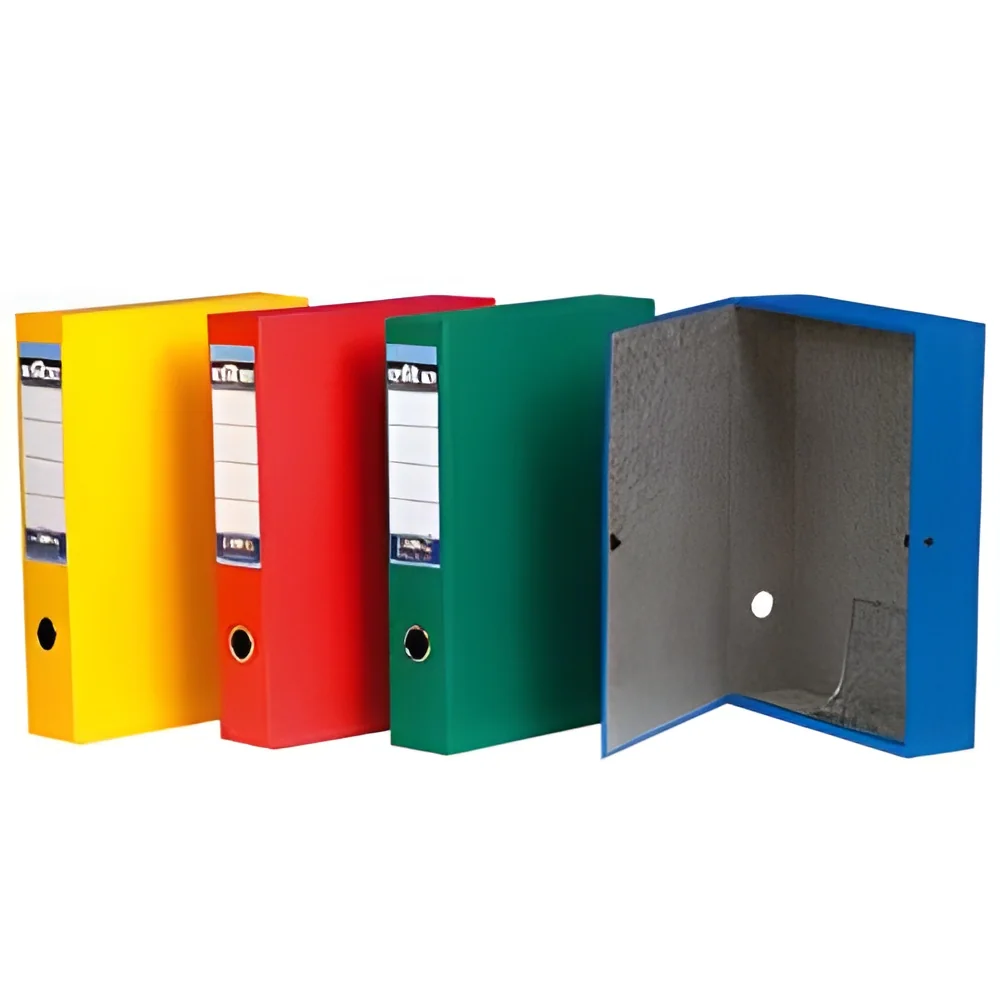
Archival storage boxes are specially designed containers that provide long-term protection for important documents, photographs, and other materials. Made from durable materials, these boxes are constructed to shield contents from environmental factors such as light, moisture, and dust. Their design often includes features like acid-free materials, helping to preserve the integrity of the items stored inside.
These boxes are widely used in various business settings, including museums, libraries, and corporate archives. Organizations utilize archival storage boxes to store records, historical documents, and valuable collections that require safeguarding over extended periods. Their significance in the preservation of cultural heritage and business documentation makes them a crucial component in many industries.
As industries increasingly recognize the importance of preserving materials for future reference, the market for archival storage boxes continues to grow. Whether for legal compliance, historical preservation, or organizational needs, these boxes are essential in ensuring that valuable information remains intact and accessible.
Key Features and Specifications
Archival storage boxes feature a range of specifications that address the unique needs of preservation and organization. These specifications help buyers select the right products for their specific requirements.
Key specifications include:
1. Material Composition
- Made from acid-free and lignin-free materials to prevent degradation.
- Common materials include cardboard and specialty plastics.
2. Size Variability
- Available in various dimensions to accommodate different document sizes.
- Standard sizes include letter, legal, and custom options.
3. Closure Mechanism
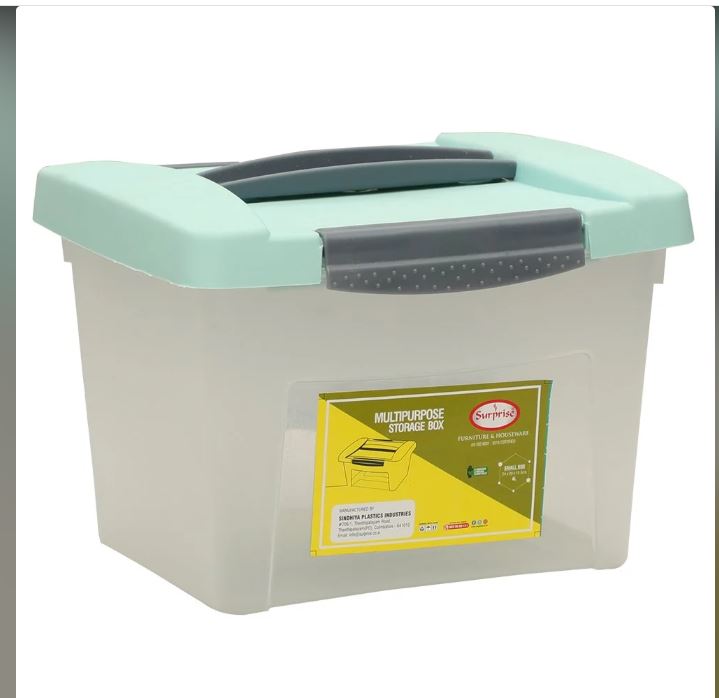
- Options include tuck-top, snap-lock, and hinged lid designs.
- Secure closures help protect against dust and moisture.
4. Stackability
- Designed for easy stacking to optimize storage space.
- Reinforced edges provide structural integrity.
5. Weight Capacity
- Capable of holding a certain weight, ensuring durability over time.
- Typically supports several pounds, depending on the material.
6. Environmental Resistance
- Some boxes offer resistance against humidity and temperature fluctuations.
- Ideal for long-term storage in varying conditions.
7. Customization Options
- Many suppliers offer customization for branding or specific sizes.
- Enables businesses to create tailored storage solutions.
In summary, selecting archival storage boxes involves understanding their specifications, which play a crucial role in ensuring the longevity and safety of stored materials.
Common Applications and Use Cases
Archival storage boxes find application across various industries, providing essential storage solutions for important materials.
1. Museums: Museums utilize archival storage boxes to preserve artifacts, documents, and photographs, protecting them from environmental damage while allowing for safe handling and display.
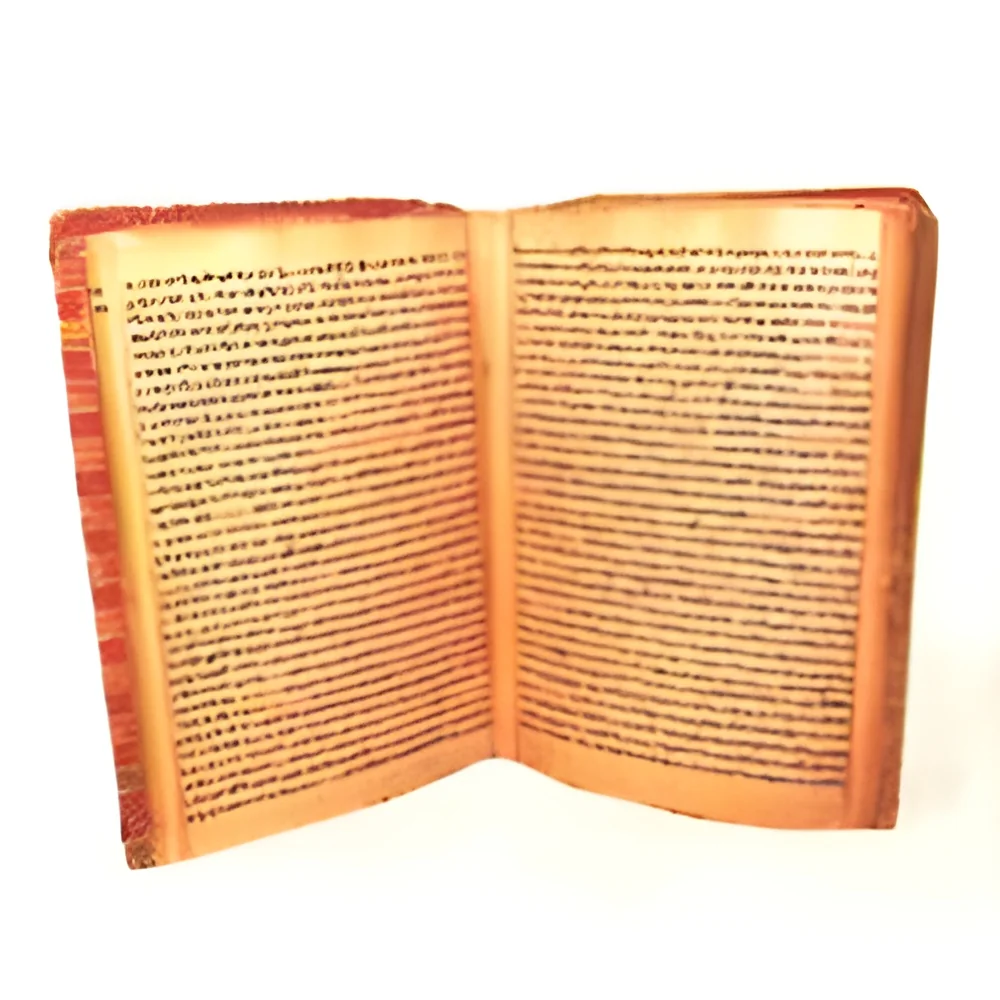
2. Libraries: Libraries store rare books and historical documents in archival boxes to maintain their condition and ensure they are accessible for future generations of readers and researchers.
3. Corporations: Businesses often use archival storage boxes to keep legal documents, contracts, and financial records organized and safe from deterioration, aiding in compliance and record-keeping.
4. Educational Institutions: Schools and universities may store student records, research materials, and administrative documents in archival boxes for easy retrieval and preservation.
5. Art Galleries: Art galleries use these boxes for storing artwork and prints, protecting them from dust, light, and physical damage while in storage.
6. Government Agencies: Government entities often require archival storage solutions for maintaining public records and sensitive documents in a secure and organized manner.
7. Historical Societies: Local historical societies utilize archival storage boxes to protect and preserve community history, including photographs, letters, and important documents.
Product Variants and Subcategories
Archival storage boxes come in various forms, each designed to meet specific storage needs.
Standard Archival Box
This variant is ideal for general document storage, offering various sizes and a sturdy design. Its acid-free construction makes it suitable for long-term preservation of important papers and files.
Photo Archival Box
Specifically designed for storing photographs, this variant features compartments and protective liners to prevent scratching and fading. It is an excellent choice for photographers and collectors looking to preserve their images.
Document Case
This variant is tailored for larger documents and artwork, providing a flat storage solution that prevents bending or folding. It is suitable for artists, architects, and organizations that need to store oversized materials.
Benefits and Advantages
Archival storage boxes offer numerous advantages that make them essential for businesses and organizations.
1. Protection Against Deterioration: These boxes safeguard documents and materials from environmental damage, including light, dust, and moisture.
2. Long-Term Preservation: Designed for longevity, archival storage boxes help maintain the integrity of stored items for years, making them ideal for important records.
3. Enhanced Organization: With various sizes and types available, these boxes facilitate better organization, making it easier to locate and access materials when needed.
4. Cost-Effective Solution: Investing in archival storage boxes reduces the likelihood of damage to valuable documents, ultimately saving costs associated with restoration or replacement.
5. Customization Options: Businesses can customize boxes to meet their branding or specific storage needs, providing a tailored solution that aligns with their identity.
6. Ease of Use: Many archival storage boxes are designed for easy handling and stacking, helping businesses maximize their storage capabilities without compromising accessibility.
Buying Guide for B2B Buyers
When sourcing archival storage boxes, businesses should consider several key factors to ensure they make informed purchasing decisions.
1. Quality Assessment: Evaluate the materials used in the construction of the boxes. Look for acid-free and durable options that provide long-term protection for stored items.
2. Supplier Verification: Vet potential suppliers for reliability and reputation. Check references and customer reviews to ensure they can deliver quality products consistently.
3. Pricing and MOQ: Understand the pricing structure and minimum order quantities. Compare different suppliers to find a balance between cost and quality.
4. Delivery and Lead Times: Inquire about delivery times and logistics. Timely delivery is crucial for businesses needing immediate storage solutions.
5. Compliance Requirements: Be aware of any regulatory standards applicable to archival storage materials. Ensure that products comply with industry regulations to avoid future complications.
Compliance and Certifications
Archival storage boxes must adhere to relevant quality standards to ensure they meet industry expectations. Common quality standards include ISO 9001, which outlines requirements for a quality management system, ensuring consistent production and service quality.
Certifications such as CE signify compliance with European health, safety, and environmental protection standards. It is essential for buyers to verify that the products they source meet these certifications.
Safety and testing requirements also play a crucial role in ensuring that archival storage boxes are safe for storing sensitive materials. Buyers should seek products that have undergone rigorous testing to confirm their durability and protective qualities.
Regional compliance may vary, so organizations must consider local regulations and standards when sourcing archival storage boxes. This awareness ensures that the products they use are appropriate for their specific context.
Why Source Archival Storage Boxes from Pepagora?
Pepagora provides a trusted platform for sourcing archival storage boxes, offering several key advantages for B2B buyers.
Verified Supplier Network: Pepagora connects buyers with a network of verified suppliers, ensuring that businesses can source quality archival storage boxes with confidence. Each supplier undergoes a thorough vetting process to guarantee reliability and product integrity.
Streamlined RFQ Process: The quotation system at Pepagora simplifies the sourcing process. Buyers can submit requests for quotes to multiple suppliers, allowing for easy comparison of prices and specifications.
Trade Assurance and Support: Pepagora offers trade assurance, providing buyers with protection against potential issues during transactions. This support ensures peace of mind when sourcing essential storage solutions.
Regional Coverage: With a presence in India, the GCC, and Southeast Asia, Pepagora caters to a wide geographic area. This regional coverage allows businesses to find local suppliers and reduces shipping times and costs.
In summary, Pepagora is an ideal choice for sourcing archival storage boxes, providing a comprehensive solution for businesses looking to secure and preserve their valuable materials.

 IN
IN