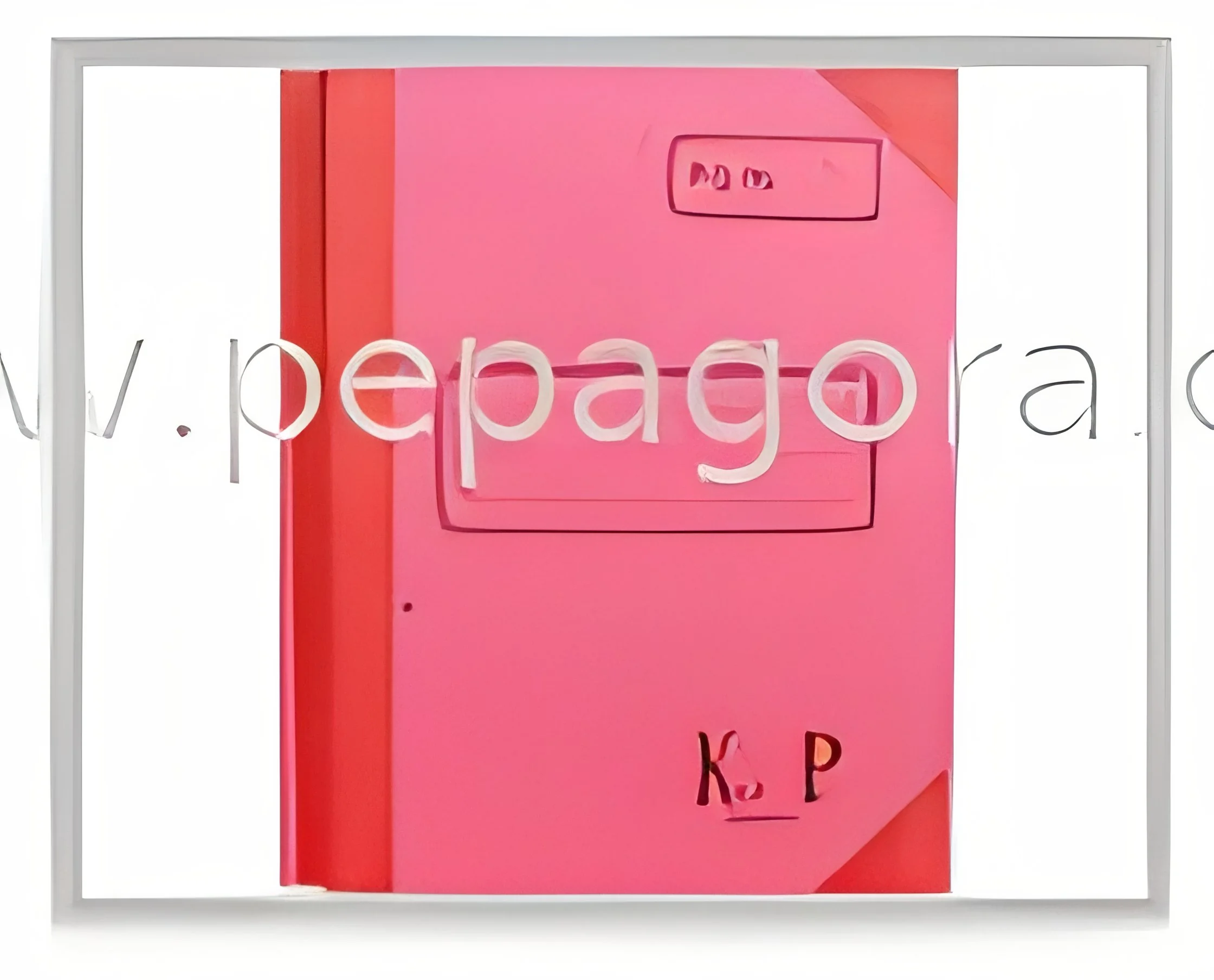
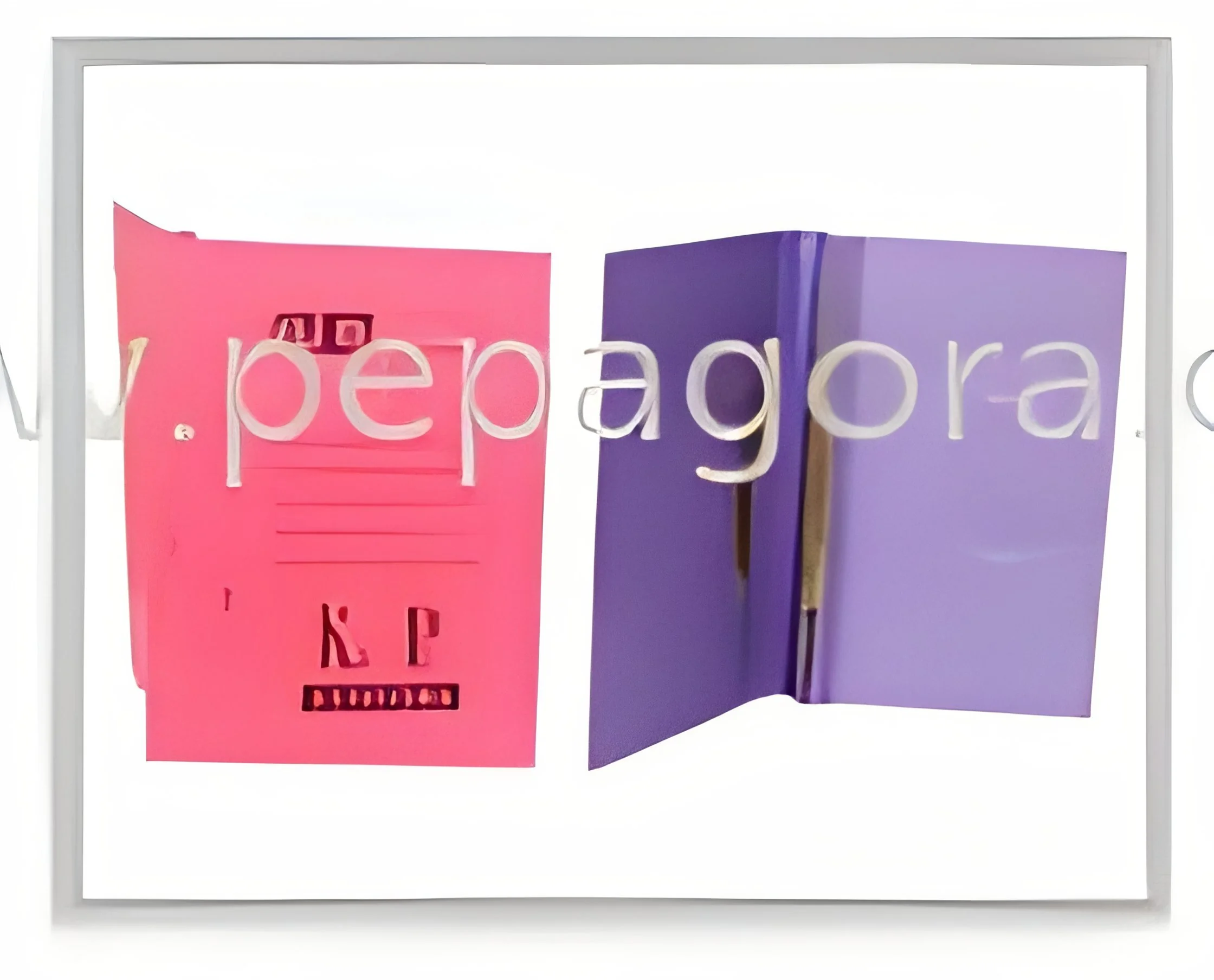
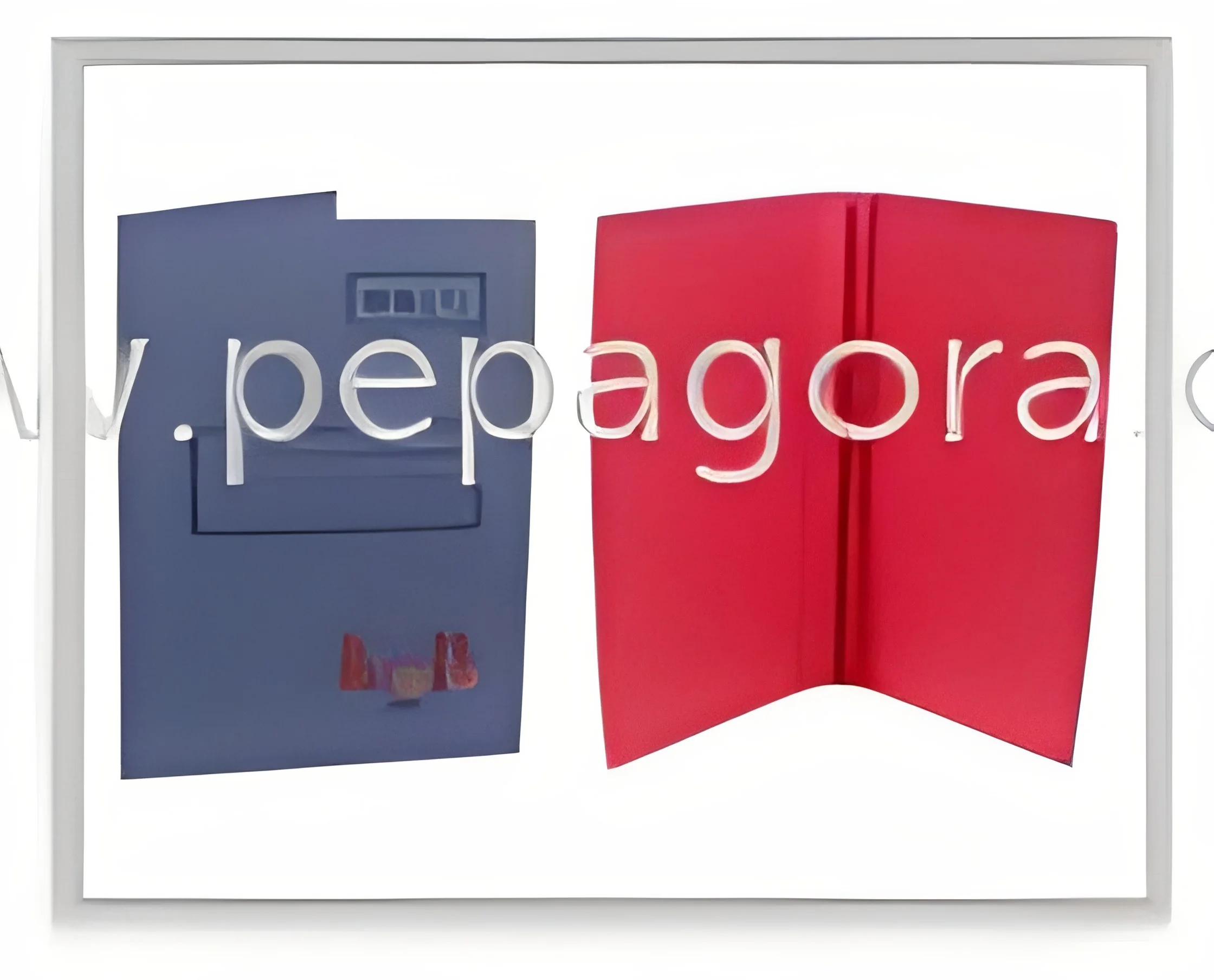
What are Paper Folders?
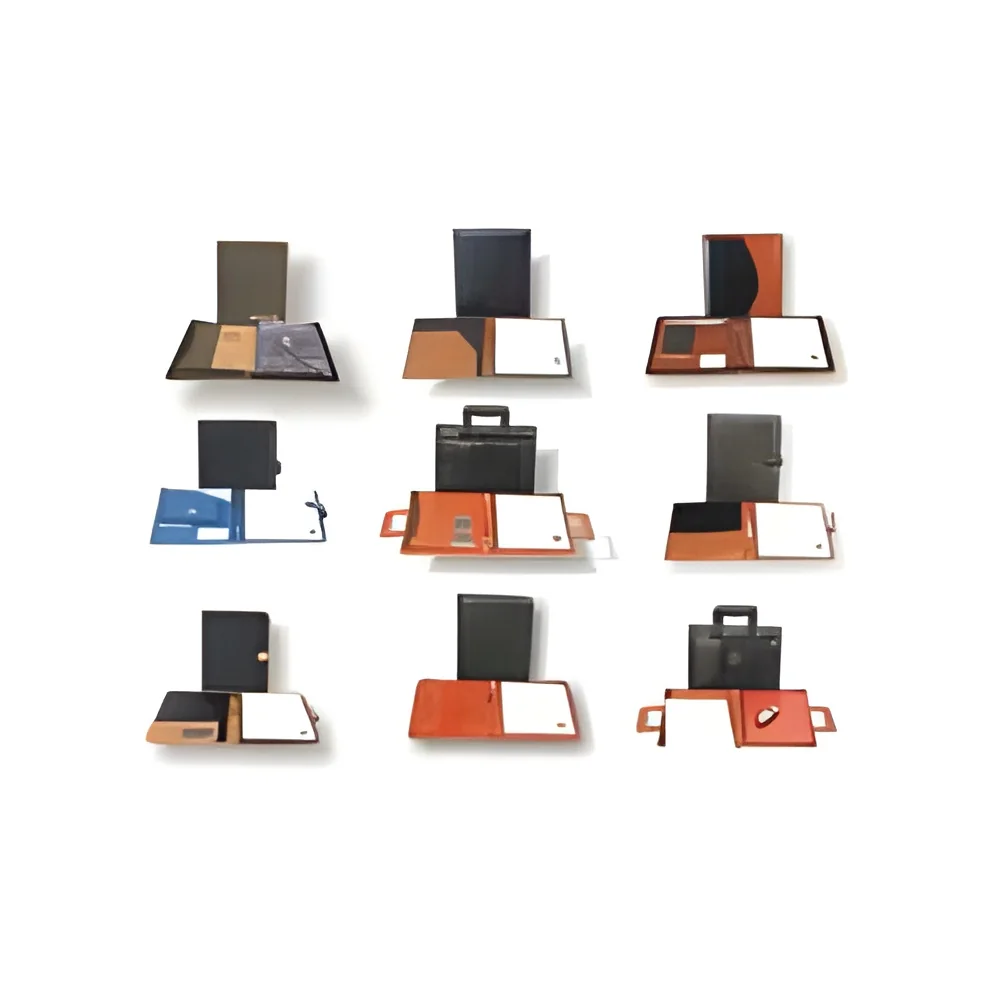
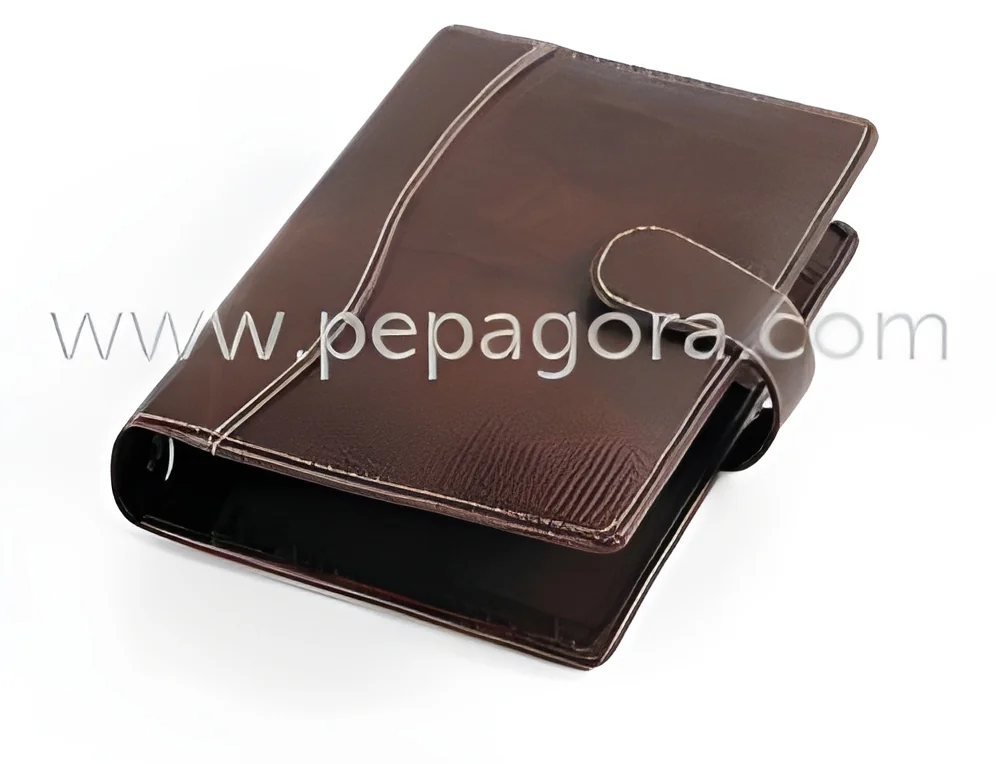
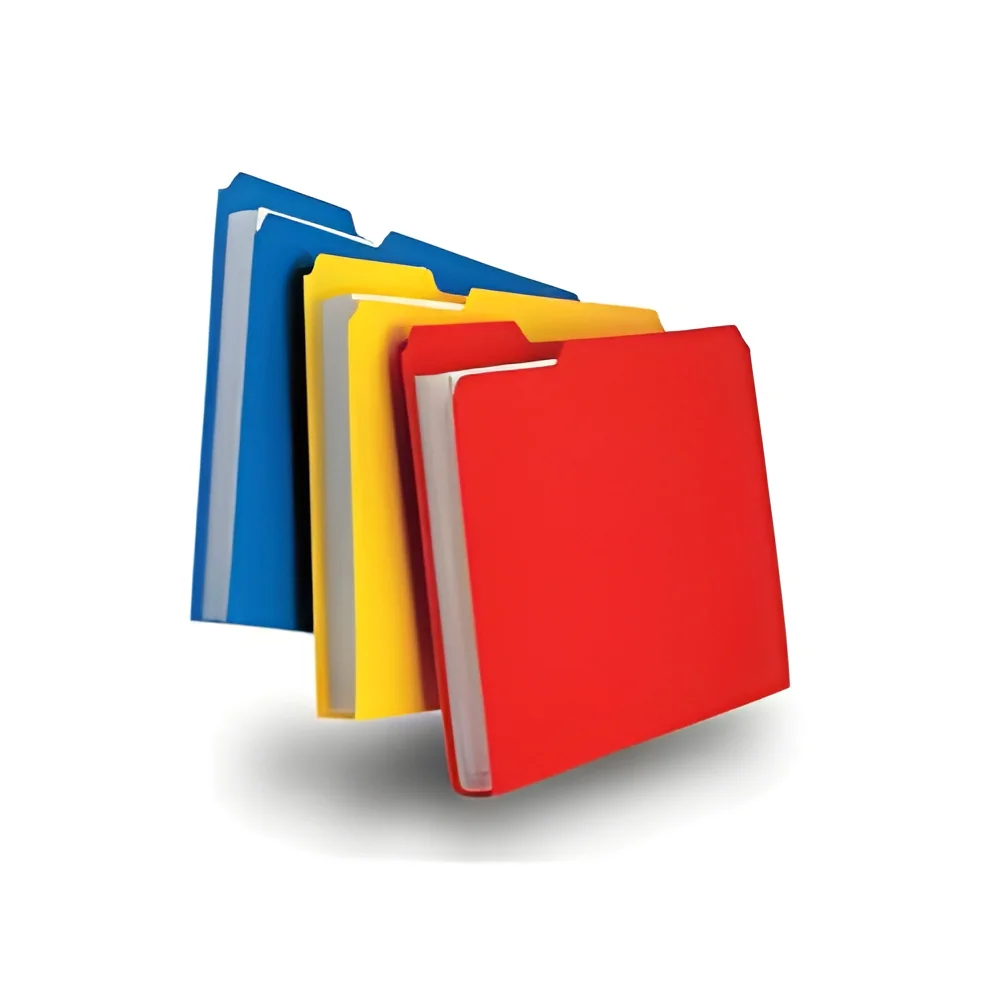
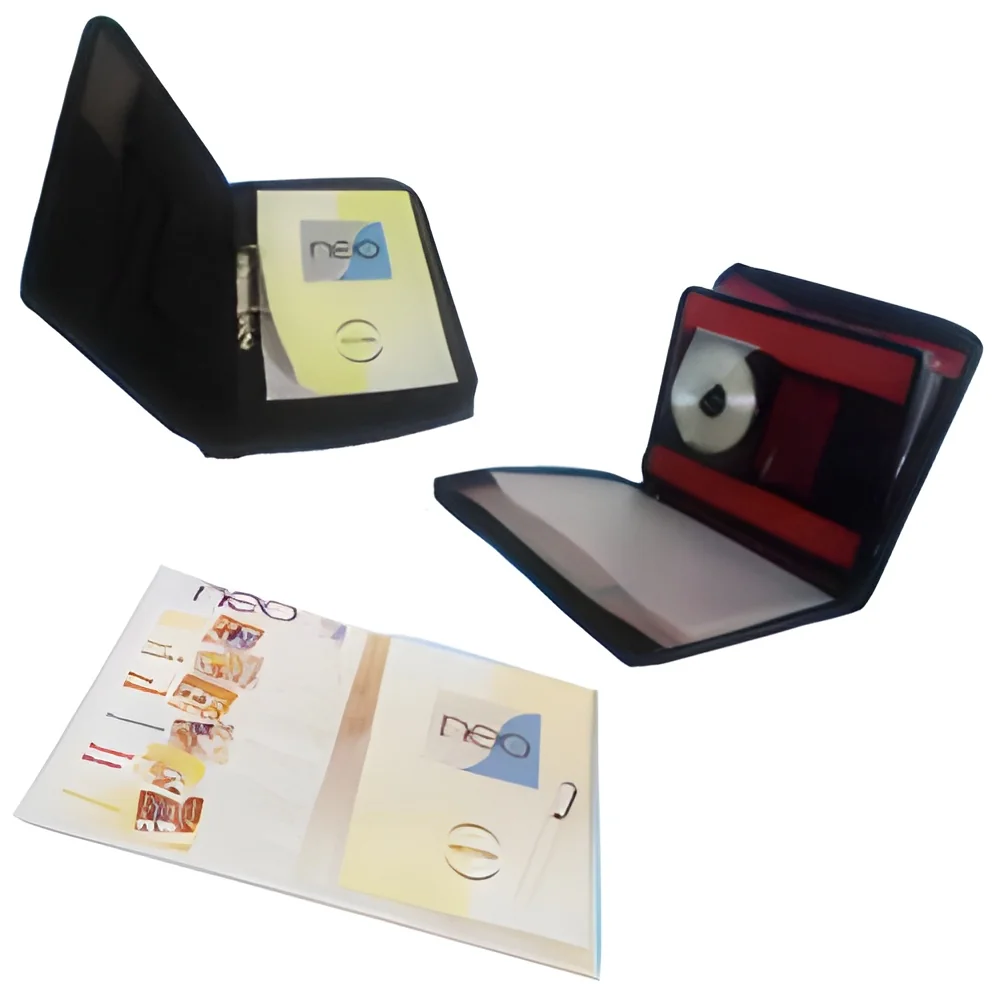
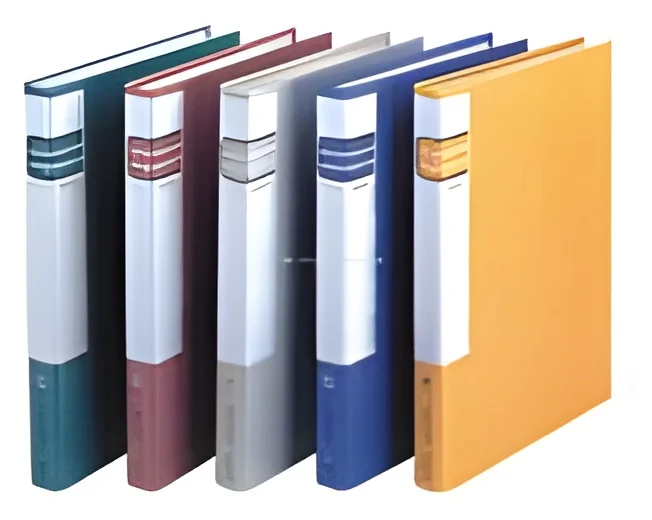
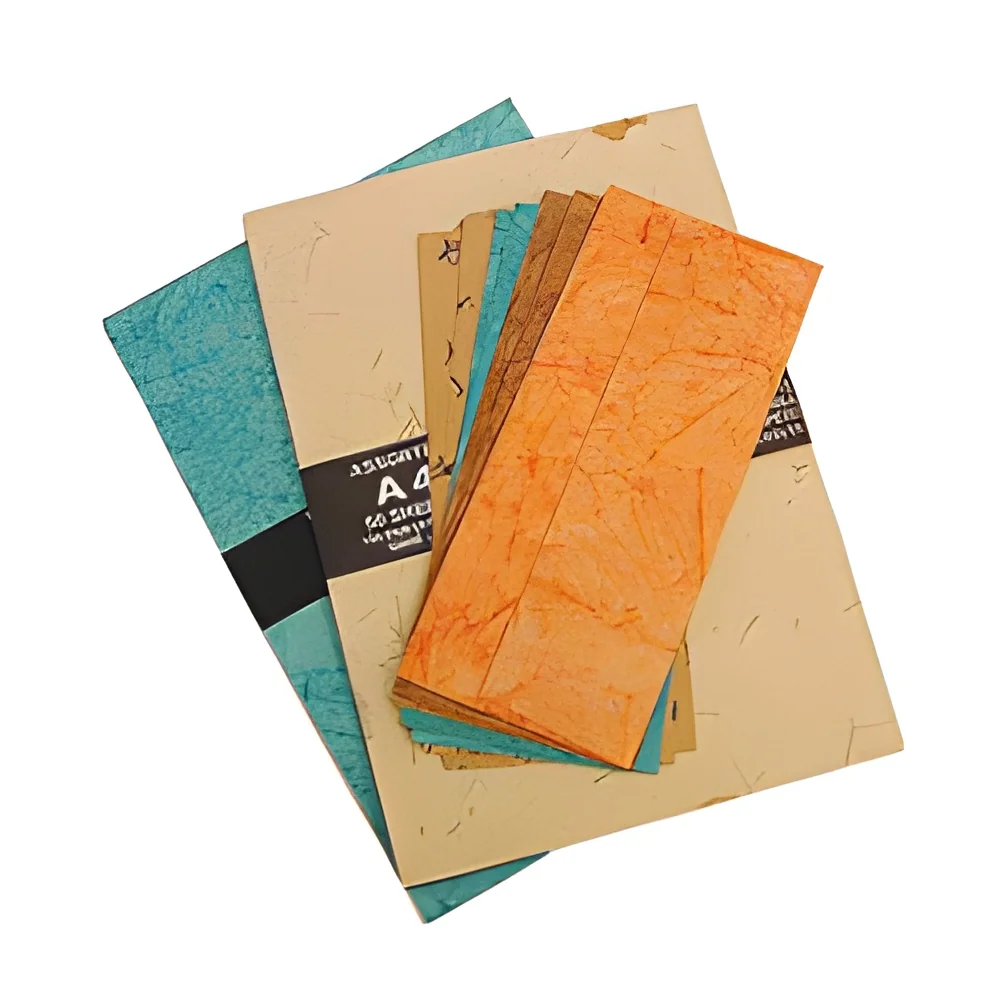
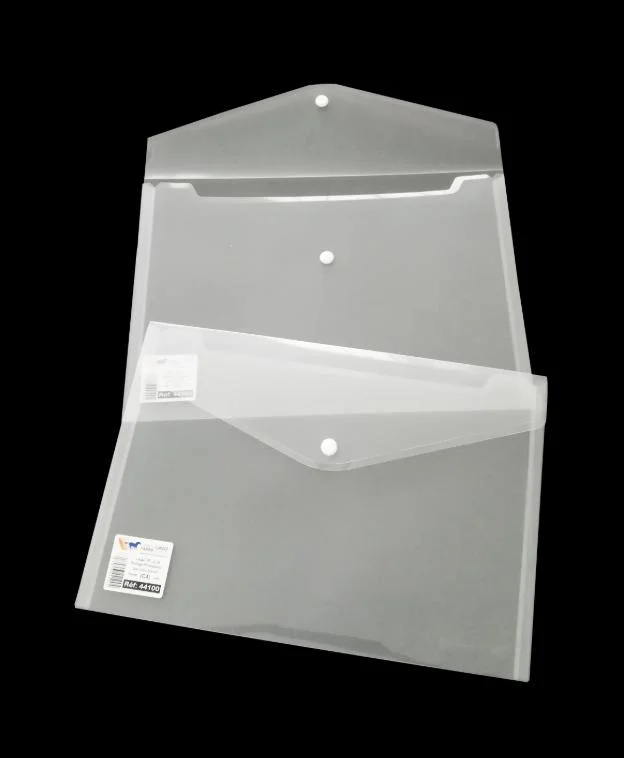
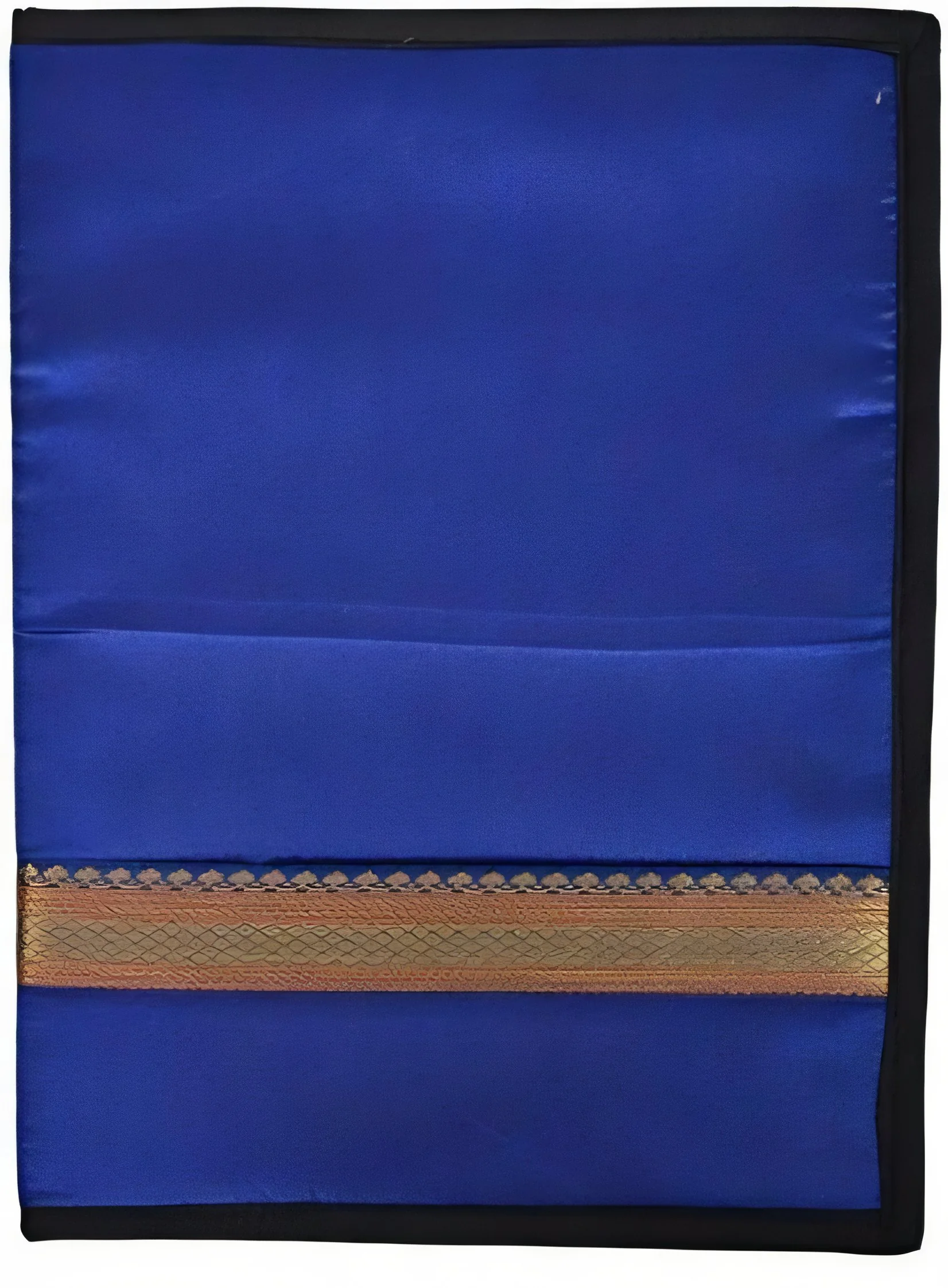
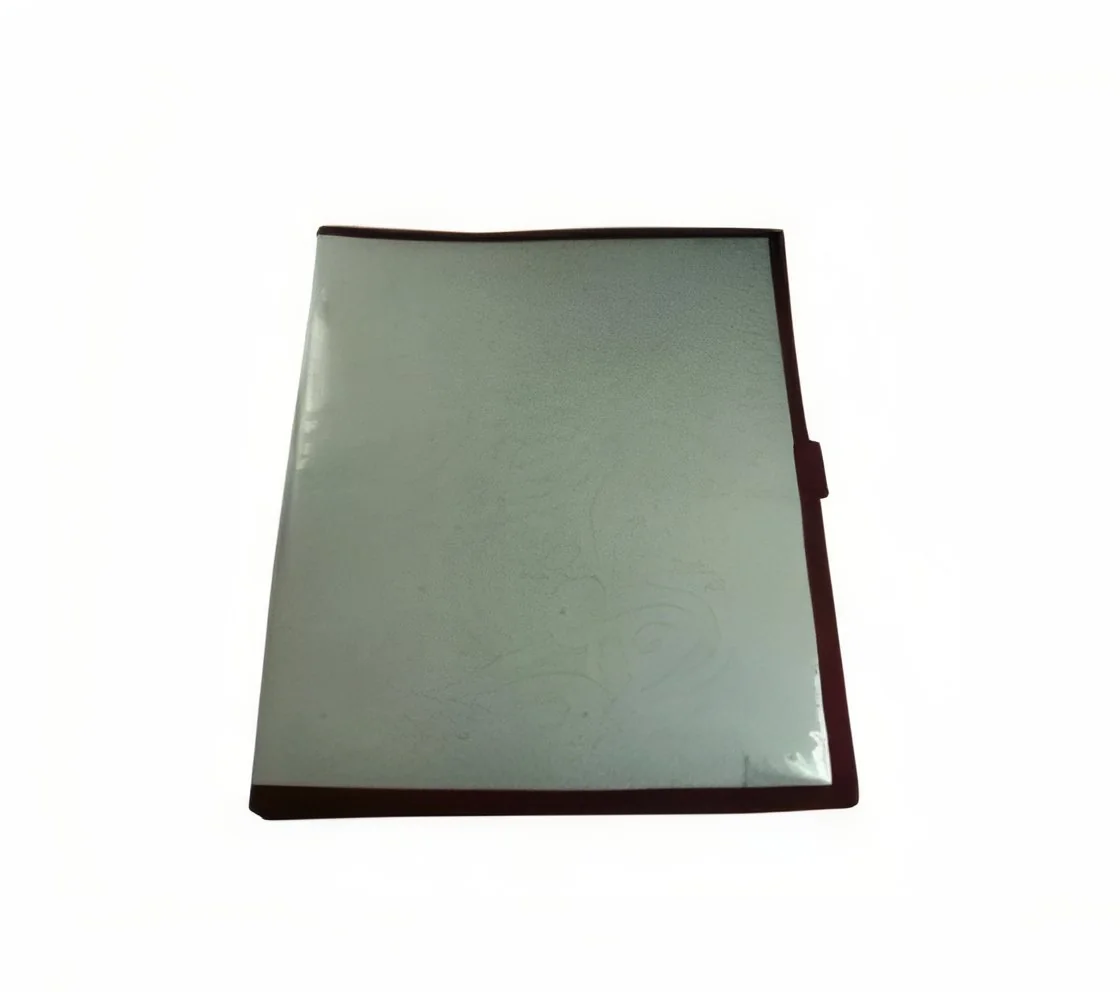
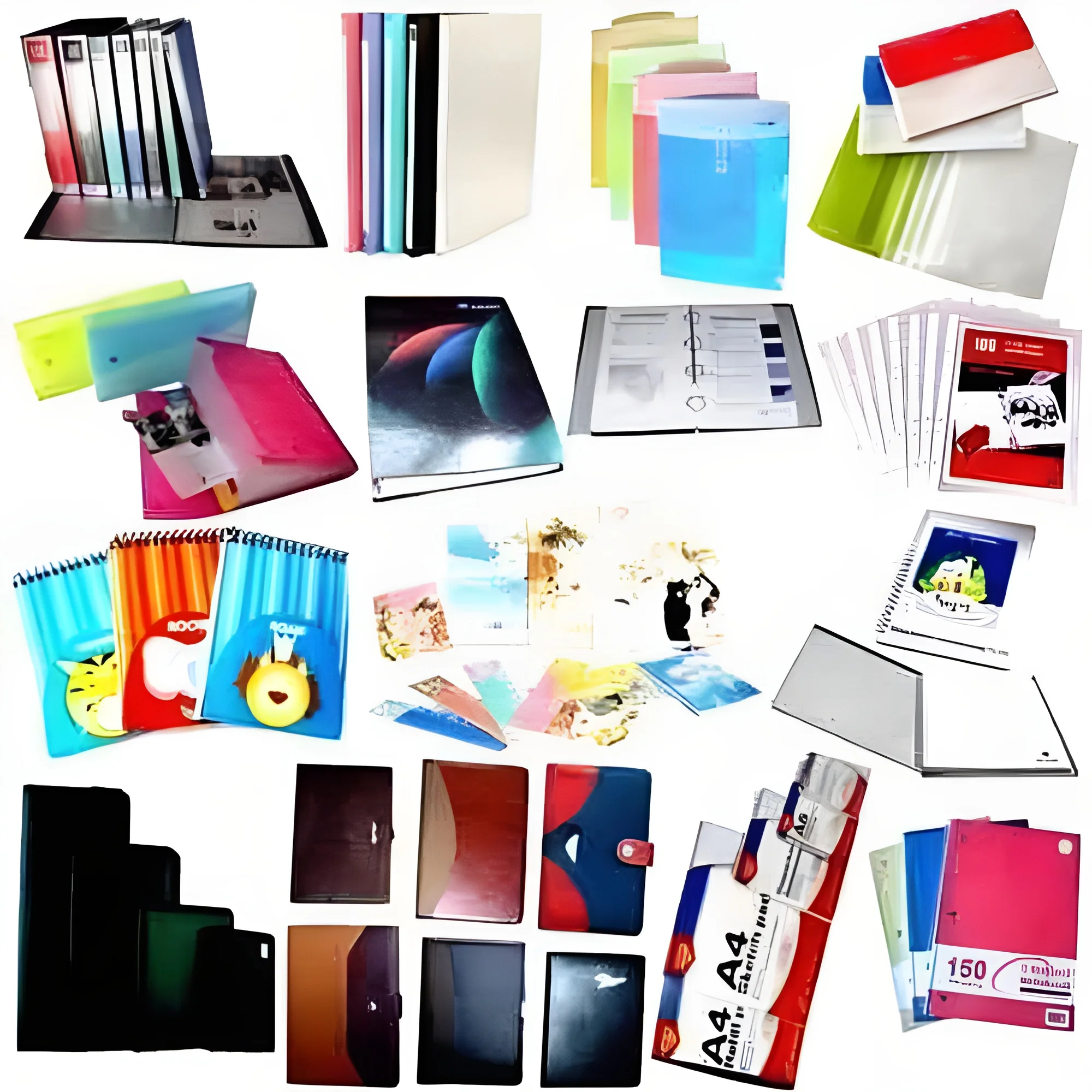
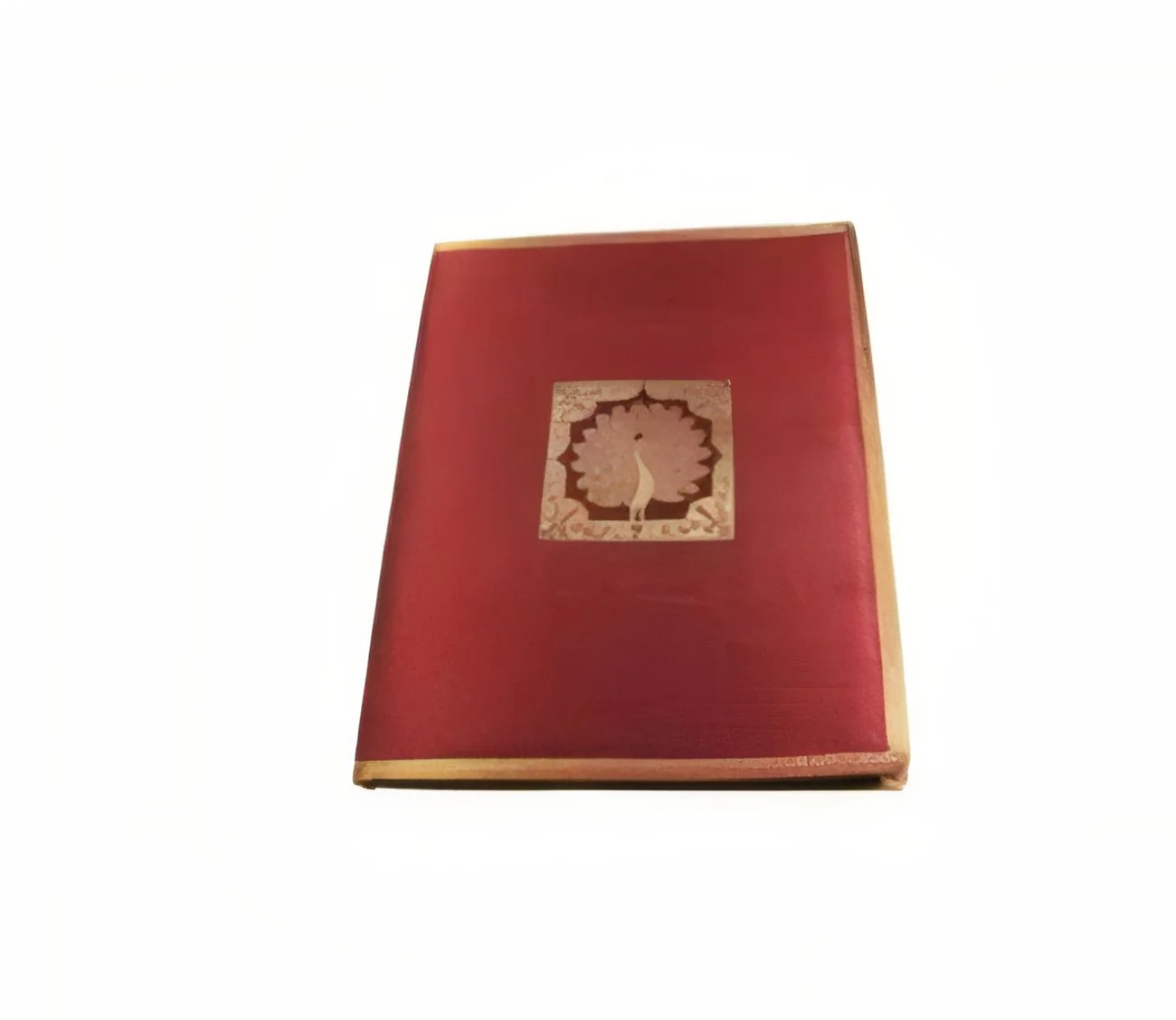
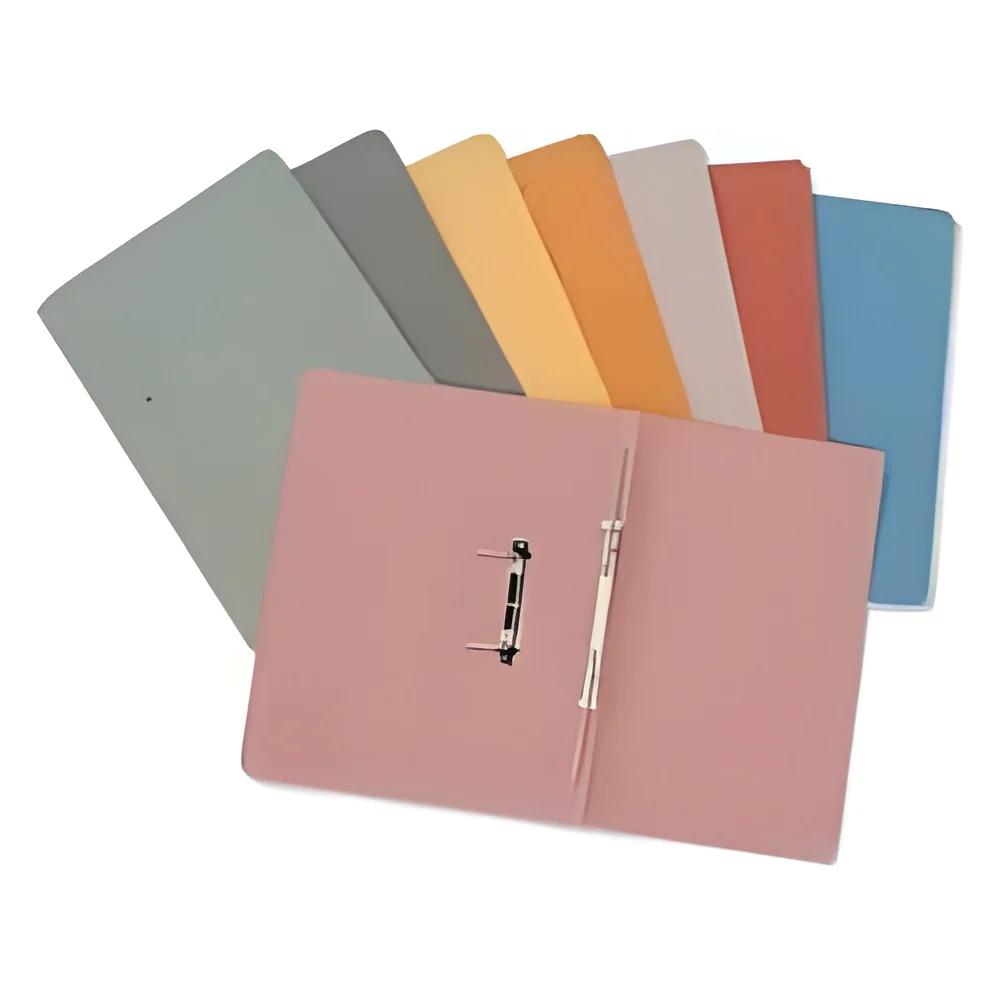
Paper folders are essential organizational tools designed to hold and protect documents. They come in various styles and sizes, catering to different business needs. Typically made from sturdy paper or cardstock, these folders feature pockets that can accommodate multiple sheets, ensuring that important papers remain in order and free from damage.
The primary uses of paper folders include document presentation, storage, and organization in professional settings. They are commonly used in offices, schools, and during trade shows for distributing brochures or important paperwork. Businesses utilize them for presentations, proposals, and reports, as they offer a professional appearance and facilitate easy handling of documents.
In the current market, paper folders hold significant relevance across various industries. With an increasing emphasis on professional branding and presentation, companies are investing in high-quality folders that not only serve a functional purpose but also enhance their corporate image. As businesses strive for efficiency and organization, the demand for paper folders continues to grow.
Key Features and Specifications
Paper folders are available with a variety of features that enhance their utility in business settings. When selecting paper folders, understanding their specifications is crucial for making an informed choice.
Key specifications include:
1. Material Type
- Made from durable paper or cardstock
- Range of weights typically between 200-300 gsm
2. Folder Size
- Common sizes include A4, letter, and legal
- Custom sizes may be available upon request
3. Pocket Configuration
- Options for single or multiple pockets
- Standard capacity for holding 10 to 30 sheets
4. Closure Type
- Available with open, tab, or string tie closures
- Secure closure options prevent documents from slipping out
5. Customization Options
- Possibility for printing company logos and branding
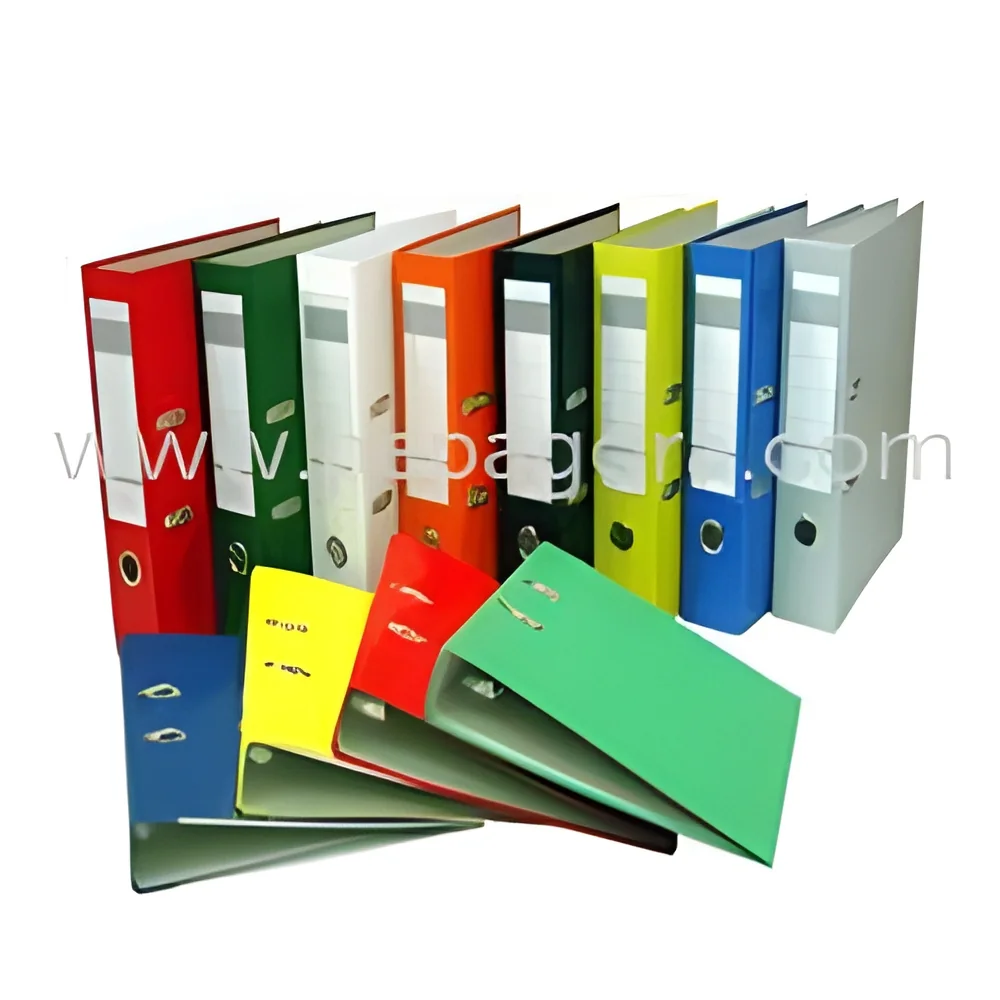
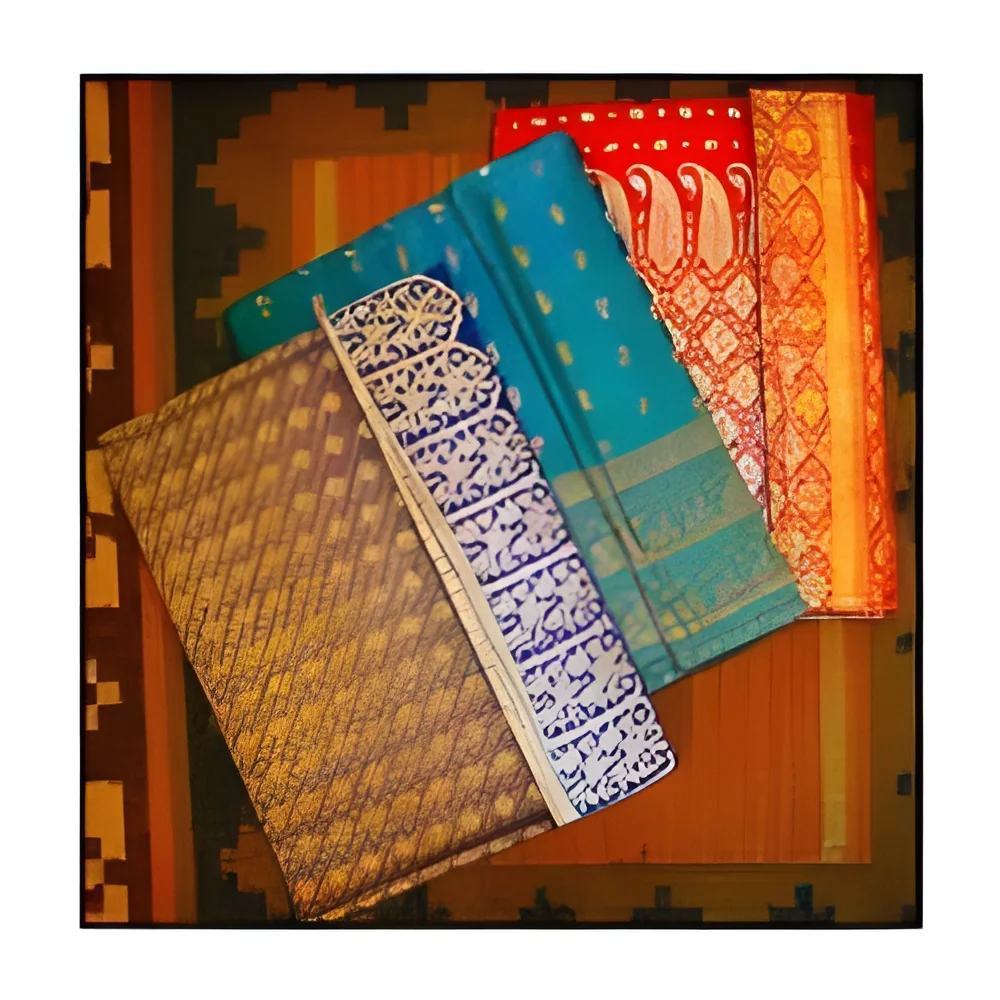
- Variety of color choices for personalization
6. Eco-Friendly Options
- Made from recycled materials or sustainably sourced paper
- Certifications for eco-friendliness may be available
7. Finish Type
- Options include matte, glossy, or textured finishes
- Each finish offers a different aesthetic appeal
8. Price Range
- Varies based on features, quality, and order quantity
- Typically ranges from low-cost to premium pricing
In summary, understanding these key features and specifications will assist businesses in selecting paper folders that best suit their organizational needs.
Common Applications and Use Cases
Paper folders find utility across a wide range of industries, each with specific applications that benefit from their use.
1. Corporate Sector: Companies use paper folders for client presentations, organizing contracts, and distributing internal documents during meetings.
2. Education: Schools and universities rely on paper folders to keep student assignments, course materials, and informational brochures organized.
3. Healthcare: Medical offices utilize folders for patient records, insurance documents, and informational materials for patients.
4. Legal: Law firms use paper folders to manage case files, client documents, and evidence presentations efficiently.
5. Real Estate: Agents employ folders to organize property listings, client information, and brochures for open houses.
6. Non-Profit Organizations: Non-profits use folders to distribute information about their missions, fundraising events, and volunteer opportunities.
7. Marketing: Marketing teams leverage folders for presentations, proposals, and promotional materials during campaigns and events.
Product Variants and Subcategories
While there are no specific subcategories available for paper folders, several variants cater to different business needs and preferences.
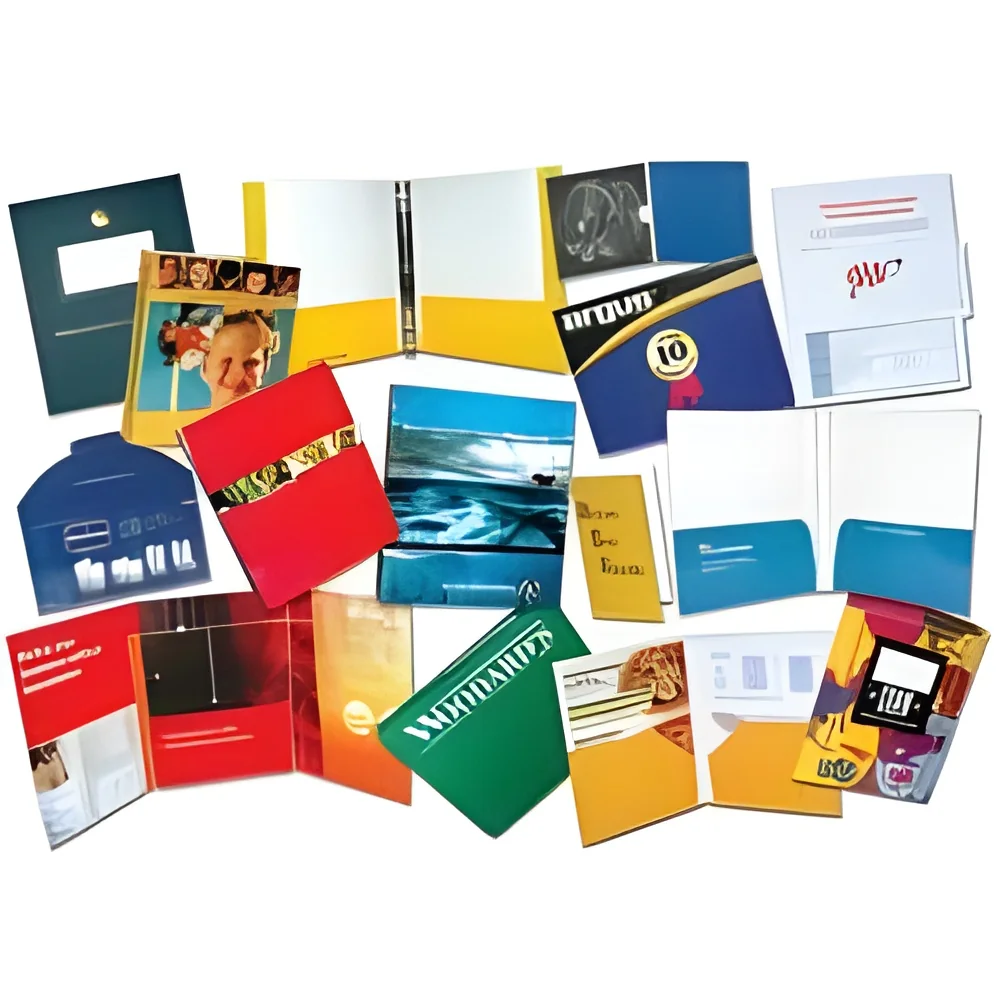
Standard Paper Folders: These are the most common type, featuring a simple design with pockets for holding documents. They are ideal for everyday use in offices and schools.
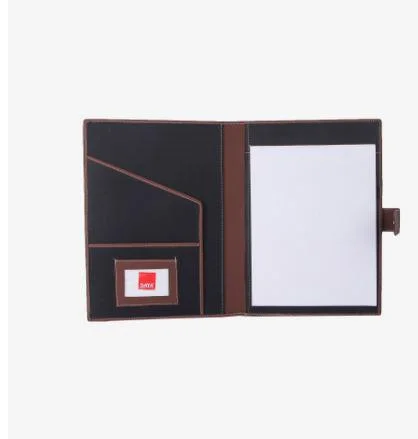
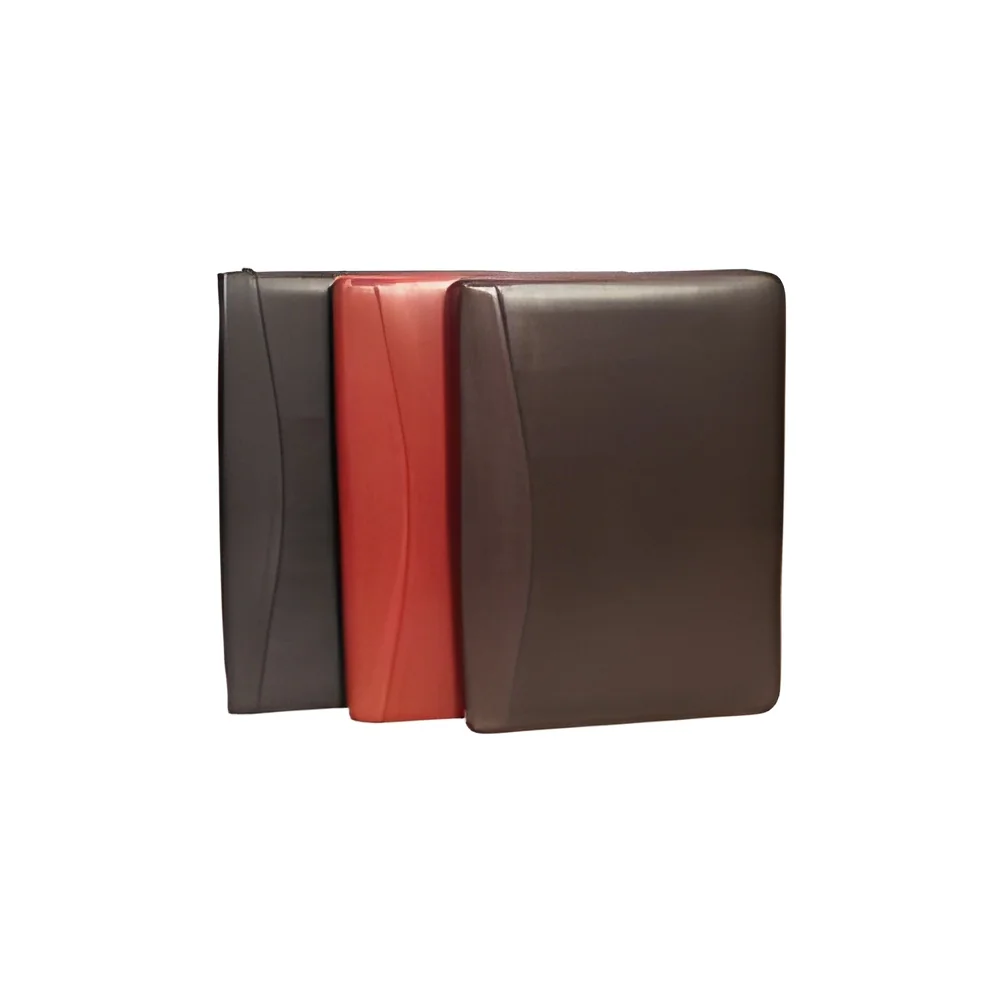
Presentation Folders: Designed for professional presentations, these folders often include additional features such as business card slots and reinforced pockets, making them suitable for client meetings.
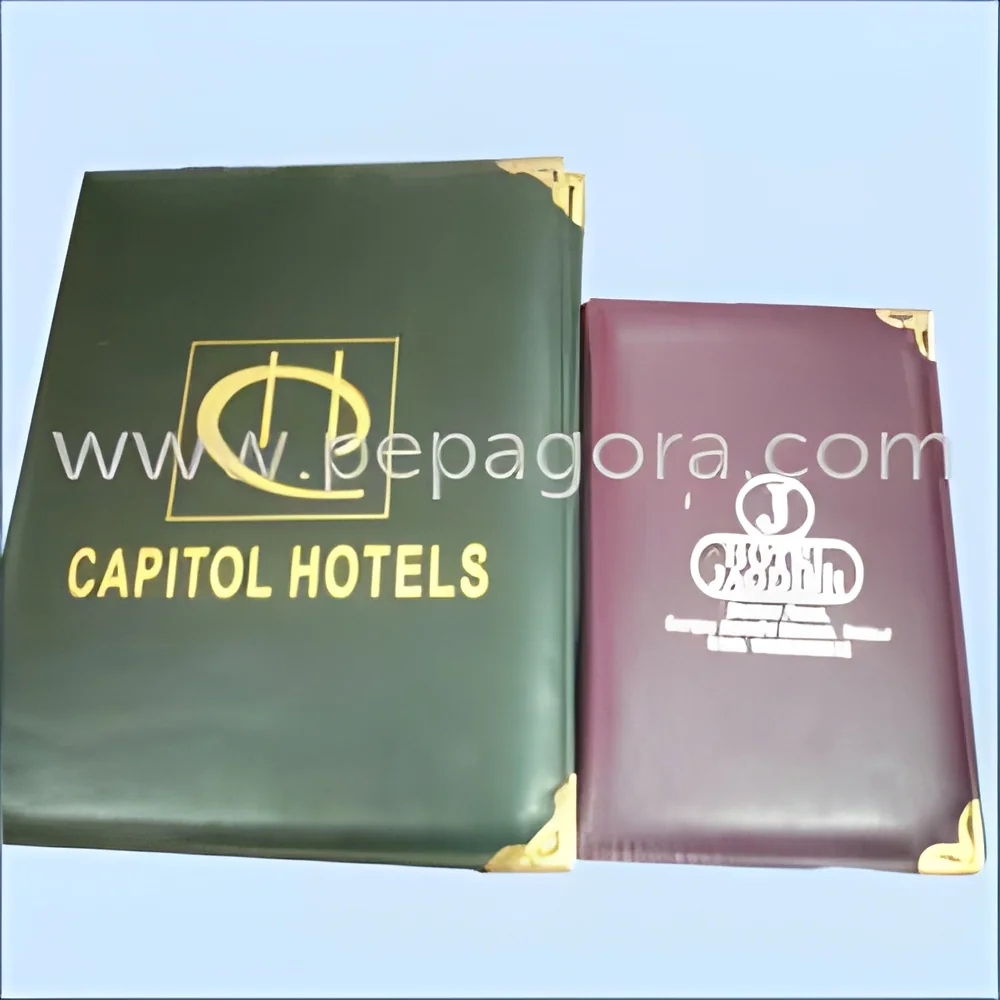
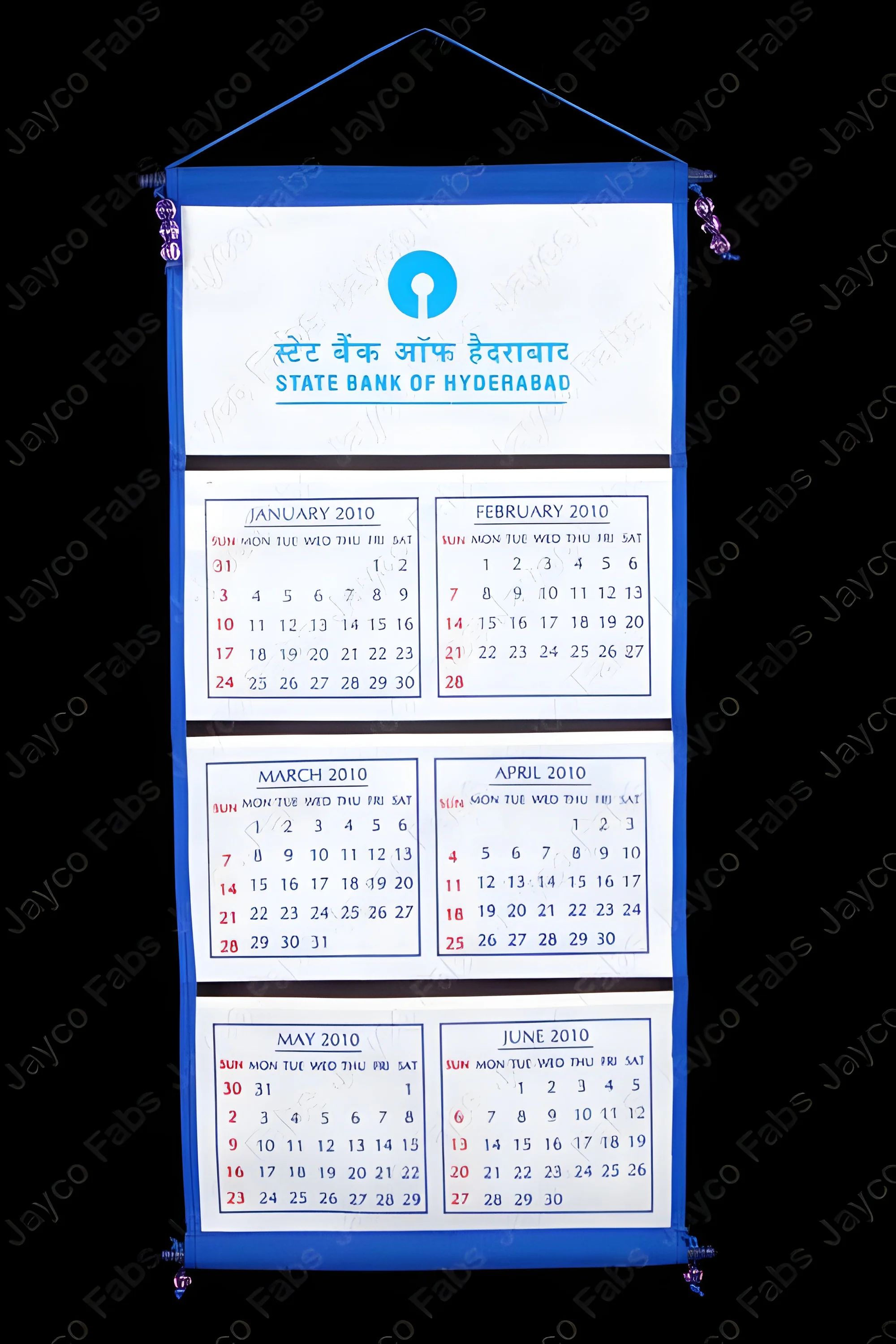
Custom Printed Folders: These folders can be personalized with branding, logos, and colors, making them an excellent choice for businesses looking to enhance their image during presentations or trade shows.
Benefits and Advantages
Investing in paper folders offers several distinct advantages for businesses.
1. Enhanced Organization: Paper folders help keep documents arranged, reducing clutter and facilitating easy access to important papers.
2. Professional Appearance: Using well-designed folders conveys a professional image to clients and partners, enhancing business credibility.
3. Cost-Effective: Paper folders are affordable and provide a high return on investment by improving efficiency in document handling.
4. Customization Potential: Businesses can tailor folders to reflect their brand identity, creating a cohesive image across marketing materials.
5. Eco-Friendly Options: Many folders are available in eco-friendly materials, allowing companies to demonstrate their commitment to sustainability.
6. Versatile Use: Suitable for various applications, paper folders can meet the needs of different departments and industries, making them a versatile solution.
Buying Guide for B2B Buyers
When sourcing paper folders, it is essential for B2B buyers to consider several key factors to ensure they make the best purchase.
1. Quality Assessment: Buyers should evaluate the quality of materials used in the folders. A good quality folder will withstand regular use without tearing or bending.
2. Supplier Verification: It is crucial to vet suppliers to ensure they are reliable and can deliver the required quality consistently. Checking reviews and ratings can be helpful.
3. Pricing and MOQ: Understanding the cost per unit and minimum order quantity (MOQ) is important for budgeting. Buyers should compare prices across different suppliers to find the best deal.
4. Delivery and Lead Times: Buyers should inquire about delivery times and logistics to ensure that the folders will arrive when needed, especially for urgent projects.
5. Compliance Requirements: Buyers must ensure that the folders meet any relevant compliance standards within their industry, including eco-friendly certifications if required.
Compliance and Certifications
Compliance and certifications play a critical role in ensuring that paper folders meet industry standards.
Relevant quality standards such as ISO 9001 may apply, ensuring that manufacturers maintain high-quality production processes. Compliance with safety and testing requirements ensures that the materials used in folders are safe for handling and use in various environments.
In addition to quality standards, industry certifications such as CE may be relevant for certain markets, indicating compliance with European standards.
Regional compliance considerations may vary, so businesses should confirm that their chosen folders meet the specific regulations applicable in their operational areas.
Why Source Paper Folders from Pepagora?
Pepagora offers a reliable platform for sourcing paper folders, making it an ideal choice for businesses seeking quality products.
Verified Supplier Network: Pepagora connects buyers with a robust network of verified suppliers, ensuring that they can source high-quality folders from reputable manufacturers.
Streamlined RFQ Process: The platform features a simplified Request for Quotation (RFQ) process, allowing buyers to easily request and compare pricing from multiple suppliers.
Trade Assurance and Support: Pepagora provides buyer protection through its trade assurance program, which helps to safeguard transactions and provide support throughout the purchasing process.
Regional Coverage: With a strong presence in India, the GCC, and Southeast Asia, Pepagora offers regional coverage that enables buyers to access suppliers close to their operational bases, ensuring timely delivery and reduced shipping costs.

 IN
IN