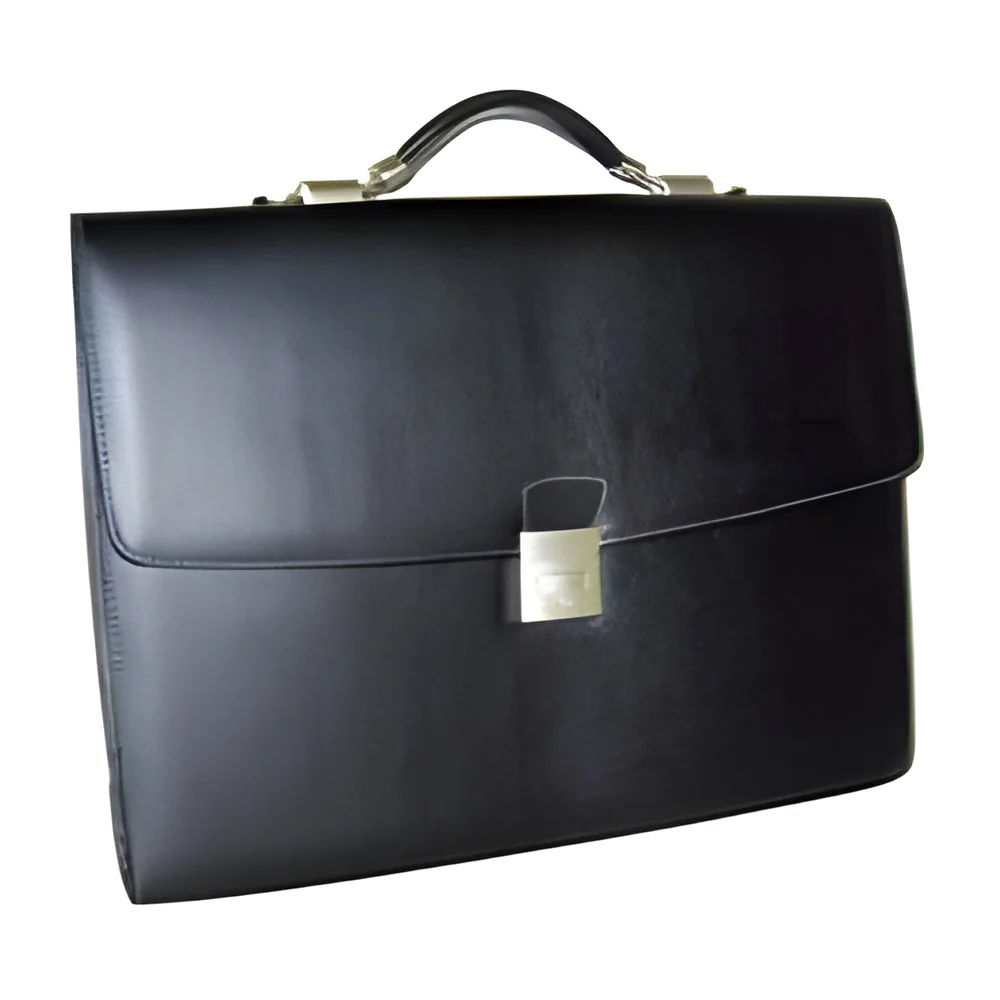
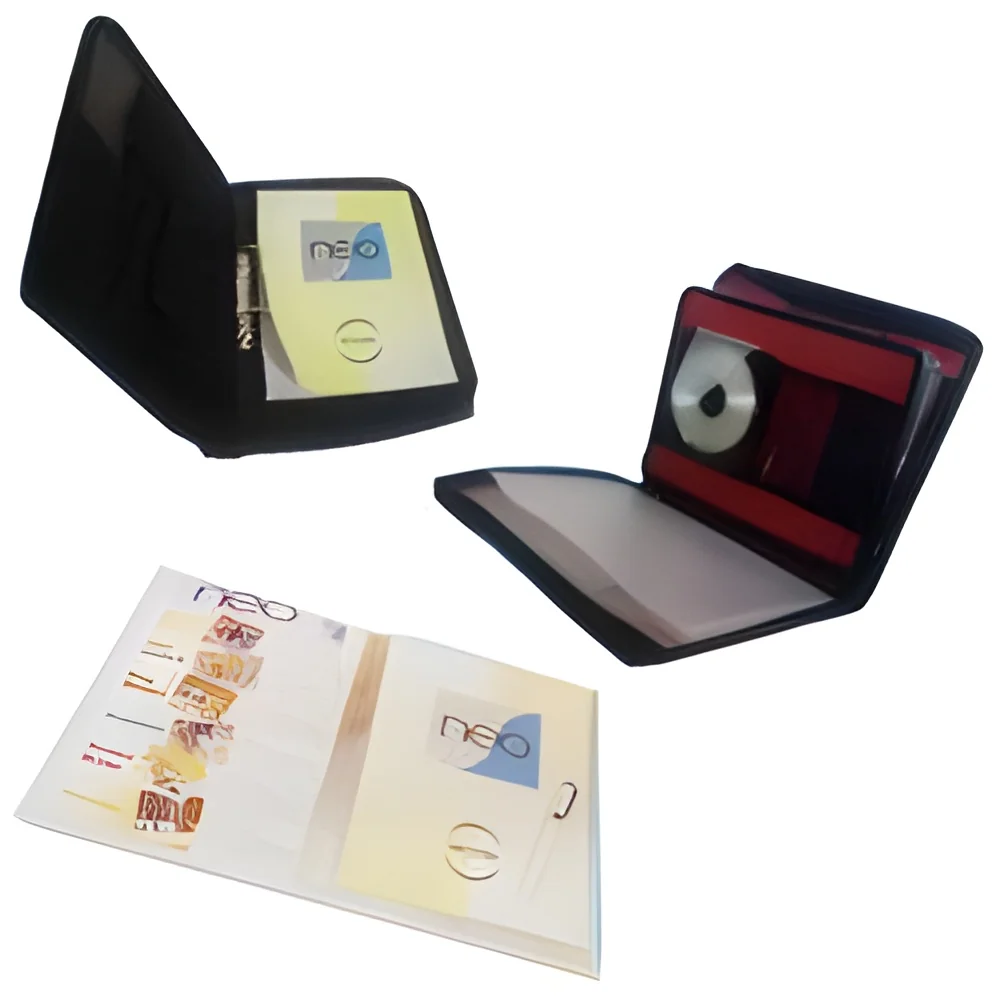
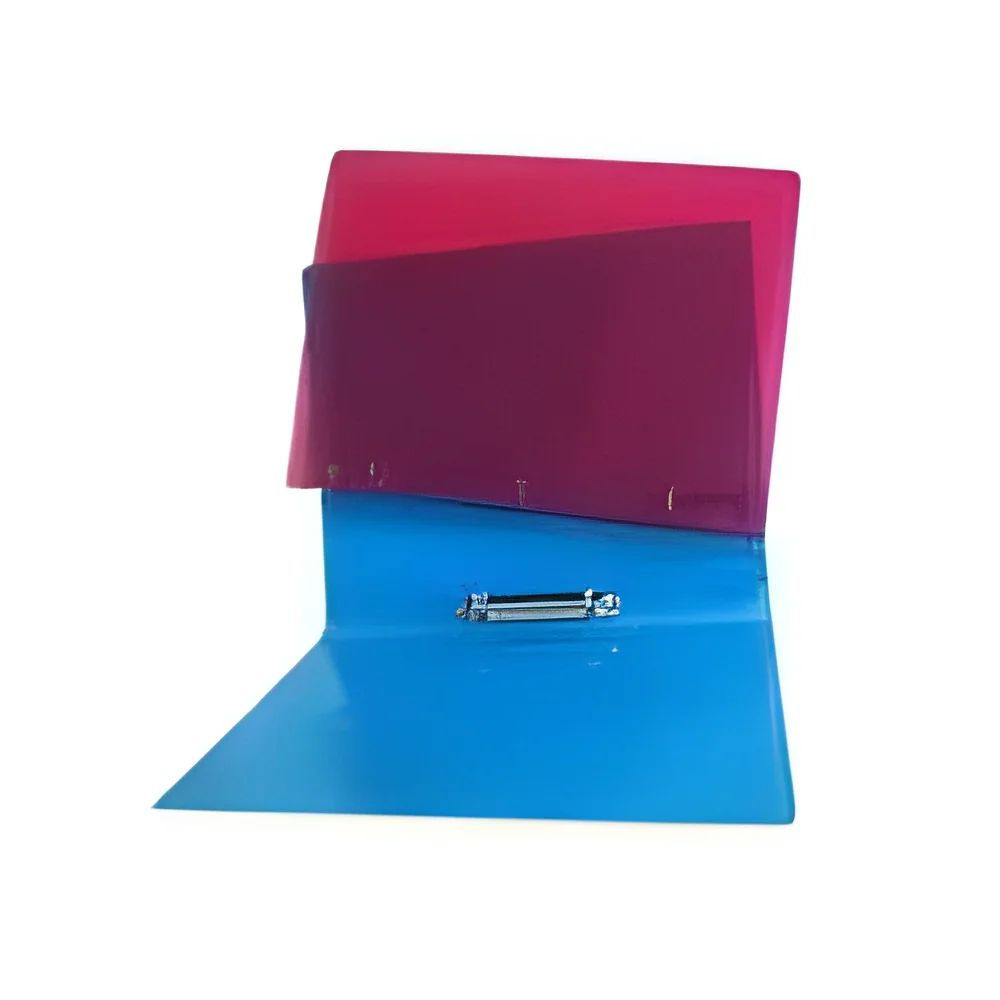
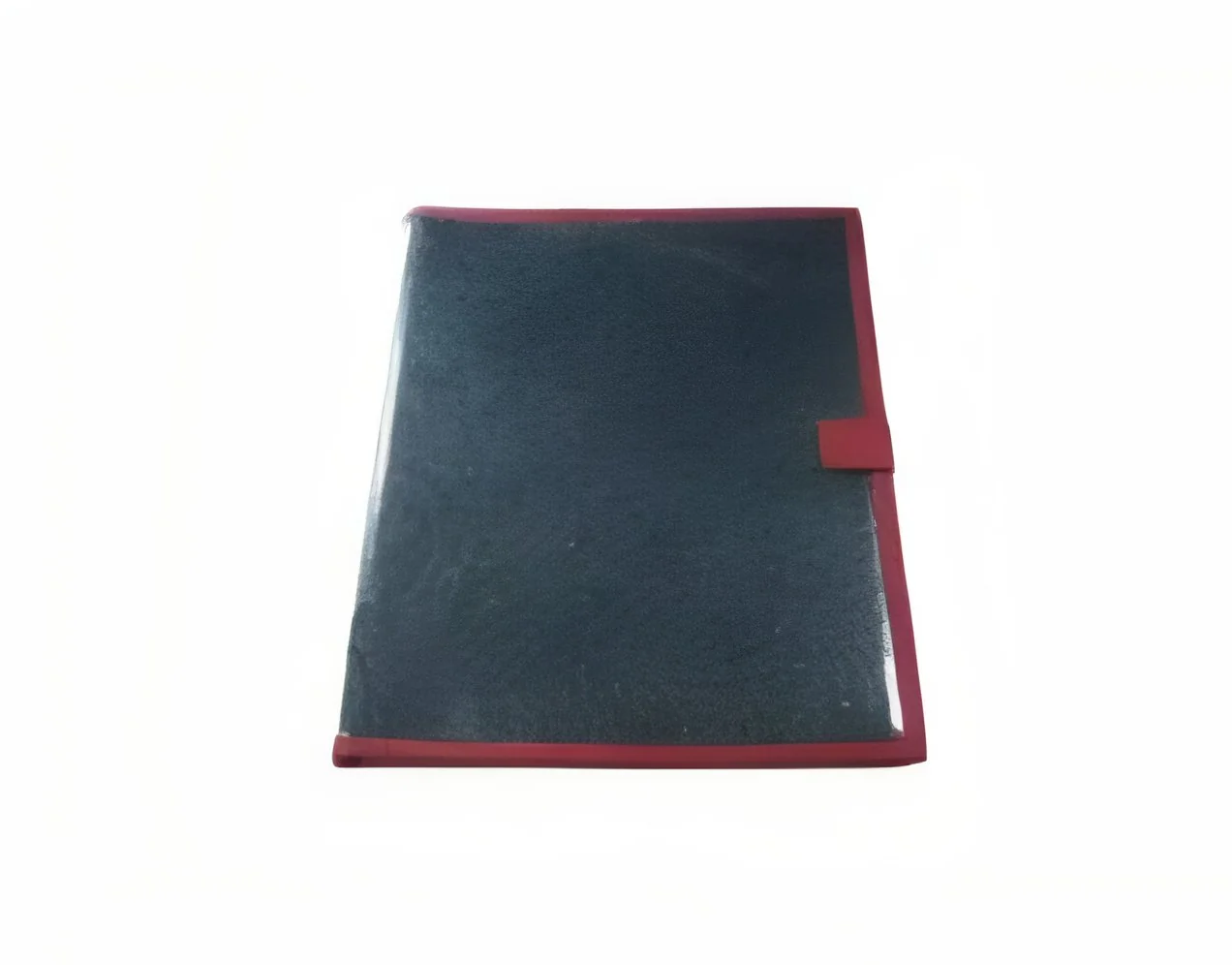
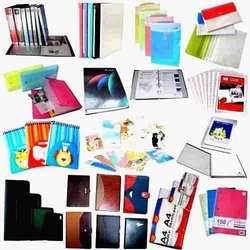
What are Document Folders?
Document folders are essential organizational tools used to store and protect important documents in various formats. They are designed to facilitate easy access, transport, and presentation of paperwork in a professional manner. Typically made from durable materials, these folders come in various styles, sizes, and colors. They provide structure and order to paperwork, helping users maintain a tidy workspace.
In business applications, document folders are commonly used in offices, legal firms, educational institutions, and healthcare settings. They serve to group related documents together, ensuring that critical information is readily available when needed. This organization not only enhances efficiency but also contributes to a professional image during presentations or meetings. The growth of the digital age has not diminished the importance of physical document folders, as they remain relevant in various sectors that require tangible documentation.
The market for document folders continues to thrive, driven by the need for efficient document management solutions. Industries such as finance, law, and education utilize these products extensively to keep paperwork organized and accessible. As companies strive for professionalism, the demand for high-quality document folders remains strong.
Key Features and Specifications
Document folders are equipped with a range of features that enhance their functionality and usability. These features cater to different business needs and preferences, making them versatile tools for document management.
Key specifications include:
1. Material Type
- Common materials include plastic, paper, and laminated finishes.
- Durability can vary based on material choice.
2. Size Options
- Available in standard sizes such as A4, letter, and custom dimensions.
- Size affects capacity and ease of use.
3. Closure Mechanisms
- Options include Velcro, snap buttons, or open designs.
- Closure type influences security and accessibility.
4. Pocket Configuration
- Folders may have one or multiple pockets for document storage.
- Pocket arrangement varies based on design.
5. Customization Options
- Many folders can be customized with logos or branding.
- Customization enhances company identity.
6. Color Variety
- Available in various colors to suit different branding needs.
- Color choice can affect visual appeal.
7. Eco-Friendly Options
- Some folders are made from recycled or sustainable materials.
- Eco-friendly options cater to environmentally conscious businesses.
8. Weight Capacity
- Varies based on the material and design of the folder.
- Important for handling larger volumes of paperwork.
In summary, document folders come with numerous features that cater to different organizational needs. Buyers should evaluate these specifications to select the most suitable options for their business.
Common Applications and Use Cases
Document folders find widespread use across various industries, providing practical solutions for document management.
1. Legal Industry: Law firms frequently use document folders to organize case files, contracts, and client documents. They help maintain confidentiality and ease of access during court proceedings.
2. Education Sector: Schools and universities utilize document folders for student records, administrative paperwork, and course materials. They help streamline communication and information sharing among staff and students.
3. Financial Services: Banks and financial institutions rely on document folders to manage sensitive client information, reports, and regulatory paperwork. Proper organization is crucial for compliance and efficiency.
4. Healthcare Sector: Medical offices use document folders to store patient records, consent forms, and insurance documents. They ensure that vital information is organized and accessible for healthcare providers.
5. Corporate Offices: Businesses of all sizes use document folders for internal documentation, presentations, and client proposals. They contribute to a professional appearance during meetings and conferences.
6. Marketing Agencies: Document folders are used to present marketing materials, proposals, and client reports. They help create a cohesive brand image when interacting with clients.
7. Government Offices: Public sector organizations use document folders to organize official documents, applications, and regulatory materials. They support transparency and accessibility in government processes.
Product Variants and Subcategories
Document folders come in various styles and designs, catering to different needs and preferences within the business environment.
Presentation Folders: These folders are designed for showcasing documents during meetings or presentations. They often feature a more polished appearance and may include pockets for business cards.
Report Covers: Typically used to bind reports or proposals, report covers provide a professional finish. They often have a clear front cover to display the title page of the document.
Executive Folders: These high-end folders are designed for executives or professionals who want to make a strong impression. They often include premium materials and additional features like notepads or pens.
Multi-Pocket Folders: These versatile folders come with multiple pockets, allowing users to organize various documents efficiently. Ideal for presentations or projects requiring extensive documentation.
Benefits and Advantages
Utilizing document folders offers numerous advantages for businesses aiming to improve their document management practices.
1. Enhanced Organization: Document folders help keep paperwork neatly organized, reducing clutter and improving overall workspace efficiency.
2. Professional Appearance: Well-designed document folders convey a sense of professionalism, making a positive impression during meetings or presentations.
3. Easy Access: With clearly defined pockets and compartments, users can quickly find and retrieve important documents, saving time and reducing frustration.
4. Protection from Damage: Document folders safeguard paperwork from physical damage, such as tears or spills, ensuring that important documents remain in good condition.
5. Customization Options: Many document folders can be personalized with company branding, enhancing visibility and reinforcing brand identity.
6. Cost-Effective Solution: Document folders are an affordable option for improving document management, making them accessible for businesses of all sizes.
Buying Guide for B2B Buyers
When sourcing document folders, buyers should consider several critical factors to ensure they make the best choice for their business needs.
1. Quality Assessment: Evaluate the materials and construction of the folders. High-quality materials will provide better durability and protection for documents.
2. Supplier Verification: Vet suppliers to ensure they have a good reputation and reliable delivery history. Check for customer reviews and industry certifications to validate their credibility.
3. Pricing and MOQ: Consider the price range and minimum order quantities. Understand how bulk purchasing can affect pricing and explore options for negotiation.
4. Delivery and Lead Times: Inquire about logistics and estimated delivery times. Efficient delivery is crucial for maintaining workflow and meeting deadlines.
5. Compliance Requirements: Ensure that the document folders meet any relevant regulatory standards. This may include checking for certifications such as CE to ensure compliance with industry regulations.
Compliance and Certifications
Document folders may be subject to various quality standards and certifications that ensure their reliability and safety.
ISO 9001 is a key quality management standard that applies to manufacturers producing document folders. Compliance with this standard ensures that the products meet customer expectations and regulatory requirements.
CE certification is another important indicator of compliance, especially in markets within the European Union. This certification signifies that the product meets health, safety, and environmental protection standards.
In addition to these standards, safety and testing requirements may be applicable, depending on the materials used in the folder production. Buyers should verify that the products comply with all relevant safety regulations for their specific region.
Regional compliance considerations are also crucial, as different countries may have unique requirements. Understanding these regulations can help buyers source document folders that meet local standards.
Why Source Document Folders from Pepagora?
Pepagora offers a trusted platform for sourcing document folders, providing several key advantages to buyers.
Verified Supplier Network: Pepagora has established a robust network of verified suppliers, ensuring that buyers have access to high-quality products. This verification process helps mitigate risks and ensures reliability.
Streamlined RFQ Process: The request for quotation (RFQ) system simplifies the procurement process, allowing buyers to easily compare quotes from multiple suppliers. This efficiency saves time and aids in decision-making.
Trade Assurance and Support: Pepagora provides trade assurance to protect buyers during transactions, offering peace of mind throughout the sourcing process. This support is essential for building trust between buyers and suppliers.
Regional Coverage: With a strong presence in regions such as India, the GCC, and Southeast Asia, Pepagora facilitates connections between buyers and local suppliers. This geographic reach ensures that businesses can find the right document folders tailored to their specific needs.

 IN
IN