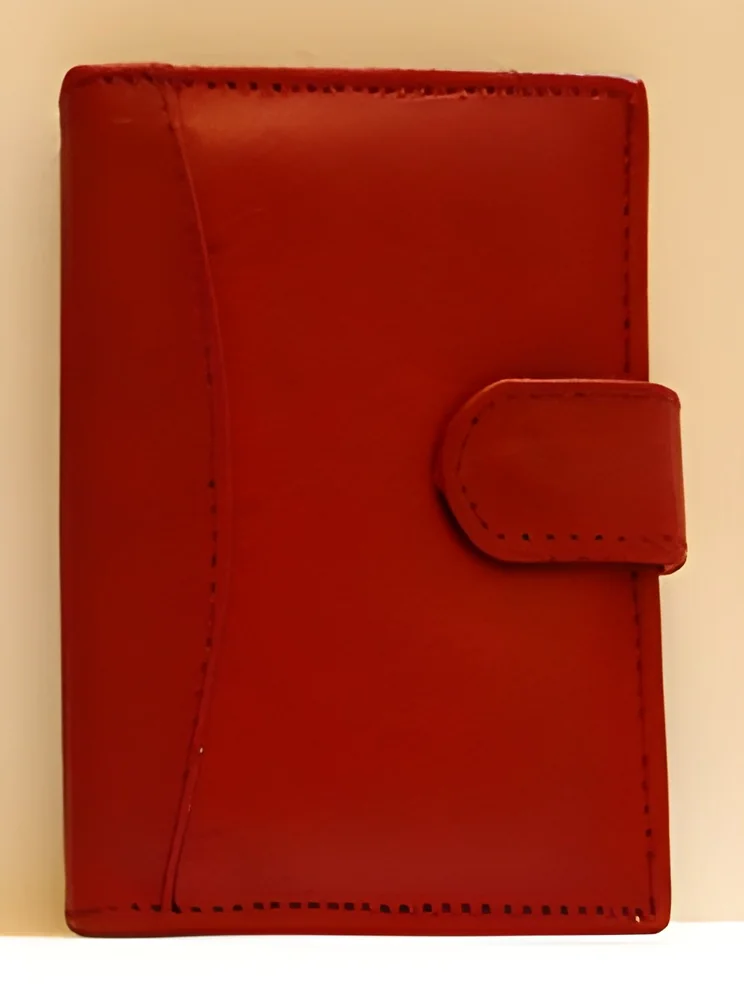
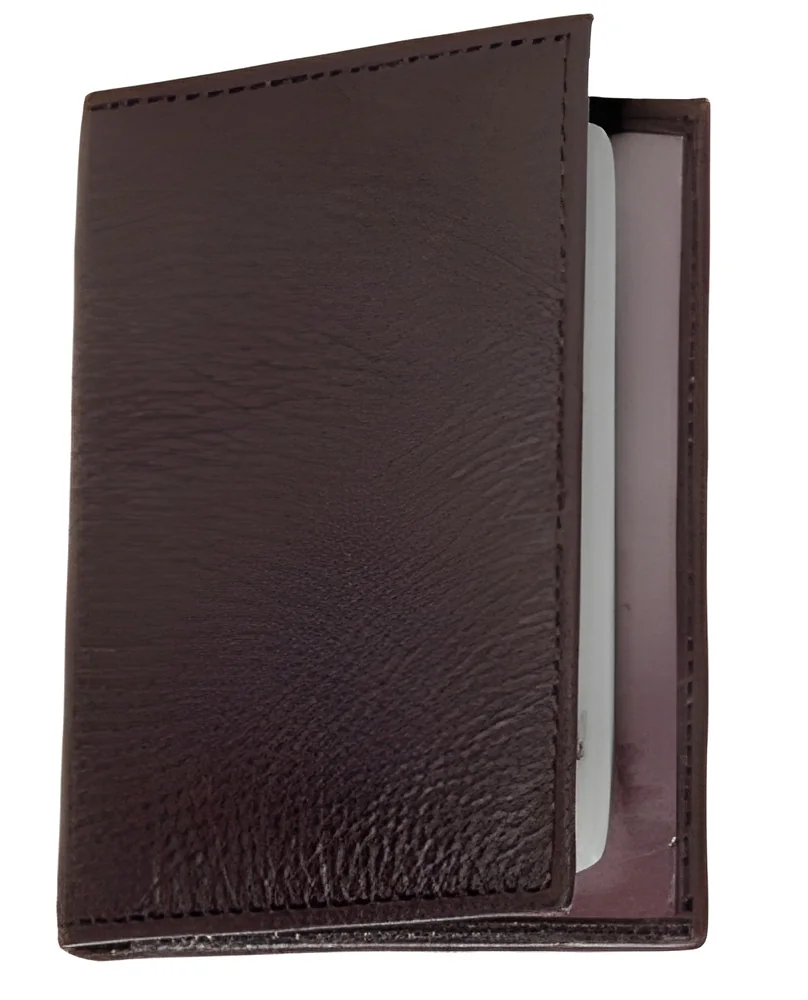
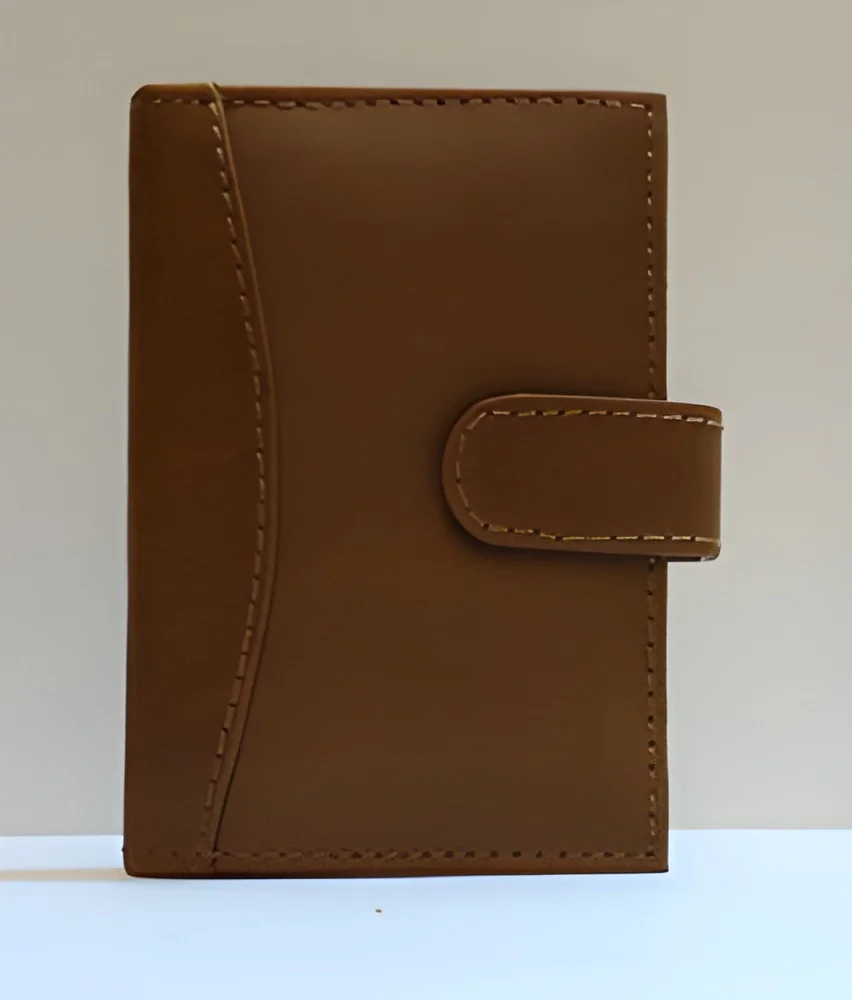
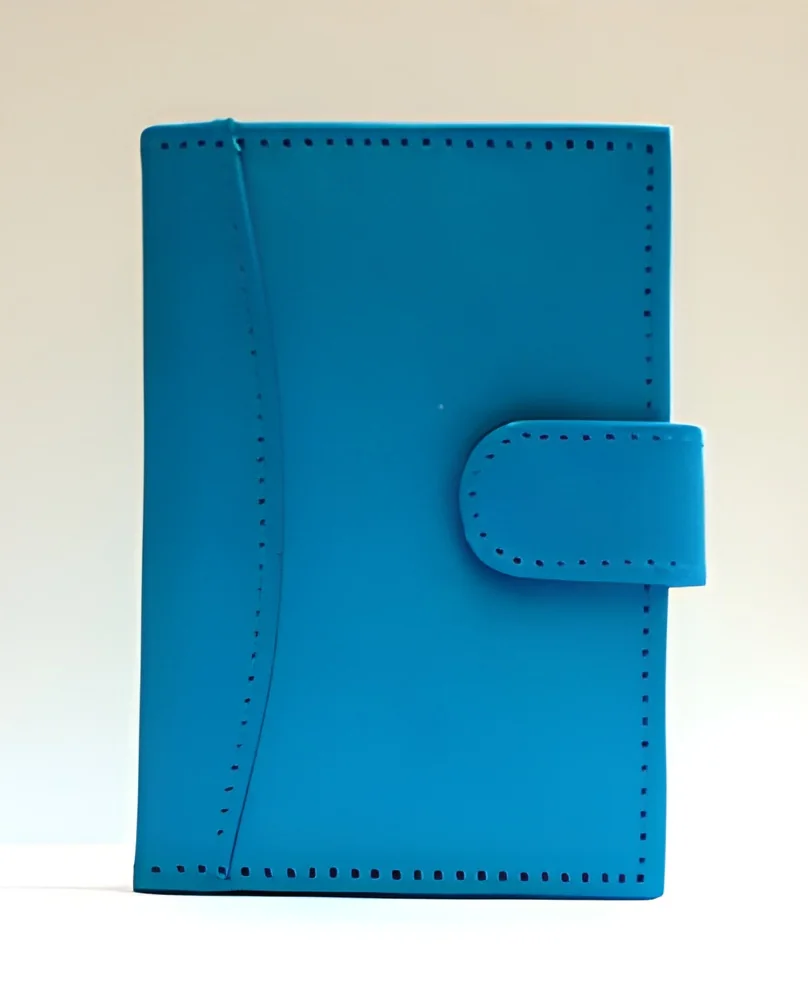
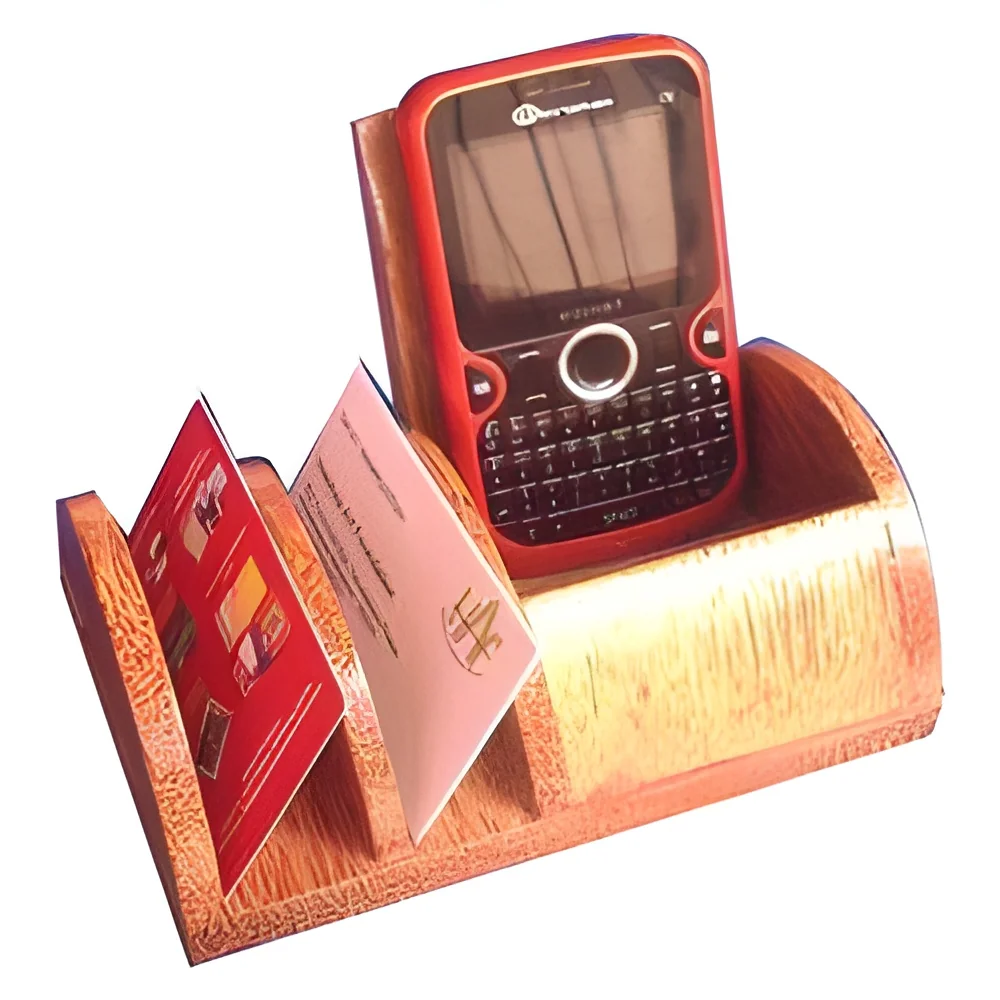
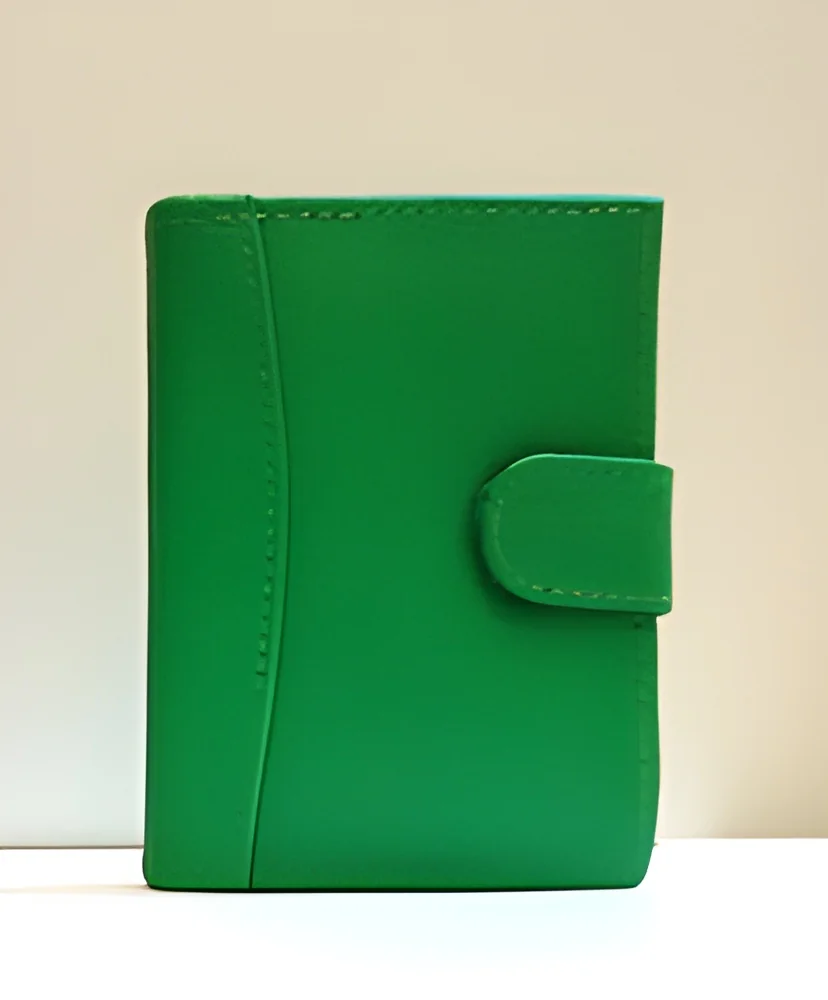
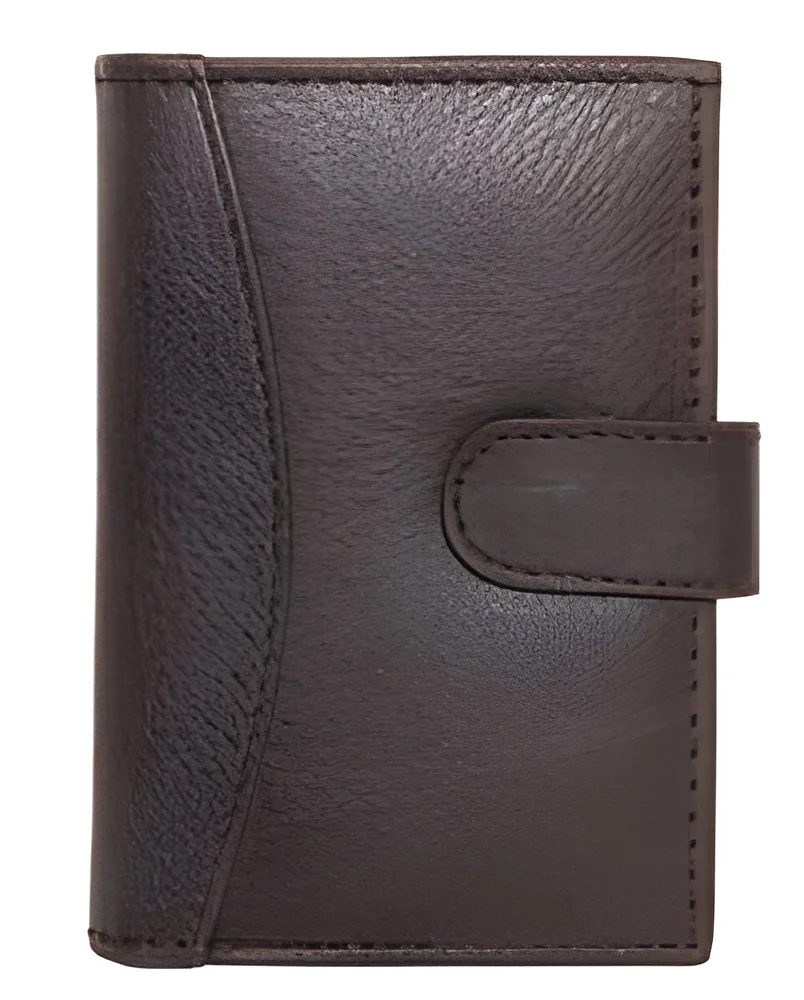
What are Business Card Holders?
Business card holders are essential tools designed to store, protect, and organize business cards. These holders come in various styles, materials, and capacities, providing a practical solution for professionals looking to manage their business cards effectively. They help maintain the quality of cards, preventing bending, tearing, or damage, and ensure that important contact information is readily accessible.
In the business environment, card holders serve critical functions. They are commonly used by sales representatives, networking professionals, and business owners who need to distribute their cards during meetings, conferences, and networking events. By keeping business cards organized, these holders facilitate seamless interactions and enhance professionalism, making it easier for individuals to connect and follow up.
With a growing emphasis on networking and relationship-building in various industries, the demand for quality business card holders continues to rise. Many professionals recognize the value of a well-organized collection of business cards, not only for their own use but also as a means to leave a lasting impression on clients and partners. This has led to a diverse market, with options tailored to different needs and preferences.
Key Features and Specifications
Business card holders come with several features and specifications that cater to different user needs. These features often emphasize durability, aesthetic appeal, and functionality.
Key specifications include:
1. Material Type
- Common materials include leather, plastic, metal, and cardboard.
- Each material offers different levels of durability and style.
2. Capacity
- Holders can typically store between 10 to 50 cards.
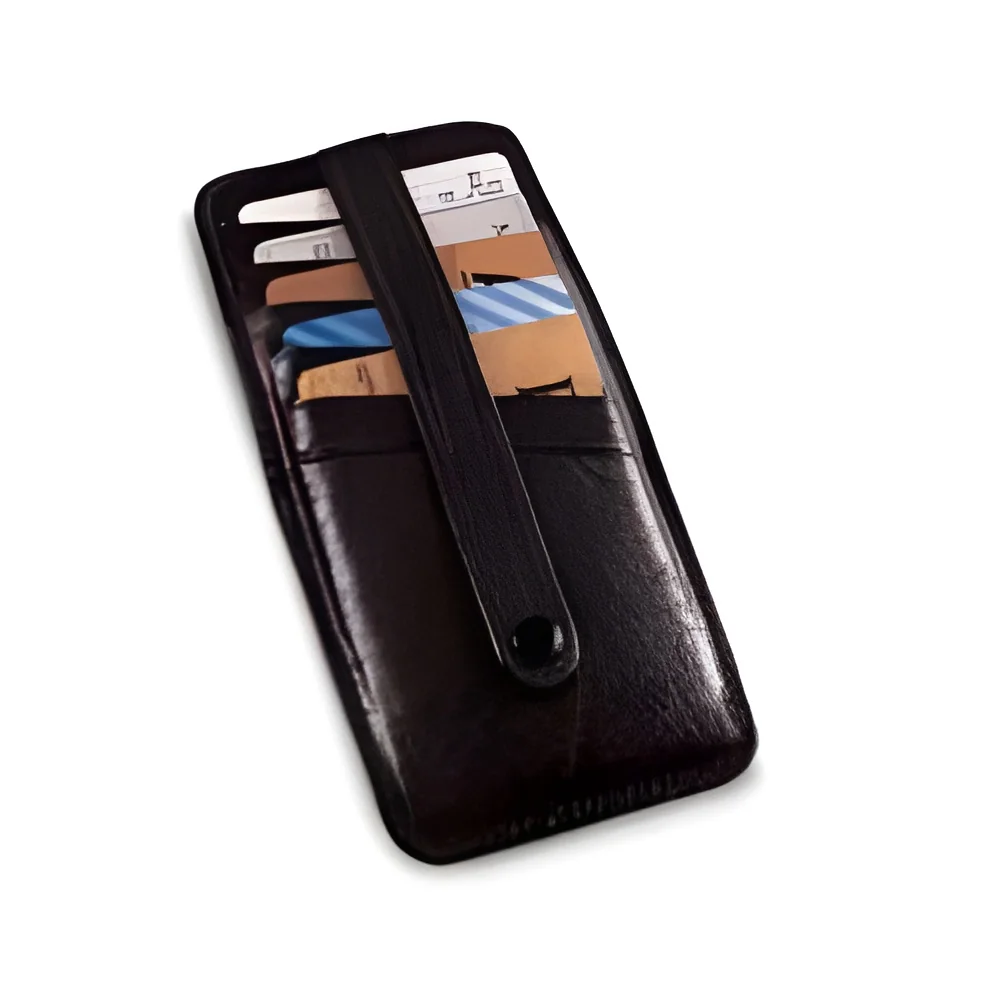
- Some designs accommodate additional compartments for notes or IDs.
3. Design Style
- Options range from simple and minimalist to elaborate and decorative.
- A variety of colors and finishes are available to suit personal branding.
4. Portability
- Many holders are designed to be lightweight and compact for easy transport.
- Some models include features like clip-on attachments for convenience.
5. Customization Options
- Many suppliers offer customization services for branding purposes.
- Options may include logo embossing or color selections.
6. Price Range
- Business card holders can vary significantly in price, depending on material and brand.
- Typical prices range from budget-friendly options to premium selections.
7. Safety Features
- Some holders offer RFID protection to prevent electronic data theft.
- Others may include magnetic closures or snap buttons for added security.
In summary, the features and specifications of business card holders cater to a broad audience, enabling professionals to choose a holder that aligns with their personal style and functional requirements.
Common Applications and Use Cases
Business card holders find application across various sectors and industries. They serve not only as organizational tools but also as branding assets.
1. Corporate Sector: In corporate environments, business card holders are commonly used by employees at networking events and trade shows to facilitate connections.
2. Hospitality Industry: Professionals in hotels and restaurants utilize card holders to keep contact information for clients and suppliers readily available, enhancing customer service.
3. Real Estate: Real estate agents rely on business card holders to distribute their cards during property showings and open houses, ensuring potential clients have their contact information.
4. Healthcare: Healthcare professionals often use card holders to manage business cards from colleagues and industry contacts, which aids in networking and referrals.
5. Educational Institutions: Faculty and administrative staff utilize business card holders for networking with alumni and industry partners during conferences and seminars.
6. Freelancers and Consultants: Independent professionals use card holders to keep their business cards organized and accessible while meeting clients or attending networking events.
7. Non-Profit Organizations: Non-profit representatives use business card holders to maintain contact information for donors, partners, and volunteers, streamlining communication efforts.
Product Variants and Subcategories
Business card holders come in diverse variants, each catering to different preferences and needs.
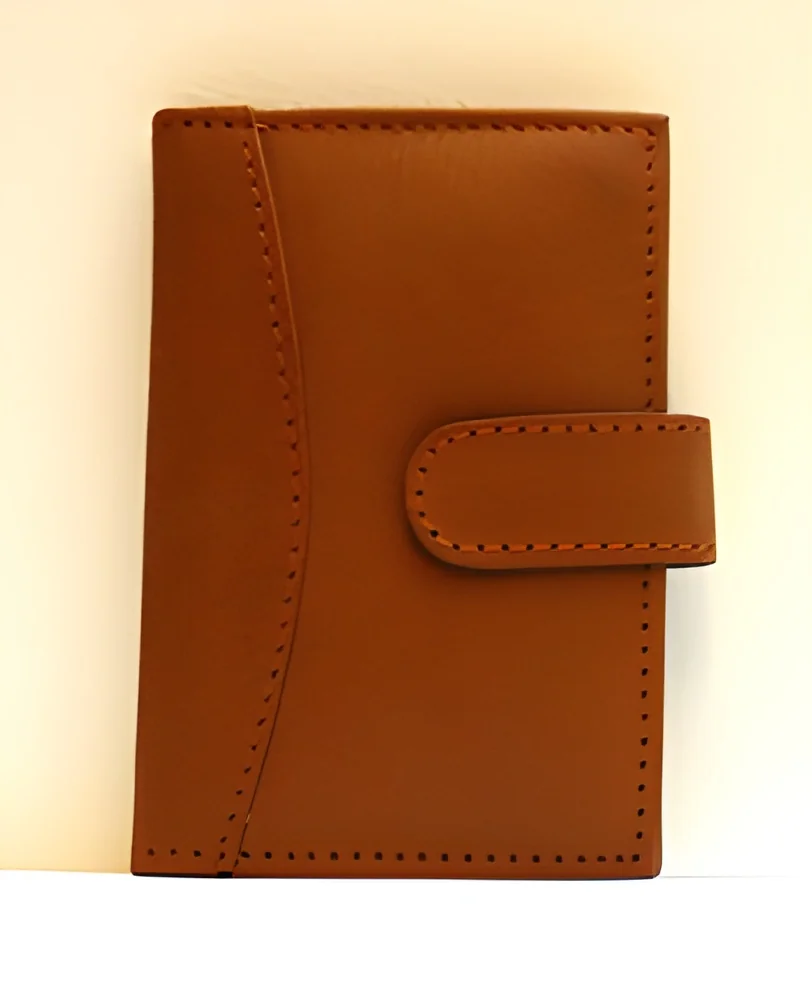
Premium Leather Holders: These holders are crafted from high-quality leather, providing a sophisticated look and feel. They often feature multiple compartments and may be customizable with embossed logos.
Plastic Card Holders: Lightweight and affordable, these holders are ideal for everyday use. They are often transparent, allowing for easy visibility of the business cards, and come in various colors.
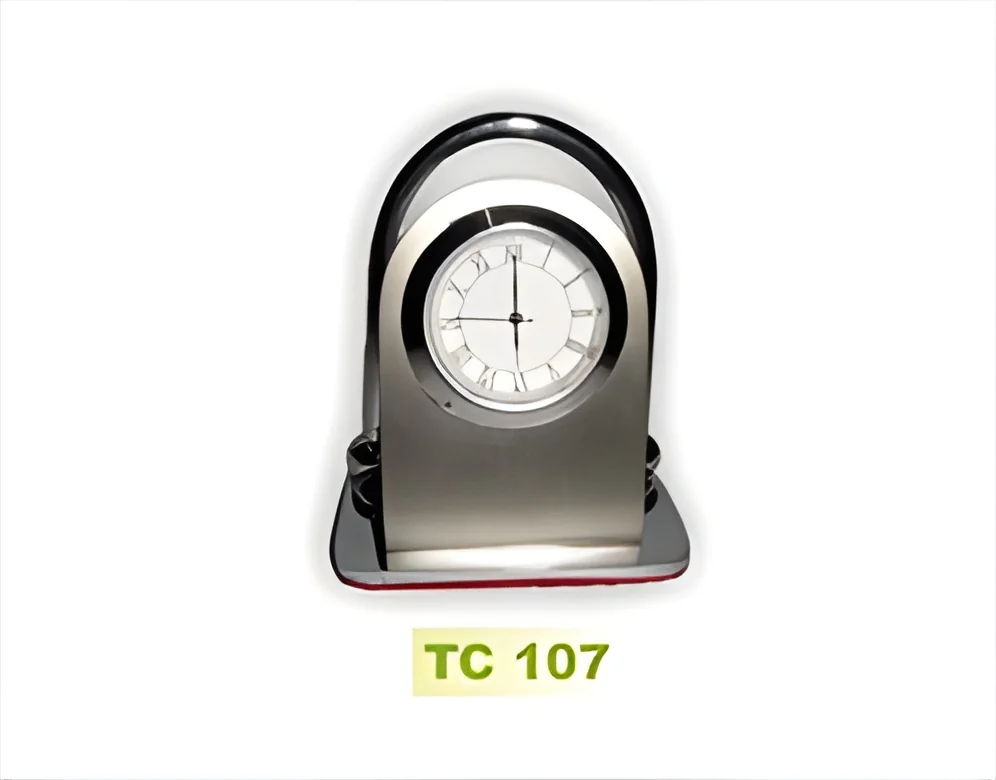
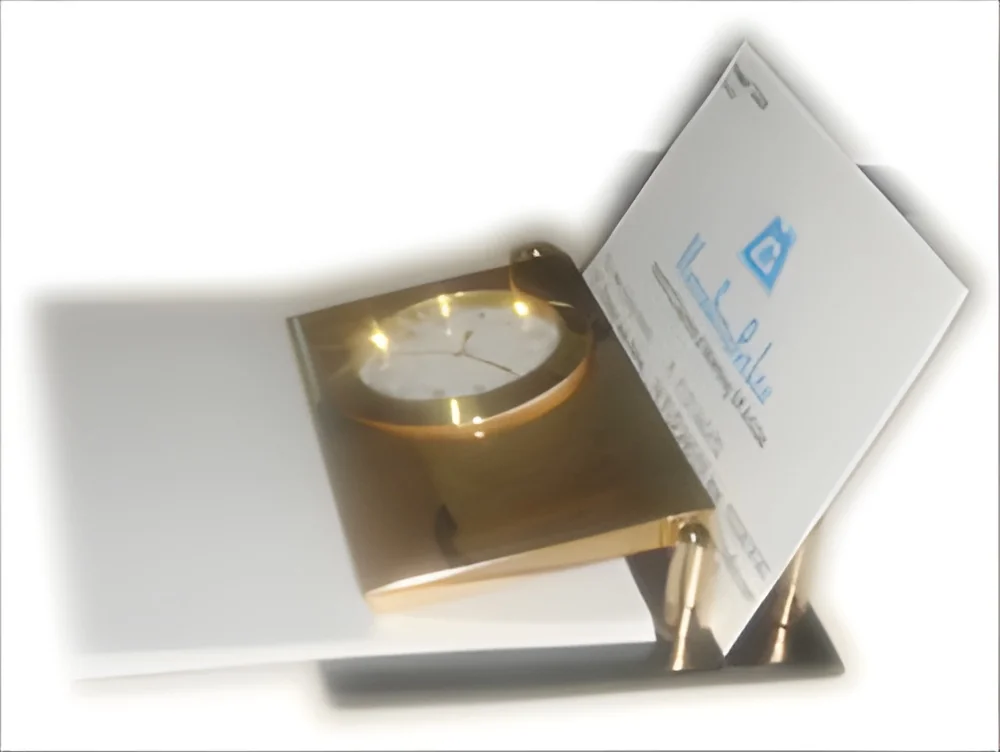
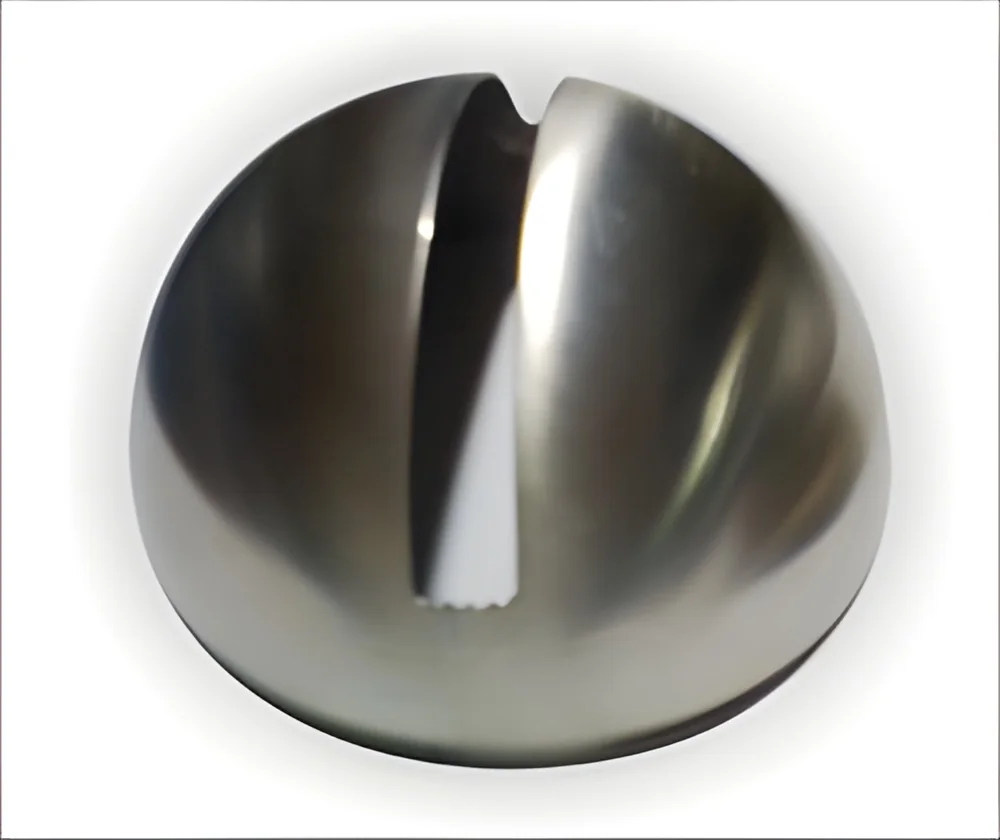
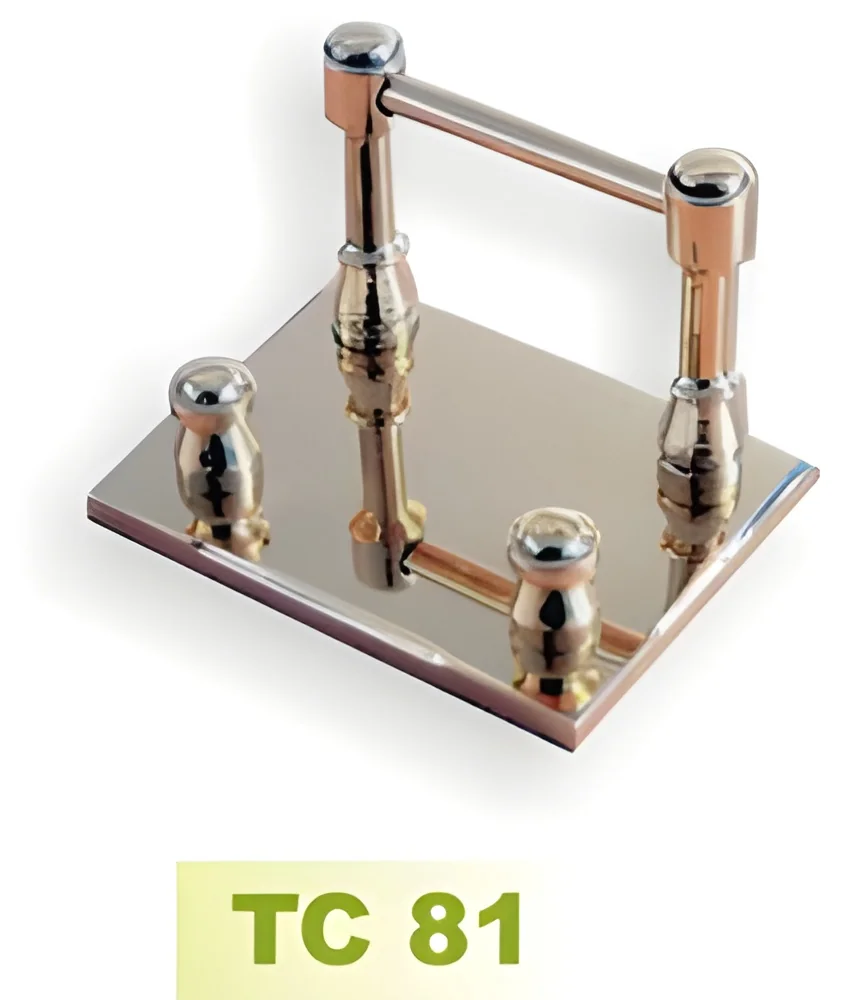
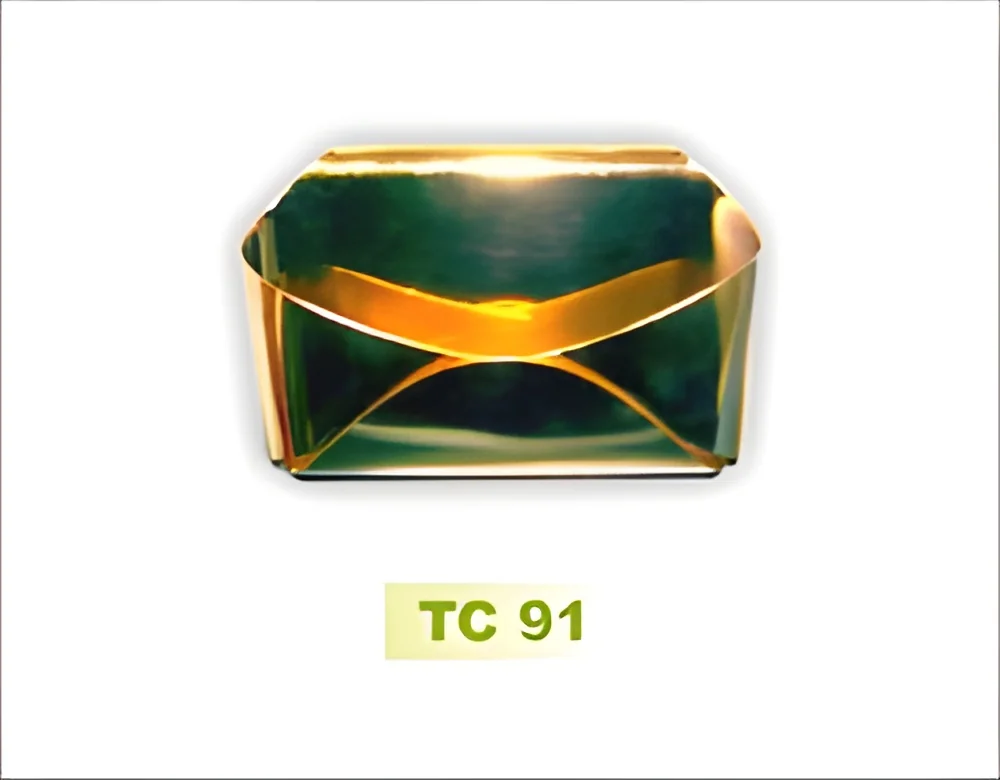
Metal Card Holders: Known for their durability and modern aesthetics, metal holders often have a sleek design. They are perfect for professionals who want to make a bold statement.
Eco-Friendly Options: With increasing focus on sustainability, eco-friendly business card holders made from recycled materials are gaining popularity. These options appeal to environmentally conscious businesses.
Compact Travel Holders: Designed for professionals on the go, these holders are portable and can fit easily into bags or pockets. They often feature a slim design with a capacity for a limited number of cards.
Benefits and Advantages
Business card holders offer numerous benefits to professionals across various sectors.
Key benefits include:
1. Enhanced Organization: Business card holders keep cards neatly organized, making it easier to find and access them when needed.
2. Professional Appearance: A well-maintained card holder projects professionalism and attention to detail, leaving a positive impression on potential clients and partners.
3. Protection from Damage: By using a holder, cards are protected from bending, tearing, and other forms of damage, ensuring they remain in pristine condition.
4. Easy Accessibility: With cards stored in a holder, professionals can quickly access their contact information during networking opportunities.
5. Customization for Branding: Many business card holders can be customized with logos or colors, reinforcing brand identity during interactions.
6. Versatility: Business card holders are suitable for various settings, including corporate meetings, conferences, and casual networking events.
Buying Guide for B2B Buyers
When sourcing business card holders, B2B buyers should consider several important factors to ensure they make informed decisions.
1. Quality Assessment: Evaluate the material and craftsmanship of the holders. Consider durability, finish, and overall design to ensure they meet the intended use.
2. Supplier Verification: Research potential suppliers to verify their reputation and reliability. Look for reviews, customer feedback, and industry certifications to ensure quality standards are met.
3. Pricing and MOQ: Understand the pricing structure and minimum order quantities (MOQ) set by suppliers. This will help in budgeting and planning for procurement.
4. Delivery and Lead Times: Discuss delivery options and lead times with suppliers. Ensure that the timelines align with business needs and project schedules.
5. Compliance Requirements: Be aware of any regulatory compliance that may apply to the materials used in business card holders, especially if they are intended for specific industries.
Compliance and Certifications
Business card holders must adhere to relevant quality standards and certifications to ensure reliability and safety in use.
ISO 9001 is a standard that outlines the requirements for a quality management system. Suppliers of business card holders may follow these guidelines to ensure consistent quality in their products.
CE certification indicates that a product meets European Union safety, health, and environmental protection standards. While not always applicable, some business card holders may carry this certification, especially if they are marketed in European markets.
Safety and testing requirements vary by region and product type. Manufacturers should conduct tests to ensure their card holders do not pose hazards to users.
Regional compliance considerations may involve adhering to specific environmental regulations regarding material use, especially for eco-friendly variants.
Why Source Business Card Holders from Pepagora?
Pepagora offers a trusted platform for sourcing business card holders with distinct advantages for B2B buyers.
Verified Supplier Network: Pepagora has a comprehensive network of verified suppliers, ensuring that buyers can connect with reputable manufacturers and distributors. This reduces the risk of dealing with unreliable sources.
Streamlined RFQ Process: The request for quotation (RFQ) process on Pepagora is designed to be straightforward, allowing buyers to quickly obtain pricing and availability from multiple suppliers. This efficiency helps in making informed purchasing decisions.
Trade Assurance and Support: Pepagora provides trade assurance, offering buyers protection against discrepancies in product quality or delivery. This support instills confidence in the procurement process.
Regional Coverage: With a strong presence in India, the GCC, and Southeast Asia, Pepagora caters to a wide geographic market. This regional coverage ensures that buyers have access to a diverse range of products and suppliers to meet their specific needs.

 IN
IN