𝗪𝗵𝗮𝘁 𝗮𝗿𝗲 𝗙𝗶𝗹𝗲 𝗥𝗮𝗰𝗸𝘀?
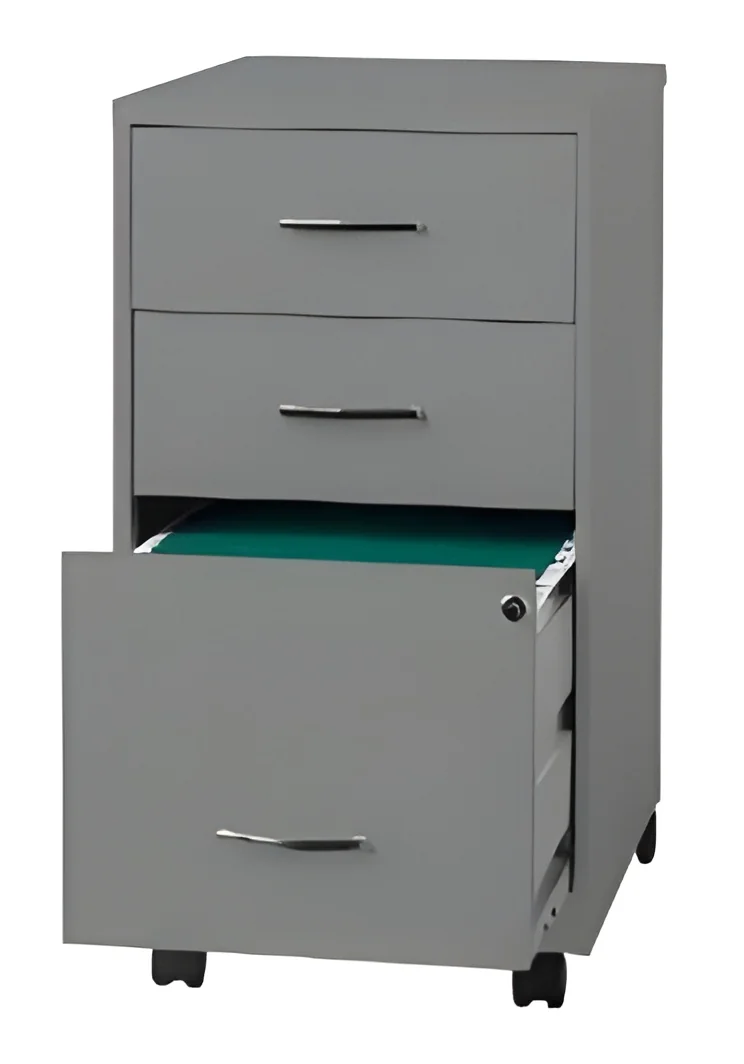
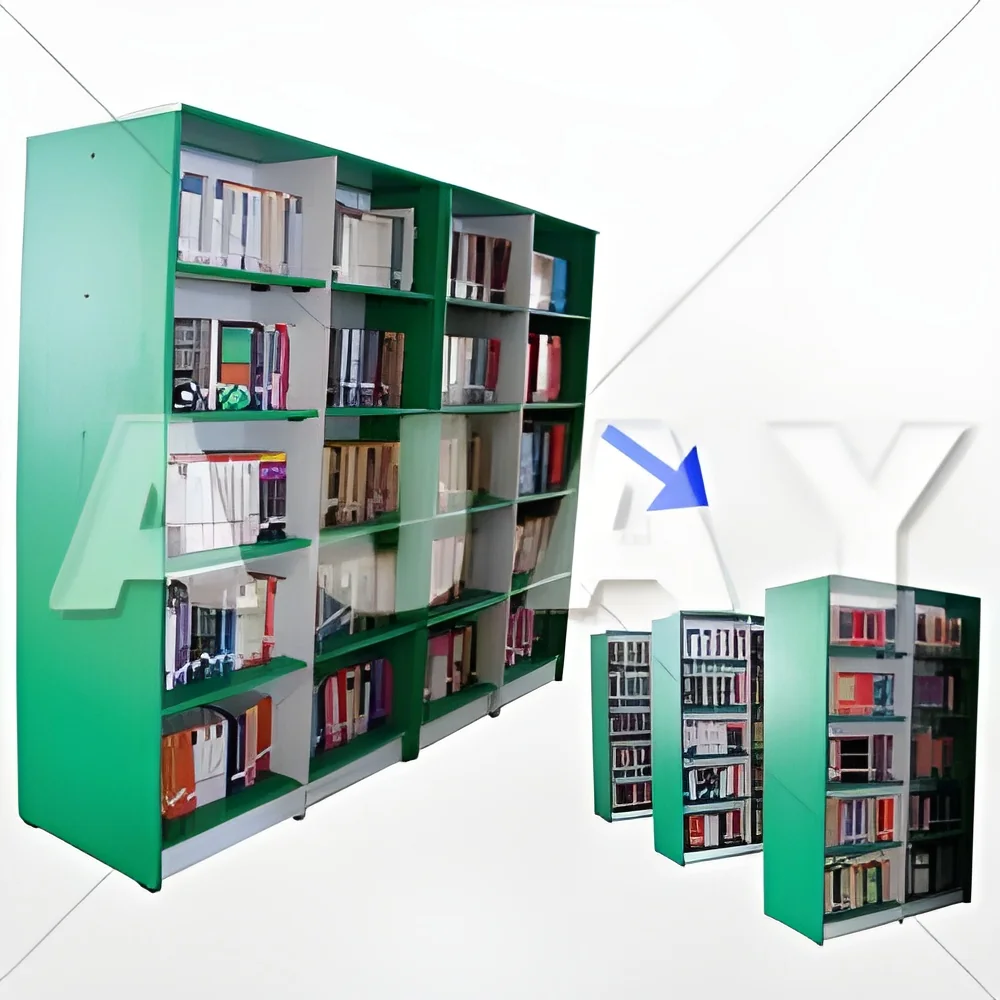
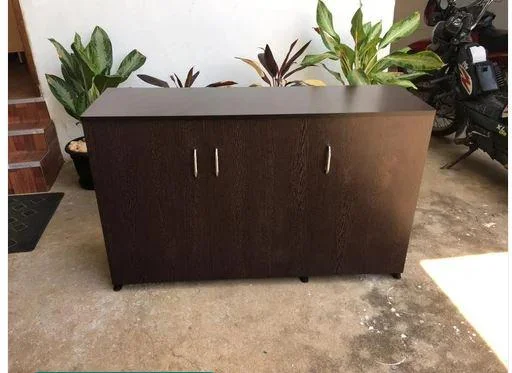
File racks are essential organizational tools designed to store and display documents, files, and other materials in a systematic manner. They come in various forms, including vertical, horizontal, and mobile configurations, catering to different needs and spaces within an office or industrial environment. By providing a dedicated area for file storage, file racks help maintain order and accessibility, reducing clutter and improving efficiency.
Primarily, file racks are used in workplaces to facilitate easy access to important documents. Businesses across various sectors utilize them to organize paperwork, reports, and other materials that require frequent referencing. This organization promotes better workflow and helps in maintaining compliance with record-keeping regulations. File racks are particularly relevant in industries such as finance, healthcare, education, and manufacturing, where documentation is critical for operations and audits.
In the current market context, file racks have evolved to accommodate modern office needs. With the rise of digital documentation, the demand for versatile and space-saving file storage solutions has increased. Companies are investing in file racks that not only serve as storage but also enhance the aesthetic appeal of their workspaces. As businesses continue to adapt to hybrid work models, file racks play a crucial role in creating efficient and organized environments.
𝗞𝗲𝘆 𝗙𝗲𝗮𝘁𝘂𝗿𝗲𝘀 𝗮𝗻𝗱 𝗦𝗽𝗲𝗰𝗶𝗳𝗶𝗰𝗮𝘁𝗶𝗼𝗻𝘀
File racks come with a variety of features designed to improve functionality and usability. Understanding these specifications is essential for selecting the right file rack for your business needs.
Key specifications include:
1. Material Type
- Common materials include metal, wood, and plastic.
- Durability and weight capacity vary based on the material.
2. Size and Dimensions
- Available in various sizes to fit different spaces.
- Height, width, and depth specifications are crucial for fitting in designated areas.
3. Capacity
- Refers to the number of files or weight the rack can hold.
- Different models offer varying load capacities.
4. Configuration
- Options include vertical, horizontal, and mobile racks.
- Each configuration suits specific storage needs.
5. Accessibility Features
- Some models include adjustable shelves or drawers.
- Enhances the ease of access to stored files.
6. Aesthetic Options
- Various colors and finishes available to match office decor.
- Choice of design can influence workplace ambiance.
7. Assembly Requirements
- Some racks come pre-assembled, while others require assembly.
- Consideration of assembly complexity is important.
8. Price Range
- Costs vary widely based on materials, size, and features.
- Budget considerations are essential when selecting a file rack.
In summary, file racks offer diverse features and specifications that cater to different organizational needs. Understanding these aspects will help businesses select the most suitable storage solutions.
𝗖𝗼𝗺𝗺𝗼𝗻 𝗔𝗽𝗽𝗹𝗶𝗰𝗮𝘁𝗶𝗼𝗻𝘀 𝗮𝗻𝗱 𝗨𝘀𝗲 𝗖𝗮𝘀𝗲𝘀
File racks are versatile solutions used across multiple industries for effective document management.
1. Finance: Financial institutions use file racks to organize sensitive documents such as client records and transaction reports. This ensures compliance and easy retrieval during audits.
2. Healthcare: Hospitals and clinics utilize file racks to store patient records and medical documents. This organization is crucial for maintaining patient confidentiality and efficient information flow.
3. Education: Schools and universities employ file racks to manage administrative paperwork and student files. This helps streamline operations and keep essential documents accessible.
4. Manufacturing: In manufacturing plants, file racks are used to store production schedules, safety protocols, and compliance documents. This organization aids in maintaining operational efficiency.
5. Legal: Law firms depend on file racks to organize case files and legal documents. Easy access to these files is vital for timely case management and client service.
6. Retail: Retail businesses use file racks for inventory management documents and supplier agreements. This organization supports smooth supply chain operations.
7. Government: Government offices utilize file racks for public records and departmental files. Proper filing enhances transparency and accountability.
𝗣𝗿𝗼𝗱𝘂𝗰𝘁 𝗩𝗮𝗿𝗶𝗮𝗻𝘁𝘀 𝗮𝗻𝗱 𝗦𝘂𝗯𝗰𝗮𝘁𝗲𝗴𝗼𝗿𝗶𝗲𝘀
File racks come in various forms to meet diverse storage needs.
Vertical File Racks
These racks are designed to maximize vertical space and hold files in an upright position. Ideal for small offices, they allow for easy access and organization of documents.
Horizontal File Racks
Horizontal racks provide a flat surface for stacking and displaying files. They are suitable for larger documents and are often used in spaces where surface area is available.
Mobile File Racks
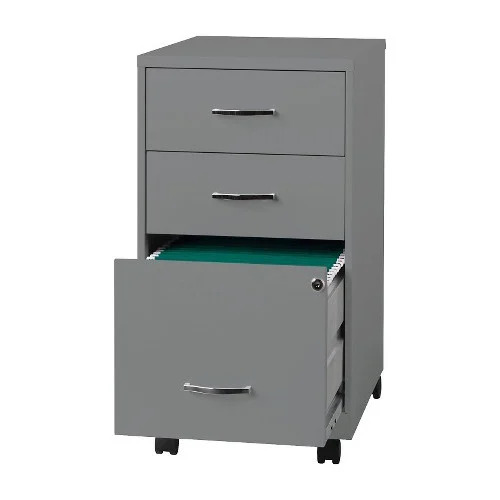
Equipped with wheels, mobile file racks can be easily moved to different locations. This flexibility is beneficial in dynamic work environments where space and accessibility are crucial.
Multi-Tier File Racks
These racks feature multiple levels, allowing for extensive storage in a compact footprint. They are commonly used in large offices and warehouses to optimize storage capacity.
𝗕𝗲𝗻𝗲𝗳𝗶𝘁𝘀 𝗮𝗻𝗱 𝗔𝗱𝘃𝗮𝗻𝘁𝗮𝗴𝗲𝘀
File racks offer numerous benefits that enhance organizational efficiency in the workplace.
1. Improved Organization: File racks help keep documents systematically arranged, reducing clutter and making retrieval easier.
2. Space Optimization: By utilizing vertical and horizontal space effectively, file racks free up valuable floor space in offices.
3. Enhanced Accessibility: With designated storage for files, employees can quickly locate and access important documents, improving productivity.
4. Increased Compliance: Properly organized files facilitate compliance with regulatory requirements, minimizing risks associated with mismanagement.
5. Aesthetic Appeal: File racks come in various designs that can enhance the overall look of an office, contributing to a professional workspace.
6. Cost-Effectiveness: Investing in quality file racks can lead to long-term savings by reducing time spent searching for documents and minimizing the risk of lost files.
𝗕𝘂𝘆𝗶𝗻𝗴 𝗚𝘂𝗶𝗱𝗲 𝗳𝗼𝗿 𝗕𝟮𝗕 𝗕𝘂𝘆𝗲𝗿𝘀
When sourcing file racks for your business, several factors should be considered to ensure you make an informed decision.
1. Quality Assessment: Look for file racks made from durable materials that can withstand regular use. Check for reviews and ratings from other businesses to gauge quality.
2. Supplier Verification: Vet suppliers to ensure they are reputable and reliable. Request references and check their track record in delivering quality products.
3. Pricing and MOQ: Understand the pricing structure and minimum order quantity (MOQ) from suppliers. Compare prices across multiple vendors to find a cost-effective option.
4. Delivery and Lead Times: Inquire about delivery schedules and lead times to ensure you receive your file racks when needed. Consider the logistics involved in shipping.
5. Compliance Requirements: Ensure the file racks meet any industry-specific regulations or standards. This may include safety certifications and quality assurance processes.
𝗖𝗼𝗺𝗽𝗹𝗶𝗮𝗻𝗰𝗲 𝗮𝗻𝗱 𝗖𝗲𝗿𝘁𝗶𝗳𝗶𝗰𝗮𝘁𝗶𝗼𝗻𝘀
File racks must adhere to various quality and safety standards to ensure reliability and performance.
Relevant quality standards such as ISO 9001 ensure that manufacturing processes maintain high levels of quality control. Compliance with these standards can indicate a supplier's commitment to producing durable and effective products.
Industry certifications, such as CE marking, demonstrate that file racks meet European safety, health, and environmental protection requirements. This certification is essential for products sold in Europe and indicates a baseline of safety and quality.
Safety and testing requirements may vary depending on the intended use of the file racks. It is crucial to ensure that products meet necessary safety standards to prevent accidents, especially in high-traffic areas.
Lastly, regional compliance considerations may include specific local regulations that govern materials used in file racks. Understanding these regulations is vital for ensuring that your chosen file racks are compliant in your operational region.
𝗪𝗵𝘆 𝗦𝗼𝘂𝗿𝗰𝗲 𝗙𝗶𝗹𝗲 𝗥𝗮𝗰𝗸𝘀 𝗳𝗿𝗼𝗺 𝗣𝗲𝗽𝗮𝗴𝗼𝗿𝗮?
Pepagora provides a trusted platform for sourcing file racks, offering several key advantages to B2B buyers.
Verified Supplier Network: Pepagora maintains a network of verified suppliers, ensuring that buyers engage with reputable and reliable vendors. This verification process helps minimize risks associated with sourcing.
Streamlined RFQ Process: The platform features a simplified Request for Quotation (RFQ) process, allowing buyers to compare quotes from multiple suppliers easily. This efficiency saves time and helps in making well-informed purchasing decisions.
Trade Assurance and Support: Pepagora offers trade assurance and support, providing buyers with protection throughout the sourcing process. This includes assistance in case of disputes or issues with orders.
Regional Coverage: With a strong presence in regions like India, the GCC, and Southeast Asia, Pepagora facilitates connections between buyers and suppliers across diverse markets. This regional coverage enhances accessibility and options for sourcing file racks.

 IN
IN