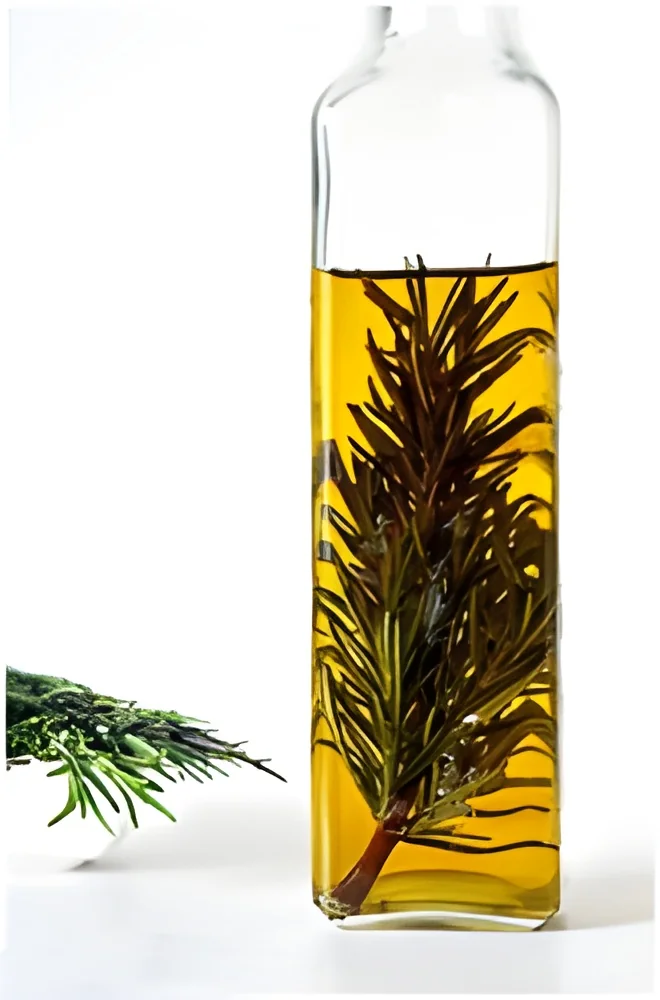
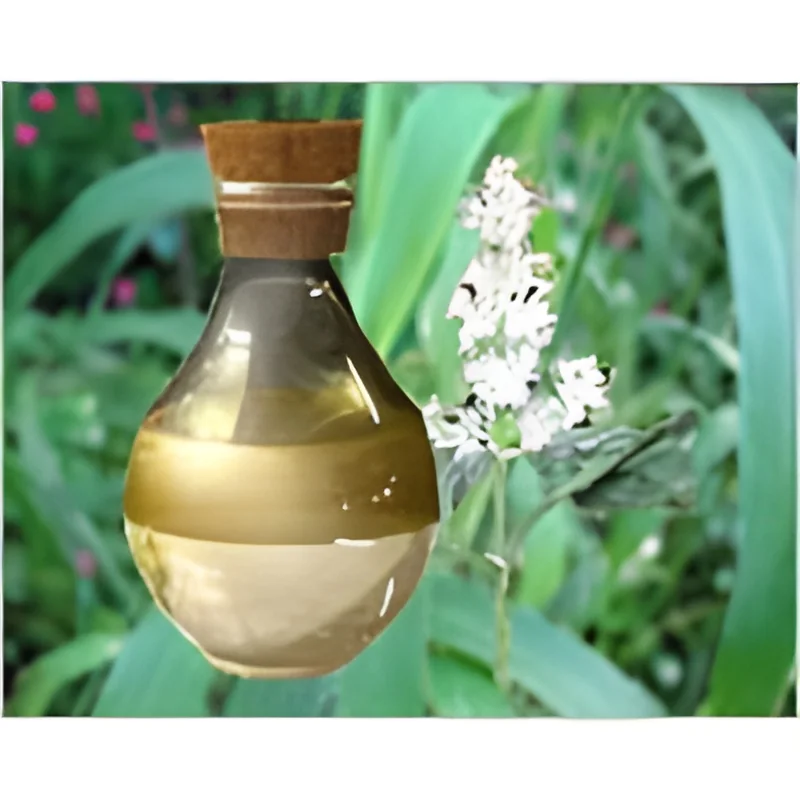
What are Rosemary Essential Oil?
Rosemary Essential Oil is a natural extract derived from the leaves of the Rosmarinus officinalis plant. It is known for its distinct aroma and has been utilized for centuries in various cultures for its therapeutic properties. The oil captures the essence of the rosemary herb, which is celebrated for its invigorating scent and numerous health benefits. Through steam distillation, the oil is obtained, preserving its potent compounds and providing a concentrated form of the plant’s natural properties.
The primary uses of Rosemary Essential Oil span across several industries, including aromatherapy, cosmetics, and food and beverage. In aromatherapy, it is often used to enhance mental clarity and focus. In the cosmetics sector, it serves as a popular ingredient in skincare products due to its antioxidant properties. The food industry employs rosemary oil as a flavoring agent and preservative, taking advantage of its natural antimicrobial qualities. As industries increasingly focus on natural ingredients, the demand for high-quality rosemary oil continues to grow, reflecting its relevance in today’s market.
Key Features and Specifications
Rosemary Essential Oil is characterized by several important features and specifications that define its quality and effectiveness. Understanding these specifications is essential for businesses looking to incorporate this product into their offerings.
Key specifications include:
1. Aroma Profile
- Fresh, herbaceous, and slightly woody scent
- Commonly associated with invigorating and refreshing qualities
2. Chemical Composition
- Contains key components such as 1,8-cineole, camphor, and rosmarinic acid
- Varies based on extraction method and plant origin
3. Purity Level
- Must be 100% pure, with no synthetic additives
- Verified through gas chromatography testing
4. Extraction Method
- Steam distillation is the preferred method for high-quality oil
- Ensures preservation of active compounds
5. Packaging Options
- Available in various sizes, from small vials to bulk containers
- Properly sealed to maintain freshness and potency
6. Shelf Life
- Typically lasts 1-2 years when stored correctly
- Should be kept away from light and heat for optimal longevity
7. Compliance
- Must meet industry standards such as CE certification
- Adheres to safety and quality regulations
In summary, understanding these key features and specifications helps businesses select the right Rosemary Essential Oil that aligns with their product needs and quality expectations.
Common Applications and Use Cases
Rosemary Essential Oil serves various industries, showcasing its versatility and effectiveness in multiple applications.
1. Aromatherapy: Widely used in diffusers and massage oils to promote mental clarity and reduce stress.
2. Cosmetics: Incorporated into skincare formulations for its antioxidant properties, enhancing skin health and vitality.
3. Food and Beverage: Used as a natural flavoring agent and preservative, valued for its antimicrobial qualities.
4. Household Products: Included in cleaning products for its natural disinfectant properties and pleasant aroma.
5. Health and Wellness: Often found in dietary supplements for its potential cognitive benefits and as a natural remedy.
6. Spa and Wellness Centers: Utilized in treatments and therapies to enhance relaxation and rejuvenation.
7. Personal Care: Added to hair care products to improve scalp health and promote hair growth.
Product Variants and Subcategories
Rosemary Essential Oil is available in various forms, catering to different business needs and applications.
Organic Rosemary Essential Oil: This variant is sourced from organically farmed rosemary plants, ensuring no synthetic pesticides or fertilizers are used. It is highly sought after by health-focused brands and consumers.
Wildcrafted Rosemary Essential Oil: Sourced from wild-growing rosemary plants, this variant is often considered to have a more potent aroma and therapeutic properties, appealing to niche markets focused on natural products.
Standard Rosemary Essential Oil: The most commonly available form, this variant meets general quality specifications and is suitable for a wide range of applications, making it a versatile choice for many industries.
Benefits and Advantages
Sourcing Rosemary Essential Oil offers numerous benefits for businesses looking to enhance their product offerings.
1. Natural Ingredient: Being a plant-derived product, it appeals to the growing consumer preference for natural and organic ingredients.
2. Versatile Applications: Its wide range of uses allows businesses to incorporate it into various products, increasing market reach.
3. Aromatic Properties: The pleasant scent enhances user experience, making it a popular choice in aromatherapy and personal care products.
4. Antioxidant Benefits: Rich in antioxidants, it supports skin health and overall wellness, adding value to cosmetic and health products.
5. Cost-Effective: Rosemary Essential Oil is relatively affordable compared to other essential oils, making it accessible for businesses of all sizes.
6. Regulatory Compliance: Many suppliers adhere to industry standards, ensuring product safety and quality, which is vital for market acceptance.
Buying Guide for B2B Buyers
When sourcing Rosemary Essential Oil, businesses should consider several factors to ensure they make informed purchasing decisions.
1. Quality Assessment: Look for suppliers who provide certificates of analysis. This documentation confirms the oil's purity and composition, ensuring it meets quality standards.
2. Supplier Verification: Research potential suppliers thoroughly. Check for reviews, industry experience, and certifications to ensure reliability and product quality.
3. Pricing and MOQ: Understand the pricing structures and minimum order quantities. This helps in budgeting and ensures that you secure a good deal without compromising on quality.
4. Delivery and Lead Times: Inquire about logistics and delivery times. Reliable suppliers should provide clear timelines to avoid disruptions in your supply chain.
5. Compliance Requirements: Ensure the product meets relevant regulations and certifications specific to your region, such as CE certification, to facilitate smooth market entry.
Compliance and Certifications
When dealing with Rosemary Essential Oil, compliance with relevant quality standards and certifications is crucial for ensuring product safety and market acceptance.
ISO 9001 is a quality management standard that ensures organizations consistently meet customer and regulatory requirements. Suppliers of Rosemary Essential Oil should adhere to these standards to guarantee product quality.
HACCP (Hazard Analysis and Critical Control Points) is a systematic approach to food safety. For rosemary oil used in food products, compliance with HACCP guidelines is essential to prevent contamination and ensure safe consumption.
CE certification indicates that the product meets European safety, health, and environmental protection standards. Suppliers should provide proof of CE compliance, particularly for products destined for the European market.
Safety and testing requirements are critical to ensure that the oil is free from harmful contaminants. Regular testing and certification provide assurance regarding the oil's safety for consumer use.
Regional compliance considerations may vary. Buyers should be aware of specific regulations in their target markets, ensuring that the sourced rosemary oil meets all necessary legal requirements.
Why Source Rosemary Essential Oil from Pepagora?
Pepagora provides a trusted platform for sourcing Rosemary Essential Oil with several key advantages that cater to B2B buyers.
Verified Supplier Network: Pepagora connects buyers with a network of verified suppliers, ensuring that all sources offer high-quality products and adhere to industry standards. This verification process builds trust and reduces the risk of purchasing inferior products.
Streamlined RFQ Process: The platform simplifies the request-for-quotation process, allowing buyers to easily submit their requirements. This efficient system enables quick responses from suppliers, making procurement more manageable and timely.
Trade Assurance and Support: Pepagora offers trade assurance that protects buyers from potential issues during transactions. With dedicated support, buyers can navigate any challenges that arise throughout the sourcing process.
Regional Coverage: With a strong presence in regions such as India, GCC, and Southeast Asia, Pepagora facilitates access to local suppliers. This regional reach helps buyers find the best options that meet their specific needs while ensuring competitive pricing and local market knowledge.

 IN
IN



 India
India