
 IN
PVC Boards & WPC Boards
3 products available
What are PVC Boards & WPC Boards?
PVC Boards, made from polyvinyl chloride, are versatile plastic sheets used across various industries. They are known for their durability, water resistance, and lightweight properties. WPC Boards, or Wood Plastic Composites, combine wood fibers with plastic, providing the aesthetic appeal of wood with the advantages of plastic. Both materials have gained popularity in construction, furniture, and interior design applications due to their functional benefits.
The primary uses of PVC Boards include signage, wall panels, and furniture components, while WPC Boards are commonly used for decking, fencing, and outdoor furniture. Businesses in sectors such as construction, manufacturing, and design often utilize these materials for their cost-effectiveness and longevity. The market for PVC and WPC Boards is expanding as industries continue to seek sustainable and durable alternatives to traditional materials.
Industry relevance is significant, as the demand for eco-friendly and low-maintenance materials is on the rise. PVC and WPC Boards are increasingly favored due to their ability to withstand harsh environmental conditions and their recyclability. This trend reflects a broader movement towards sustainable practices within various industries.
Key Features and Specifications
PVC Boards and WPC Boards offer a range of features that make them ideal for diverse applications. Their specifications highlight their versatility and suitability for various business needs.
Key specifications include:
1. Material Composition
- PVC Boards are composed of polyvinyl chloride, while WPC Boards combine wood fibers and plastics.
- This composition results in unique properties for each type.
2. Water Resistance
- Both types of boards exhibit high resistance to moisture.
- This feature makes them suitable for humid environments.
3. Weight
- PVC Boards are lightweight, facilitating easy handling and installation.
- WPC Boards offer a balance of weight and strength, ideal for structural applications.
4. Durability
- Both products are known for their longevity and resistance to wear and tear.
- They can withstand harsh weather conditions.
5. Aesthetic Options
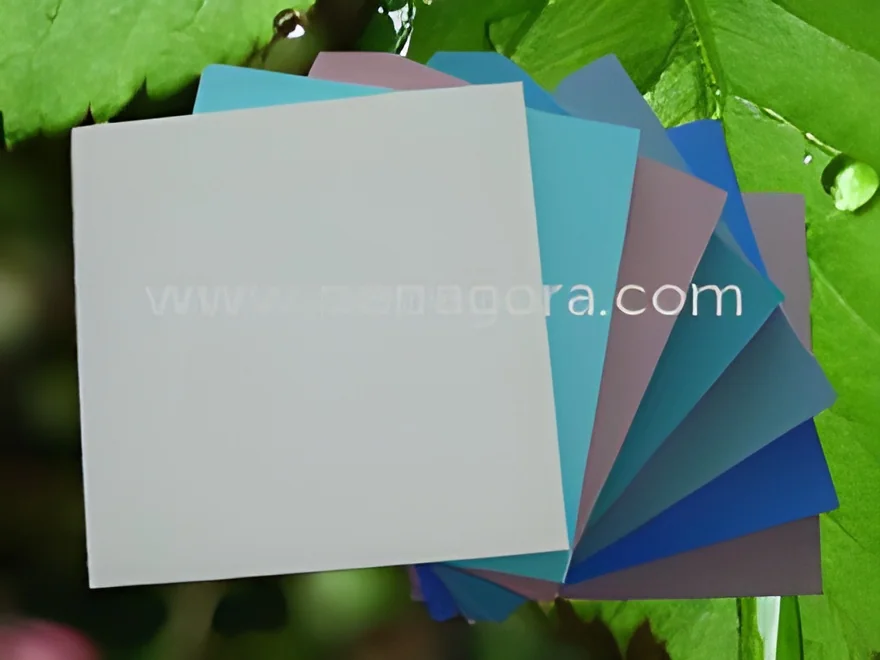
- PVC Boards are available in various colors and finishes.
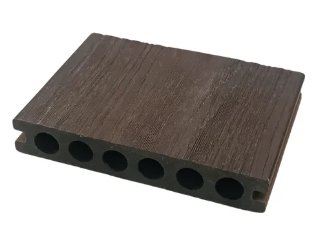
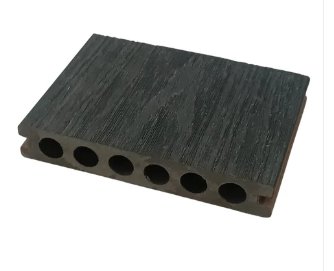
- WPC Boards can mimic the appearance of wood, combining beauty with functionality.
6. Fire Resistance
- PVC Boards have inherent fire-retardant properties.
- WPC Boards are treated for improved fire resistance.
7. Maintenance
- Both require minimal maintenance compared to traditional materials.
- They can be cleaned easily without special chemicals.
8. Environmental Impact
- PVC Boards can be recycled, contributing to sustainability.
- WPC Boards utilize recycled materials, further reducing waste.
In summary, the specifications of PVC and WPC Boards highlight their durability, versatility, and aesthetic appeal, making them suitable for a wide array of industrial applications.
Common Applications and Use Cases
PVC Boards and WPC Boards serve various industries due to their unique properties and advantages.
1. Construction: PVC Boards are often used for wall panels, ceilings, and flooring, providing a lightweight and moisture-resistant solution for building interiors.
2. Furniture: WPC Boards are utilized in the production of outdoor furniture, combining durability with an appealing wood-like finish that withstands the elements.
3. Signage: PVC Boards are popular in the signage industry for their ease of printing and weather resistance, making them ideal for both indoor and outdoor signs.
4. Automotive: WPC Boards can be found in automotive interiors, offering a lightweight yet sturdy option for dashboard panels and trim pieces.
5. Home Improvement: Both types of boards are used in DIY projects for home renovations, providing a cost-effective and versatile material for various applications.
6. Packaging: PVC Boards are sometimes used in packaging solutions due to their protective qualities and lightweight nature.
7. Marine: WPC Boards are suitable for marine applications, providing resistance to moisture and rot, making them ideal for boat decking.
Product Variants and Subcategories
PVC Boards and WPC Boards come in various forms to cater to specific applications and customer needs.
Standard PVC Board
This variant is commonly used for general construction and signage. It is available in multiple colors and thicknesses, making it a versatile choice for various projects.
Foam PVC Board
This lightweight and flexible variant is ideal for indoor applications such as displays and signage. Its easy-to-cut nature makes it a favorite among designers and fabricators.
Wood Finish WPC Board
This variant features a wood-like finish and is perfect for outdoor furniture and decking. It combines the aesthetic qualities of wood with the durability of plastic.
Fire-Retardant WPC Board
Designed for applications requiring enhanced safety, this variant offers improved fire resistance, making it suitable for high-risk environments.
Benefits and Advantages
PVC Boards and WPC Boards provide numerous benefits to businesses looking for reliable materials.
1. Durability: Both types of boards are known for their long lifespan, reducing the need for frequent replacements.
2. Low Maintenance: They require minimal upkeep, saving time and costs on maintenance.
3. Versatility: Their range of applications allows for use across various industries, enhancing their value.
4. Aesthetics: With a variety of colors and finishes available, they can enhance the visual appeal of products and spaces.
5. Eco-Friendly: Many variants utilize recycled materials, contributing to sustainability efforts in manufacturing.
6. Cost-Effective: Both types of boards provide a competitive pricing option compared to traditional materials, offering businesses significant savings.
Buying Guide for B2B Buyers
When sourcing PVC Boards and WPC Boards, several factors should be considered to ensure the best purchase.
1. Quality Assessment: Evaluate the boards for durability and resistance to environmental factors. Look for samples or certifications to confirm quality standards.
2. Supplier Verification: Research potential suppliers to ensure they are reputable and have a history of delivering quality products. Check for reviews and industry reputation.
3. Pricing and MOQ: Understand the pricing structure and minimum order quantities. Compare quotes from multiple suppliers to find the best deal.
4. Delivery and Lead Times: Inquire about delivery schedules and lead times to ensure timely project completion. Confirm logistics and shipping methods.
5. Compliance Requirements: Ensure that the products meet industry standards and regulations, such as CE marking, to avoid compliance issues.
Compliance and Certifications
Compliance with industry standards is crucial for PVC Boards and WPC Boards to ensure safety and quality. Relevant quality standards include ISO 9001, which focuses on quality management systems, and HACCP, which is critical for industries handling food products.
Industry certifications such as CE mark indicate that the products meet European safety, health, and environmental protection requirements. Manufacturers should adhere to safety and testing requirements to ensure their products are safe for use.
Regional compliance considerations vary, so it is essential for businesses to be aware of local regulations regarding materials used in construction and other industrial applications. This ensures that the products sourced are both safe and compliant with regional laws.
Why Source PVC Boards & WPC Boards from Pepagora?
Pepagora provides a trusted platform for sourcing PVC Boards and WPC Boards, offering several key advantages for businesses.
Verified Supplier Network: Pepagora connects buyers with a network of verified suppliers, ensuring that businesses source high-quality products from reputable manufacturers.
Streamlined RFQ Process: The request for quotation system simplifies the sourcing process, allowing buyers to receive competitive quotes tailored to their specific needs quickly.
Trade Assurance and Support: Pepagora offers trade assurance, protecting buyers from potential risks during transactions. Their customer support team is available to assist with any inquiries or concerns.
Regional Coverage: With a presence in India, the Gulf Cooperation Council (GCC), and Southeast Asia, Pepagora ensures that businesses can access quality PVC and WPC Boards across diverse markets, enhancing their sourcing capabilities.



Frequently Asked Questions
What are PVC Boards & WPC Boards?
PVC Boards are versatile sheets made from polyvinyl chloride, widely used in construction and furniture. WPC Boards, or Wood Plastic Composites, combine wood fibers with plastic to create a durable and eco-friendly alternative for various applications.
What are the different types of PVC Boards & WPC Boards?
PVC Boards can be categorized into rigid and flexible types, suitable for different applications. WPC Boards are often classified based on the ratio of wood to plastic, impacting their strength and aesthetic properties.
How do I choose the right PVC Boards & WPC Boards?
Choosing the right PVC or WPC Board depends on the intended application, desired durability, and aesthetic preferences. Consider factors like thickness, surface finish, and resistance to moisture and pests.
What are the standard specifications for PVC Boards & WPC Boards?
Standard specifications for PVC Boards typically include thickness, density, and surface finish. For WPC Boards, specifications may also encompass the wood-to-plastic ratio, tensile strength, and fire resistance.
What is the price range for PVC Boards & WPC Boards?
The price range for PVC Boards & WPC Boards can vary significantly based on quality, specifications, and supplier. Generally, prices can start from a few hundred rupees per sheet and can go up to several thousand rupees.
What quality standards apply to PVC Boards & WPC Boards?
Quality standards for PVC Boards and WPC Boards often include compliance with ISO and ASTM standards, ensuring durability and safety. Look for certifications that indicate the boards meet specific performance criteria.
Where can I find PVC Boards & WPC Boards suppliers in India?
You can find PVC Boards & WPC Boards suppliers in India through online B2B marketplaces like Pepagora, trade shows, and local construction material suppliers. It's advisable to check reviews and compare multiple suppliers for the best options.
Can PVC Boards & WPC Boards be customized?
Yes, PVC Boards & WPC Boards can be customized in terms of size, color, and surface texture according to specific project requirements. Many manufacturers offer customization services to meet the unique needs of their clients.
What is the typical minimum order quantity for PVC Boards & WPC Boards?
The typical minimum order quantity (MOQ) for PVC Boards & WPC Boards varies by supplier but is often around 10 to 50 sheets. It's best to check with individual suppliers for their specific MOQs.
What is the typical lead time for PVC Boards & WPC Boards?
The typical lead time for PVC Boards & WPC Boards can range from a few days to several weeks, depending on the supplier, customization requirements, and stock availability. Always confirm lead times when placing an order.
Why Businesses Trust Pepagora
Thousands of companies trust Pepagora to source smarter and sell faster
Expand Your Sales Globally

Source Smarter,Grow Faster
