What are Pulp & Paper Processing Chemicals?
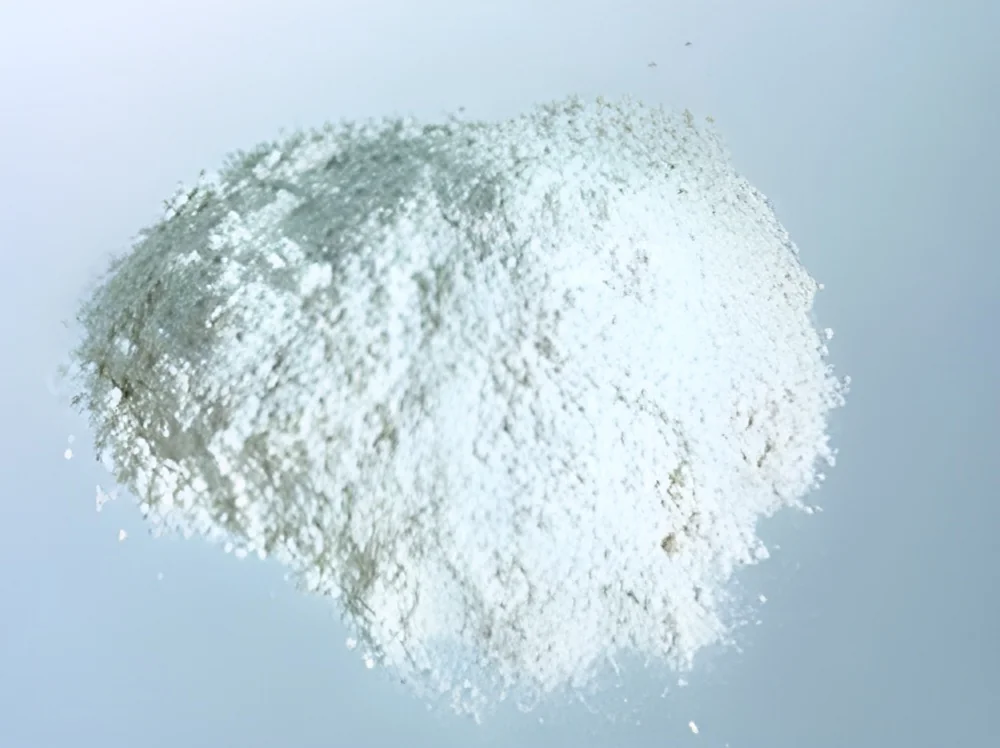
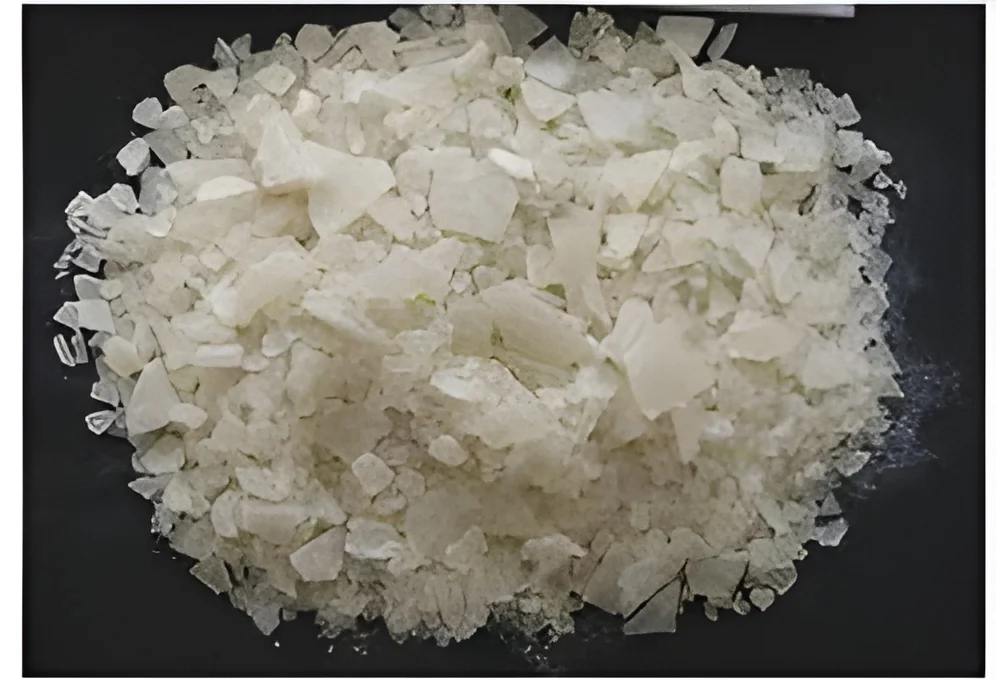
Pulp and paper processing chemicals are essential substances used in the conversion of raw materials into paper products. These chemicals serve various roles, including enhancing the efficiency of the pulping process, improving the quality of the final paper product, and ensuring optimal performance during manufacturing. They can be organic or inorganic compounds, each tailored to specific tasks within the production cycle.
These chemicals are primarily used in several stages of paper production. They include pulping aids, bleaching agents, retention aids, and wet strength resins, among others. Each type of chemical plays a crucial role in ensuring that the paper produced meets industry standards in terms of strength, brightness, and overall quality. The relevance of these chemicals in the industry cannot be overstated, as they directly influence production efficiency, cost management, and environmental sustainability in paper manufacturing.
With the global demand for paper products on the rise, the pulp and paper processing chemicals market has gained significant traction. Industries are continuously seeking innovative solutions to enhance their production processes while adhering to environmental regulations and sustainability goals.
Key Features and Specifications
Pulp and paper processing chemicals come with a variety of features that cater to the specific needs of the industry. These features are designed to enhance the efficiency and sustainability of the paper manufacturing process. Understanding these specifications is vital for businesses looking to optimize their operations.
Key specifications include:
1. Pulping Aids
- Enhance the breakdown of wood fibers during the pulping process
- Technical parameters: Efficiency rates and compatibility with different wood types
2. Bleaching Agents
- Improve the brightness and whiteness of the paper
- Technical parameters: Concentration levels and bleaching effectiveness
3. Retention Aids
- Ensure that fibers and fillers are retained in the paper sheet
- Technical parameters: Retention efficiency and compatibility with various pulp types
4. Wet Strength Resins
- Provide additional strength to the paper when wet
- Technical parameters: Bond strength and curing times
5. Defoamers
- Control foam formation during the pulping and paper-making process
- Technical parameters: Foam suppression efficiency and application temperatures
6. Sizing Agents
- Increase the paper's resistance to water and ink penetration
- Technical parameters: Sizing effectiveness and application rates
7. Biocides
- Prevent microbial growth in the pulp and paper mill
- Technical parameters: Efficacy against specific microorganisms
8. Colorants
- Add color to the paper products
- Technical parameters: Color stability and compatibility with other chemicals
In summary, understanding the key features and specifications of pulp and paper processing chemicals is crucial for manufacturers aiming to enhance product quality and production efficiency.
Common Applications and Use Cases
Pulp and paper processing chemicals play a vital role in various industries. Their applications are widespread and cater to specific needs within each sector.
1. Printing and Writing Paper: These chemicals improve the quality and durability of printing papers, ensuring vibrant prints and resistance to wear.
2. Packaging Materials: In this sector, chemicals enhance the strength and moisture resistance of packaging papers, crucial for product protection.
3. Tissue Paper Production: Chemicals in this category ensure high absorbency and softness, essential for consumer satisfaction in personal care products.
4. Specialty Papers: Certain chemicals are formulated for unique applications such as filter paper or wallpaper, enhancing specific functional properties.
5. Cardboard Manufacturing: They provide structural integrity and strength necessary for cardboard used in shipping and packaging.
6. Recycled Paper Products: Chemicals assist in maintaining quality and consistency when processing recycled fibers.
7. Industrial Paper: These chemicals improve the performance of papers used in manufacturing processes, such as non-woven fabrics.
Product Variants and Subcategories
Pulp and paper processing chemicals encompass a diverse range of products tailored to meet the specific requirements of different applications. This diversity allows manufacturers to select the most appropriate solutions for their production needs.
Pulping Aids
These are designed to improve the efficiency of the pulping process by facilitating fiber separation and reducing energy consumption. They are critical in both mechanical and chemical pulping operations.
Bleaching Agents
Bleaching agents are essential for achieving the desired brightness in paper products. They are formulated to work effectively under various conditions, ensuring optimal results without damaging the fibers.
Retention Aids
These chemicals enhance the retention of fiber and fillers during the paper-making process, thereby improving the yield and quality of the final product.
Wet Strength Resins
These resins are crucial for applications where the paper must maintain strength and integrity under wet conditions, such as in tissue and packaging papers.
Benefits and Advantages
Utilizing pulp and paper processing chemicals provides several advantages that can significantly impact production efficiency and product quality.
1. Improved Production Efficiency: These chemicals streamline the manufacturing process, reducing time and resource consumption.
2. Enhanced Product Quality: By using the right chemicals, manufacturers can achieve superior paper characteristics, such as strength and brightness.
3. Cost Savings: Efficient chemical use can lead to lower overall production costs by minimizing waste and optimizing resource utilization.
4. Environmental Compliance: Many chemicals are designed to meet stringent environmental regulations, aiding companies in their sustainability efforts.
5. Customization Options: Some suppliers offer chemicals that can be tailored to specific production requirements, allowing businesses to meet unique demands.
6. Increased Market Competitiveness: High-quality products lead to better market positioning and customer satisfaction, enhancing brand reputation.
Buying Guide for B2B Buyers
When sourcing pulp and paper processing chemicals, it is essential for buyers to consider several key factors to ensure they select the right products for their needs.
1. Quality Assessment: Ensure the chemicals meet industry standards and specifications. Look for certifications that affirm quality and performance.
2. Supplier Verification: Vet potential suppliers to confirm their reliability and capability. Check for reviews, testimonials, and their track record in the industry.
3. Pricing and MOQ: Understand the pricing structure and minimum order quantities. This helps in budgeting and ensures that the supplier can meet production demands.
4. Delivery and Lead Times: Confirm delivery schedules and lead times. Timely delivery is crucial to maintain production schedules.
5. Compliance Requirements: Ensure that the chemicals sourced comply with local and international regulations. This is important for both safety and environmental considerations.
Compliance and Certifications
Pulp and paper processing chemicals are subject to various quality standards and certifications to ensure their safety and efficacy. Compliance with these standards is critical for manufacturers.
Relevant quality standards include ISO 9001, which focuses on quality management systems, and HACCP, which ensures the safety of products through systematic hazard analysis. GDP standards may also apply, ensuring that products are of high quality throughout the supply chain.
Industry certifications such as CE and UL provide assurance regarding the safety and performance of these chemicals. These certifications signify that the products meet stringent regulatory requirements, providing confidence to buyers.
Safety and testing requirements are also paramount in this industry. Chemicals must undergo rigorous testing to ensure they do not pose health risks to workers or consumers. Additionally, regional compliance considerations may vary, necessitating that suppliers are well-versed in local regulations.
Why Source Pulp & Paper Processing Chemicals from Pepagora?
Pepagora provides a trusted platform for sourcing pulp and paper processing chemicals, offering several key advantages that cater to the specific needs of the industry.
Verified Supplier Network: Pepagora maintains a network of verified suppliers, ensuring that buyers have access to reliable and quality products. This verification process helps mitigate risks associated with sourcing.
Streamlined RFQ Process: The platform features an efficient request for quotation (RFQ) process, allowing buyers to quickly obtain quotes from multiple suppliers. This saves time and facilitates better decision-making.
Trade Assurance and Support: Pepagora offers trade assurance and buyer protection services, ensuring that transactions are secure. This support provides peace of mind during the purchasing process.
Regional Coverage: With a wide geographic reach across India, the GCC, and Southeast Asia, Pepagora ensures that buyers can find suitable suppliers in their region. This local presence helps in addressing specific market needs and logistical considerations.

 IN
IN
 India
India