
 IN
Printer Ink & Toners
1 products available
What are Printer Ink & Toners?
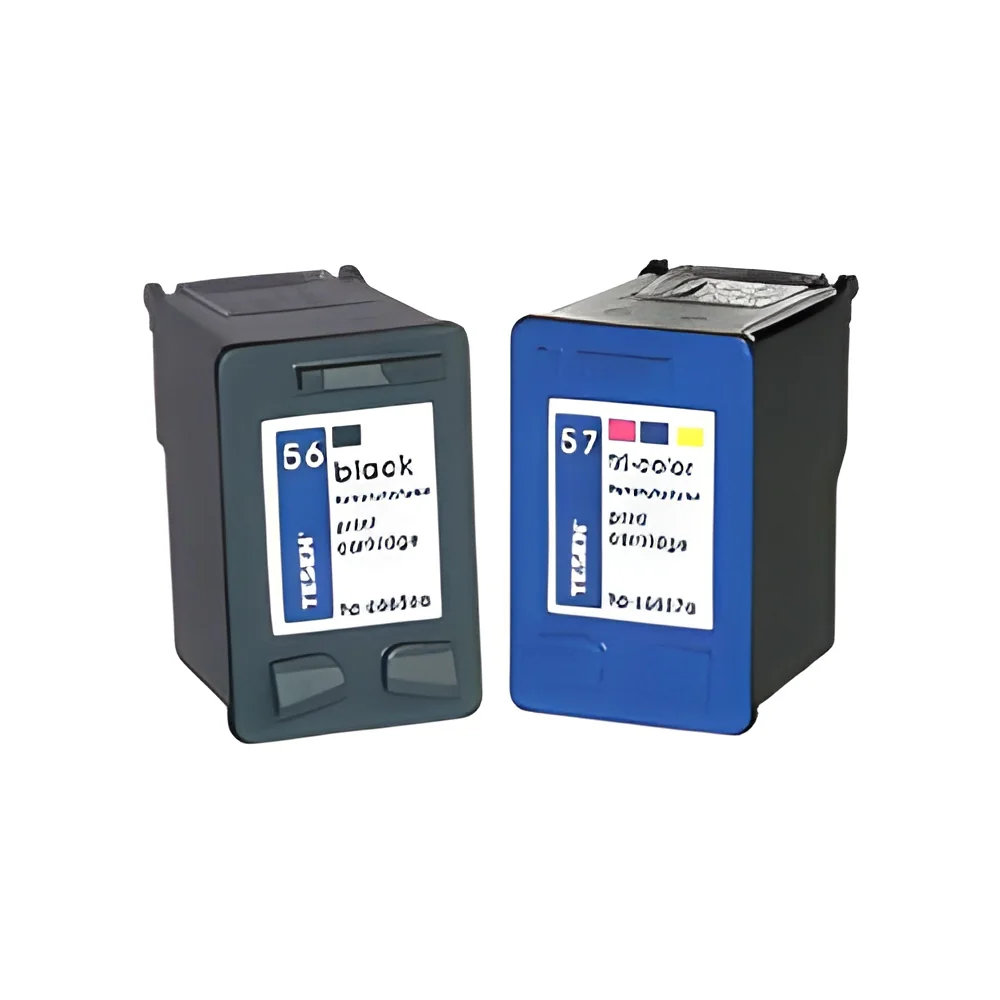
Printer ink and toners are essential consumables used in printing devices. Ink is a liquid pigment that is typically used in inkjet printers, while toner is a powder used in laser printers. Both products play a critical role in producing high-quality printed materials, from documents to marketing materials. Their composition varies, with inks containing dyes or pigments and toners made from synthetic materials that fuse to paper when heated.
These products are widely used across different sectors such as education, healthcare, and corporate environments. Businesses rely on printer ink and toners for daily operations, including printing reports, invoices, promotional materials, and more. The demand for high-quality printing solutions has led to an increase in the variety of inks and toners available, catering to specific printing needs and technologies. In the industrial landscape, efficient printing solutions are vital for maintaining productivity and ensuring effective communication.
The printer ink and toners market is significant, driven by advancements in printing technology and the growing need for high-volume printing. With the rise of digital documentation, businesses are still dependent on physical prints, making these consumables highly relevant in today's market.
Key Features and Specifications
Understanding the key features and specifications of printer ink and toners is essential for making informed purchasing decisions. These specifications help businesses assess compatibility with their printing devices and ensure optimal performance.
Key specifications include:
1. Ink Type
- Available in dye-based or pigment-based formulations
- Each type offers different quality and longevity characteristics
2. Toner Cartridge Yield
- Measured in pages, indicating how many prints can be produced
- Higher yield cartridges reduce the frequency of replacements
3. Color Options
- Available in various color combinations, including standard black, cyan, magenta, and yellow
- Essential for color accuracy in printed materials
4. Compatibility
- Designed for specific printer models and brands
- Ensures seamless operation and reduces the risk of malfunctions
5. Drying Time
- Affects the speed at which prints can be handled after printing
- Important for businesses needing quick turnaround times
6. Environmental Considerations
- Some products are made from recycled materials
- Eco-friendly options help businesses reduce their carbon footprint
7. Storage Conditions
- Must be stored in controlled temperature and humidity to maintain quality
- Proper storage extends product lifespan
8. Safety Certifications
- Compliance with safety standards such as CE
- Indicates adherence to quality and safety regulations
In summary, selecting the right printer ink and toners involves evaluating these specifications to ensure product compatibility and performance.
Common Applications and Use Cases
Printer ink and toners serve a wide range of industries and applications.
1. Education: Schools and universities rely on inks and toners for printing educational materials, assignments, and promotional flyers for events.
2. Healthcare: Hospitals and clinics use these products for printing patient records, labels, and informational brochures to enhance patient care.
3. Corporate: Businesses utilize inks and toners for producing reports, presentations, and marketing materials, ensuring effective communication and branding.
4. Retail: Retailers print labels, receipts, and promotional materials that are essential for daily operations and customer engagement.
5. Manufacturing: Manufacturers print product labels, safety instructions, and documentation that comply with industry regulations.
6. Nonprofits: Organizations print flyers, newsletters, and outreach materials to promote their missions and engage with communities.
7. Government: Government agencies use printer ink and toners for various documentation needs, including public notices and official correspondence.
Product Variants and Subcategories
Printer ink and toners come in various forms, catering to different printing technologies and user needs.
Standard Ink Cartridges: These cartridges are designed for individual use in inkjet printers. They provide high-quality color reproduction and are suitable for both home and office environments.
High-Yield Toner Cartridges: These cartridges offer a higher page yield, making them ideal for businesses with extensive printing needs. They are designed to reduce costs and improve efficiency.
Remanufactured Cartridges: These eco-friendly options are recycled and refurbished cartridges that offer a cost-effective alternative without compromising quality.
OEM Cartridges: Original Equipment Manufacturer cartridges are made by printer manufacturers. They ensure compatibility and are often recommended for high-quality prints.
Benefits and Advantages
Utilizing high-quality printer ink and toners brings numerous advantages to businesses.
1. Cost Efficiency: High-yield cartridges reduce the need for frequent replacements, lowering overall printing costs.
2. Quality Output: Premium inks and toners deliver sharper images and more vibrant colors, enhancing the quality of printed materials.
3. Reliability: Using compatible products ensures that printers operate smoothly, reducing the risk of jams and malfunctions.
4. Environmental Responsibility: Eco-friendly options support sustainable practices and help businesses meet environmental goals.
5. Versatility: Various formulations are available to meet different printing needs, from high-speed printing to photo-quality outputs.
6. Convenience: Easy-to-install cartridges simplify the replacement process, saving time and minimizing downtime.
Buying Guide for B2B Buyers
When sourcing printer ink and toners, businesses should consider several key factors to ensure they make the best choices.
1. Quality Assessment: Look for products with positive reviews and certifications to ensure reliability and performance.
2. Supplier Verification: Vet suppliers for their reputation and reliability. Check for customer testimonials and industry experience.
3. Pricing and MOQ: Consider the cost of cartridges and any minimum order quantities required by suppliers to manage budgets effectively.
4. Delivery and Lead Times: Evaluate suppliers based on their logistics capabilities and the expected lead times for delivery to avoid disruptions.
5. Compliance Requirements: Ensure that products meet relevant safety and quality standards, which may vary by region.
Compliance and Certifications
Compliance with industry standards and certifications is crucial for ensuring the quality and safety of printer ink and toners. Key quality standards such as ISO 9001 ensure that manufacturers maintain consistent quality control processes. Certifications like CE indicate that products meet European safety, health, and environmental protection standards.
Additionally, safety testing requirements must be adhered to, ensuring that inks and toners do not pose health risks to users. Regional compliance considerations may also affect sourcing decisions, especially for businesses operating in multiple countries.
Why Source Printer Ink & Toners from Pepagora?
Pepagora provides a trusted platform for sourcing printer ink and toners, offering several key advantages to businesses.
Verified Supplier Network: Pepagora has established a robust network of verified suppliers. This ensures that buyers can trust the quality and reliability of the products they purchase.
Streamlined RFQ Process: The platform simplifies the request for quotation process, allowing businesses to receive competitive pricing and options from multiple suppliers quickly.
Trade Assurance and Support: Pepagora offers trade assurance, providing buyer protection and support throughout the purchasing process. This builds confidence in sourcing decisions.
Regional Coverage: Pepagora's geographic reach includes India, the GCC, and Southeast Asia, making it easy for businesses in these regions to access quality printer ink and toners tailored to their needs.

 India
Frequently Asked Questions
What are Printer Ink & Toners?
Printer ink and toners are essential consumables used in printing devices to produce text and images on paper. Ink is typically used in inkjet printers, while toner is used in laser printers. Both are available in various formulations to ensure compatibility with specific printer models.
What are the different types of Printer Ink & Toners?
There are mainly two types of printer consumables: ink cartridges and toner cartridges. Ink cartridges are liquid-based and used in inkjet printers, while toner cartridges contain powdered ink for laser printers. Additionally, there are remanufactured and compatible options available in the market.
How do I choose the right Printer Ink & Toners?
Choosing the right printer ink or toner involves verifying compatibility with your printer model, understanding your printing volume, and considering the type of documents you print. It's also important to review the yield and cost-per-page to ensure economic efficiency.
What are the standard specifications for Printer Ink & Toners?
Standard specifications for printer ink and toners include the page yield, which indicates how many pages can be printed before replacement is needed, and the ink or toner formulation, which impacts print quality and longevity. Additionally, compatibility with specific printer models and adherence to industry standards are crucial.
What is the price range for Printer Ink & Toners?
The price range for printer ink and toners can vary widely based on brand, type, and yield. Generally, ink cartridges may range from INR 300 to INR 4,000, while toner cartridges can cost anywhere from INR 1,500 to INR 10,000. Bulk purchasing may offer cost savings.
What quality standards apply to Printer Ink & Toners?
Printer ink and toners must meet specific quality standards to ensure optimal performance and print quality. Common standards include ISO/IEC certifications for print quality and environmental safety. Manufacturers often conduct rigorous testing to comply with these standards.
Where can I find Printer Ink & Toners suppliers in India?
You can find printer ink and toner suppliers in India through online B2B marketplaces like Pepagora.com, trade shows, and local business directories. It’s advisable to compare multiple suppliers for quality, pricing, and customer reviews before making a purchase.
Can Printer Ink & Toners be customized?
Yes, some manufacturers offer customization options for printer ink and toners, such as specific colors or formulations tailored to particular printing needs. Customization may also include branding on the packaging, depending on the supplier's capabilities.
What is the typical minimum order quantity for Printer Ink & Toners?
The typical minimum order quantity (MOQ) for printer ink and toners can vary by supplier but usually ranges from 10 to 100 units. It's important to check with individual suppliers as they may have different policies regarding MOQs.
What is the typical lead time for Printer Ink & Toners?
The typical lead time for printer ink and toners can range from 3 to 14 days, depending on the supplier's inventory and shipping methods. Custom orders may require additional time for production and processing.
Why Businesses Trust Pepagora
Thousands of companies trust Pepagora to source smarter and sell faster
Expand Your Sales Globally

Source Smarter,Grow Faster
