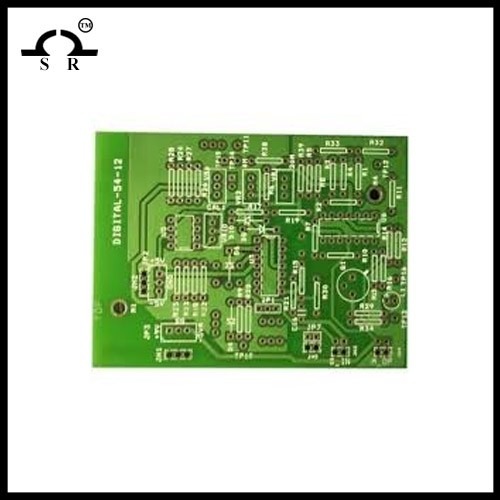
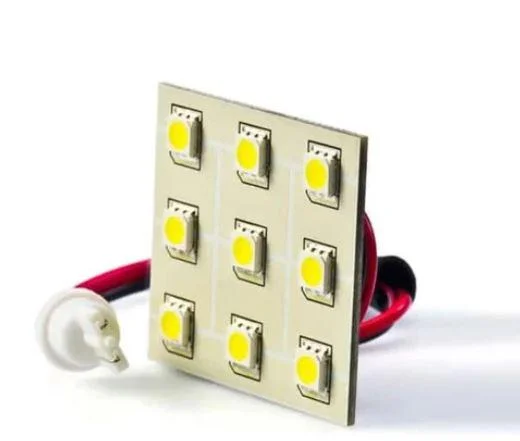
Key Features and Specifications
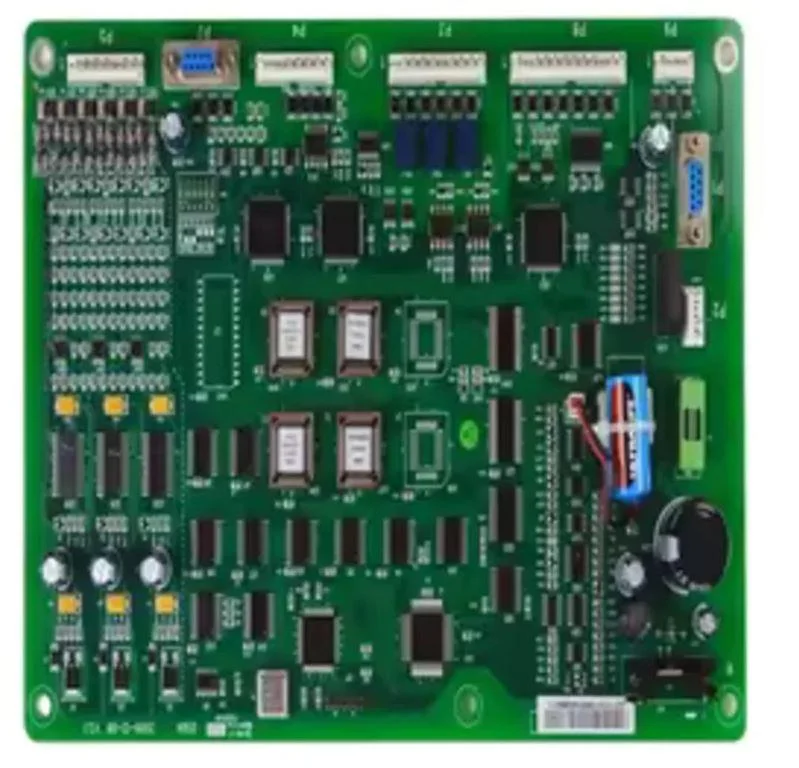
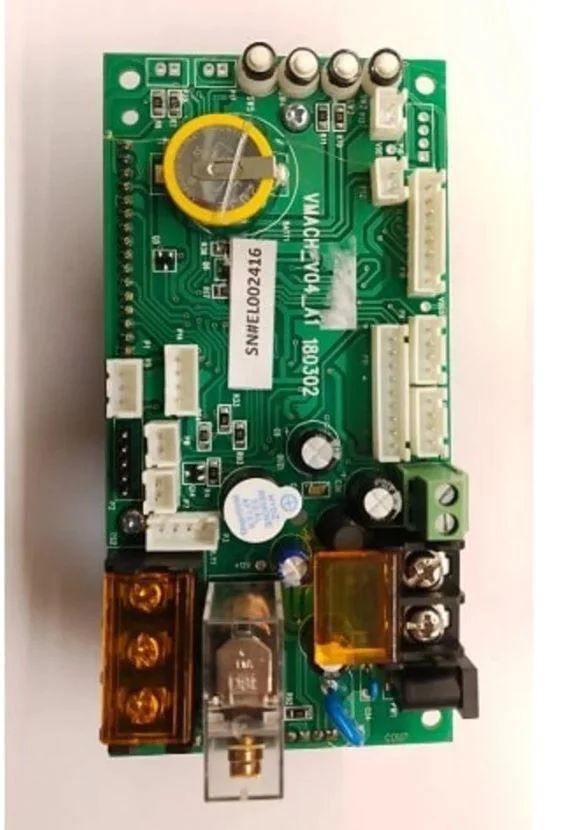
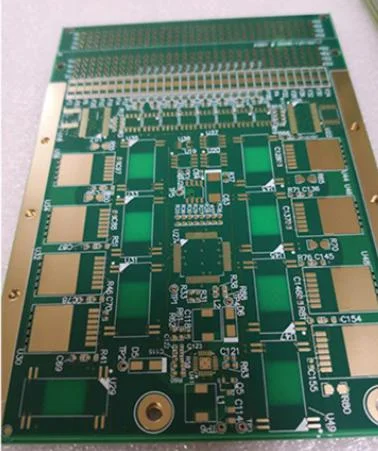
PCBs come with a variety of features and specifications that cater to different application needs. Understanding these specifications is crucial when selecting the right PCB for specific projects. Key specifications include:
1. Layer Count
- Refers to the number of conductive layers in a PCB.
- Ranges from single-sided to multi-layer boards, depending on complexity.
2. Material Type
- Common materials include FR-4, CEM-1, and aluminum.
- The choice of material affects durability and thermal management.
3. Thickness
- PCB thickness typically ranges from 0.2 mm to 3.2 mm.
- Thicker boards may provide better mechanical stability.
4. Surface Finish
- Various finishes include HASL, ENIG, and immersion silver.
- The finish affects solderability and corrosion resistance.
5. Minimum Trace Width
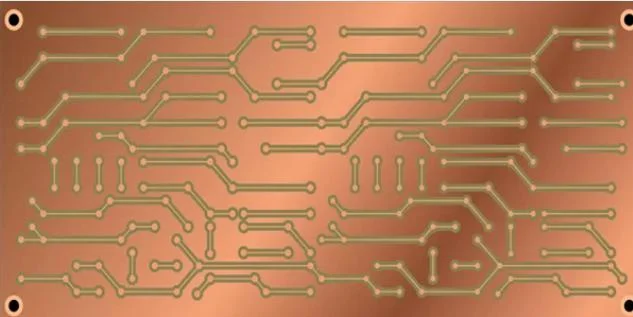
- Refers to the smallest width of conductive paths on a PCB.
- Common specifications range from 3 mils to 10 mils.
6. Via Types
- Types include through-hole, blind, and buried vias.
- The choice of via type influences the board's design and functionality.
7. Operating Temperature Range
- Standard ranges are often -40°C to +85°C.
- Some specialized boards can withstand higher temperatures.
8. Compliance with Industry Standards
- PCBs may adhere to standards like IPC-A-600 for quality.
- Compliance ensures reliability and performance in applications.
These specifications play a vital role in determining the suitability of a PCB for a specific application, ensuring that it meets performance and reliability requirements.
Common Applications and Use Cases
PCBs serve various industries with specific applications tailored to their unique needs.
1. Telecommunications: In this sector, PCBs are crucial for devices such as routers, switches, and cell phones, facilitating high-speed data transfer and communication.
2. Automotive: PCBs are used in electronic control units, infotainment systems, and safety features like airbag sensors, enhancing vehicle performance and safety.
3. Consumer Electronics: From smartphones to home appliances, PCBs are integral to the functionality of everyday devices, ensuring efficient operation and connectivity.
4. Medical Devices: PCBs are essential in medical equipment like diagnostic machines and wearable health monitors, where reliability and precision are critical.
5. Industrial Equipment: In manufacturing and automation, PCBs are utilized in control systems, sensors, and robotics, improving operational efficiency and accuracy.
6. Aerospace: PCBs are used in navigation systems, communication devices, and control systems, where durability and performance under extreme conditions are paramount.
7. Renewable Energy: In solar inverters and wind turbine controllers, PCBs help optimize energy conversion and management, supporting sustainable solutions.
Product Variants and Subcategories
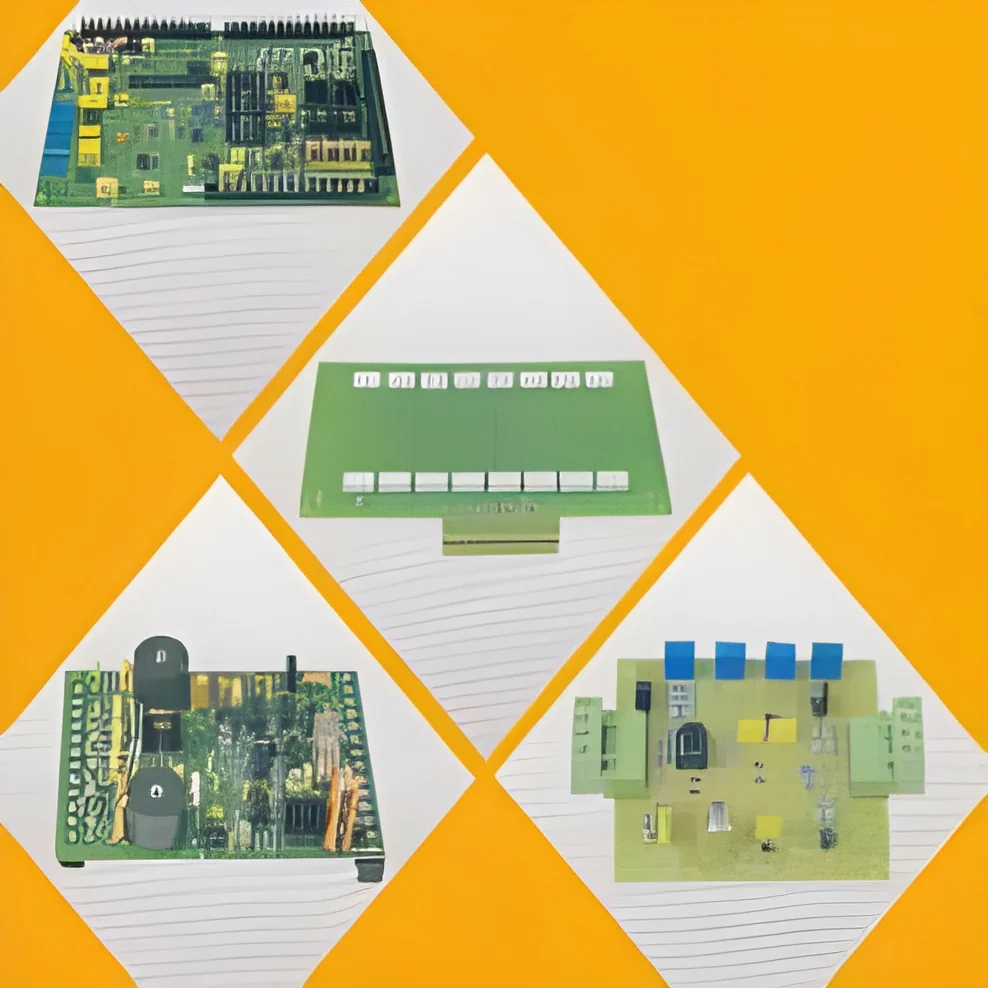
The diversity of Printed Circuit Boards allows for various variants catering to different industrial needs.
Rigid PCBs: These are the most common type, designed for fixed applications. They offer stability and are used in many electronic devices.
Flexible PCBs: These boards can bend and conform to various shapes, making them ideal for compact and portable electronics. They are widely used in smartphones and wearables.
Rigid-Flex PCBs: Combining the benefits of rigid and flexible boards, these PCBs are used in complex applications where space is a premium, such as in medical devices and aerospace.
High-Frequency PCBs: Designed to operate at high frequencies, these boards are essential for telecommunications and radar systems, ensuring minimal signal loss.
Benefits and Advantages
Choosing the right Printed Circuit Boards offers numerous advantages for businesses.
1. Enhanced Performance: High-quality PCBs ensure reliable connections, reducing the risk of failure and enhancing overall product performance.
2. Customization Options: Many manufacturers provide tailored solutions, allowing businesses to meet specific design and functionality requirements.
3. Cost-Effectiveness: With efficient production processes, companies can achieve lower costs per unit, making it economical for mass production.
4. Improved Durability: Quality materials and manufacturing processes lead to longer-lasting products that can withstand harsh environments.
5. Rapid Prototyping: Advanced technologies enable quick turnaround times for prototypes, allowing for faster product development cycles.
6. Compliance Assurance: Many PCBs meet industry standards, ensuring that products are safe and market-ready.
Buying Guide for B2B Buyers
When sourcing Printed Circuit Boards (PCBs), B2B buyers should consider several critical factors to ensure they make informed decisions.
1. Quality Assessment: Evaluate the quality of PCBs by reviewing certifications and complying with industry standards. This ensures reliability and performance in applications.
2. Supplier Verification: Vet suppliers by checking their history, customer reviews, and industry reputation. A reliable supplier can significantly impact overall project success.
3. Pricing and MOQ: Consider the cost per unit and minimum order quantities, which can vary among suppliers. Evaluate pricing against quality to find the best value.
4. Delivery and Lead Times: Understand the typical lead times for production and delivery. Timely delivery is crucial for maintaining project schedules.
5. Compliance Requirements: Ensure that the PCBs meet all regulatory and safety standards relevant to your industry, which may vary by region and application.
Compliance and Certifications
Compliance with quality standards and certifications is essential for Printed Circuit Boards. Many manufacturers adhere to ISO 9001, which outlines quality management principles to ensure consistent quality across production processes.
Additionally, certifications like CE indicate compliance with European safety, health, and environmental protection standards. This is particularly important for companies exporting products to international markets.
Safety and testing requirements must also be considered. PCBs should be tested for electrical reliability, thermal performance, and durability to meet industry standards.
Regional compliance considerations can vary significantly, so businesses should ensure that they are aware of local regulations affecting PCB manufacturing and use.
Why Source Printed Circuit Boards (PCBs) from Pepagora?
Pepagora provides a trusted platform for sourcing Printed Circuit Boards (PCBs) with several key advantages.
Verified Supplier Network: Pepagora connects buyers with a network of verified suppliers, ensuring that you work with reputable manufacturers who meet industry standards.
Streamlined RFQ Process: The platform simplifies the request for quotation (RFQ) process, making it easy for buyers to obtain competitive pricing and terms from multiple suppliers.
Trade Assurance and Support: Pepagora offers buyer protection through trade assurance measures, providing peace of mind during transactions and ensuring that products meet agreed-upon specifications.
Regional Coverage: With a strong presence in India, the GCC, and Southeast Asia, Pepagora facilitates connections with suppliers across these regions, enhancing accessibility for buyers looking for reliable PCBs.

 IN
IN