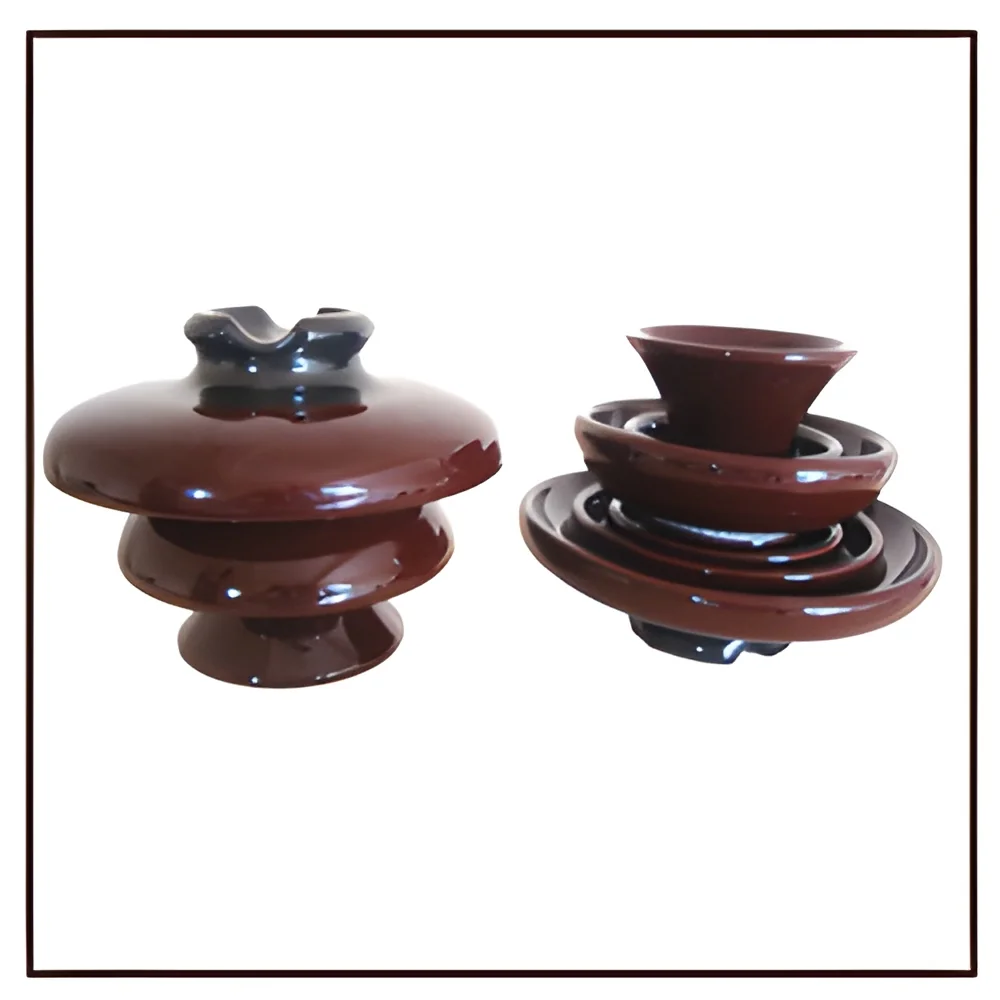
What are Through-Hole Components?
Through-Hole Components are electronic components designed to be mounted on printed circuit boards (PCBs) through holes drilled in the board. These components have leads or pins that pass through the holes and are soldered to pads on the opposite side. This mounting technique provides strong mechanical connections and is commonly used in various electronic devices and systems.
The primary uses of Through-Hole Components include applications in consumer electronics, industrial machinery, and telecommunications. They are particularly favored in situations where durability and reliability are critical, such as in products that undergo frequent physical stress or environmental challenges. Industries like automotive, aerospace, and medical electronics benefit significantly from the robust nature of these components.
In the current market, Through-Hole Components hold relevance across numerous sectors, driven by the continuing demand for reliable electronic systems. As technology advances, these components remain integral to both legacy systems and new developments, ensuring their place in the evolving landscape of electronics manufacturing.
Key Features and Specifications
Through-Hole Components come with a variety of features that cater to different applications and requirements. Their specifications can significantly impact performance, reliability, and ease of integration into existing systems.
Key specifications include:
1. Component Type
- Various types such as resistors, capacitors, diodes, and transistors.
- Each type serves a specific function within electronic circuits.
2. Lead Length
- Standard lead lengths typically range from 2mm to 25mm.
- Custom lengths may be available depending on the manufacturer.
3. Pin Spacing
- Common pin spacings include 2.54mm or 5.08mm.
- Ensures compatibility with standard PCB hole sizes.
4. Operating Temperature Range
- Standard ranges typically lie between -40°C to +85°C.
- Some components may be rated for higher temperatures.
5. Voltage Rating
- Varies by component type, often in the range of 25V to 400V.
- Important for ensuring the component can handle the required electrical load.
6. Current Rating
- Defined by the specific component, generally expressed in milliamps (mA) or amps (A).
- Ensures safe operation within electronic circuits.
7. Material Composition
- Common materials include metal, ceramic, and plastic.
- Material choice can affect durability and thermal performance.
8. Compliance Certifications
- CE certification is often required for safety and regulatory compliance.
- Additional certifications may apply depending on the industry.
Through-Hole Components are characterized by their robust design and versatility, making them suitable for a wide range of applications across various industries.
Common Applications and Use Cases
Through-Hole Components are utilized in multiple industries due to their durability and reliability.
1. Consumer Electronics: These components are found in devices such as televisions, radios, and computers, where they contribute to overall device functionality and performance.
2. Automotive: Through-Hole Components are essential in automotive electronics, including control units and safety systems, ensuring robust operation under challenging conditions.
3. Industrial Automation: In machinery and control systems, these components provide reliable performance for sensors and actuators, crucial for maintaining operational efficiency.
4. Telecommunications: Used in communication devices to ensure signal integrity and reliability, these components play a vital role in data transmission.
5. Medical Devices: Through-Hole Components are employed in various medical technologies, ensuring safety and efficacy in devices such as diagnostic equipment and monitoring systems.
6. Aerospace: In aviation electronics, these components must meet stringent reliability standards, ensuring safe operation in critical systems.
7. Military: Used in defense systems, Through-Hole Components must endure extreme conditions and provide high reliability and performance.
Product Variants and Subcategories
Through-Hole Components are diverse, catering to different applications and requirements.
Resistors: These components limit current flow in circuits and come in various resistance values and power ratings, suitable for a wide range of electronic applications.
Capacitors: Used for energy storage, these components are available in different types, such as ceramic and electrolytic, each serving unique functions in electronic circuits.
Diodes: These components allow current to flow in one direction, important for rectification and signal processing in various electronic devices.
Transistors: Serving as switches or amplifiers, they are crucial in signal modulation and processing.
Benefits and Advantages
Through-Hole Components offer several benefits that make them a preferred choice in various applications.
1. Strong Mechanical Connection: The through-hole mounting technique provides a robust connection, ensuring reliability in demanding environments.
2. Ease of Repair: Components can be easily replaced or repaired, which is beneficial for maintenance and longevity of electronic devices.
3. High Power Handling: Many Through-Hole Components can handle higher power levels compared to surface mount components, making them suitable for power applications.
4. Compatibility with Older Designs: These components are often used in legacy systems, ensuring compatibility and ease of replacement.
5. Versatility: Available in a wide range of types and specifications, they can be used in diverse applications.
6. Greater Tolerance to Environmental Stress: Their design allows them to withstand higher levels of stress, making them suitable for harsh industrial environments.
Buying Guide for B2B Buyers
When sourcing Through-Hole Components, it is essential to consider several factors to ensure the right choice for your application.
1. Quality Assessment: Evaluate the quality of the components based on industry standards and manufacturer reputation. Ensure any certifications, like CE, are in place.
2. Supplier Verification: Vet potential suppliers for reliability and quality. Look for reviews, certifications, and references to ensure they meet your requirements.
3. Pricing and MOQ: Compare prices among suppliers while considering minimum order quantities (MOQ) to ensure cost-effectiveness.
4. Delivery and Lead Times: Assess the supplier's ability to meet delivery timelines and their logistics capabilities to avoid production delays.
5. Compliance Requirements: Verify that the components meet necessary regulatory and safety standards relevant to your industry.
Compliance and Certifications
Through-Hole Components are subject to various quality standards and compliance requirements to ensure safety and reliability.
ISO 9001 is a widely recognized standard that emphasizes quality management systems. Manufacturers of Through-Hole Components often adhere to this standard to demonstrate their commitment to quality and continuous improvement.
CE certification is essential for components to meet European safety and environmental protection standards. This certification ensures that the components meet the necessary requirements for use in various applications.
Safety and testing requirements are critical, especially in industries such as automotive and medical. Components must undergo rigorous testing to ensure they can perform reliably under specified conditions.
Regional compliance considerations may vary. Manufacturers should be aware of local regulations that may affect the design, testing, and certification of Through-Hole Components.
Why Source Through-Hole Components from Pepagora?
Pepagora provides a trusted platform for sourcing Through-Hole Components, offering numerous advantages for B2B buyers.
The Verified Supplier Network ensures that buyers have access to reputable suppliers who meet industry standards. This network allows for easier identification of reliable partners in the supply chain.
The Streamlined RFQ Process simplifies the quotation system, enabling buyers to request and receive quotes quickly from multiple suppliers, facilitating informed decision-making.
Trade Assurance and Support is a crucial feature that protects buyers against potential risks in transactions. Pepagora offers buyer protection to ensure that the sourcing process is secure and reliable.
With Regional Coverage across India, GCC, and Southeast Asia, Pepagora connects buyers with suppliers that can meet their specific needs, ensuring timely delivery and support for local markets.

 IN
IN