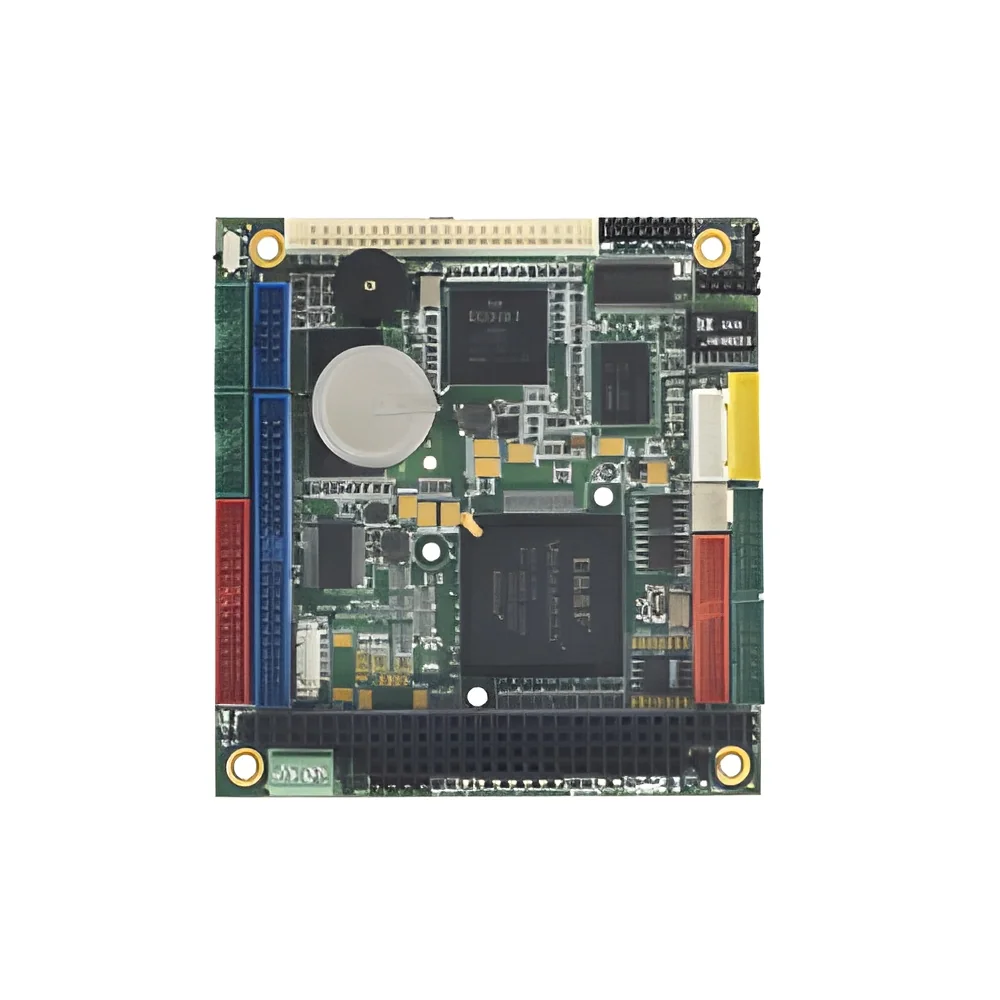
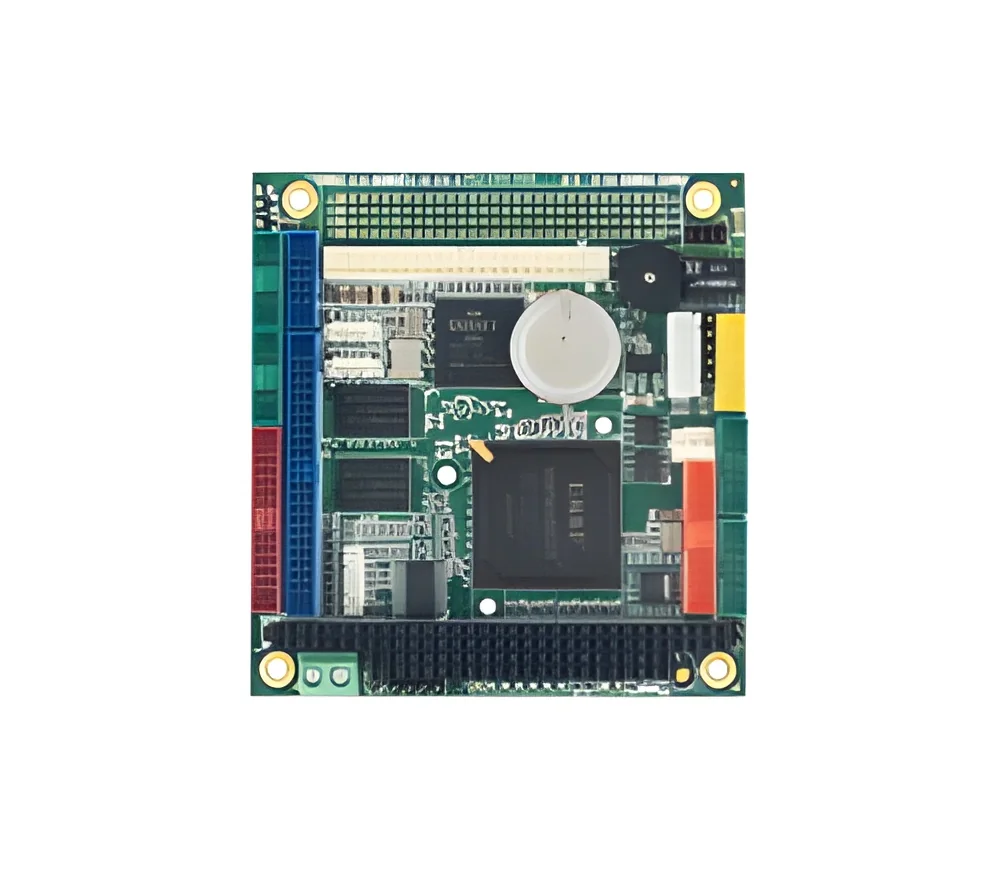
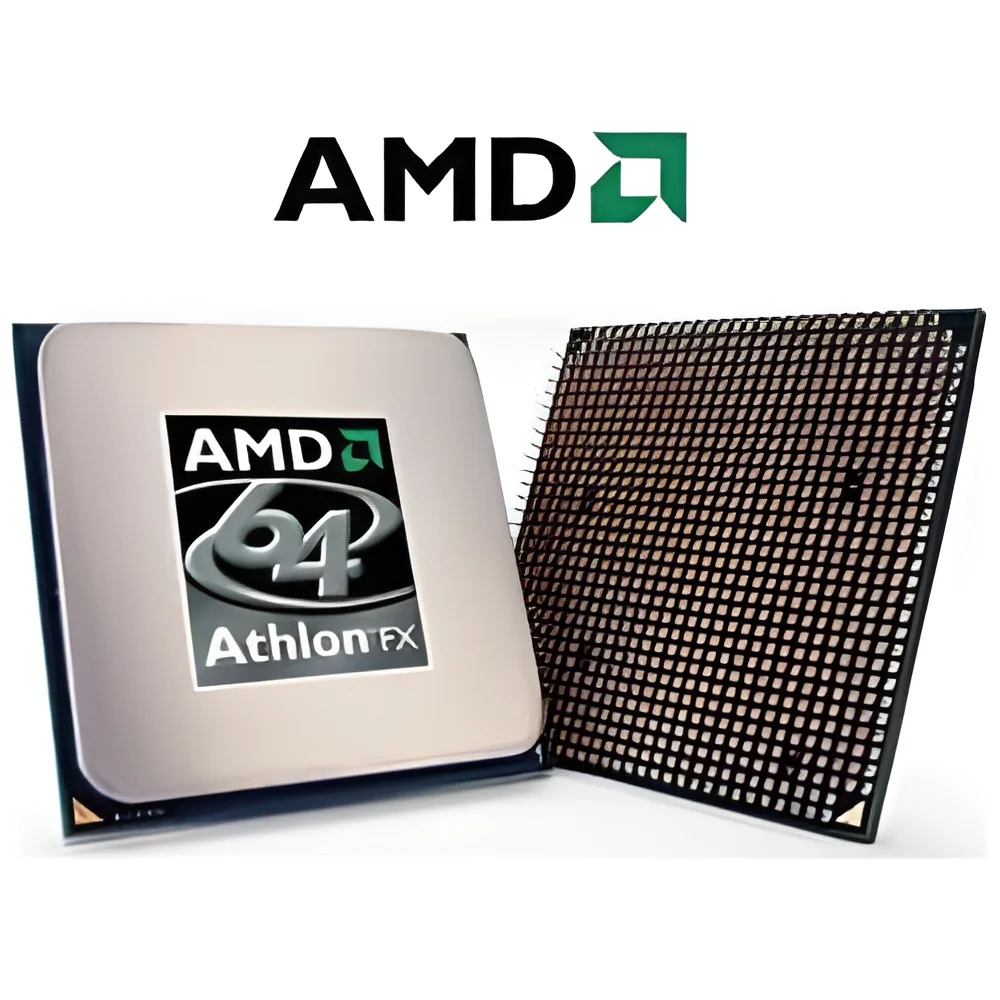
What are Microcontrollers & Microprocessors?
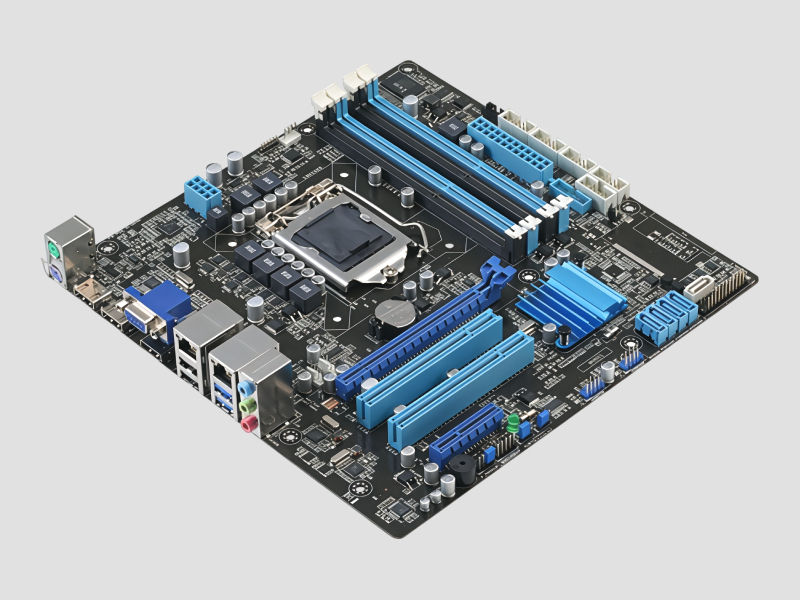
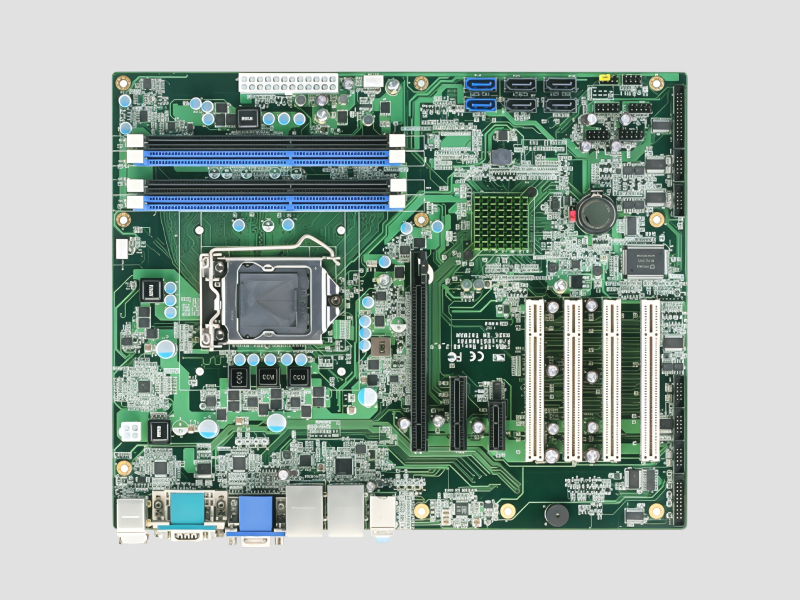
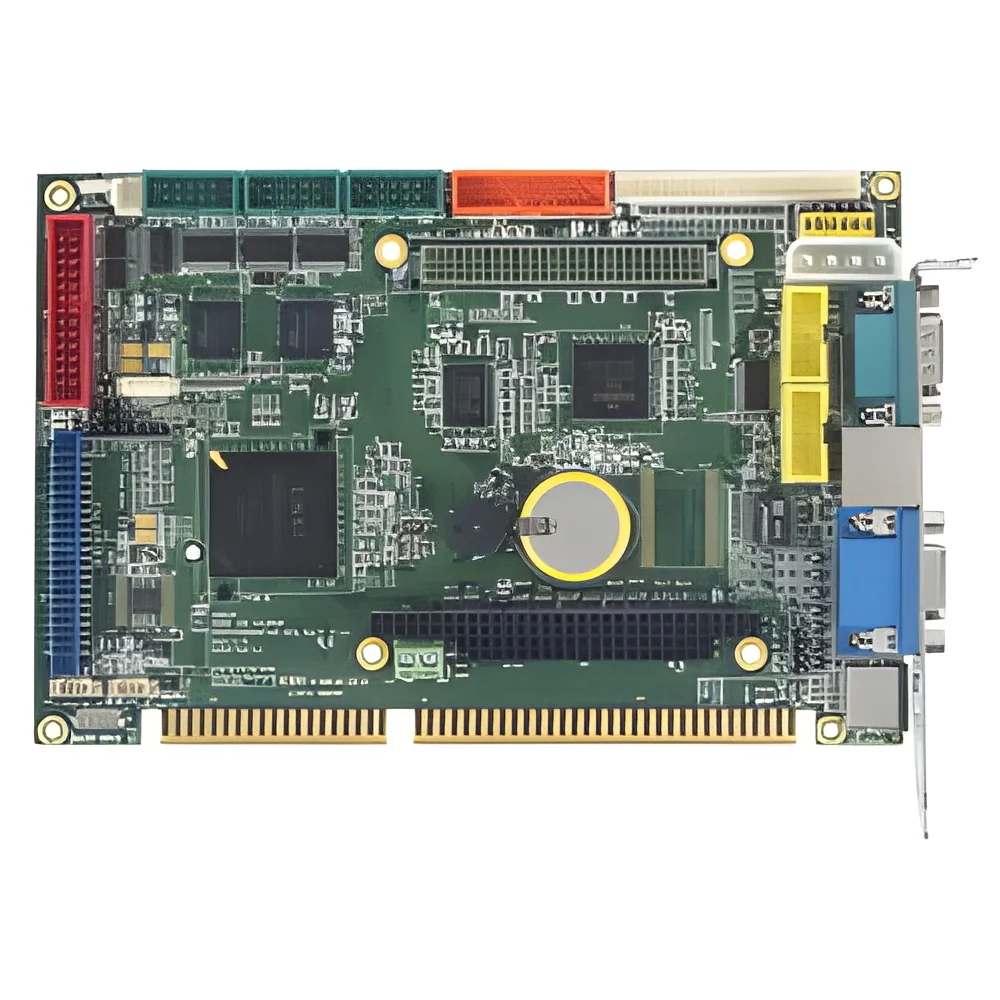
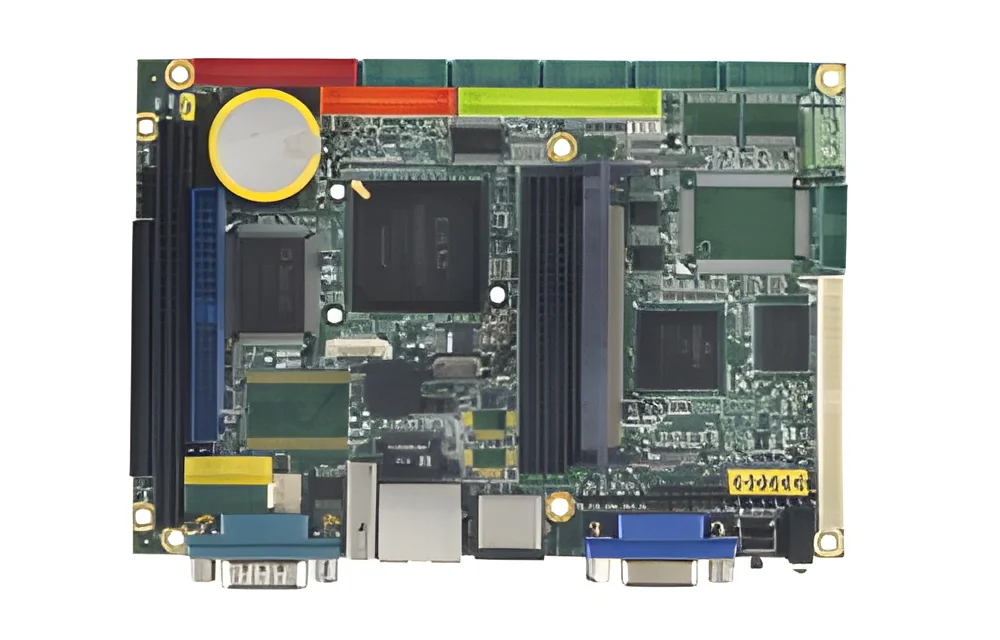
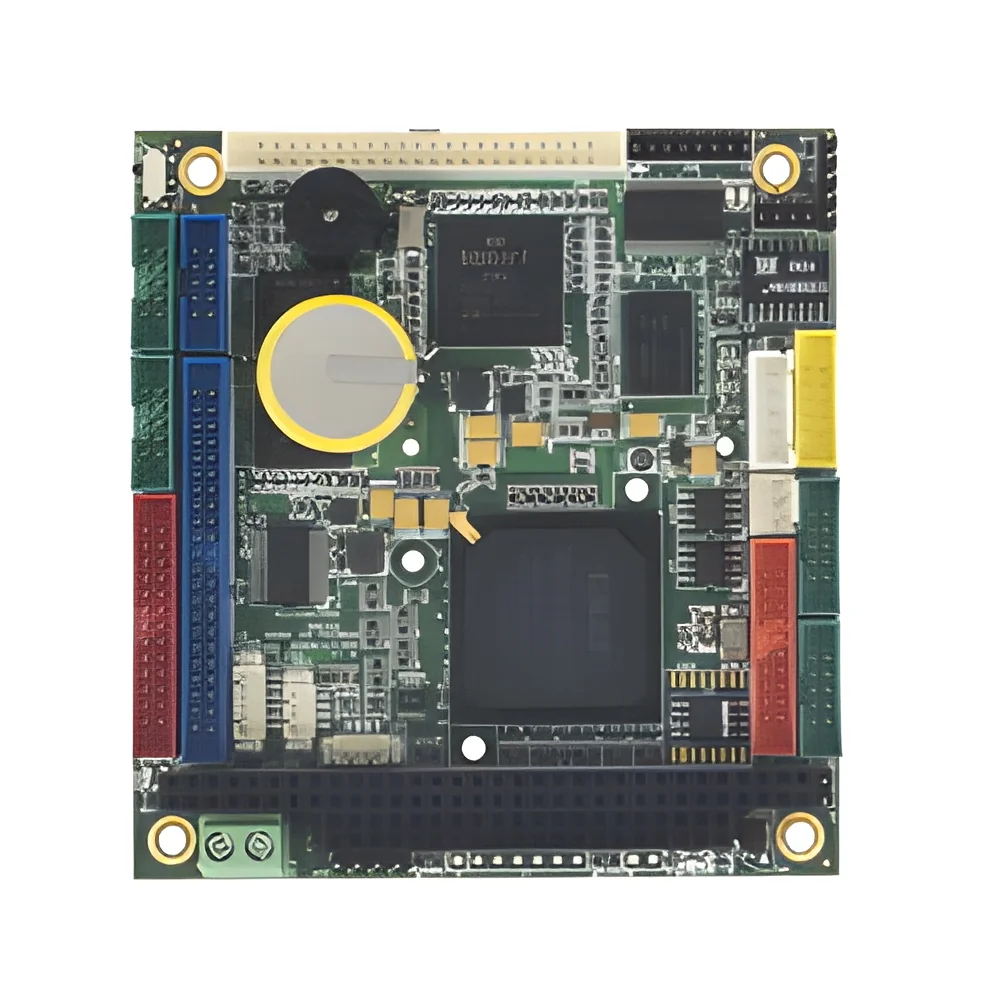
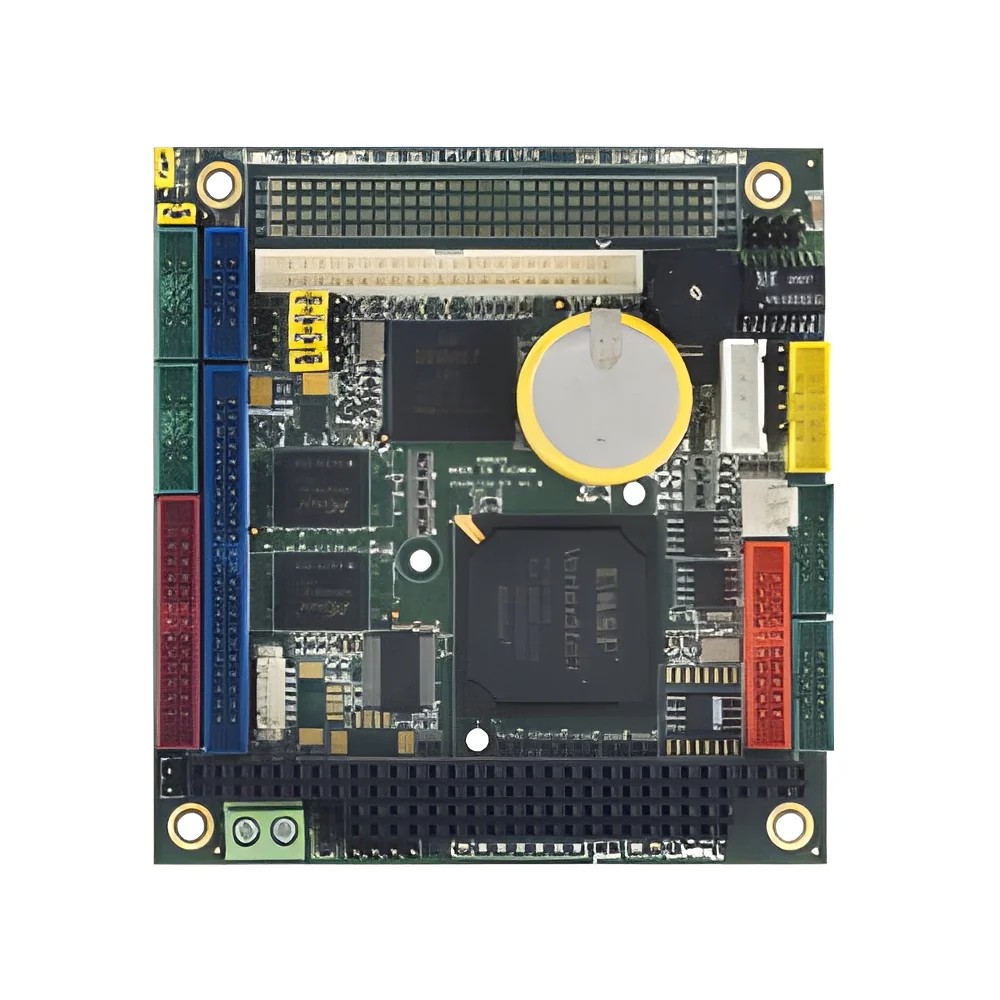
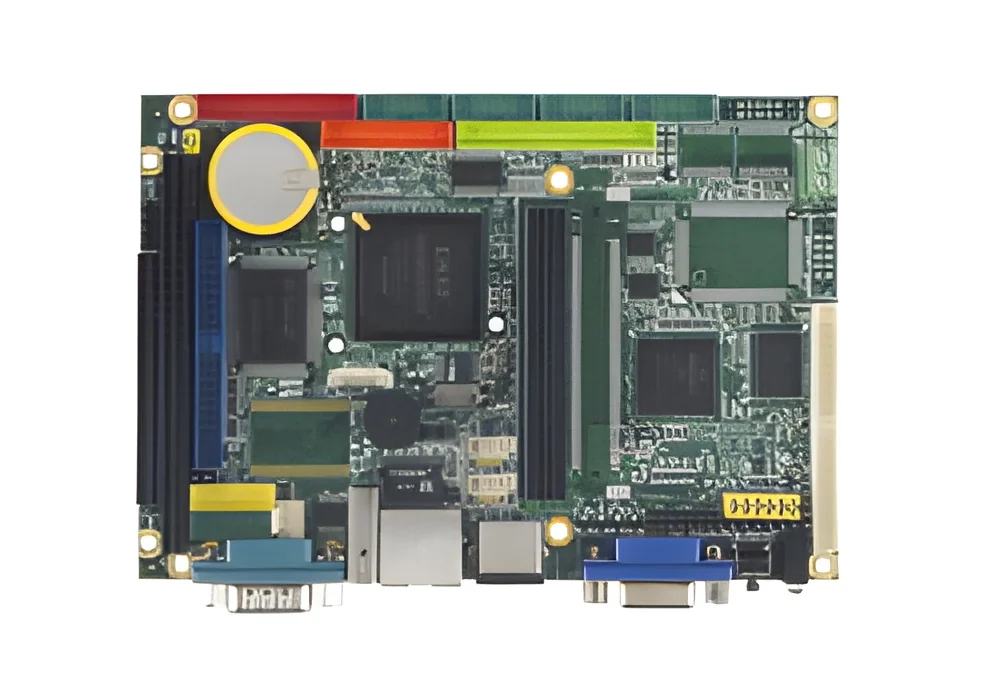
Microcontrollers and microprocessors are essential components in modern electronic systems. A microcontroller is a compact integrated circuit designed to govern a specific operation in an embedded system. It typically includes a processor core, memory, and programmable input/output peripherals. In contrast, a microprocessor is a more powerful computing unit that performs a wide range of tasks, primarily in general-purpose computing environments. Microprocessors usually require external components to function, such as memory and input/output devices.
These devices are widely used across various industries, including automotive, telecommunications, consumer electronics, and industrial automation. Microcontrollers are often found in applications such as home appliances, medical devices, and automotive control systems, where specific tasks need to be automated. Microprocessors, on the other hand, are commonly used in computers, servers, and sophisticated systems requiring high processing power. The growing demand for smart devices and IoT solutions is driving significant market growth in both segments.
The relevance of microcontrollers and microprocessors in today’s technology landscape cannot be overstated. As industries continue to innovate and integrate smart technologies, the need for reliable, efficient, and versatile processing units will only increase. The market is witnessing a shift towards miniaturization and energy efficiency, making these components vital for future advancements in various applications.
Key Features and Specifications
Microcontrollers and microprocessors come with a variety of features and specifications that cater to specific applications and requirements. Understanding these specifications is crucial for businesses looking to select the right component for their needs.
Key specifications include:
1. Processing Speed
- Measured in megahertz (MHz) or gigahertz (GHz)
- Determines how quickly the device can execute instructions
2. Memory Capacity
- Includes RAM, ROM, and flash memory
- Affects the amount of data and instructions that can be stored
3. Input/Output Ports
- Number and type of ports available (e.g., digital, analog)
- Influences connectivity with other devices and sensors
4. Power Consumption
- Measured in watts (W)
- Critical for battery-operated and energy-efficient applications
5. Operating Voltage
- Typical ranges from 1.8V to 5V for microcontrollers
- Determines compatibility with power supply systems
6. Instruction Set Architecture
- Defines the types of operations the processor can perform
- Affects programming and application development
7. Peripheral Interfaces
- Includes options like SPI, I2C, UART
- Important for connecting with other hardware components
8. Temperature Range
- Operational temperature limits for different environments
- Ensures reliability in extreme conditions
In summary, the specifications of microcontrollers and microprocessors are diverse and critical to their performance in various applications. Businesses must carefully consider these features to choose the best fit for their projects.
Common Applications and Use Cases
Microcontrollers and microprocessors are utilized across a wide array of industries, providing tailored solutions for specific needs.
1. Automotive: In vehicles, microcontrollers control engine functions, safety systems, and infotainment systems to enhance performance and safety.
2. Consumer Electronics: Microprocessors are integral to devices like smartphones, tablets, and smart TVs, enabling complex computing tasks and user interfaces.
3. Industrial Automation: Microcontrollers are used in robotics and machinery for precise control and monitoring of production processes.
4. Medical Devices: From patient monitoring systems to diagnostic equipment, microcontrollers ensure the reliability and accuracy of medical instruments.
5. Telecommunications: Microprocessors facilitate data processing and communication in networking equipment, enabling faster and more reliable connections.
6. Home Automation: Microcontrollers power smart home devices, allowing for automation and remote control of appliances and security systems.
7. IoT Devices: As the Internet of Things continues to grow, microcontrollers are essential for connecting and managing smart devices in various applications.
Product Variants and Subcategories
Microcontrollers and microprocessors come in various configurations and capabilities, allowing for tailored solutions in different applications.
Low-Power Microcontrollers
These variants are designed for battery-operated devices, focusing on energy efficiency while maintaining performance. They are ideal for wearable technology and remote sensors.
High-Performance Microprocessors
These processors offer advanced computing capabilities suitable for complex applications in data centers and high-end computing. They handle large workloads efficiently, making them perfect for servers and high-performance workstations.
Embedded Microcontrollers
Specifically designed for embedded systems, these microcontrollers integrate various peripherals to streamline design and reduce component count. They are often found in automotive and industrial applications.
Benefits and Advantages
Microcontrollers and microprocessors provide numerous advantages to businesses seeking efficient and reliable technology solutions.
Key benefits include:
1. Enhanced Performance: Both devices deliver high processing speeds, enabling faster data processing and task execution.
2. Flexibility: The variety of microcontrollers and microprocessors allows for customization based on specific requirements, making them suitable for diverse applications.
3. Energy Efficiency: Many microcontrollers are designed for low power consumption, which is essential for battery-operated devices and reducing operational costs.
4. Compact Design: These components are small in size, allowing for integration into space-constrained environments without sacrificing functionality.
5. Cost-Effectiveness: With various options available, businesses can choose devices that align with their budget while meeting performance needs.
6. Scalability: Microcontrollers and microprocessors can easily scale with the growing demands of applications, providing a long-term solution for evolving technology requirements.
Buying Guide for B2B Buyers
When sourcing microcontrollers and microprocessors, several factors must be taken into account to ensure optimal selection and procurement.
1. Quality Assessment: Evaluate the quality of microcontrollers and microprocessors by reviewing manufacturer certifications and adherence to industry standards. This ensures reliability and performance.
2. Supplier Verification: It is essential to vet suppliers through background checks, customer reviews, and industry reputation to ensure they provide quality products and services.
3. Pricing and MOQ: Understand the pricing structures and minimum order quantities (MOQ) of suppliers. This helps in budgeting and planning for bulk purchases while ensuring cost-effectiveness.
4. Delivery and Lead Times: Consider the logistics involved in sourcing these components, including shipping times and delivery reliability. Timely delivery is crucial for project schedules.
5. Compliance Requirements: Ensure that the components meet necessary regulatory and compliance standards relevant to your industry. This helps avoid legal complications and ensures product safety.
Compliance and Certifications
Microcontrollers and microprocessors must adhere to various quality standards to ensure their reliability and safety in use.
ISO 9001 is a widely recognized standard that outlines the criteria for an effective quality management system. Adhering to this standard helps manufacturers produce high-quality products consistently.
The CE marking is another important certification that signifies compliance with European health, safety, and environmental protection standards. This certification is particularly relevant for manufacturers looking to enter the European market.
Safety and testing requirements are critical to ensure that devices operate safely under specified conditions. Manufacturers must conduct thorough testing to verify that their products meet these safety standards.
Regional compliance considerations may vary, and businesses should be aware of local regulations regarding electronic components. This includes understanding specific requirements in markets such as North America, Europe, and Asia.
Why Source Microcontrollers & Microprocessors from Pepagora?
Pepagora is a trusted platform for sourcing microcontrollers and microprocessors, offering several key advantages to B2B buyers.
Verified Supplier Network: Pepagora connects buyers with a network of verified suppliers. This ensures that businesses can access quality products from reputable manufacturers, reducing the risks associated with sourcing.
Streamlined RFQ Process: The platform provides an efficient request for quotation (RFQ) process, simplifying the procurement journey. Buyers can easily compare prices and specifications to make informed purchasing decisions.
Trade Assurance and Support: Pepagora offers trade assurance, providing buyers with protection during transactions. This includes support throughout the sourcing process, ensuring a smooth experience.
Regional Coverage: With a strong presence in India, the GCC, and Southeast Asia, Pepagora extends its reach to various markets. This geographic coverage ensures that businesses can find suitable suppliers regardless of location, facilitating international trade.

 IN
IN