IN
IN₹
Apparel & Fashion
Description
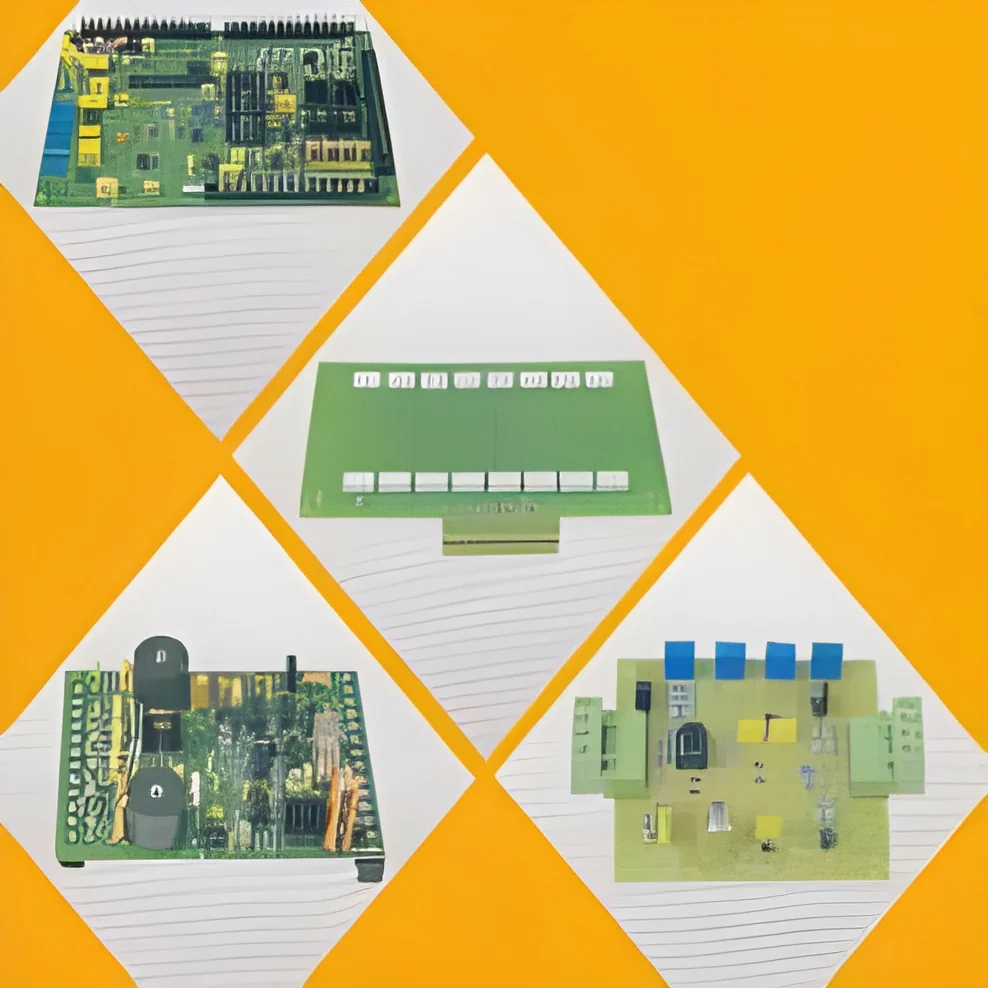
Industrial Electronic PCB Cards represent specialized circuit boards engineered specifically for power management and control functions within industrial environments. These components serve as the intelligent interface between electrical power sources and operational equipment, featuring robust construction with industrial-grade materials that withstand demanding conditions including temperature fluctuations, electrical interference, and mechanical stress. Their precision-engineered circuitry ensures accurate power distribution, voltage regulation, and control signal transmission, making them essential for maintaining system stability and operational efficiency in critical applications where reliability cannot be compromised.

These specialized PCB cards find essential applications across heavy industries including manufacturing automation, process control systems, industrial machinery, and infrastructure management. In manufacturing environments, they regulate power distribution to p...
Industrial Electronic PCB Cards represent specialized circuit boards engineered specifically for power management and control functions within industrial environments. These components serve as the intelligent interface between electrical power sources and operational equipment, featuring robust construction with industrial-grade materials that withstand demanding conditions including temperature fluctuations, electrical interference, and mechanical stress. Their precision-engineered circuitry ensures accurate power distribution, voltage regulation, and control signal transmission, making them essential for maintaining system stability and operational efficiency in critical applications where reliability cannot be compromised.

These specialized PCB cards find essential applications across heavy industries including manufacturing automation, process control systems, industrial machinery, and infrastructure management. In manufacturing environments, they regulate power distribution to production equipment while controlling operational sequences through programmable interfaces. Process industries utilize them for monitoring and adjusting parameters in chemical, pharmaceutical, and food processing systems. Industrial machinery manufacturers integrate these boards into equipment control panels for precise operation management, while infrastructure sectors employ them in power distribution networks, building management systems, and utility control stations where consistent performance under continuous operation is paramount.

The business value of Industrial Electronic PCB Cards lies in their operational reliability, system compatibility, and long-term cost efficiency for industrial users. These components reduce equipment downtime through their durable construction and consistent electrical performance, minimizing production interruptions and maintenance requirements. Their design flexibility allows for seamless integration with existing industrial systems, eliminating compatibility issues and reducing implementation complexity. The manufacturing consistency ensures predictable performance across multiple units, while their extended service life translates to reduced replacement frequency and lower total cost of ownership for industrial operations where component failure carries significant operational consequences.

Key Features:
- Industrial-grade construction with durable materials for harsh environment operation
- Precision-engineered circuitry for accurate power distribution and control signal transmission
- Customizable designs accommodating specific voltage requirements and spatial constraints
- Robust thermal management for stable performance under varying temperature conditions
- Compliance with industrial safety standards and electrical regulations

Benefits:
- Enhanced system reliability reducing equipment downtime and maintenance costs
- Seamless integration with existing industrial equipment and control systems
- Consistent electrical performance ensuring operational stability and safety
- Extended service life lowering total cost of ownership and replacement frequency
- Design flexibility allowing optimization for specific industrial applications
Specifications
| Additional Information | |
|---|---|
| Country of Origin | India |
Application
Industrial Electronic PCB Cards form the critical backbone of modern power distribution and control systems, providing precise circuitry for managing electrical flow and operational commands. Engineered to withstand industrial environments, these boards maintain consistent performance under varying temperatures, vibrations, and electrical loads while ensuring signal integrity and power stability across complex systems.
These versatile circuit boards enable sophisticated functionality across manufacturing, automation, and infrastructure sectors. Their adaptable designs accommodate specific voltage parameters, component layouts, and interface requirements, allowing seamless integration into existing equipment and custom machinery configurations for optimized operational control and power management solutions.
- Power supply regulation and distribution units for industrial machinery and manufacturing equipment
- Motor control systems and drive interfaces for automation and robotics applications
- Programmable logic controller (PLC) boards for industrial process automation
- Voltage regulation and conversion modules for renewable energy systems
- Control interface cards for HVAC systems and building management infrastructure
Trade Details
| Available Stock | In Stock |
| Sample Availability | No |
Payment Terms
| Payment Terms |
|
Company Profile
Balaji Engineers, Gujarat
 Gujarat, India
Gujarat, IndiaIndustrial Equipment & Machinery•Manufacturer•Distributor / Wholesaler•Importer / Exporter
Factory Details
Factory SizeBelow 1000 sqm
Annual Production Capacity0
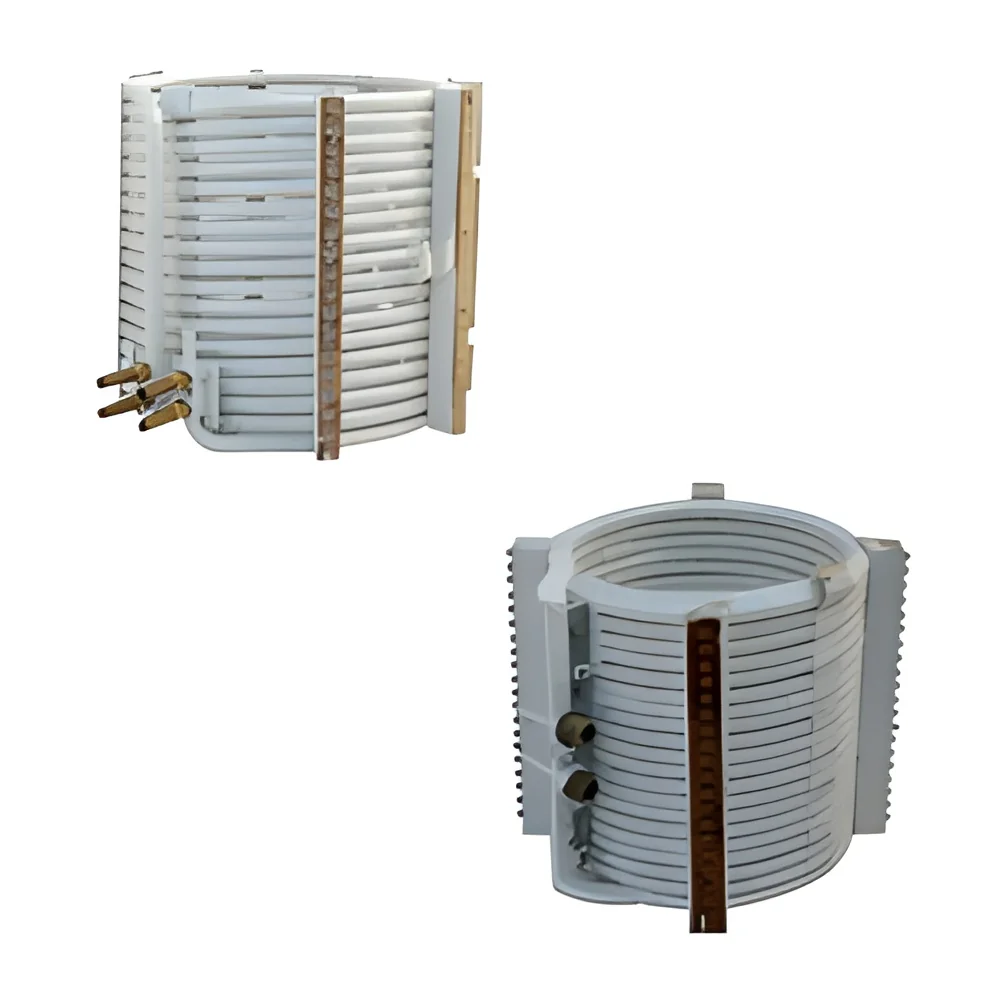
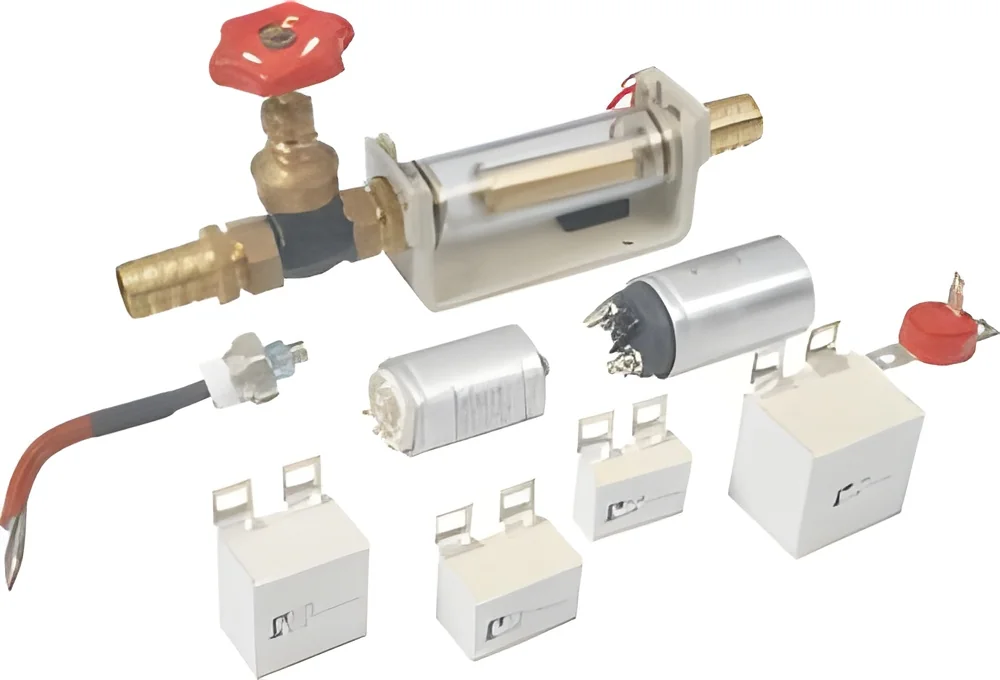
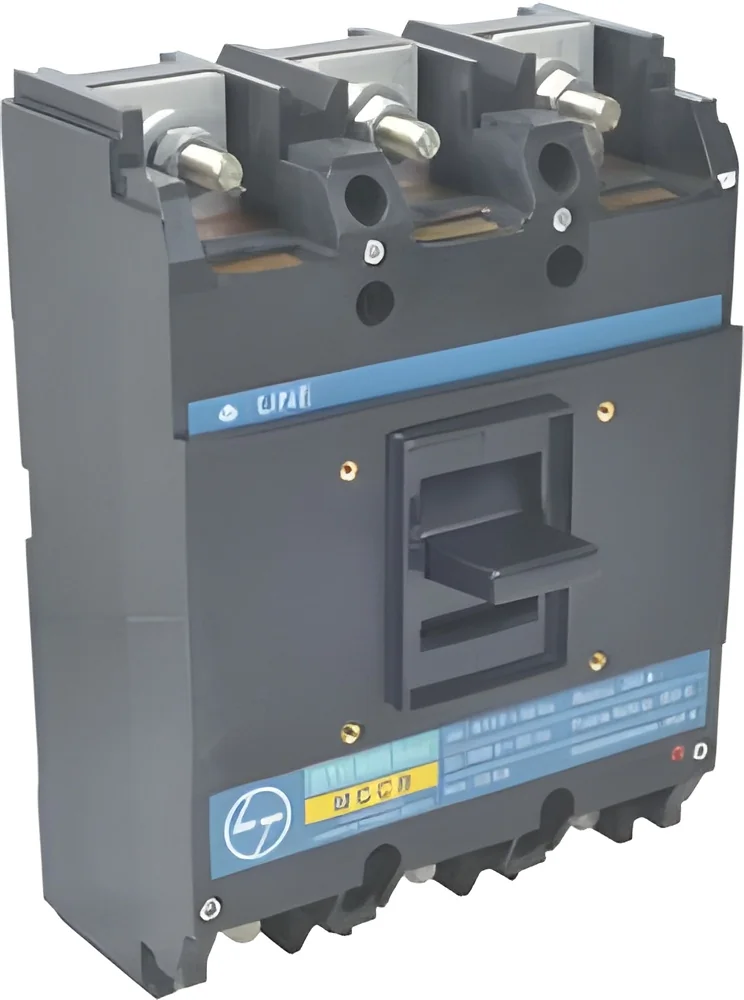
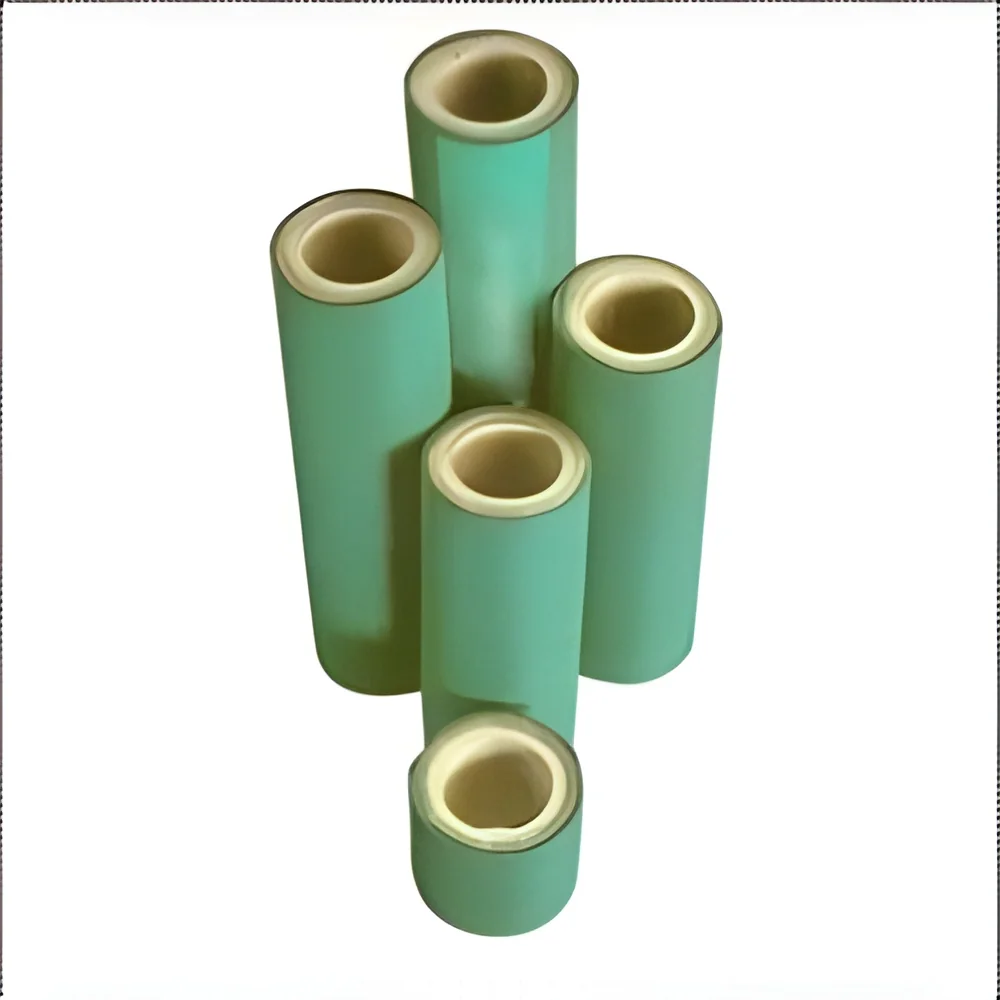
Industrial Electronic PCB Cards For Power Supply And Control Systems
Industrial Electronic PCB Cards for power supply and control systems deliver reliable performance in demanding environments. These durable circuit boards feature customizable designs for specific voltage requirements and spatial constraints across industrial applications.
Min. Order Quantity: 1 unit
Shipping
Shipping fee and delivery date to be negotiated. Contact supplier now for more details.
Balaji Engineers
 Gujarat, India
Gujarat, IndiaIndustrial Equipment & MachineryManufacturer