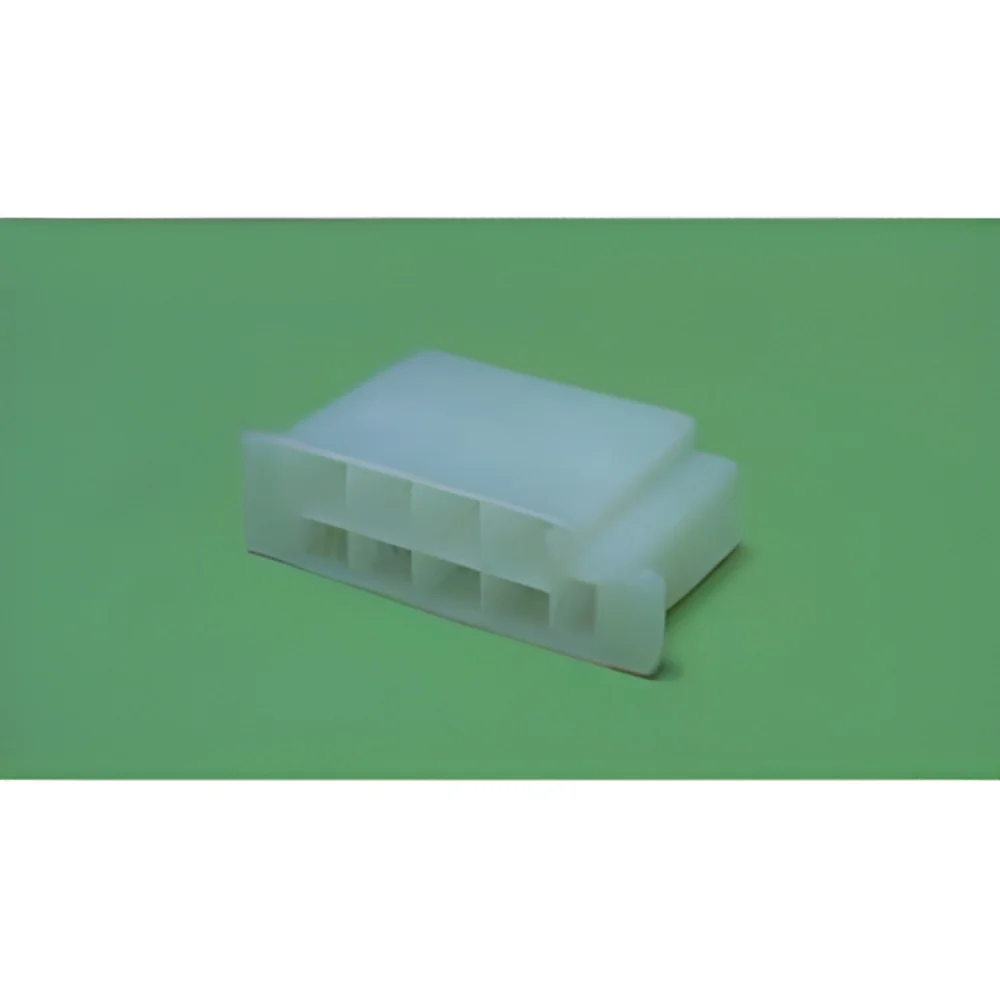
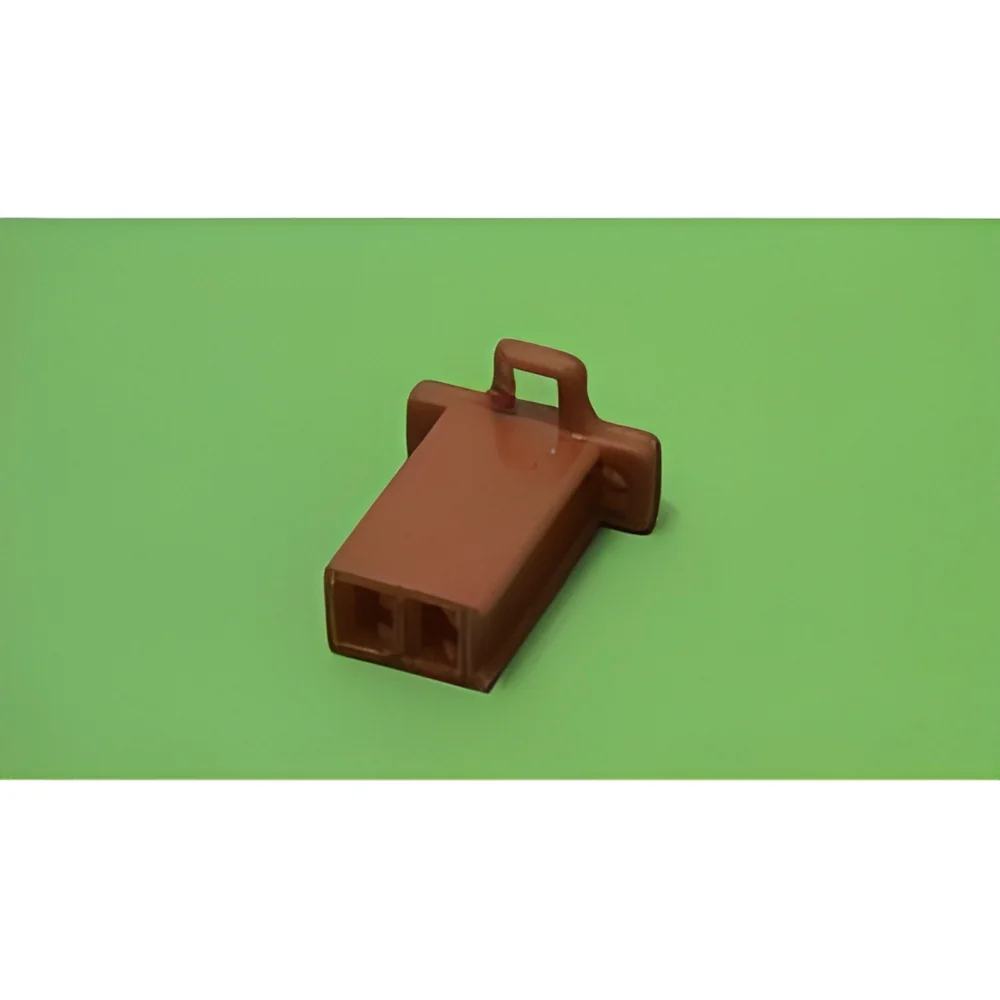
What are Connectors & Sockets?
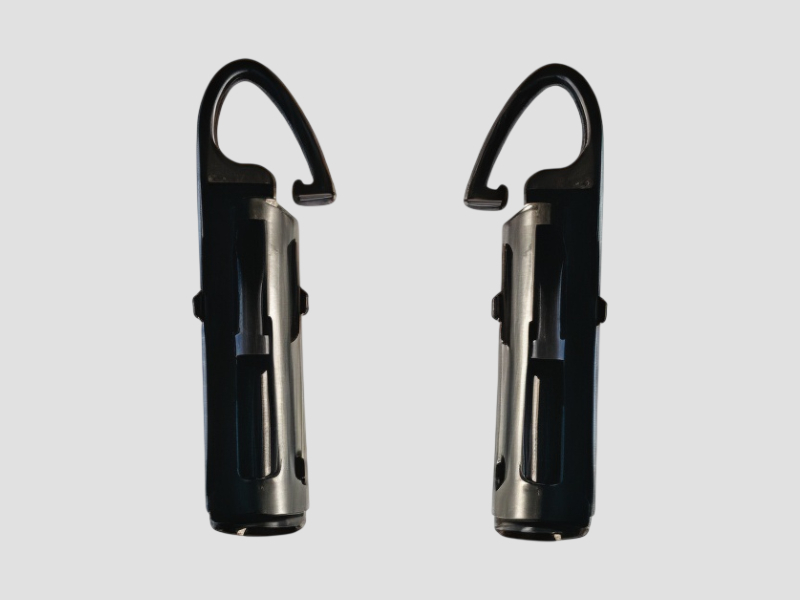
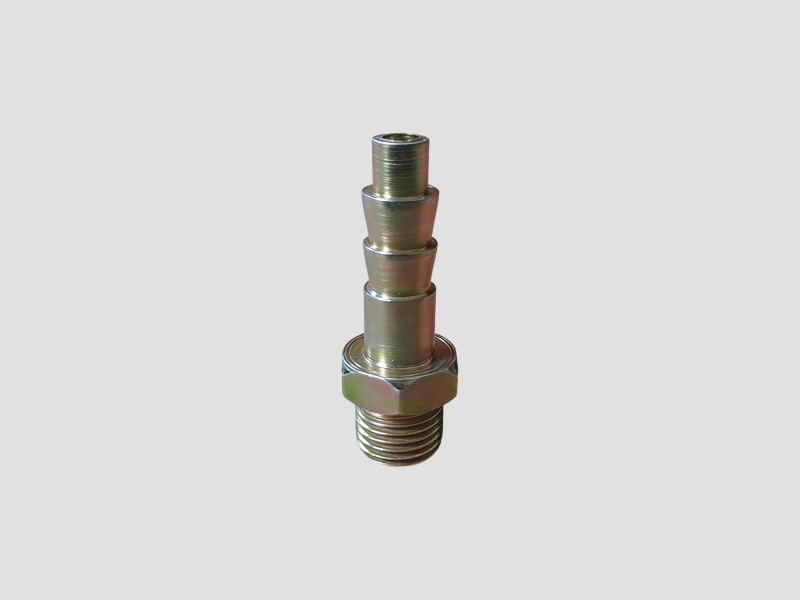
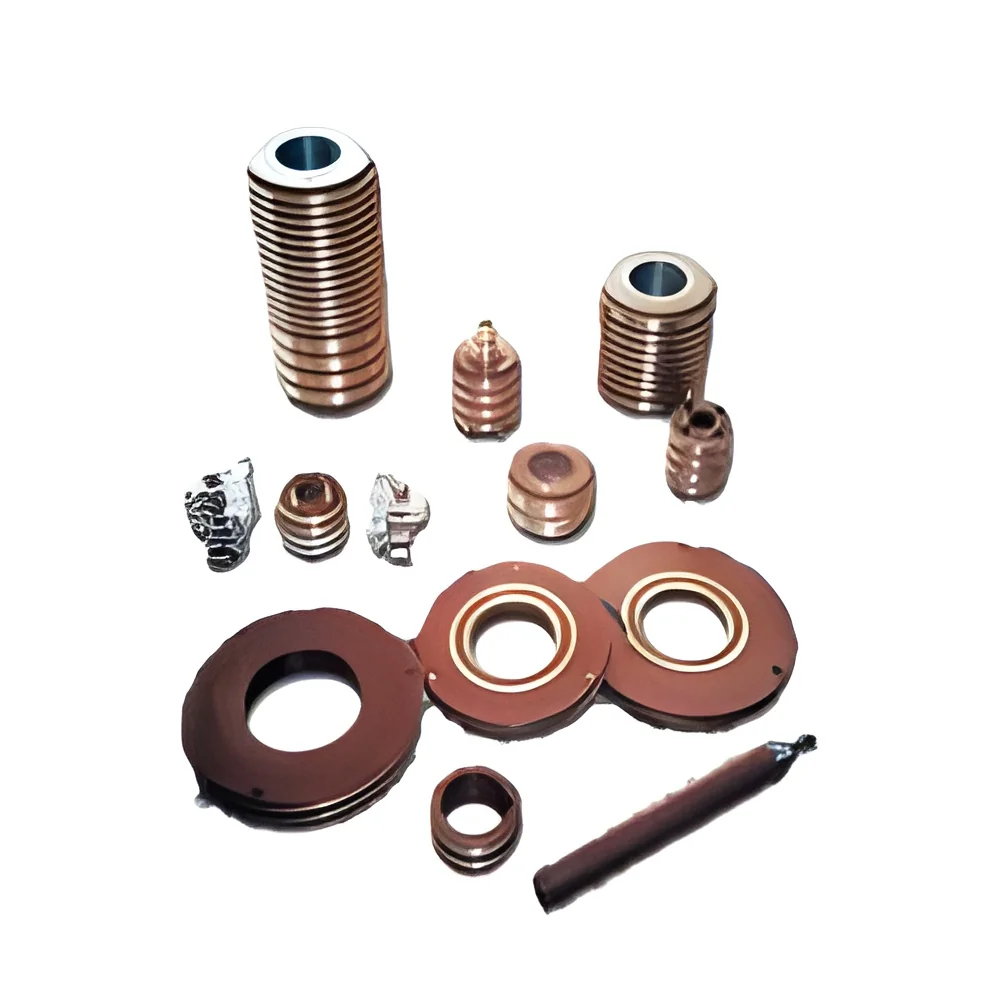
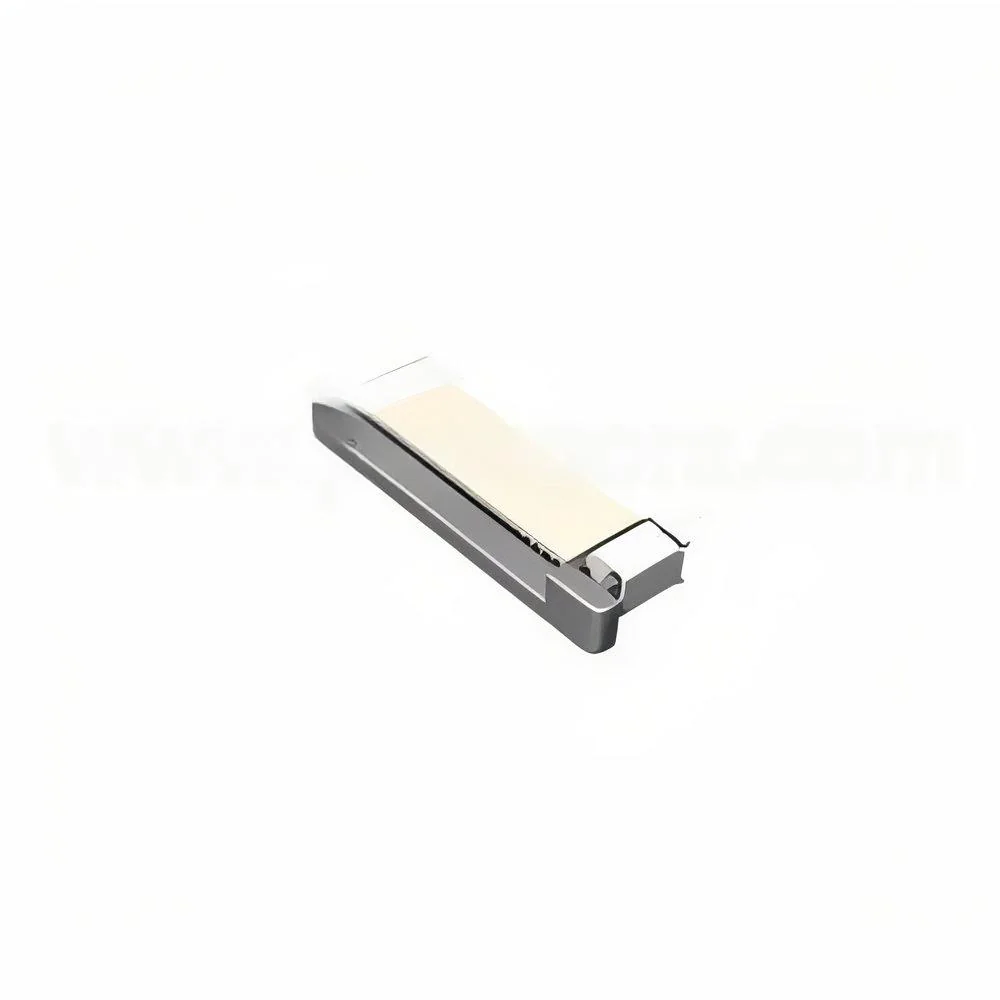
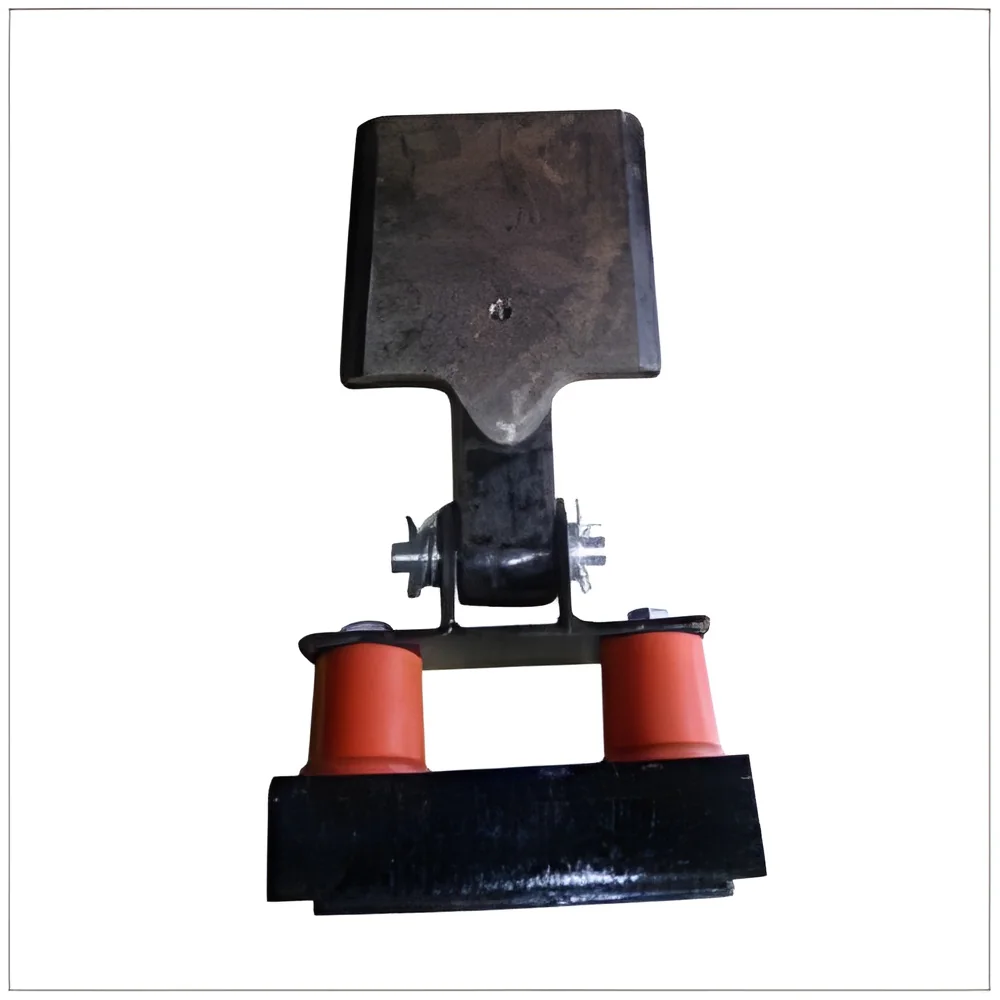
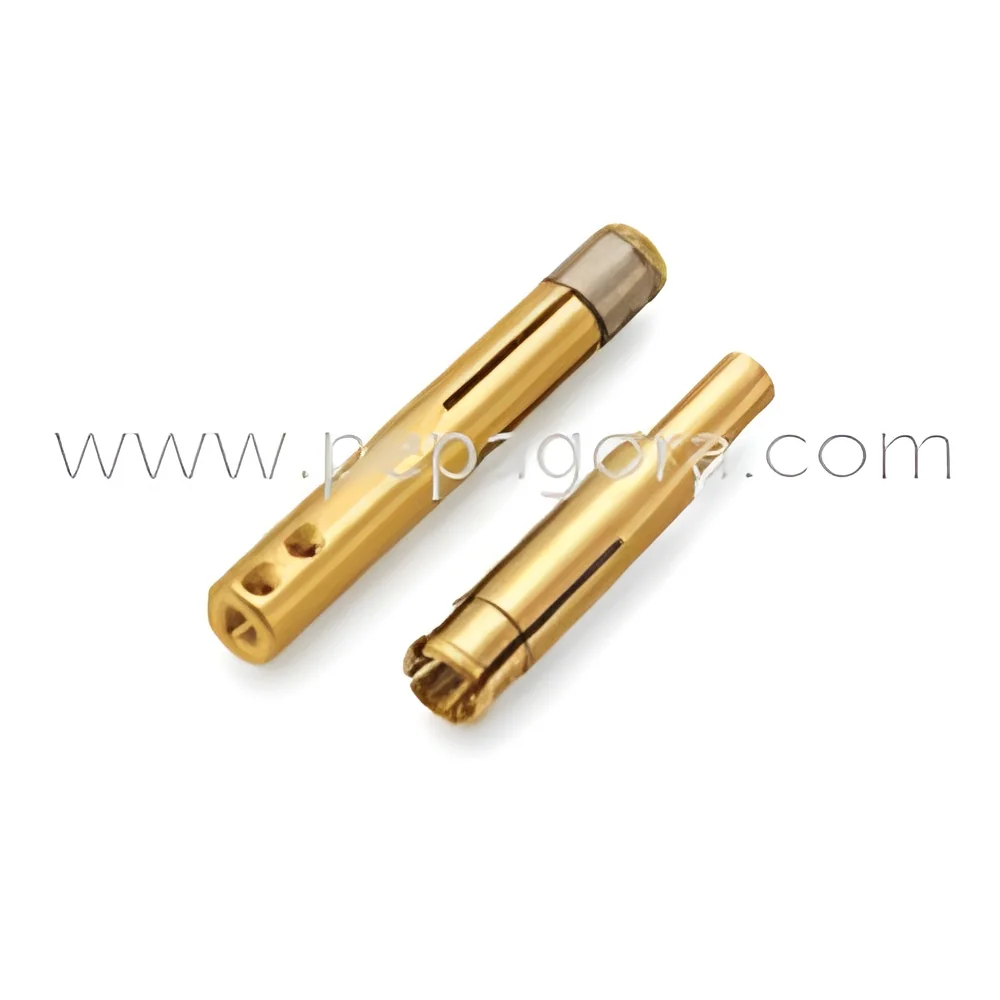
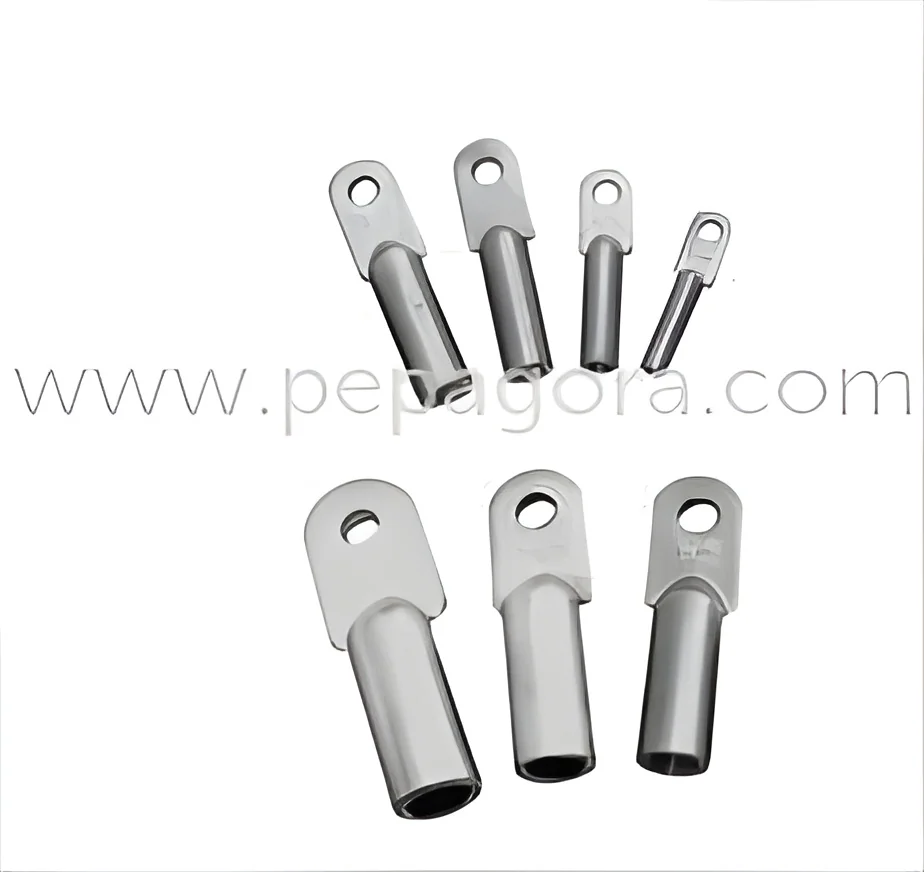
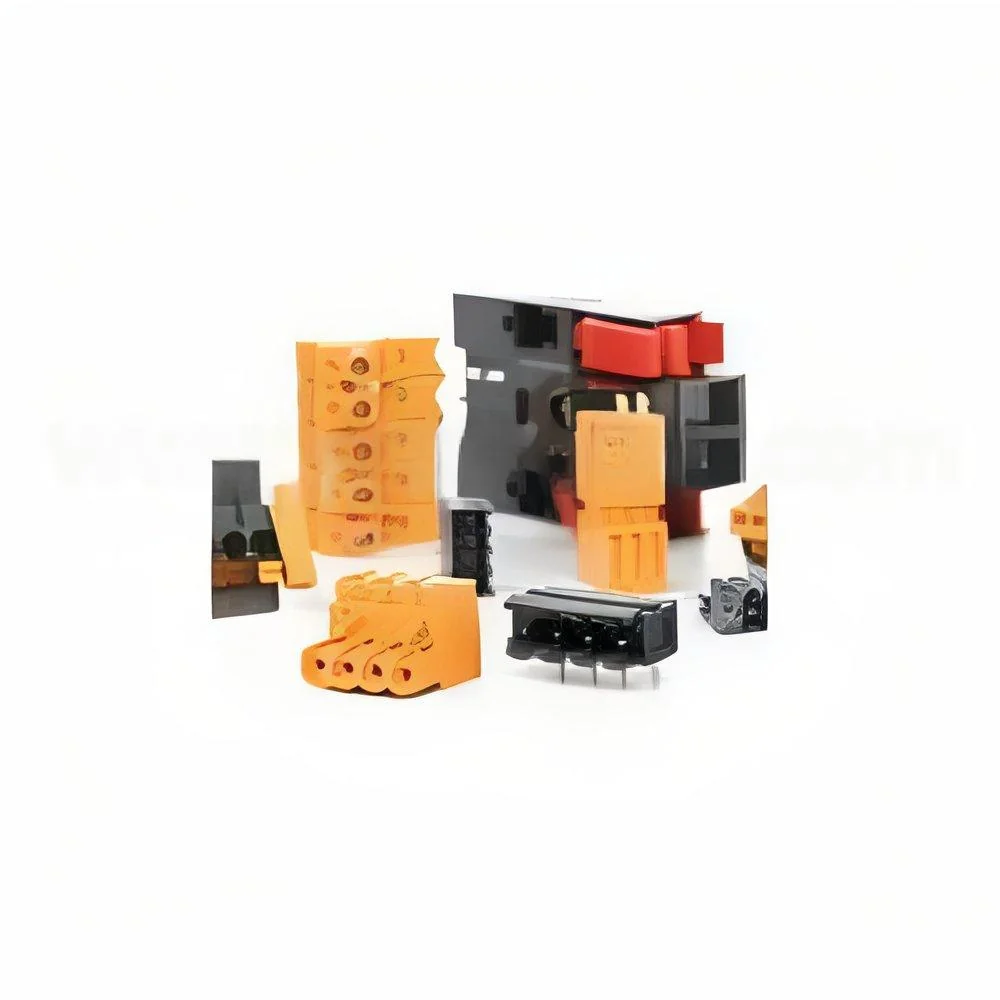
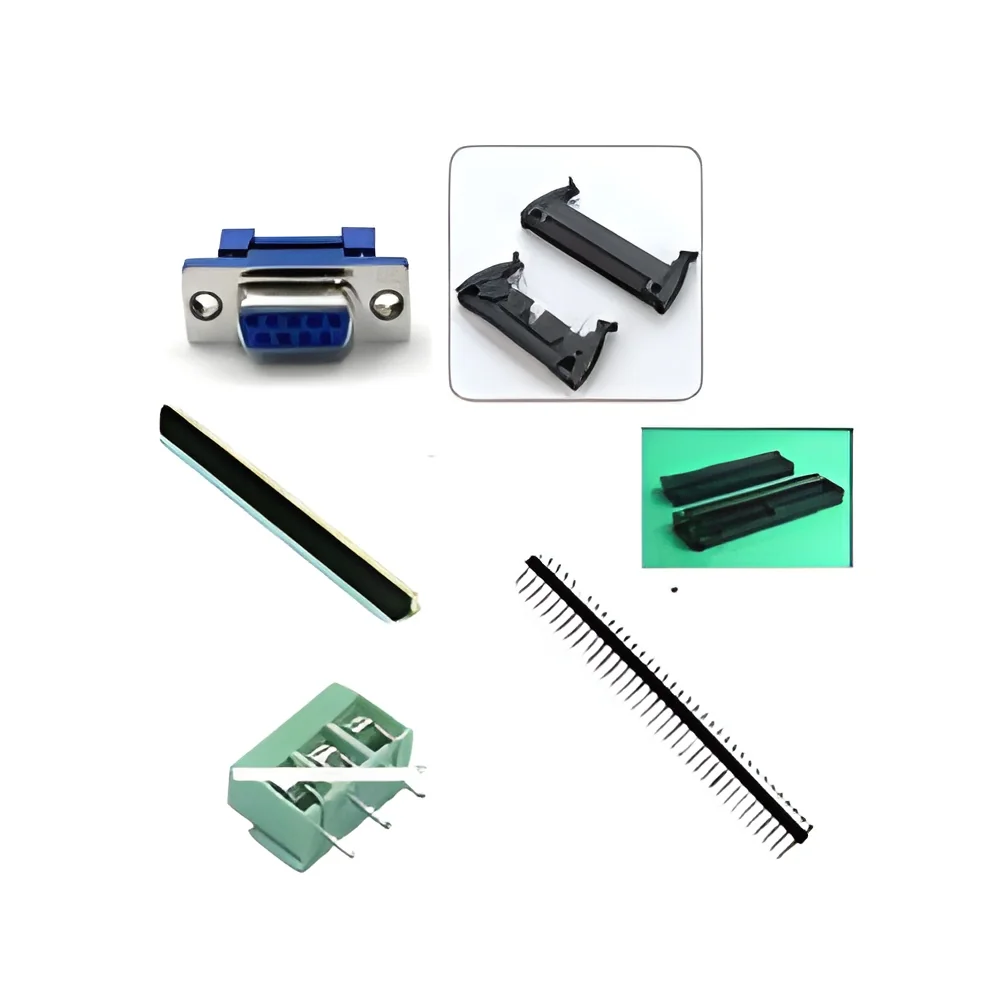
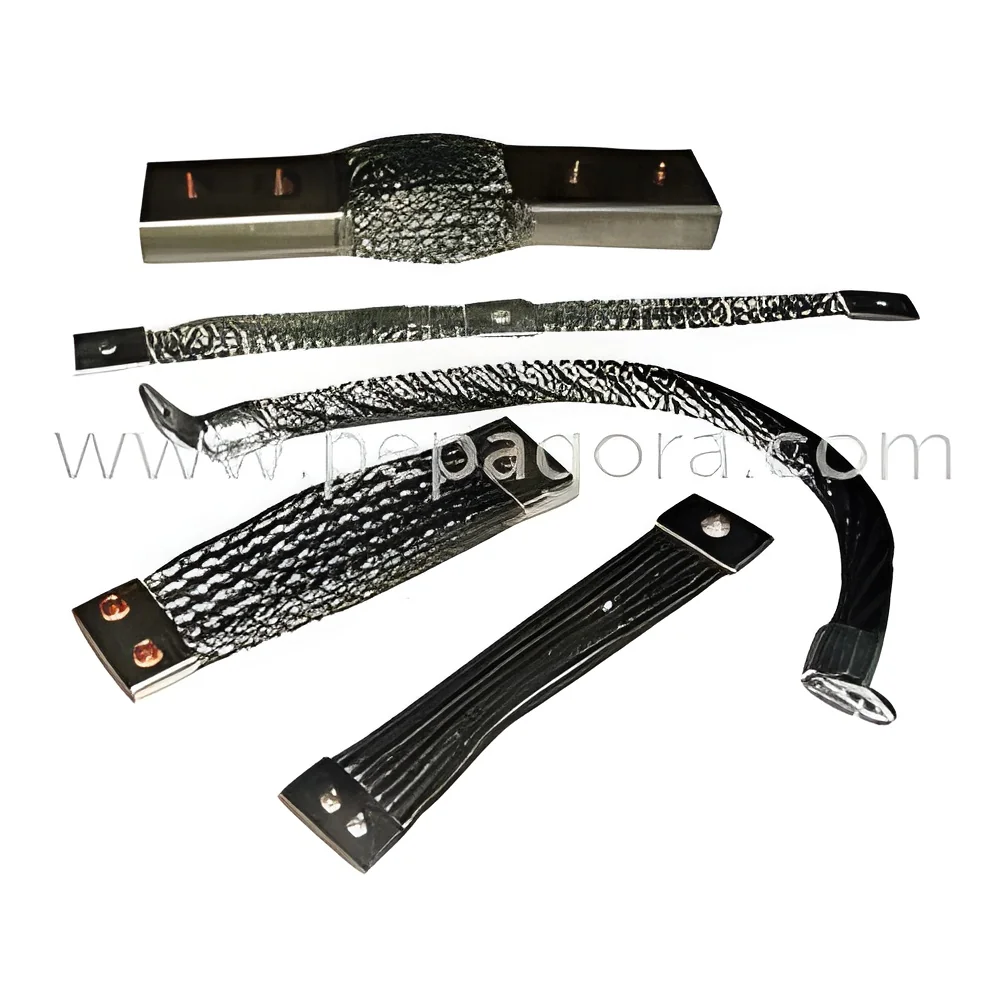
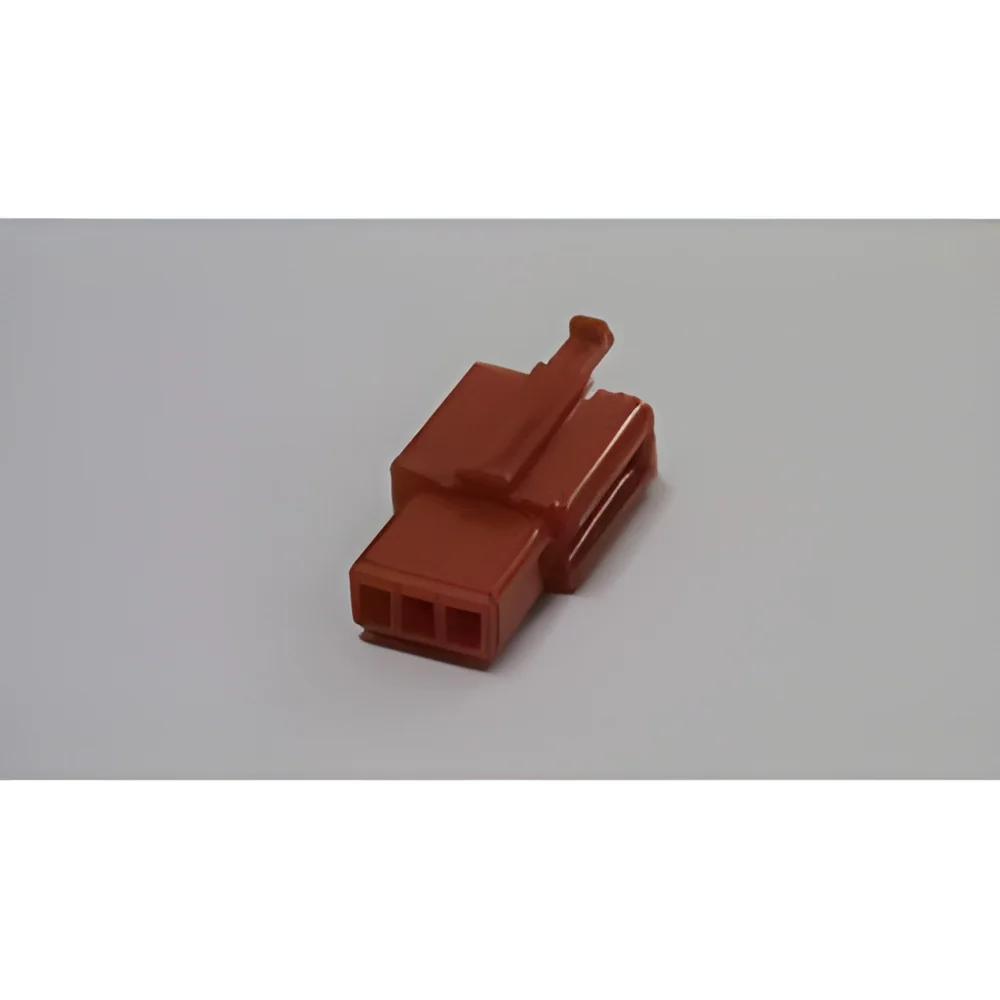
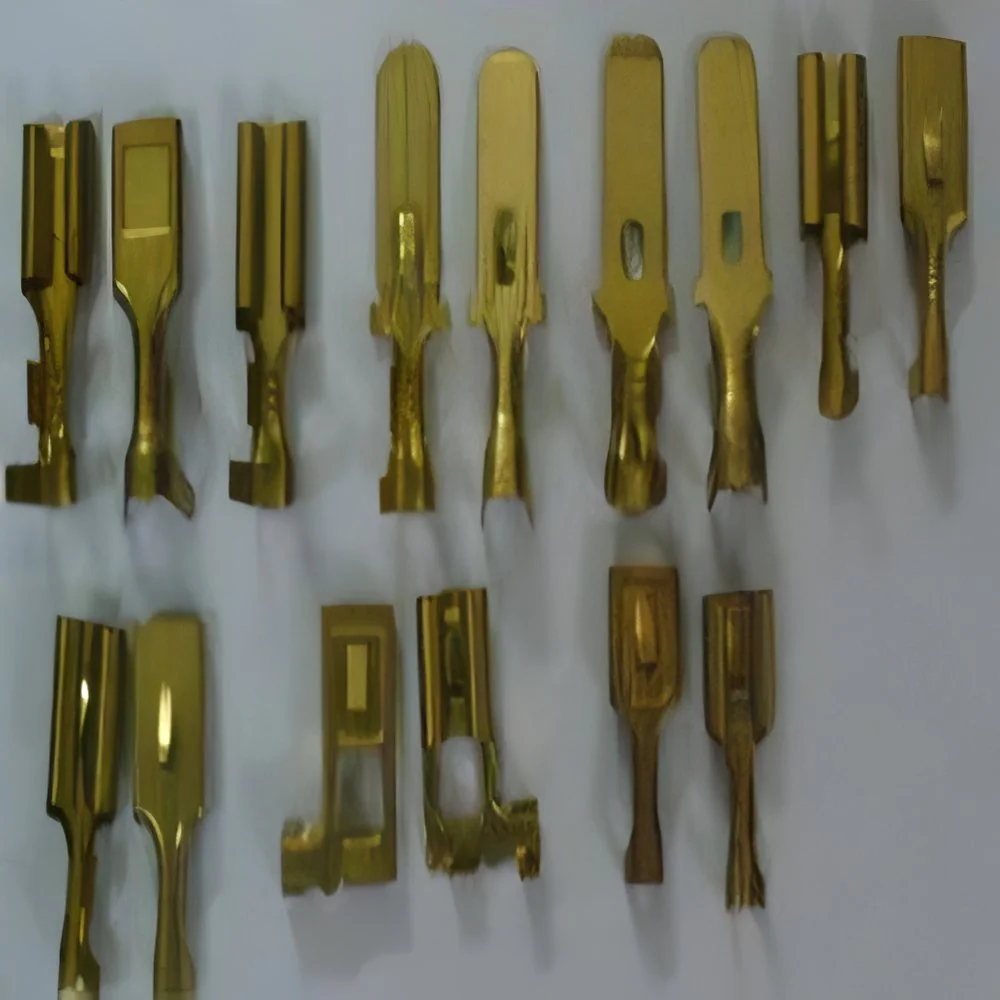
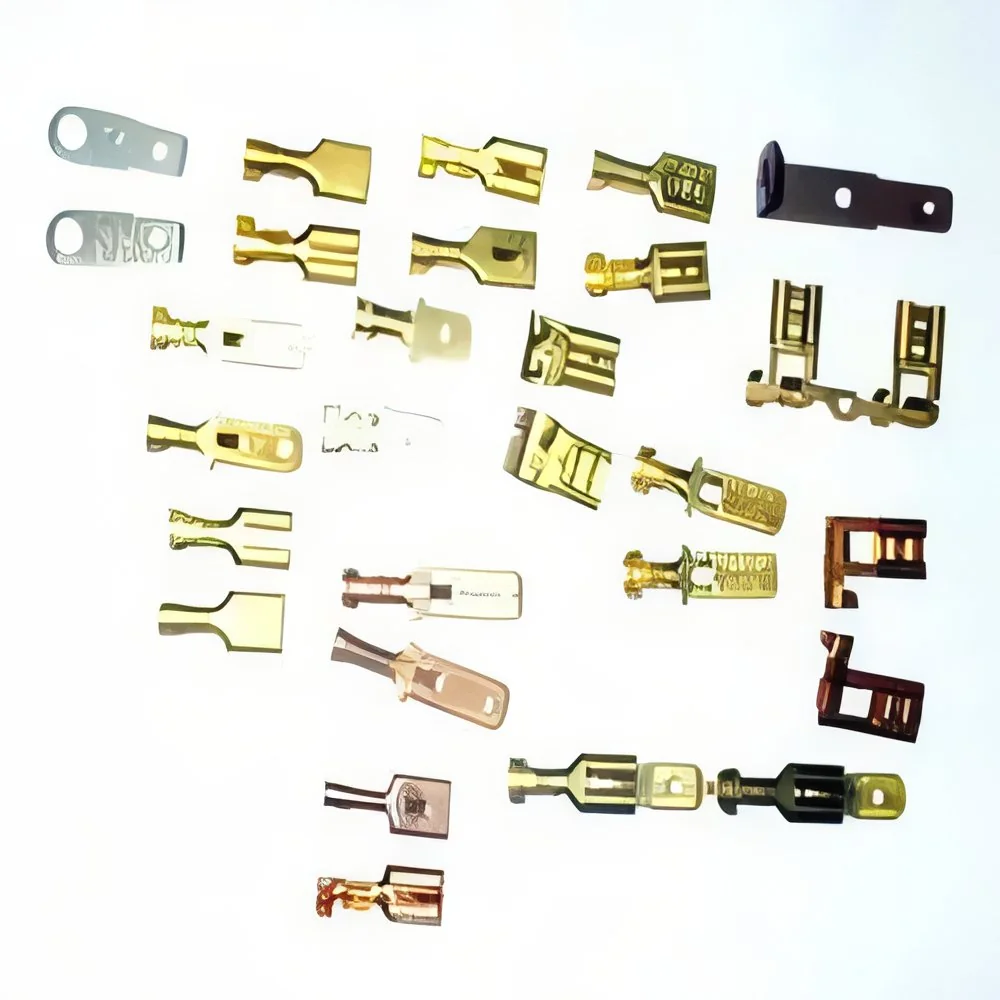
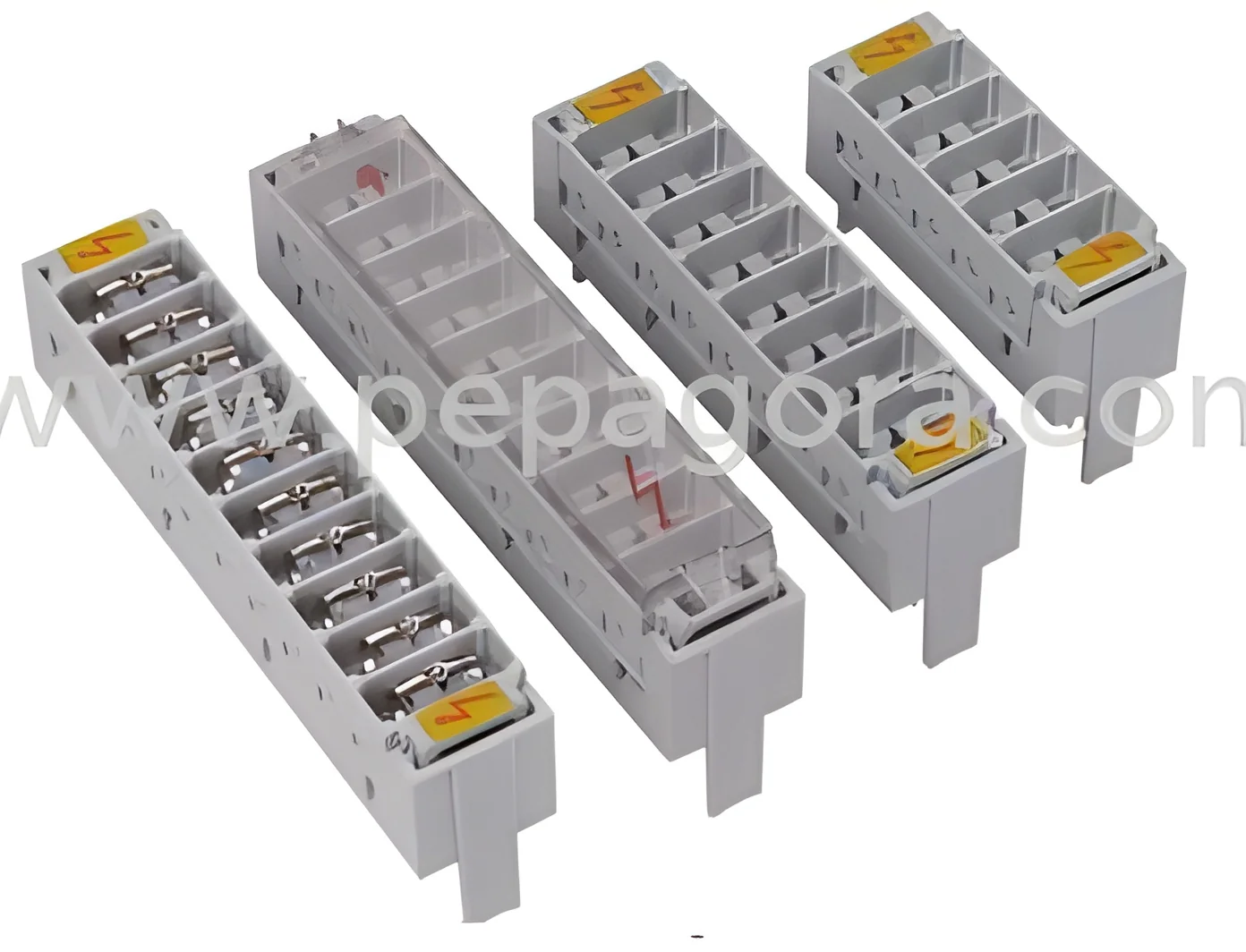
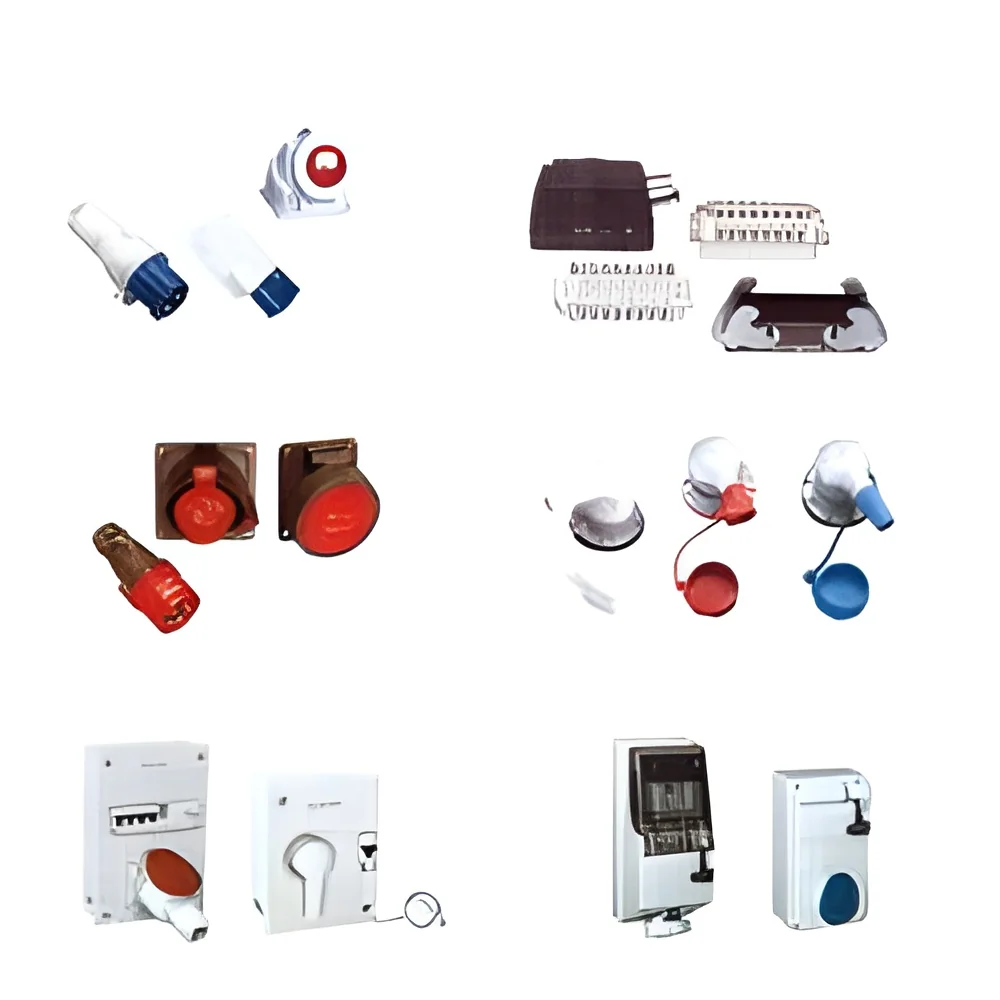
Connectors and sockets are essential components in various electrical and electronic applications. Connectors are devices used to join electrical circuits together, while sockets serve as receptacles for these connectors. They facilitate the transfer of power, signals, and data between different devices and systems. These components are designed to ensure reliable connectivity, allowing for efficient operation in numerous applications.
In the industrial sector, connectors and sockets are used extensively in machinery, automation systems, and communication networks. They play a crucial role in ensuring that equipment operates smoothly and efficiently by providing stable connections. Businesses utilize these components in manufacturing, telecommunications, automotive, and aerospace industries, among others. This widespread usage underscores their importance in maintaining productivity and safety within various operational environments.
As technology advances, the demand for high-performance connectors and sockets continues to grow. Industries are increasingly looking for solutions that offer durability, reliability, and efficiency. This trend is driving innovation in connector and socket design, leading to the development of more specialized and versatile products tailored to specific application needs.
Key Features and Specifications
Connectors and sockets come with a range of features and specifications that determine their suitability for different applications. Understanding these specifications is crucial for businesses looking to source the right components.
Key specifications include:
1. Material Composition
- Connectors and sockets are typically made from materials such as plastic, metal, or a combination of both.
- Material choice affects durability, conductivity, and resistance to environmental factors.
2. Current Rating
- This specification indicates the maximum current that the connector can safely carry.
- Current ratings vary widely, typically ranging from microamperes to several hundred amperes.
3. Voltage Rating
- Voltage rating refers to the maximum voltage that can be applied across the connector without breakdown.
- Ratings can range from a few volts to several thousand volts, depending on the application.
4. Temperature Range
- Connectors and sockets are designed to operate within specific temperature ranges.
- Typical ranges can vary from -40°C to 125°C, depending on the application.
5. Number of Pins or Contacts
- Connectors can have various pin configurations, affecting their functionality and application.
- Common configurations include 2, 4, 8, 16, or more pins.
6. Environmental Protection
- Many connectors and sockets feature ratings such as IP67, indicating their resistance to dust and moisture.
- This is crucial for applications in harsh environments.
7. Installation Type
- Connectors and sockets can be designed for different installation methods, including panel mount, surface mount, or through-hole mount.
- The installation type impacts the ease of use and application suitability.
8. Compliance and Standards
- Many connectors are designed to meet specific industry standards and certifications.
- Compliance ensures reliability and safety in various applications.
In summary, understanding the features and specifications of connectors and sockets is vital for selecting the right components for specific applications. Businesses should carefully evaluate these specifications to ensure optimal performance in their operations.
Common Applications and Use Cases
Connectors and sockets serve a wide range of industries, each with specific applications that highlight their utility.
1. Automotive: Connectors are used in vehicle wiring systems for power distribution and communication between electronic control units.
2. Telecommunications: Sockets connect various network devices, enabling data transmission and communication across platforms.
3. Industrial Automation: Connectors facilitate connections between sensors, actuators, and controllers in automated systems, ensuring seamless operation.
4. Aerospace: Specialized connectors are crucial for connecting avionics and other aircraft systems, where reliability and safety are paramount.
5. Renewable Energy: Connectors are used in solar panels and wind turbines to connect components and manage power distribution.
6. Medical Devices: Reliable connectors ensure safe and efficient connections in medical equipment, supporting critical functions in healthcare.
7. Consumer Electronics: Connectors and sockets are found in everyday devices such as computers and televisions, allowing for essential connectivity.
Product Variants and Subcategories
Connectors and sockets come in various designs and types to meet diverse application needs. Their diversity enables businesses to select options tailored to specific requirements.
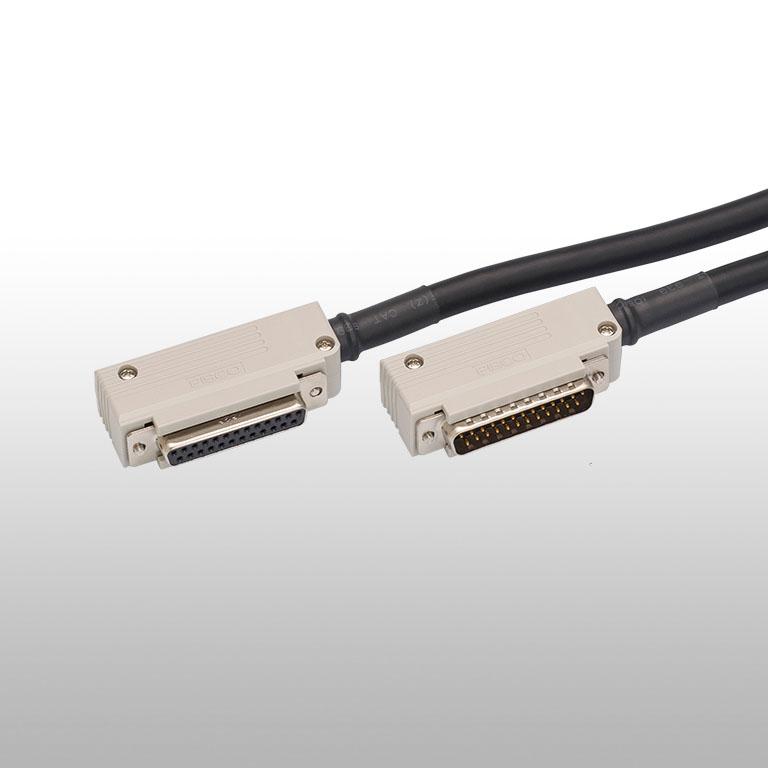
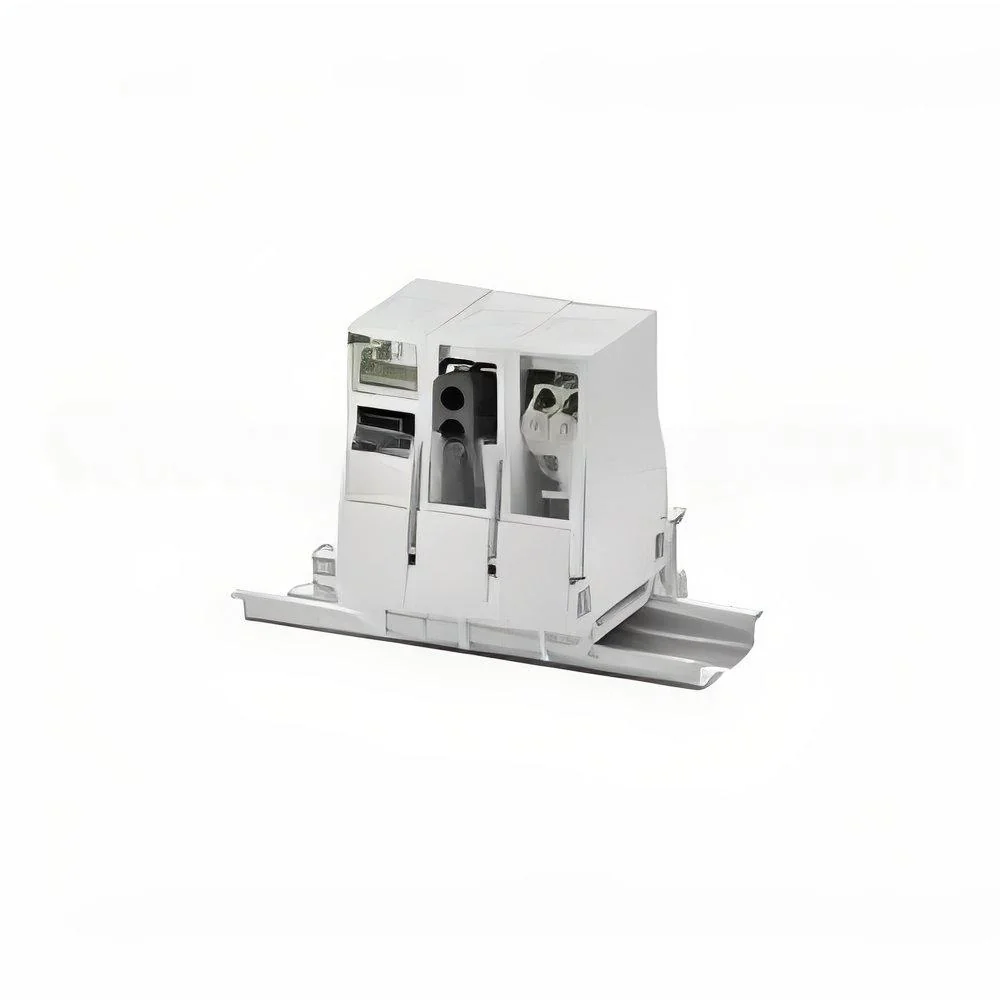
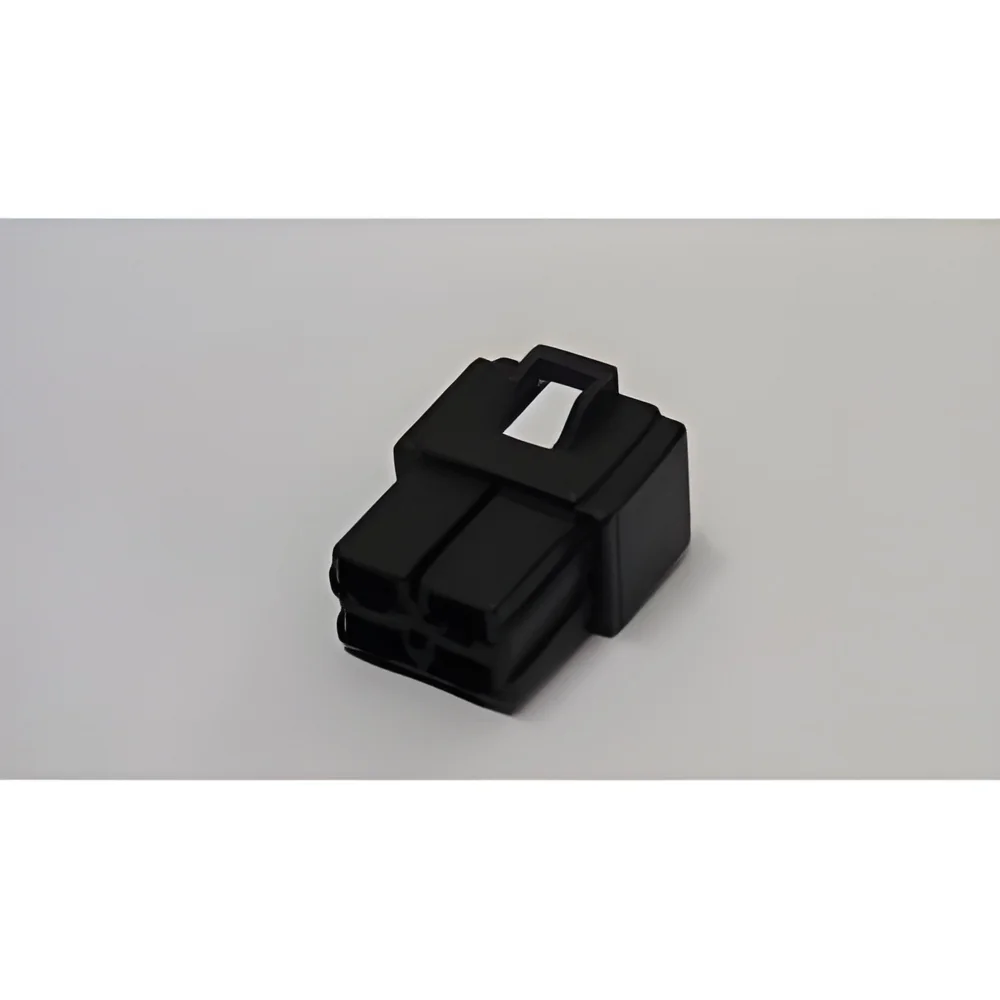
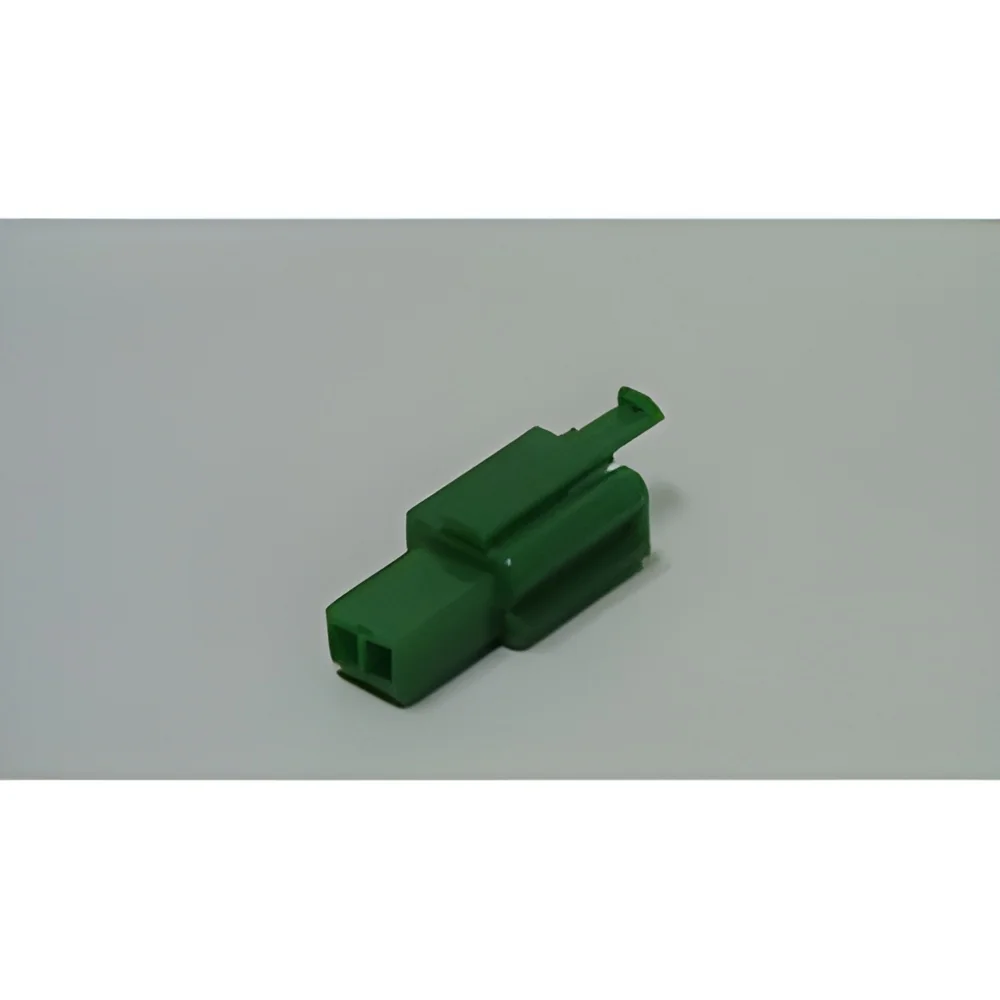
Rectangular Connectors: These connectors are known for their robust design and are often used in industrial applications. They provide a high number of contacts and are ideal for power and signal connections.
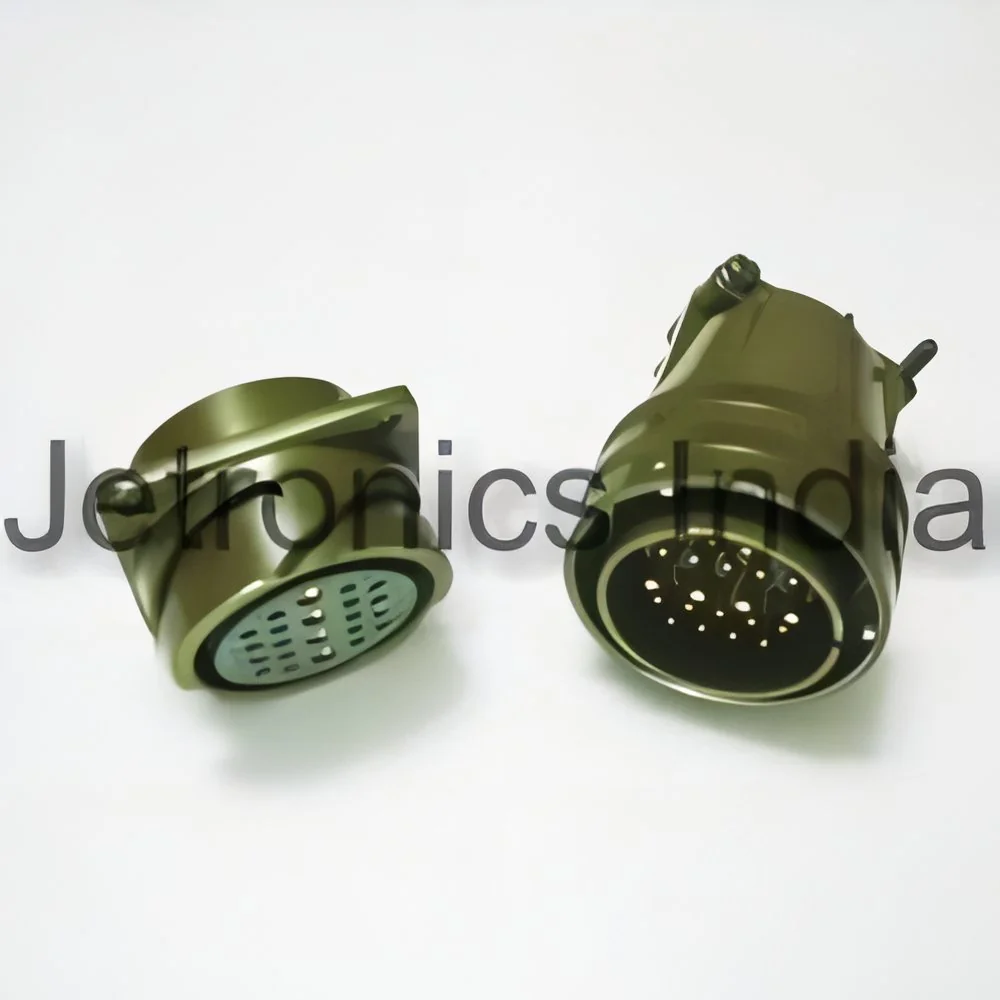
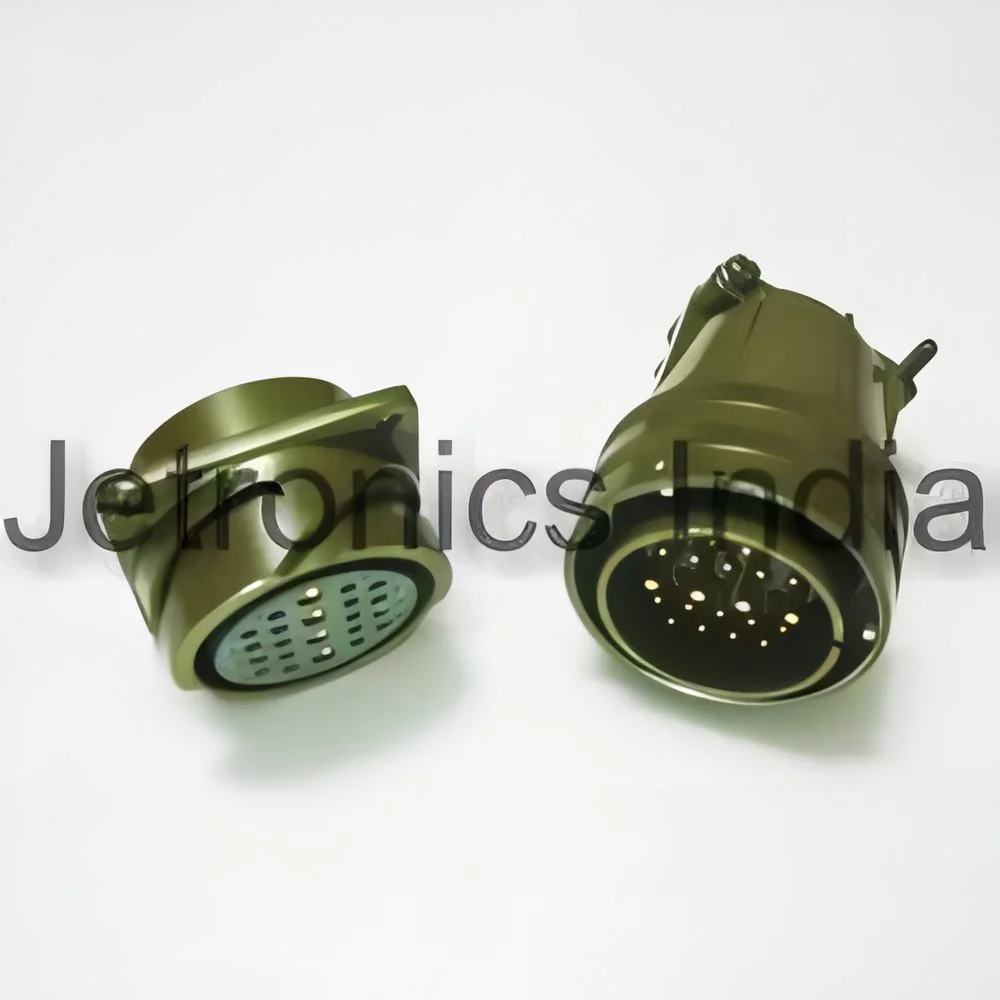
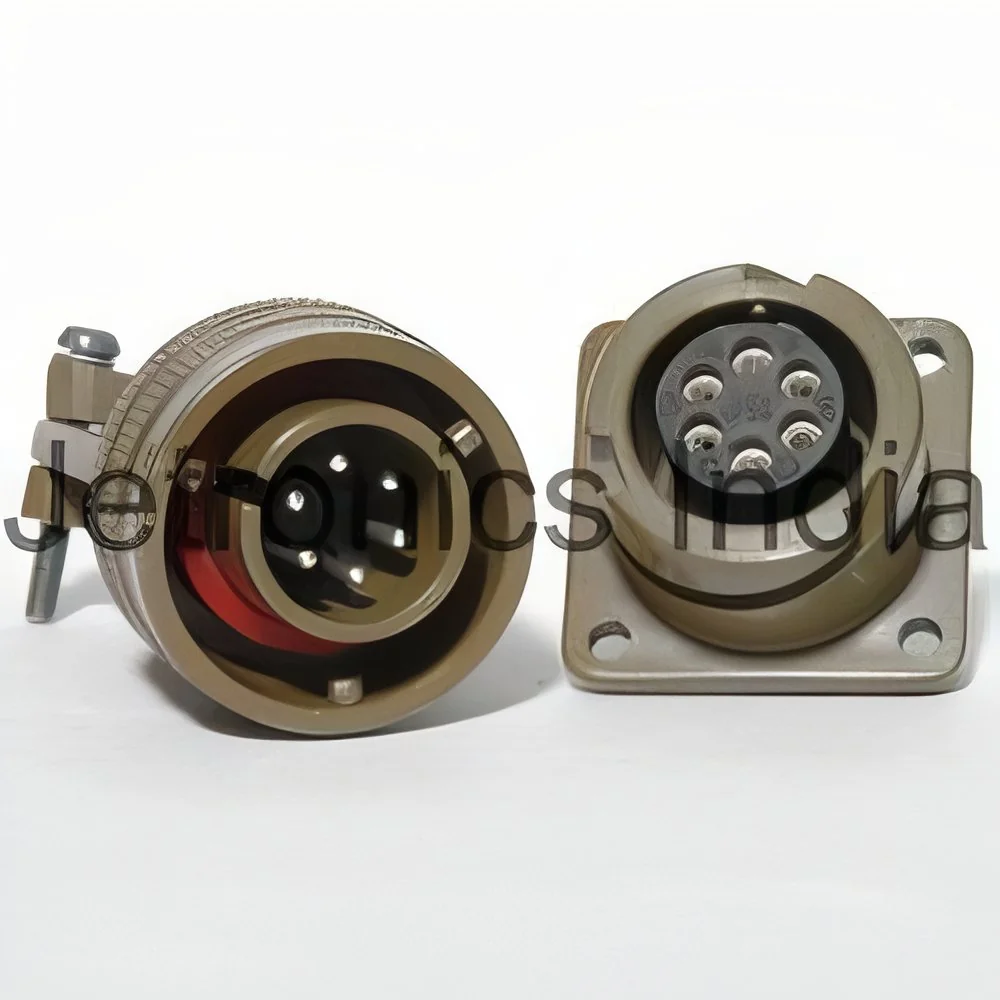
Circular Connectors: Commonly used in military and aerospace applications, circular connectors are designed for secure and reliable connections in harsh environments. Their unique shape allows for easy mating and unmating.
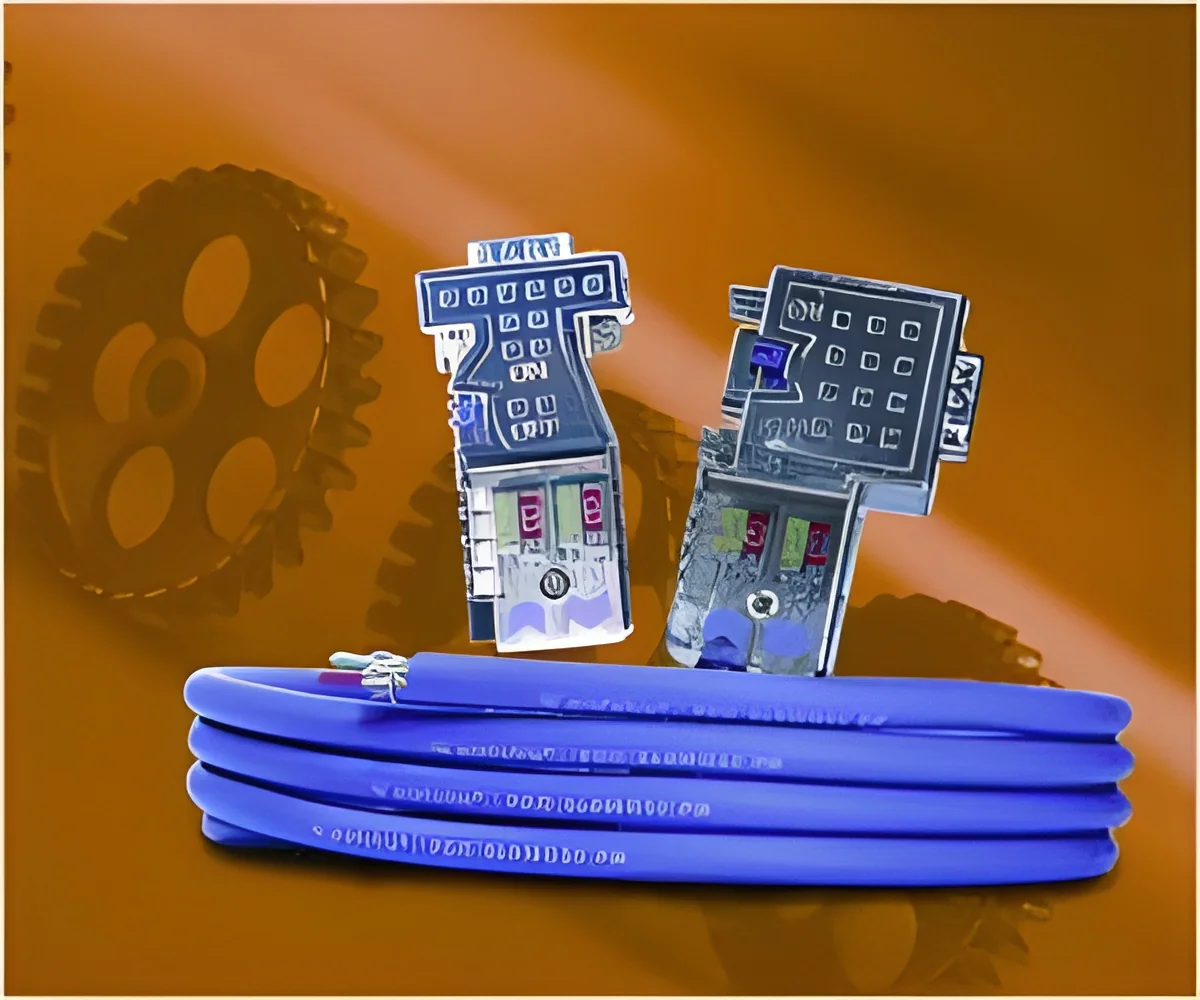
Modular Connectors: These connectors are versatile and can be customized based on specific needs. They are commonly used in telecommunications and data networking applications.
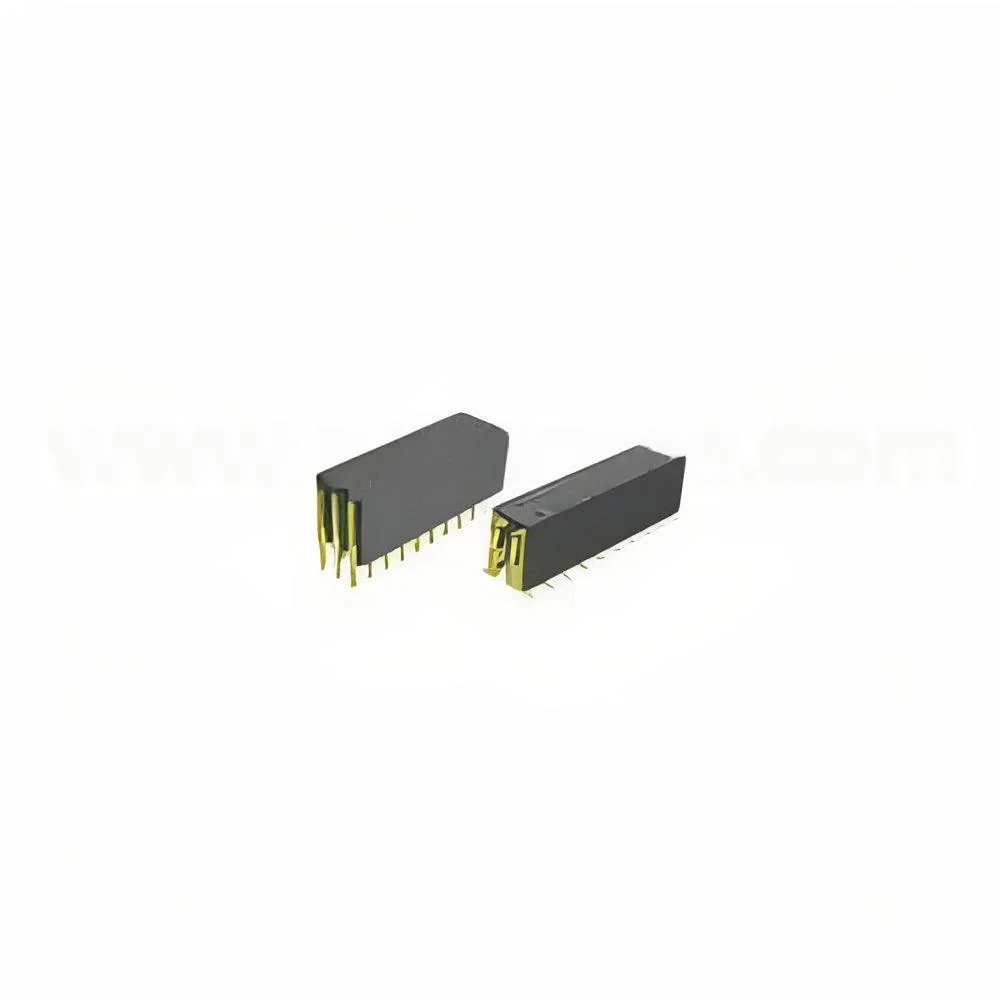
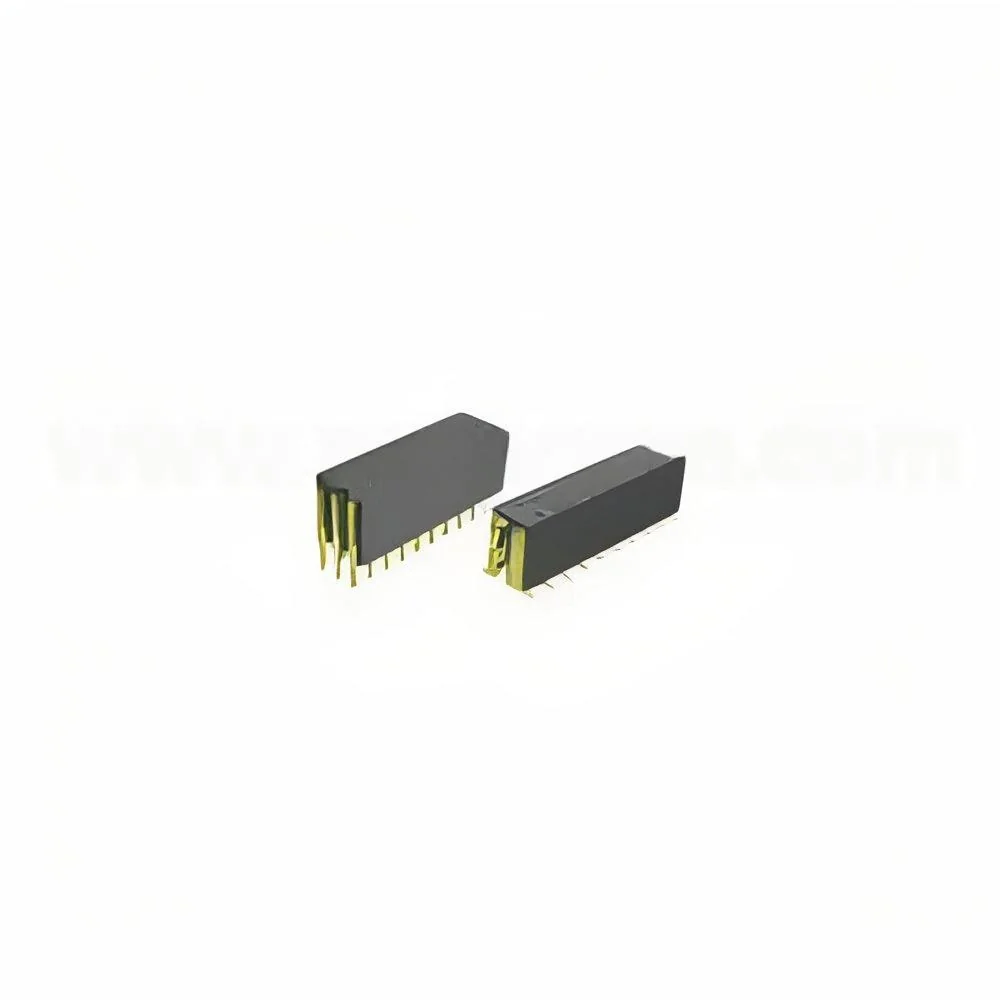
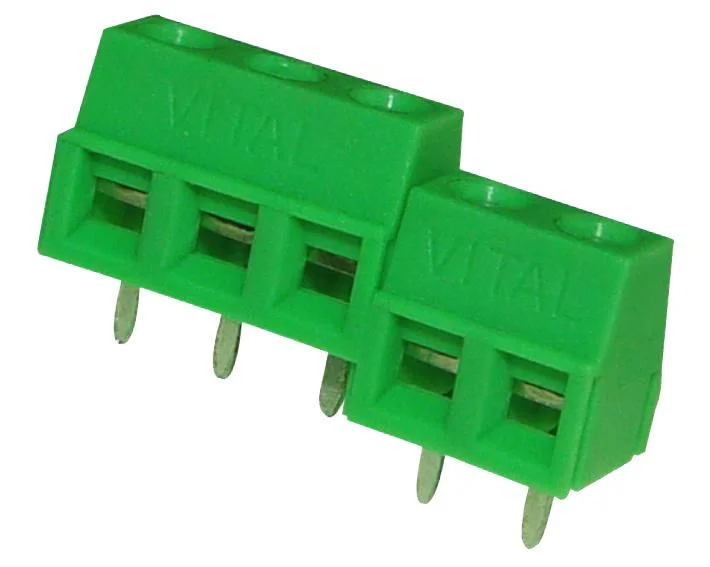
PCB Connectors: Designed for integration onto printed circuit boards, these connectors are critical in electronic devices. They come in various configurations and sizes to fit different circuit designs.
Benefits and Advantages
Sourcing connectors and sockets comes with several key benefits that enhance operational efficiency and reliability.
1. Enhanced Reliability: High-quality connectors ensure stable connections, reducing the risk of failures in critical systems.
2. Improved Safety: Connectors designed with safety features help prevent electrical hazards, enhancing user protection.
3. Versatile Applications: The variety of connectors and sockets allows for use across multiple industries, making them essential components in diverse projects.
4. Cost-Effectiveness: Reliable connectors can reduce maintenance costs and downtime, resulting in long-term savings for businesses.
5. Easy Installation: Many connectors are designed for straightforward installation, saving time and labor costs during setup.
6. Customization Options: Suppliers often offer customizable connectors to meet specific application requirements, enhancing flexibility.
Buying Guide for B2B Buyers
When sourcing connectors and sockets, it is crucial for businesses to consider several factors to ensure a successful purchase.
1. Quality Assessment: Evaluate the quality of connectors and sockets by looking for certifications and industry standards. Quality components are essential for ensuring reliability and safety in applications.
2. Supplier Verification: Vet suppliers to ensure they have a track record of reliability and quality. This can include checking references and customer reviews to confirm their credibility.
3. Pricing and MOQ: Understand the pricing structure and minimum order quantities (MOQ) set by suppliers. This information helps in budgeting and ensuring you can meet your operational needs.
4. Delivery and Lead Times: Consider the logistics involved in sourcing connectors and sockets. Assess delivery times to ensure that components arrive when needed to avoid delays in projects.
5. Compliance Requirements: Ensure that the products meet relevant regulatory and compliance standards for your industry. This is crucial for avoiding legal issues and ensuring safety in operations.
Compliance and Certifications
Connectors and sockets must adhere to various compliance and certification standards to ensure quality and safety. Relevant quality standards include ISO 9001, which outlines the requirements for a quality management system, ensuring consistent quality in products.
Industry certifications such as CE mark demonstrate that connectors and sockets meet European safety, health, and environmental protection requirements. This certification is crucial for businesses operating in or exporting to Europe.
Safety and testing requirements also play a significant role in ensuring that connectors and sockets perform reliably under various conditions. Manufacturers often conduct rigorous testing to verify their products can withstand environmental factors, voltage surges, and mechanical stress.
Regional compliance considerations are essential for businesses operating in multiple jurisdictions. Different regions may have specific regulations that connectors and sockets must meet, underscoring the importance of understanding local compliance requirements before sourcing.
Why Source Connectors & Sockets from Pepagora?
Pepagora is a trusted platform for sourcing connectors and sockets, offering several key advantages to B2B buyers.
Verified Supplier Network: Our platform provides access to a network of verified suppliers who meet stringent quality and reliability standards. This ensures that buyers can trust the products they source.
Streamlined RFQ Process: Pepagora offers a user-friendly request for quotation (RFQ) process, allowing buyers to easily obtain quotes from multiple suppliers. This streamlined approach saves time and enhances decision-making.
Trade Assurance and Support: Buyers benefit from trade assurance features that protect their investments. Our support team is available to assist with inquiries, ensuring a smooth sourcing experience.
Regional Coverage: Pepagora has a broad geographic reach, serving markets in India, the GCC, and Southeast Asia. This regional coverage ensures that businesses can find local suppliers to meet their needs efficiently.

 IN
IN