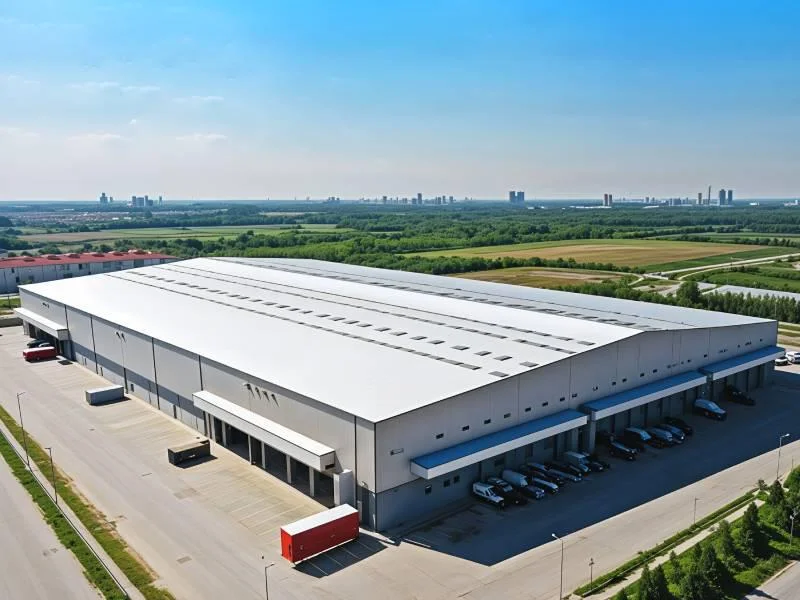
- Industrial Warehouses – Used for manufacturing units, storage facilities, and material handling areas.
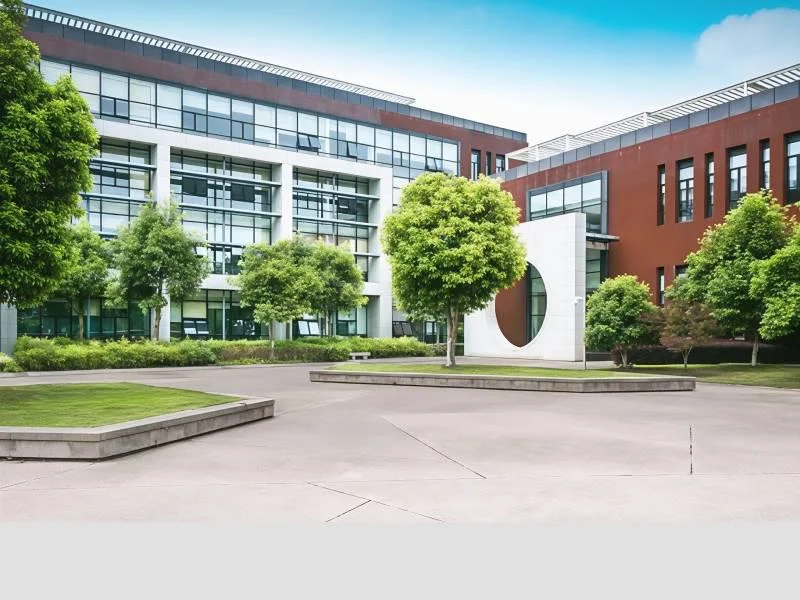
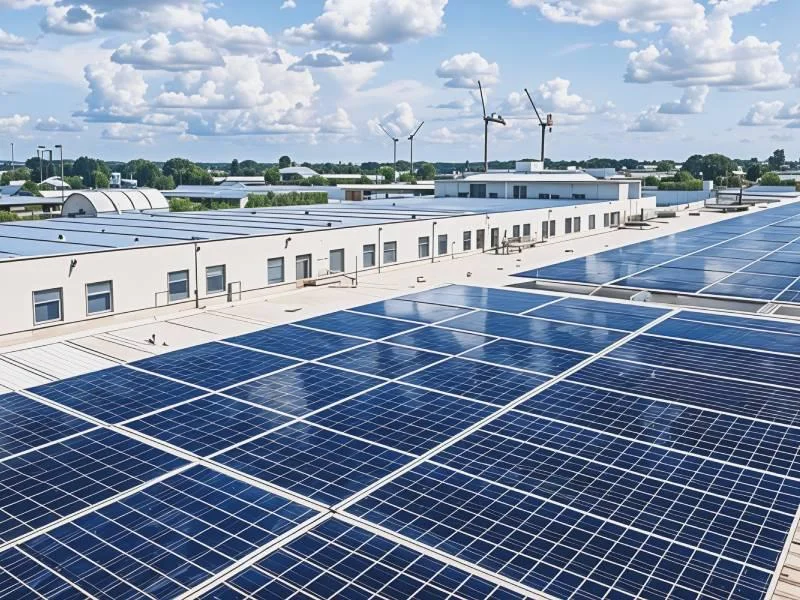
- Commercial Buildings – Suitable for showrooms, offices, retail spaces, and commercial facilities.
- Automotive Industry – Used for vehicle service centers, workshops, assembly areas, and storage facilities.
- Logistics & Distribution – Ideal for distribution centers, inventory storage, and transportation hubs.
- Agriculture Industry – Suitable for farm storage buildings, equipment sheds, and agricultural warehouses.
- Construction & Infrastructure – Used for workshops, project facilities, utility structures, and large-scale infrastructure projects.

 IN
IN₹
Apparel & Fashion
Description
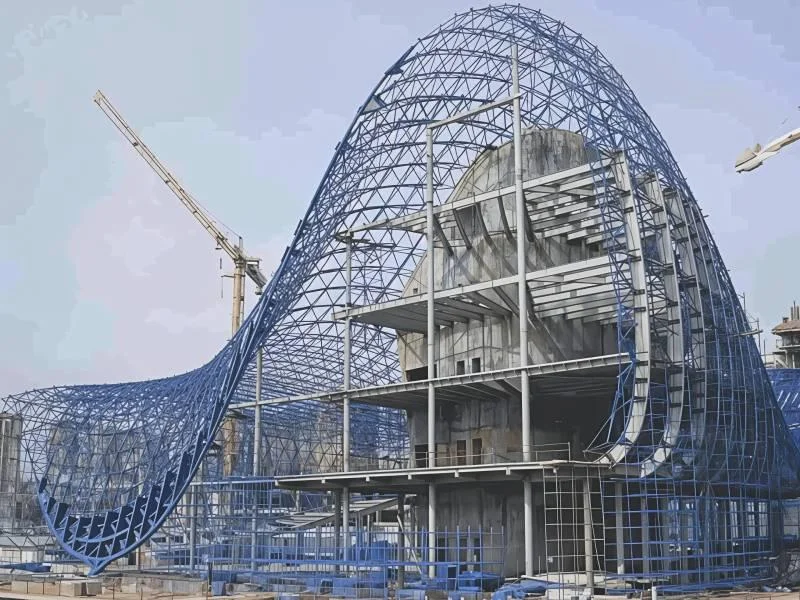
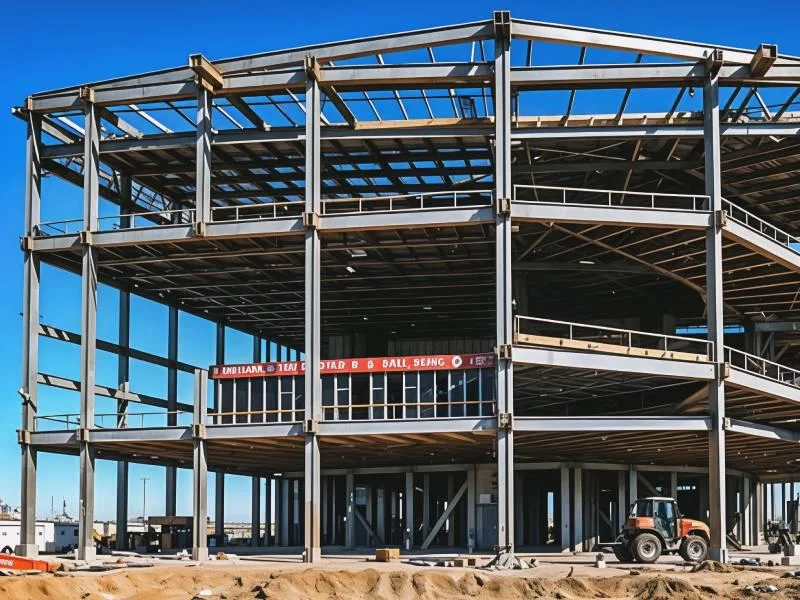
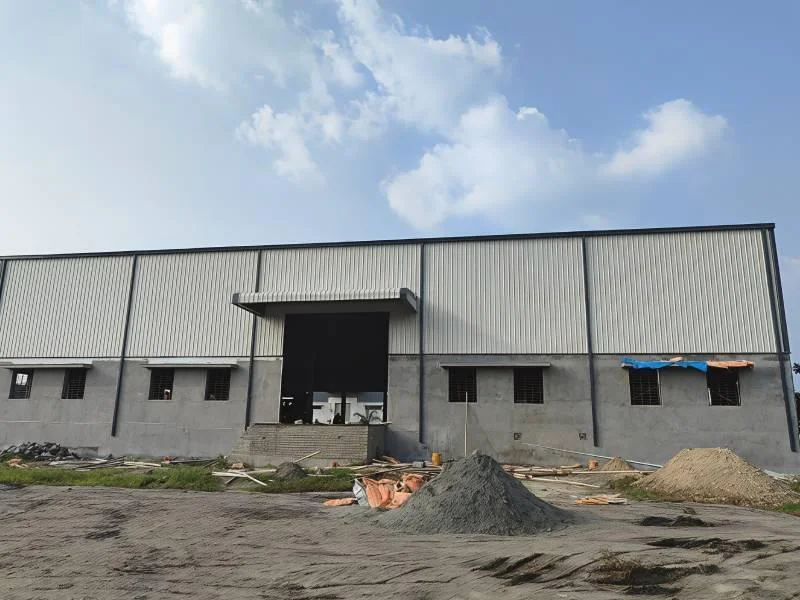
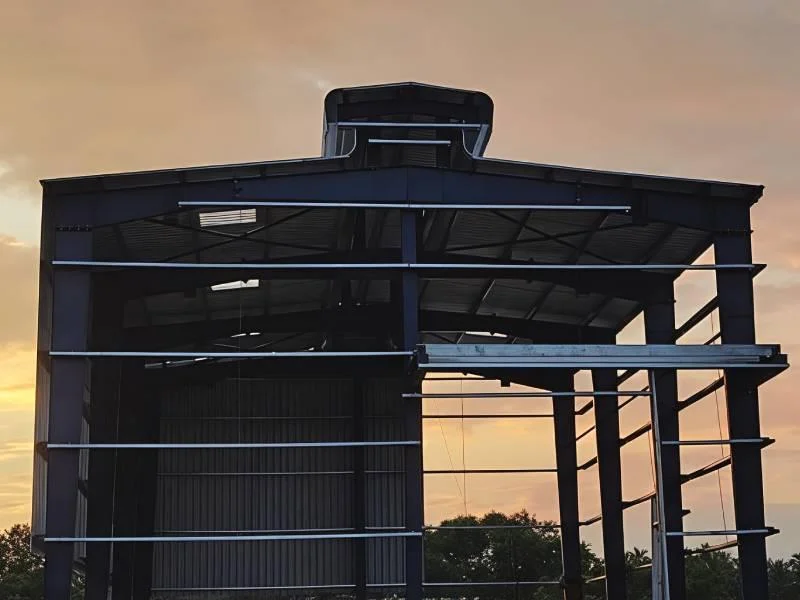
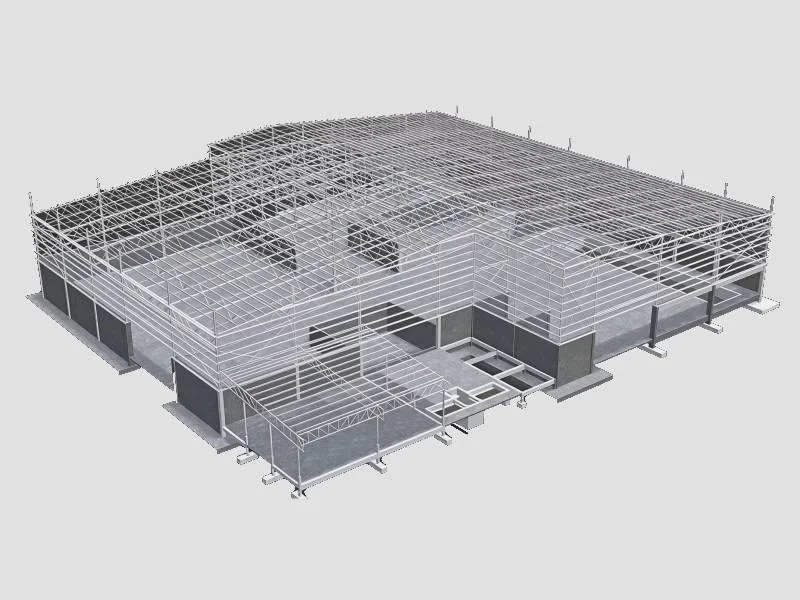
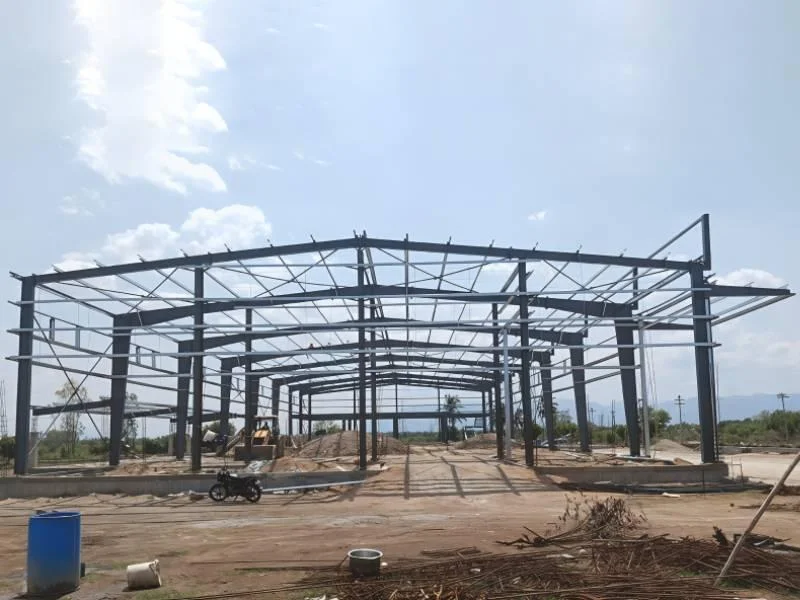
Steel Buildings are strong and reliable structures designed to meet the requirements of industrial, commercial, warehouse, and storage facilities. They are manufactured using quality structural steel that provides excellent strength, stability, and resistance to heavy loads during regular use. These buildings can be designed in different sizes, shapes, layouts, and roof configurations to suit specific project requirements. Their prefabricated and modular construction allows faster installation while helping reduce construction time and labor requirements. The spacious and flexible design provides better utilization of floor area and is suitable for applications requiring large, open, and obstruction-free spaces. With proper surface protection, installation, and maintenance, Steel Buildings offer long-lasting performance and a practical solution for modern construction needs.
Specifications
| Key Attributes | |
|---|---|
| Material | High-strength steel |
| Structure Type | Pre-engineered, rigid frame |
| Roof Type | Insulated steel roof panels |
| Wall Type | Galvanized steel sheet |
| Floor Type | Reinforced concrete |
| Span Length | 15–50 meters |
| Height | 6–12 meters |
| Door Type | Rolling shutter / sliding door |
| Foundation Type | Concrete pad / pile foundation |
| Additional Information | |
|---|---|
| SKU | 1 |
| Country of Origin | India |
Application
Trade Details
| Production Lead Time | 4-7 Days |
| Available Stock | In Stock |
| Production Capacity | 1 sets/ weekly |
| Sample Availability | No |
Payment Terms
| Payment Terms |
|
| Payment Methods |
|
Shipping & Logistics
| Shipping Internationally | No | |
| Methods |
| |
| IncoTerms |
| |
| Dispatch Lead time | Ships in 7 Days |
Company Profile
MRK Roofing, Tamil Nadu
 Tamil Nadu, India
Tamil Nadu, India32 yrs
Manufacturer
Turn Over
₹25 Lakhs – ₹1 Crore
Factory Details
Factory SizeBelow 1000 sqm
Frequently Asked Questions
1
What materials are used in the construction of your steel buildings?
Our steel buildings are constructed using high-quality structural steel, designed to provide durability and long-lasting performance.
2
Can I customize the size and layout of my steel building?
Yes, we offer customization options for sizes and layouts to meet your specific needs. Please contact our sales team for more details.
3
What is the typical delivery time for a steel building order?
The delivery time can vary based on factors such as customization and location, but typically ranges from 4 to 8 weeks after the order is confirmed.
4
Do you offer installation services for your steel buildings?
We do not provide installation services directly; however, we can recommend qualified contractors who specialize in installing steel buildings.
5
Do Steel Buildings require regular maintenance?
They require periodic inspection and maintenance, particularly for protective coatings, joints, fasteners, and structural components.
SKU: 1
Steel Building
Steel Buildings are durable structural solutions designed for industrial, commercial, and storage applications. They provide strong load-bearing performance, flexible design, and efficient construction for various building requirements.
Min. Order Quantity: 1 set
Shipping
Shipping fee and delivery date to be negotiated. Contact supplier now for more details.
Shipping InternationallyNo
Estimated Delivery11 - 14 business days
MRK Roofing Tamil Nadu, India
Tamil Nadu, IndiaManufacturer