
 IN
Patient Registration & Queue Management Systems
9 products available
What are Patient Registration & Queue Management Systems?
Patient Registration & Queue Management Systems are specialized software and hardware solutions designed to streamline the process of patient registration and manage patient flow in healthcare facilities. These systems automate the collection of patient information, allowing for efficient data entry and retrieval. They also facilitate queue management by organizing and prioritizing patient visits, thus enhancing the overall patient experience.
The primary use of these systems is in hospitals, clinics, and other healthcare settings where patient management is critical. By digitizing the registration process, healthcare providers can reduce wait times, minimize administrative errors, and improve patient satisfaction. This technology is particularly relevant in today's fast-paced healthcare environment where efficiency and accuracy are paramount.
The market for Patient Registration & Queue Management Systems is growing as healthcare facilities increasingly adopt technology to enhance their operations. With rising patient volumes and the need for improved patient care, these systems play a vital role in optimizing workflows and ensuring compliance with healthcare regulations. As a result, they are becoming essential tools for healthcare providers looking to improve service delivery and operational efficiency.
Key Features and Specifications
Patient Registration & Queue Management Systems offer a variety of features designed to enhance efficiency and user experience. These features enable healthcare providers to manage patient information and queues effectively.
Key specifications include:
1. User-Friendly Interface
- Intuitive design for easy navigation
- Customizable dashboards for different user roles
2. Data Security
- Compliance with HIPAA and other regulations
- Encryption and secure data storage methods
3. Integration Capabilities
- Compatibility with existing Electronic Health Record (EHR) systems
- APIs for seamless integration with other healthcare applications
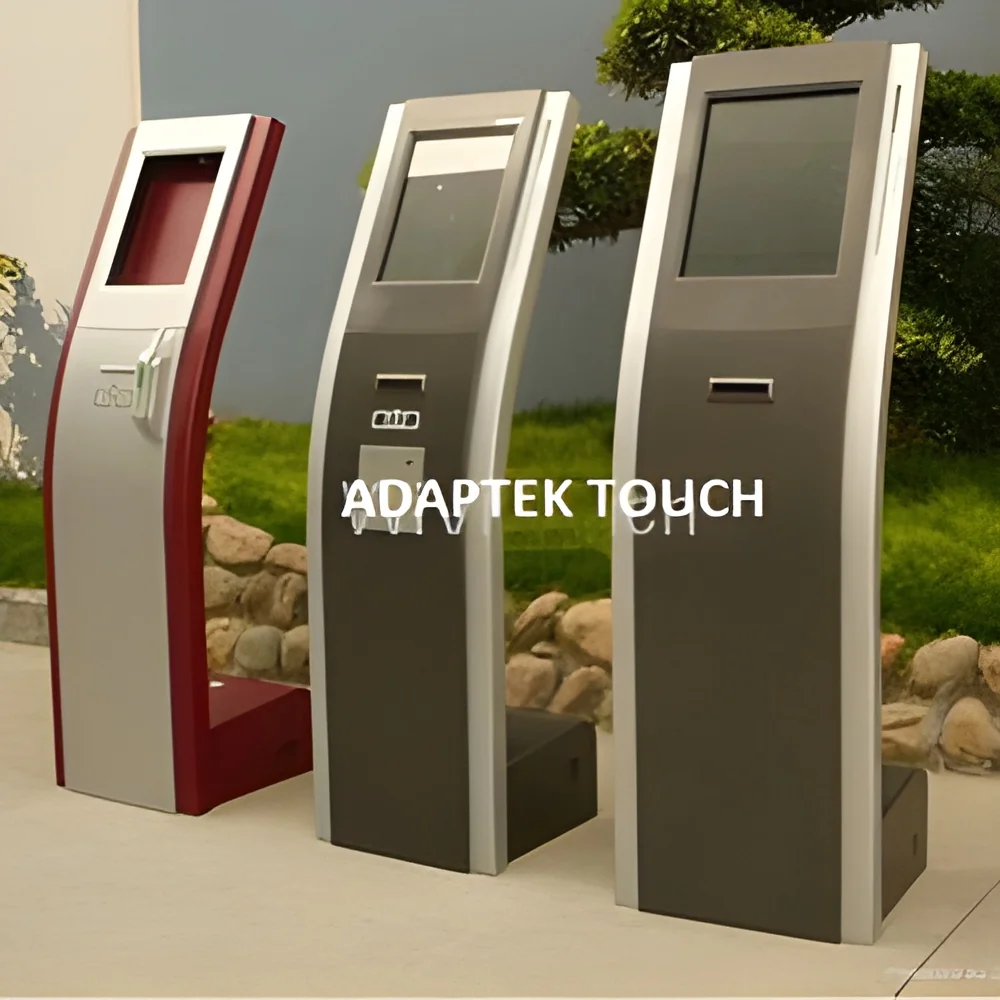
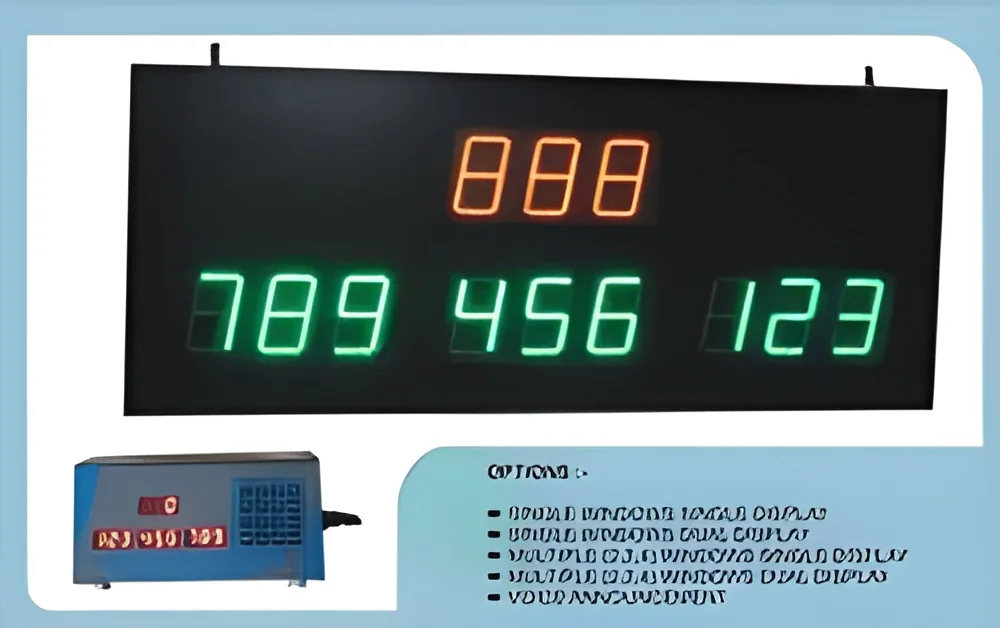
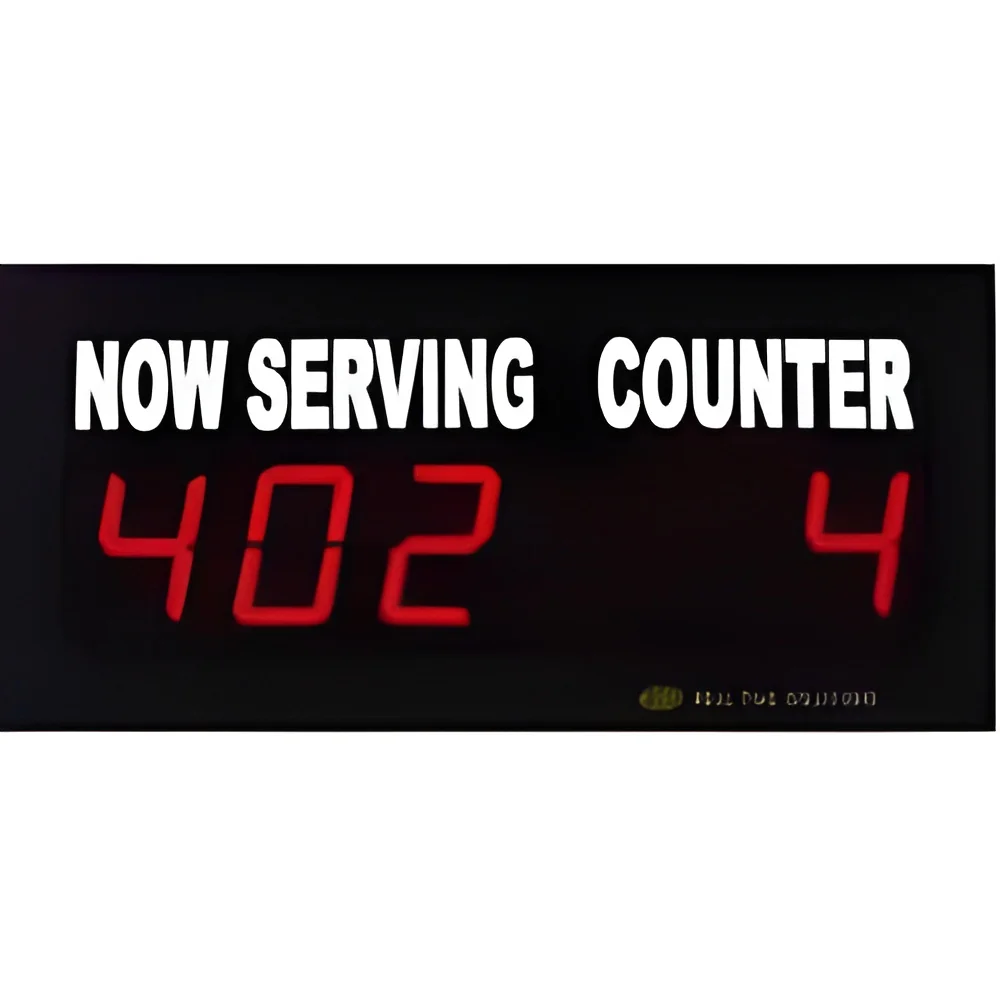
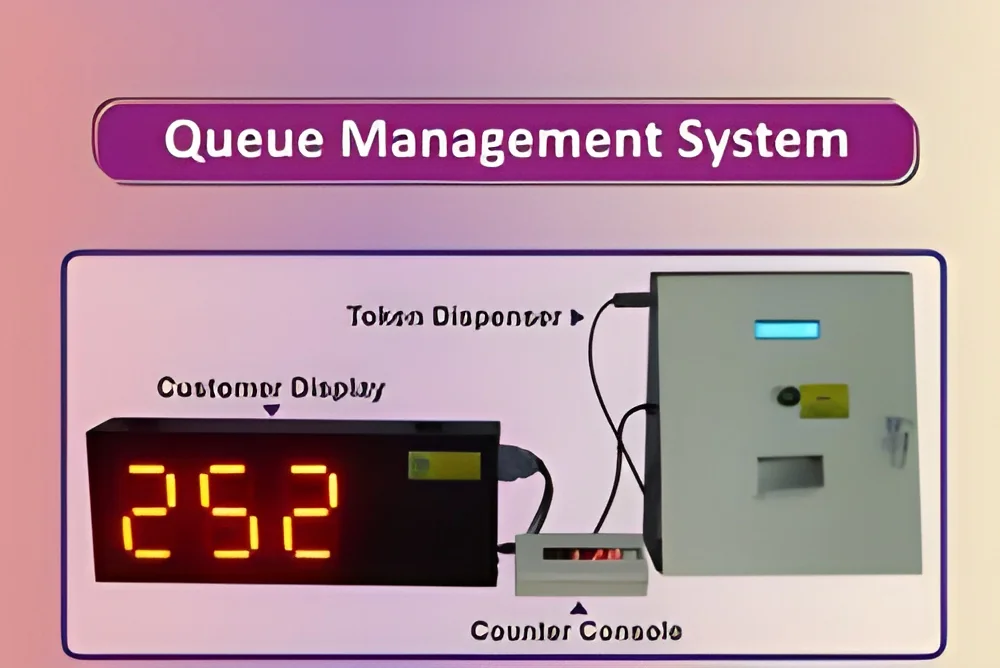
4. Real-Time Queue Management
- Visual displays for patient wait times
- Notifications for staff and patients regarding queue status
5. Appointment Scheduling
- Online booking options for patients
- Automated reminders via SMS or email
6. Reporting and Analytics
- Comprehensive reporting tools
- Data analytics for performance tracking and improvement
7. Multi-Location Support
- Ability to manage multiple clinics or departments
- Centralized database for patient information
8. Mobile Access
- Mobile applications for patient check-in
- Staff access to patient data on-the-go
These specifications illustrate how Patient Registration & Queue Management Systems can significantly improve operational efficiency and patient satisfaction in healthcare facilities.
Common Applications and Use Cases
Patient Registration & Queue Management Systems are utilized across various industries, each with specific applications.
1. Hospitals: These systems help manage large patient volumes, reducing wait times and enhancing patient care through efficient registration and queue management.
2. Clinics: Smaller healthcare facilities benefit from streamlined operations, allowing for improved patient flow and better resource allocation.
3. Urgent Care Centers: Fast-paced environments like urgent care centers utilize these systems to quickly register patients and manage high turnover rates.
4. Dental Offices: Dental practices employ queue management systems to organize patient visits, ensuring timely appointments and reducing patient anxiety.
5. Laboratories: Laboratories use these systems to manage patient samples and ensure accurate tracking of test results.
6. Rehabilitation Centers: These centers benefit from appointment scheduling features, allowing for smooth patient transitions and better management of therapy sessions.
7. Pharmacies: Pharmacies utilize registration systems to streamline the prescription filling process and manage patient interactions efficiently.
Product Variants and Subcategories
Patient Registration & Queue Management Systems offer a range of variants to cater to different healthcare needs.
Cloud-Based Solutions: These systems provide remote access to patient data and can be updated easily. They are ideal for organizations looking for flexibility and scalability without heavy upfront investments.
On-Premise Solutions: These systems are installed directly on a healthcare provider's servers. They offer greater control over data and security but require more maintenance and IT support.
Integrated Systems: These combine patient registration and queue management with other functionalities like billing and EHR. They provide a comprehensive solution for healthcare providers seeking all-in-one management.
Mobile Solutions: Designed for healthcare providers on the move, these systems allow for patient registration and queue management via mobile devices, enhancing convenience and accessibility.
Benefits and Advantages
Implementing Patient Registration & Queue Management Systems offers numerous advantages for healthcare providers.
1. Improved Efficiency: Automation of registration and queue management reduces administrative burdens and allows staff to focus on patient care.
2. Enhanced Patient Experience: Shorter wait times and organized patient flow lead to higher patient satisfaction and loyalty.
3. Increased Accuracy: Digital data entry minimizes the risk of errors associated with manual processes, resulting in better patient outcomes.
4. Better Resource Management: These systems enable healthcare providers to allocate staff and resources more effectively, optimizing operational efficiency.
5. Real-Time Data Access: Instant access to patient information allows staff to make informed decisions quickly, improving overall service delivery.
6. Cost Savings: By streamlining operations, healthcare facilities can lower costs associated with staffing and administrative tasks.
Buying Guide for B2B Buyers
When considering the purchase of Patient Registration & Queue Management Systems, prospective buyers should evaluate several key factors.
1. Quality Assessment: Look for reliable systems that meet industry standards. Review vendor performance history and gather user testimonials to ensure the product's reliability.
2. Supplier Verification: Vet suppliers to confirm their credibility. Check for certifications, customer reviews, and their experience in the healthcare sector.
3. Pricing and MOQ: Understand the pricing structure and minimum order quantities. Compare costs across multiple suppliers to ensure competitive pricing.
4. Delivery and Lead Times: Inquire about shipping options and expected delivery times to align with your operational needs. Ensure suppliers can meet your timelines.
5. Compliance Requirements: Verify that the systems adhere to relevant healthcare regulations and standards such as HIPAA, ensuring patient data protection and safety.
Compliance and Certifications
Patient Registration & Queue Management Systems are subject to various compliance and certification requirements that ensure their quality and safety in healthcare settings.
Relevant quality standards include ISO 9001, which establishes criteria for a quality management system, ensuring that organizations consistently provide products and services that meet customer and regulatory requirements. Additionally, HACCP (Hazard Analysis and Critical Control Points) may be applicable in certain healthcare environments, focusing on food safety and risk management.
Industry certifications such as CE mark are essential for systems sold in the European market, indicating compliance with health, safety, and environmental protection standards.
Safety and testing requirements are crucial, especially for systems that handle sensitive patient data. Regular audits and testing ensure that the systems function correctly and securely.
Finally, regional compliance considerations vary, so it is essential for healthcare providers to understand local regulations and standards applicable to the systems they intend to implement.
Why Source Patient Registration & Queue Management Systems from Pepagora?
Pepagora provides a trusted platform for sourcing Patient Registration & Queue Management Systems, offering several key advantages to buyers.
Verified Supplier Network: Pepagora connects buyers with a network of verified suppliers, ensuring that all listed products meet high-quality standards. This verification process provides peace of mind regarding the reliability of the suppliers.
Streamlined RFQ Process: The platform simplifies the request for quotation process, enabling buyers to receive and compare multiple bids quickly. This efficiency allows for informed purchasing decisions based on comprehensive information.
Trade Assurance and Support: Pepagora offers trade assurance to protect buyers throughout the purchasing process. This includes support for dispute resolution and guarantees that buyers receive the products as described.
Regional Coverage: With a focus on markets in India, the GCC, and Southeast Asia, Pepagora is well-positioned to serve diverse healthcare needs. Buyers can access localized suppliers and products tailored to their specific regional requirements.


 India
 India

 India
 India

Frequently Asked Questions
What are Patient Registration & Queue Management Systems?
Patient Registration & Queue Management Systems are digital solutions designed to streamline the patient registration process and manage waiting times in healthcare facilities. These systems facilitate efficient patient data collection, appointment scheduling, and queue management, enhancing the overall patient experience and operational efficiency.
What are the different types of Patient Registration & Queue Management Systems?
There are various types of Patient Registration & Queue Management Systems, including web-based systems, mobile applications, and on-premise solutions. Each type caters to different needs, such as ease of access, customization options, and integration with existing healthcare management software.
How do I choose the right Patient Registration & Queue Management Systems?
To choose the right Patient Registration & Queue Management System, consider factors such as the size of your healthcare facility, user-friendliness, integration capabilities, and customer support. Additionally, evaluate the system's scalability, features offered, and compliance with healthcare regulations to ensure it meets your specific needs.
What are the standard specifications for Patient Registration & Queue Management Systems?
Standard specifications for Patient Registration & Queue Management Systems typically include user authentication, data encryption, appointment scheduling, and real-time queue management features. Additionally, these systems should support multi-user access and integration with electronic health records (EHR) systems.
What is the price range for Patient Registration & Queue Management Systems?
The price range for Patient Registration & Queue Management Systems varies widely based on features, complexity, and vendor. Generally, systems can cost anywhere from INR 50,000 to several lakhs, depending on customization and support services included.
What quality standards apply to Patient Registration & Queue Management Systems?
Quality standards for Patient Registration & Queue Management Systems include adherence to data security regulations, user interface design standards, and interoperability with other healthcare systems. Compliance with standards set by organizations like ISO and HL7 is also crucial for ensuring reliability and effectiveness.
Where can I find Patient Registration & Queue Management Systems suppliers in India?
You can find Patient Registration & Queue Management Systems suppliers in India through online B2B marketplaces like Pepagora, industry trade shows, and healthcare technology conferences. Conducting online research and seeking recommendations from other healthcare providers can also help identify reputable suppliers.
Can Patient Registration & Queue Management Systems be customized?
Yes, many Patient Registration & Queue Management Systems can be customized to meet the specific needs of healthcare facilities. Customization may include modifying features, user interfaces, and integration capabilities to align with the existing workflows of the organization.
What is the typical minimum order quantity for Patient Registration & Queue Management Systems?
The typical minimum order quantity (MOQ) for Patient Registration & Queue Management Systems can vary by supplier and system type. Generally, some suppliers offer systems on a per-user basis, while others may have a MOQ of 1 unit for software licenses.
What is the typical lead time for Patient Registration & Queue Management Systems?
The typical lead time for Patient Registration & Queue Management Systems can range from a few days to several weeks, depending on the complexity of the system and customization requirements. It is advisable to discuss timelines with suppliers to ensure timely implementation.
Why Businesses Trust Pepagora
Thousands of companies trust Pepagora to source smarter and sell faster
Expand Your Sales Globally

Source Smarter,Grow Faster
