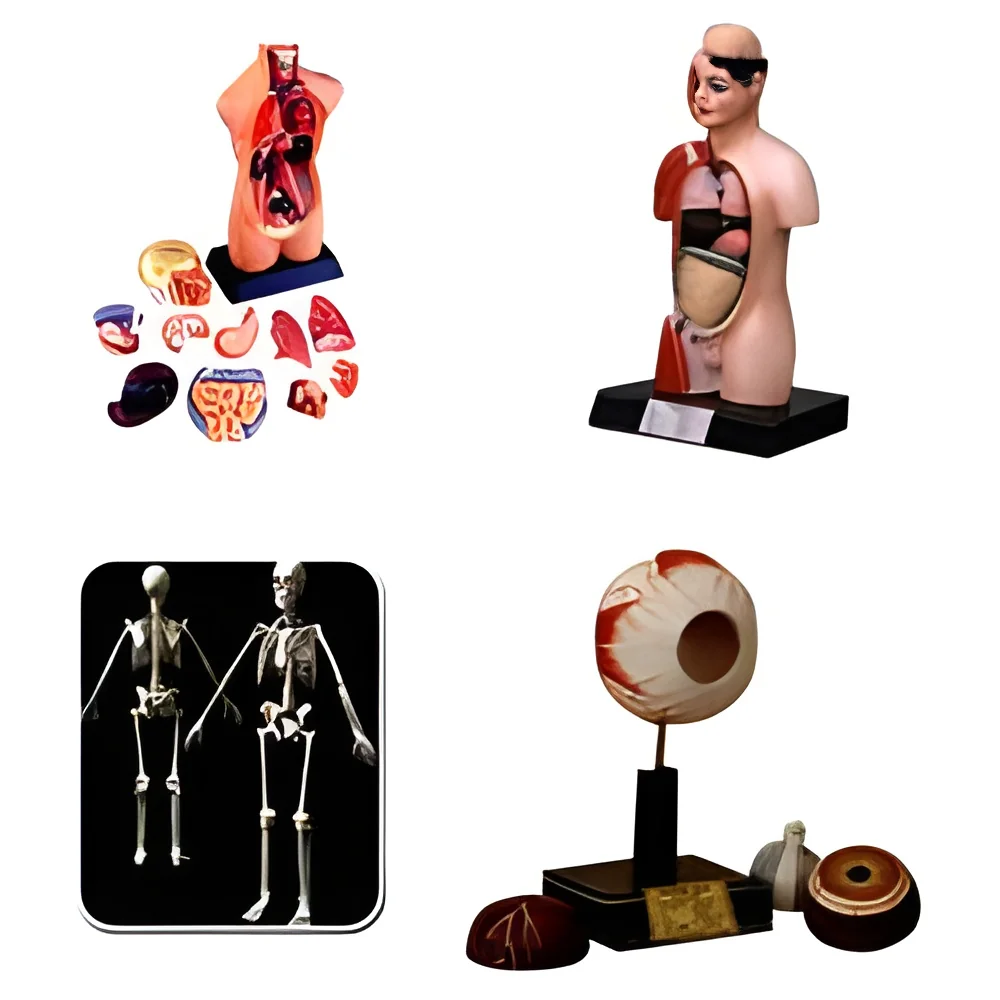
What are 3D Imaging & Reconstruction Tools?
3D Imaging and Reconstruction Tools are advanced technologies that create three-dimensional representations of objects or environments. These tools utilize various imaging techniques, such as laser scanning, photogrammetry, and computed tomography, to capture spatial data. The resulting 3D models provide detailed insights into the geometry and structure of the subject being analyzed.
Businesses across different sectors leverage these tools for numerous applications. In industries such as manufacturing, healthcare, and construction, 3D imaging aids in design, quality control, and visualization. For instance, architects use these tools to create precise models of buildings, while medical professionals utilize them for detailed anatomical imaging. As industries increasingly adopt digital transformation, the market for 3D imaging and reconstruction is expanding rapidly, making it a crucial area for investment.
Key Features and Specifications
3D Imaging and Reconstruction Tools are equipped with various features and specifications that enhance their functionality and usability. These specifications are essential for users to evaluate the tools based on their unique requirements.
Key specifications include:
1. Imaging Technique
- Laser scanning, photogrammetry, or computed tomography
- Varies based on application needs
2. Resolution
- High-resolution imaging for detailed models
- Typically ranges from microns to millimeters
3. Data Output Format
- Compatibility with various file formats like STL, OBJ, and PLY
- Facilitates integration with CAD software
4. Scanning Range
- Maximum distance the tool can effectively capture data
- Ranges from a few centimeters to several hundred meters
5. Software Integration
- Compatibility with software for modeling and analysis
- Important for workflow efficiency
6. User Interface
- Intuitive controls for ease of use
- Often includes both hardware and software controls
7. Portability
- Lightweight and compact design for easy transport
- Important for field applications
8. Battery Life
- Duration of operation on a single charge
- Varies based on usage and model specifications
These features collectively define the performance and effectiveness of 3D Imaging and Reconstruction Tools in various applications.
Common Applications and Use Cases
3D Imaging and Reconstruction Tools find applications in a wide range of industries, showcasing their versatility and effectiveness.
1. Manufacturing: These tools are used for quality assurance and inspection processes. They help in capturing precise measurements of parts, ensuring they meet design specifications.
2. Healthcare: In the medical field, 3D imaging is utilized for planning surgeries and creating custom prosthetics. It allows for detailed visualization of complex anatomical structures.
3. Architecture and Construction: Architects use these tools for designing and presenting building models. They provide accurate representations that aid in client approvals and modifications.
4. Entertainment and Gaming: In the film and gaming industries, 3D reconstruction is essential for creating realistic visual effects and animations.
5. Archaeology: Researchers employ 3D imaging for documenting historical sites and artifacts. It helps in preserving cultural heritage through detailed records.
6. Automotive: Used for reverse engineering and design optimization, these tools help in creating more efficient and innovative vehicle designs.
7. Aerospace: In the aerospace sector, they assist in designing and testing aircraft components, ensuring safety and performance.
Product Variants and Subcategories
The market for 3D Imaging and Reconstruction Tools offers a variety of products tailored to different needs. Although specific subcategories are not available, here are two notable variants.
Portable 3D Scanners
These scanners are designed for field applications, allowing users to capture data on-site. They are lightweight and often battery-operated, making them ideal for quick assessments and inspections.
Desktop 3D Scanners
These are more suited for controlled environments. Desktop models typically offer higher resolution and precision, making them suitable for detailed modeling and design work.
Benefits and Advantages
Investing in 3D Imaging and Reconstruction Tools brings numerous advantages to businesses seeking to enhance their operational efficiency.
1. Improved Accuracy: These tools provide highly accurate 3D models, reducing errors in design and manufacturing processes.
2. Enhanced Visualization: Users can visualize complex structures in three dimensions, aiding in better decision-making and planning.
3. Streamlined Workflows: Integration with CAD software and other tools facilitates a more efficient workflow, saving time and resources.
4. Cost-Effective Prototyping: Rapid prototyping capabilities allow businesses to test designs quickly and economically.
5. Increased Collaboration: 3D models can be shared easily among team members, improving communication and collaboration.
6. Versatile Applications: The tools can be used across various industries, making them a valuable asset for diverse business needs.
Buying Guide for B2B Buyers
When sourcing 3D Imaging and Reconstruction Tools, it is essential for B2B buyers to consider several key factors to ensure they make informed purchases.
1. Quality Assessment: Evaluate the quality of the imaging tools by reviewing specifications and user reviews. Look for reputable manufacturers with a proven track record.
2. Supplier Verification: Vet potential suppliers by checking their credentials and certifications. Ensure they have a history of reliable service and product quality.
3. Pricing and MOQ: Consider the pricing structure of the tools and the minimum order quantities (MOQ). Ensure that the costs align with your budget while taking into account the features offered.
4. Delivery and Lead Times: Assess the suppliers' delivery capabilities. Understand their lead times to ensure timely receipt of the tools for your projects.
5. Compliance Requirements: Be aware of relevant regulatory standards and certifications required for 3D imaging tools in your region. Confirm that the products meet these compliance needs.
Compliance and Certifications
3D Imaging and Reconstruction Tools must adhere to various quality standards and certifications to ensure safety and performance. Relevant quality standards include ISO 9001, which emphasizes quality management systems, and HACCP for risk management in specific applications.
Many tools also carry industry certifications, such as the CE mark, indicating compliance with European health, safety, and environmental protection standards. Additionally, safety and testing requirements are critical, particularly in sectors like healthcare and aerospace. Regional compliance considerations may vary, so it is essential for buyers to understand the specific regulations applicable in their market. Adhering to these standards ensures that the tools are reliable and effective.
Why Source 3D Imaging & Reconstruction Tools from Pepagora?
Pepagora offers a trusted platform for sourcing 3D Imaging and Reconstruction Tools, providing several key advantages for B2B buyers.
Verified Supplier Network: Pepagora has established a network of verified suppliers, ensuring that buyers can access reliable and high-quality products. This reduces the risks associated with sourcing from unverified vendors.
Streamlined RFQ Process: The platform features a streamlined Request for Quotation (RFQ) process, making it easy for buyers to request quotes from multiple suppliers. This saves time and enhances the procurement experience.
Trade Assurance and Support: Buyers benefit from trade assurance and support, which provides added protection throughout the purchasing process. This includes assistance with negotiations and ensuring satisfactory transactions.
Regional Coverage: Pepagora has a broad geographic reach, covering regions such as India, the GCC, and Southeast Asia. This enables buyers to connect with suppliers in their local markets, facilitating smoother transactions and logistics.
Through these advantages, Pepagora positions itself as a valuable resource for businesses seeking high-quality 3D Imaging and Reconstruction Tools.

 IN
IN