
 IN
AI-Powered Image Diagnostics
1 products available
What are AI-Powered Image Diagnostics?
AI-Powered Image Diagnostics refers to advanced technology that utilizes artificial intelligence algorithms to analyze and interpret images. This innovation allows for rapid and accurate diagnosis across various fields, especially in medical imaging and industrial inspections. By leveraging machine learning and deep learning techniques, these systems can identify patterns and anomalies that may be imperceptible to the human eye.
The primary applications of AI-Powered Image Diagnostics include healthcare, where it assists in identifying diseases through radiology images, pathology slides, and other medical visuals. Additionally, it is used in manufacturing and quality control to detect defects in products and materials. This technology is increasingly relevant as industries strive for higher levels of efficiency and accuracy, driving demand for solutions that can lower costs and improve outcomes.
The market for AI-Powered Image Diagnostics is expanding rapidly, driven by advancements in AI technologies and an increasing need for precise diagnostics across sectors. Organizations are adopting these solutions to enhance operational efficiency and reduce error rates, making AI-Powered Image Diagnostics a critical component in modern industrial and healthcare ecosystems.
Key Features and Specifications
AI-Powered Image Diagnostics comes equipped with numerous features designed to enhance diagnostic accuracy and efficiency. These features are fundamental for businesses seeking to improve their operational capabilities and decision-making processes.
Key specifications include:
1. Image Analysis Speed
- Rapid processing times, often in real-time
- Capable of analyzing thousands of images per hour
2. Diagnostic Accuracy
- High sensitivity and specificity rates
- Reduces false positives and negatives significantly
3. User Interface
- Intuitive design for easy navigation
- Customizable dashboards for different user needs
4. Integration Capabilities
- Compatible with existing imaging systems
- Supports various file formats for seamless data exchange
5. Scalability
- Easily adaptable for different operational scales
- Supports multiple concurrent users
6. Data Security
- Robust encryption measures
- Compliance with healthcare and data protection regulations
In summary, these specifications make AI-Powered Image Diagnostics a versatile and powerful tool for various industries, enhancing the quality and speed of image analysis.
Common Applications and Use Cases
AI-Powered Image Diagnostics is versatile and finds numerous applications across several industries.
1. Healthcare: In medical settings, these diagnostics are utilized for analyzing X-rays, MRIs, and CT scans. They play a crucial role in early disease detection and treatment planning.
2. Manufacturing: Used in quality control processes, AI systems can identify defects in products, ensuring only high-quality items reach the market.
3. Agriculture: These diagnostics help in crop monitoring by analyzing images of plants and soil, allowing for precise assessments of health and growth.
4. Security: In surveillance, AI diagnostics can analyze video feeds to detect unusual behaviors or security breaches in real-time.
5. Automotive: Employed in vehicle inspections, AI diagnostics assess structural integrity and safety features, enhancing overall vehicle reliability.
6. Retail: Used for inventory management, AI systems analyze images to track stock levels and product placement efficiently.
7. Environmental Monitoring: These diagnostics assist in analyzing satellite images for environmental changes, helping in conservation efforts and urban planning.
Product Variants and Subcategories
AI-Powered Image Diagnostics offers a range of variants tailored to specific industry needs, enhancing their versatility and effectiveness.
Standard Variant
This variant is designed to meet general diagnostic needs across various sectors. It includes core features for image analysis and reporting, making it suitable for healthcare facilities and manufacturing plants.
Advanced Variant
The advanced version incorporates additional machine learning capabilities, enabling deeper insights and predictive analytics. It is ideal for organizations requiring sophisticated diagnostic tools for research and high-volume analysis.
Custom Variant
This variant allows for customization based on unique business requirements. Clients can request specific features or integrations, making it suitable for specialized applications in niche markets.
Benefits and Advantages
AI-Powered Image Diagnostics offers several significant benefits to businesses seeking to enhance their operational efficiency.
1. Improved Accuracy: The technology minimizes human error, leading to more reliable diagnostic outcomes and better decision-making.
2. Cost Efficiency: By automating image analysis, companies can reduce labor costs and increase throughput without sacrificing quality.
3. Faster Diagnostics: Rapid processing times enable quicker decision-making, which is vital in critical situations, especially in healthcare.
4. Enhanced Data Insights: The integration of AI allows for deeper analysis and pattern recognition, providing users with valuable insights.
5. Scalability: These systems can grow with your business, accommodating increased workloads without requiring significant additional investment.
6. Compliance Support: Many AI-Powered Image Diagnostics solutions are designed to meet industry regulations, aiding in compliance and reducing legal risks.
Buying Guide for B2B Buyers
When sourcing AI-Powered Image Diagnostics, it is essential to evaluate several key factors to ensure the best choice for your organization.
1. Quality Assessment: Look for systems with proven accuracy and reliability. Check for independent validation studies and customer testimonials to gauge performance.
2. Supplier Verification: Conduct thorough checks on potential suppliers to ensure they meet industry standards and have a solid reputation for quality and support.
3. Pricing and MOQ: Understand the pricing structure and minimum order quantities. Ensure that the costs align with your budget while considering long-term value.
4. Delivery and Lead Times: Inquire about logistics and lead times for delivery, ensuring that the supplier can meet your operational deadlines.
5. Compliance Requirements: Verify that the product meets relevant regulatory standards and certifications, particularly in sensitive sectors like healthcare.
Compliance and Certifications
AI-Powered Image Diagnostics must adhere to various compliance and certification standards to ensure quality and safety. Relevant quality standards include ISO 9001, which establishes criteria for quality management systems, ensuring consistent product quality.
In addition, certifications such as CE indicate compliance with European health, safety, and environmental protection standards, making them suitable for use in the European market.
Safety and testing requirements are paramount, especially in healthcare applications where diagnostic accuracy can impact patient outcomes. Companies must also consider regional compliance, as different countries may have specific regulations governing medical devices and diagnostic tools.
Why Source AI-Powered Image Diagnostics from Pepagora?
Pepagora provides a trusted platform for sourcing AI-Powered Image Diagnostics with several key advantages.
Verified Supplier Network: Pepagora ensures that all suppliers are thoroughly vetted, providing buyers with confidence in the quality and reliability of the products offered.
Streamlined RFQ Process: The platform features an efficient request for quotation (RFQ) system, allowing buyers to easily compare options and make informed purchasing decisions.
Trade Assurance and Support: Buyers benefit from trade assurance measures, which protect their purchases and provide support throughout the transaction process.
Regional Coverage: Pepagora’s geographic reach encompasses India, the GCC, and Southeast Asia, making it an ideal partner for businesses seeking to expand their diagnostic capabilities in diverse markets.

Frequently Asked Questions
What are AI-Powered Image Diagnostics?
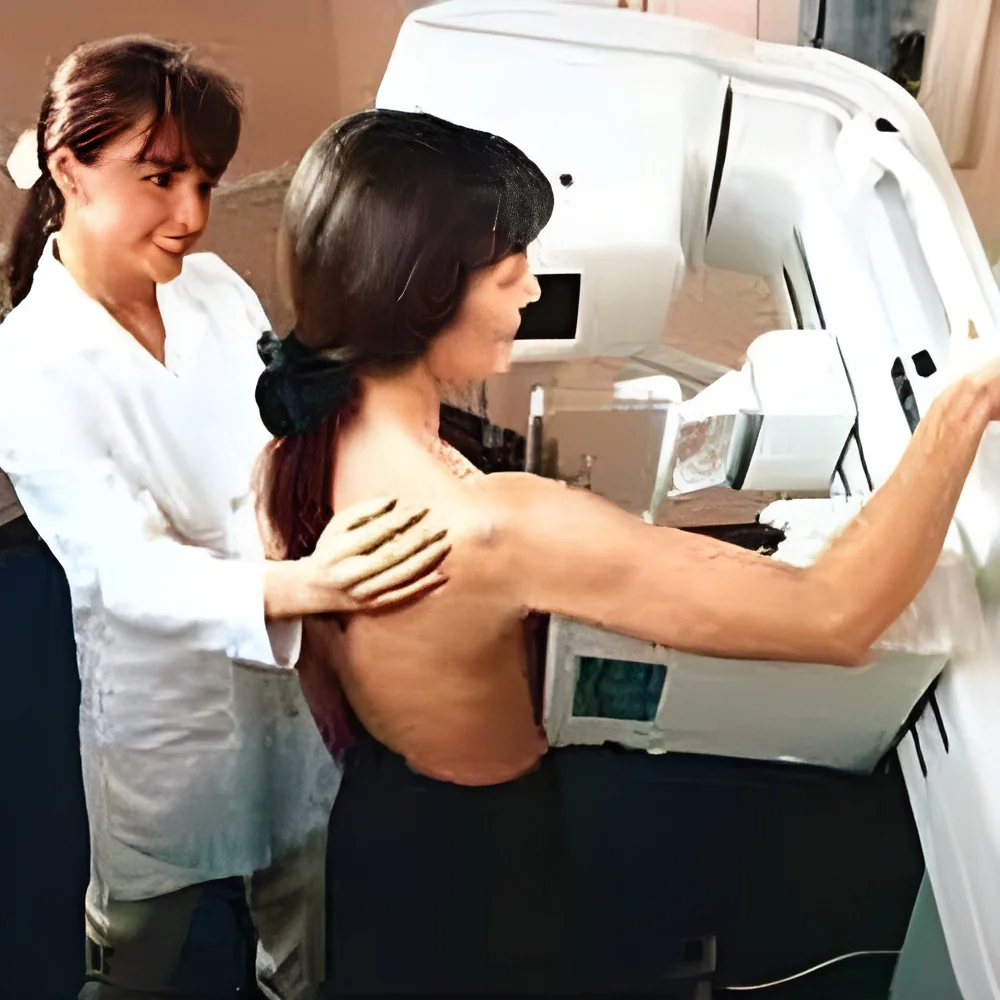
AI-Powered Image Diagnostics refers to the use of artificial intelligence technologies to analyze and interpret medical images, such as X-rays, MRIs, and CT scans. These systems enhance diagnostic accuracy by identifying patterns and anomalies that may be missed by human eyes.
What are the different types of AI-Powered Image Diagnostics?
The different types of AI-Powered Image Diagnostics include image segmentation, disease classification, and automated reporting tools. Each type serves specific purposes, such as isolating areas of interest in an image or categorizing findings based on established medical criteria.
How do I choose the right AI-Powered Image Diagnostics?
To choose the right AI-Powered Image Diagnostics, consider factors such as the specific medical imaging needs, compatibility with existing systems, and the level of accuracy required. Additionally, reviewing user feedback and comparing features from various suppliers can help in making an informed decision.
What are the standard specifications for AI-Powered Image Diagnostics?
Standard specifications for AI-Powered Image Diagnostics typically include image resolution, processing speed, and compatibility with various medical imaging formats. Additionally, the algorithms used for analysis and the system's ability to integrate with electronic health records are important specifications to consider.
What is the price range for AI-Powered Image Diagnostics?
The price range for AI-Powered Image Diagnostics can vary significantly based on the technology, features, and supplier. Generally, prices can range from a few thousand to several lakhs of Indian Rupees, depending on the complexity and capabilities of the system.
What quality standards apply to AI-Powered Image Diagnostics?
AI-Powered Image Diagnostics must adhere to various quality standards, including ISO certifications and regulatory approvals from health authorities. These standards ensure that the diagnostic tools are reliable, safe, and effective for clinical use.
Where can I find AI-Powered Image Diagnostics suppliers in India?
You can find AI-Powered Image Diagnostics suppliers in India through B2B marketplaces like Pepagora, industry trade shows, and medical technology directories. Additionally, online searches and networking within medical and technology forums can yield useful supplier contacts.
Can AI-Powered Image Diagnostics be customized?
Yes, many AI-Powered Image Diagnostics solutions can be customized to meet specific clinical needs or integrate with existing healthcare systems. Customization options may include feature adjustments, user interface modifications, and tailored reporting capabilities.
What is the typical minimum order quantity for AI-Powered Image Diagnostics?
The typical minimum order quantity (MOQ) for AI-Powered Image Diagnostics can vary by supplier and product type. Generally, MOQs can range from one unit for advanced systems to larger quantities for bulk purchases, depending on the manufacturer's policies.
What is the typical lead time for AI-Powered Image Diagnostics?
The typical lead time for AI-Powered Image Diagnostics can range from a few weeks to several months, depending on the complexity of the system and the supplier's production capacity. It's advisable to confirm lead times with the supplier during the purchasing process.
Why Businesses Trust Pepagora
Thousands of companies trust Pepagora to source smarter and sell faster
Expand Your Sales Globally

Source Smarter,Grow Faster
