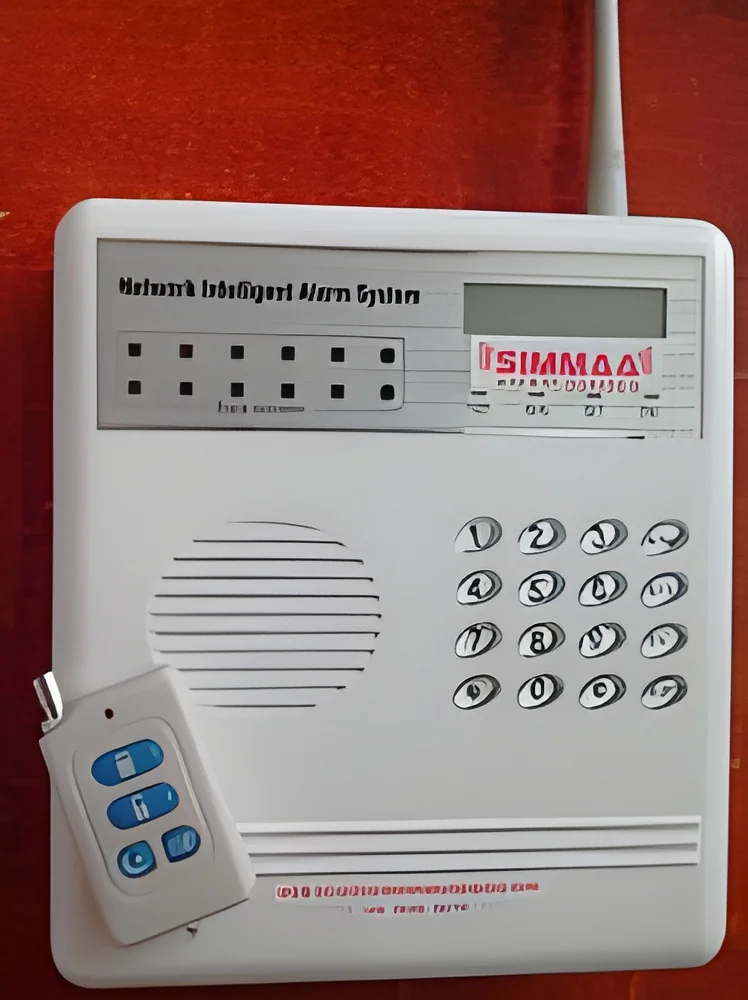
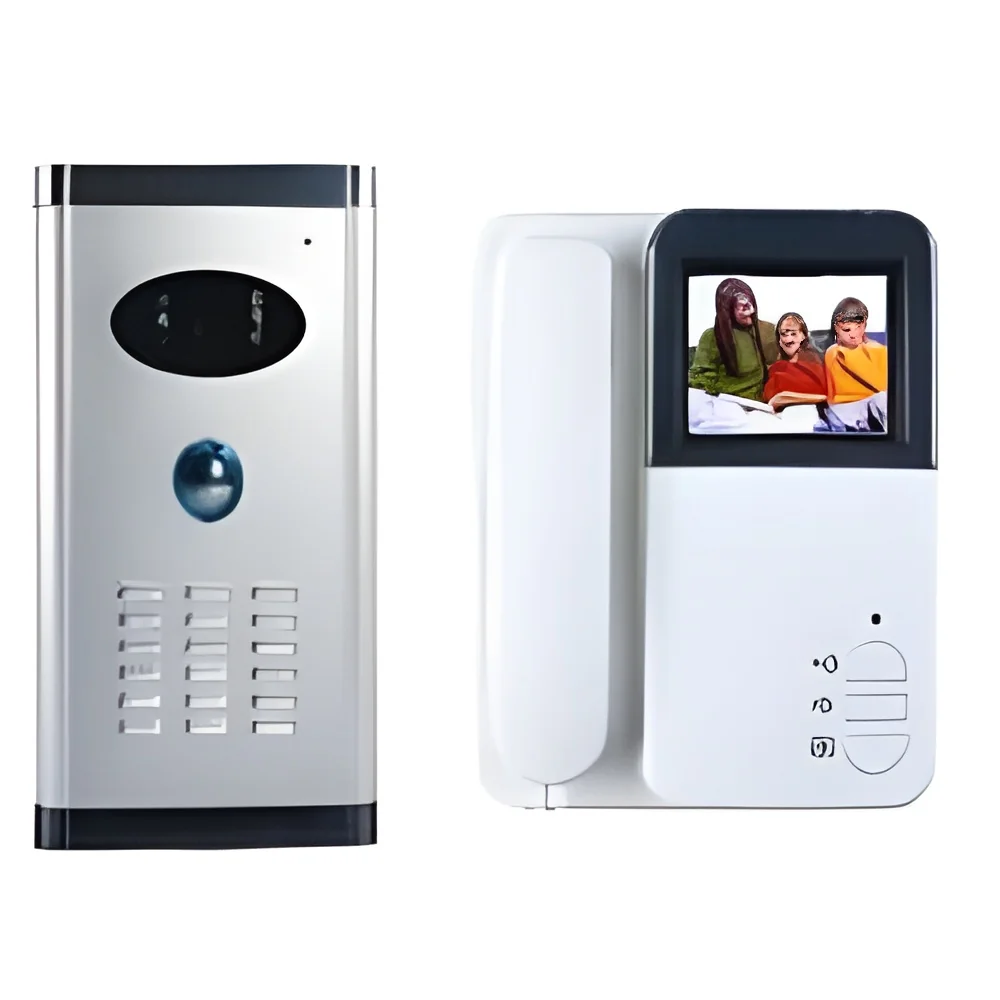
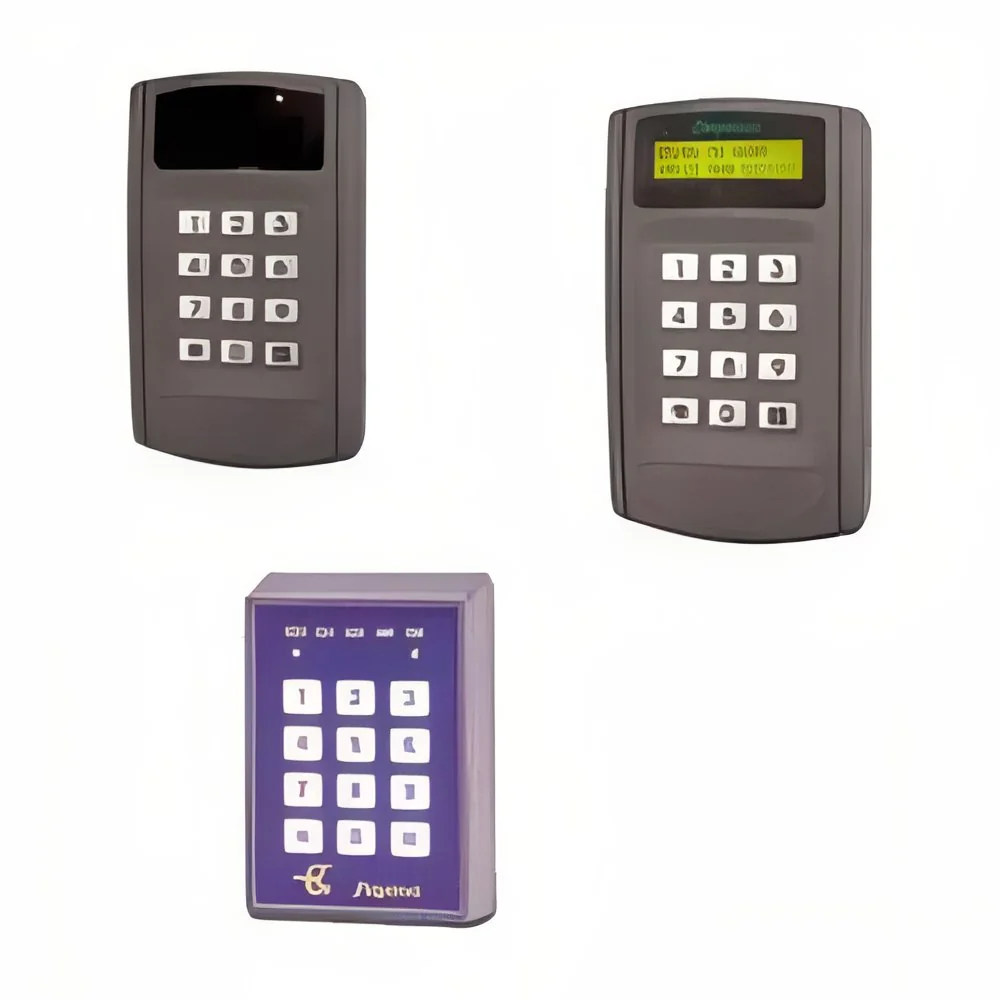
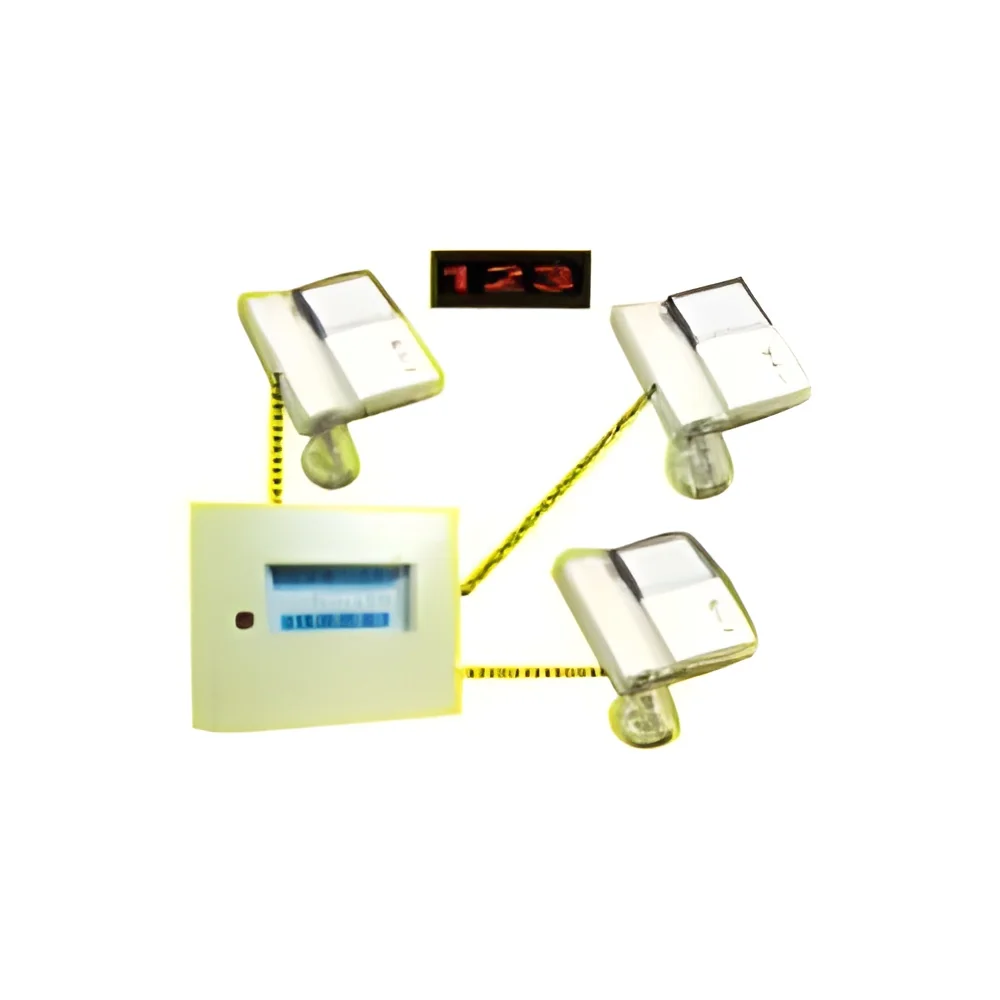
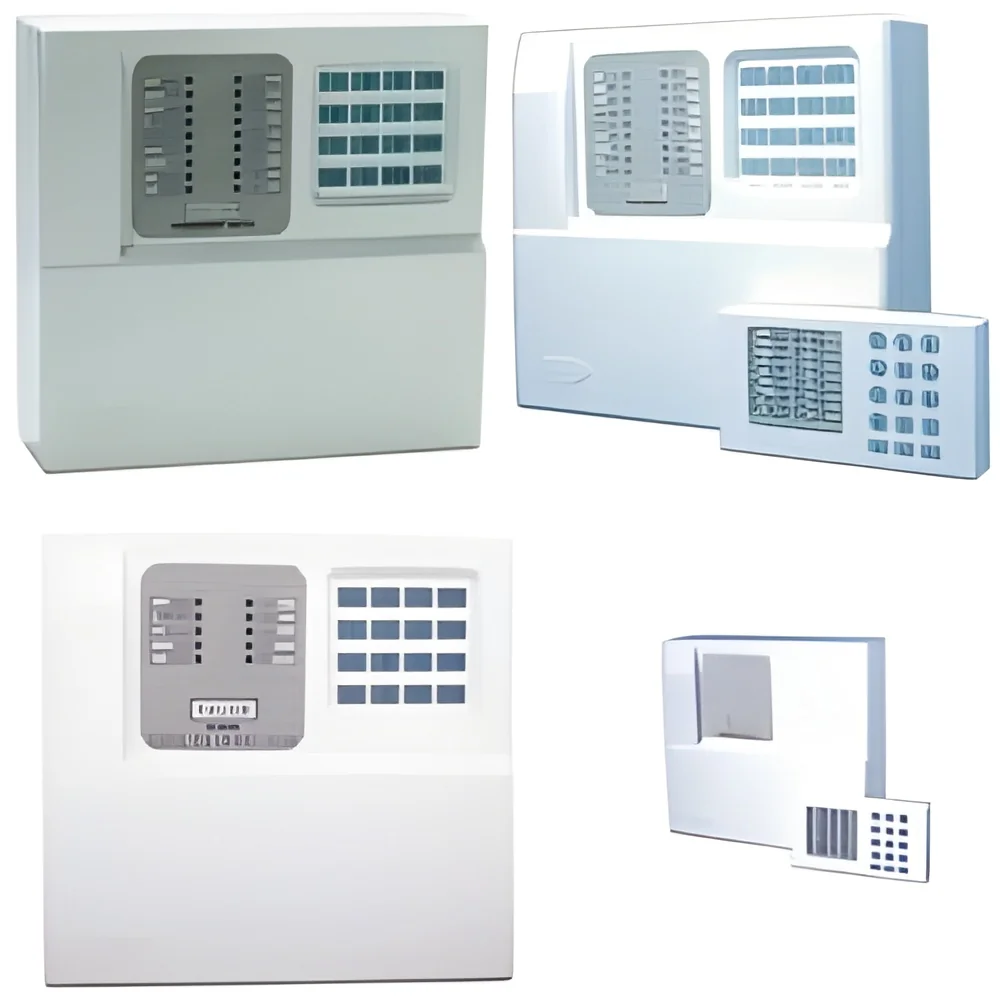
What are Access Control & Audit Logs?
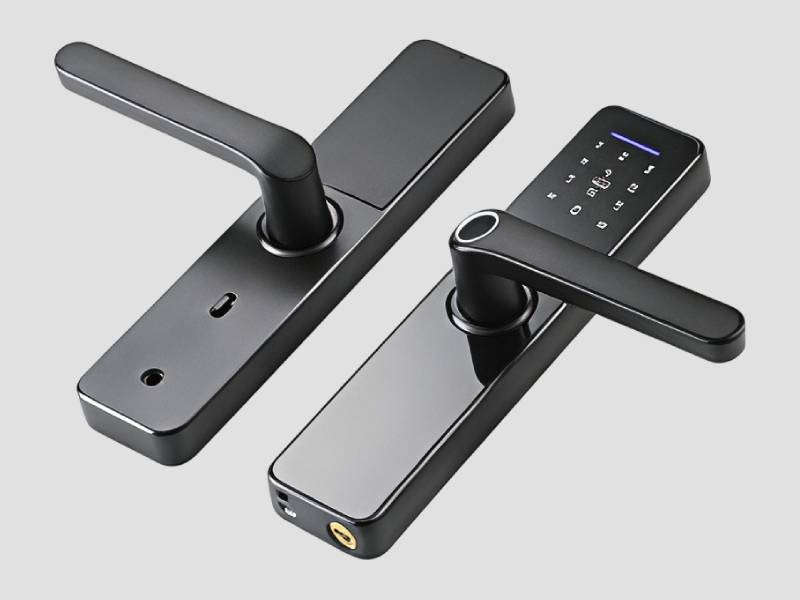
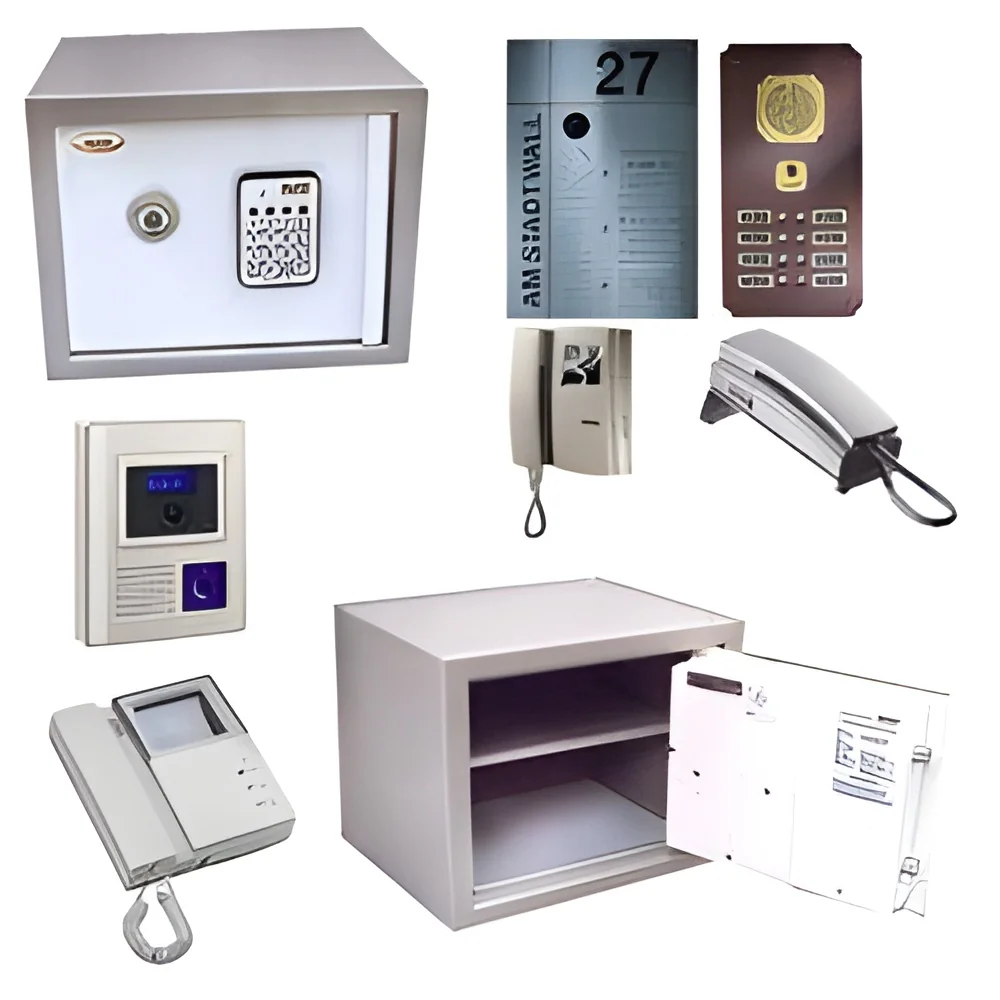
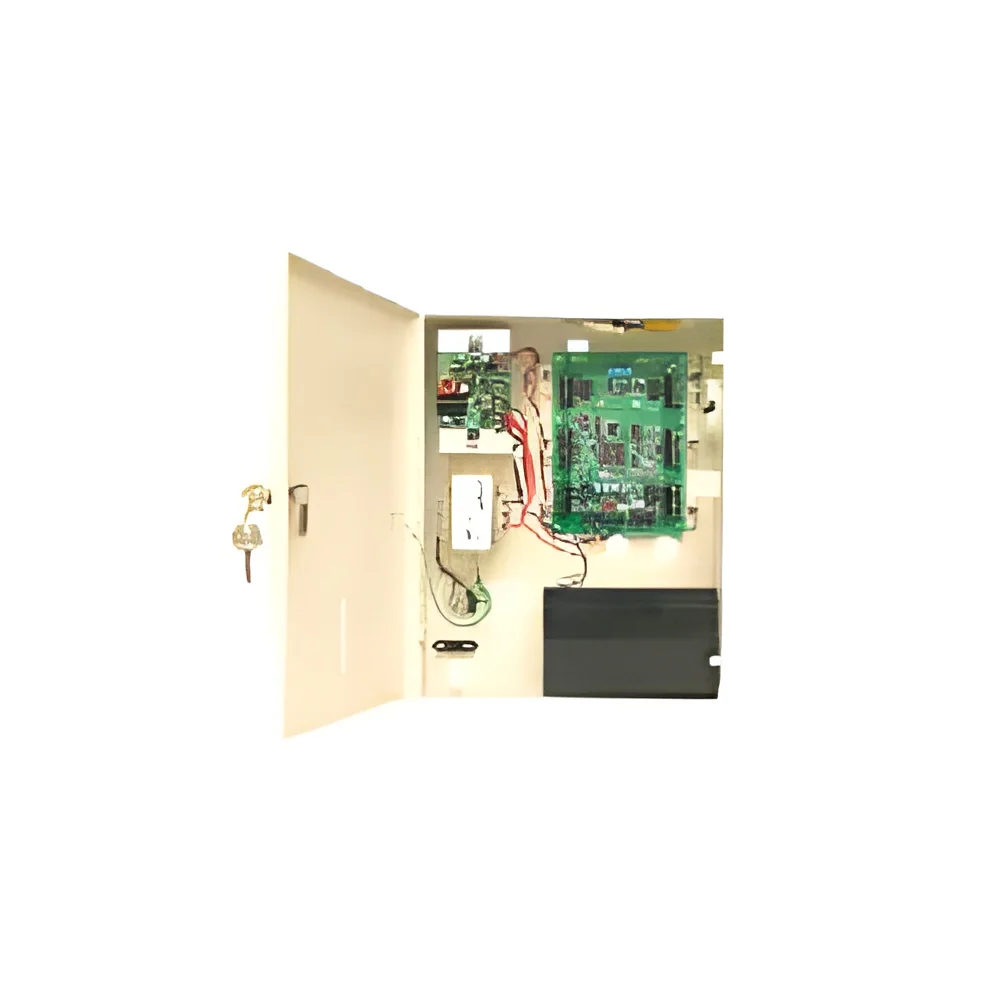
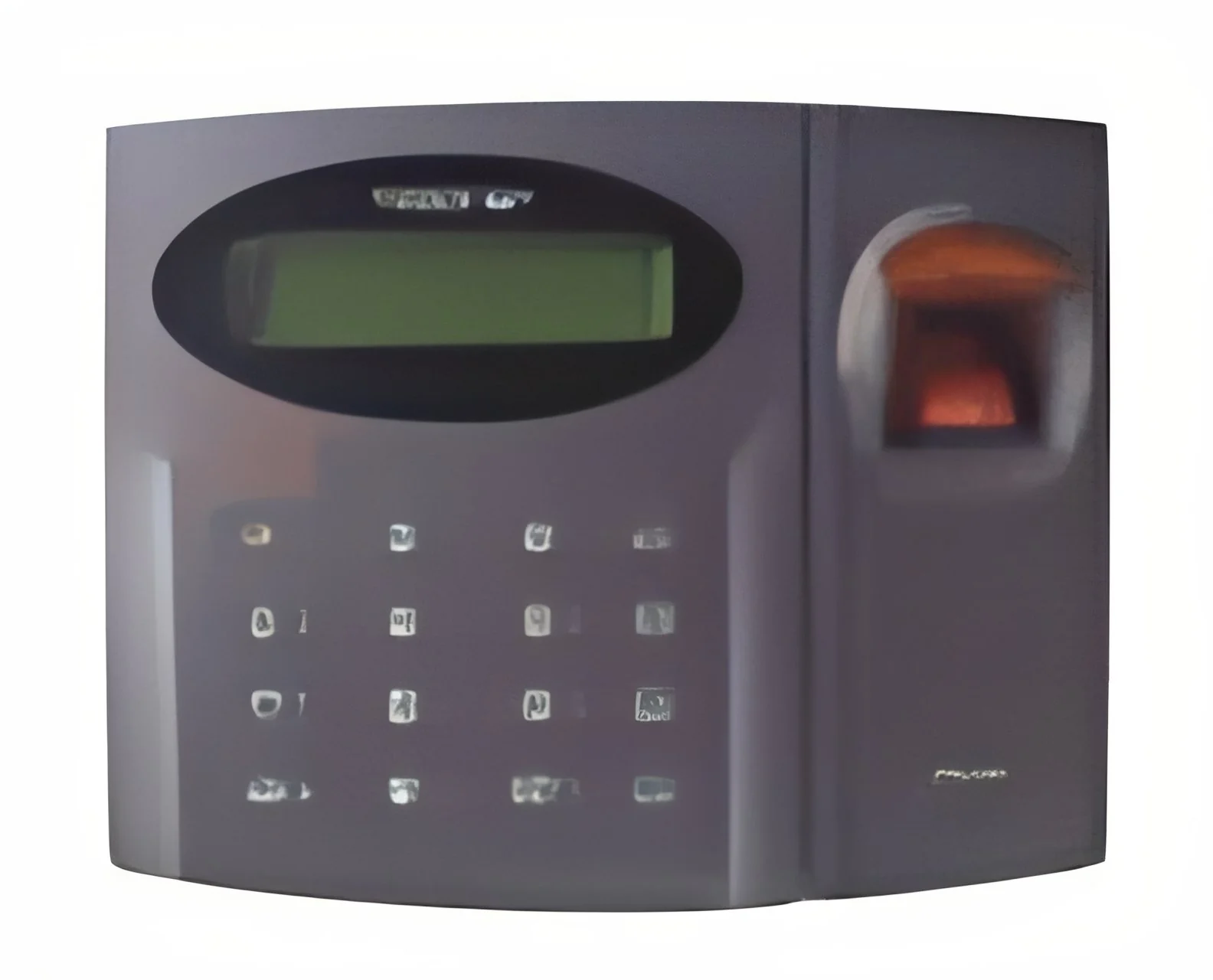
Access Control and Audit Logs are essential components of modern security systems used by businesses to manage who can access specific resources within their facilities. Access Control refers to the mechanisms that are employed to regulate who can enter or use particular areas, systems, or data. Audit Logs, on the other hand, are records that track and document the actions taken by users, providing a trail of who accessed what and when. Together, these tools help organizations maintain security, enhance accountability, and comply with regulatory requirements.
These systems find primary applications in various business environments, including corporate offices, manufacturing plants, and data centers. They are crucial for safeguarding sensitive information and ensuring that only authorized personnel have access to critical areas or data. The ability to monitor and review access events through audit logs also allows companies to detect unauthorized access attempts and respond effectively to potential security breaches. As industries increasingly prioritize security, the relevance of Access Control and Audit Logs continues to grow, making them vital investments for businesses aiming to protect their assets.
Key Features and Specifications
Access Control and Audit Logs come with a variety of features and specifications that ensure robust security and usability. These specifications provide buyers with the necessary information to assess which solution best fits their needs.
Key specifications include:
1. Access Control Method
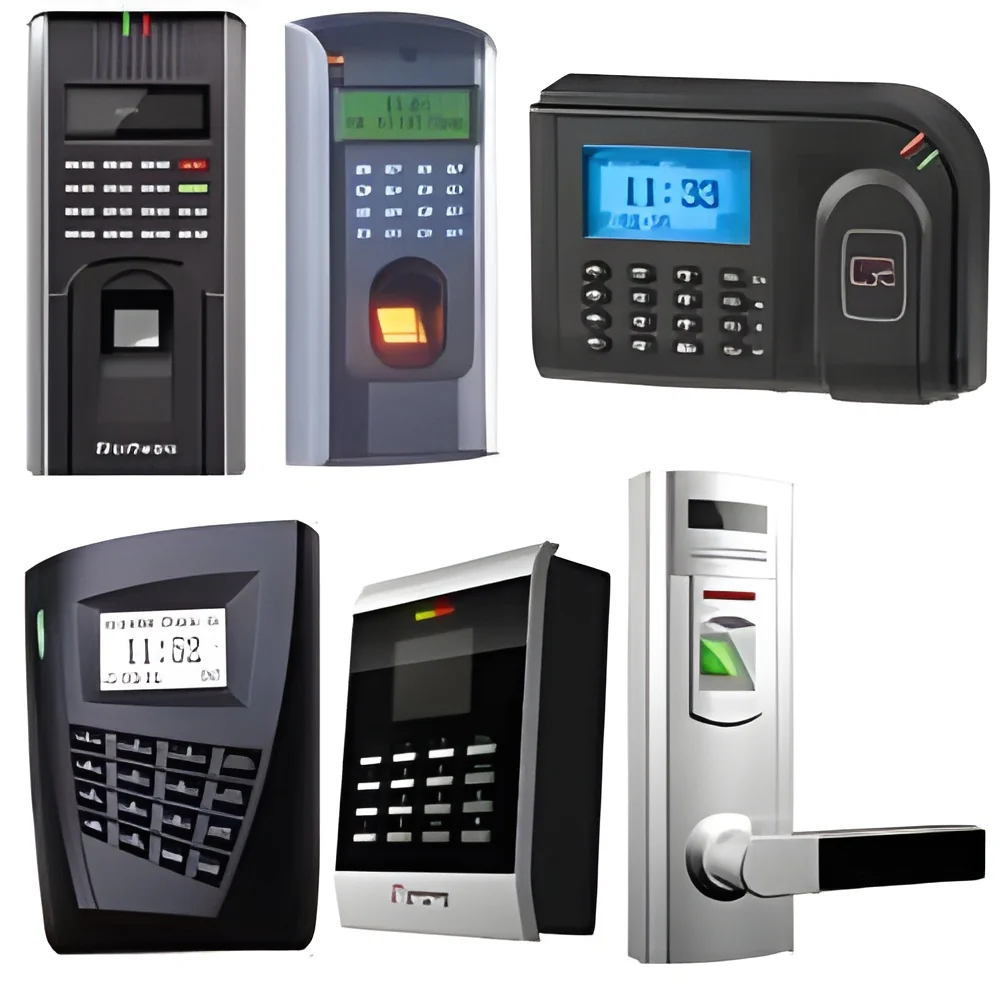
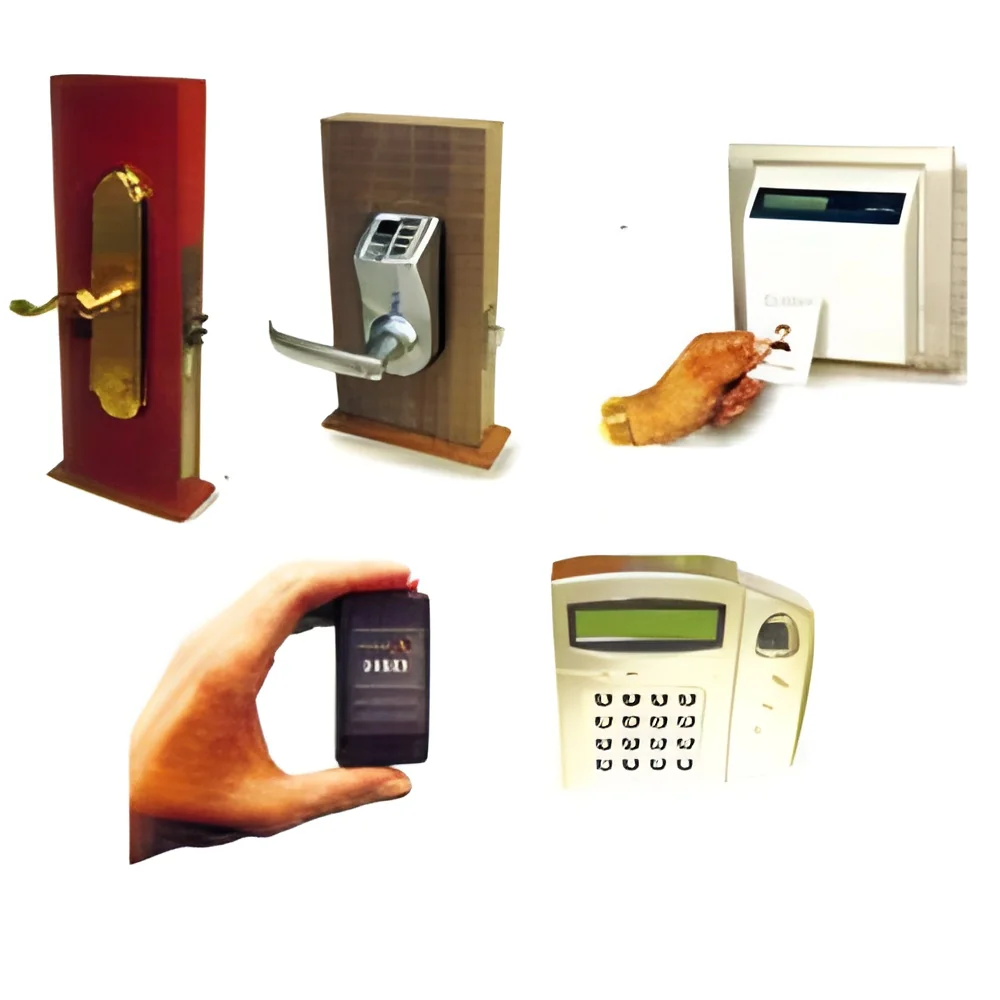
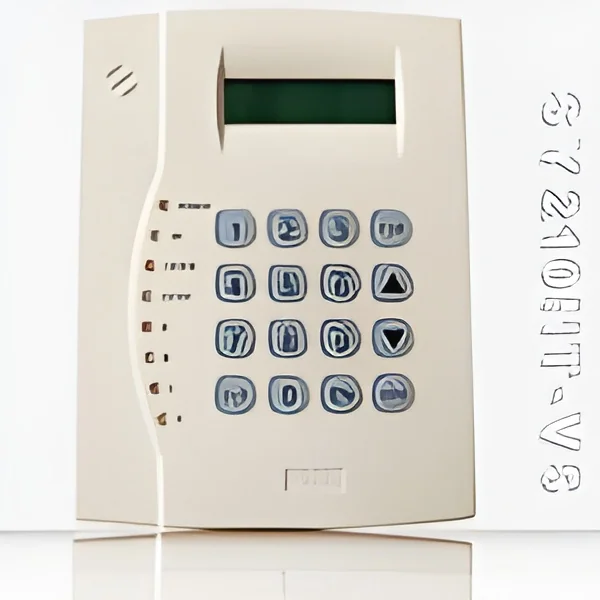
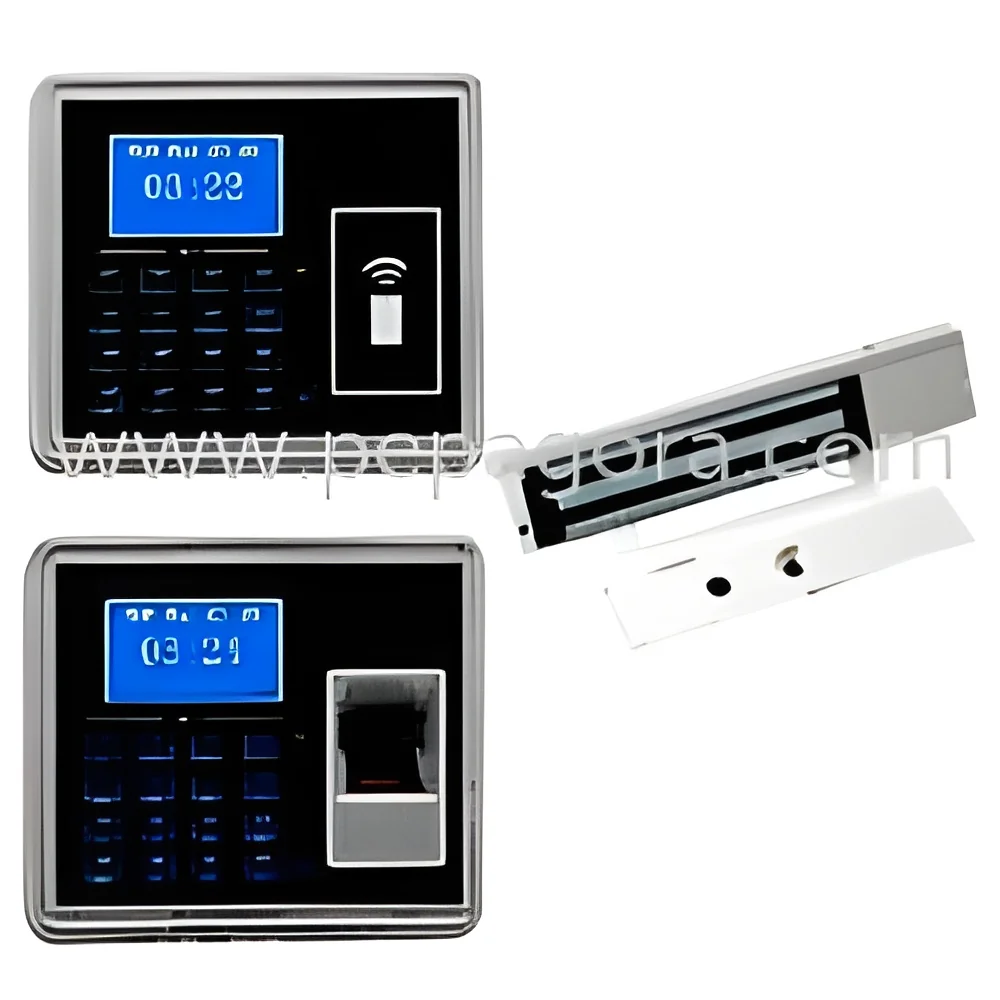
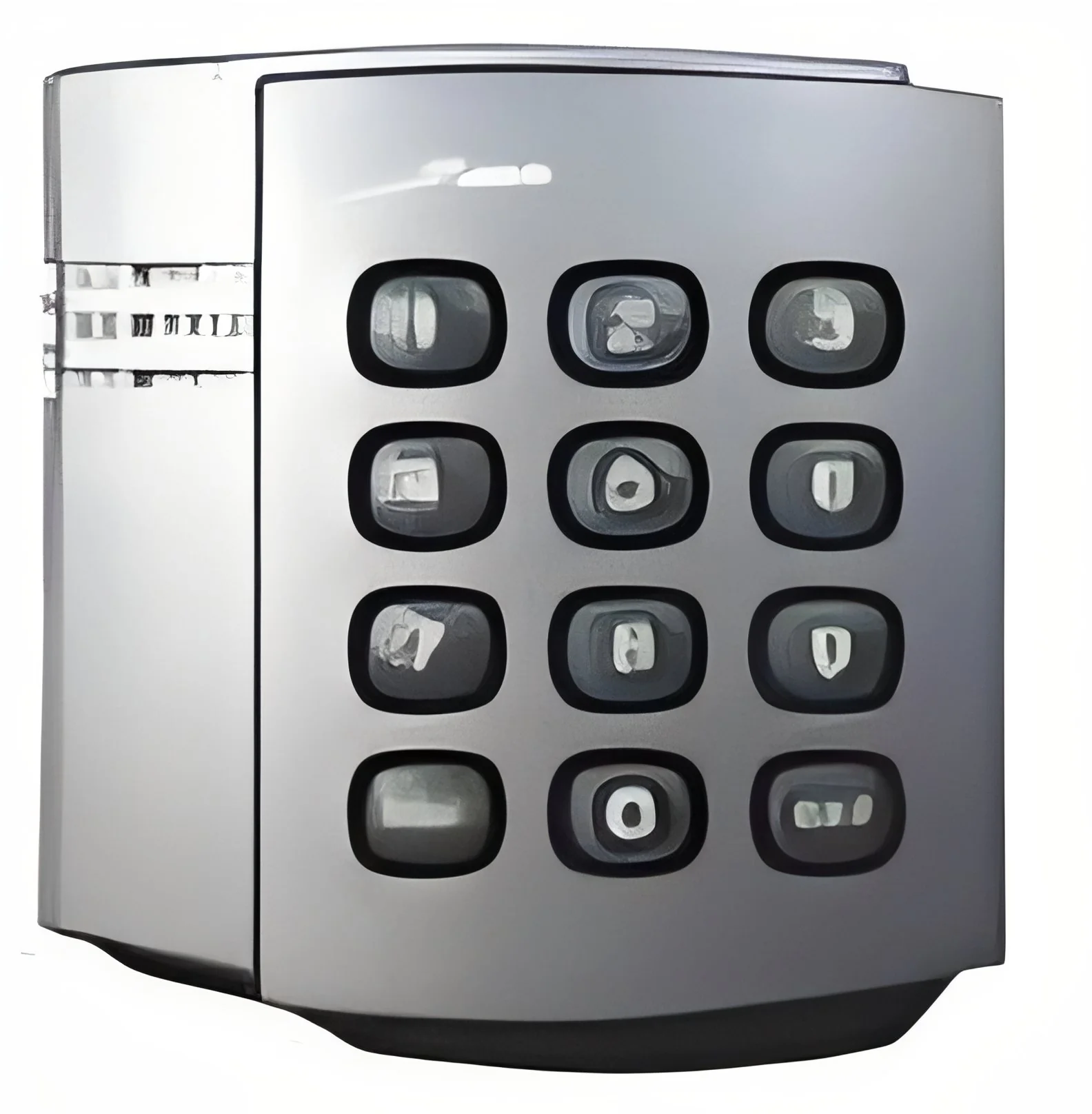
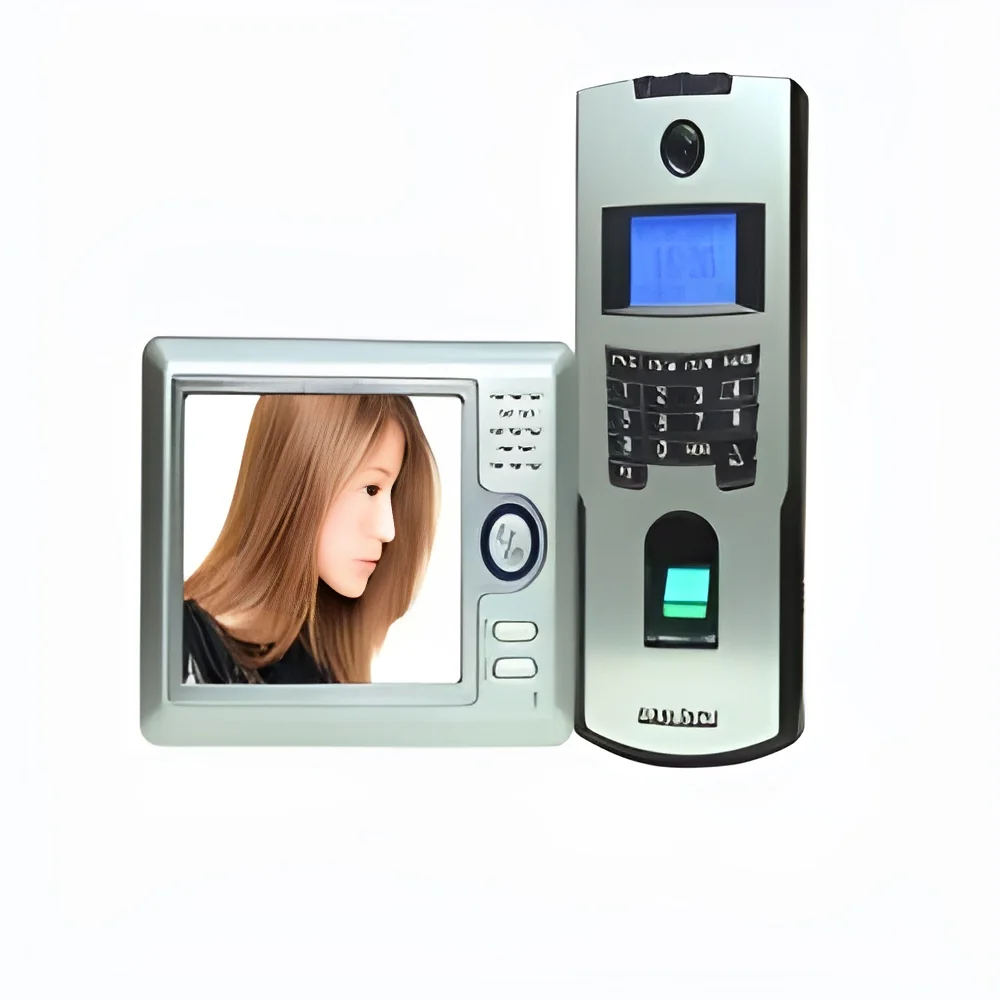
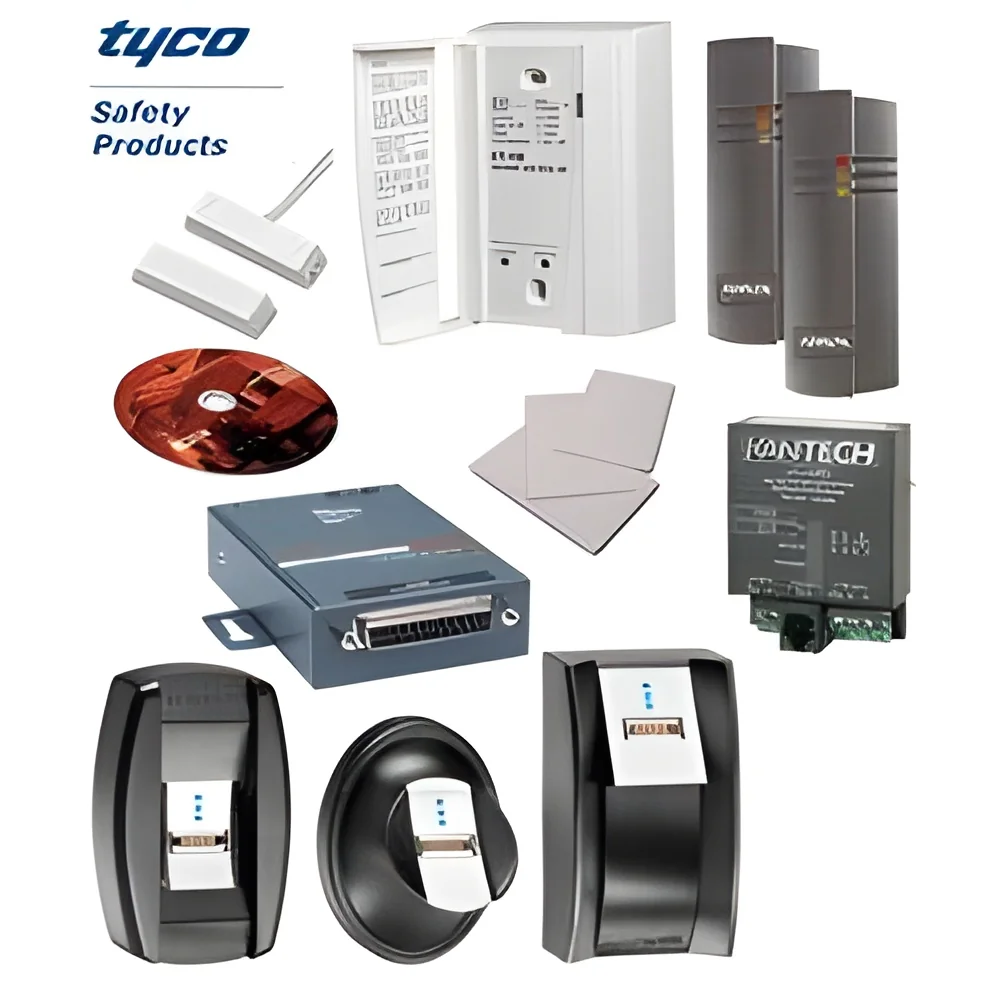
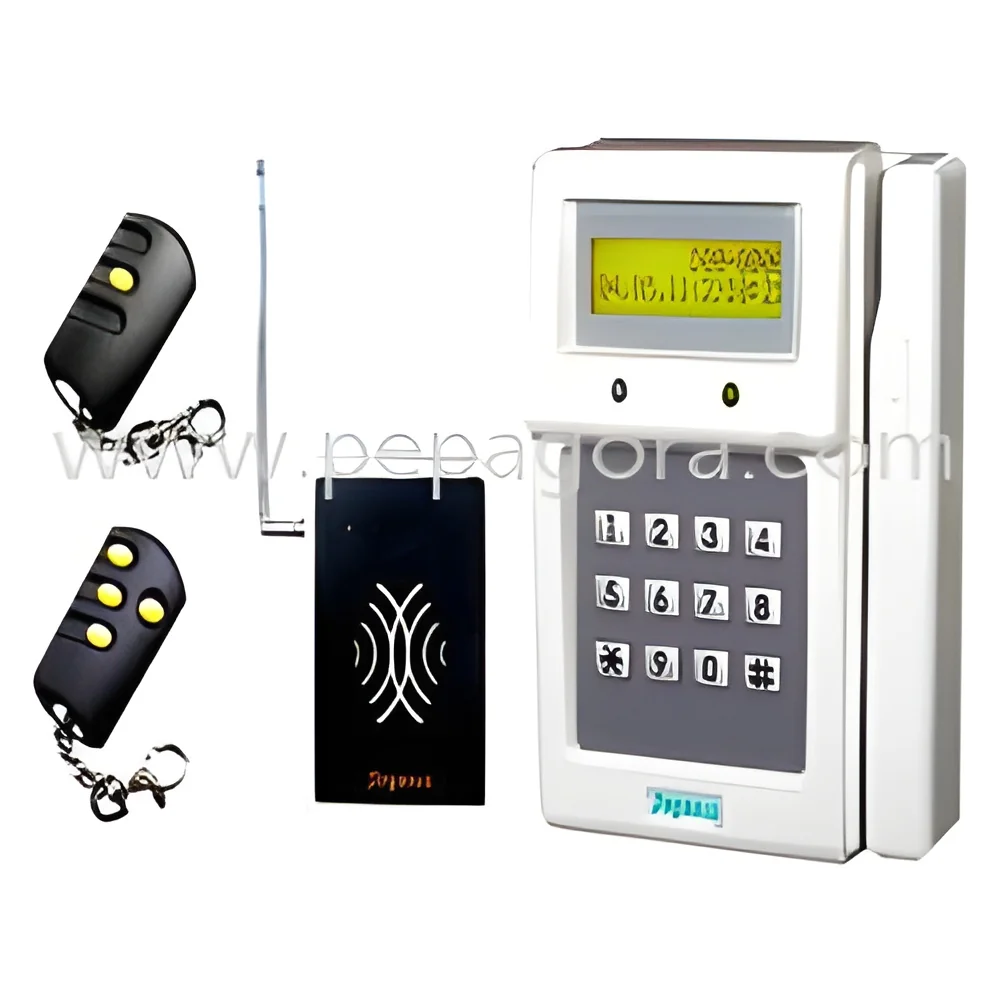
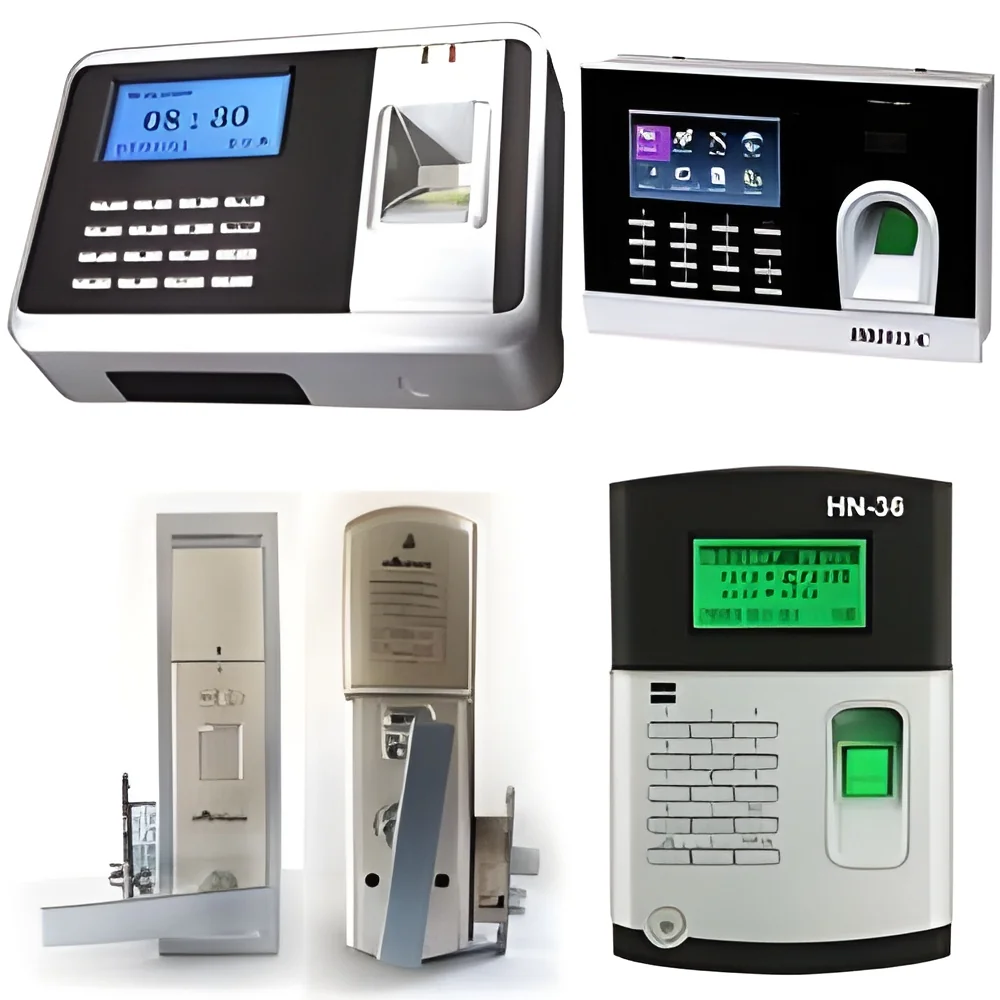
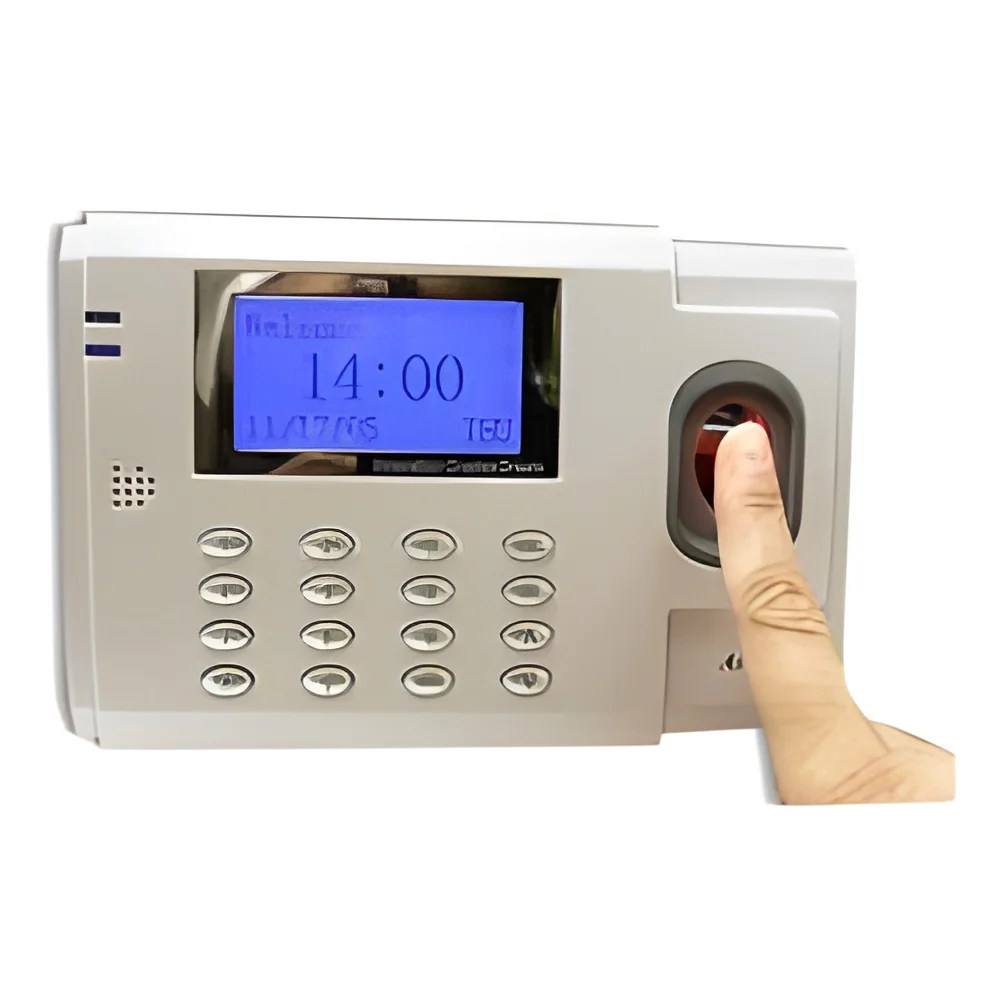
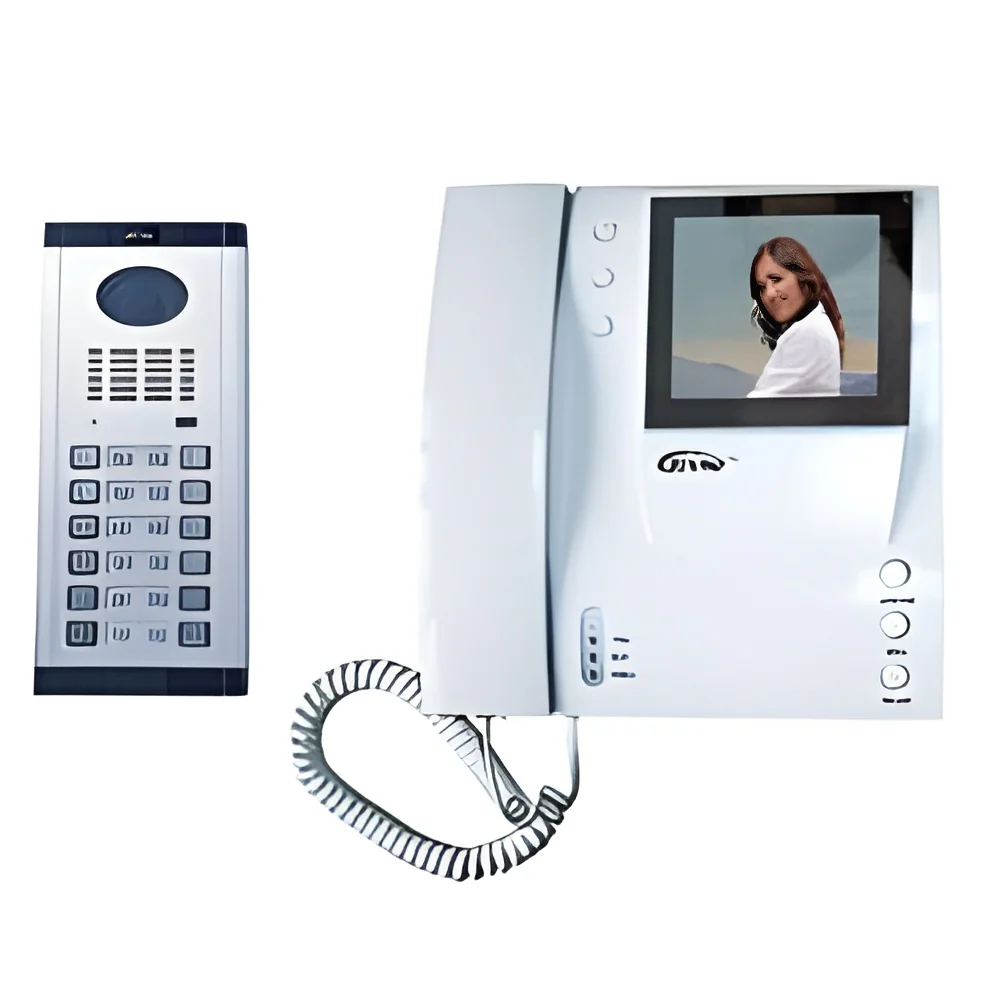
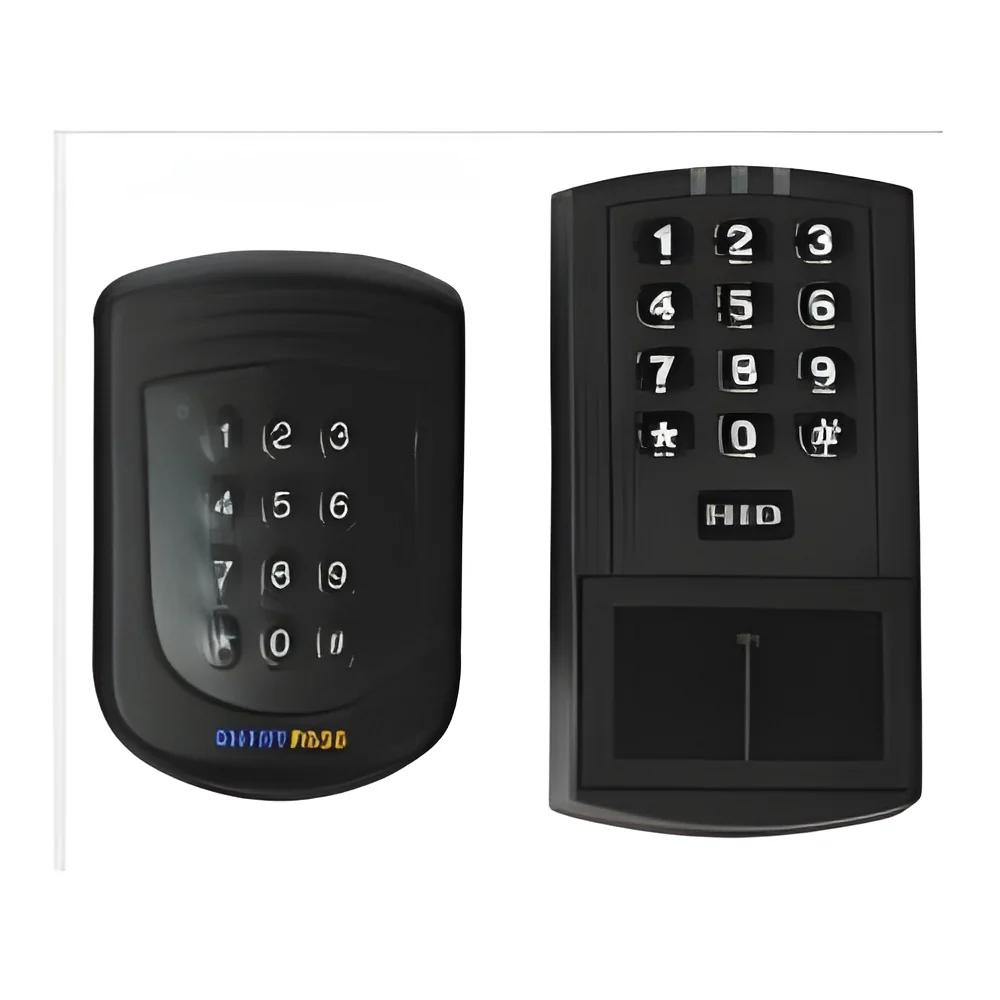
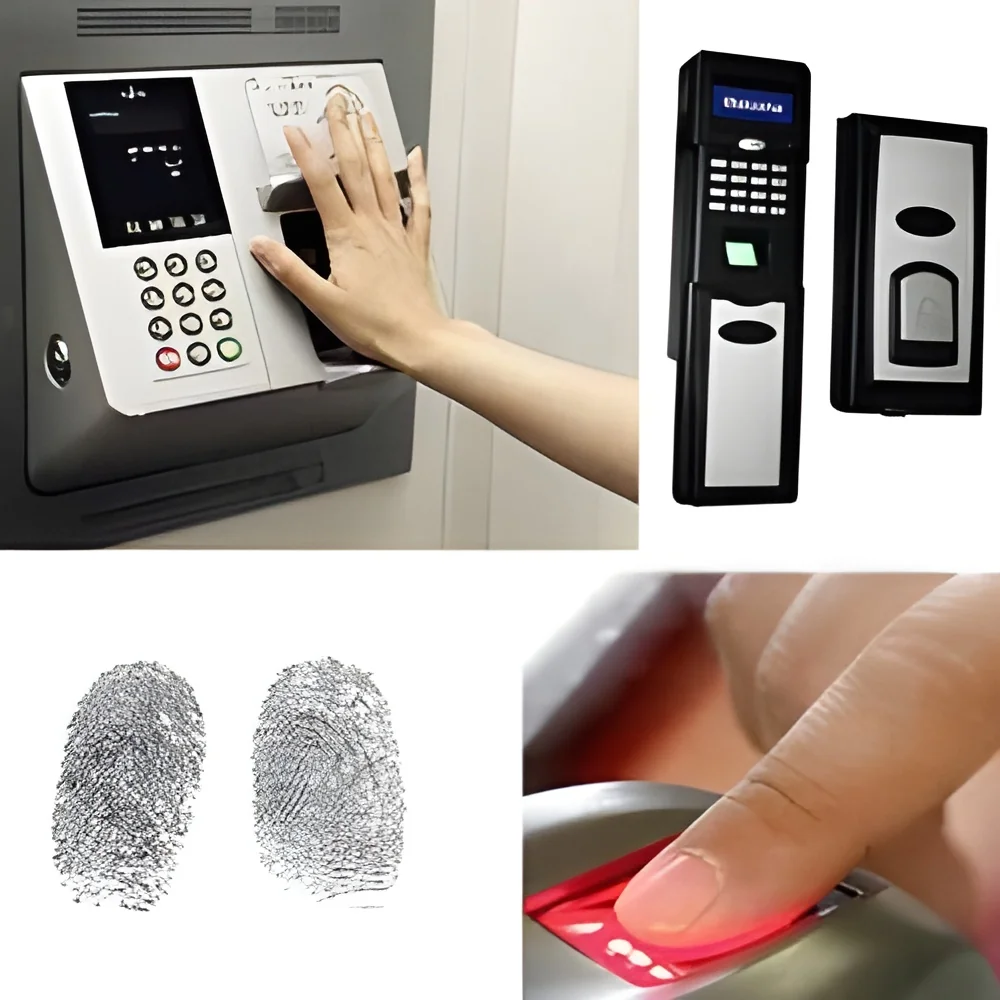
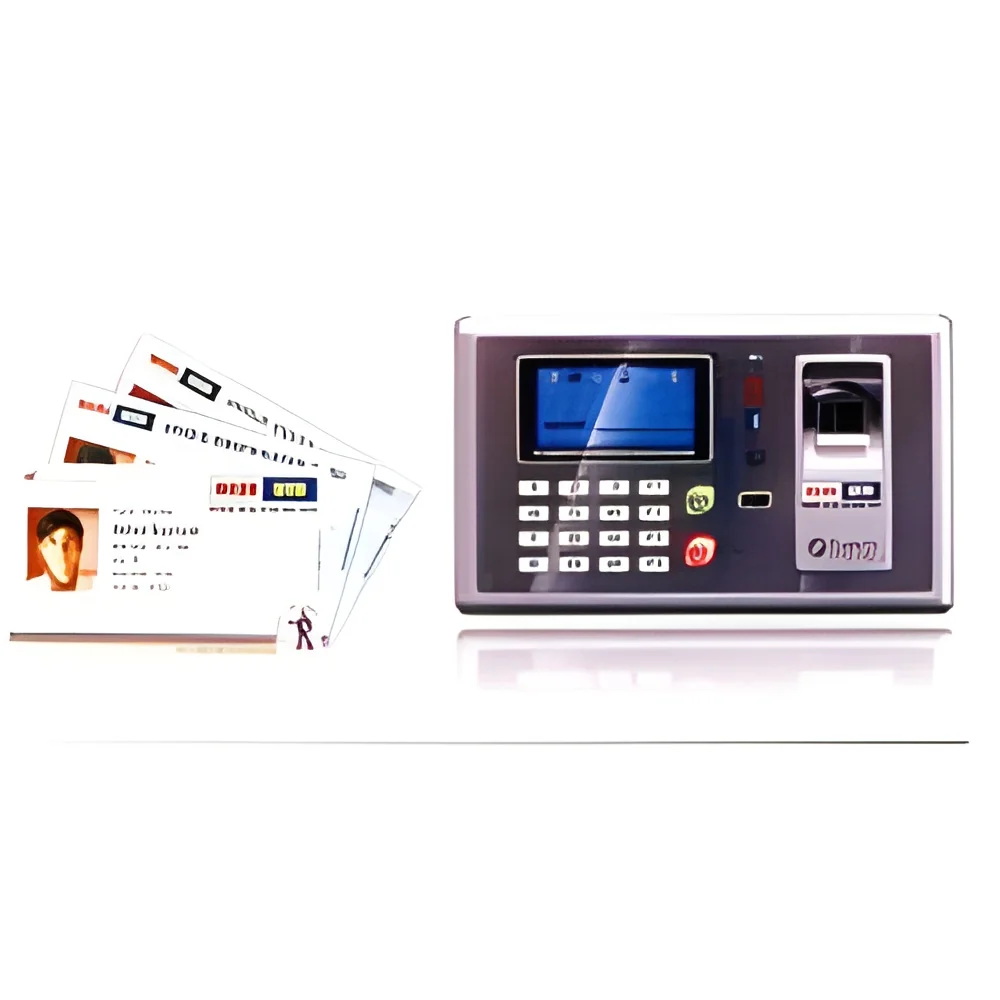
- Types include biometric, card-based, and keypad entry systems.
- Each method varies in terms of security level and user convenience.
2. Audit Log Capacity
- Indicates the volume of access events that can be stored.
- Common ranges can accommodate thousands to millions of entries depending on system capacity.
3. Data Encryption Standards
- Utilizes industry-standard encryption protocols to protect data integrity.
- AES and TLS are commonly used for secure data transmission.
4. User Interface
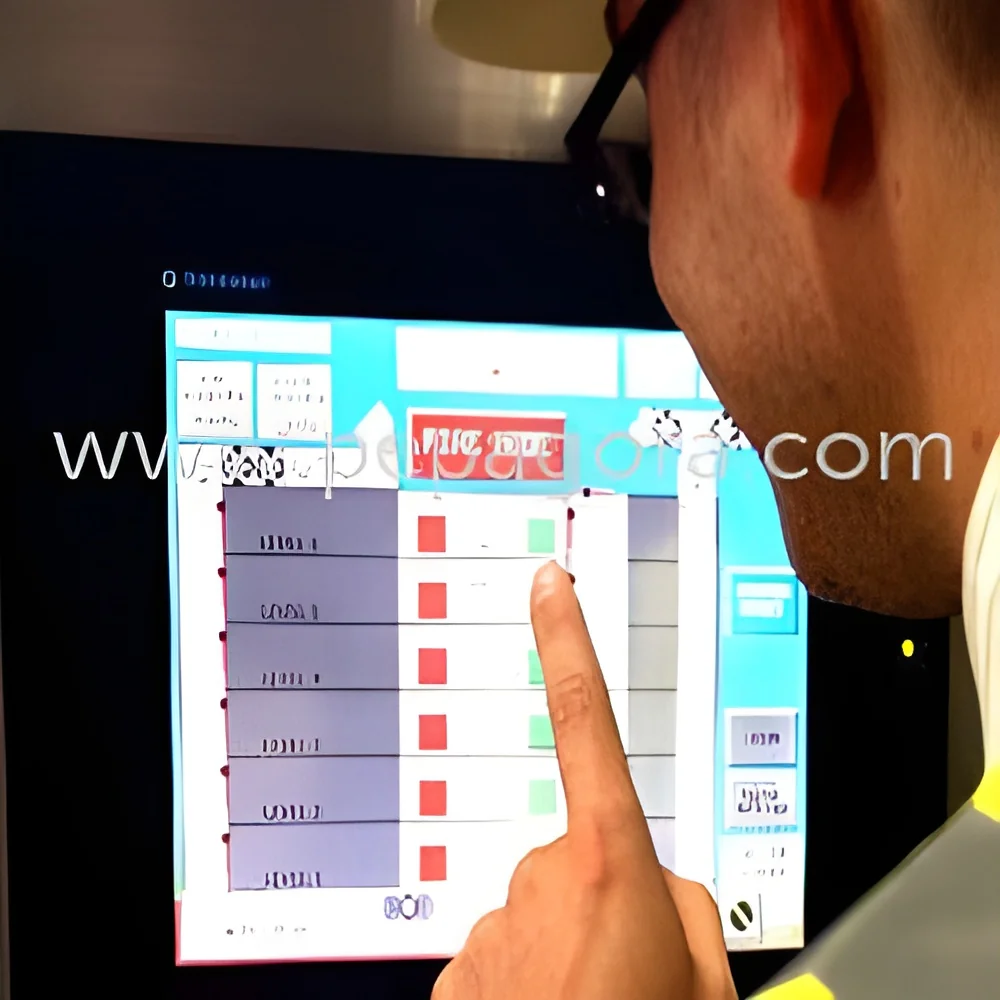
- Offers intuitive dashboards for easy monitoring and management of access controls.
- Features may include alert notifications and real-time reporting.
5. Integration Capabilities
- Compatibility with existing security systems and third-party applications.
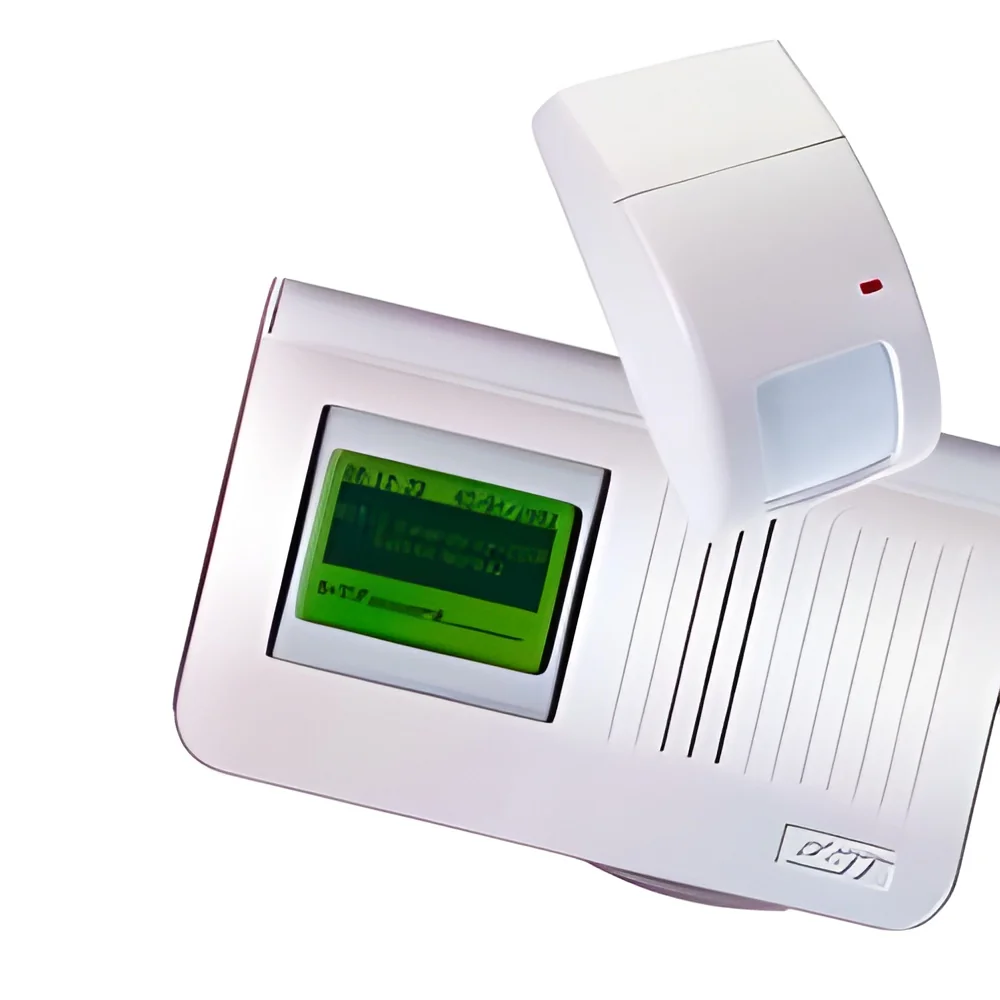
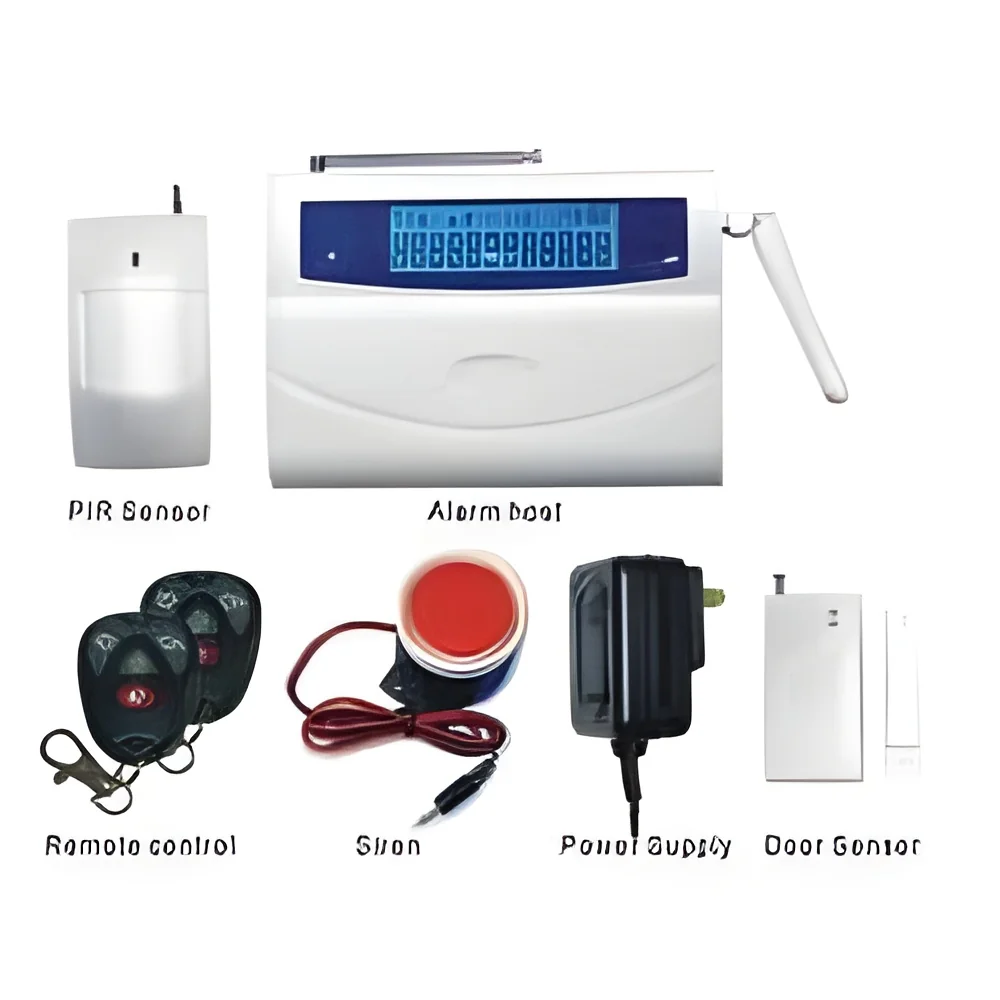
- Supports integration with CCTV, alarms, and building management systems.
6. Compliance Features
- Built to adhere to various industry regulations and standards.
- Helps organizations maintain compliance with data protection laws.
7. Remote Access Management
- Allows administrators to manage access controls remotely through secure web portals.
- Facilitates quick adjustments to user permissions as needed.
8. Multi-Factor Authentication
- Enhances security by requiring users to provide multiple forms of verification.
- Common methods include a combination of passwords, tokens, or biometric data.
In summary, these specifications help organizations evaluate the security features, usability, and compliance of Access Control and Audit Logs, ensuring they select a solution that meets their specific needs.
Common Applications and Use Cases
Access Control and Audit Logs serve various industries, providing tailored security solutions based on their unique requirements.
1. Corporate Offices: These systems are used to restrict access to sensitive areas such as executive offices or server rooms, ensuring that only authorized personnel can enter.
2. Manufacturing Facilities: Access control is critical to safeguard machinery and restricted zones, preventing unauthorized access that could lead to safety hazards or theft.
3. Data Centers: With the high value of data, these facilities implement stringent access controls to protect servers and sensitive information, logging all access attempts for audits.
4. Healthcare Institutions: Hospitals and clinics utilize access controls to restrict access to patient records and medication storage, ensuring compliance with health regulations.
5. Educational Institutions: Universities and schools deploy these systems to regulate access to dormitories and labs, enhancing security for students and staff.
6. Government Facilities: Public sector organizations implement access controls to protect sensitive areas and maintain national security, tracking all access events for compliance.
7. Retail Environments: Retailers use audit logs to monitor employee access to back-end systems, helping to prevent theft and ensure proper inventory management.
Product Variants and Subcategories
Access Control and Audit Logs come in various forms, tailored to meet specific business needs. Each variant offers unique features and capabilities.
Card-Based Access Control Systems: These systems utilize RFID cards or key fobs to grant access. They are easy to implement and can be cost-effective for businesses looking to manage entry points simply.
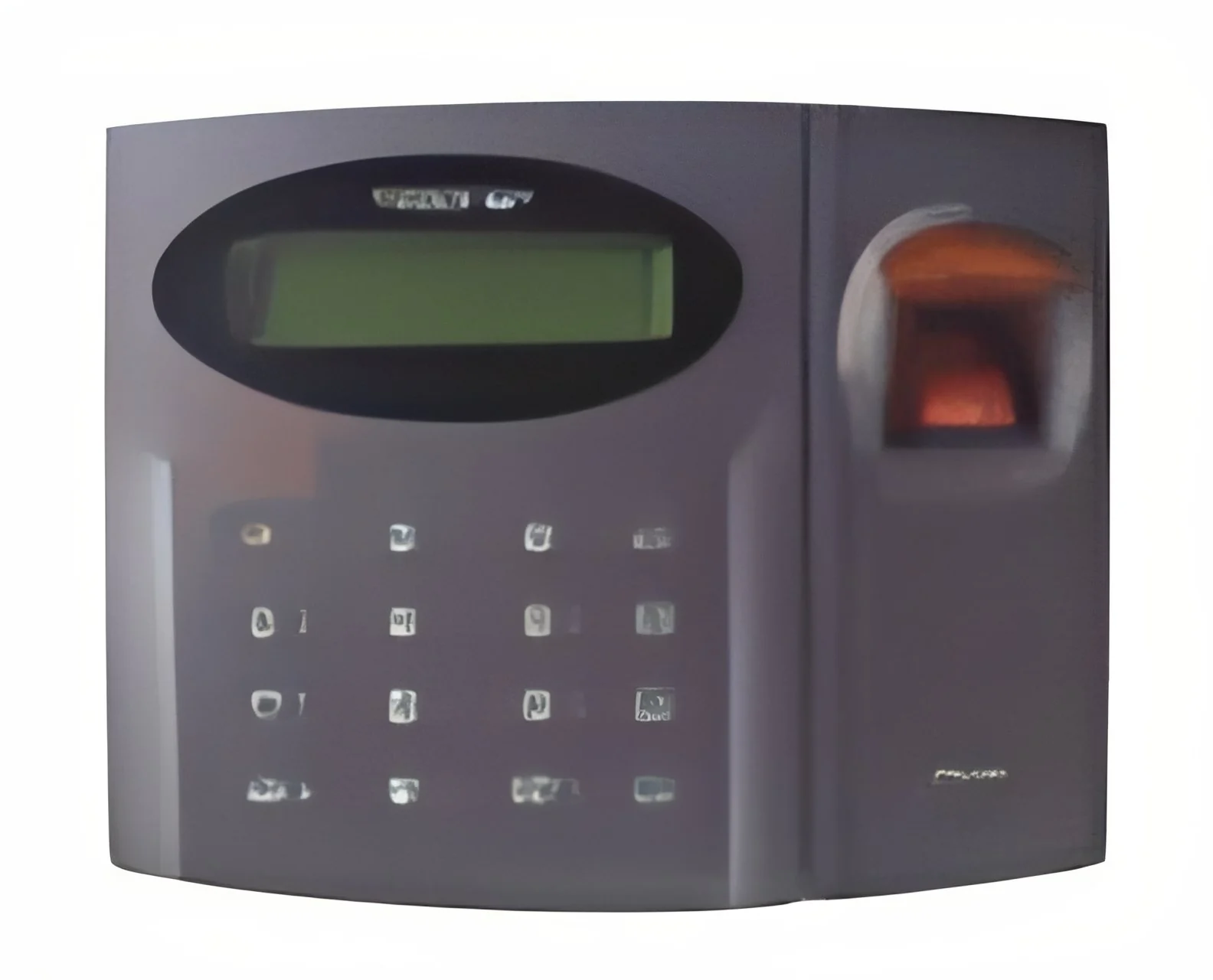
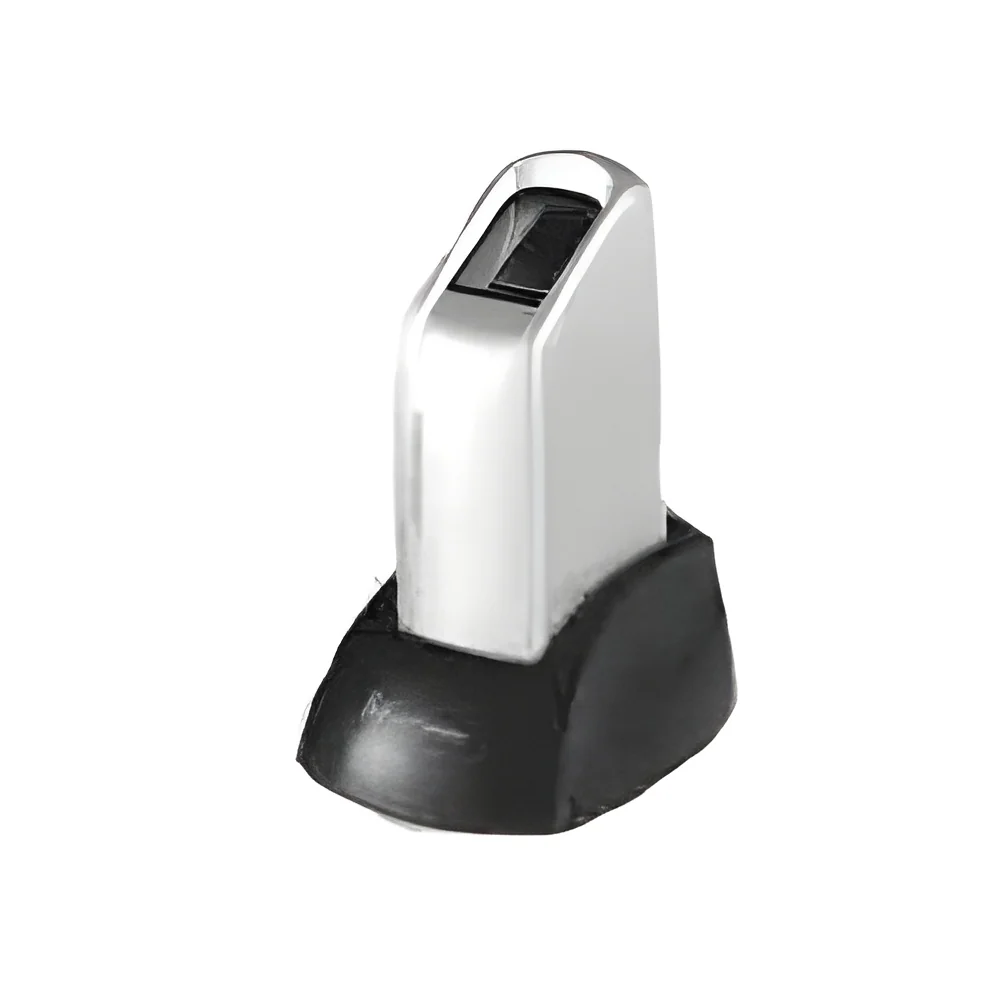
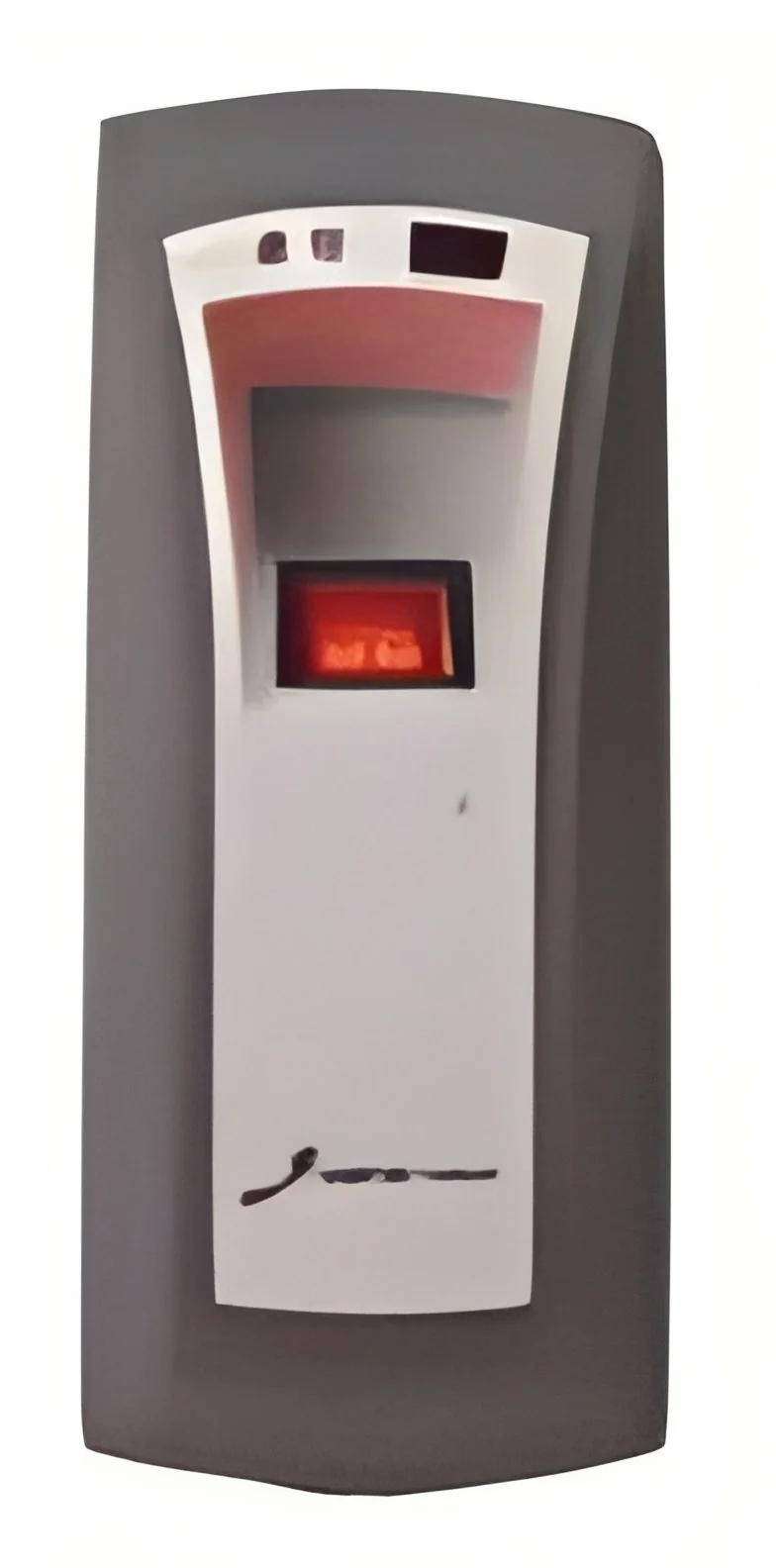
Biometric Access Control Systems: These advanced systems use fingerprint, facial recognition, or iris scanning technology for authentication. They provide a high level of security and reduce the risk of unauthorized access.
Cloud-Based Access Control Solutions: These systems leverage cloud technology to provide remote management capabilities. They allow users to control access points from anywhere, making them ideal for businesses with multiple locations.
Mobile Access Control Systems: These solutions enable users to access secured areas using their smartphones. This convenience is increasingly popular in modern workplaces, offering flexibility and ease of use.
Benefits and Advantages
Investing in Access Control and Audit Logs presents numerous advantages for businesses looking to enhance security and operational efficiency.
Key benefits include:
1. Enhanced Security: These systems protect sensitive areas and information, reducing the risk of unauthorized access and potential data breaches.
2. Improved Accountability: Audit logs provide a clear record of access events, allowing organizations to track who accessed what information and when, fostering greater accountability among employees.
3. Regulatory Compliance: Many industries face strict regulatory requirements regarding data protection. Access Control and Audit Logs help organizations meet these compliance standards.
4. Customizable Solutions: Businesses can tailor access control systems to meet their specific needs, allowing for flexibility in security measures based on changing requirements.
5. Increased Operational Efficiency: Streamlined access processes can lead to improved workflow and reduced delays, as employees can access necessary areas without hindrance.
6. Real-Time Monitoring: Many systems allow for real-time monitoring of access attempts, enabling quick responses to potential security threats.
Buying Guide for B2B Buyers
When sourcing Access Control and Audit Logs, buyers should consider several key factors to ensure they select the right solution for their organization.
1. Quality Assessment: Evaluate the quality of the systems by checking reviews, testimonials, and case studies. Look for systems that have a proven track record in similar industries.
2. Supplier Verification: Conduct thorough research to vet suppliers. Ensure they have a solid reputation and offer reliable customer support and warranty options.
3. Pricing and MOQ: Analyze the pricing structure and be aware of minimum order quantities. Compare different suppliers to find the best value for your investment.
4. Delivery and Lead Times: Understand logistics and lead times for delivery. Ensure the supplier can meet your deadlines, especially if you require urgent implementation.
5. Compliance Requirements: Confirm that the solutions meet necessary regulatory standards relevant to your industry, such as ISO certifications or local compliance laws.
Compliance and Certifications
Access Control and Audit Logs must adhere to various quality standards and certifications to ensure reliability and safety in their operations. Relevant quality standards include ISO 9001, which focuses on maintaining consistent quality management systems, ensuring that products meet customer and regulatory requirements.
Industry-specific certifications such as CE may also apply, indicating that the product meets EU safety and health standards. Safety and testing requirements ensure that the systems are rigorously evaluated for performance and security vulnerabilities.
Additionally, regional compliance considerations are vital, as different areas may have specific regulations governing access control systems. Buyers should confirm that their chosen solution complies with local laws, ensuring they avoid potential fines or legal complications.
Why Source Access Control & Audit Logs from Pepagora?
Pepagora offers a trusted platform for sourcing Access Control and Audit Logs, providing several key advantages to businesses.
Verified Supplier Network: Pepagora has established a rigorous verification process for suppliers, ensuring that buyers can trust the quality and reliability of the products they purchase.
Streamlined RFQ Process: The platform simplifies the request for quotation (RFQ) process, allowing businesses to quickly obtain competitive quotes from multiple suppliers, making it easier to compare options.
Trade Assurance and Support: Pepagora offers trade assurance, protecting buyers during transactions and providing support to address any concerns or issues that may arise.
Regional Coverage: With a strong presence in India, the GCC, and Southeast Asia, Pepagora ensures that businesses across these regions can access a wide range of quality products tailored to their specific security needs.

 IN
IN