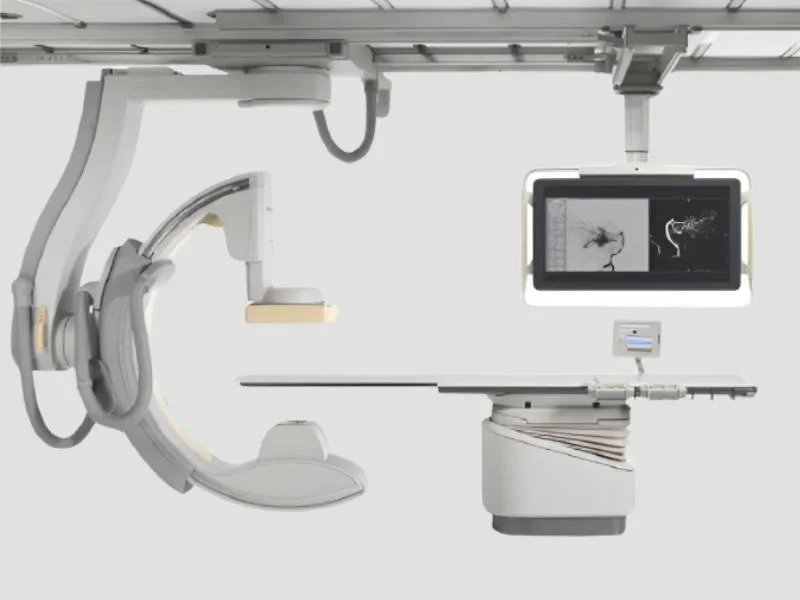
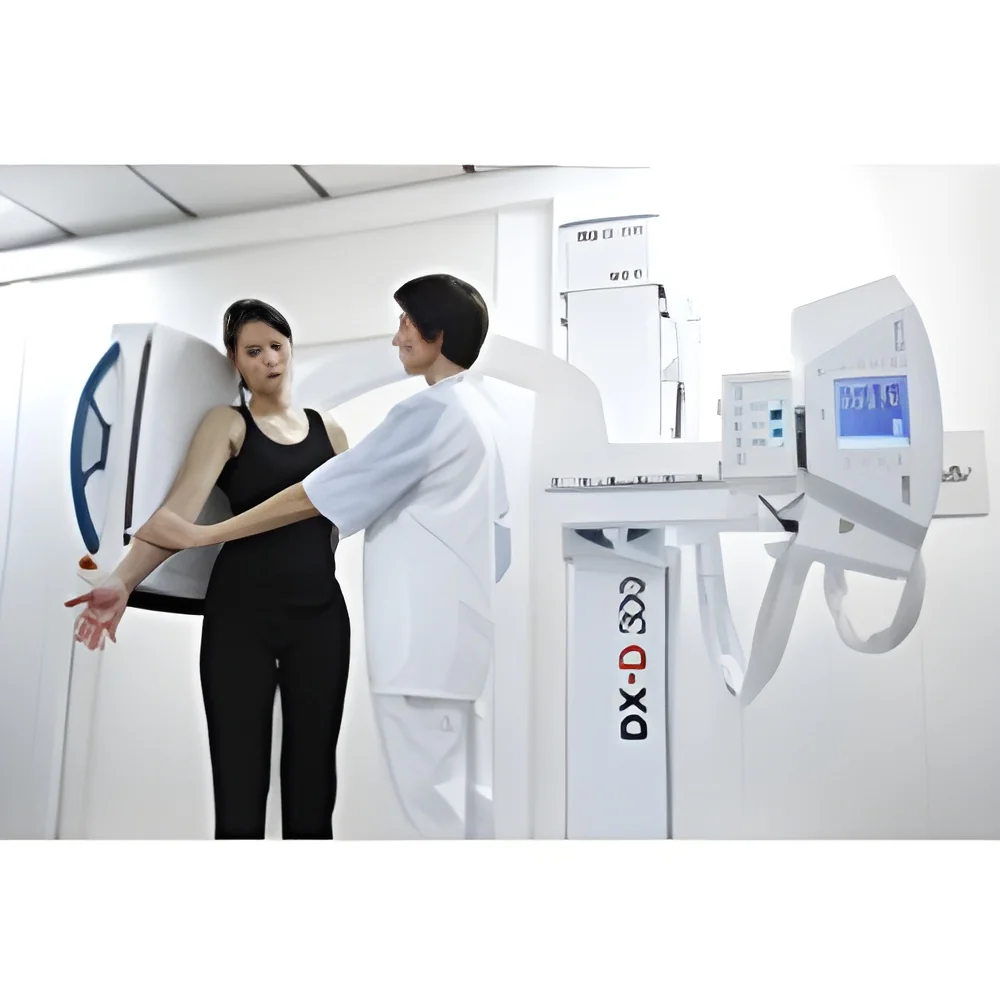
Key Features and Specifications
PACS offer a range of features that enhance the management of medical imaging data. These features cater to the needs of healthcare facilities, ensuring that medical professionals have the tools they need to provide optimal care.
Key specifications include:
1. Image Storage Capacity
- PACS systems can store vast amounts of image data, accommodating thousands of studies.
- Storage capacities typically range from several terabytes to petabytes.
2. Data Retrieval Speed
- Fast retrieval times are essential for timely decision-making.
- Most systems provide access to images within seconds.
3. Multi-Modal Support
- PACS can integrate images from various modalities including X-ray, MRI, and ultrasound.
- This feature ensures comprehensive patient records.
4. User Interface
- Intuitive interfaces improve usability for radiologists and technicians.
- Customizable dashboards enhance user experience.
5. Security Features
- Robust security protocols protect sensitive patient information.
- Encryption and access control measures are standard.
6. Interoperability
- PACS systems can connect with other healthcare information systems (HIS).
- This integration supports seamless data sharing across platforms.
7. Cloud Storage Options
- Many PACS now offer cloud-based storage solutions.
- This feature ensures data accessibility and disaster recovery.
8. Compliance with Standards
- PACS comply with healthcare regulations such as HIPAA.
- Adherence to industry standards ensures safe and secure operations.
In summary, PACS are equipped with advanced features that not only enhance image management but also ensure secure and efficient healthcare delivery.
Common Applications and Use Cases
PACS systems serve a variety of industries beyond traditional healthcare settings.
1. Hospitals: In hospitals, PACS are used to manage and store imaging data, facilitating quick access for emergency situations and routine diagnostics.
2. Radiology Clinics: Specialized radiology clinics rely on PACS to handle high volumes of imaging procedures, improving turnaround times for radiologists.
3. Telemedicine: PACS support telemedicine by allowing remote access to imaging data, enabling specialists to consult on cases without being physically present.
4. Research Institutions: Research facilities utilize PACS for clinical studies, allowing for the aggregation and analysis of imaging data across different trials.
5. Educational Institutions: Medical schools incorporate PACS into their training programs, providing students with hands-on experience in digital imaging.
6. Veterinary Practices: Veterinary clinics use PACS to manage imaging data for animal patients, ensuring that radiologists can access and analyze images efficiently.
7. Dental Practices: Dental professionals employ PACS to store and share images from X-rays and other dental imaging modalities, enhancing patient care.
Product Variants and Subcategories
PACS systems come in various configurations to meet the diverse needs of healthcare providers.
Enterprise PACS
This variant is designed for large healthcare systems, integrating multiple facilities into a single network. It enables centralized management of imaging data, promoting collaboration among departments.
Regional PACS
Regional PACS cater to specific geographical areas, allowing smaller healthcare facilities to share resources and imaging data. This setup enhances community healthcare services and improves patient care continuity.
Cloud-Based PACS
Cloud-based solutions offer flexibility and scalability. These systems allow healthcare providers to store and access imaging data remotely, reducing the need for extensive on-site infrastructure.
Benefits and Advantages
PACS offer numerous advantages that contribute to improved healthcare delivery and operational efficiency.
Key benefits include:
1. Improved Access to Images: Medical professionals can access images quickly, facilitating faster diagnoses and treatment decisions.
2. Enhanced Collaboration: PACS enable easy sharing of images among healthcare providers, improving teamwork and patient care.
3. Cost Efficiency: Digital storage reduces costs associated with physical storage and film processing, leading to significant savings.
4. Secure Data Management: Robust security features protect sensitive patient information, ensuring compliance with regulations.
5. Increased Productivity: Streamlined workflows lead to increased productivity for radiologists and technicians, allowing them to focus on patient care.
6. Remote Access Capabilities: Cloud-based PACS provide remote access to images, supporting telemedicine and remote consultations.
Buying Guide for B2B Buyers
When sourcing PACS, it is essential to evaluate several critical factors to ensure a suitable match for your needs.
1. Quality Assessment: Look for systems that meet recognized quality standards. Evaluate the product's reliability and performance based on user feedback and industry reviews.
2. Supplier Verification: Vet suppliers to ensure they are reputable and provide reliable support. Check for certifications and track records in the healthcare sector.
3. Pricing and MOQ: Understand the pricing structure and minimum order quantities (MOQ) that may apply. Compare options to find a solution that fits your budget.
4. Delivery and Lead Times: Inquire about the expected delivery timelines. Efficient logistics ensure that systems are installed promptly and operational when needed.
5. Compliance Requirements: Ensure that the PACS you choose meets all regulatory compliance standards relevant to your region. This includes data protection and safety regulations.
Compliance and Certifications
PACS must adhere to several quality standards and certifications to ensure their reliability and safety in medical environments.
ISO 9001 is a widely recognized standard that focuses on quality management systems. Compliance with this standard indicates that the PACS provider maintains high-quality processes and product management.
CE certification is essential for PACS sold in the European market, signifying that the product meets safety, health, and environmental protection requirements.
In addition to these certifications, PACS must comply with safety and testing requirements specific to medical devices. This includes rigorous testing to ensure the systems perform reliably in clinical settings.
Regional compliance considerations also play a vital role. Different countries may have specific regulations governing the use of medical imaging technologies, and it is crucial to ensure that the PACS meets these standards.
Why Source PACS (Picture Archiving and Communication Systems) from Pepagora?
Pepagora provides a trusted platform for sourcing PACS with several key advantages that cater to B2B buyers.
Verified Supplier Network: Pepagora features a network of verified suppliers, ensuring that buyers can access high-quality products. Each supplier is vetted for reliability and compliance, providing peace of mind in the purchasing process.
Streamlined RFQ Process: The Request for Quotation (RFQ) system simplifies the procurement process. Buyers can easily submit their requirements and receive competitive quotes from multiple suppliers, ensuring they find the best value.
Trade Assurance and Support: Pepagora prioritizes buyer protection through trade assurance services. This includes support in resolving disputes and ensuring that the procurement process is smooth and secure.
Regional Coverage: With a geographic reach that spans India, the GCC, and Southeast Asia, Pepagora enables buyers to access PACS solutions tailored to their specific regional needs. This broad coverage facilitates better service and support for healthcare providers in diverse locations.

 IN
IN