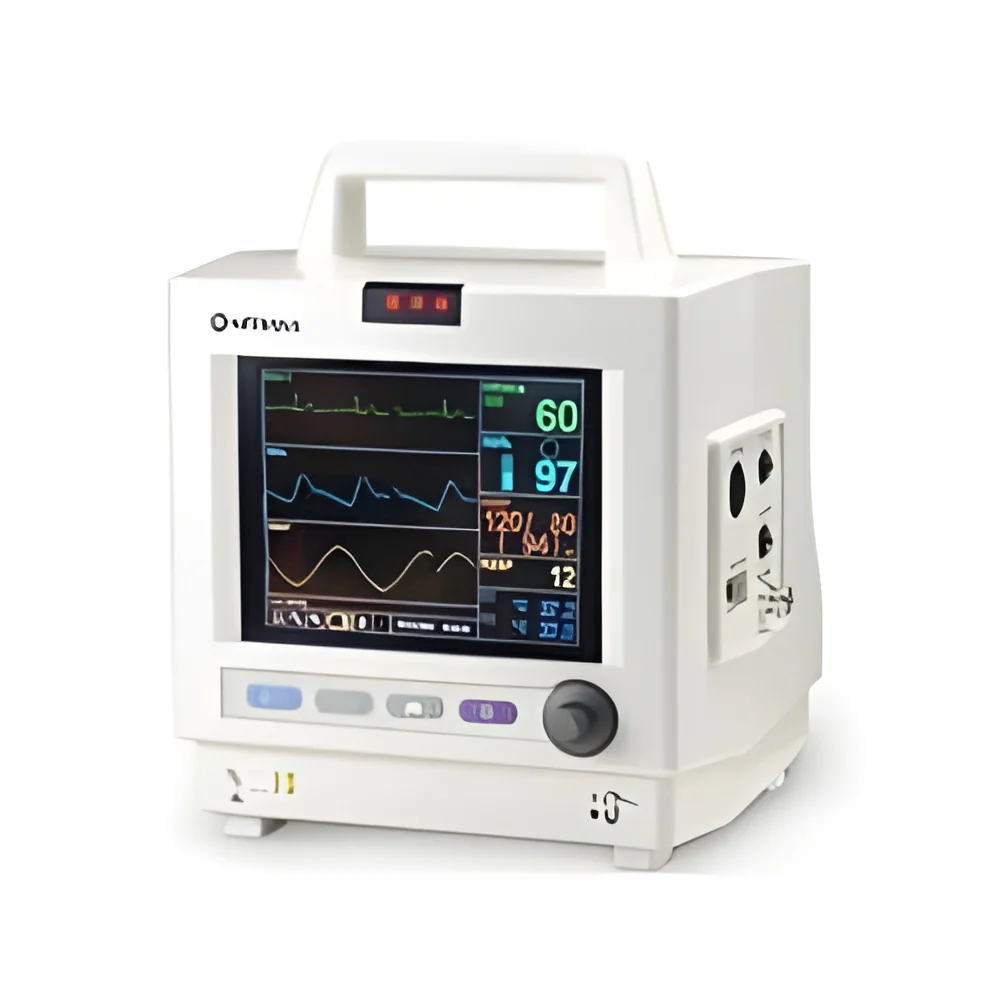
What are Remote Patient Monitoring Systems?
Remote Patient Monitoring Systems (RPMS) are advanced healthcare technologies designed to monitor patients' health remotely. These systems utilize various devices and software to collect, transmit, and analyze patient data from their homes or other locations outside traditional clinical settings. By enabling continuous monitoring of vital signs such as heart rate, blood pressure, and glucose levels, RPMS allows healthcare providers to track patients' conditions effectively without requiring them to visit a medical facility.
The primary uses of these systems include chronic disease management, post-operative care, and general health monitoring. They are widely adopted in hospitals, outpatient clinics, and home healthcare agencies. With the growing emphasis on preventive care and patient-centered healthcare, RPMS has become an integral part of modern medical practices, enhancing patient engagement and facilitating timely interventions. The market for RPMS is expanding rapidly, driven by technological advancements, increasing healthcare costs, and a rising aging population.
Key Features and Specifications
Remote Patient Monitoring Systems come equipped with a variety of features designed to enhance patient care and streamline data management. These features ensure that healthcare providers can efficiently track and analyze patient health metrics in real time.
Key specifications include:
1. Monitoring Capabilities
- Real-time tracking of vital signs such as heart rate, blood pressure, and oxygen saturation.
- Data collection through wearable devices, mobile applications, and home monitoring equipment.
2. Data Transmission
- Secure and reliable data transfer via cloud-based platforms or direct connections.
- Compatibility with various communication protocols such as Bluetooth and Wi-Fi.
3. User Interface
- Intuitive dashboards for healthcare providers to view patient data.
- User-friendly mobile applications for patients to monitor their health metrics easily.
4. Alerts and Notifications
- Automated alerts for healthcare providers in case of critical health changes.
- Notifications for patients to remind them of medication and follow-up appointments.
5. Data Analytics
- Advanced analytics tools to identify trends and patterns in patient data.
- Reporting features for healthcare providers to generate comprehensive health reports.
6. Integration Capabilities
- Compatibility with Electronic Health Records (EHR) systems.
- Ability to integrate with other healthcare technologies and platforms.
7. Security Features
- Robust data encryption to protect patient information.
- Compliance with healthcare regulations and standards for data privacy.
In summary, Remote Patient Monitoring Systems offer a comprehensive suite of features that enhance patient care through effective monitoring and data analysis.
Common Applications and Use Cases
Remote Patient Monitoring Systems are versatile tools that cater to various industries and healthcare applications.
1. Telehealth: These systems enable healthcare providers to monitor patients remotely, reducing the need for in-person visits and enhancing access to care.
2. Chronic Disease Management: RPMS is crucial for managing chronic conditions such as diabetes, hypertension, and heart disease, allowing continuous monitoring and timely interventions.
3. Post-operative Care: Patients recovering from surgery can be monitored at home, ensuring their recovery is on track while reducing hospital readmissions.
4. Elderly Care: Remote monitoring supports aging populations, allowing seniors to live independently while receiving continuous health oversight.
5. Mental Health: RPMS can track mental health metrics, facilitating timely support for patients struggling with conditions such as anxiety and depression.
6. Pediatric Care: These systems help monitor children with chronic conditions from home, providing parents with peace of mind and reducing hospital visits.
7. Rehabilitation: Patients undergoing rehabilitation can be monitored for progress remotely, ensuring adherence to recovery protocols.
Product Variants and Subcategories
Remote Patient Monitoring Systems come in various forms to meet different healthcare needs.
Wearable Devices
These compact devices, such as smartwatches or fitness bands, provide continuous monitoring of vital signs and physical activity. They are user-friendly and suitable for both patients and healthcare providers.
Home Monitoring Kits
These kits include devices like blood pressure monitors, glucose meters, and pulse oximeters, allowing patients to monitor their health from the comfort of their homes. They usually come with a central hub for data collection and analysis.
Mobile Applications
Mobile health apps allow patients to track their health metrics using their smartphones. These applications often integrate with wearable devices, providing a comprehensive overview of patient health.
Benefits and Advantages
Remote Patient Monitoring Systems offer several significant advantages to healthcare providers and patients.
1. Enhanced Patient Engagement: These systems empower patients to take control of their health, leading to improved adherence to treatment plans.
2. Reduced Healthcare Costs: By minimizing unnecessary hospital visits, RPMS can lower healthcare costs for both providers and patients.
3. Improved Health Outcomes: Continuous monitoring enables early detection of health issues, allowing for timely interventions that can prevent complications.
4. Increased Access to Care: RPMS expands access to healthcare services, especially for patients in remote or underserved areas.
5. Streamlined Workflow: Healthcare providers can manage patient data more efficiently, leading to improved workflow and productivity.
6. Customized Care Plans: Data collected through RPMS allows for personalized treatment strategies based on real-time patient data.
Buying Guide for B2B Buyers
When sourcing Remote Patient Monitoring Systems, it is essential to consider several key factors.
1. Quality Assessment: Evaluate the quality of the devices and software. Look for products that comply with industry standards and have undergone rigorous testing.
2. Supplier Verification: Vet suppliers thoroughly to ensure they have a proven track record in delivering reliable and effective monitoring systems.
3. Pricing and MOQ: Understand the pricing structure and minimum order quantities to assess budget compatibility and inventory needs.
4. Delivery and Lead Times: Consider logistics and delivery timelines to ensure timely access to the systems for implementation.
5. Compliance Requirements: Ensure that the systems meet relevant regulatory standards and certifications, such as CE certification, to guarantee safety and efficacy.
Compliance and Certifications
Remote Patient Monitoring Systems must adhere to various quality standards and industry regulations to ensure safety and effectiveness.
Relevant quality standards include ISO 9001, which outlines requirements for a quality management system. Compliance with HACCP (Hazard Analysis Critical Control Point) ensures that monitoring systems are safe and effective in managing patient health data.
Industry certifications such as CE mark are crucial for products sold in Europe, indicating that they meet health, safety, and environmental protection standards.
Additionally, monitoring systems should comply with safety and testing requirements, which include rigorous evaluations to ensure they function correctly and safely in real-world settings.
Regional compliance considerations may vary, so it is essential to be aware of local regulations that govern medical devices and patient monitoring technologies.
Why Source Remote Patient Monitoring Systems from Pepagora?
Pepagora provides a trusted platform for sourcing Remote Patient Monitoring Systems, offering several key advantages for B2B buyers.
Verified Supplier Network: Pepagora connects buyers with a network of verified suppliers, ensuring that all products meet stringent quality and safety standards. This gives buyers confidence in their sourcing decisions.
Streamlined RFQ Process: The platform simplifies the request for quotation (RFQ) process, allowing buyers to easily solicit bids from multiple suppliers and compare offers efficiently.
Trade Assurance and Support: Pepagora offers trade assurance, providing buyers with protection and support throughout the purchasing process. This includes assistance with any issues that may arise post-purchase.
Regional Coverage: With a strong presence in India, GCC, and Southeast Asia, Pepagora ensures that buyers can access Remote Patient Monitoring Systems tailored to their regional needs, making it easier to find the right solutions for their healthcare requirements.

 IN
IN