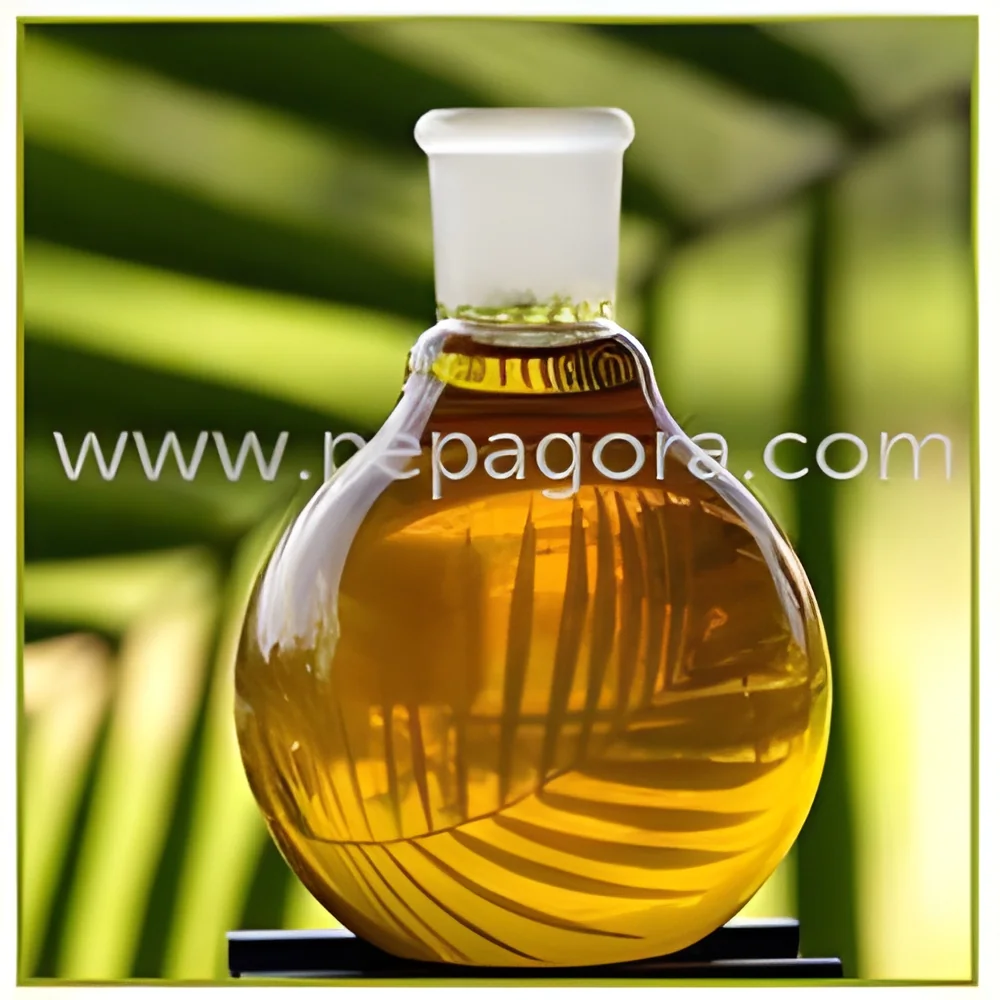
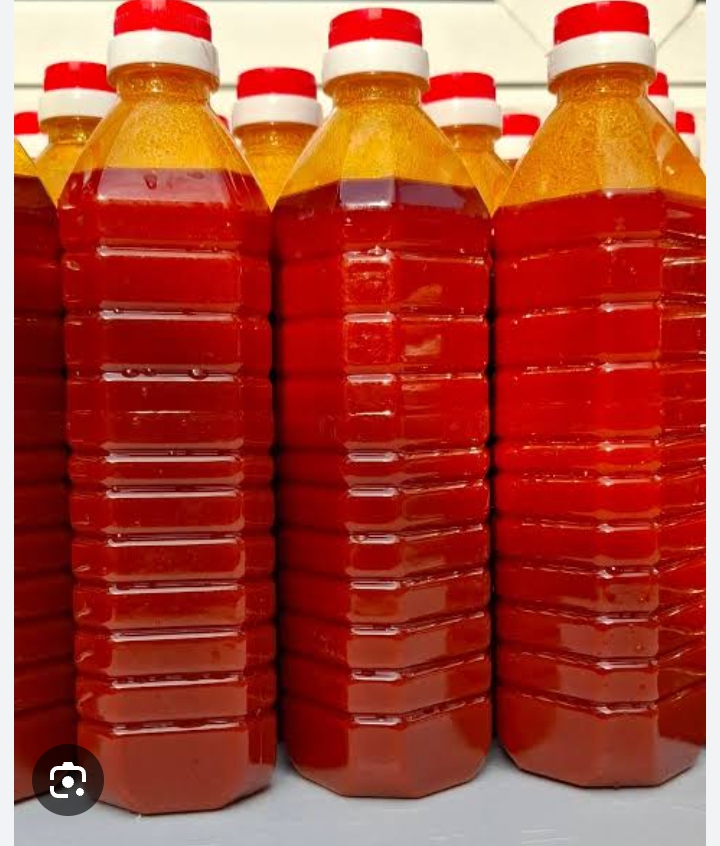
What are Palm Oil?
Palm oil is a versatile vegetable oil derived from the fruit of the oil palm tree, primarily the species Elaeis guineensis. This oil is known for its high yield and efficiency in production, making it one of the most widely used edible oils globally. It has a semi-solid consistency at room temperature and a neutral flavor, which contributes to its popularity in cooking and food processing.
The primary uses of palm oil span various industries, including food, cosmetics, and biofuels. In the food industry, it serves as a cooking oil, margarine base, and ingredient in processed foods. Additionally, palm oil is used in personal care products such as soaps, detergents, and cosmetics. The industrial relevance of palm oil is significant, with a growing market driven by increasing demand for sustainable and versatile raw materials.
Key Features and Specifications
Palm oil is characterized by several key features that make it suitable for various applications. These specifications help businesses assess the quality and usability of palm oil for their specific needs.
Key specifications include:
1. Oil Composition
- Palm oil consists of saturated and unsaturated fatty acids.
- Typically, it contains about 50% saturated fats and 50% unsaturated fats.
2. Color
- The color of palm oil can range from a light yellow to a deep red.
- This characteristic is due to the presence of carotenoids.
3. Flavor Profile
- Palm oil has a neutral taste that does not alter the flavor of food.
- It is often preferred for frying and baking.
4. Smoke Point
- The smoke point of palm oil is around 230°C (446°F).
- This high smoke point makes it suitable for high-temperature cooking.
5. Shelf Stability
- Palm oil has a long shelf life due to its natural antioxidant properties.
- This stability makes it ideal for use in processed food products.
6. Nutritional Value
- Palm oil is rich in vitamin E and vitamin A.
- It provides essential fatty acids necessary for human health.
7. Melting Point
- The melting point of palm oil is approximately 33-39°C (91-102°F).
- This characteristic allows it to remain semi-solid at room temperature.
8. Fatty Acid Profile
- The predominant fatty acids in palm oil include palmitic acid and oleic acid.
- This composition contributes to its functional properties in food applications.
In summary, the specifications of palm oil highlight its versatility and suitability for a range of applications across different industries.
Common Applications and Use Cases
Palm oil is utilized in various industries due to its unique properties and cost-effectiveness.
1. Food Industry: Palm oil is commonly used as a cooking oil, margarine base, and ingredient in snack foods. Its high smoke point makes it ideal for frying.
2. Personal Care Products: In cosmetics and personal care items, palm oil serves as an emollient and moisturizer, enhancing product texture and stability.
3. Biofuels: The renewable nature of palm oil makes it a valuable feedstock for biodiesel production, contributing to sustainable energy solutions.
4. Animal Feed: Palm oil by-products are often incorporated into livestock feed, providing energy and nutrients to farm animals.
5. Household Products: Palm oil is used in the manufacturing of soaps and detergents, where it acts as a surfactant and foaming agent.
6. Industrial Applications: In manufacturing, palm oil is utilized in the production of lubricants and other chemical products.
7. Pharmaceuticals: The oil's fatty acid profile is beneficial in pharmaceutical formulations, aiding in the delivery of active ingredients.
Product Variants and Subcategories
Palm oil comes in various forms, each designed to meet specific industry needs. This diversity allows businesses to select the most suitable variant for their applications.
Crude Palm Oil
Crude palm oil is extracted directly from the fruit and retains its natural nutrients and flavor. It is often used in food processing and cooking applications.
Refined Palm Oil
Refined palm oil undergoes processing to remove impurities and enhance its shelf stability. This variant is commonly used in commercial food production.
Fractionated Palm Oil
Fractionated palm oil is separated into solid and liquid components, allowing for tailored applications in both food and industrial sectors.
Benefits and Advantages
Sourcing palm oil offers multiple advantages that can enhance business operations.
1. Cost-Effectiveness: Palm oil is competitively priced compared to other vegetable oils, making it a cost-effective choice for manufacturers.
2. High Yield: The oil palm tree produces more oil per hectare than any other oilseed crop, ensuring a reliable supply.
3. Versatility: Its wide range of applications across different industries makes palm oil a multifunctional ingredient.
4. Nutritional Benefits: Palm oil provides essential nutrients, including vitamins A and E, which are beneficial for health.
5. Sustainability Potential: With proper management, palm oil production can be sustainable, supporting environmental and social goals.
6. Long Shelf Life: Palm oil's natural stability extends its usability in various products, reducing waste and enhancing efficiency.
Buying Guide for B2B Buyers
When sourcing palm oil, businesses should consider several critical factors to ensure quality and reliability.
1. Quality Assessment: Buyers should evaluate the oil's composition, color, and flavor to meet their specific application requirements. Conducting tests for purity and nutrient content is also recommended.
2. Supplier Verification: It is essential to vet suppliers by checking their certifications, production practices, and reputation in the industry. This helps ensure the authenticity and quality of the palm oil.
3. Pricing and MOQ: Understanding the price per unit and minimum order quantities (MOQ) can aid in budget planning and inventory management. Buyers should compare prices across suppliers to find the best deal.
4. Delivery and Lead Times: Assessing delivery schedules and lead times is crucial for maintaining supply chain efficiency. Buyers should communicate their timelines clearly with suppliers.
5. Compliance Requirements: Familiarity with regional regulations and certifications, such as CE, is necessary to ensure that the sourced palm oil meets industry standards and legal requirements.
Compliance and Certifications
Palm oil must adhere to various quality standards and industry certifications to ensure safety and effectiveness. Key standards include ISO 9001, which focuses on quality management systems, and HACCP, which addresses food safety risks.
The CE certification indicates compliance with European health and safety requirements, ensuring that products meet established safety standards. Additionally, safety and testing requirements are essential to validate the quality of palm oil for consumer use.
Regional compliance considerations may vary, requiring businesses to stay informed about local regulations governing palm oil sourcing and production. This vigilance ensures adherence to ethical sourcing practices and promotes sustainability in the palm oil industry.
Why Source Palm Oil from Pepagora?
Pepagora offers a trusted platform for sourcing palm oil, providing businesses with key advantages that streamline the procurement process.
Verified Supplier Network: Pepagora connects buyers with a network of verified suppliers, ensuring quality and reliability. Each supplier undergoes a thorough vetting process to guarantee compliance with industry standards.
Streamlined RFQ Process: The request for quotation (RFQ) system simplifies the procurement process, allowing buyers to receive competitive quotes quickly. This efficiency enables informed decision-making and better negotiation outcomes.
Trade Assurance and Support: Pepagora provides buyer protection through trade assurance, minimizing risks associated with sourcing. Comprehensive support from the platform enhances the overall purchasing experience.
Regional Coverage: With a broad geographic reach across India, the GCC, and Southeast Asia, Pepagora facilitates access to a diverse range of palm oil suppliers. This extensive coverage ensures that businesses can find suitable options tailored to their regional needs.

 IN
IN


 India
India