𝗪𝗵𝗮𝘁 𝗮𝗿𝗲 𝗢𝘁𝗵𝗲𝗿 𝗘𝗱𝗶𝗯𝗹𝗲 𝗢𝗶𝗹𝘀 & 𝗙𝗮𝘁𝘀?
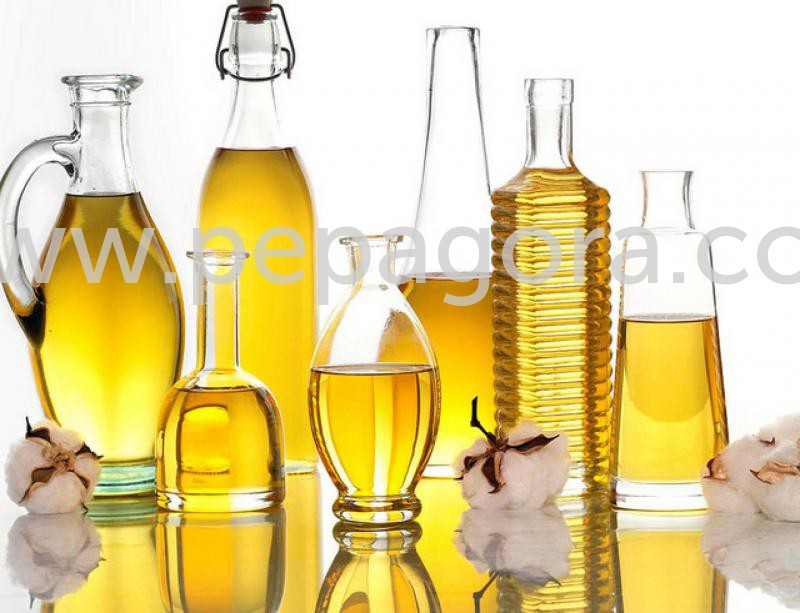
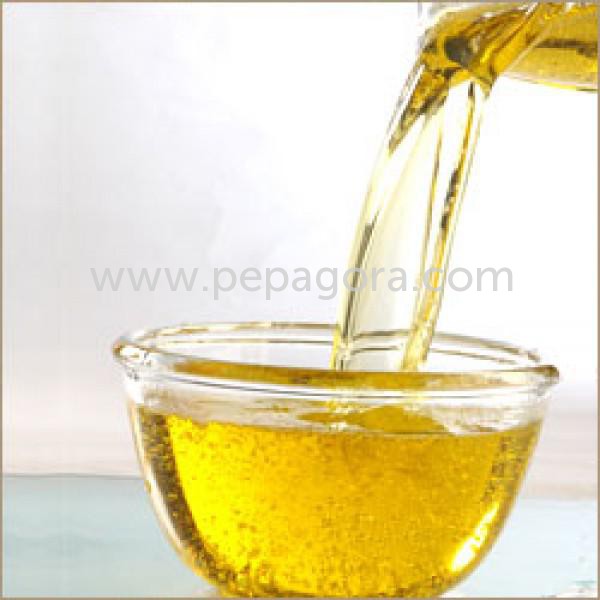
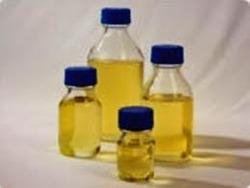
Other Edible Oils & Fats refer to a diverse category of oils and fats that are used for culinary purposes, food processing, and other industrial applications. These products can include a variety of plant-based oils, animal fats, and blended oils that do not fall into the mainstream categories like olive oil or canola oil. They are often utilized for their unique flavor profiles, cooking properties, and nutritional benefits.
These oils and fats find extensive use in the food industry, catering to both commercial kitchens and consumer markets. They are integral to the production of various food items such as baked goods, snacks, and sauces. Additionally, they are employed in the manufacturing of processed foods and are often used in frying, sautéing, and baking due to their heat stability and flavor enhancement properties. In the context of a growing health-conscious market, the demand for specialized edible oils and fats is increasing, reflecting a shift toward healthier and more diverse food options.
𝗞𝗲𝘆 𝗙𝗲𝗮𝘁𝘂𝗿𝗲𝘀 𝗮𝗻𝗱 𝗦𝗽𝗲𝗰𝗶𝗳𝗶𝗰𝗮𝘁𝗶𝗼𝗻𝘀
When considering Other Edible Oils & Fats, it is essential to understand their key features and specifications. These characteristics can significantly impact their usability and effectiveness across different applications.
Key specifications include:
1. Oil Type
- Options can include vegetable oils, animal fats, and blends.
- Each type has unique properties affecting flavor, smoke point, and health benefits.
2. Fatty Acid Composition
- This includes the ratio of saturated, monounsaturated, and polyunsaturated fats.
- Different compositions affect health implications and cooking characteristics.
3. Smoke Point
- The temperature at which the oil begins to smoke and break down.
- Important for determining suitability for frying and high-heat cooking.
4. Flavor Profile
- Each oil offers distinct flavors that can enhance different dishes.
- Flavor can range from neutral to robust, impacting culinary applications.
5. Shelf Life
- The duration for which the oil remains usable and safe for consumption.
- Influenced by factors such as processing and storage conditions.
6. Packaging Options
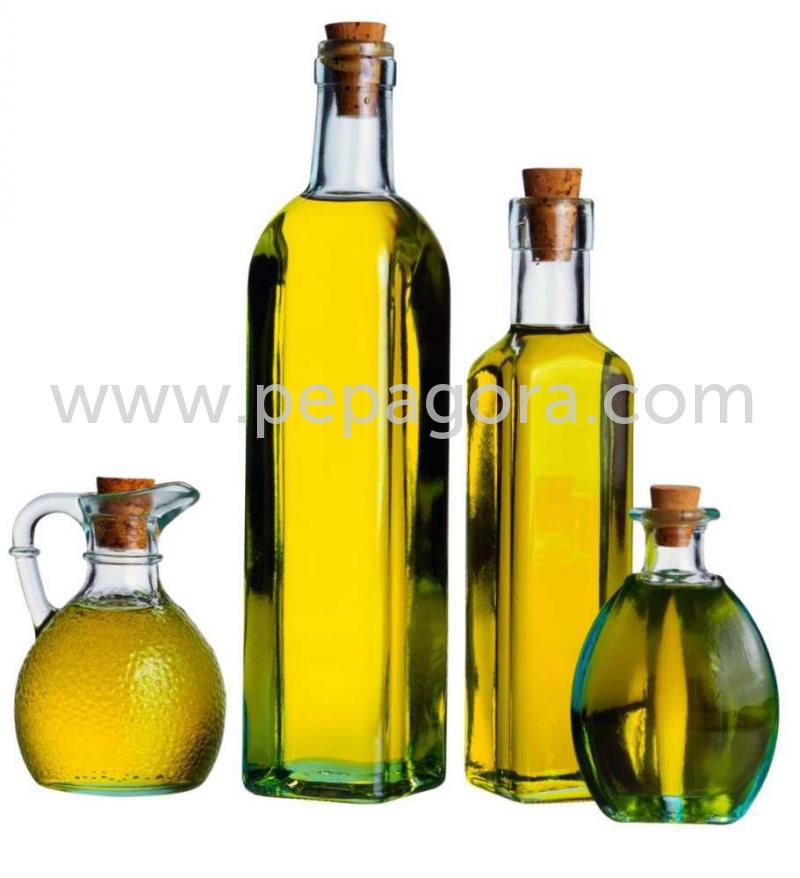
- Available in bulk containers or smaller retail packages.
- Selection depends on intended use and market needs.
In summary, understanding the key features and specifications of Other Edible Oils & Fats is crucial for making informed decisions in sourcing and application.
𝗖𝗼𝗺𝗺𝗼𝗻 𝗔𝗽𝗽𝗹𝗶𝗰𝗮𝘁𝗶𝗼𝗻𝘀 𝗮𝗻𝗱 𝗨𝘀𝗲 𝗖𝗮𝘀𝗲𝘀
Other Edible Oils & Fats have a wide range of applications across various industries.
1. Food Manufacturing: Oils are used in the production of processed foods, including snacks, dressings, and convenience meals, enhancing flavor and texture.
2. Restaurant and Catering: Chefs utilize different oils for frying, sautéing, and dressing to create diverse culinary experiences and meet customer preferences.
3. Bakery Products: Specialized oils and fats are essential in creating the desired texture and moisture in pastries, bread, and cakes.
4. Confectionery: Certain fats are used in chocolates and candies to improve mouthfeel and stability during storage.
5. Dietary Supplements: Some oils, rich in essential fatty acids, are used in health products aimed at enhancing nutritional intake.
6. Cosmetics and Personal Care: Edible oils are sometimes repurposed in formulations for skin and hair care products due to their nourishing properties.
𝗣𝗿𝗼𝗱𝘂𝗰𝘁 𝗩𝗮𝗿𝗶𝗮𝗻𝘁𝘀 𝗮𝗻𝗱 𝗦𝘂𝗯𝗰𝗮𝘁𝗲𝗴𝗼𝗿𝗶𝗲𝘀
The category of Other Edible Oils & Fats includes various product variants catering to different needs and applications.
Refined Vegetable Oil
This variant undergoes processing to remove impurities and enhance flavor. It is widely used in commercial kitchens and food processing due to its high smoke point and neutral taste.
Ghee
A clarified butter variant, ghee is popular in Indian cuisine. It is valued for its rich flavor and high smoke point, making it ideal for cooking and frying.
Palm Oil
Derived from the fruit of palm trees, this oil is known for its stability and versatility. It is used in cooking, baking, and as an ingredient in many processed foods.
Butter Oil
This concentrated form of butter is used in baking and cooking for its rich flavor. It adds a creamy texture to various dishes, making it a favorite among chefs.
𝗕𝗲𝗻𝗲𝗳𝗶𝘁𝘀 𝗮𝗻𝗱 𝗔𝗱𝘃𝗮𝗻𝘁𝗮𝗴𝗲𝘀
Sourcing Other Edible Oils & Fats comes with numerous benefits that can enhance culinary and industrial applications.
1. Versatility: These oils can be used in a wide range of cooking techniques, from frying to baking, catering to diverse culinary needs.
2. Flavor Enhancement: Different oils offer unique flavors that can elevate dishes, allowing for creativity in food preparation.
3. Health Benefits: Many oils are rich in essential fatty acids and vitamins, contributing to health-conscious cooking.
4. Stability: High smoke points in certain oils make them suitable for high-heat cooking, minimizing the risk of burning and degradation.
5. Customization: Many suppliers offer tailored oil blends to meet specific flavor or nutritional requirements for businesses.
6. Cost-Effectiveness: Bulk purchasing of oils and fats can lead to significant savings for businesses in the food industry.
𝗕𝘂𝘆𝗶𝗻𝗴 𝗚𝘂𝗶𝗱𝗲 𝗳𝗼𝗿 𝗕𝟮𝗕 𝗕𝘂𝘆𝗲𝗿𝘀
When sourcing Other Edible Oils & Fats, it is crucial for B2B buyers to consider several factors to ensure they meet their needs effectively.
1. Quality Assessment: Buyers should evaluate oils based on purity, freshness, and compliance with food safety standards to ensure product integrity.
2. Supplier Verification: It's important to vet suppliers through background checks, certifications, and reviews to ensure reliability and quality of products.
3. Pricing and MOQ: Understanding the pricing structure and minimum order quantities helps in budgeting and aligns with business needs.
4. Delivery and Lead Times: Buyers should inquire about logistics to ensure timely delivery, which is critical for inventory management and production schedules.
5. Compliance Requirements: Familiarity with regional food safety regulations and certifications ensures that the products meet legal and industry standards.
𝗖𝗼𝗺𝗽𝗹𝗶𝗮𝗻𝗰𝗲 𝗮𝗻𝗱 𝗖𝗲𝗿𝘁𝗶𝗳𝗶𝗰𝗮𝘁𝗶𝗼𝗻𝘀
Compliance and certification are critical aspects of sourcing Other Edible Oils & Fats.
Relevant quality standards include ISO 9001, which ensures consistent quality management practices. Adhering to HACCP guidelines is essential for identifying and managing food safety hazards throughout production.
Industry certifications such as CE demonstrate that products meet European safety and health requirements, enhancing marketability and acceptance.
Safety and testing requirements ensure that oils are free from harmful contaminants and meet nutritional claims. Regular testing for quality assurance is essential for maintaining compliance.
Regional compliance considerations vary by market. Understanding local regulations can aid in smoother importation and distribution processes.
𝗪𝗵𝘆 𝗦𝗼𝘂𝗿𝗰𝗲 𝗢𝘁𝗵𝗲𝗿 𝗘𝗱𝗶𝗯𝗹𝗲 𝗢𝗶𝗹𝘀 & 𝗙𝗮𝘁𝘀 𝗳𝗿𝗼𝗺 𝗣𝗲𝗽𝗮𝗴𝗼𝗿𝗮?
Pepagora provides a trusted platform for sourcing Other Edible Oils & Fats with several key advantages.
Our Verified Supplier Network ensures that buyers connect with reputable suppliers who meet rigorous quality standards. This helps in reducing risks associated with sourcing.
The Streamlined RFQ Process allows businesses to easily request quotes from multiple suppliers, facilitating competitive pricing and informed decision-making.
Trade Assurance and Support offer peace of mind to buyers, ensuring that transactions are protected and disputes are managed effectively.
Finally, our Regional Coverage spans India, the GCC, and Southeast Asia, enabling businesses to access a wide range of suppliers and products tailored to their specific market needs.

 IN
IN
 India
India