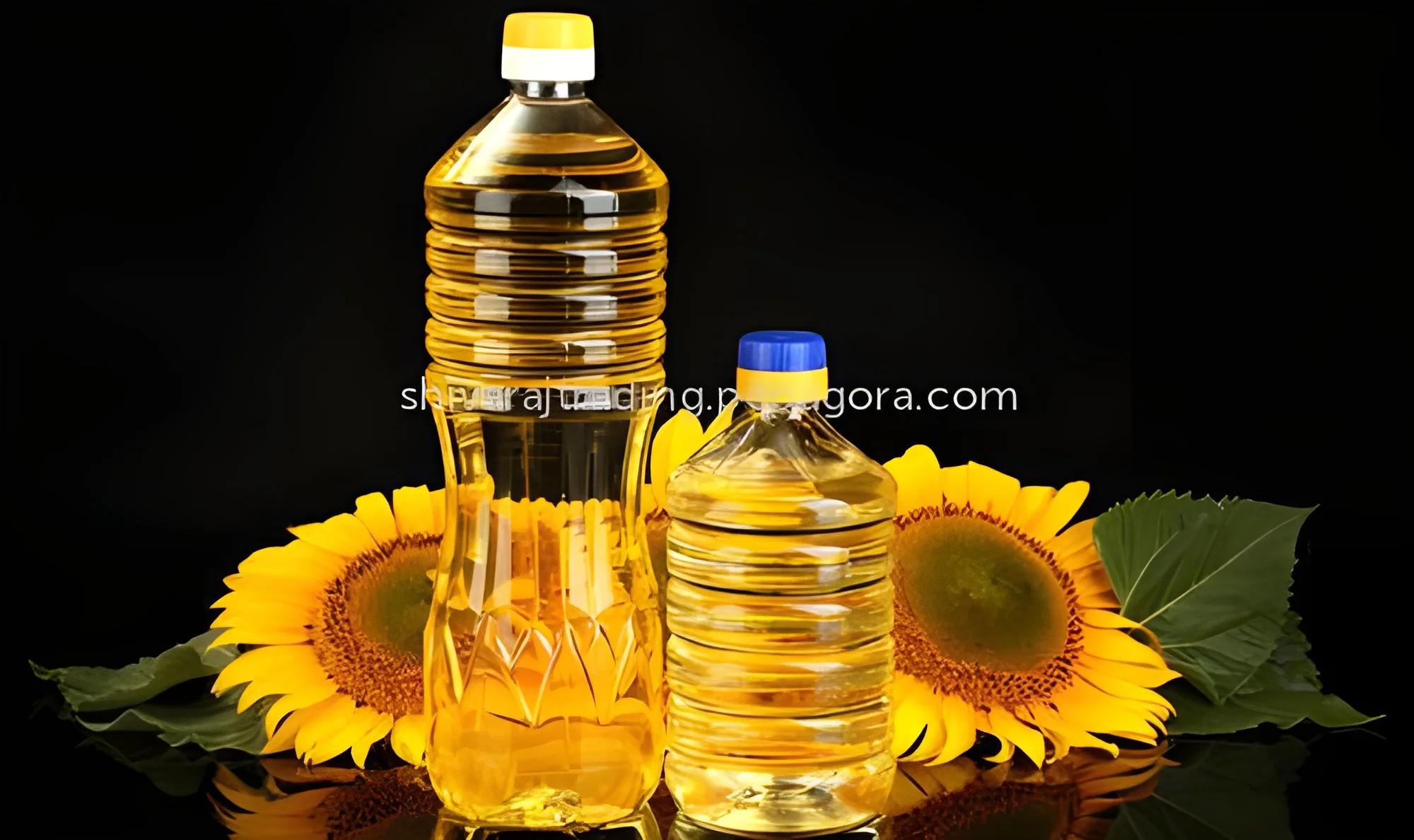
What are Organic Certified Oils?
Organic Certified Oils are oils derived from plants that have been cultivated without the use of synthetic fertilizers, pesticides, or herbicides. These oils undergo a rigorous certification process to ensure they meet organic standards set by governing bodies. The certification process involves strict adherence to organic farming practices, which promote environmental sustainability and biodiversity.
These oils are widely used in various business applications, including food production, cosmetics, and pharmaceuticals. In the food industry, organic oils are often favored for their purity and flavor profiles, making them essential ingredients in gourmet cooking. In cosmetics, they serve as natural moisturizers and emollients, while in the pharmaceutical sector, they are used for their therapeutic properties.
The market for organic certified oils has been growing steadily due to increasing consumer awareness about health and wellness. Industries are recognizing the benefits of using organic products, leading to a higher demand for these oils. This trend is particularly relevant as businesses seek to align with sustainability goals and cater to environmentally conscious consumers.
Key Features and Specifications
Organic Certified Oils possess several features that distinguish them from conventional oils. They are characterized by their natural extraction methods, purity, and adherence to organic farming practices. These specifications ensure that the oils are free from harmful chemicals and additives.
Key specifications include:
1. Source of Extraction
- Derived from organically grown plants
- Extraction methods include cold pressing and steam distillation
2. Certification Standards
- Complies with organic certification regulations
- Certification bodies may include USDA, EU Organic, and others
3. Purity Levels
- Typically 100% pure with no additives
- Quality assurance through testing for contaminants
4. Packaging Options
- Available in various container sizes
- Packaging materials are eco-friendly and recyclable
5. Shelf Life
- Generally ranges from 1 to 3 years
- Storage conditions may affect longevity
6. Sensory Properties
- Distinctive aroma and flavor profiles
- Color varies based on the source plant
7. Nutritional Value
- Rich in essential fatty acids and antioxidants
- Nutritional benefits vary by oil type
In summary, these specifications highlight the quality and integrity of organic certified oils, making them a valuable choice for businesses looking to enhance their product offerings.
Common Applications and Use Cases
Organic Certified Oils find utility across various industries due to their versatile properties.
1. Food Industry: These oils are utilized in cooking and food preparation, providing natural flavor and health benefits. They are commonly used in salad dressings, marinades, and baked goods.
2. Cosmetics and Personal Care: Organic oils serve as key ingredients in skincare products, shampoos, and lotions due to their nourishing and hydrating properties. They are popular among brands focusing on natural and organic formulations.
3. Pharmaceuticals: Certain organic oils are used for their medicinal properties, making them valuable in the production of herbal remedies and supplements. Their therapeutic benefits are recognized in natural healing practices.
4. Aromatherapy: Essential oils, derived from organic sources, are widely used in aromatherapy practices for relaxation and wellness. They are incorporated into diffusers, massage oils, and personal care products.
5. Household Products: Many eco-friendly cleaning products include organic oils for their natural disinfecting properties. They provide an alternative to chemical-laden cleaners.
6. Textile Industry: Organic oils are also used in the production of natural dyes and finishes, contributing to sustainable textile manufacturing.
7. Biofuels: Some organic oils are explored as renewable energy sources in the biofuel sector, promoting sustainability and reducing reliance on fossil fuels.
Product Variants and Subcategories
Organic Certified Oils come in various forms, catering to different needs and applications.
Cold-Pressed Olive Oil
This variant is known for its rich flavor and high nutritional content. Cold-pressed olive oil is ideal for salad dressings, marinades, and cooking at low temperatures. It is prized for its health benefits, including heart health support.
Essential Lavender Oil
Lavender oil is celebrated for its calming properties and is widely used in aromatherapy and personal care products. Its soothing scent makes it a popular choice for relaxation and stress relief.
Organic Coconut Oil
This versatile oil is utilized in cooking, baking, and cosmetics. It has a high smoke point, making it suitable for various cooking methods, and is often used as a moisturizer in skin and hair care.
Jojoba Oil
Jojoba oil closely resembles human sebum, making it an excellent choice for skincare formulations. It is easily absorbed and is commonly used in moisturizers, serums, and hair products.
Argan Oil
Rich in vitamins and fatty acids, argan oil is widely recognized for its benefits in hair and skin care. It is often used in treatments for dry hair and skin and is a popular ingredient in luxury cosmetics.
Benefits and Advantages
Sourcing Organic Certified Oils offers numerous benefits for businesses and consumers alike.
1. Health Benefits: Organic oils are free from harmful chemicals, providing a healthier option for consumers. They often contain higher levels of nutrients and antioxidants compared to conventional oils.
2. Environmental Sustainability: By choosing organic oils, businesses support sustainable farming practices, which promote biodiversity and reduce environmental impact.
3. Consumer Trust: Offering organic certified products enhances brand reputation and builds trust with health-conscious consumers who prioritize organic options.
4. Versatility: Organic oils can be used across multiple applications, making them valuable additions to various product lines.
5. Competitive Edge: In a growing market focused on natural and organic products, offering certified oils can differentiate businesses from competitors.
6. Quality Assurance: Certified oils undergo rigorous testing and certification processes, ensuring high-quality standards and product consistency.
Buying Guide for B2B Buyers
When sourcing Organic Certified Oils, it is essential to consider several factors to ensure a successful procurement process.
1. Quality Assessment: Evaluate the quality of oils by reviewing certification documents and conducting sensory evaluations. Look for third-party testing results to confirm purity and safety.
2. Supplier Verification: Vet potential suppliers by checking their certifications, reputation, and customer reviews. It is crucial to partner with reliable providers who adhere to organic standards.
3. Pricing and MOQ: Understand the pricing structure and minimum order quantities (MOQ) of suppliers. Comparing quotes from multiple sources can help in identifying competitive pricing.
4. Delivery and Lead Times: Discuss logistics with suppliers, including delivery timelines and shipping methods. Timely delivery is essential for maintaining inventory and meeting customer demand.
5. Compliance Requirements: Ensure that suppliers comply with relevant regulations and certifications. This includes understanding regional compliance standards that may affect product importation and sales.
Compliance and Certifications
Organic Certified Oils must adhere to various quality standards to ensure safety and reliability. Key standards include ISO 9001, which governs quality management systems, and HACCP, focused on food safety. Compliance with Good Distribution Practices (GDP) is also critical to maintaining product integrity during transport.
Industry certifications, such as CE marking, indicate that products meet European safety requirements. These certifications contribute to consumer confidence and demonstrate a commitment to quality.
Safety and testing requirements for organic oils involve regular assessments for contaminants, ensuring that the oils are free from harmful substances. This testing is crucial, especially in food and personal care applications.
Regional compliance considerations may vary based on local regulations. Businesses must stay informed about specific requirements in their target markets to avoid legal issues and ensure smooth distribution.
Why Source Organic Certified Oils from Pepagora?
Pepagora offers a reliable platform for sourcing Organic Certified Oils, providing several advantages for B2B buyers.
Verified Supplier Network: The platform features a network of suppliers who have been thoroughly vetted for their compliance with organic standards. This ensures that buyers can trust the quality of the oils they source.
Streamlined RFQ Process: Pepagora simplifies the request for quotation (RFQ) process, allowing buyers to easily connect with multiple suppliers. This efficiency enhances the procurement experience and helps businesses make informed decisions.
Trade Assurance and Support: Buyers benefit from trade assurance features that provide protection against potential risks in transactions. Pepagora offers support to facilitate smooth communication and resolution of any issues that may arise.
Regional Coverage: With a presence in India, the GCC, and Southeast Asia, Pepagora has a wide geographic reach. This enables businesses to access diverse suppliers and markets, enhancing their sourcing capabilities for organic certified oils.

 IN
IN

 India
India