
 IN
OEM Body Parts
27 products available
What are OEM Body Parts?
OEM Body Parts, or Original Equipment Manufacturer Body Parts, refer to components that are produced by the original manufacturer of a vehicle or equipment. These parts are designed to fit precisely and function optimally with the specific make and model for which they are intended. Unlike aftermarket parts, which may be produced by third-party manufacturers, OEM parts maintain the same specifications and standards as the original components.
These body parts are commonly used in the automotive industry, where they serve critical roles in vehicle repairs, maintenance, and customization. Businesses such as auto repair shops, dealerships, and fleet management companies rely on OEM body parts to ensure the longevity and performance of vehicles. The use of these parts helps maintain a vehicle's warranty and ensures compliance with safety and performance standards. In the broader context, the market for OEM body parts continues to grow as vehicle manufacturers emphasize quality and safety, leading to a rising demand for reliable components.
Key Features and Specifications
OEM Body Parts come with specific features and specifications that enhance their reliability and performance. These specifications are essential for businesses looking to maintain high-quality standards in their operations.
Key specifications include:
1. Material Quality
- Typically made from high-grade metals or plastics
- Ensures durability and resistance to wear
2. Fit and Compatibility
- Engineered to exact specifications of the original part
- Guarantees proper fitting and functionality within the vehicle
3. Certification
- Generally certified to meet industry standards
- CE certification is common for safety and reliability
4. Warranty
- Often backed by a manufacturer's warranty
- Provides assurance of quality and performance
5. Performance Standards
- Designed to meet or exceed OEM performance levels
- Ensures optimal vehicle operation and safety
6. Production Process
- Manufactured using advanced technology and quality control
- Reduces the risk of defects and enhances reliability
7. Environmental Compliance
- Many parts are produced with minimal environmental impact
- Adheres to regulations for sustainability
8. Availability
- Readily available through authorized suppliers
- Ensures quick access for repairs and replacements
In summary, the specifications of OEM Body Parts ensure they meet the rigorous demands of various industries while offering reliability and performance.
Common Applications and Use Cases
OEM Body Parts find extensive applications across various industries, serving critical functions in vehicle maintenance and repair.
1. Automotive Industry: Used in car dealerships and repair shops to replace damaged or worn-out components, ensuring vehicles maintain their value and safety.
2. Fleet Management: Essential for companies managing large fleets of vehicles, where consistent performance and reliability are crucial for operational efficiency.
3. Aerospace Sector: Used in aircraft maintenance to ensure compliance with safety regulations and performance standards.
4. Heavy Machinery: Applied in construction and agricultural machinery for repairs and maintenance, contributing to equipment longevity.
5. Marine Applications: Utilized in repairing and maintaining boats and ships, ensuring safety and compliance with maritime regulations.
6. Motorcycle Repairs: Used in the motorcycle industry for maintaining and restoring bikes to their original performance standards.
7. Industrial Equipment: Employed in various types of industrial machinery to ensure optimal functionality and performance.
Product Variants and Subcategories
OEM Body Parts encompass a range of product variants, each designed for specific applications and needs. This diversity allows businesses to find the right components for their requirements.
Variant 1: Chassis Components
These parts include frames and structural elements that support the vehicle's body. They are designed for durability and strength, ensuring safety and stability.
Variant 2: Body Panels
Body panels such as doors, hoods, and fenders are manufactured to match the original design precisely. They are vital for maintaining the vehicle's aesthetic and structural integrity.
Variant 3: Lighting Components
These include headlights, taillights, and indicator lights that meet OEM specifications. They ensure proper visibility and safety on the road.
Benefits and Advantages
Sourcing OEM Body Parts offers numerous benefits for businesses looking to maintain high standards in their operations.
1. Quality Assurance: OEM parts are manufactured to strict specifications, ensuring high quality and reliability.
2. Fit and Functionality: Designed to fit precisely, reducing installation issues and enhancing performance.
3. Warranty Coverage: Many OEM parts come with warranties, providing an additional layer of security for buyers.
4. Compliance with Standards: Sourcing OEM parts ensures compliance with industry regulations and safety standards.
5. Enhanced Vehicle Value: Using OEM parts helps maintain the vehicle's resale value by ensuring it remains in optimal condition.
6. Long-term Reliability: OEM parts are designed for durability, reducing the frequency of replacements and repairs.
Buying Guide for B2B Buyers
When sourcing OEM Body Parts, B2B buyers should consider several key factors to ensure they make informed purchasing decisions.
1. Quality Assessment: Evaluate the quality standards of the OEM parts. Look for certifications and inquire about the manufacturing processes used to ensure durability and reliability.
2. Supplier Verification: Vet potential suppliers to ensure they have a proven track record of providing high-quality OEM parts. Check reviews and request references if necessary.
3. Pricing and MOQ: Understand the pricing structure and any minimum order quantities (MOQ) that may apply. Compare prices among different suppliers to find the best deal.
4. Delivery and Lead Times: Discuss lead times for delivery to ensure that the parts will arrive when needed. Consider logistics and transport options.
5. Compliance Requirements: Ensure that the OEM parts meet all relevant regulatory and compliance requirements for your industry. This includes safety certifications and environmental standards.
Compliance and Certifications
Compliance and certifications are critical for ensuring the quality and safety of OEM Body Parts. Relevant quality standards such as ISO 9001 ensure that the manufacturing processes meet international quality management principles. This certification is essential for maintaining consistent quality across all products.
Industry certifications like CE indicate that the products comply with European safety, health, and environmental protection standards. These certifications are vital for businesses operating in regulated markets.
Safety and testing requirements must also be adhered to, ensuring that all parts are thoroughly tested for reliability and performance before reaching the market. Additionally, businesses should be aware of regional compliance considerations, as different countries may have specific regulations that impact the sourcing and use of OEM body parts.
Why Source OEM Body Parts from Pepagora?
Pepagora offers a trusted platform for sourcing OEM Body Parts, providing several key advantages for B2B buyers.
Verified Supplier Network: Pepagora features a network of verified suppliers, ensuring that all listed products meet high-quality standards. This reduces the risk of sourcing subpar components.
Streamlined RFQ Process: The platform offers an easy-to-navigate Request for Quotation (RFQ) process, allowing buyers to quickly obtain quotes from multiple suppliers. This enhances efficiency and empowers buyers to make informed decisions.
Trade Assurance and Support: Pepagora provides trade assurance and buyer protection, ensuring that transactions are secure and reliable. This support fosters confidence in sourcing decisions.
Regional Coverage: With a strong presence in India, the GCC, and Southeast Asia, Pepagora facilitates access to OEM Body Parts across diverse markets, allowing businesses to expand their operational capabilities effectively.

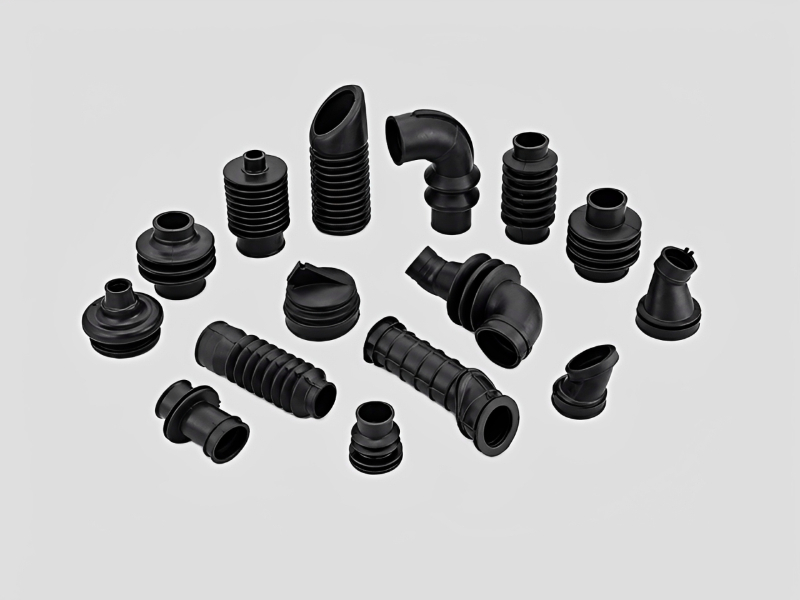


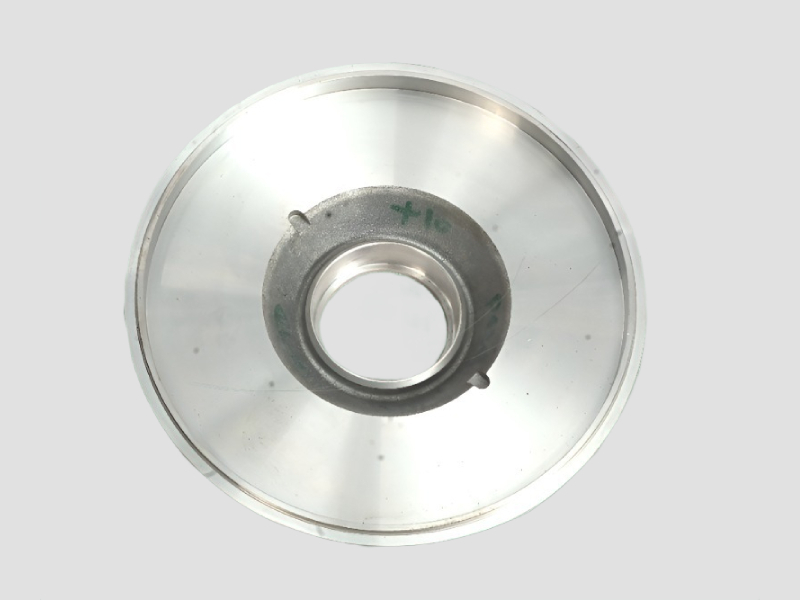

 India
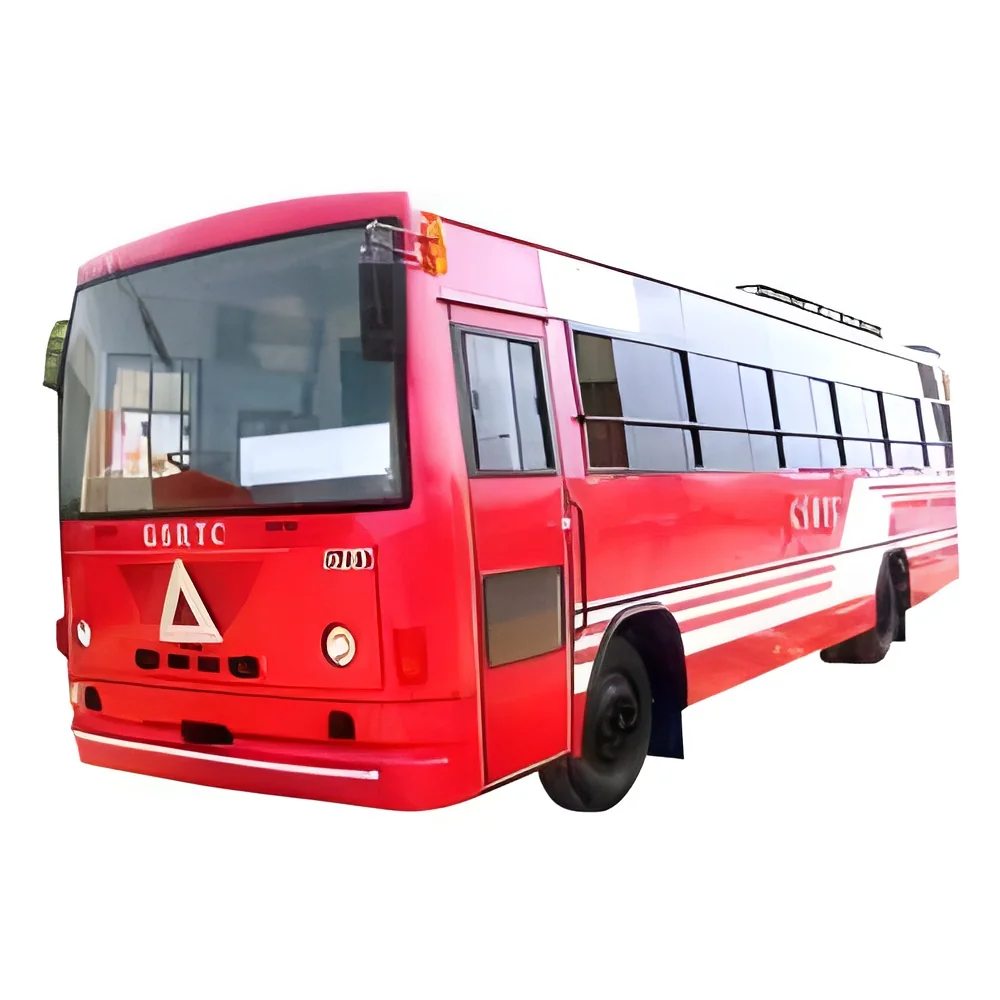
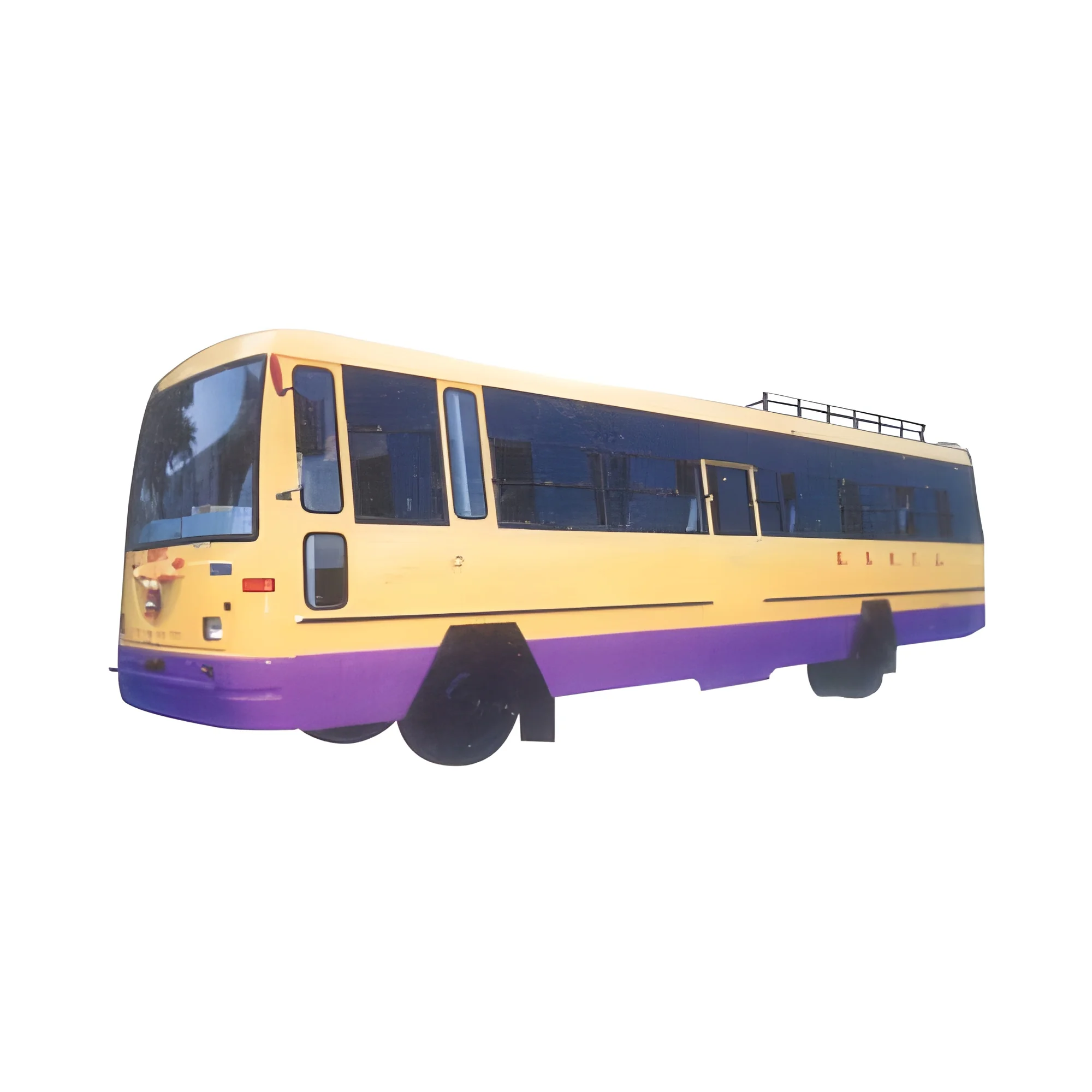
 India
 India


 India
 India
 India
 India

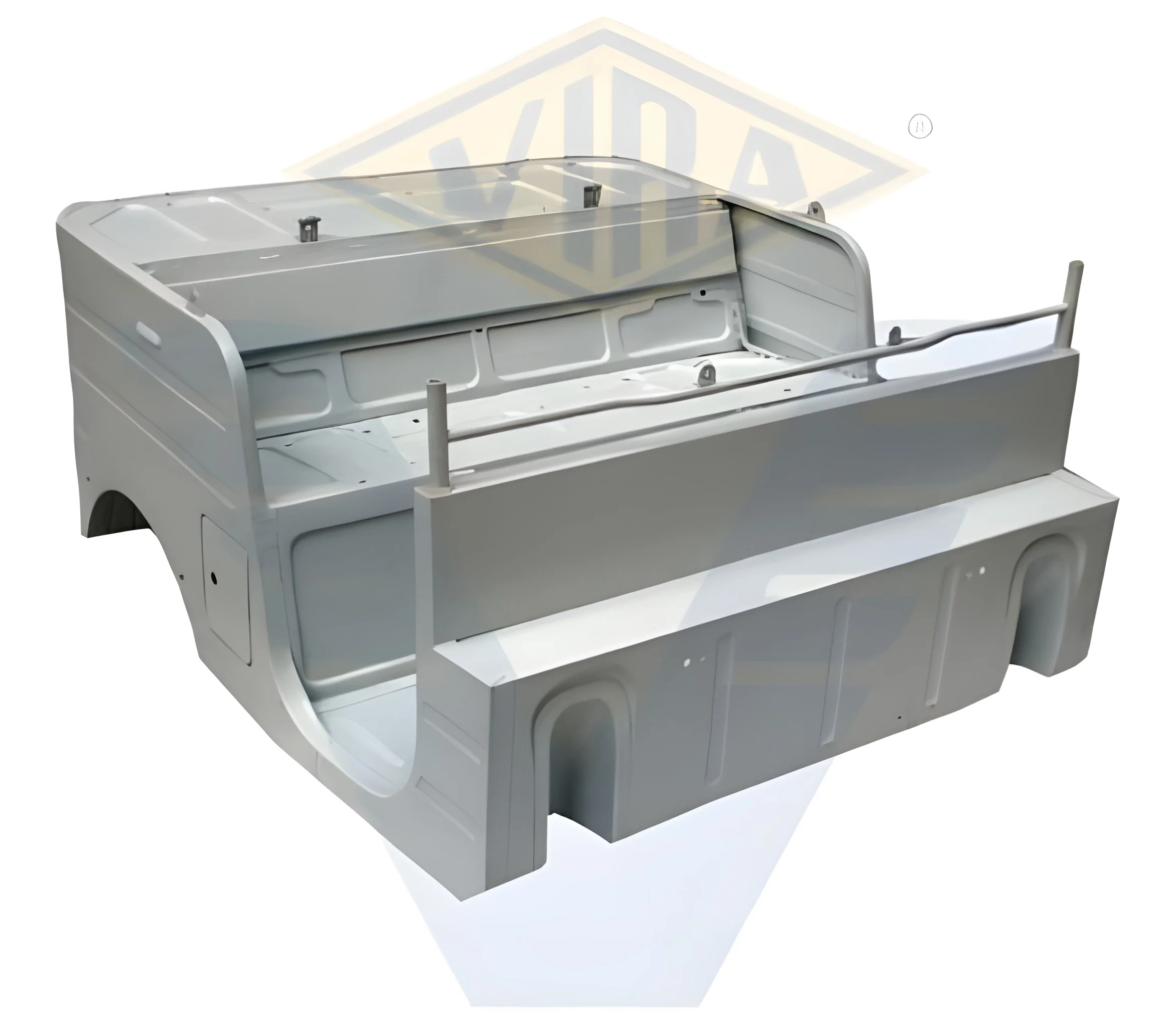 India
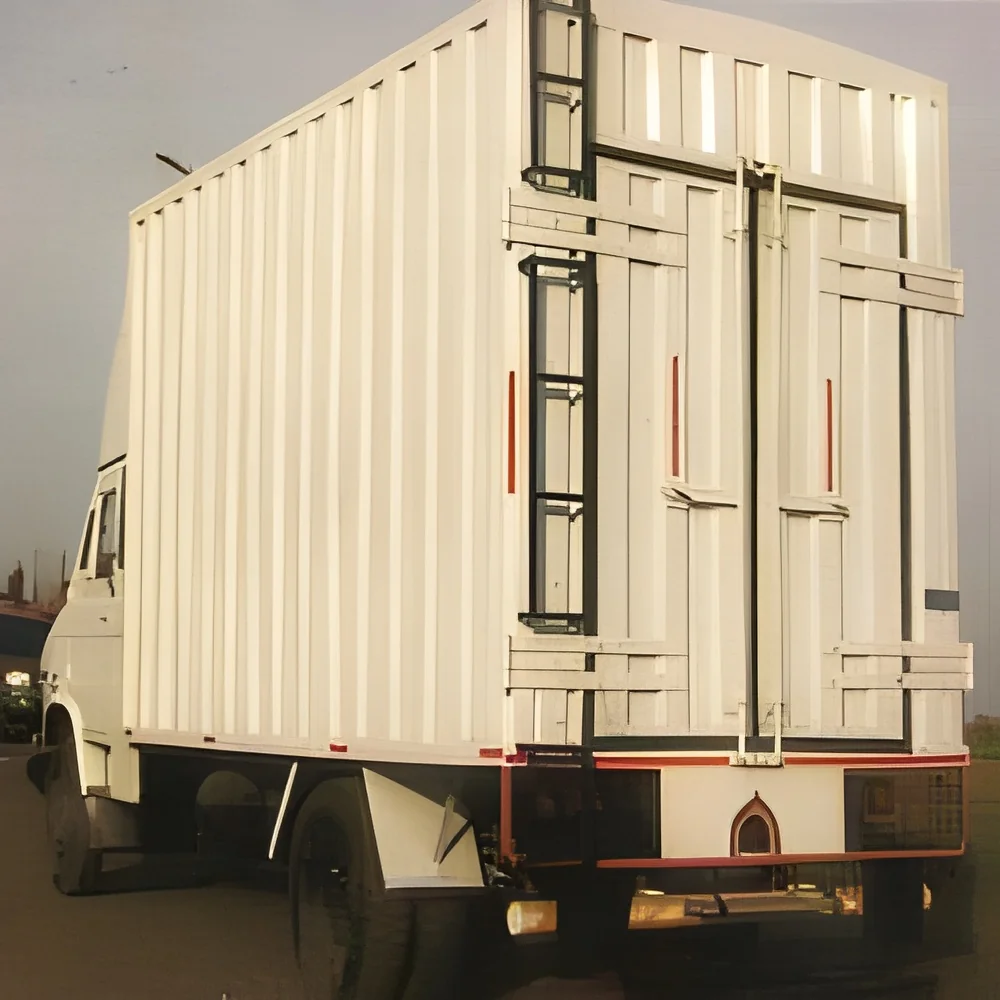
Frequently Asked Questions
What are OEM Body Parts?
OEM Body Parts, or Original Equipment Manufacturer Body Parts, are components made by a manufacturer to be used in the assembly of vehicles or machinery, matching the exact specifications of the original parts. These parts ensure compatibility and maintain the integrity of the vehicle's performance and safety.
What are the different types of OEM Body Parts?
Different types of OEM Body Parts include body panels, bumpers, fenders, hoods, and doors. Additionally, there are components like mirrors, grilles, and lights that are also categorized under OEM Body Parts, each designed for specific vehicle models.
How do I choose the right OEM Body Parts?
To choose the right OEM Body Parts, it is essential to verify the part number and compatibility with your vehicle model. Additionally, consider the manufacturer’s reputation and warranty offered on the parts to ensure quality and reliability.
What are the standard specifications for OEM Body Parts?
Standard specifications for OEM Body Parts include dimensions, material quality, and performance standards that match the original parts. These specifications ensure that the parts fit correctly and function optimally within the vehicle’s system.
What is the price range for OEM Body Parts?
The price range for OEM Body Parts can vary significantly based on the type of part, vehicle make and model, and supplier. Generally, prices can range from a few hundred to several thousand Indian Rupees, depending on the complexity and material of the part.
What quality standards apply to OEM Body Parts?
OEM Body Parts must meet stringent quality standards set by manufacturers, which often include compliance with industry regulations and testing for durability, safety, and performance. These standards ensure that the parts are reliable and effective for use in vehicles.
Where can I find OEM Body Parts suppliers in India?
OEM Body Parts suppliers in India can be found through online marketplaces, automotive trade shows, and industry directories. Websites like Pepagora.com provide a platform to connect with reputable manufacturers and suppliers of OEM Body Parts.
Can OEM Body Parts be customized?
Yes, OEM Body Parts can often be customized to meet specific requirements or modifications needed for particular vehicle applications. However, customization may affect the compatibility and warranty of the parts, so it is advisable to consult with the manufacturer.
What is the typical minimum order quantity for OEM Body Parts?
The typical minimum order quantity (MOQ) for OEM Body Parts varies by supplier and part type, but it generally ranges from 10 to 100 units. It's important to check with individual suppliers for their specific MOQ requirements.
What is the typical lead time for OEM Body Parts?
The typical lead time for OEM Body Parts can range from a few days to several weeks, depending on factors such as part availability, customization options, and shipping logistics. It's advisable to discuss lead times with suppliers when placing an order.
Why Businesses Trust Pepagora
Thousands of companies trust Pepagora to source smarter and sell faster
Expand Your Sales Globally

Source Smarter,Grow Faster
