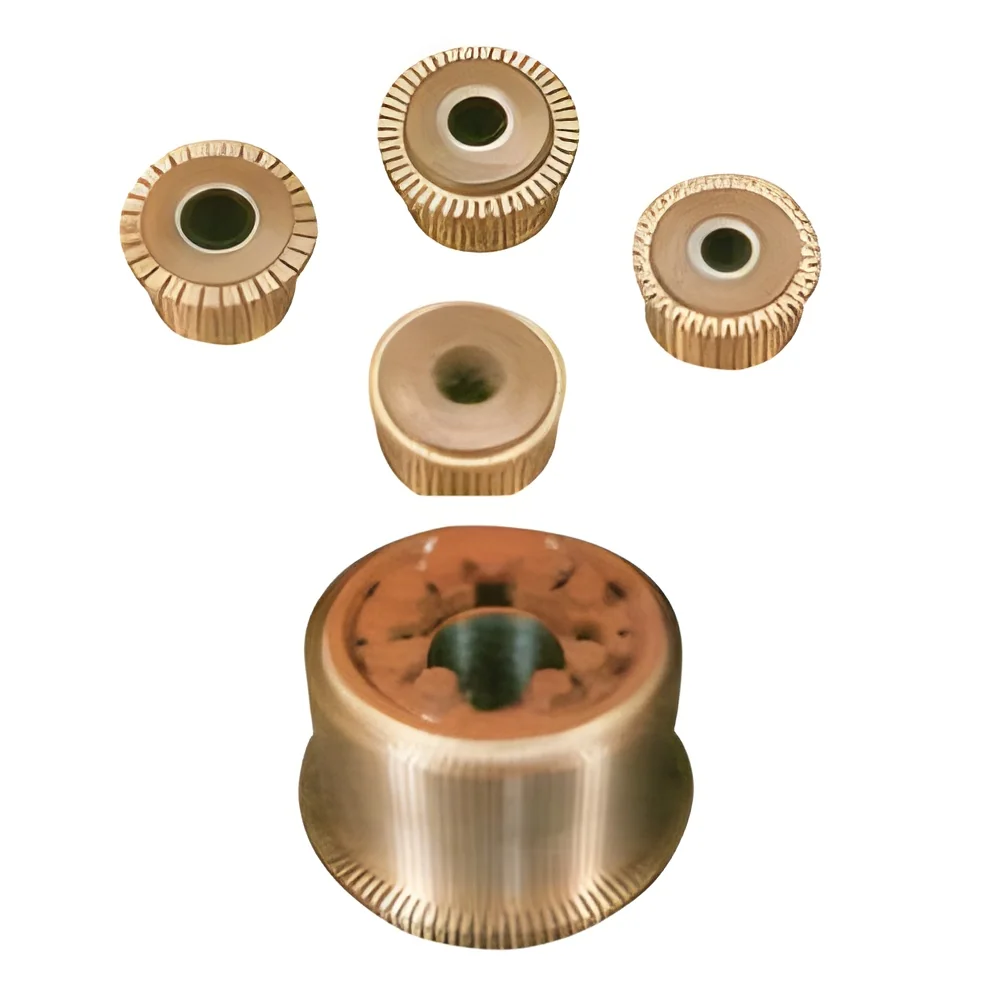
𝗪𝗵𝗮𝘁 𝗮𝗿𝗲 𝗩𝗲𝗵𝗶𝗰𝗹𝗲 𝗕𝗼𝗱𝘆 𝗣𝗮𝗿𝘁𝘀 & 𝗔𝗰𝗰𝗲𝘀𝘀𝗼𝗿𝗶𝗲𝘀?
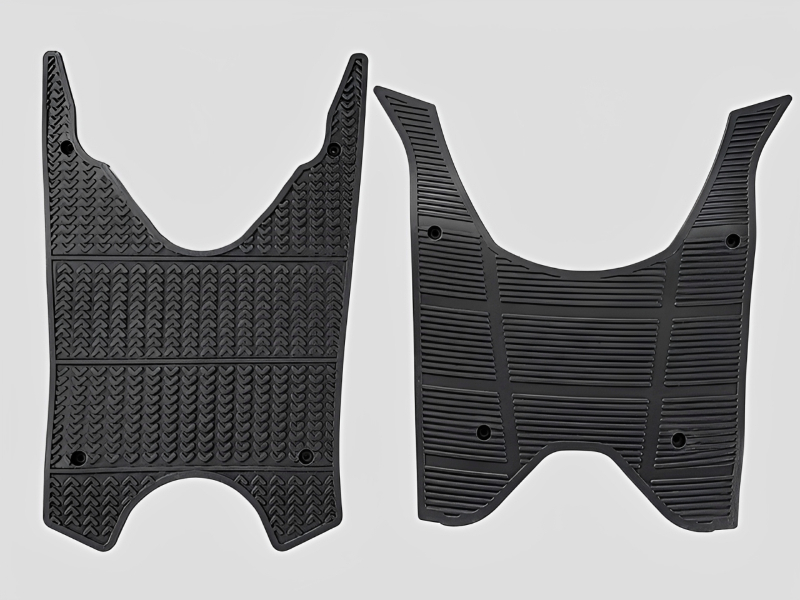
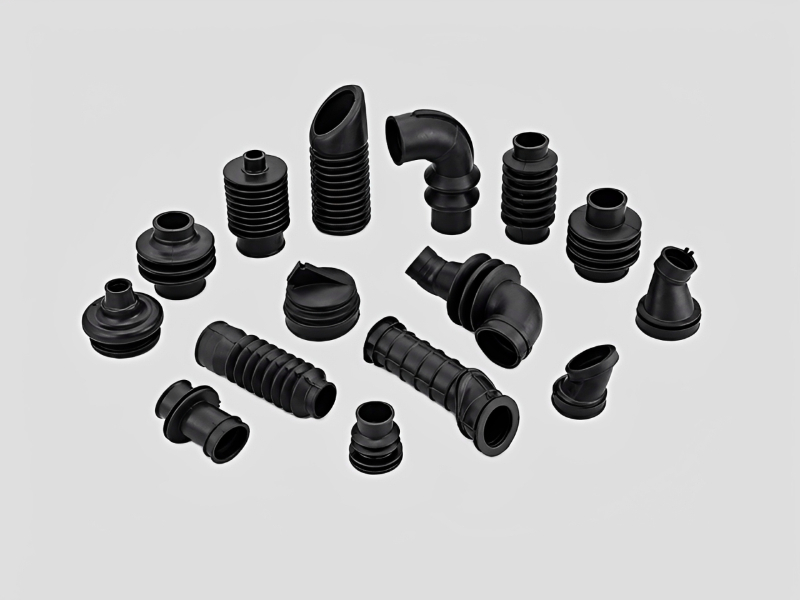
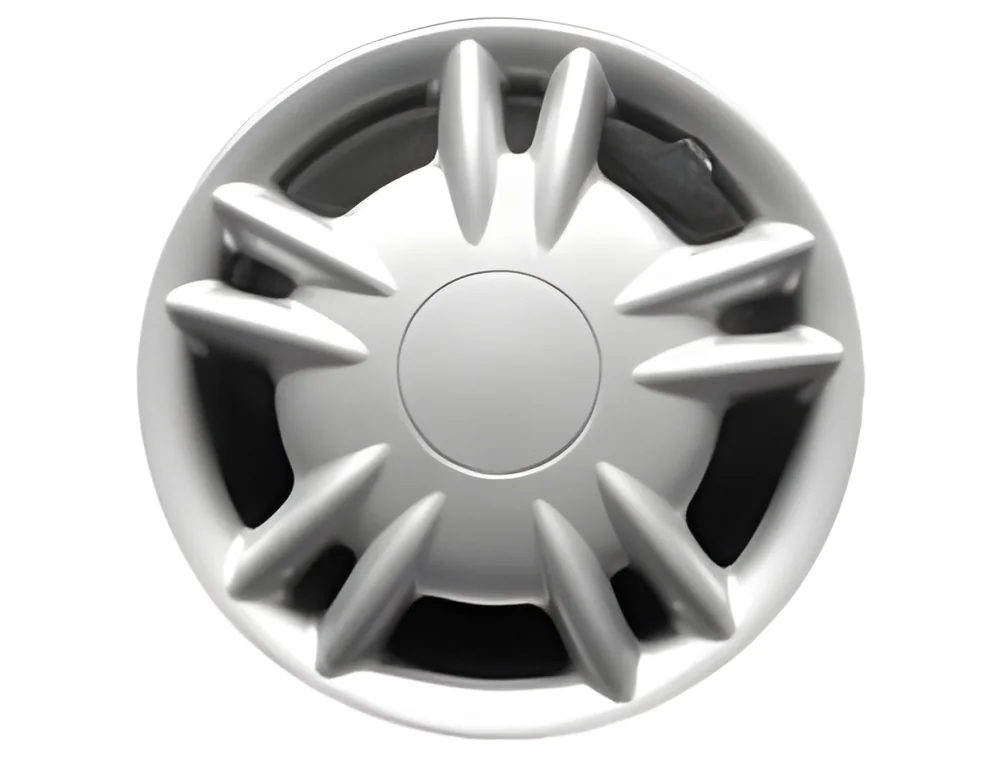
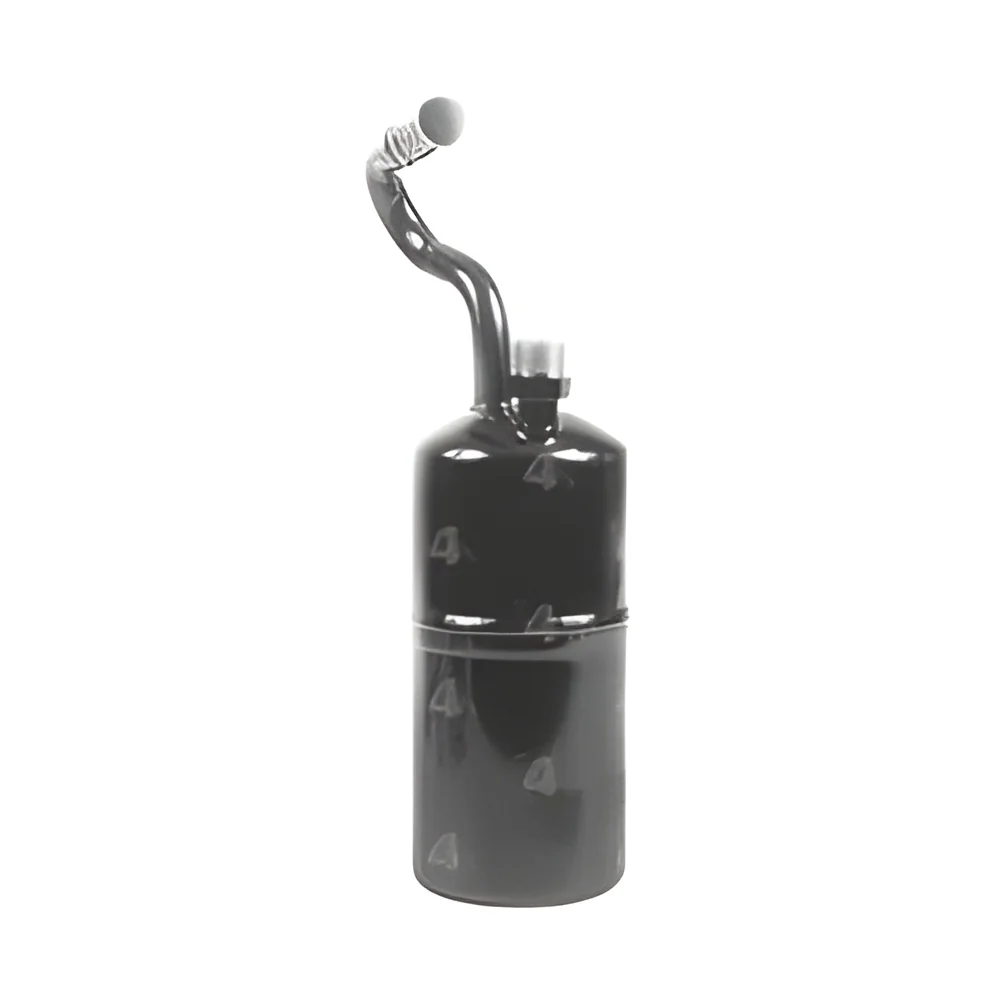
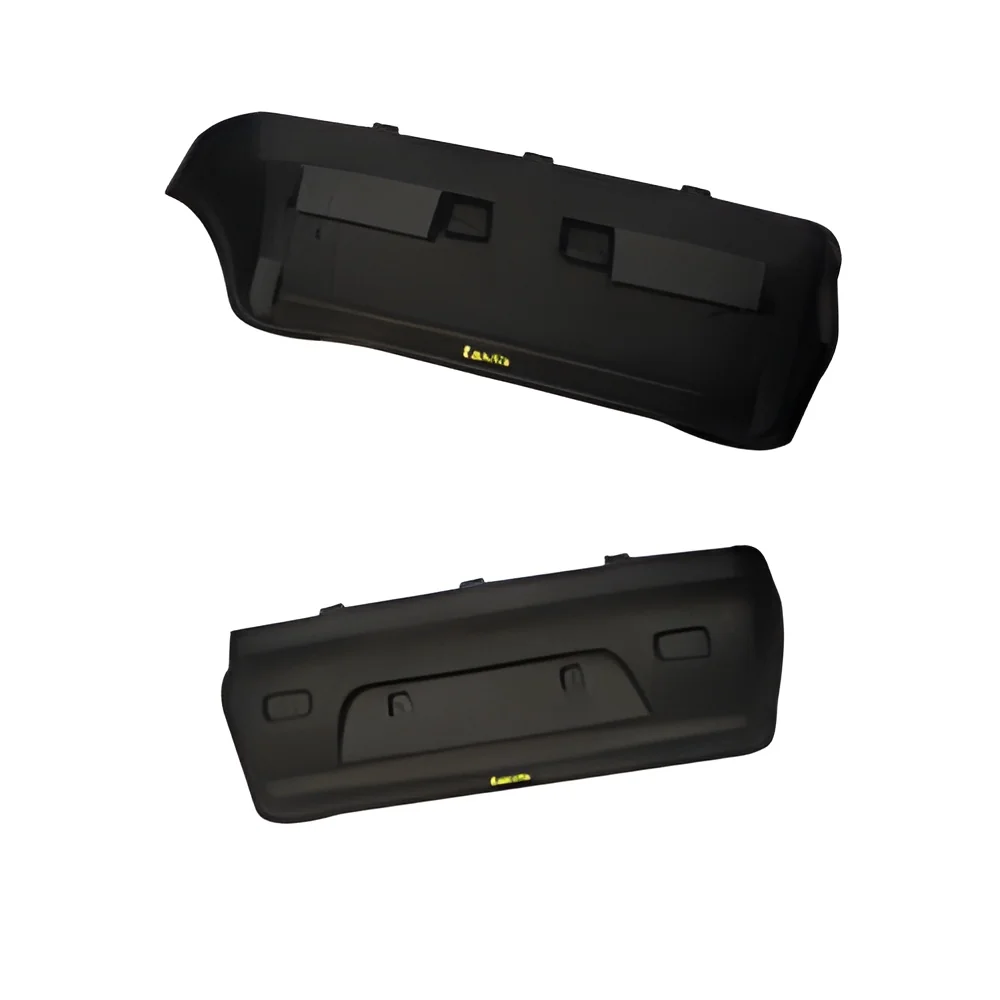
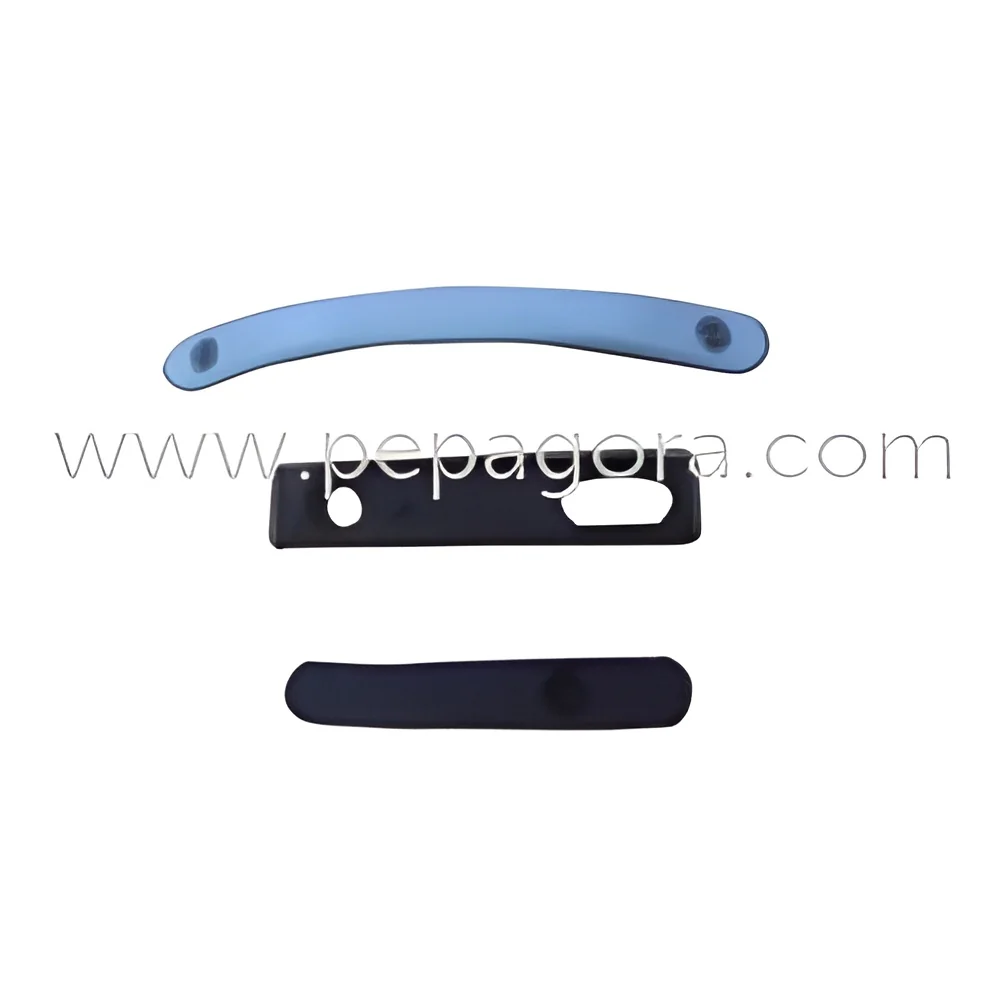
Vehicle body parts and accessories encompass a wide range of components specifically designed for vehicles. These items include exterior and interior parts that improve functionality, safety, and aesthetics of various vehicle types. Body parts may include panels, bumpers, doors, and fenders, while accessories can consist of items such as mirrors, lighting, and decorative elements. Together, they play a crucial role in the overall performance and appearance of vehicles.
In business applications, vehicle body parts and accessories are essential for manufacturers, suppliers, and service providers in the automotive industry. They are used in vehicle assembly, repair, and aftermarket customization. This sector is significant as it supports vehicle longevity and enhances consumer satisfaction. The demand for high-quality body parts and accessories continues to grow, driven by the increasing vehicle production rates and the rising need for vehicle maintenance.
The relevance of vehicle body parts and accessories extends across various industries including automotive manufacturing, fleet management, and transportation services. As the market evolves, advancements in technology and materials are shaping the future of these products, leading to innovations that meet the demands of both consumers and regulatory standards.
𝗞𝗲𝘆 𝗙𝗲𝗮𝘁𝘂𝗿𝗲𝘀 𝗮𝗻𝗱 𝗦𝗽𝗲𝗰𝗶𝗳𝗶𝗰𝗮𝘁𝗶𝗼𝗻𝘀
Vehicle body parts and accessories come with numerous features and specifications that ensure their effectiveness and reliability. These specifications help buyers gauge the quality and suitability of products for their specific needs.
Key specifications include:
1. Material Composition
- Common materials include steel, aluminum, and plastic
- Each material has different strengths, weights, and corrosion resistances
2. Compatibility
- Designed to fit specific vehicle makes and models
- Ensures seamless integration with existing components
3. Surface Finish
- Options may include painted, textured, or chrome finishes
- Affects aesthetics and durability against environmental factors
4. Weight
- Varies by part and material, impacting fuel efficiency and handling
- Lighter materials can enhance overall vehicle performance
5. Durability Standards
- Products are tested for impact resistance, corrosion resistance, and longevity
- Compliance with industry standards ensures reliability
6. Certification
- Many parts are certified for quality and safety, such as CE marking
- Certification indicates adherence to regulatory requirements
7. Warranty
- Warranty periods may vary, offering guarantees on product performance
- A longer warranty often reflects higher quality and reliability
8. Customization Options
- Many suppliers offer customization based on business requirements
- Custom features can include specific colors, sizes, and functionalities
These specifications are essential for ensuring that vehicle body parts and accessories meet performance and safety standards while catering to diverse customer needs.
𝗖𝗼𝗺𝗺𝗼𝗻 𝗔𝗽𝗽𝗹𝗶𝗰𝗮𝘁𝗶𝗼𝗻𝘀 𝗮𝗻𝗱 𝗨𝘀𝗲 𝗖𝗮𝘀𝗲𝘀
Vehicle body parts and accessories find application across multiple industries, enhancing vehicle performance and safety.
1. Automotive Manufacturing: Vehicle manufacturers utilize body parts and accessories during production to ensure vehicles meet safety and design specifications.
2. Fleet Management: Companies managing vehicle fleets rely on high-quality body parts for maintenance and repairs, ensuring minimal downtime and operational efficiency.
3. Transportation Services: Service providers in the transportation sector use durable accessories to enhance vehicle comfort and functionality for both passengers and drivers.
4. Automotive Repair Shops: Repair shops require an assortment of body parts for servicing various vehicle models, allowing for quick repairs and replacements.
5. Aftermarket Customization: Enthusiasts and businesses in the aftermarket sector often seek specialized accessories to personalize and enhance the performance of vehicles.
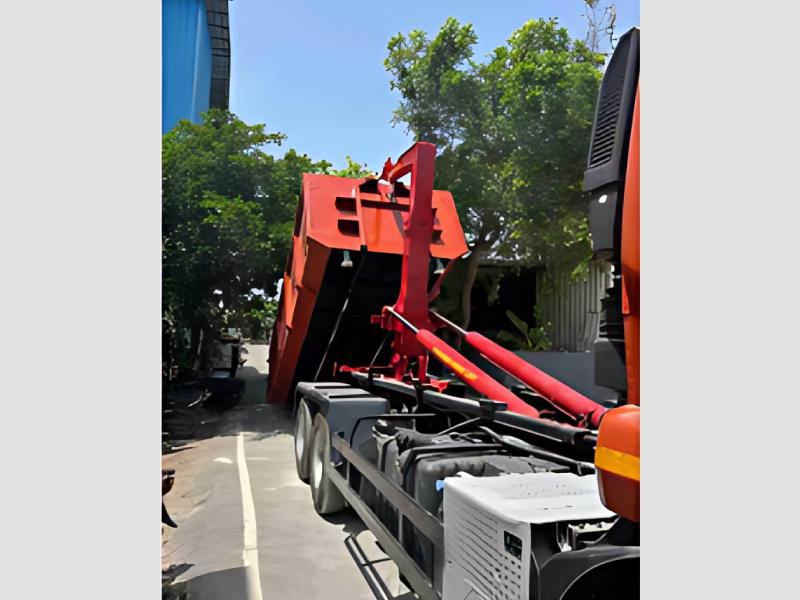
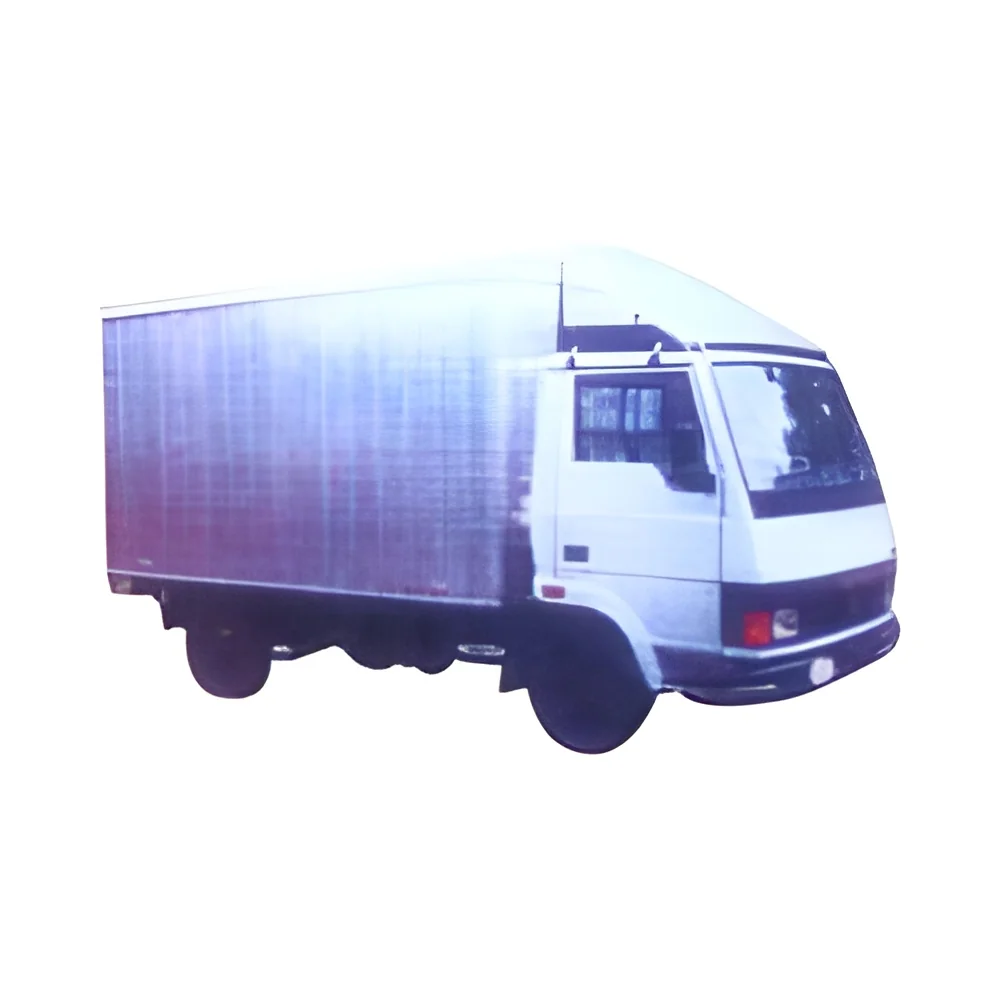
6. Commercial Vehicles: Body parts and accessories are essential for trucks and vans, providing necessary durability and functionality for heavy-duty applications.
7. Recreational Vehicles: Custom parts and accessories are used in RVs and off-road vehicles to enhance usability and aesthetic appeal for leisure activities.
𝗣𝗿𝗼𝗱𝘂𝗰𝘁 𝗩𝗮𝗿𝗶𝗮𝗻𝘁𝘀 𝗮𝗻𝗱 𝗦𝘂𝗯𝗰𝗮𝘁𝗲𝗴𝗼𝗿𝗶𝗲𝘀
Vehicle body parts and accessories come in various forms to cater to different market needs. This diversity allows businesses to choose products that best fit their operational requirements.
Bumpers
Bumpers are critical components that protect vehicles during collisions. They come in various designs and materials, offering significant safety features while enhancing the visual appeal of the vehicle.
Fenders
Fenders protect the vehicle body from dirt and debris while providing a finished look. They can be made from lightweight materials for improved performance and are available in different styles for various vehicle types.
Doors
Vehicle doors are essential for entry and exit. They are designed for security and ease of use, with options that include standard, sliding, and gull-wing variants to suit diverse vehicle designs.
Mirrors
Mirrors are vital for visibility and safety while driving. They come in various styles, including side mirrors and rear-view mirrors, often with advanced features like heating and auto-dimming.
Lighting
Automotive lighting includes headlights, taillights, and turn signals. These accessories improve visibility and safety, with options for LED and halogen technology to meet regulatory standards.
𝗕𝗲𝗻𝗲𝗳𝗶𝘁𝘀 𝗮𝗻𝗱 𝗔𝗱𝘃𝗮𝗻𝘁𝗮𝗴𝗲𝘀
Sourcing vehicle body parts and accessories offers several benefits to businesses in the automotive sector.
1. Quality Assurance: High-quality body parts ensure safety and reliability, enhancing overall vehicle performance and longevity.
2. Cost-Effectiveness: Investing in durable parts reduces maintenance costs and extends the life of vehicles, leading to higher return on investment.
3. Enhanced Safety: Quality body parts and accessories significantly improve vehicle safety features, protecting both drivers and passengers.
4. Aesthetic Appeal: Customizable options allow businesses to enhance the visual appeal of vehicles, increasing customer satisfaction.
5. Compliance with Standards: Sourcing certified parts ensures adherence to industry regulations, reducing liabilities for manufacturers and service providers.
6. Availability of Support: Many suppliers offer after-sales support and warranty services, providing peace of mind for businesses in case of defects or issues.
𝗕𝘂𝘆𝗶𝗻𝗴 𝗚𝘂𝗶𝗱𝗲 𝗳𝗼𝗿 𝗕𝟮𝗕 𝗕𝘂𝘆𝗲𝗿𝘀
When sourcing vehicle body parts and accessories, several factors should be considered to ensure a successful purchasing decision.
1. Quality Assessment: Evaluate the material and construction of parts to ensure they meet industry standards and are suitable for specific applications.
2. Supplier Verification: Vet suppliers for reliability, quality of products, and adherence to regulations. Look for reviews and testimonials from other businesses.
3. Pricing and MOQ: Compare pricing among suppliers and consider minimum order quantities to optimize procurement costs while meeting business needs.
4. Delivery and Lead Times: Assess suppliers' delivery capabilities and lead times to ensure timely access to parts, minimizing delays in production or repairs.
5. Compliance Requirements: Understand local and international regulations regarding safety and quality standards for vehicle parts to avoid compliance issues.
𝗖𝗼𝗺𝗽𝗹𝗶𝗮𝗻𝗰𝗲 𝗮𝗻𝗱 𝗖𝗲𝗿𝘁𝗶𝗳𝗶𝗰𝗮𝘁𝗶𝗼𝗻𝘀
Compliance and certification are crucial in the vehicle body parts and accessories industry. Adhering to relevant quality standards, such as ISO 9001, ensures consistent quality management and operational efficiency. Certifications like CE indicate that products meet European safety and performance standards, assuring buyers of their reliability.
Moreover, industry-specific safety and testing requirements must be met to guarantee that body parts withstand various conditions and usage scenarios. Regional compliance considerations also play a significant role, as regulations may vary by country or region, affecting the marketability and acceptance of products.
It is essential for businesses to work with suppliers who prioritize compliance and maintain up-to-date certifications, which can help build trust and credibility in the market.
𝗪𝗵𝘆 𝗦𝗼𝘂𝗿𝗰𝗲 𝗩𝗲𝗵𝗶𝗰𝗹𝗲 𝗕𝗼𝗱𝘆 𝗣𝗮𝗿𝘁𝘀 & 𝗔𝗰𝗰𝗲𝘀𝘀𝗼𝗿𝗶𝗲𝘀 𝗳𝗿𝗼𝗺 𝗣𝗲𝗽𝗮𝗴𝗼𝗿𝗮?
Pepagora provides a trusted platform for sourcing vehicle body parts and accessories with several key advantages. The verified supplier network ensures that buyers can access high-quality products from reputable manufacturers, minimizing the risk associated with procurement.
The streamlined RFQ process allows businesses to request quotes efficiently, facilitating quick comparisons and decision-making. This system enhances transparency and helps buyers secure the best possible pricing for their needs.
Additionally, Pepagora offers trade assurance and support, providing protection for buyers against potential issues with orders. This feature fosters confidence in sourcing decisions and encourages long-term partnerships.
Finally, Pepagora's regional coverage in India, the GCC, and Southeast Asia ensures that businesses can find local suppliers that meet their specific needs while benefiting from expedited deliveries and reduced shipping costs. This geographic reach strengthens the overall procurement process, making it easier for companies to access the parts they require.

 IN
IN