
 IN
Body Repair Kits
17 products available
What are Body Repair Kits?
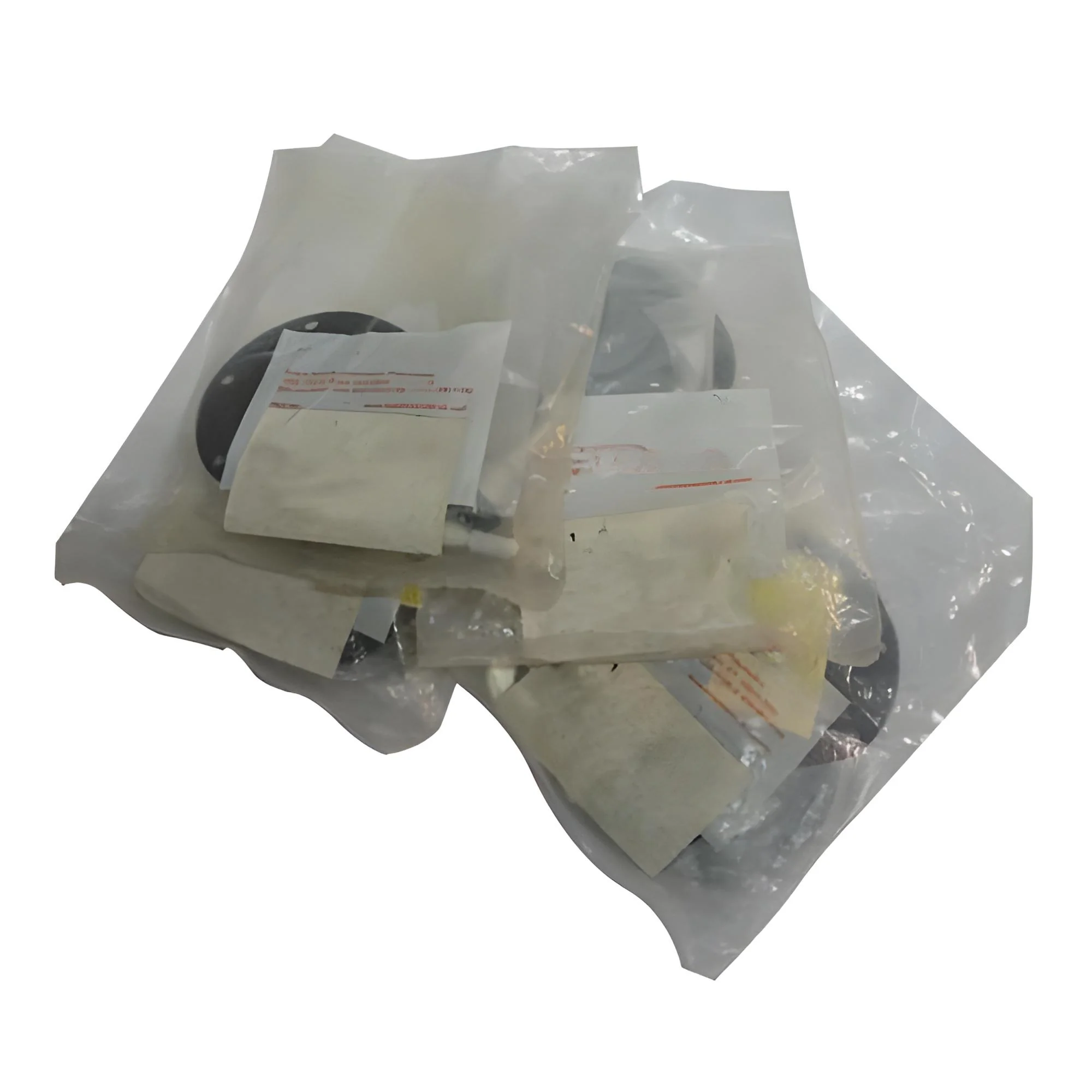
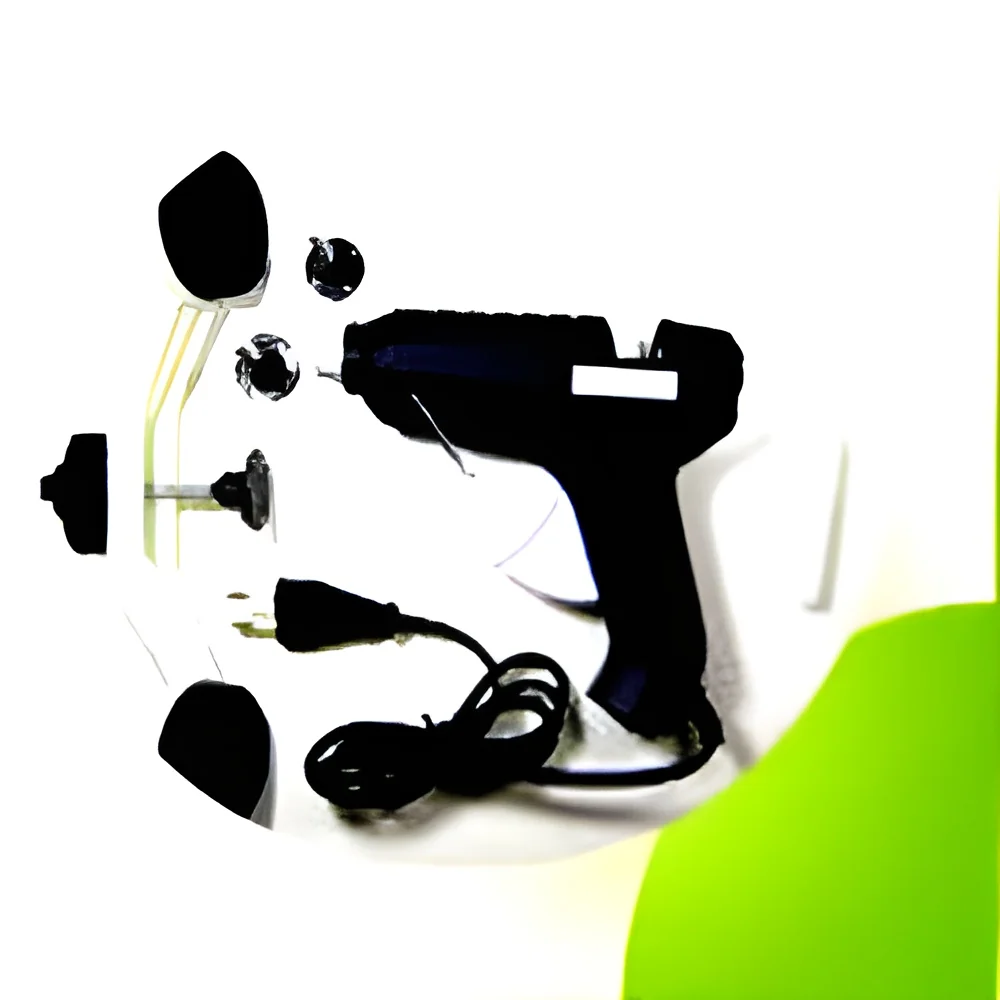
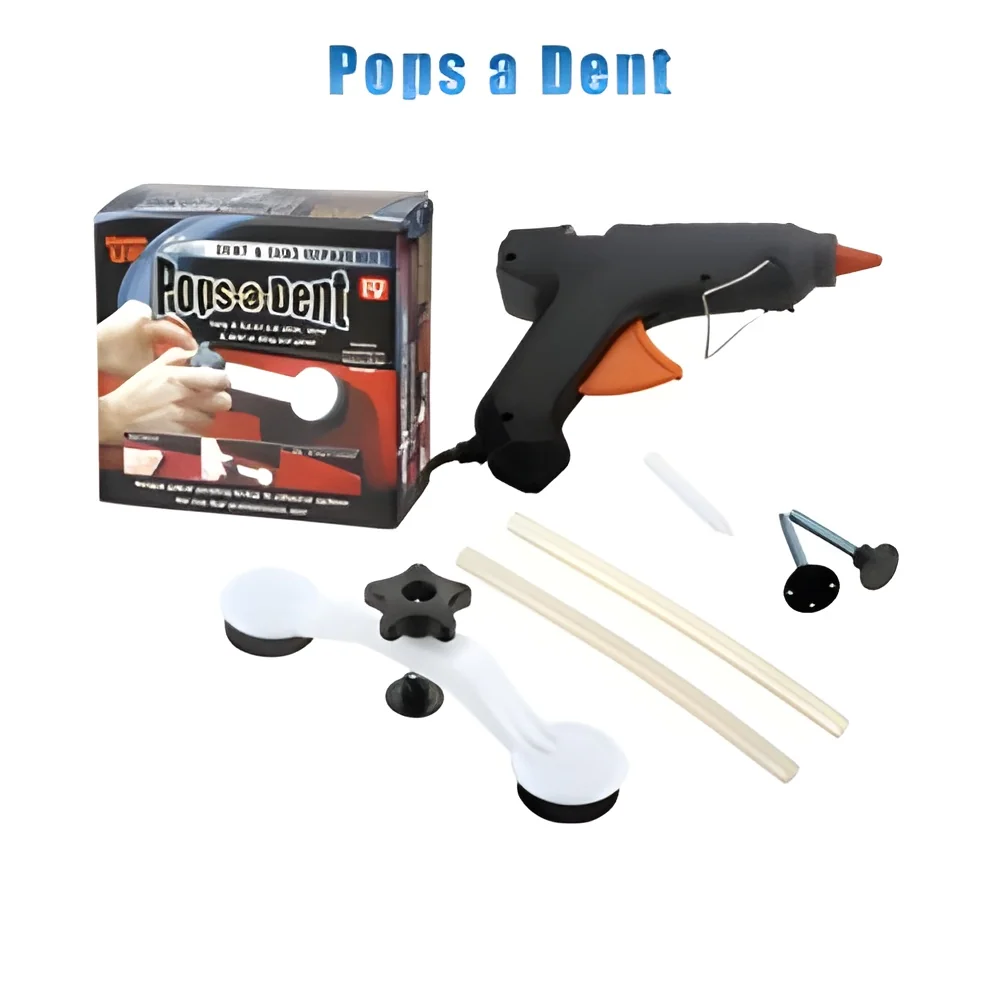
Body Repair Kits are comprehensive packages designed to facilitate repairs on various types of surfaces, particularly in automotive and industrial applications. These kits typically include essential tools and materials necessary for effective repairs, enabling users to restore damaged areas to their original condition. The contents of these kits may vary, but they generally encompass items such as adhesives, fillers, sandpapers, and finishing products.
These kits are primarily utilized in industries where maintenance and upkeep of equipment or vehicles are crucial. Businesses in automotive repair, manufacturing, and maintenance sectors often rely on Body Repair Kits to address damage caused by accidents, wear and tear, or environmental factors. The ability to quickly and efficiently perform repairs without extensive downtime is vital in maintaining operational efficiency and minimizing costs.
In today's competitive market, Body Repair Kits are increasingly relevant as they provide businesses with a cost-effective solution for on-site repairs. The demand for these kits is growing, driven by the need for quick fixes and enhanced durability in various applications. As industries evolve, the use of advanced materials and techniques within these kits contributes to improved performance and customer satisfaction.
Key Features and Specifications
Body Repair Kits come with a variety of features that enhance their usability and effectiveness. Understanding these specifications is essential for businesses looking to procure the right solutions for their repair needs.
Key specifications include:
1. Contents Variety
- Typically includes adhesives, fillers, sandpapers, and finishing products.
- Designed to cover a wide range of repair scenarios.
2. Ease of Use
- Kits are designed for straightforward application, allowing users to perform repairs without specialized training.
- Clear instructions are often included for efficient use.
3. Durability
- Materials within the kits are formulated to withstand environmental stresses.
- Ensures long-lasting repairs and enhances the longevity of the repaired surface.
4. Compatibility
- Suitable for various surfaces, including metal, plastic, and fiberglass.
- Offers versatility across different repair contexts.
5. Portability
- Kits are packaged for ease of transport, making them ideal for on-site repairs.
- Compact design facilitates storage and accessibility.
6. Safety Features
- Many kits include safety equipment such as gloves and goggles.
- Ensures user protection during the repair process.
7. Cost-Effectiveness
- Bundled items reduce the need for multiple purchases.
- Provides a comprehensive solution at a lower overall cost.
8. Quality Assurance
- Many products in the kits adhere to industry standards, ensuring reliability.
- Backed by certifications such as CE for safety and compliance.
In summary, the key features and specifications of Body Repair Kits make them invaluable for various industrial applications. Their diverse contents and user-friendly design cater to the needs of businesses seeking efficient repair solutions.
Common Applications and Use Cases
Body Repair Kits are versatile tools that find applications across various industries. Their ability to address diverse repair needs makes them essential in different business contexts.
1. Automotive: In the automotive sector, Body Repair Kits are used for repairing dents, scratches, and other damage on vehicles. They allow mechanics to perform quick fixes and maintain vehicle aesthetics and functionality.
2. Manufacturing: These kits are often employed in manufacturing facilities for repairs on machinery and equipment. Quick repairs can reduce downtime and keep production lines running smoothly.
3. Construction: In construction, Body Repair Kits are utilized to repair damaged surfaces in buildings and infrastructure. They are essential for maintaining safety and structural integrity.
4. Aerospace: The aerospace industry uses specialized Body Repair Kits for repairing aircraft surfaces. These kits must meet stringent safety and performance standards due to the critical nature of aerospace applications.
5. Marine: In the marine industry, Body Repair Kits are used to repair fiberglass and other materials on boats and ships. They help maintain the integrity of vessels exposed to harsh marine environments.
6. Home Improvement: DIY enthusiasts and contractors use Body Repair Kits for various home repair tasks, including fixing furniture and small household items. They offer a convenient solution for minor repairs.
7. Electronics: Some Body Repair Kits are designed for electronic devices, allowing for repairs on casings and components. This flexibility caters to the growing market for electronic repairs.
Product Variants and Subcategories
Body Repair Kits come in various configurations to meet specific repair needs. While specific subcategories are not available, several variants cater to different applications and user preferences.
Automotive Repair Kit
This variant includes specialized tools and materials for automotive applications. It often features automotive-grade adhesives and fillers, specifically formulated for vehicle surfaces.
Industrial Repair Kit
Designed for manufacturing and industrial applications, this kit contains heavy-duty materials suitable for machinery and equipment repairs. It often includes items that can withstand harsh operating conditions.
Aerospace Repair Kit
Tailored for the aerospace sector, this kit includes materials that meet stringent industry standards. It is designed for safe and reliable repairs on aircraft surfaces.
Marine Repair Kit
This variant is focused on repairs for boats and ships, featuring waterproof and UV-resistant materials. It ensures long-lasting repairs in challenging marine environments.
Benefits and Advantages
Body Repair Kits offer a range of benefits that make them essential tools for various industries. Understanding these advantages can help businesses make informed decisions when sourcing repair solutions.
Key benefits include:
1. Time Efficiency: Body Repair Kits enable quick repairs, reducing downtime significantly. This efficiency allows businesses to maintain productivity and service continuity.
2. Cost Savings: By providing a comprehensive solution in one package, these kits reduce the need for multiple purchases, leading to overall cost savings for businesses.
3. Versatility: The broad range of applications makes Body Repair Kits suitable for various industries, from automotive to aerospace. This versatility allows businesses to address diverse repair needs with a single solution.
4. Enhanced Quality: Many Body Repair Kits are designed with high-quality materials that ensure durable and long-lasting repairs. This quality leads to improved customer satisfaction and reduced rework.
5. User-Friendly: The ease of use associated with Body Repair Kits means that employees can perform repairs with minimal training. This accessibility enhances operational efficiency.
6. Compliance Assurance: Many kits come with products that meet regulatory standards, providing peace of mind regarding safety and compliance. This assurance is vital for industries that face stringent regulations.
Buying Guide for B2B Buyers
When sourcing Body Repair Kits, businesses should consider several critical factors to ensure they make informed purchasing decisions.
1. Quality Assessment: Evaluate the quality of materials included in the kits. Look for kits that adhere to industry standards and have positive reviews regarding their performance in real-world applications.
2. Supplier Verification: It is essential to vet potential suppliers to ensure they are reliable and reputable. Check for certifications, industry experience, and customer feedback to confirm their trustworthiness.
3. Pricing and MOQ: Understand the pricing structure and minimum order quantities (MOQ) associated with the kits. This knowledge can help businesses budget effectively and avoid unexpected costs.
4. Delivery and Lead Times: Consider the logistics involved in receiving the kits. Ensure that suppliers can meet delivery timelines, especially if repairs are needed urgently.
5. Compliance Requirements: Familiarize yourself with any regulatory requirements relevant to your industry. Ensure that the products in the kits meet these compliance standards to avoid legal issues.
Compliance and Certifications
Body Repair Kits must adhere to various compliance standards and certifications to ensure safety and reliability. Common quality standards include ISO 9001, which focuses on maintaining effective quality management systems. Compliance with HACCP (Hazard Analysis Critical Control Point) is crucial in food-related industries, ensuring that products do not pose safety risks.
Additionally, many Body Repair Kits carry the CE certification, indicating that they meet European safety and health requirements. This certification is vital for products sold in European markets, ensuring they are safe for use.
Safety and testing requirements are essential in maintaining product quality and user safety. Many kits undergo rigorous testing to verify their effectiveness and durability under various conditions. Regional compliance considerations may also apply, depending on the market where the kits are sold.
Why Source Body Repair Kits from Pepagora?
Pepagora provides a trusted platform for sourcing Body Repair Kits, offering several key advantages to B2B buyers.
Verified Supplier Network: Pepagora ensures that all suppliers in its network are thoroughly vetted. This verification process guarantees that buyers can trust the quality and reliability of the products they source.
Streamlined RFQ Process: The request for quotation (RFQ) system on Pepagora simplifies the procurement process. Buyers can easily compare prices and specifications from multiple suppliers, leading to informed purchasing decisions.
Trade Assurance and Support: Pepagora offers trade assurance, providing buyers with protection during transactions. This support ensures that businesses can source Body Repair Kits with confidence, knowing that they are safeguarded against potential issues.
Regional Coverage: Pepagora has a strong presence in regions such as India, the GCC, and Southeast Asia. This geographic reach ensures that buyers can access a wide variety of Body Repair Kits tailored to their specific needs, regardless of location.



Frequently Asked Questions
What are Body Repair Kits?
Body Repair Kits are comprehensive sets of tools and materials designed for the repair and restoration of vehicle bodywork. They typically include items such as fillers, adhesives, sandpapers, and various tools necessary for repairing dents, scratches, and other damages.
What are the different types of Body Repair Kits?
There are various types of Body Repair Kits, including basic kits for minor repairs, professional kits for extensive bodywork, and specialized kits for specific materials like fiberglass or aluminum. Each type is tailored to meet different repair needs and skill levels.
How do I choose the right Body Repair Kits?
To choose the right Body Repair Kit, consider the type of repairs you will be performing, the materials involved, and your level of expertise. Assess the contents of the kit to ensure it includes the necessary tools and materials for your specific repair tasks.
What are the standard specifications for Body Repair Kits?
Standard specifications for Body Repair Kits typically include the quality of materials, the range of tools included, and any safety certifications. It's important to ensure that the kit meets industry standards for durability and effectiveness.
What is the price range for Body Repair Kits?
The price range for Body Repair Kits can vary widely, typically starting from around INR 1,000 for basic kits and going up to INR 10,000 or more for professional-grade kits. The price often reflects the quality of materials and the number of tools included.
What quality standards apply to Body Repair Kits?
Body Repair Kits should adhere to quality standards such as ISO certifications and compliance with safety regulations. High-quality kits will often be tested for durability and effectiveness in practical applications.
Where can I find Body Repair Kits suppliers in India?
You can find Body Repair Kits suppliers in India through various online B2B marketplaces, trade directories, and automotive supply stores. Platforms like Pepagora offer a comprehensive list of manufacturers and suppliers for easy access.
Can Body Repair Kits be customized?
Yes, many manufacturers offer customization options for Body Repair Kits, allowing buyers to select specific tools and materials based on their needs. Custom kits can be tailored for particular repair tasks or preferences.
What is the typical minimum order quantity for Body Repair Kits?
The typical minimum order quantity (MOQ) for Body Repair Kits can vary by supplier, but it often ranges from 10 to 50 units. It's advisable to check with specific manufacturers for their MOQ requirements.
What is the typical lead time for Body Repair Kits?
The typical lead time for Body Repair Kits varies based on the supplier and order size, generally ranging from 5 to 30 days. Factors such as customization and shipping methods can also affect the delivery time.
Why Businesses Trust Pepagora
Thousands of companies trust Pepagora to source smarter and sell faster
Expand Your Sales Globally

Source Smarter,Grow Faster
