What are Paint Protection Films?
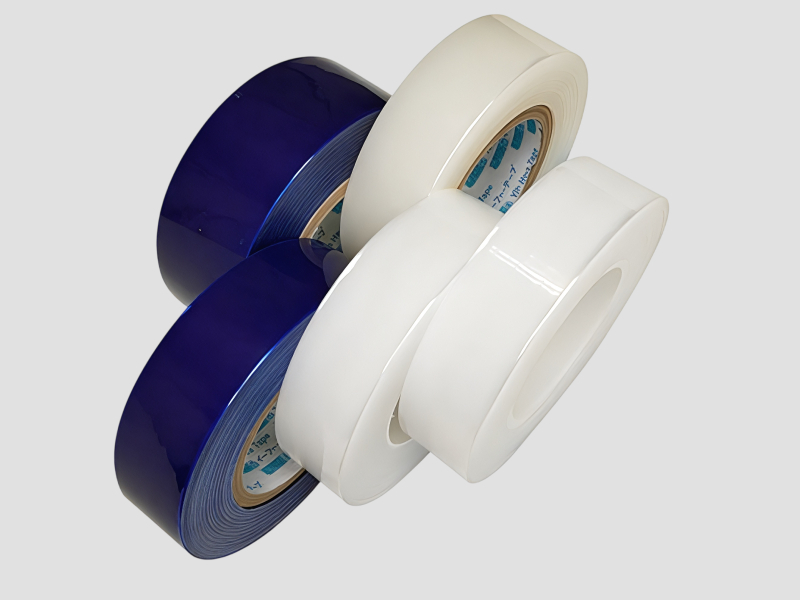
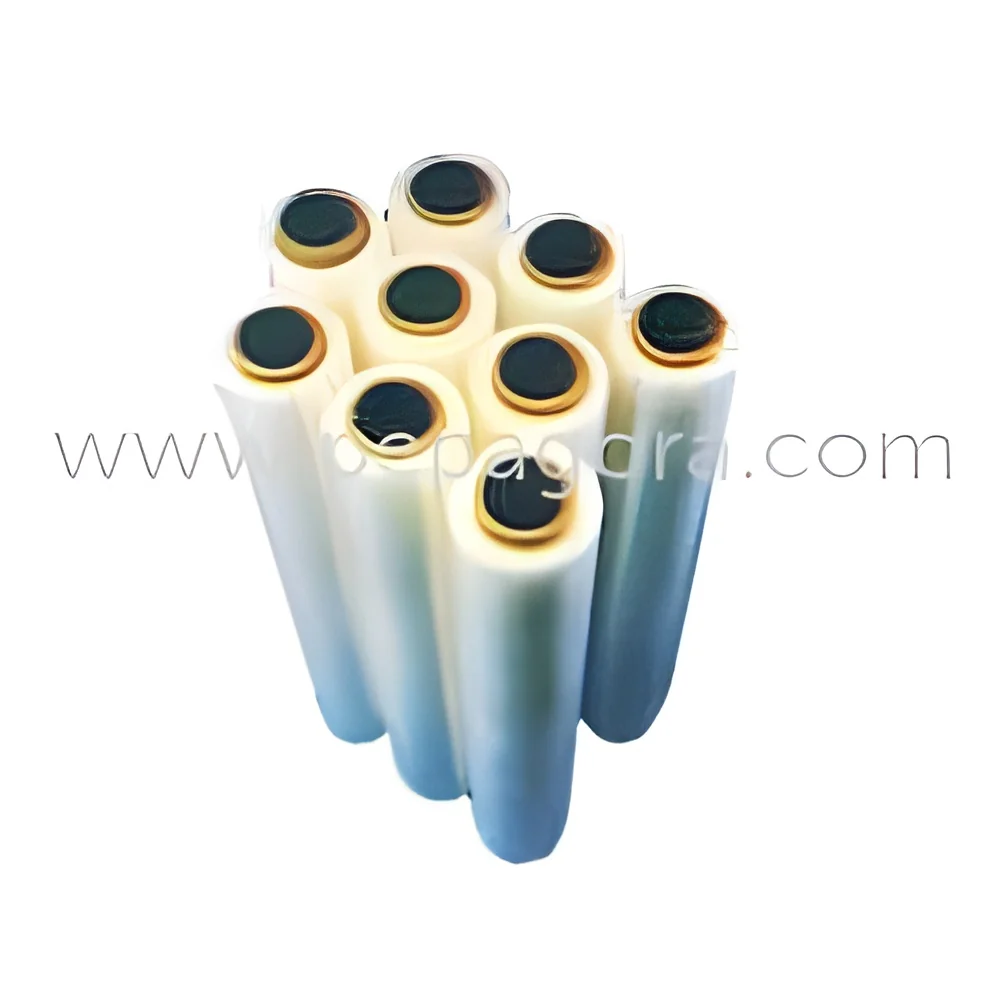
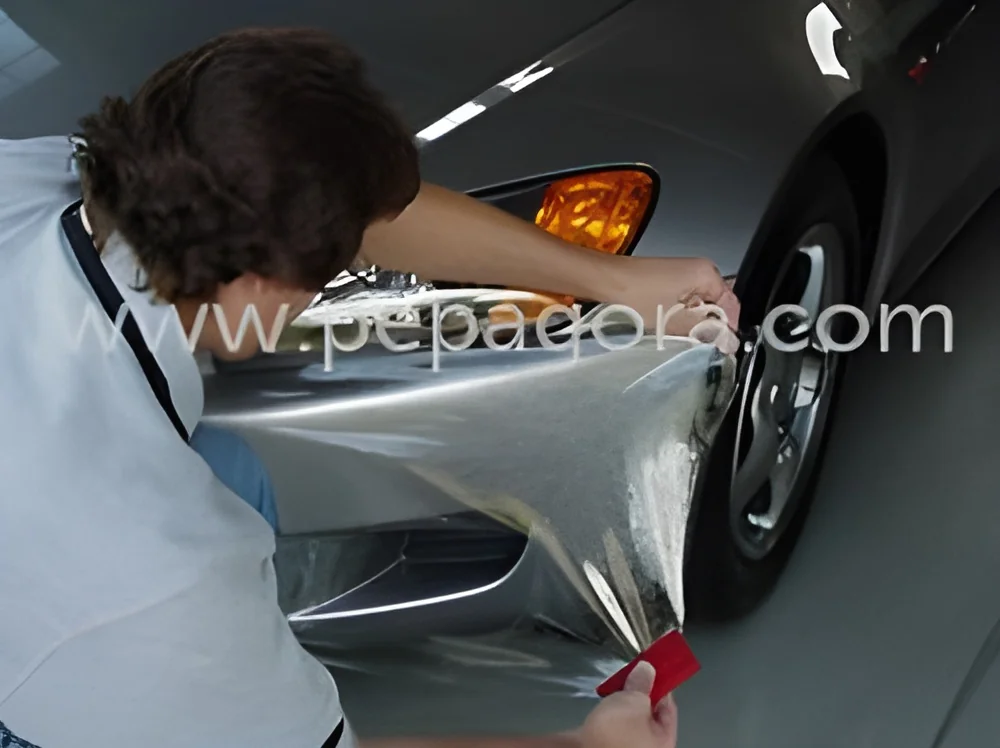
Paint Protection Films (PPF) are transparent, durable films designed to protect a vehicle's paint surface from scratches, chips, and other environmental damage. These films are made from a high-performance thermoplastic urethane, providing a strong barrier while maintaining the aesthetic appearance of the vehicle. They are typically applied to the exterior surfaces of cars, trucks, and other vehicles to preserve their finish and enhance longevity.
The primary uses of Paint Protection Films include automotive applications, where they are used to shield the paint from everyday wear and tear, such as road debris, UV rays, and chemical exposure. Additionally, PPF is increasingly being adopted in various commercial sectors, including fleet management, where maintaining the appearance of vehicles is crucial for branding and resale value. The market for Paint Protection Films has been growing steadily, driven by rising consumer awareness and demand for vehicle protection solutions.
Industry relevance is underscored by the growing automotive aftermarket sector, which emphasizes vehicle customization and protection. With advances in film technology, PPF has become more accessible and effective, making it a popular choice among car enthusiasts and businesses looking to maintain their vehicle's appearance and value.
Key Features and Specifications
Paint Protection Films offer a variety of key features that enhance their effectiveness and usability. These films are engineered to provide exceptional durability and clarity, ensuring they do not detract from the vehicle's appearance. The specifications of PPF can vary widely, depending on the manufacturer and intended application.
Key specifications include:
1. Thickness
- Typically ranges from 6 mils to 12 mils.
- The thickness affects durability and protection against impacts.
2. Adhesive Type
- Generally features a pressure-sensitive adhesive.
- Ensures easy application and removal without damage to the paint.
3. UV Resistance
- High-performance films are designed to block harmful UV rays.
- Prevents fading and discoloration of the vehicle's paint.
4. Scratch Resistance
- Advanced formulations offer enhanced scratch resistance.
- Protects against minor abrasions from everyday use.
5. Warranty Period
- Varies by manufacturer, often ranging from 5 to 10 years.
- Indicates the expected longevity and performance of the film.
6. Transparency Level
- Designed to be nearly invisible once applied.
- Maintains the original color and finish of the vehicle.
7. Self-Healing Properties
- Some films can self-heal minor scratches with heat.
- Enhances the longevity of the protection offered.
8. Temperature Resistance
- Can withstand a wide range of temperatures.
- Suitable for various climates and environmental conditions.
In summary, Paint Protection Films combine advanced technology with practical features, making them an essential product for protecting automotive finishes and maintaining vehicle aesthetics.
Common Applications and Use Cases
Paint Protection Films are versatile and find applications in several industries. Their ability to safeguard surfaces makes them invaluable across various sectors.
1. Automotive Industry: PPF is widely used to protect the exterior finishes of vehicles. This includes personal cars, luxury vehicles, and commercial fleets, where maintaining appearance is crucial for resale value.
2. Motorcycle Industry: Similar to cars, motorcycles benefit from PPF to protect vulnerable areas from debris and wear. The films help preserve paint and graphics, ensuring long-term aesthetics.
3. Aerospace Sector: PPF is utilized in the aerospace industry to protect aircraft surfaces from environmental factors and minor abrasions. This helps maintain performance and appearance.
4. Electronics: In the consumer electronics sector, PPF is used on devices like smartphones and tablets to prevent scratches and damage to surfaces.
5. Marine Applications: Boats and yachts use PPF to protect paint and finishes from saltwater, UV rays, and physical damage, ensuring longevity and aesthetic appeal.
6. Commercial Equipment: Heavy machinery and equipment benefit from PPF to shield paint and surfaces from wear and tear, particularly in construction and agriculture.
7. Signage: Businesses use PPF to protect outdoor signs from fading and environmental damage, ensuring they remain visually appealing and legible.
Product Variants and Subcategories
Paint Protection Films come in several variants to meet different needs and preferences. Each variant offers unique features suited for specific applications.
Standard Paint Protection Film: This is the most commonly used variant, designed for general automotive applications. It provides excellent protection against scratches and environmental damage while maintaining clarity.
Premium Paint Protection Film: This variant offers enhanced durability and self-healing properties. It is ideal for high-end vehicles and applications where superior protection is necessary.
Color Change Paint Protection Film: This film allows for aesthetic customization by changing the vehicle's color while providing protection. It is popular among car enthusiasts looking for a unique look.
Benefits and Advantages
Using Paint Protection Films provides numerous benefits that enhance their appeal to businesses and consumers alike.
Key benefits include:
1. Enhanced Durability: PPF provides a strong barrier against scratches and chips, prolonging the life of the vehicle's paint.
2. Cost-Effective Protection: Investing in PPF can save money in the long run by reducing the need for costly paint repairs and maintenance.
3. Preserves Resale Value: By protecting the vehicle's exterior, PPF helps maintain its appearance, contributing to higher resale values.
4. Easy Maintenance: PPF is easy to clean and maintain, requiring no special products or procedures beyond standard washing.
5. UV Protection: PPF blocks harmful UV rays, preventing paint fading and discoloration over time.
6. Aesthetic Appeal: The nearly invisible nature of PPF ensures that the vehicle's original appearance is preserved, enhancing visual appeal.
Buying Guide for B2B Buyers
When sourcing Paint Protection Films for business use, several factors should be carefully considered to ensure a successful purchase.
1. Quality Assessment: Evaluate the quality of the films by reviewing technical specifications and performance data. Look for films that have been tested for durability and have favorable reviews from other users.
2. Supplier Verification: It is essential to vet suppliers by checking their reputation, industry experience, and customer feedback. Reliable suppliers will often provide samples and detailed product information.
3. Pricing and MOQ: Understand the pricing structure and minimum order quantities (MOQ). Compare prices across different suppliers to ensure competitive rates while considering the quality offered.
4. Delivery and Lead Times: Assess the supplier's ability to meet your delivery timelines. Reliable logistics are crucial for maintaining inventory and fulfilling customer orders.
5. Compliance Requirements: Ensure that the Paint Protection Films meet relevant regulatory and compliance standards for your industry. This can include certifications such as CE, which may be required in certain markets.
Compliance and Certifications
Compliance and certifications play a vital role in ensuring the quality and safety of Paint Protection Films. Relevant quality standards such as ISO 9001 ensure that manufacturers adhere to consistent quality management practices, which is crucial for product reliability.
Industry certifications like CE indicate that the product meets European safety and environmental requirements. This is particularly important for businesses operating in or exporting to European markets.
Safety and testing requirements are critical in determining the performance of Paint Protection Films. Manufacturers should conduct rigorous testing to verify the durability, UV resistance, and scratch resistance of their products.
Regional compliance considerations may vary, and it is essential for businesses to be aware of local regulations regarding materials used in Paint Protection Films. This knowledge ensures that products are compliant and safe for use in specific markets.
Why Source Paint Protection Films from Pepagora?
Pepagora provides a trusted platform for sourcing Paint Protection Films, offering several key advantages to B2B buyers.
Verified Supplier Network: Pepagora has established a robust network of verified suppliers. Each supplier undergoes a thorough vetting process to ensure they meet industry standards for quality and reliability.
Streamlined RFQ Process: The Request for Quotation (RFQ) system simplifies the procurement process. Buyers can easily submit requests and receive competitive quotes, allowing for informed decision-making.
Trade Assurance and Support: Pepagora offers trade assurance to protect buyers throughout the purchasing process. This includes support for resolving disputes and ensuring product quality.
Regional Coverage: With a strong presence in regions such as India, the Gulf Cooperation Council (GCC), and Southeast Asia, Pepagora provides broad geographic coverage. This allows businesses to source Paint Protection Films tailored to their specific regional needs.

 IN
IN