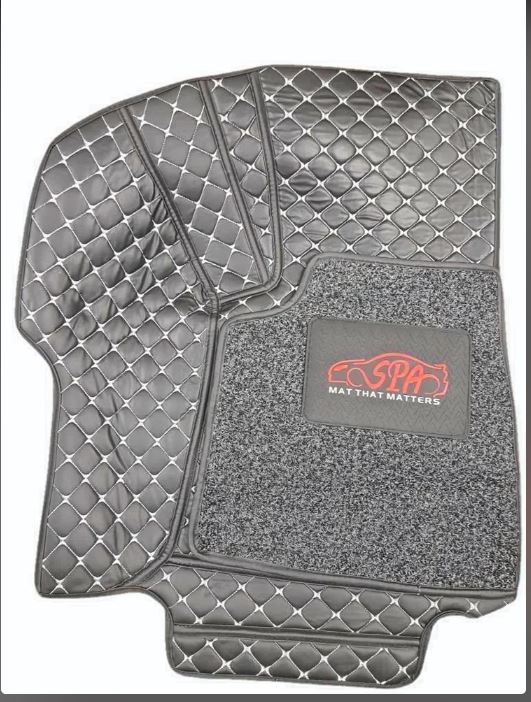
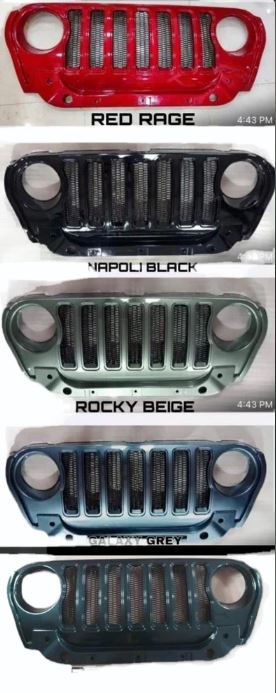
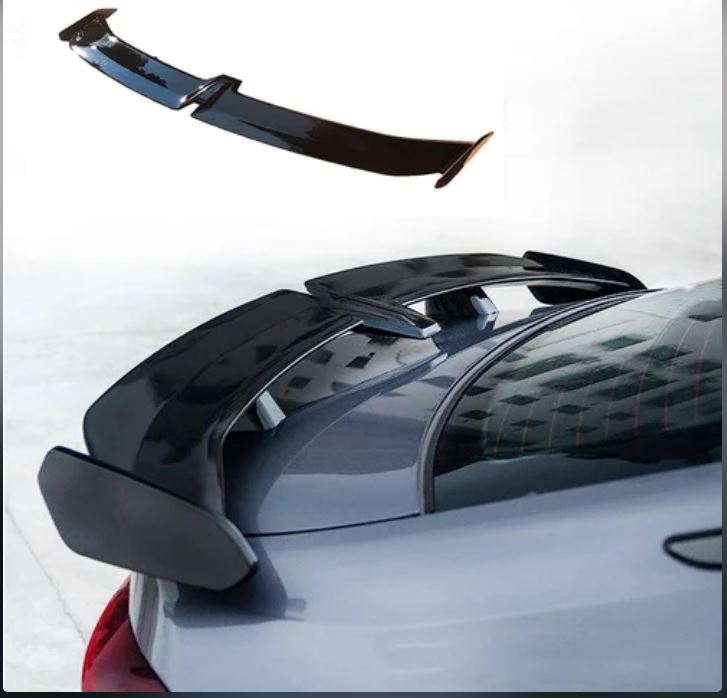
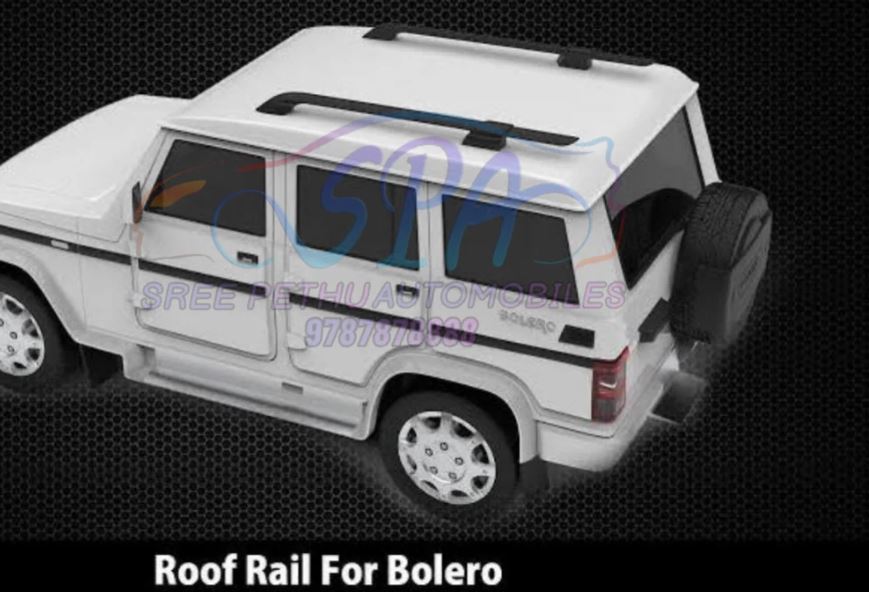
What are Other Vehicle Body Parts & Accessories?
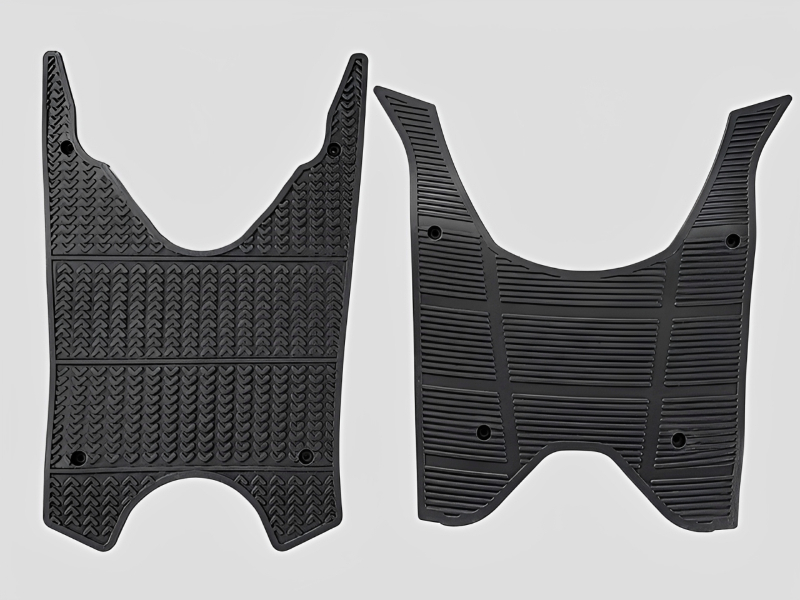
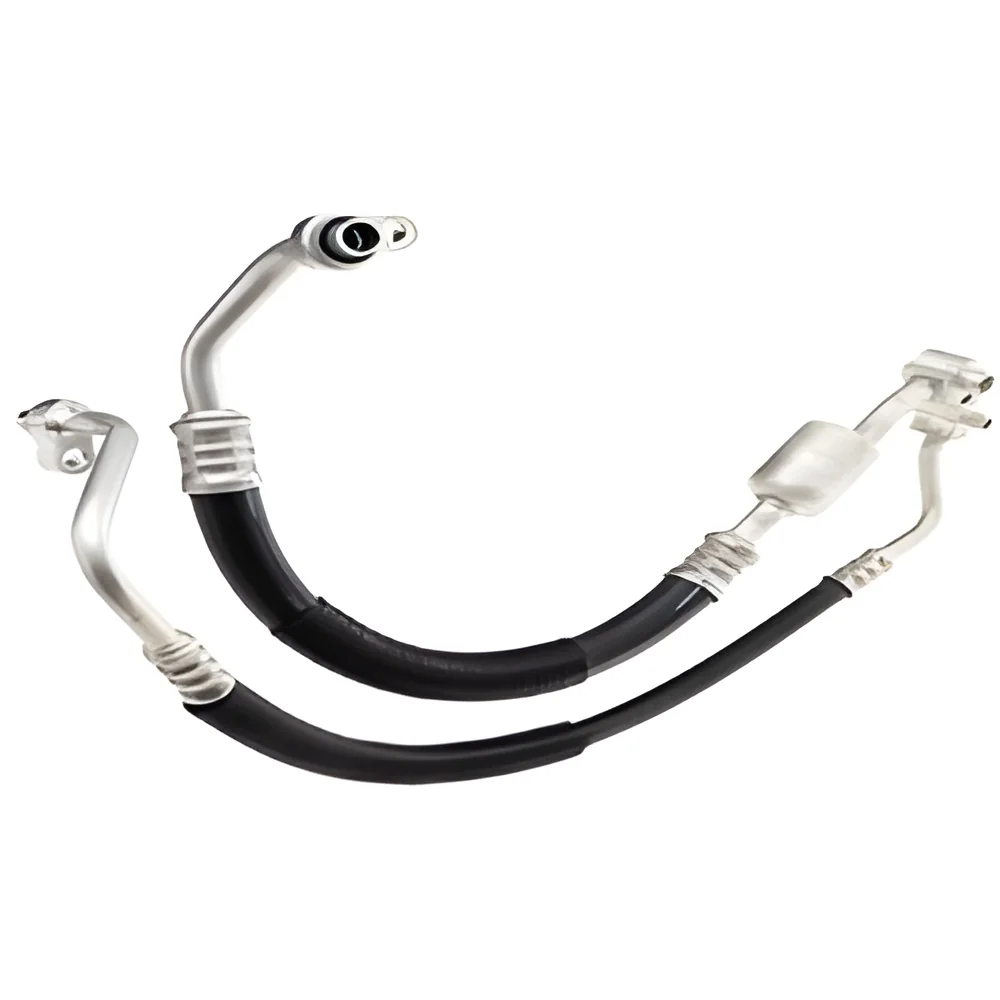
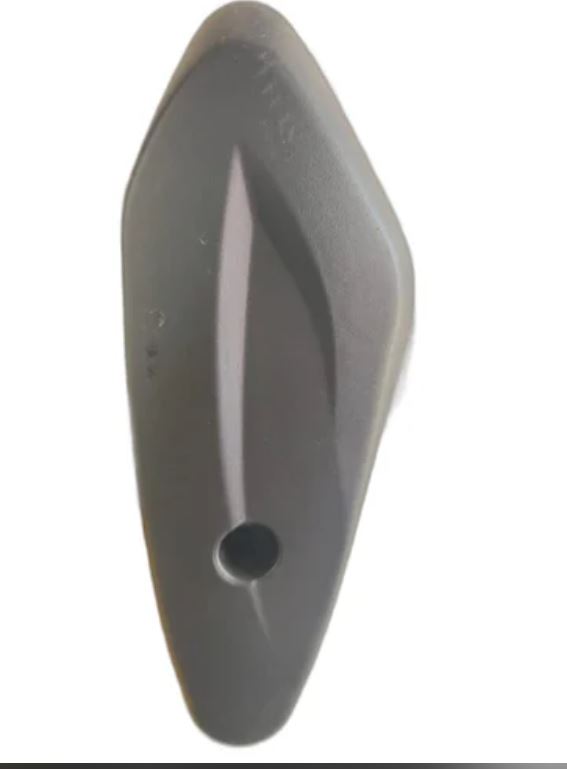
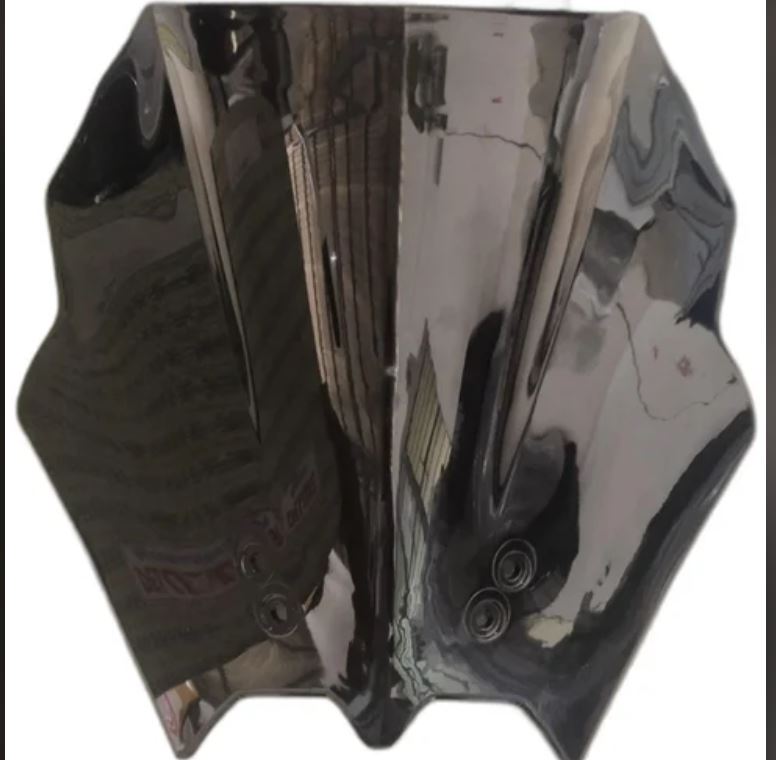
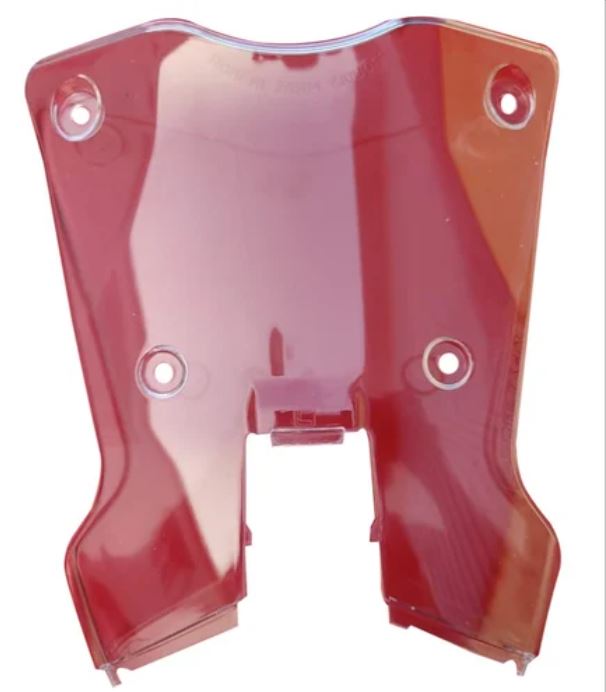
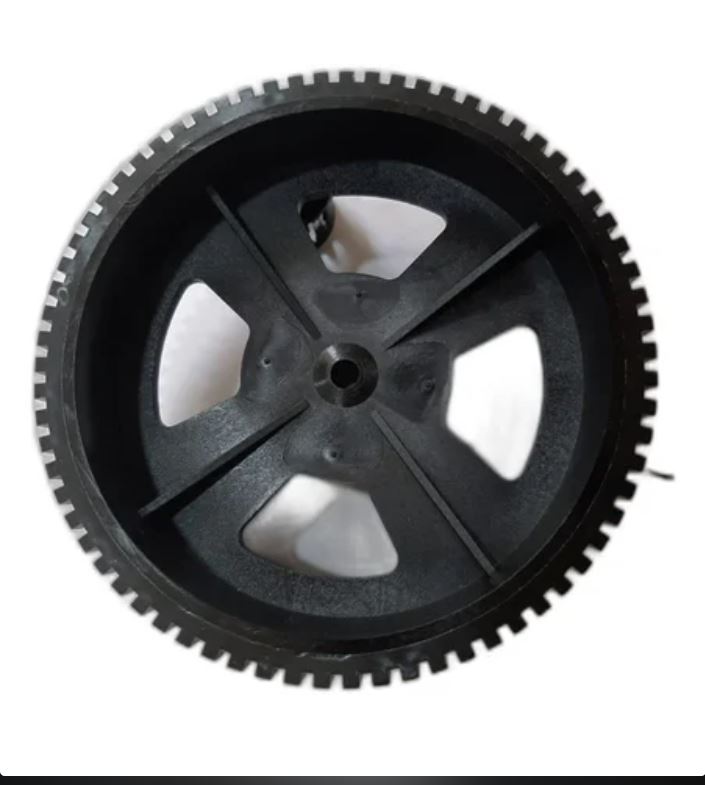
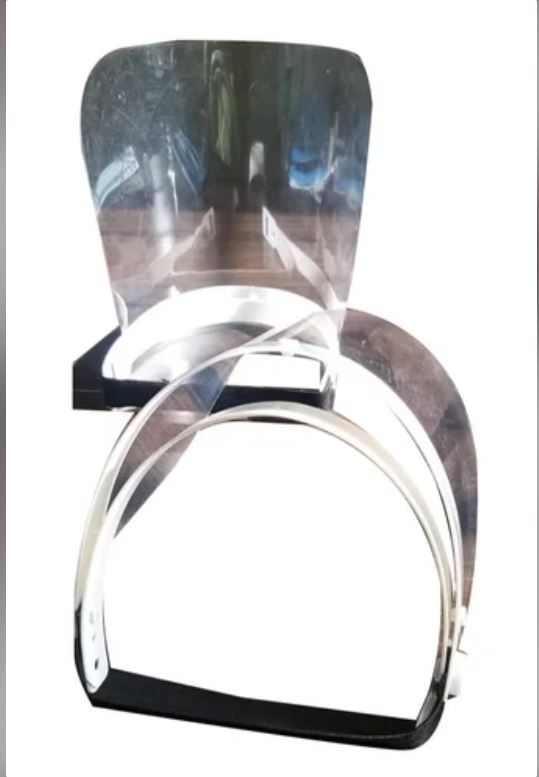
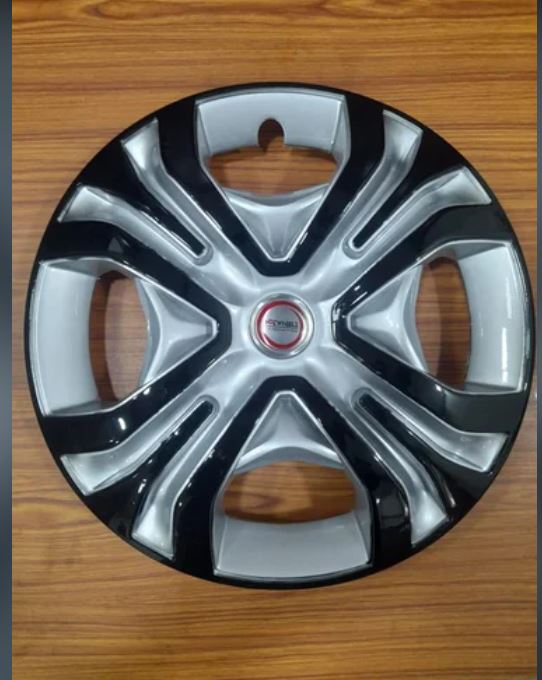
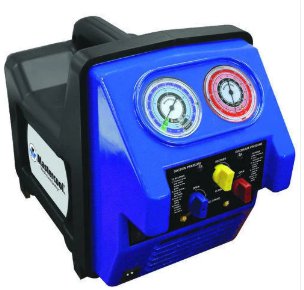
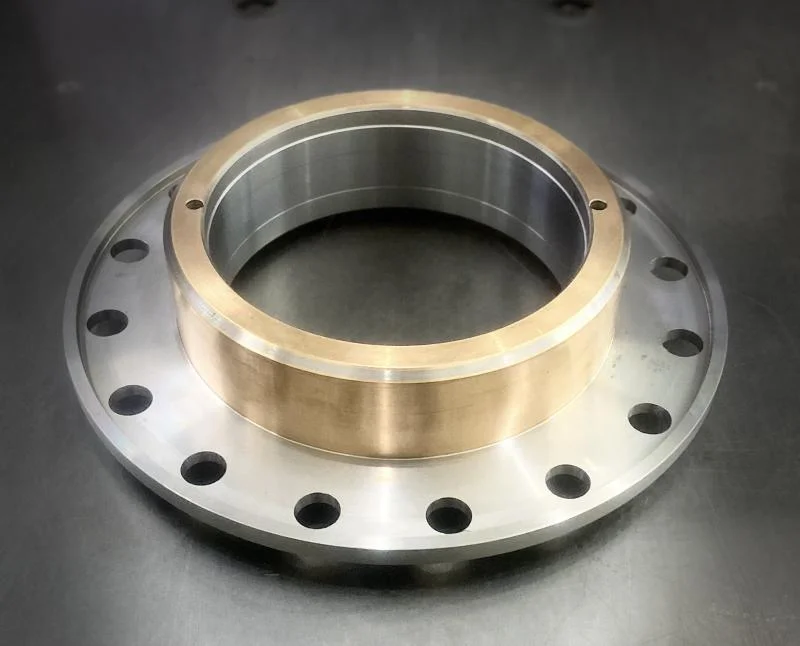
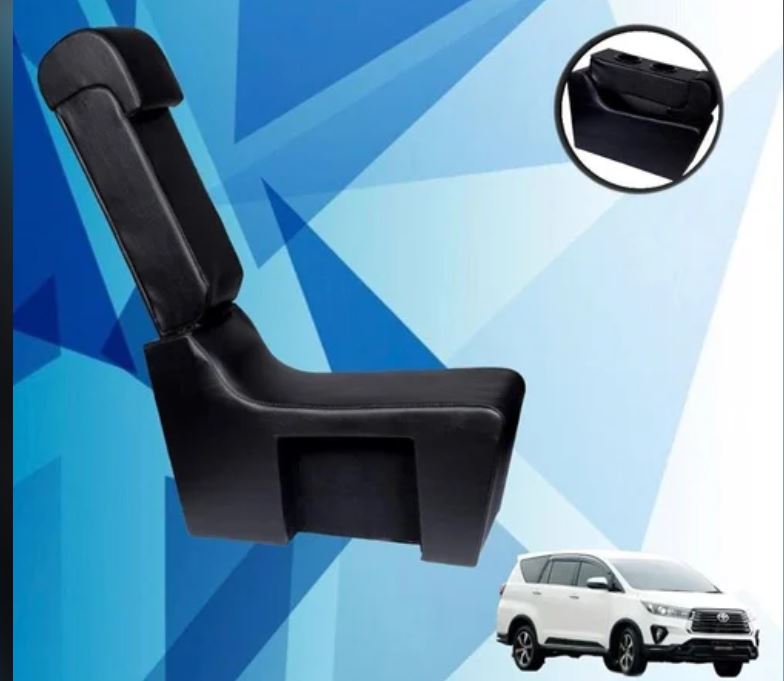
Other Vehicle Body Parts & Accessories encompass a wide range of components used in the assembly, maintenance, and enhancement of various vehicles. These parts can include anything from bumpers and fenders to specialized accessories that enhance the functionality or aesthetics of vehicles. While they might not be the primary mechanical parts of a vehicle, they play a crucial role in ensuring safety, improving performance, and enhancing the overall user experience.
These products are commonly utilized across multiple sectors, including automotive, commercial transport, and recreational vehicles. Businesses use these parts to either replace damaged components or to customize vehicles to meet specific operational needs. The demand for high-quality vehicle body parts and accessories has increased significantly, driven by the growing vehicle market and the need for compliance with safety and regulatory standards.
In today's competitive landscape, the relevance of Other Vehicle Body Parts & Accessories cannot be overstated. As manufacturers strive for innovation and efficiency, the availability of high-quality components directly impacts vehicle performance and safety. With a focus on sustainability and compliance, the industry is evolving, requiring businesses to stay informed about new materials and technologies.
Key Features and Specifications
Other Vehicle Body Parts & Accessories come with a variety of features and specifications that cater to diverse needs. These specifications are important for ensuring compatibility and performance across different vehicle types.
Key specifications include:
1. Material Composition
- Often made from materials like plastic, metal, or composite materials.
- Each material offers specific benefits in terms of weight, durability, and cost.
2. Compatibility
- Designed to fit specific vehicle makes and models.
- Ensures proper installation and functionality.
3. Finish Options
- Available in various finishes, including painted, unpainted, or textured.
- Affects aesthetic appeal and can influence customization options.
4. Weight Capacity
- Specifications may include details on weight-bearing capabilities.
- Important for accessories such as trailers or storage solutions.
5. Temperature Tolerance
- Some parts are designed to withstand extreme temperatures.
- Critical for components exposed to varying environmental conditions.
6. Installation Type
- Can be bolt-on, adhesive, or require special tools for installation.
- Affects ease of installation and maintenance.
7. Safety Features
- May include reinforced structures or energy-absorbing designs.
- Important for crash safety and overall vehicle integrity.
8. Warranty and Durability
- Varies by manufacturer; longer warranties often indicate higher quality.
- Assessing the durability can lead to cost savings in the long term.
Overall, understanding these specifications helps businesses choose the right components for their specific applications.
Common Applications and Use Cases
Other Vehicle Body Parts & Accessories serve a range of industries, each with its unique applications.
1. Automotive Industry: In passenger vehicles, these parts are used for aesthetic enhancements and functional components such as bumpers and side panels.
2. Commercial Transport: Delivery trucks often utilize heavy-duty body parts to withstand the rigors of frequent use, enhancing durability and safety.
3. Recreational Vehicles: Accessories such as towing components or storage solutions are crucial for RVs, improving functionality for outdoor activities.
4. Construction Vehicles: Heavy machinery requires robust body parts that can handle harsh environments and heavy loads, ensuring operational efficiency.
5. Marine Applications: Boat trailers and marine vehicle components need specialized body parts that resist corrosion and withstand water exposure.
6. Electric Vehicles: As the market for EVs expands, specialized parts that cater to electric technology and efficiency are increasingly in demand.
7. Specialty Vehicles: Custom vehicles, such as those used for emergency services, require tailored body parts to meet specific operational needs.
Product Variants and Subcategories
The diversity of Other Vehicle Body Parts & Accessories allows for a range of variants tailored to different needs and preferences.
Bumper Variants
These can include front and rear bumpers made from various materials. They are designed for specific vehicle models and can offer additional features such as built-in sensors and lighting.
Fender Variants
Available in different styles and sizes, fenders protect the vehicle's body and wheels from debris. They can also enhance the visual appeal of the vehicle.
Roof Racks
These accessories are designed for transporting goods on the roof of a vehicle, providing versatility for both personal and commercial use.
Custom Body Kits
These kits allow vehicle owners to personalize their vehicles with unique designs and improved aerodynamics. They often include various body parts and accessories.
Benefits and Advantages
Sourcing Other Vehicle Body Parts & Accessories offers numerous advantages for businesses.
Key benefits include:
1. Enhanced Safety: Quality body parts improve vehicle integrity, contributing to higher safety standards during operation.
2. Customization Options: A wide variety of accessories allows businesses to tailor vehicles to meet specific branding or functionality needs.
3. Cost Efficiency: Investing in durable parts can reduce long-term maintenance costs by minimizing the need for frequent replacements.
4. Improved Aesthetics: High-quality body parts can enhance the visual appeal of vehicles, positively affecting customer perceptions.
5. Compliance with Standards: Sourcing certified parts ensures adherence to industry regulations, reducing risk for businesses.
6. Increased Resale Value: Vehicles equipped with high-quality body parts and accessories often maintain a higher resale value.
Buying Guide for B2B Buyers
When sourcing Other Vehicle Body Parts & Accessories, it is essential to evaluate several key factors to ensure quality and compatibility.
1. Quality Assessment: Look for parts that meet industry standards and have positive reviews. Assessing material quality and durability can prevent future issues.
2. Supplier Verification: Vet suppliers thoroughly by checking their certifications and customer feedback. A reliable supplier will have a proven track record in providing quality products.
3. Pricing and MOQ: Consider the pricing structure and minimum order quantities. Understanding these factors can help manage budgets effectively.
4. Delivery and Lead Times: Evaluate supplier logistics to ensure timely delivery of parts. Reliable supply chains are crucial for maintaining operational efficiency.
5. Compliance Requirements: Ensure that the parts meet local and international compliance standards. This is particularly important for safety and environmental regulations.
Compliance and Certifications
Compliance and certifications are vital in the manufacturing and supply of Other Vehicle Body Parts & Accessories. Compliance with relevant quality standards, such as ISO 9001, ensures that products meet stringent quality management requirements. This certification indicates a commitment to continuous improvement and customer satisfaction.
Industry certifications, such as CE marking, signify that products comply with European safety, health, and environmental protection standards. This is particularly relevant for businesses operating in or exporting to European markets.
Safety and testing requirements must also be adhered to, ensuring that all parts are subjected to rigorous quality checks before reaching the market. Companies need to be aware of regional compliance considerations, as regulations may vary significantly across different markets.
Why Source Other Vehicle Body Parts & Accessories from Pepagora?
Pepagora provides a trusted platform for sourcing Other Vehicle Body Parts & Accessories, offering several key advantages to businesses.
Verified Supplier Network: Pepagora connects buyers with a network of verified suppliers, ensuring that all products meet necessary quality standards. This reduces risks associated with sourcing and enhances buyer confidence.
Streamlined RFQ Process: The platform features an efficient Request for Quotation (RFQ) system that simplifies the process of obtaining quotes. This allows businesses to quickly compare options and make informed purchasing decisions.
Trade Assurance and Support: Pepagora offers trade assurance to protect buyers throughout the purchasing process. This includes support for any disputes and guarantees product quality, providing peace of mind.
Regional Coverage: With a strong presence in India, the GCC, and Southeast Asia, Pepagora ensures that buyers can access a wide range of products and suppliers tailored to their regional needs. This geographic reach facilitates smoother transactions and better service delivery.
By choosing Pepagora, businesses can confidently source Other Vehicle Body Parts & Accessories that meet their operational requirements while benefiting from a reliable platform.

 IN
IN