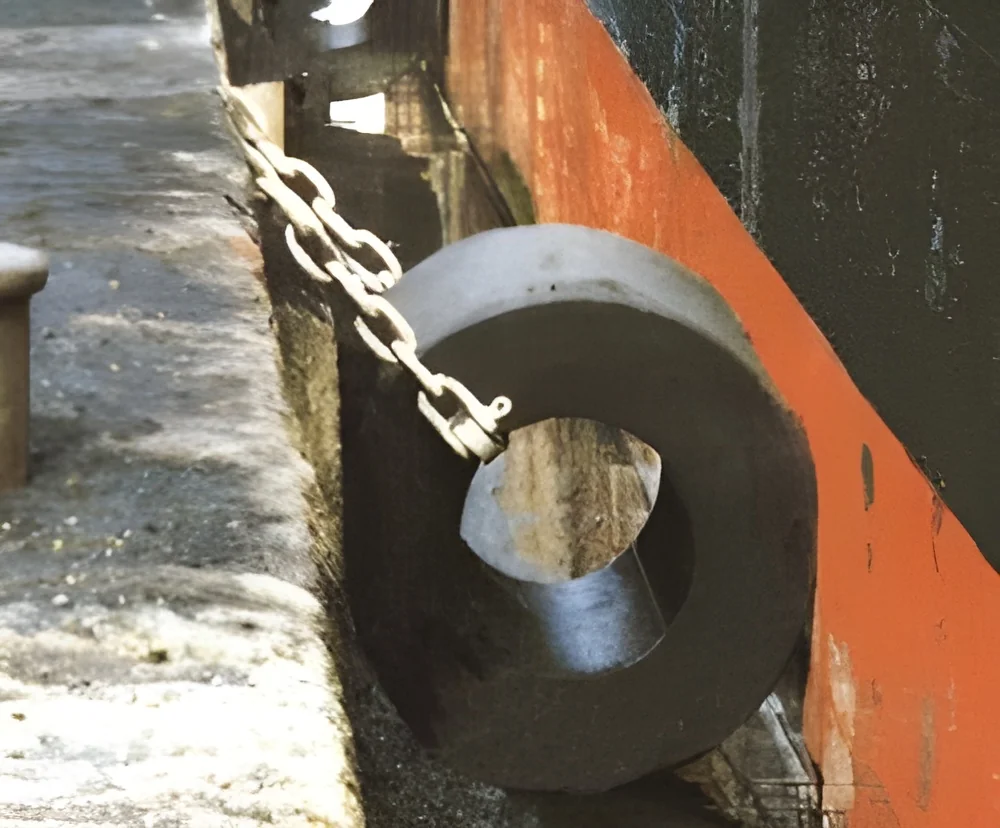
What are Fenders?
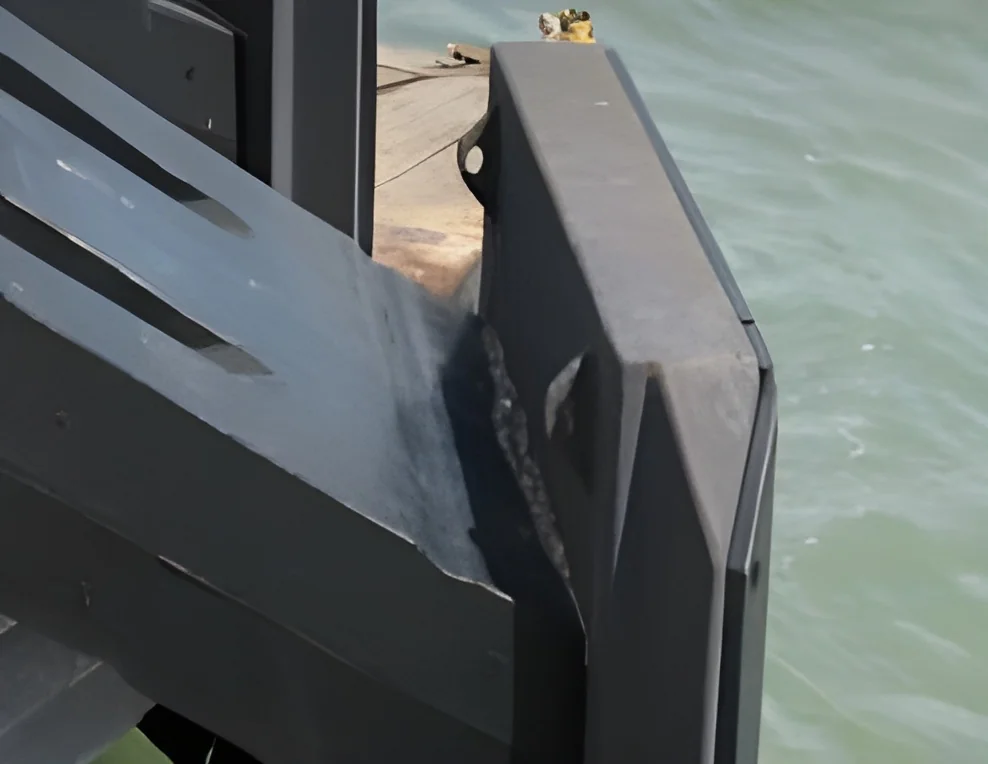
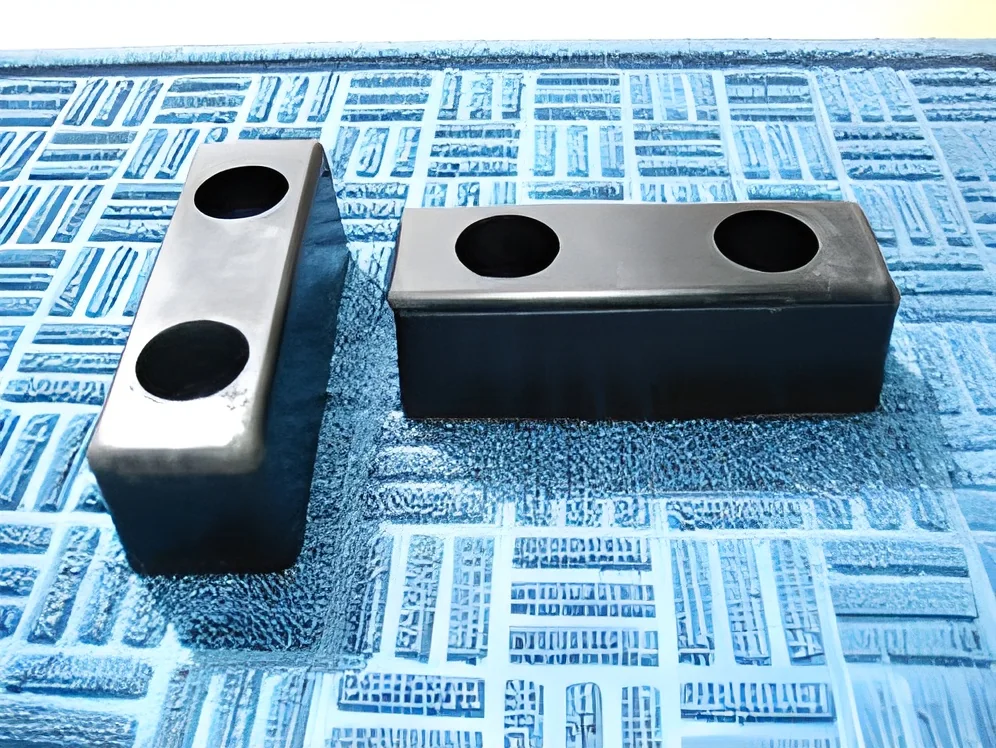
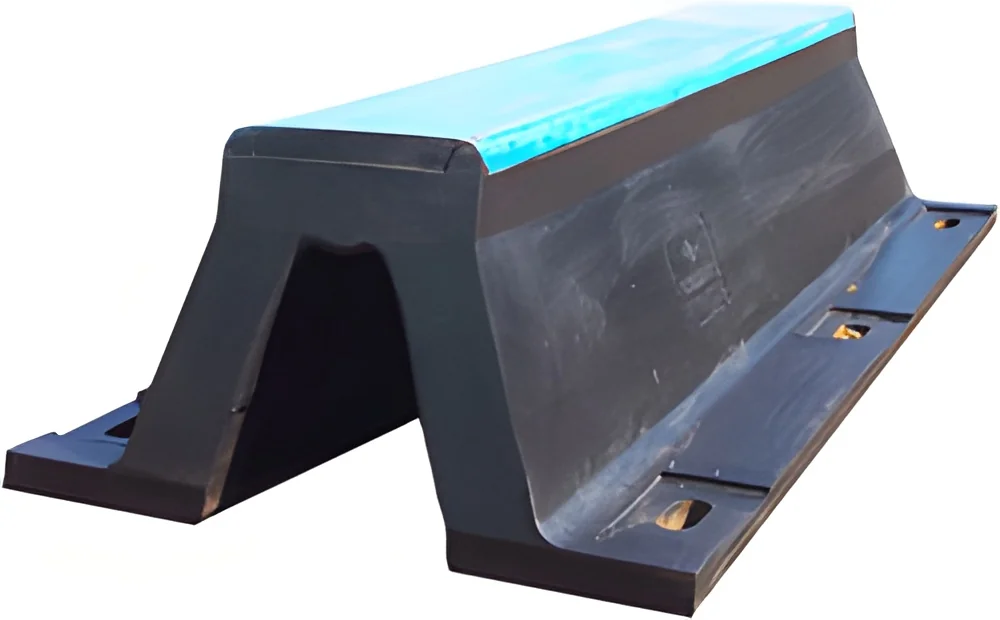
Fenders are protective devices used primarily in marine and industrial applications to absorb the impact between vessels and solid structures. They are designed to cushion the effects of docking and mooring, preventing damage to both the vessel and the dock. Fenders come in various shapes, sizes, and materials, allowing them to cater to different operational requirements and environmental conditions.
The primary uses of fenders include protecting boats and ships during docking and loading operations, as well as safeguarding infrastructure such as docks, piers, and bulkheads. Industries such as shipping, fishing, and recreational boating rely heavily on fenders to ensure safe and efficient operations. Their relevance extends to various sectors, including commercial shipping, offshore oil and gas, and naval applications, where the need for durable and reliable impact protection is critical.
In the current market context, the demand for fenders is driven by the growth of the maritime industry and increasing global trade. As shipping traffic and port activities expand, the importance of robust fender systems to ensure safety and longevity in operations cannot be overstated.
Key Features and Specifications
Fenders come equipped with several features that enhance their functionality and adaptability to different environments. Understanding these specifications is essential for selecting the right fender for specific applications.
Key specifications include:
1. Material Composition
- Fenders are typically made from rubber, foam, or plastics.
- Each material offers unique benefits in terms of durability and buoyancy.
2. Shape and Design
- Common shapes include cylindrical, square, and cone types.
- The design affects load distribution and energy absorption.
3. Size and Dimensions
- Available in various sizes to accommodate different vessel sizes.
- Dimension specifications ensure proper fit and performance.
4. Energy Absorption Capacity
- Indicates the amount of energy a fender can absorb upon impact.
- Measured in kilojoules (kJ), it is critical for assessing performance.
5. Installation Method
- Fenders can be mounted vertically or horizontally depending on application needs.
- Installation techniques may vary based on design and location.
6. Environmental Resistance
- Many fenders are designed to withstand harsh marine conditions.
- Resistance to UV rays, saltwater, and temperature variations is crucial.
7. Compliance Standards
- Some fenders meet industry standards for safety and quality.
- Compliance with relevant regulations ensures reliability in use.
In summary, selecting the appropriate fender requires careful consideration of these specifications to ensure optimal performance in its intended application.
Common Applications and Use Cases
Fenders serve various industries, providing essential protection and functionality.
1. Maritime Shipping: Fenders are predominantly used in ports and harbors to protect vessels during docking and berthing. They help prevent damage to both ships and docking infrastructure.
2. Offshore Oil and Gas: In offshore drilling and production, fenders protect platforms and supply vessels during transfer operations, ensuring safety and stability.
3. Recreational Boating: Personal watercraft and yachts utilize fenders to prevent scratching and damage while moored at docks or during transit.
4. Construction: Temporary fenders are used in construction sites near water bodies to protect machinery and structures from potential impacts.
5. Fishing: Commercial fishing vessels rely on fenders to safeguard their boats when moored at docks or alongside other vessels.
6. Naval Applications: Military vessels use specialized fenders to protect sensitive equipment and maintain operational readiness during docked periods.
7. Bulk Material Handling: Fenders are employed at terminals where bulk materials are loaded and unloaded, providing cushioning for both equipment and vessels.
Product Variants and Subcategories
Fenders come in diverse variants designed for specific applications and operational environments.
Inflatable Fenders
Inflatable fenders are lightweight and easily transportable. They are suitable for both commercial and recreational vessels, offering adjustable buoyancy and energy absorption.
Rubber Fenders
Rubber fenders are known for their durability and resistance to harsh marine conditions. They are widely used in industrial applications and provide excellent shock absorption.
Foam Fenders
Foam fenders are made of closed-cell foam, which gives them buoyancy and allows them to float. They are ideal for use in environments where weight and handling ease are crucial.
Cone Fenders
Cone fenders are designed for high energy absorption and are typically used in high-traffic docks. Their unique shape helps to distribute forces evenly during impact.
Dolly Fenders
Dolly fenders are mobile and can be used in various applications, including ship-to-ship transfers. Their versatility makes them popular in multiple industries.
Benefits and Advantages
Fenders offer numerous benefits that contribute to efficient operations and safety across various industries.
1. Damage Prevention: Fenders significantly reduce the risk of damage to vessels and docking infrastructure, lowering repair costs.
2. Enhanced Safety: By providing a cushioning effect, fenders improve safety for crew members during docking and mooring operations.
3. Versatility: The wide range of fender types and sizes allows for customization according to specific operational needs.
4. Durability: Many fenders are built to withstand harsh marine environments, ensuring long-lasting performance.
5. Cost Efficiency: Investing in quality fenders can reduce maintenance expenses and extend the lifespan of vessels and docks.
6. Improved Operational Efficiency: Fenders facilitate smoother docking processes, leading to quicker turnaround times in busy ports.
Buying Guide for B2B Buyers
When sourcing fenders, several factors should be taken into account to ensure the right choice.
1. Quality Assessment: Evaluate fenders based on their material composition, energy absorption capacity, and resistance to environmental factors. Look for products that meet industry standards.
2. Supplier Verification: Ensure that suppliers have a reliable track record and adhere to quality assurance processes. Verifying their certifications can prevent potential issues.
3. Pricing and MOQ: Understand the pricing structure and minimum order quantities. This will help you budget effectively and avoid overstocking.
4. Delivery and Lead Times: Discuss logistics and delivery times with suppliers to ensure that you can meet operational deadlines without delays.
5. Compliance Requirements: Be aware of any regulatory requirements that fenders must meet in your specific industry or region. This ensures safety and legal compliance.
Compliance and Certifications
Fenders must adhere to relevant quality standards and certifications to ensure safety and reliability in use. Common standards include ISO 9001, which focuses on quality management systems, and CE certification, indicating conformity with European safety and health requirements.
Manufacturers should conduct safety testing to confirm that their products meet industry expectations. This may involve assessing their performance under different conditions and loads. Additionally, regional compliance considerations may vary, necessitating thorough research into local regulations before sourcing.
Why Source Fenders from Pepagora?
Pepagora provides a trusted platform for sourcing fenders, offering several key advantages.
Verified Supplier Network: Pepagora has established a network of thoroughly vetted suppliers. This ensures that buyers can find reliable manufacturers who adhere to quality standards.
Streamlined RFQ Process: The request for quotation process is designed to be efficient, allowing buyers to quickly compare prices and specifications from multiple suppliers.
Trade Assurance and Support: Pepagora offers trade assurance to protect buyers throughout the purchasing process. This includes support for any issues that may arise during transactions.
Regional Coverage: With a strong presence in India, the GCC, and Southeast Asia, Pepagora connects buyers with suppliers across these regions, enhancing accessibility and convenience for procurement.
By choosing Pepagora, businesses can ensure they are sourcing high-quality fenders that meet their specific operational needs while benefiting from robust support and verification processes.

 IN
IN