
 IN
Night Vision Cameras
5 products available
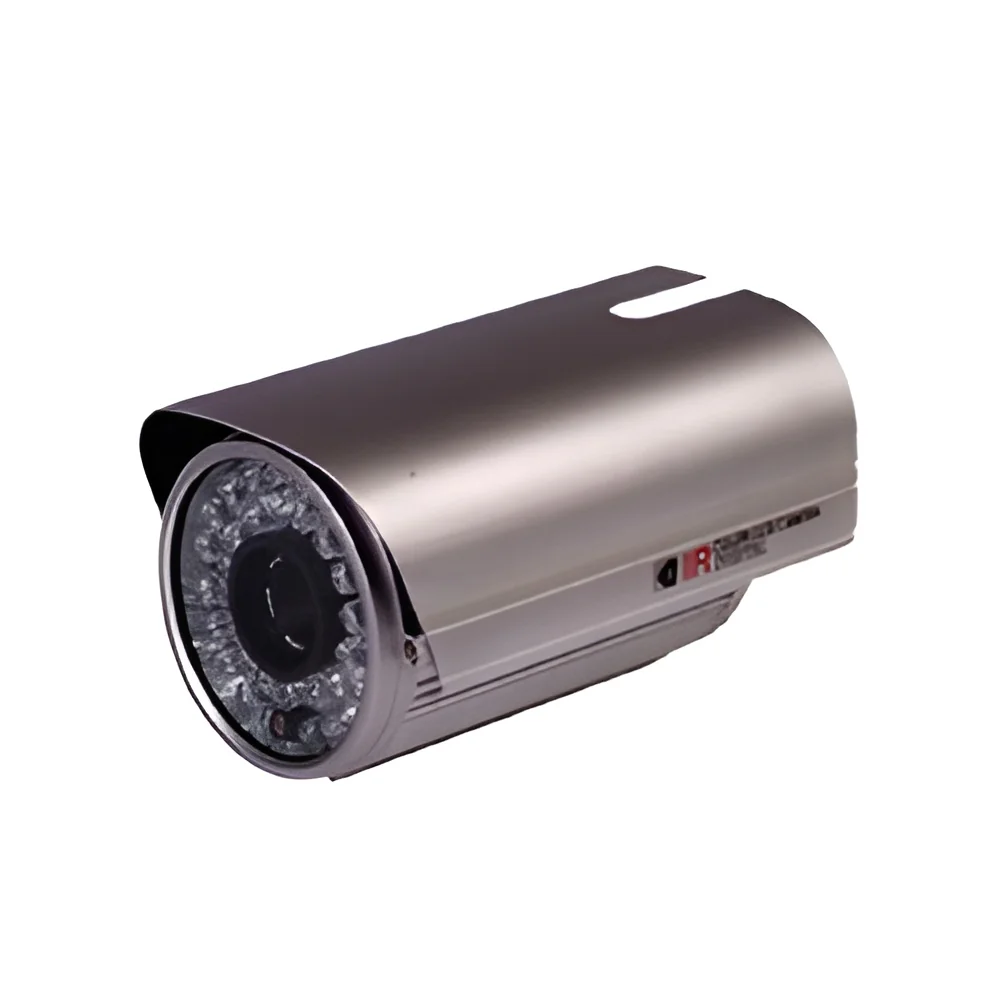
What are Night Vision Cameras?
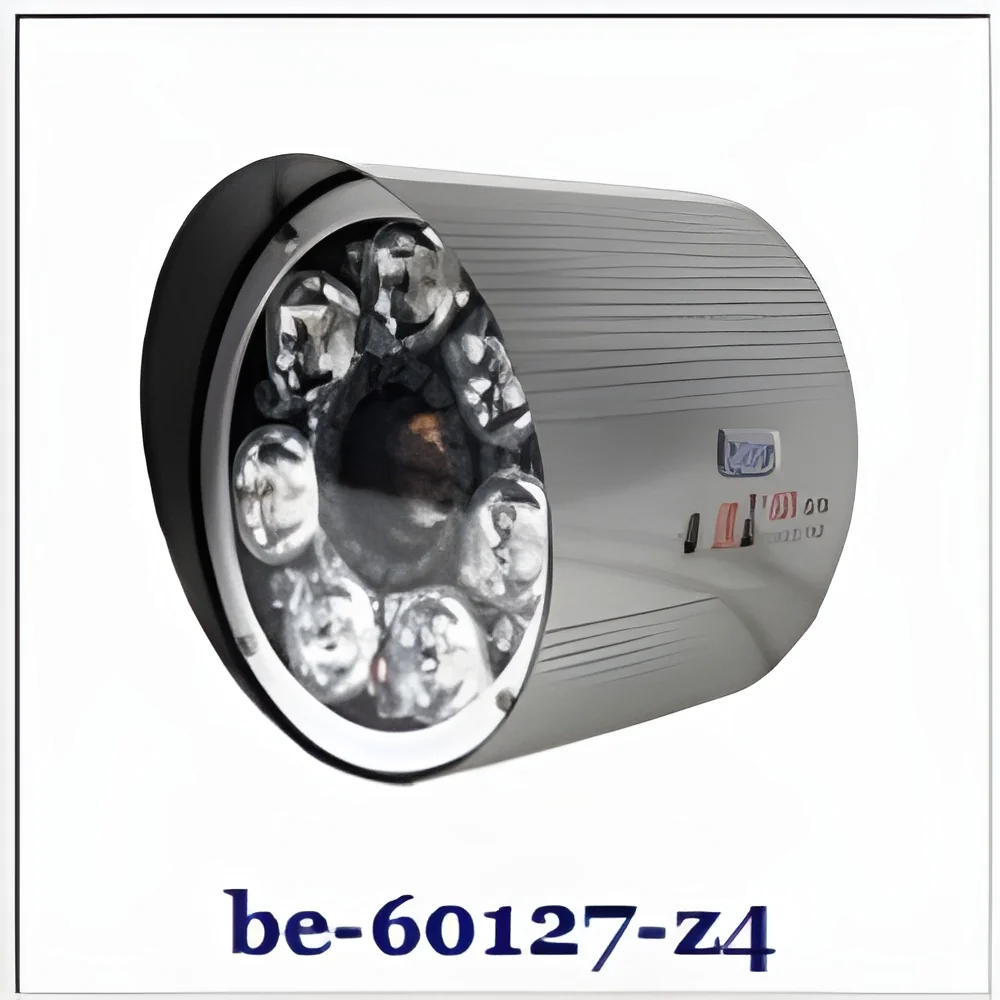
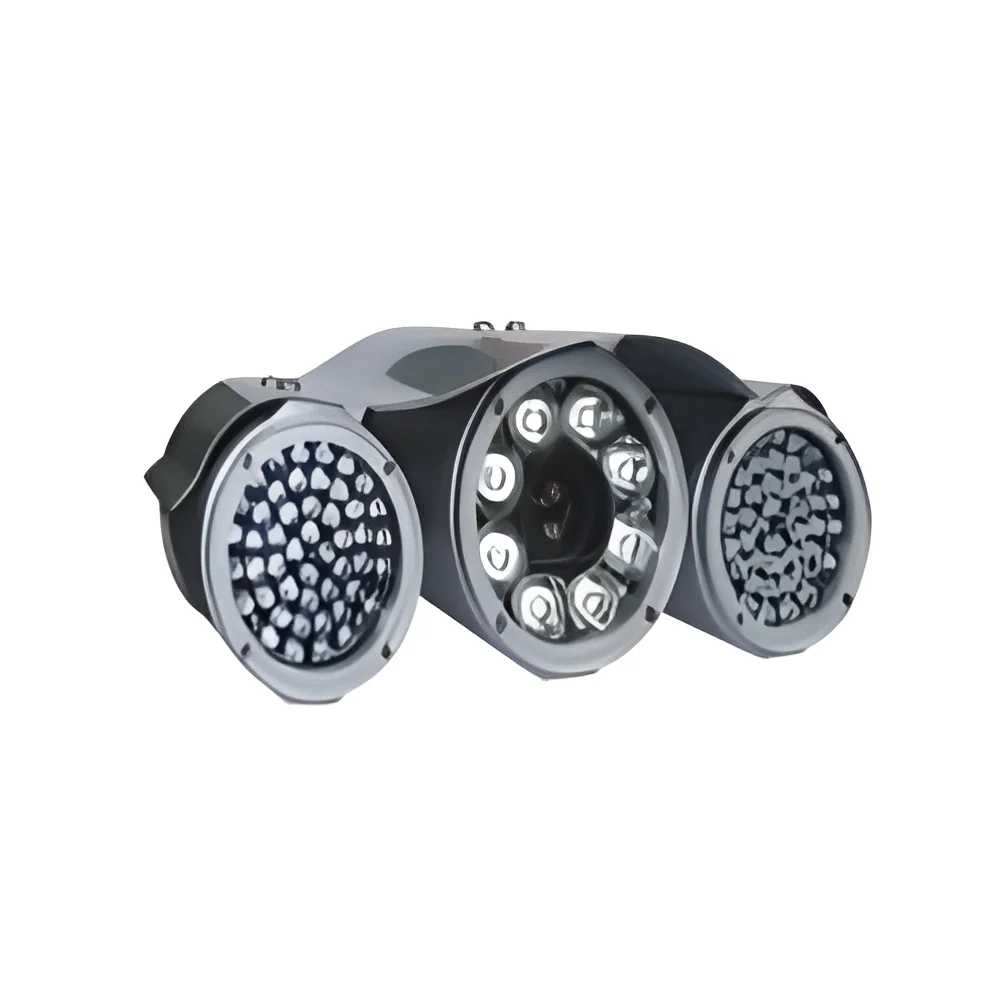
Night vision cameras are specialized imaging devices designed to capture images and videos in low-light conditions. These cameras utilize advanced technology to amplify existing light or use infrared light to create clear and detailed images in darkness. This capability makes them essential for security, surveillance, and various industrial applications.
Businesses use night vision cameras for several purposes, including monitoring premises, ensuring safety in hazardous environments, and conducting surveillance operations. They are invaluable in sectors such as security services, military, law enforcement, and even wildlife observation. As nighttime and low-light surveillance needs grow, the market for night vision cameras continues to expand, driven by advancements in imaging technology and increasing safety concerns.
The night vision camera industry has seen significant growth due to the rising demand for security solutions across various sectors. With ongoing innovations, such as improved resolution and smart features, these cameras are becoming more accessible to businesses of all sizes. As a result, the market is witnessing a surge in product offerings tailored to meet specific industry needs.
Key Features and Specifications
Night vision cameras come equipped with a range of features that enhance their performance and usability. Understanding these specifications is crucial for businesses looking to invest in these technologies.
Key specifications include:
1. Resolution
- Determines the clarity of the image captured.
- Common ranges are 720p, 1080p, and 4K.
2. Night Vision Range
- Indicates how far the camera can effectively capture images in the dark.
- Ranges typically vary from 30 to 300 meters.
3. Infrared Illumination
- Refers to the ability of the camera to use infrared light for night vision.
- Varies by model, with options for built-in IR LEDs.
4. Field of View
- Defines how much area the camera can cover.
- Common angles range from 60 to 120 degrees.
5. Connectivity Options
- Includes wired and wireless options for data transmission.
- Wi-Fi and Ethernet are common connectivity methods.
6. Temperature and Humidity Resilience
- Indicates the operational range of the camera in various environmental conditions.
- Data not available.
7. Power Supply
- Specifies how the camera is powered.
- Options include battery-powered, solar-powered, or wired.
8. Motion Detection Features
- Refers to the camera's ability to detect and record motion.
- Many models offer adjustable sensitivity settings.
In summary, understanding these key features and specifications will help businesses select the right night vision cameras to meet their specific needs.
Common Applications and Use Cases
Night vision cameras are versatile tools used across various industries. Their ability to function in low-light environments makes them ideal for numerous applications.
1. Security and Surveillance: Businesses often use night vision cameras for monitoring properties, preventing theft, and enhancing safety during nighttime operations.
2. Law Enforcement: Police departments utilize these cameras for patrols and investigations, capturing vital evidence even in low-light situations.
3. Military Operations: Armed forces deploy night vision cameras for reconnaissance and tactical missions, ensuring visibility in darkness.
4. Wildlife Monitoring: Researchers and conservationists employ these cameras for observing nocturnal animals without disturbing their natural behavior.
5. Industrial Security: Factories and warehouses use night vision cameras to monitor premises and protect assets during off-hours.
6. Traffic Monitoring: Night vision technology aids in monitoring traffic flow and detecting incidents after dark.
7. Search and Rescue: Emergency services rely on night vision cameras to locate individuals in low-light and challenging environments.
Product Variants and Subcategories
Night vision cameras come in various forms, catering to different needs and applications.
Compact Night Vision Cameras: These portable cameras are ideal for personal use or for use in small spaces. They are easy to install and often come with wireless capabilities.
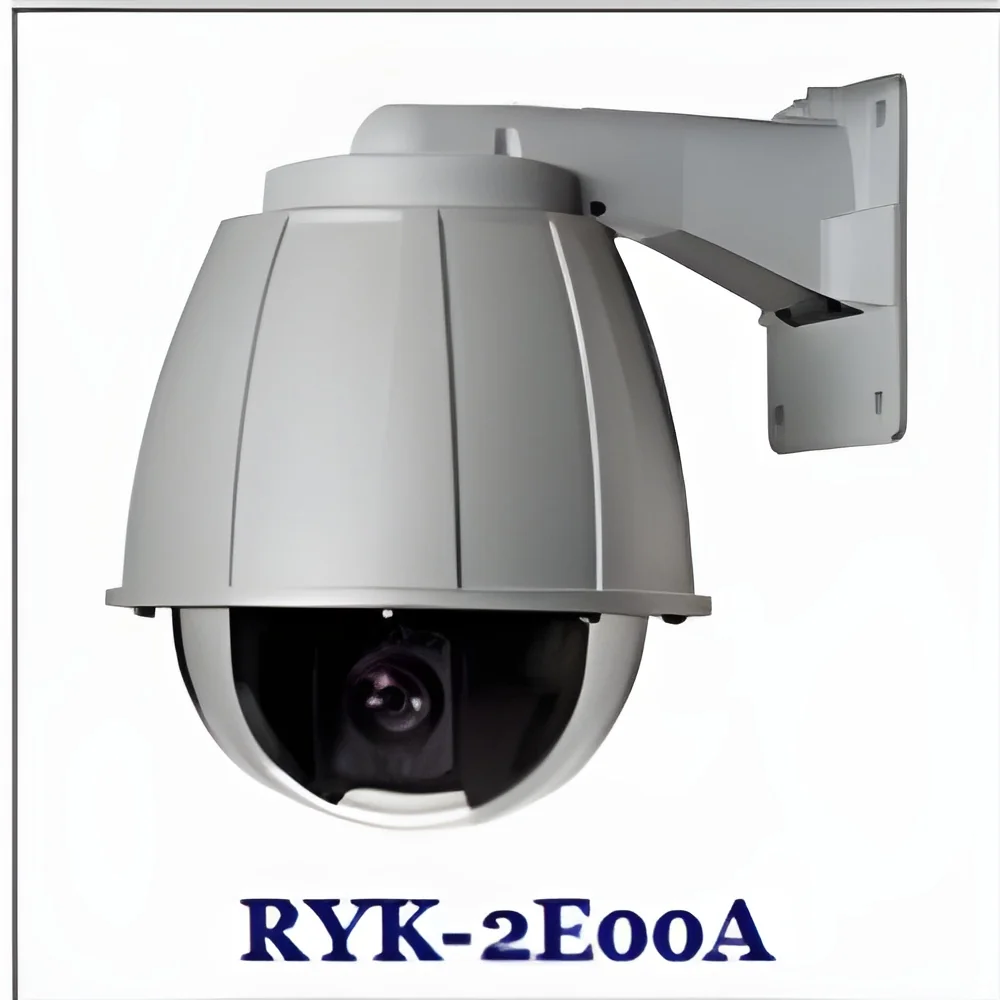
PTZ Night Vision Cameras: PTZ stands for Pan-Tilt-Zoom, allowing operators to control the camera's movement remotely. These cameras are suitable for large areas where detailed monitoring is necessary.
Thermal Night Vision Cameras: These cameras detect heat rather than light, making them effective in complete darkness and through obstructions like fog or smoke. They are commonly used in security and military applications.
Benefits and Advantages
Investing in night vision cameras offers numerous advantages for businesses.
1. Enhanced Security: These cameras provide increased surveillance capabilities during low-light conditions, reducing the risk of theft and vandalism.
2. Improved Safety: Night vision cameras can help ensure the safety of employees working in hazardous environments by monitoring conditions in real-time.
3. Cost-Effective Solution: By deterring crime and reducing loss, night vision cameras can save businesses significant amounts of money over time.
4. Versatility: With various models available, businesses can select cameras tailored to their specific operational needs, ensuring optimal functionality.
5. Real-Time Monitoring: Many night vision cameras offer live feeds, allowing for immediate response to incidents as they occur.
6. Evidence Collection: High-quality night vision footage serves as valuable evidence for investigations, legal proceedings, or insurance claims.
Buying Guide for B2B Buyers
When sourcing night vision cameras, several factors should be considered to ensure a satisfactory purchase.
1. Quality Assessment: Look for reputable brands and models that meet industry standards. Evaluate reviews and ratings to ensure reliability and performance.
2. Supplier Verification: Vet potential suppliers thoroughly to ensure they provide high-quality products. Check for industry certifications and customer testimonials.
3. Pricing and MOQ: Understand the pricing structure and minimum order quantity (MOQ) requirements. Compare offers from different suppliers to find the best deal.
4. Delivery and Lead Times: Inquire about shipping options and expected delivery times. Factor these into your purchasing timeline to avoid delays.
5. Compliance Requirements: Ensure that the night vision cameras meet any relevant regulatory standards or compliance requirements specific to your industry.
Compliance and Certifications
Night vision cameras must adhere to various quality standards and certifications to ensure safety and performance.
Relevant quality standards include ISO 9001, which focuses on quality management systems. Compliance with these standards indicates that the manufacturer follows rigorous quality control processes.
In addition, many night vision cameras carry the CE certification, signifying that they meet European health, safety, and environmental protection standards. This certification is critical for businesses looking to operate in or export to European markets.
Safety and testing requirements vary by region and application, ensuring that the cameras are safe for use in specific environments. It is essential for businesses to check that their chosen night vision cameras comply with these standards.
Regional compliance considerations may vary based on local regulations. Buyers should be aware of any specific requirements in their area to ensure compliance.
Why Source Night Vision Cameras from Pepagora?
Pepagora offers a trusted platform for sourcing night vision cameras, providing several key advantages for B2B buyers.
Verified Supplier Network: Pepagora's extensive supplier verification process ensures that buyers are connected with reputable manufacturers. This reduces the risk of subpar products and ensures quality.
Streamlined RFQ Process: The request for quotation (RFQ) system allows buyers to easily compare offers from multiple suppliers. This simplifies the procurement process and helps businesses find the best deals.
Trade Assurance and Support: Pepagora provides buyer protection through trade assurance programs, ensuring that purchases are secure and that buyers receive the support they need throughout the transaction process.
Regional Coverage: With a strong presence in India, the GCC, and Southeast Asia, Pepagora connects buyers with suppliers across these regions, facilitating access to a diverse range of night vision camera options tailored to various market needs.


 India
 India
 India
Frequently Asked Questions
What are Night Vision Cameras?
Night Vision Cameras are specialized devices designed to capture images and video in low-light or dark conditions. They utilize infrared technology to enhance visibility, allowing users to monitor areas without the need for additional lighting.
What are the different types of Night Vision Cameras?
The main types of Night Vision Cameras include image intensifier cameras, thermal imaging cameras, and digital night vision cameras. Each type has distinct features and applications, making them suitable for various environments and uses.
How do I choose the right Night Vision Cameras?
When selecting Night Vision Cameras, consider factors such as the intended use, range, resolution, and the type of night vision technology. It is also important to evaluate specific features like weather resistance and additional functionalities like recording capabilities.
What are the standard specifications for Night Vision Cameras?
Standard specifications for Night Vision Cameras often include resolution (measured in megapixels), infrared range, frame rate, and lens type. Additionally, features such as field of view and power source are crucial for determining performance in various conditions.
What is the price range for Night Vision Cameras?
The price range for Night Vision Cameras can vary significantly based on the type and specifications, typically starting from a few thousand rupees to several lakhs. Higher-end models with advanced features will generally be more expensive.
What quality standards apply to Night Vision Cameras?
Quality standards for Night Vision Cameras often include regulations related to image quality, durability, and safety. Compliance with international standards such as ISO or CE can also be indicative of a product's reliability and performance.
Where can I find Night Vision Cameras suppliers in India?
You can find Night Vision Cameras suppliers in India through online B2B marketplaces, trade shows, and industry directories. Websites like Pepagora.com can connect you with reputable manufacturers and suppliers offering a variety of options.
Can Night Vision Cameras be customized?
Yes, many manufacturers offer customization options for Night Vision Cameras to meet specific requirements. Customizations may include tailored specifications, branding, or additional features to suit particular applications.
What is the typical minimum order quantity for Night Vision Cameras?
The typical minimum order quantity (MOQ) for Night Vision Cameras varies by supplier and can range from a single unit to several dozen. It is advisable to inquire with specific suppliers for their MOQ policies.
What is the typical lead time for Night Vision Cameras?
The lead time for Night Vision Cameras can vary depending on the supplier, order quantity, and customization requirements. Generally, lead times can range from a few days for ready stock to several weeks for customized orders.
Why Businesses Trust Pepagora
Thousands of companies trust Pepagora to source smarter and sell faster
Expand Your Sales Globally

Source Smarter,Grow Faster
