
 IN
Molded Pulp for Industrial Packaging
10 products available
What are Molded Pulp for Industrial Packaging?
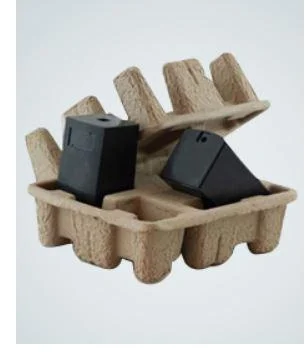
Molded pulp for industrial packaging is an eco-friendly material made from recycled paper and other natural fibers. This sustainable product is formed through a process that combines pulp with water, creating a moldable substance that can be shaped into various forms. Once shaped, the material is dried to produce strong, lightweight packaging solutions. Molded pulp is often chosen for its ability to provide effective cushioning and protection, making it suitable for a range of products.
This type of packaging is widely used across various sectors, including electronics, consumer goods, and food services. Its versatility allows it to be tailored to fit specific product dimensions, ensuring a snug fit that minimizes movement during transport. Businesses appreciate molded pulp for its biodegradable properties, aligning with increasing demands for environmentally responsible packaging solutions. As industries continue to shift towards sustainable practices, the relevance of molded pulp is growing in the marketplace.
Key Features and Specifications
Molded pulp offers a variety of features that make it an attractive choice for industrial packaging. Its design allows for customization based on the unique requirements of the product it protects. This adaptability, combined with its environmental benefits, positions molded pulp as a leading option for companies seeking sustainable packaging solutions.
Key specifications include:
1. Material Composition
- Made from recycled paper and natural fibers
- Contributes to sustainability efforts
2. Weight Capacity
- Capable of supporting varying weights depending on design
- Ideal for fragile and heavy items alike
3. Moisture Resistance
- Offers a level of resistance to moisture
- Suitable for products that require humidity control
4. Customization Options
- Can be molded to specific shapes and sizes
- Flexibility to meet unique product requirements
5. Biodegradability
- Fully biodegradable within a short timeframe
- Reduces environmental impact post-use
6. Thermal Insulation
- Provides some level of thermal protection
- Protects against temperature fluctuations during shipping
7. Reusability
- Can be reused under certain conditions
- Promotes a circular economy model
In summary, molded pulp for industrial packaging is characterized by its sustainable materials, customizable designs, and effective protective features.
Common Applications and Use Cases
Molded pulp is utilized across a wide range of industries, demonstrating its versatility and effectiveness in various applications.
1. Electronics: Molded pulp is used to package fragile electronic components, providing cushioning and protection during shipping.
2. Food Services: Many food service businesses use molded pulp for packaging take-out items, ensuring that containers are sturdy and eco-friendly.
3. Automotive: In the automotive industry, molded pulp can be used for protective packaging of parts, reducing damage during transportation.
4. Consumer Goods: Molded pulp is often employed for packaging cosmetics and personal care products, offering both protection and an attractive presentation.
5. Medical Devices: The medical sector utilizes molded pulp for packaging sensitive instruments, ensuring safety and compliance with health standards.
6. E-commerce: As online shopping continues to grow, molded pulp provides an effective packaging solution for shipping a variety of products securely.
7. Appliances: Large appliances can benefit from molded pulp packaging, which is designed to protect them from impacts during transit.
Product Variants and Subcategories
Molded pulp comes in various forms to cater to different packaging needs. Each variant is designed with specific features to enhance functionality and performance.
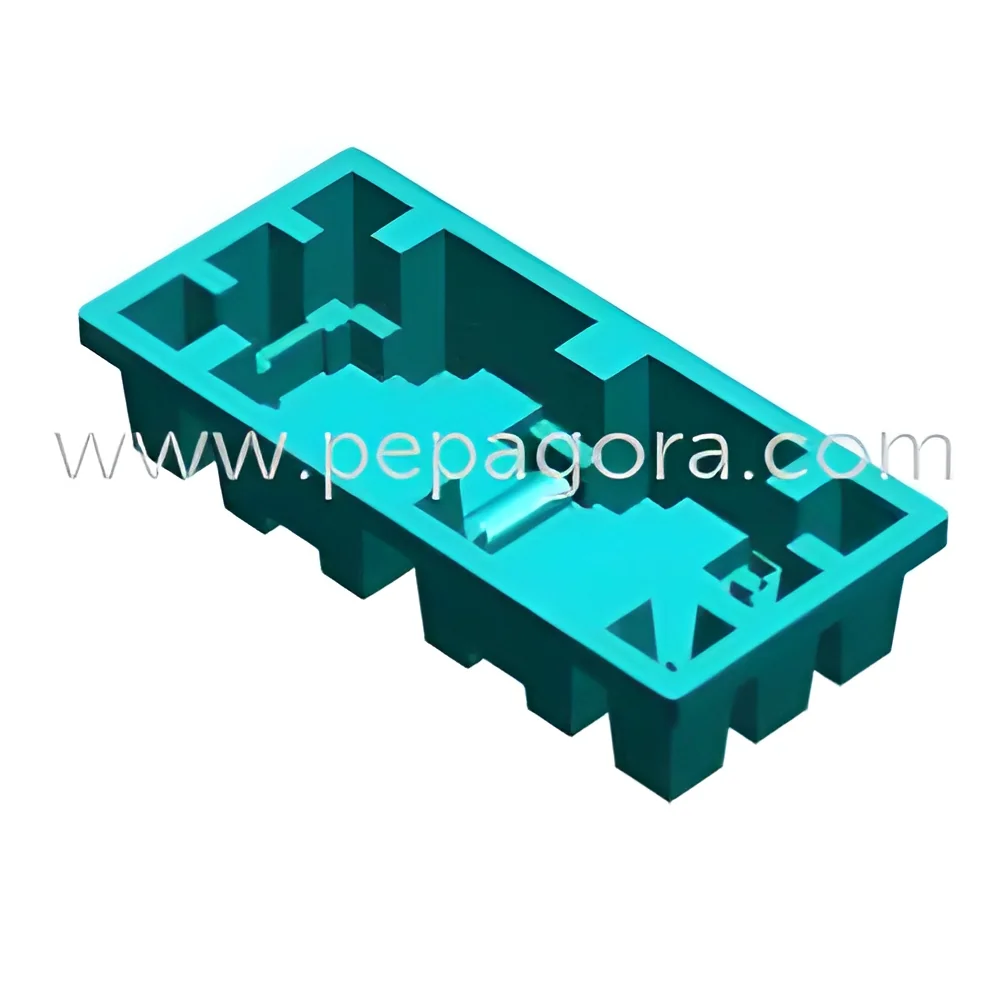
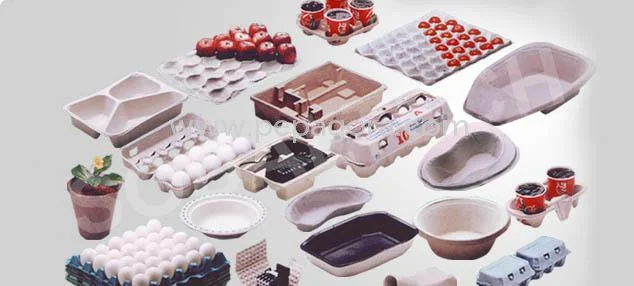
Protective Inserts: These are custom-shaped inserts designed to hold products securely in place within their outer packaging. They are ideal for electronics and fragile items.
Clamshell Packaging: This variant features a two-part design that snaps together, providing a protective shell around products. It is commonly used in retail settings.
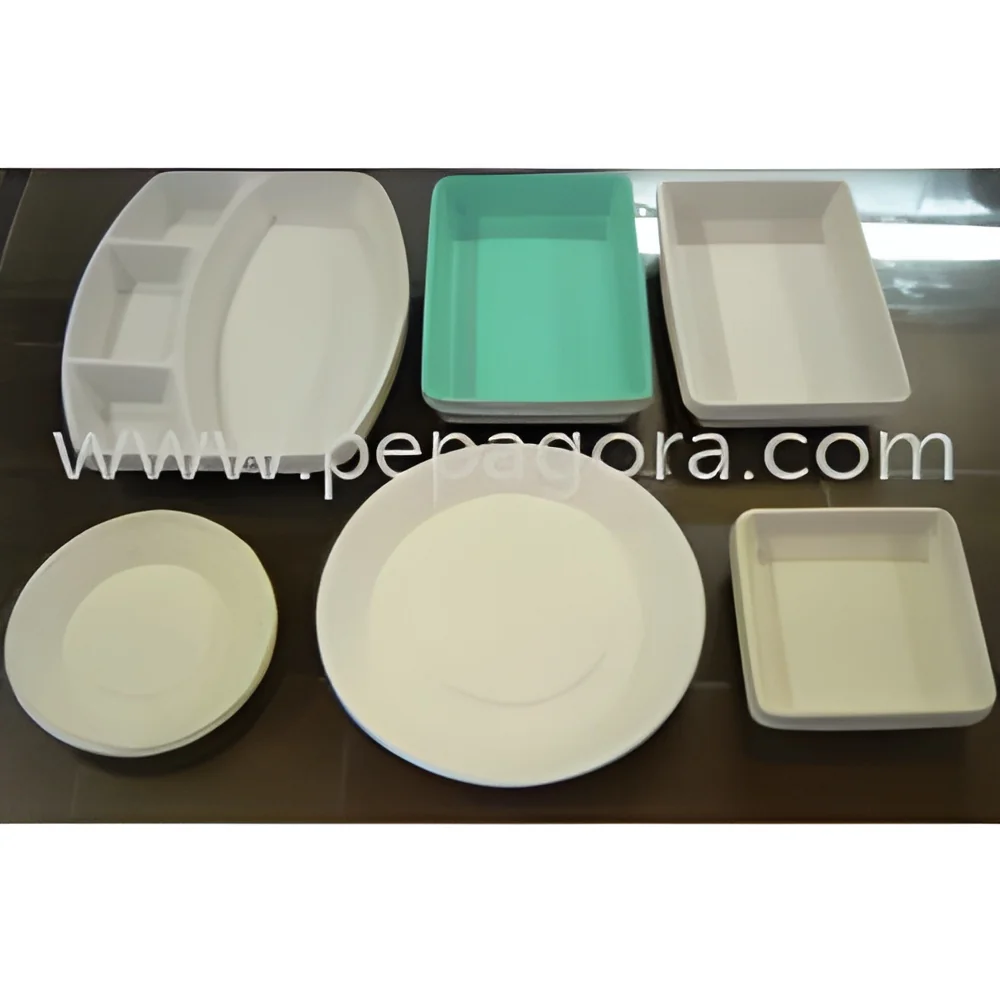
Trays: Molded pulp trays are used in food packaging, offering a sustainable alternative to plastic trays. They are suitable for fresh produce and ready-to-eat meals.
Benefits and Advantages
Molded pulp for industrial packaging provides numerous benefits that make it a preferred choice for many businesses.
1. Environmental Sustainability: Molded pulp is made from recycled materials and is fully biodegradable, leading to a reduced carbon footprint.
2. Cost-Effectiveness: This packaging solution can be produced at a competitive cost, especially when considering the long-term savings associated with damage prevention.
3. Customization: The ability to mold pulp into specific shapes allows businesses to create tailored solutions that perfectly fit their products.
4. Protection: Molded pulp provides excellent cushioning, reducing the risk of damage during transportation and storage.
5. Consumer Appeal: The eco-friendly nature of molded pulp packaging can enhance brand image and attract environmentally conscious consumers.
6. Versatility: Molded pulp can be used across various industries, making it a flexible solution for different packaging needs.
Buying Guide for B2B Buyers
When sourcing molded pulp for industrial packaging, several factors should be considered to ensure the right choice for your business.
1. Quality Assessment: Evaluate the quality of molded pulp products by reviewing material specifications and performance tests. Look for certifications that indicate compliance with industry standards.
2. Supplier Verification: Vet potential suppliers by checking their reputation, customer reviews, and production capabilities. A reliable supplier should have a proven track record in delivering quality products.
3. Pricing and MOQ: Understand the pricing structure and minimum order quantities (MOQ) for molded pulp products. This will help you budget effectively and ensure you meet your supply needs.
4. Delivery and Lead Times: Discuss logistics with suppliers to confirm delivery schedules and lead times. Timely delivery is crucial for maintaining production schedules.
5. Compliance Requirements: Ensure that the molded pulp products comply with relevant regulations and industry standards. This helps avoid potential legal issues and ensures product safety.
Compliance and Certifications
Molded pulp for industrial packaging must adhere to various quality standards and certifications to ensure safety and reliability.
ISO 9001 is a widely recognized standard that reflects a supplier's commitment to quality management systems. This certification indicates that the manufacturer consistently meets customer and regulatory requirements.
HACCP (Hazard Analysis Critical Control Point) is crucial in food packaging applications. It ensures that the molded pulp products are safe for contact with food and can help prevent contamination.
Other certifications, such as CE and UL, signify that the packaging meets specific safety and performance standards. These certifications are essential for gaining trust in various markets.
Regional compliance is also a factor to consider. Depending on where the products will be distributed, different regulations may apply. Understanding these requirements will help businesses remain compliant and avoid penalties.
Why Source Molded Pulp for Industrial Packaging from Pepagora?
Pepagora stands out as a premier platform for sourcing molded pulp for industrial packaging, offering a range of advantages to B2B buyers.
Verified Supplier Network: Pepagora has established a comprehensive network of verified suppliers. This ensures that buyers can connect with reputable manufacturers who meet high-quality standards.
Streamlined RFQ Process: The platform features an efficient request for quotation (RFQ) process, allowing buyers to receive competitive quotes from multiple suppliers quickly. This simplifies decision-making and helps secure the best deals.
Trade Assurance and Support: Pepagora offers trade assurance, providing buyers with protection and support throughout the purchasing process. This builds confidence in transactions and fosters long-term partnerships.
Regional Coverage: With a strong presence in India, the GCC, and Southeast Asia, Pepagora provides extensive regional coverage. This enables businesses to access molded pulp solutions tailored to their specific markets, enhancing their operational efficiency.

 India
 India
 India
 India
 India

Frequently Asked Questions
What are Molded Pulp for Industrial Packaging?
Molded pulp for industrial packaging refers to a sustainable packaging material made from recycled paper and cardboard. It is formed into various shapes to provide cushioning and protection for products during shipping and handling.
What are the different types of Molded Pulp for Industrial Packaging?
The different types of molded pulp for industrial packaging include tray-type, clamshell-type, and custom-shaped pulp products. Each type is designed for specific applications, providing varying levels of protection and support for different products.
How do I choose the right Molded Pulp for Industrial Packaging?
To choose the right molded pulp for industrial packaging, consider the product dimensions, weight, and fragility. Additionally, evaluate the environmental impact, as well as any specific requirements for moisture resistance or cushioning.
What are the standard specifications for Molded Pulp for Industrial Packaging?
Standard specifications for molded pulp for industrial packaging typically include thickness, density, and moisture content. It is important to ensure that the specifications meet the requirements for the products being packaged, including any industry standards.
What is the price range for Molded Pulp for Industrial Packaging?
The price range for molded pulp for industrial packaging can vary widely based on factors such as material quality, design complexity, and order volume. Generally, prices can range from a few rupees to several hundred rupees per unit depending on these factors.
What quality standards apply to Molded Pulp for Industrial Packaging?
Quality standards for molded pulp for industrial packaging may include ISO certifications, as well as compliance with specific industry regulations. It is essential to verify that suppliers adhere to these standards to ensure product safety and environmental compliance.
Where can I find Molded Pulp for Industrial Packaging suppliers in India?
Molded pulp for industrial packaging suppliers in India can be found through online B2B marketplaces, industry trade shows, and local directories. Platforms like Pepagora.com can help connect buyers with reliable manufacturers and suppliers.
Can Molded Pulp for Industrial Packaging be customized?
Yes, molded pulp for industrial packaging can be customized to meet specific product requirements. Customization options may include size, shape, and additional features such as branding or moisture resistance.
What is the typical minimum order quantity for Molded Pulp for Industrial Packaging?
The typical minimum order quantity (MOQ) for molded pulp for industrial packaging varies by supplier, but it generally ranges from 500 to 1,000 units. It's advisable to check with individual suppliers for their specific MOQs.
What is the typical lead time for Molded Pulp for Industrial Packaging?
The typical lead time for molded pulp for industrial packaging can range from 2 to 6 weeks, depending on the complexity of the order and the supplier's production schedule. It is important to confirm lead times with suppliers prior to placing an order.
Why Businesses Trust Pepagora
Thousands of companies trust Pepagora to source smarter and sell faster
Expand Your Sales Globally

Source Smarter,Grow Faster
