Key Features and Specifications
Metal detectors come with a range of features and specifications that enhance their functionality and usability. Understanding these specifications is essential for selecting the right model for specific applications.
Key specifications include:
1. Detection Range
- The distance from which a metal object can be detected.
- Typically ranges from a few centimeters to over a meter.
2. Sensitivity Levels
- The ability to detect different sizes and types of metals.
- Adjustable settings to accommodate various objects.
3. Power Source
- Types of batteries used or the option for direct power supply.
- Battery life can vary from several hours to days depending on usage.
4. Frequency Range
- The operating frequency that affects detection capabilities.
- Common frequencies range from 1 kHz to 100 kHz.
5. Weight and Portability
- The overall weight of handheld units and ease of transport.
- Handheld models typically weigh between 1 to 3 pounds.
6. User Interface
- Types of displays and controls for ease of operation.
- Features may include LED indicators, sound alerts, and touchscreen controls.
7. Material Construction
- Durability of the device based on materials used.
- Common materials include plastic and metal housing for durability.
8. Environmental Resistance
- Resistance to elements such as water and dust.
- Some models have IP ratings indicating their level of protection.
In summary, understanding these key features and specifications will help businesses select the appropriate metal detectors to meet their security needs effectively.
Common Applications and Use Cases
Metal detectors have a wide range of applications across various industries, enhancing security and safety protocols.
1. Security: Metal detectors are commonly used in airports, government buildings, and event venues to screen individuals for weapons or contraband. This helps ensure public safety and compliance with regulations.
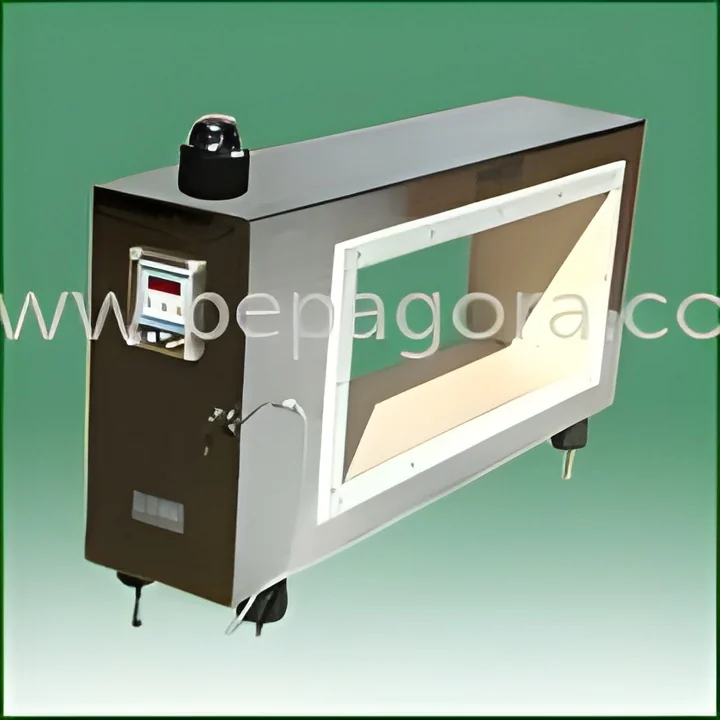
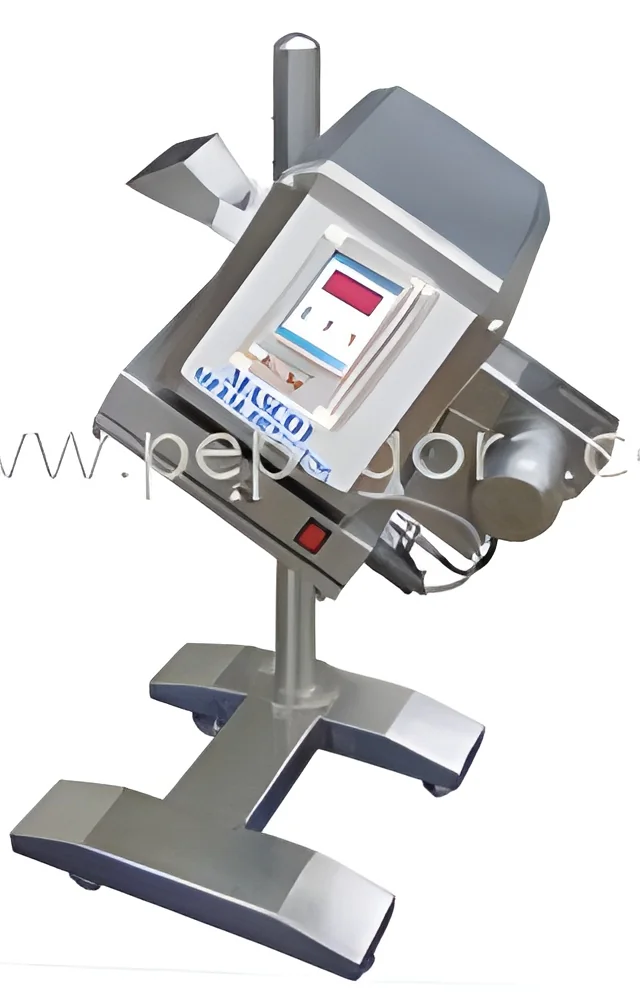
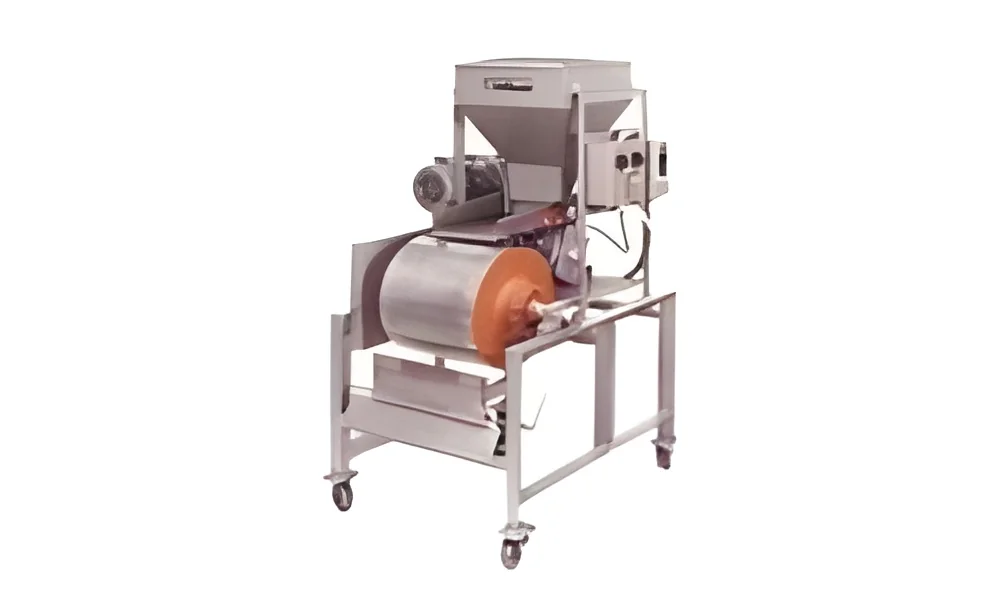
2. Manufacturing: In industrial settings, metal detectors are used to inspect products for metallic contaminants. This is crucial for maintaining quality control and ensuring consumer safety in food and pharmaceutical industries.
3. Retail: Retail environments use handheld metal detectors to prevent theft and unauthorized access to restricted areas. This enhances inventory security and protects company assets.
4. Law Enforcement: Police and security personnel use handheld detectors during searches and investigations. These tools assist in identifying concealed weapons or illegal items.
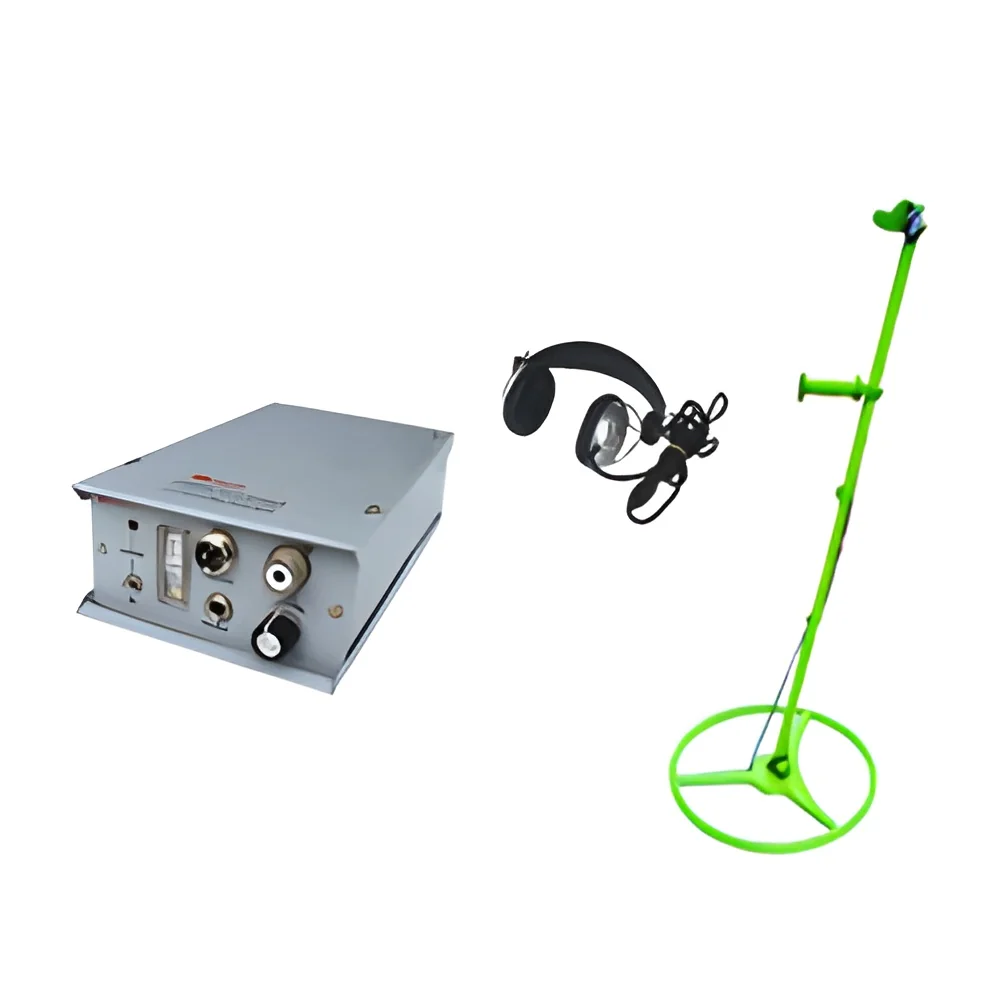
5. Construction: Metal detectors are employed at construction sites to locate underground utilities or rebar within concrete. This aids in project planning and avoids accidental damages.
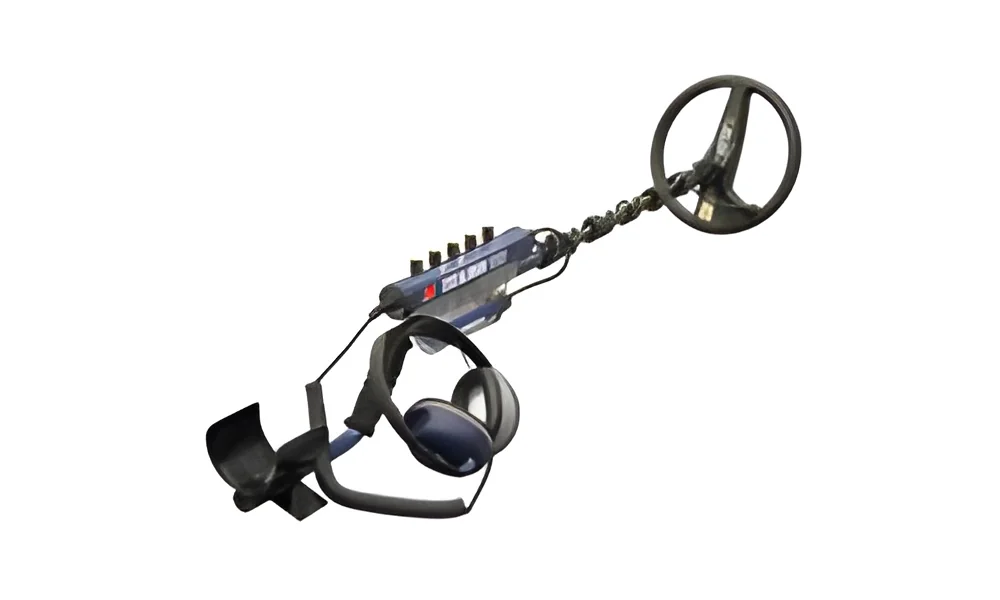
6. Mining: In mining operations, metal detectors help locate valuable minerals and metals. This optimizes resource extraction and enhances operational efficiency.
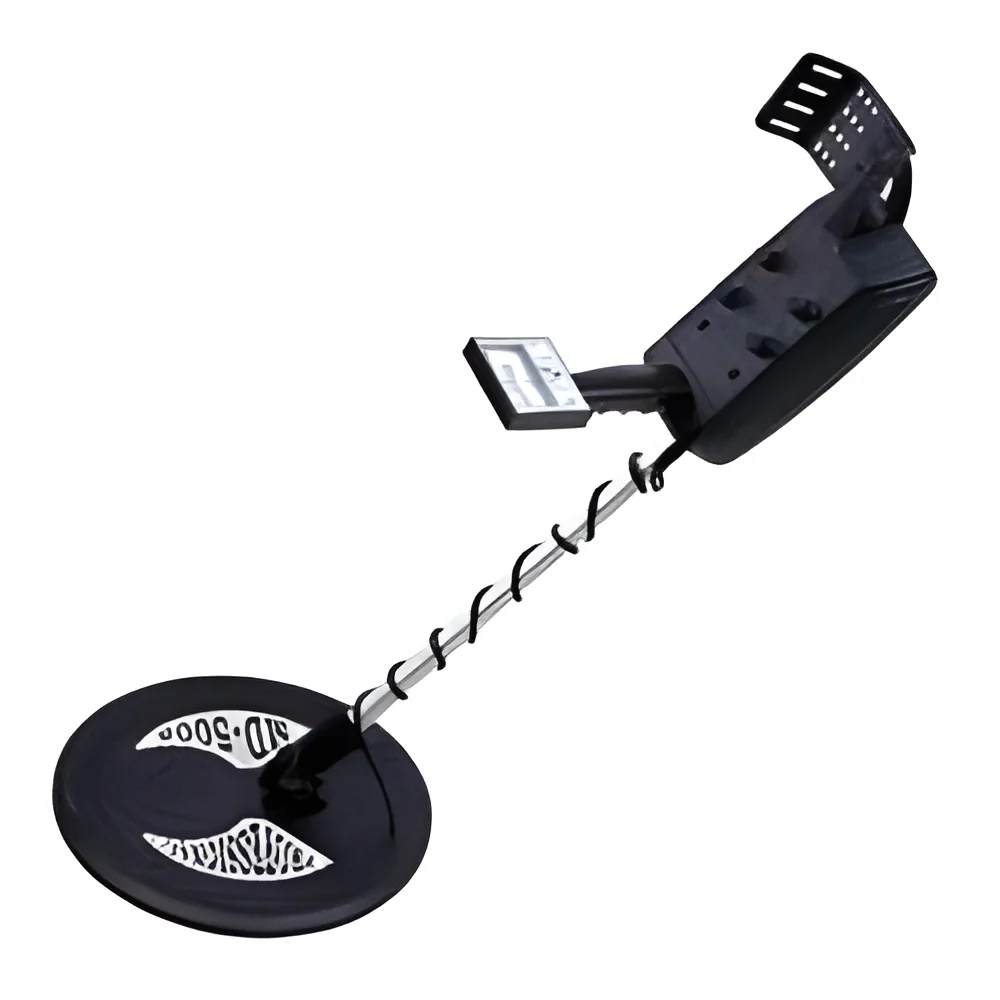
7. Archaeology: Archaeologists utilize metal detectors to uncover artifacts and historical items buried underground. This aids in research and preservation efforts.
Product Variants and Subcategories
Metal detectors are available in various configurations to meet diverse needs. Understanding these variants is essential for selecting the right model.
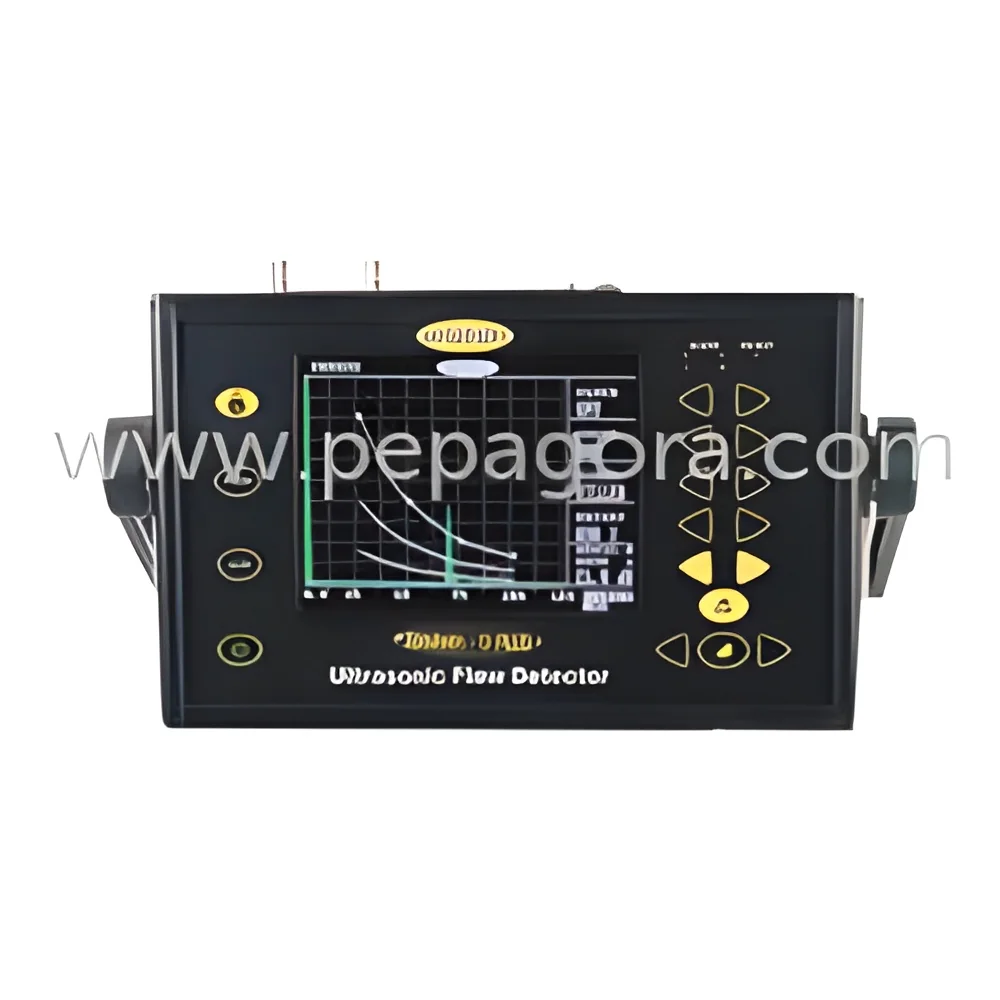
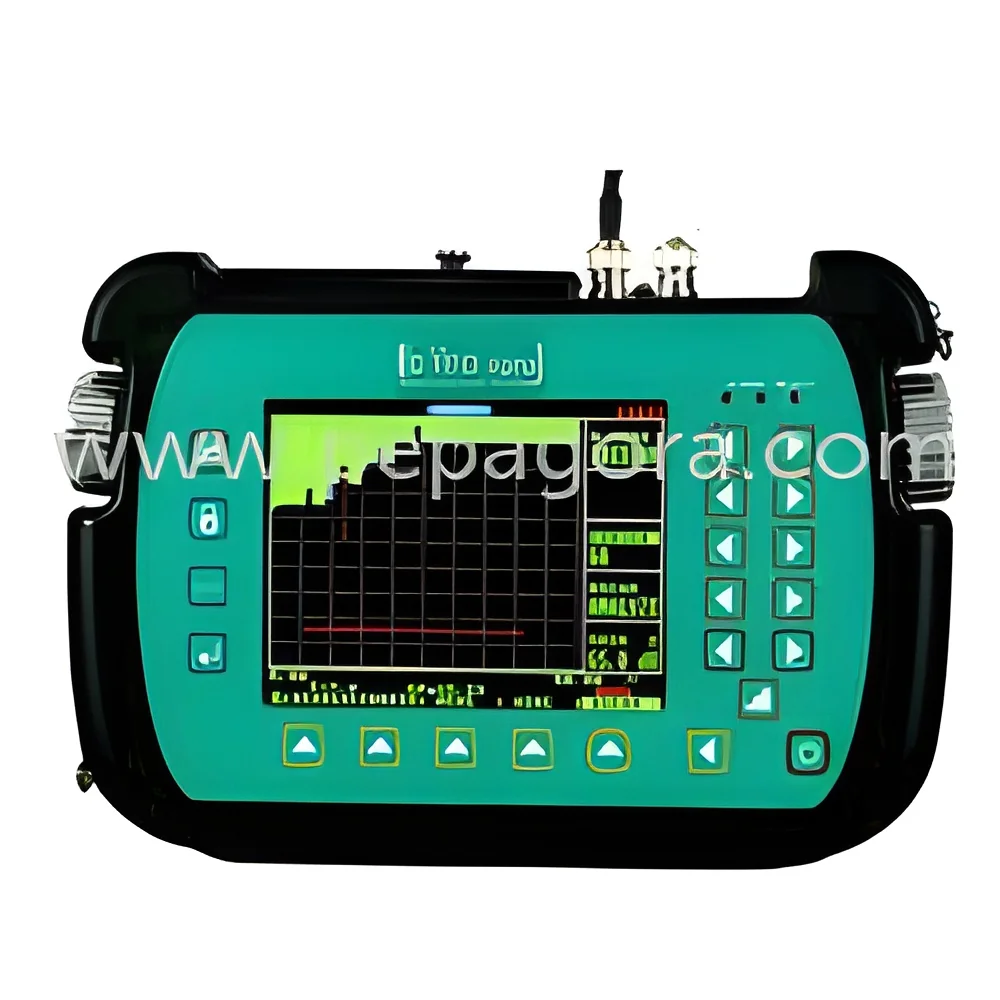
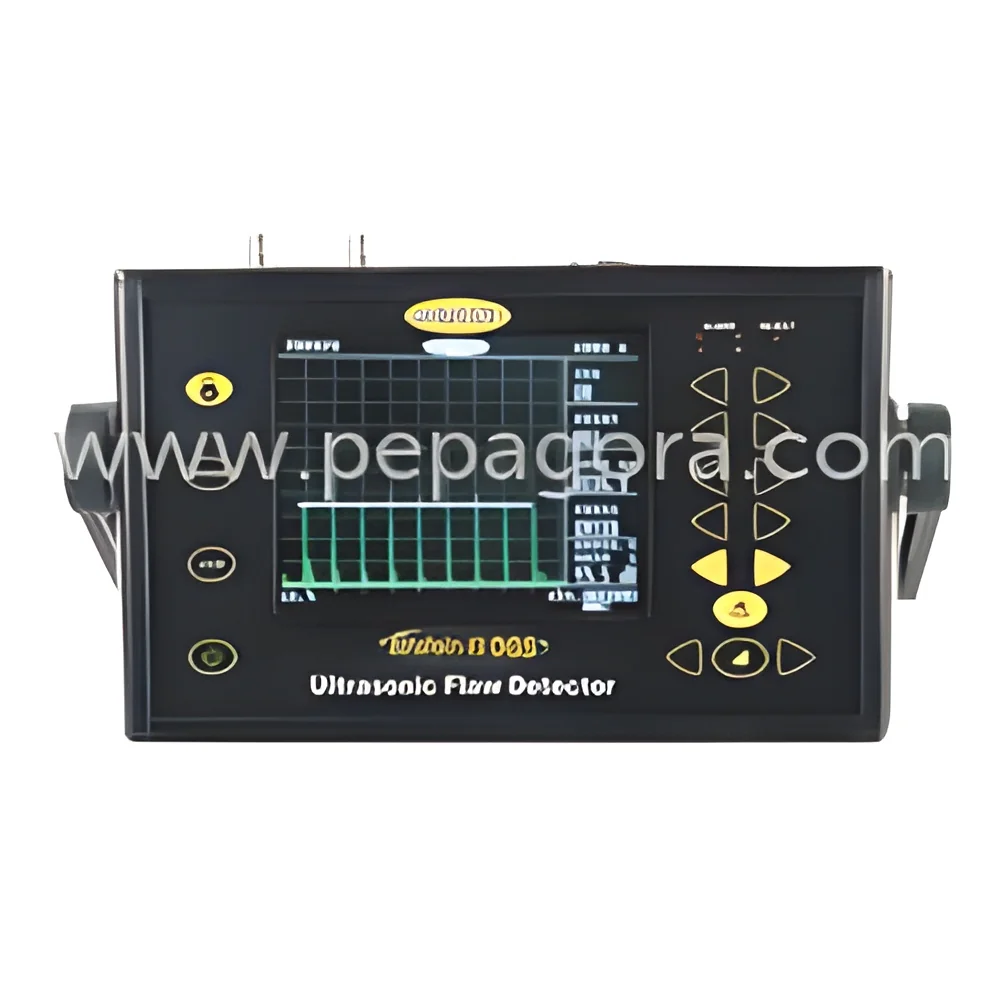
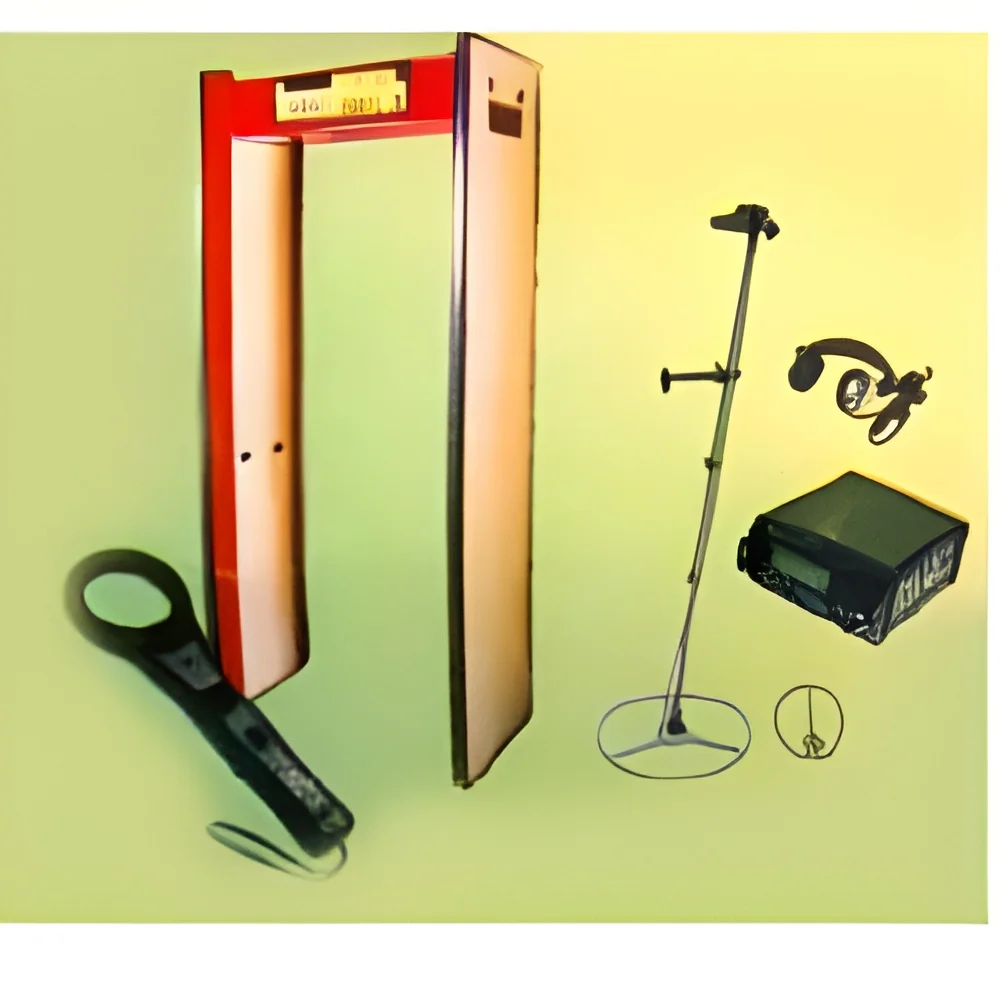
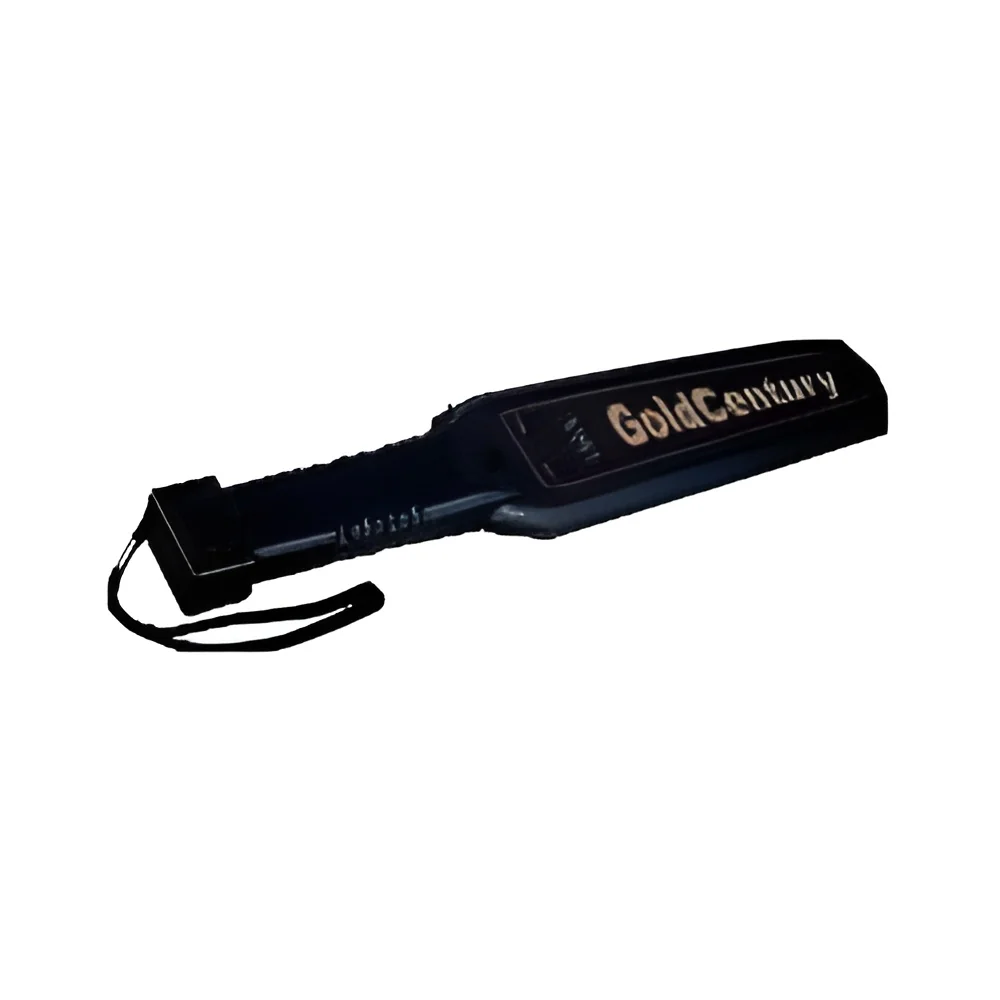
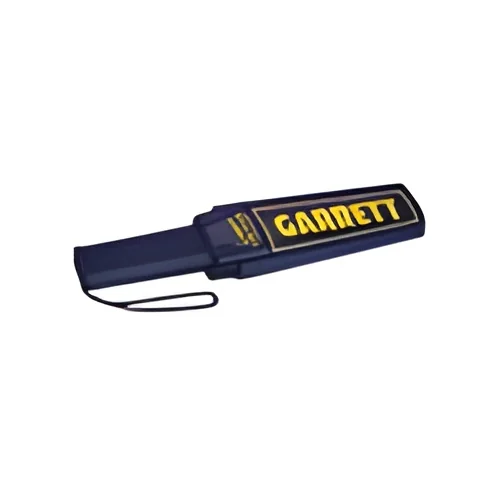
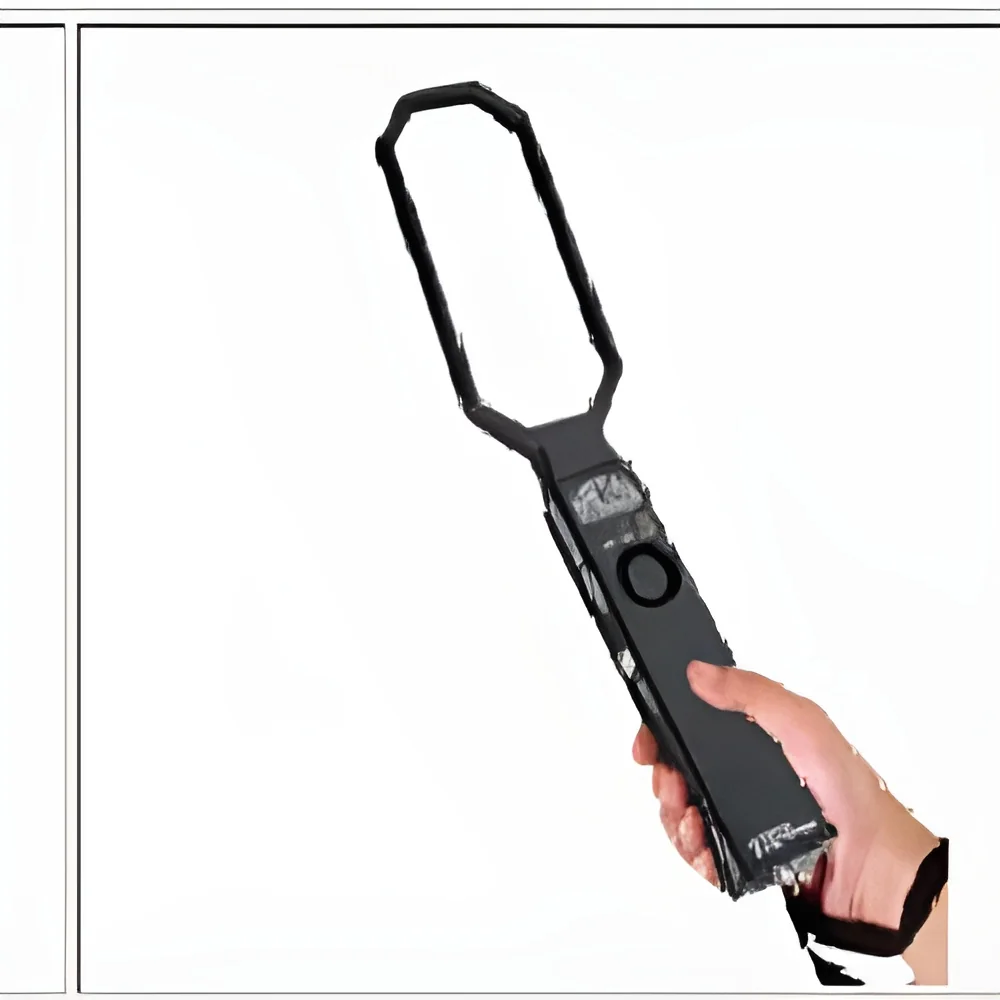
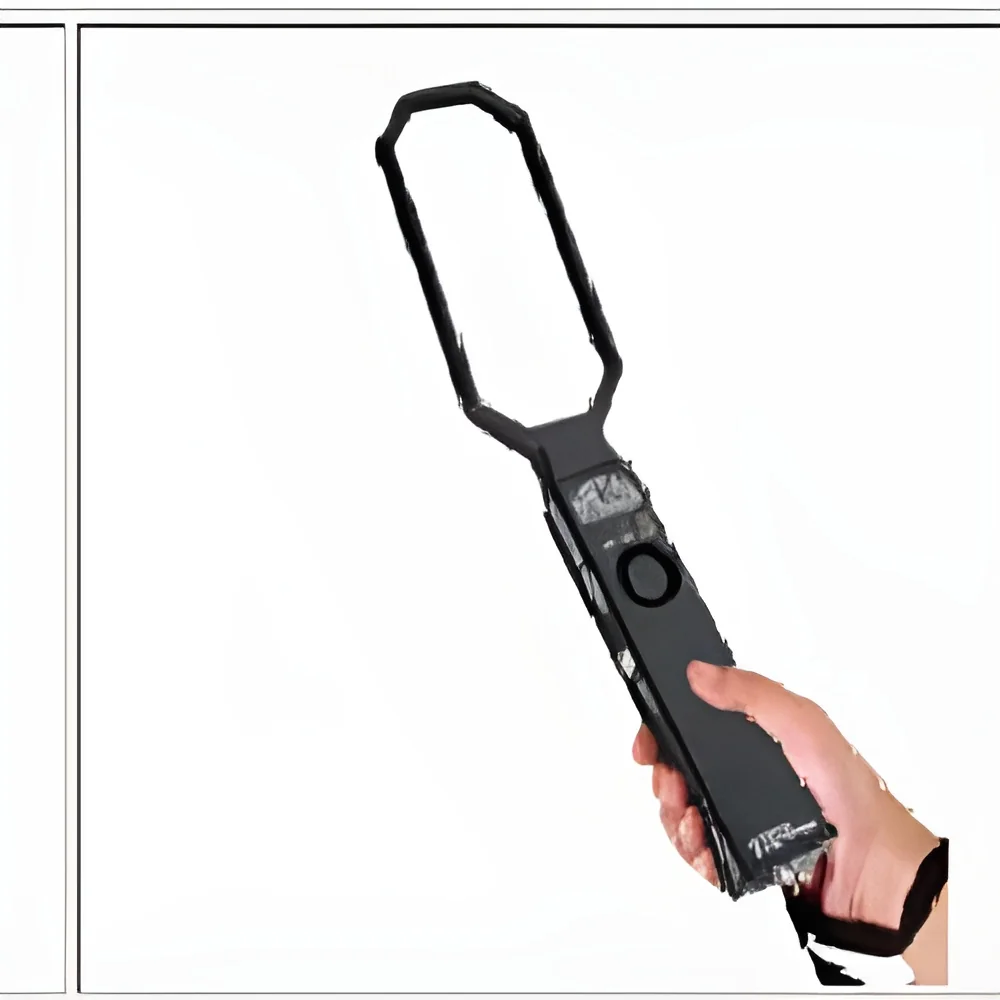
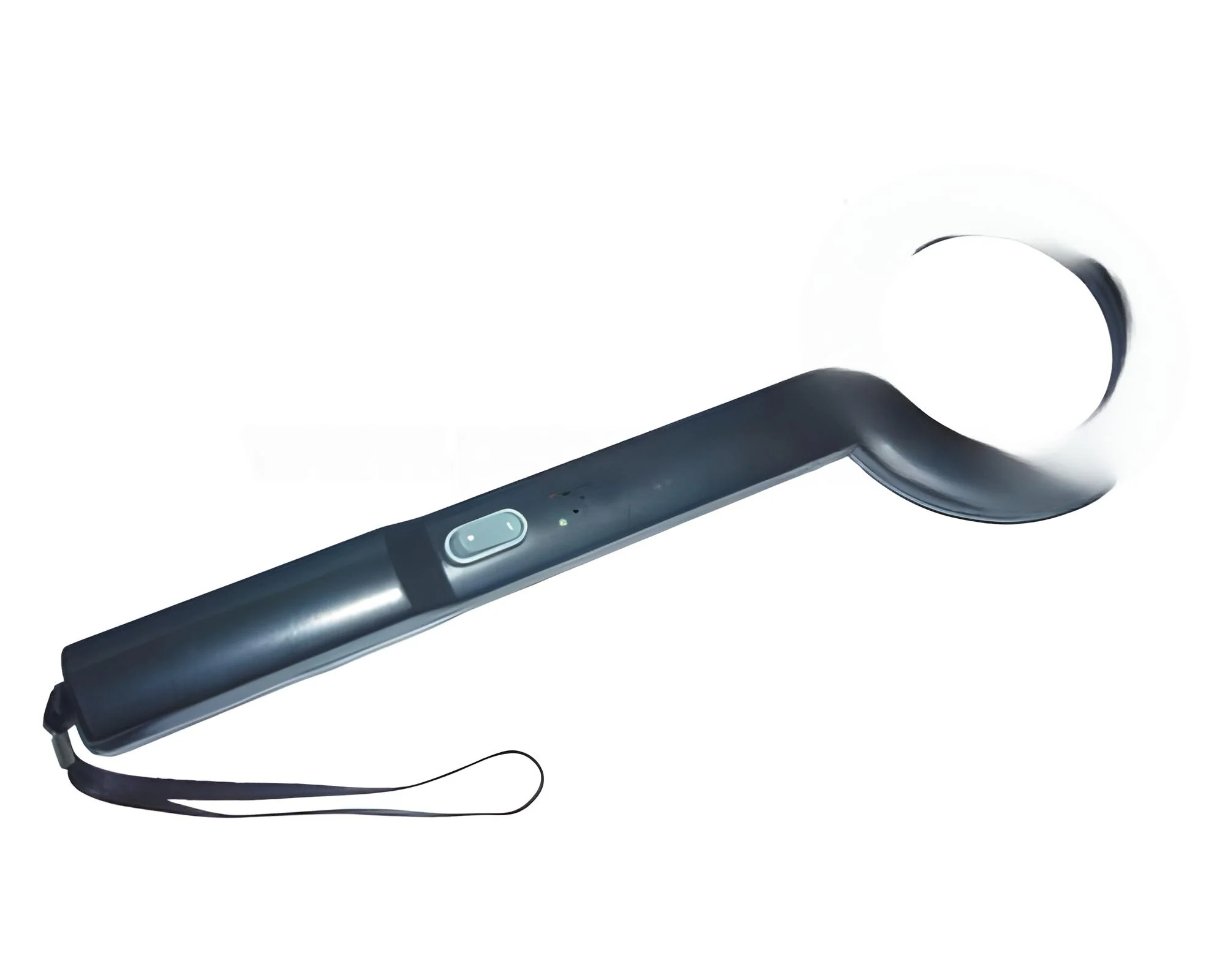
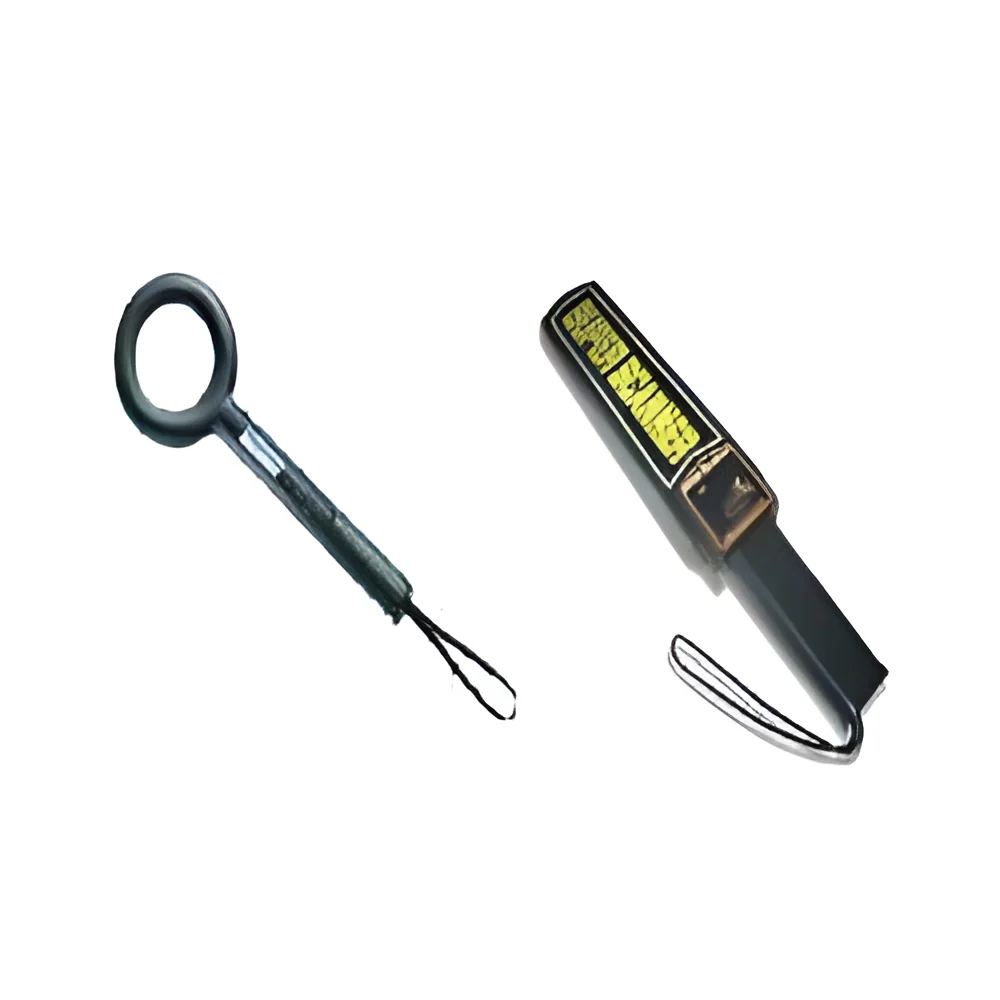
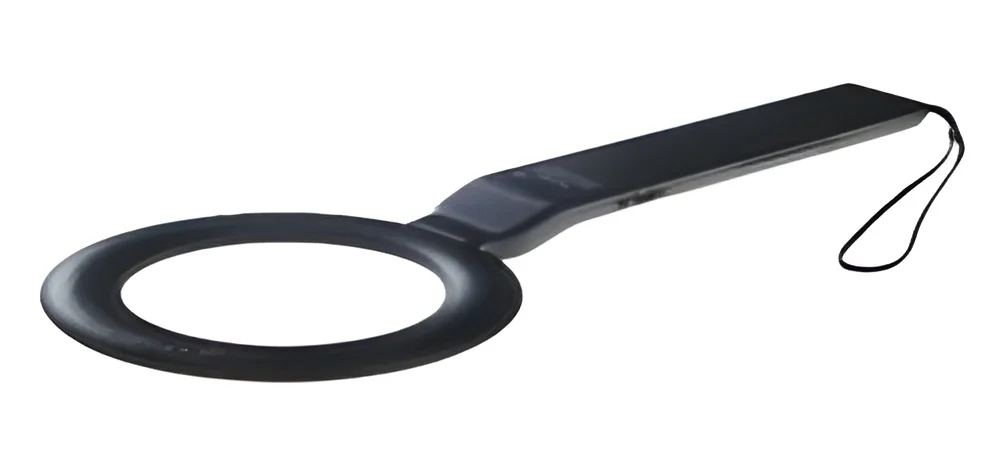
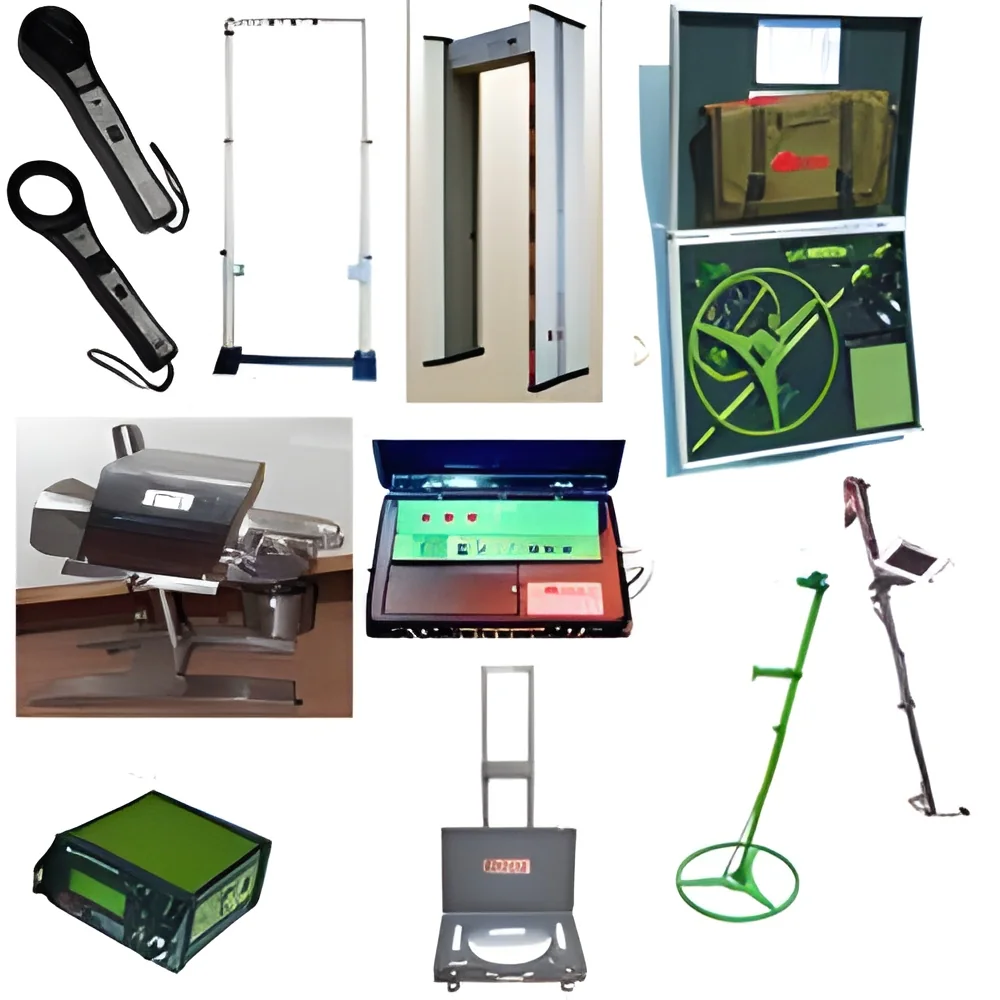
Handheld Metal Detectors: These portable devices are designed for individual screening and are ideal for security personnel at events or entrances. They are lightweight and provide quick scanning capabilities.
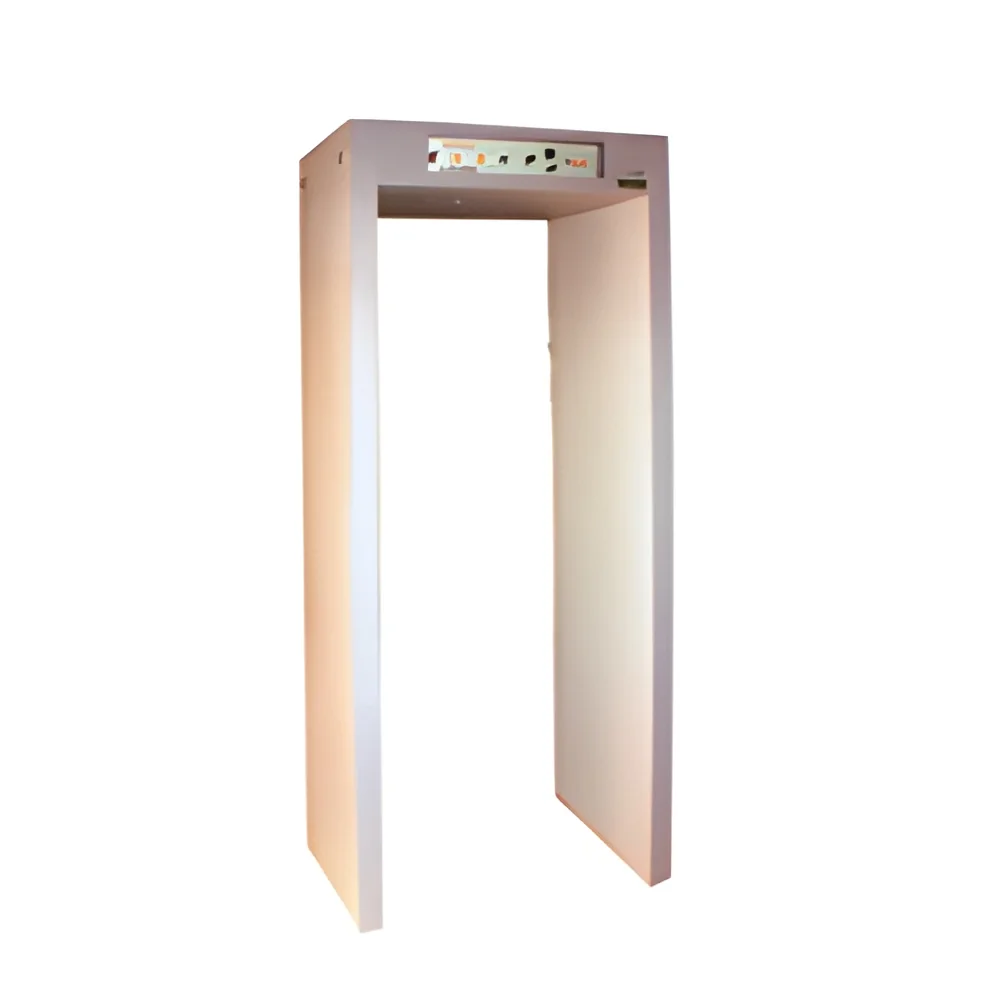
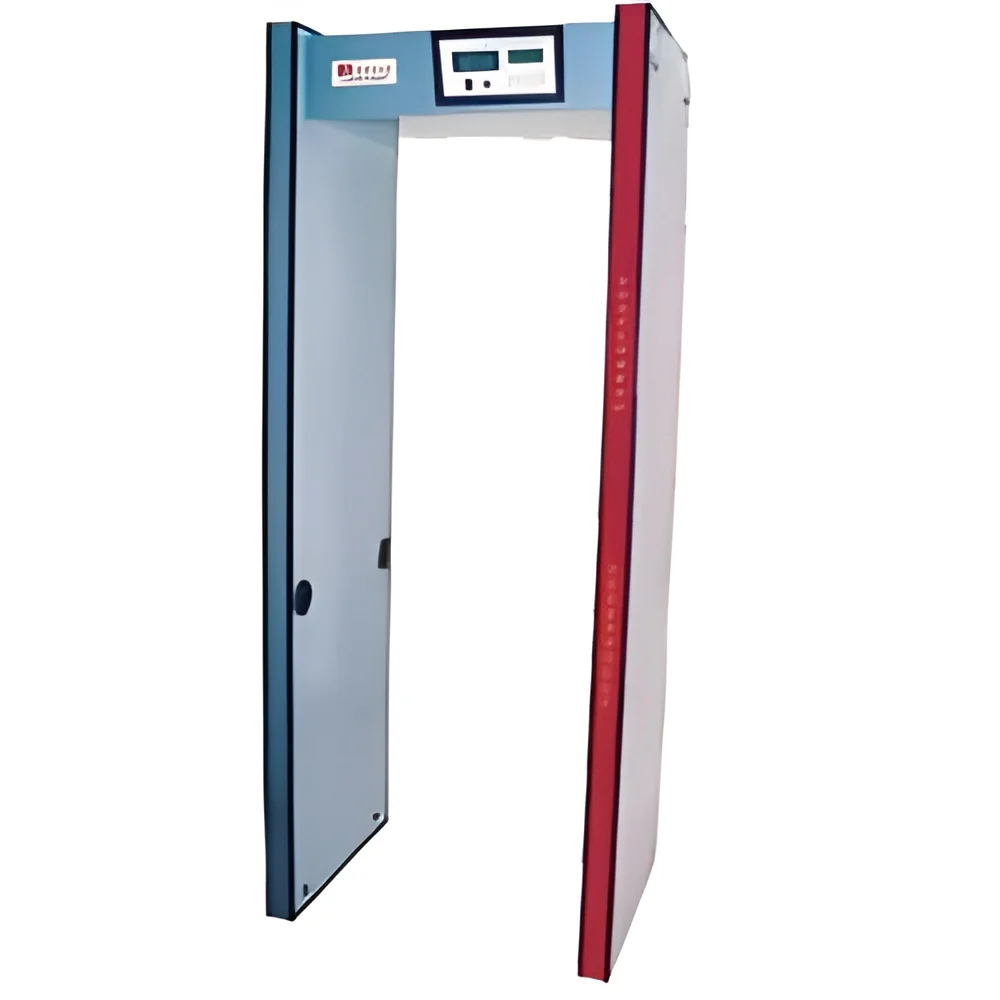
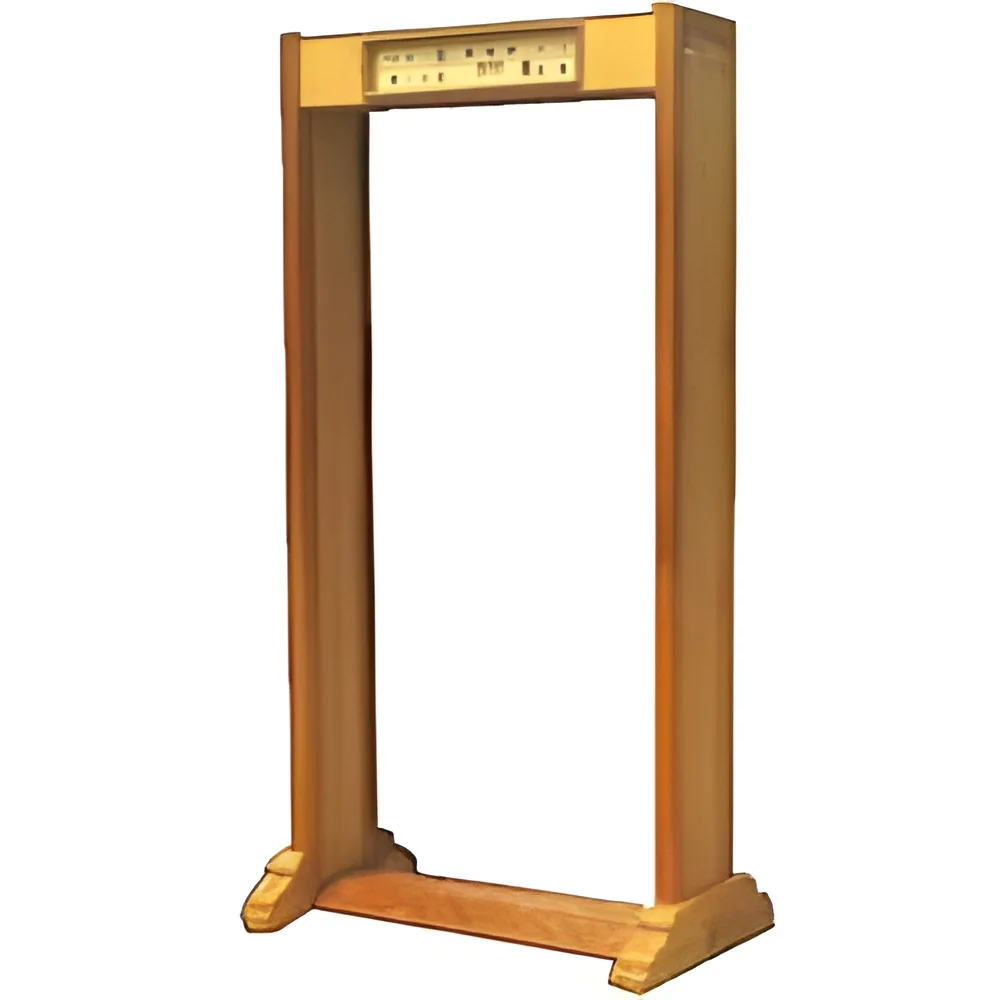
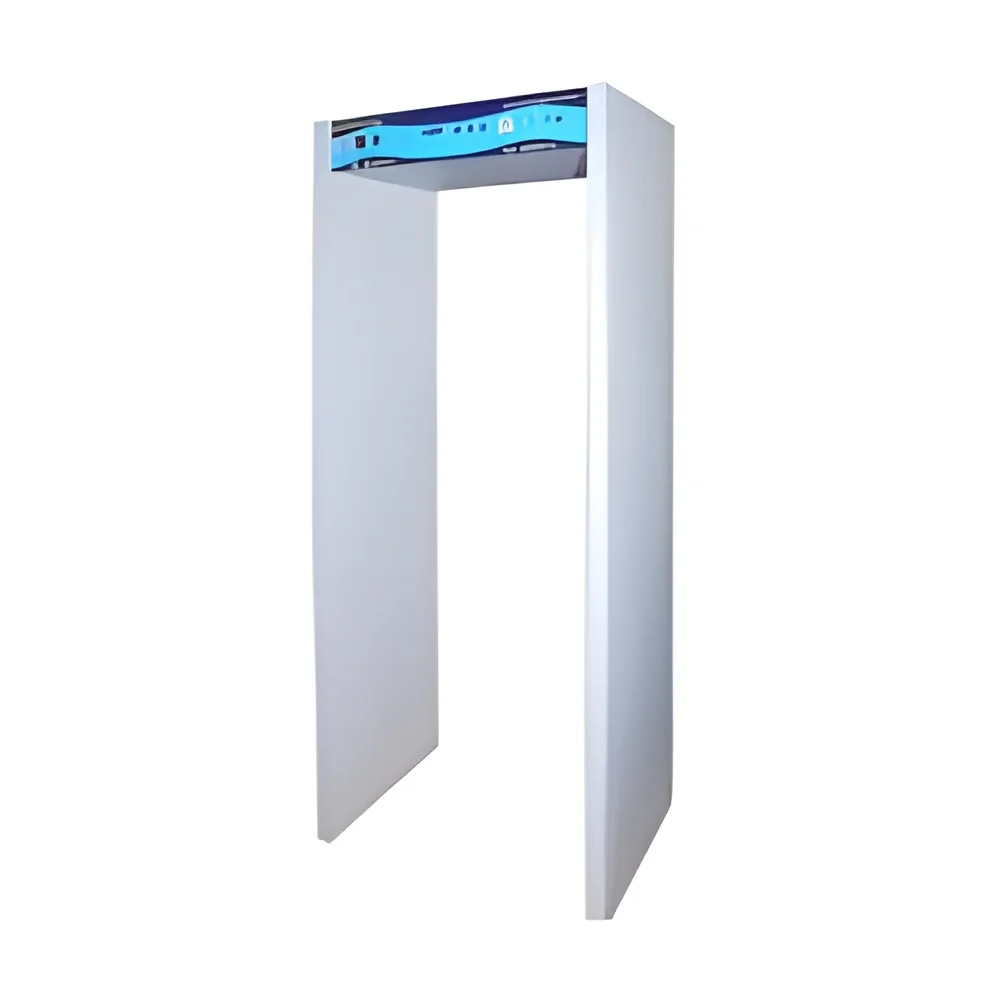
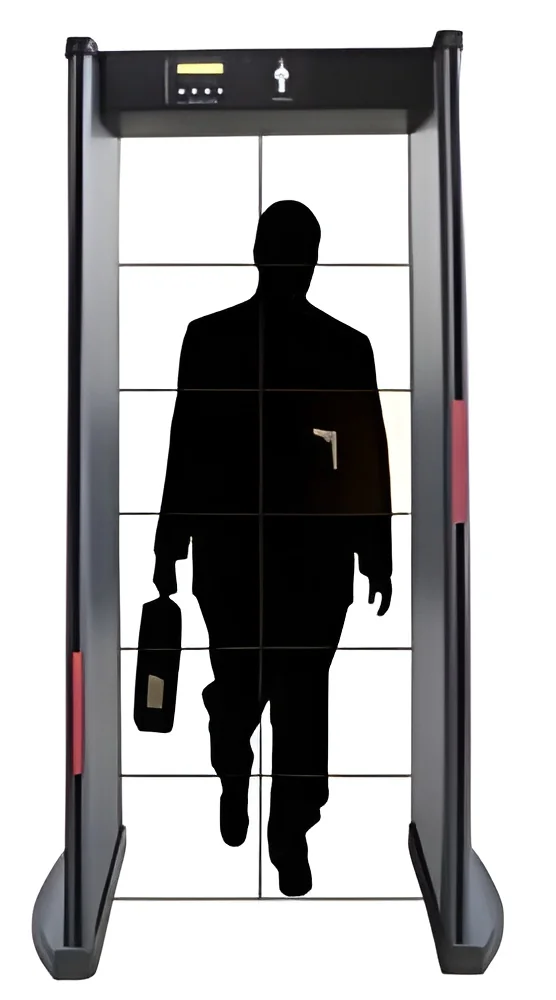
Walkthrough Metal Detectors: These systems are installed at entry points to automatically screen individuals as they pass through. They are suitable for high-traffic areas, providing efficient and effective security screening.
Benefits and Advantages
Investing in metal detectors offers numerous benefits to businesses and organizations.
1. Enhanced Security: Metal detectors provide a reliable means to prevent unauthorized access and detect potential threats, ensuring a safer environment.
2. Compliance with Regulations: Many industries are required to implement security measures. Metal detectors help organizations meet these regulatory standards.
3. Improved Safety: By detecting concealed weapons or hazardous materials, metal detectors help safeguard employees, customers, and the general public.
4. Cost-Effective Solution: Investing in quality metal detectors can reduce losses associated with theft or security breaches, making them a cost-effective security measure.
5. Versatile Applications: Metal detectors are adaptable to various environments, from airports to manufacturing facilities, allowing for broad use across industries.
6. User-Friendly Operation: Many metal detectors feature intuitive designs and easy-to-use interfaces, making them accessible for operators with varying skill levels.
Buying Guide for B2B Buyers
When sourcing metal detectors, businesses should consider several critical factors to ensure they select the right products.
1. Quality Assessment: Evaluate the build quality and materials used in the detectors. High-quality devices often feature durable construction, ensuring longevity and reliability.
2. Supplier Verification: Research potential suppliers to verify their credentials and reputation. Look for reviews and feedback from previous customers to ensure you are dealing with a trustworthy provider.
3. Pricing and MOQ: Understand the pricing structure and minimum order quantities (MOQ) set by suppliers. This helps in budgeting and determining the feasibility of your purchase.
4. Delivery and Lead Times: Inquire about delivery schedules and lead times to avoid disruptions in your operations. Timely delivery is essential for maintaining security protocols.
5. Compliance Requirements: Ensure that the metal detectors meet relevant industry standards and certifications. Compliance with safety and regulatory requirements is crucial for operational integrity.
Compliance and Certifications
Metal detectors must adhere to various compliance standards and certifications to ensure their reliability and safety. Key standards include ISO 9001, which outlines quality management systems, and HACCP, which focuses on food safety. These standards help manufacturers ensure that their products meet high-quality benchmarks.
Additionally, industry certifications such as CE indicate that the product complies with European safety, health, and environmental protection standards. This certification is essential for products sold within the European market.
Safety and testing requirements are also critical, as metal detectors should undergo rigorous testing to confirm their effectiveness and reliability. Any product sold in specific regions may also need to meet local compliance regulations, ensuring that it is safe for use.
Why Source Metal Detectors (Handheld, Walkthrough) from Pepagora?
Pepagora offers a reliable platform for sourcing metal detectors, providing significant advantages for businesses.
Verified Supplier Network: Pepagora maintains a network of verified suppliers, ensuring that buyers have access to reputable manufacturers. This minimizes the risk associated with sourcing products.
Streamlined RFQ Process: The platform simplifies the request for quotation (RFQ) process, allowing businesses to obtain competitive pricing and terms from multiple suppliers quickly. This efficiency saves time and enhances the sourcing experience.
Trade Assurance and Support: Pepagora provides buyer protection through trade assurance programs, ensuring that transactions are secure and that buyers receive quality products as promised.
Regional Coverage: With a strong presence in India, the GCC, and Southeast Asia, Pepagora offers businesses comprehensive access to suppliers across these regions. This broad geographic reach facilitates sourcing and logistics for diverse industries.

 IN
IN



 India
India