What are Men's Clothing Wholesalers?
Men's clothing wholesalers are businesses that specialize in the bulk distribution of men's apparel to retailers and other businesses. These wholesalers source their products from manufacturers or suppliers, allowing them to provide a variety of clothing items at competitive prices. The range of products typically includes shirts, trousers, jackets, and outerwear, catering to various fashion trends and consumer preferences.
These wholesalers play a critical role in the supply chain by bridging the gap between manufacturers and retailers. Retailers rely on wholesalers for their inventory needs, benefiting from the wholesalers' ability to offer a wide selection of clothing without the need for large upfront investments. This model allows businesses to maintain varied stock levels while minimizing risk and overhead costs.
In today's competitive market, men's clothing wholesalers are essential for retailers looking to stay on trend and meet consumer demand. With the rise of e-commerce and fast fashion, these wholesalers must adapt quickly to changing styles and market dynamics, ensuring they provide the latest products to their clients.
Key Features and Specifications
Men's clothing wholesalers offer a range of features and specifications to meet the diverse needs of retailers. Understanding these specifications is crucial for businesses looking to source effectively.
Key specifications include:
1. Product Variety
- A wide range of clothing items including shirts, trousers, jackets, and accessories.
- Variability in styles to cater to different market segments.
2. Quality Standards
- Adherence to specific quality benchmarks to ensure durability and customer satisfaction.
- Use of quality fabrics and materials suitable for the intended use.
3. Customization Options
- Ability to customize designs and sizes to meet retailer specifications.
- Flexibility in branding and labeling for private label opportunities.
4. Minimum Order Quantity (MOQ)
- Defined minimum order quantities that vary by supplier.
- Often set to ensure cost-effectiveness in production and shipping.
5. Pricing Structure
- Competitive pricing based on bulk purchasing agreements.
- Potential for discounts based on order volume.
6. Delivery and Lead Times
- Standard shipping timelines based on geographic location.
- Options for expedited processing for urgent orders.
7. Compliance with Industry Standards
- Meeting relevant local and international standards for clothing production.
- Certifications such as CE to ensure safety and quality.
8. Supplier Reliability
- Established track record for timely deliveries and consistent product quality.
- Strong relationships with manufacturers to ensure product availability.
With these specifications, businesses can make informed decisions when selecting wholesalers to partner with for their inventory needs.
Common Applications and Use Cases
Men's clothing wholesalers serve a variety of industries and applications.
1. Retail Fashion: Retail stores utilize wholesalers to stock their men's apparel collections, ensuring they have the latest trends available for consumers.
2. E-commerce: Online retailers rely on wholesalers to provide a diverse inventory of men's clothing, allowing them to offer competitive selections without holding large stock.
3. Corporate Wear: Businesses use wholesalers for uniforms and corporate attire, ensuring consistent branding and quality across employee clothing.
4. Sports and Activewear: Companies specializing in sports gear source activewear from wholesalers to provide performance-oriented clothing for athletes and fitness enthusiasts.
5. Promotional Products: Wholesalers supply clothing for promotional events, offering businesses a way to brand their merchandise effectively.
6. Specialty Stores: Niche retailers, such as those focusing on eco-friendly clothing, partner with wholesalers to access sustainable men's apparel.
7. Gift Shops: Wholesalers cater to gift shops that require a selection of men's clothing items for special occasions or holidays.
Product Variants and Subcategories
The diversity of men's clothing available through wholesalers allows retailers to cater to various customer preferences and styles.
Casual Wear
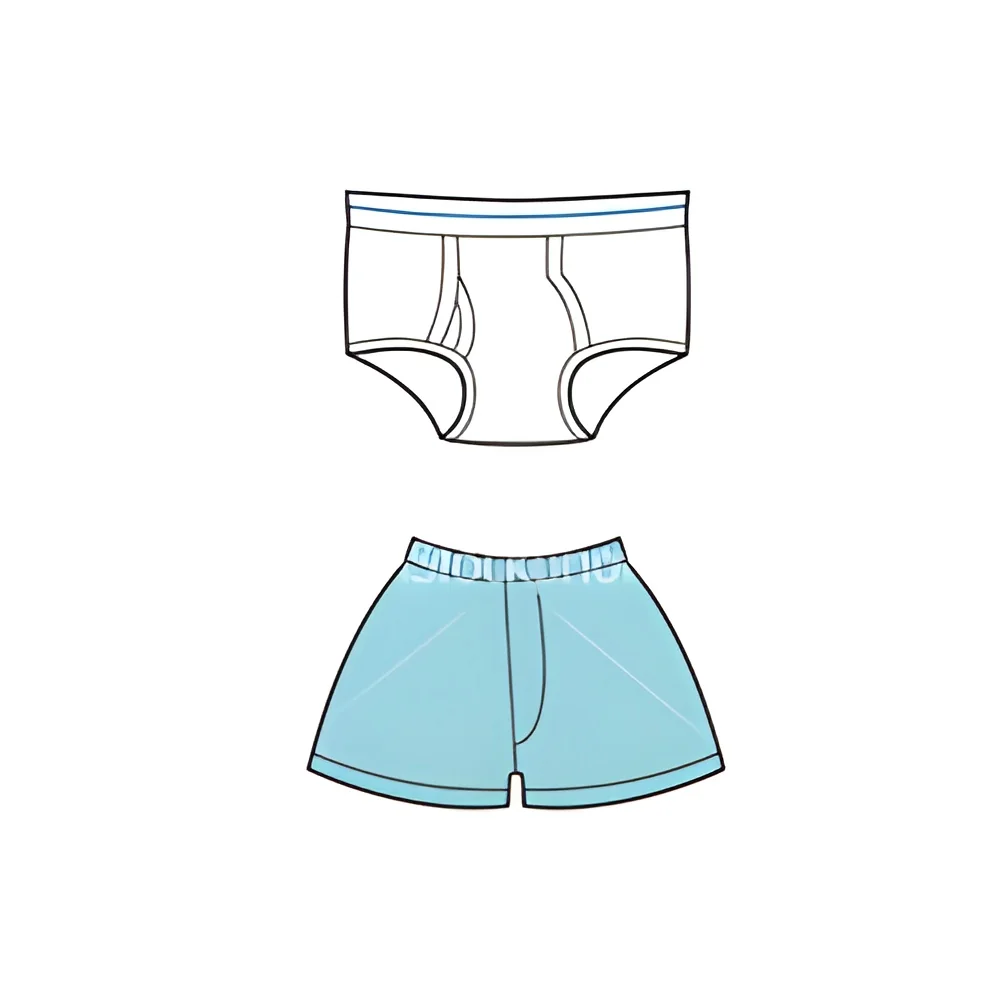
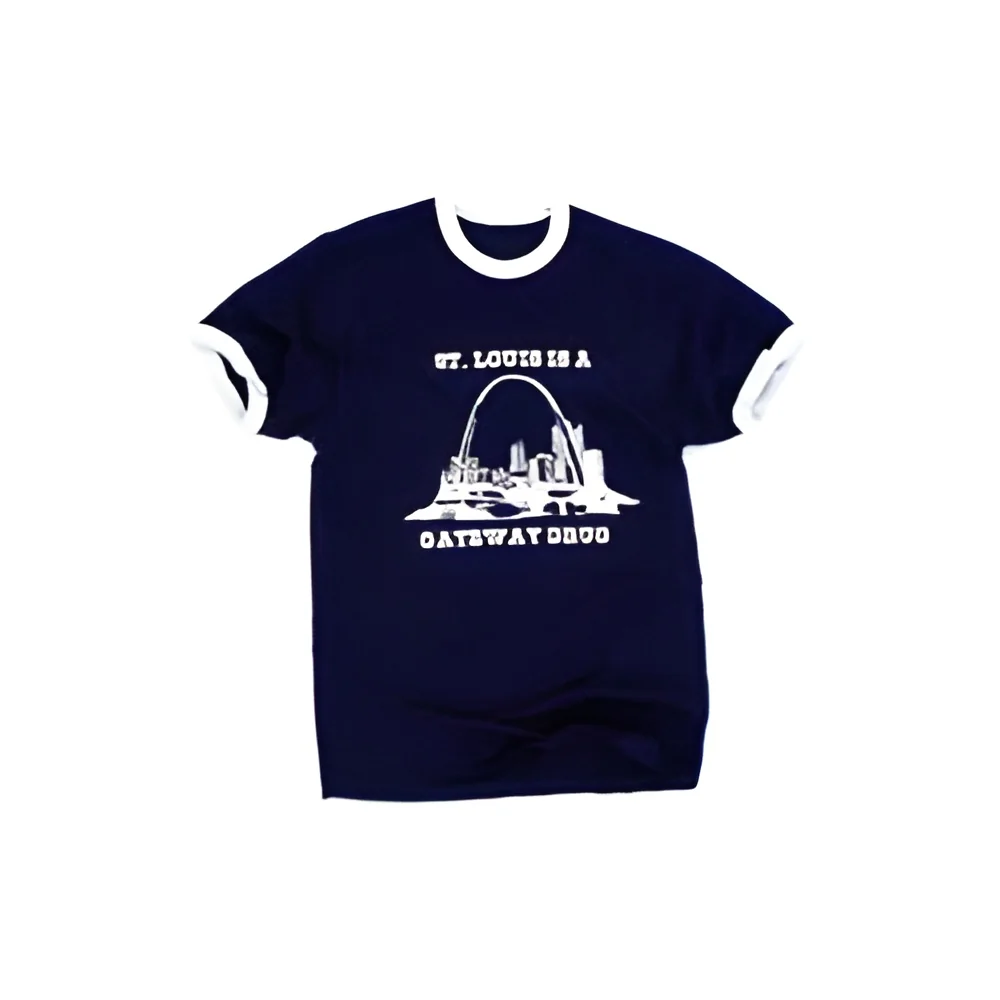
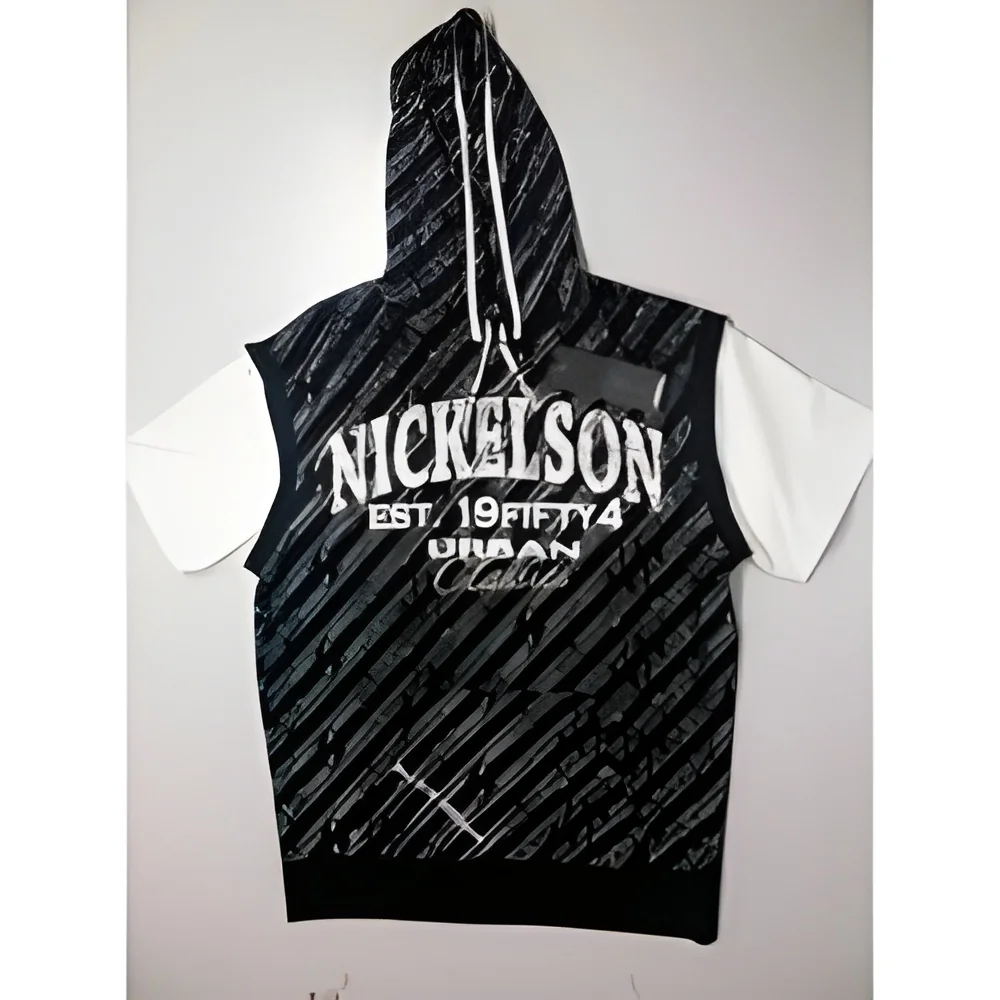
Casual wear includes a range of relaxed clothing such as t-shirts, jeans, and shorts, designed for everyday use. This variant is perfect for retailers looking to attract customers seeking comfort and style.
Formal Wear
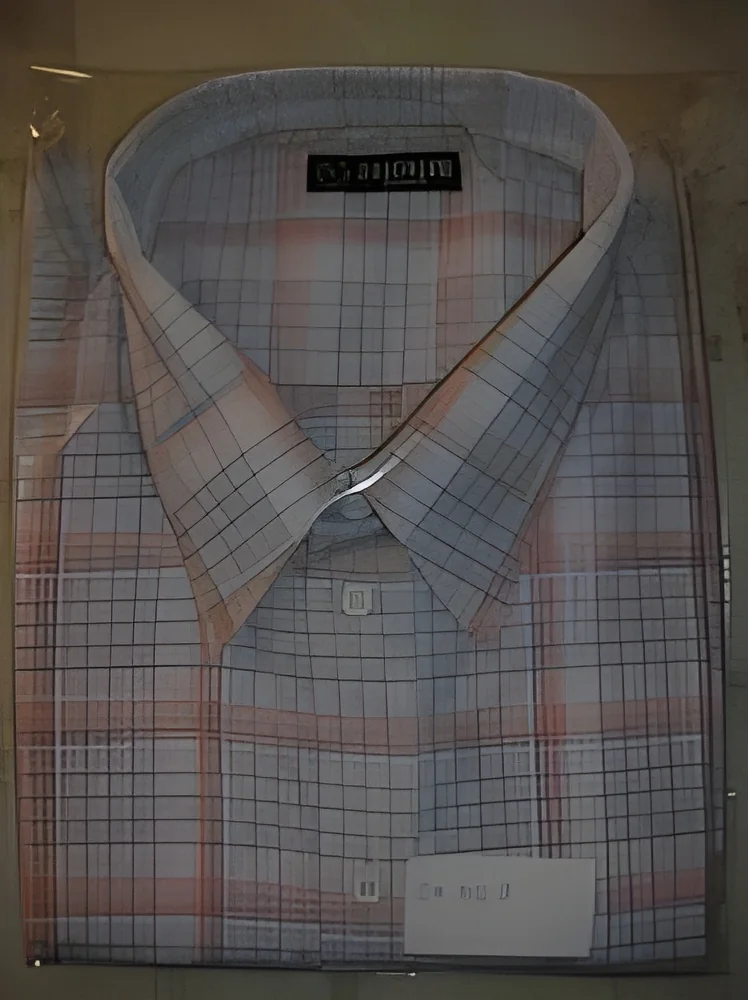
Formal wear encompasses suits, dress shirts, and ties, aimed at the business and event markets. Retailers can use this variant to serve customers in need of attire for professional settings or special occasions.
Athletic Wear
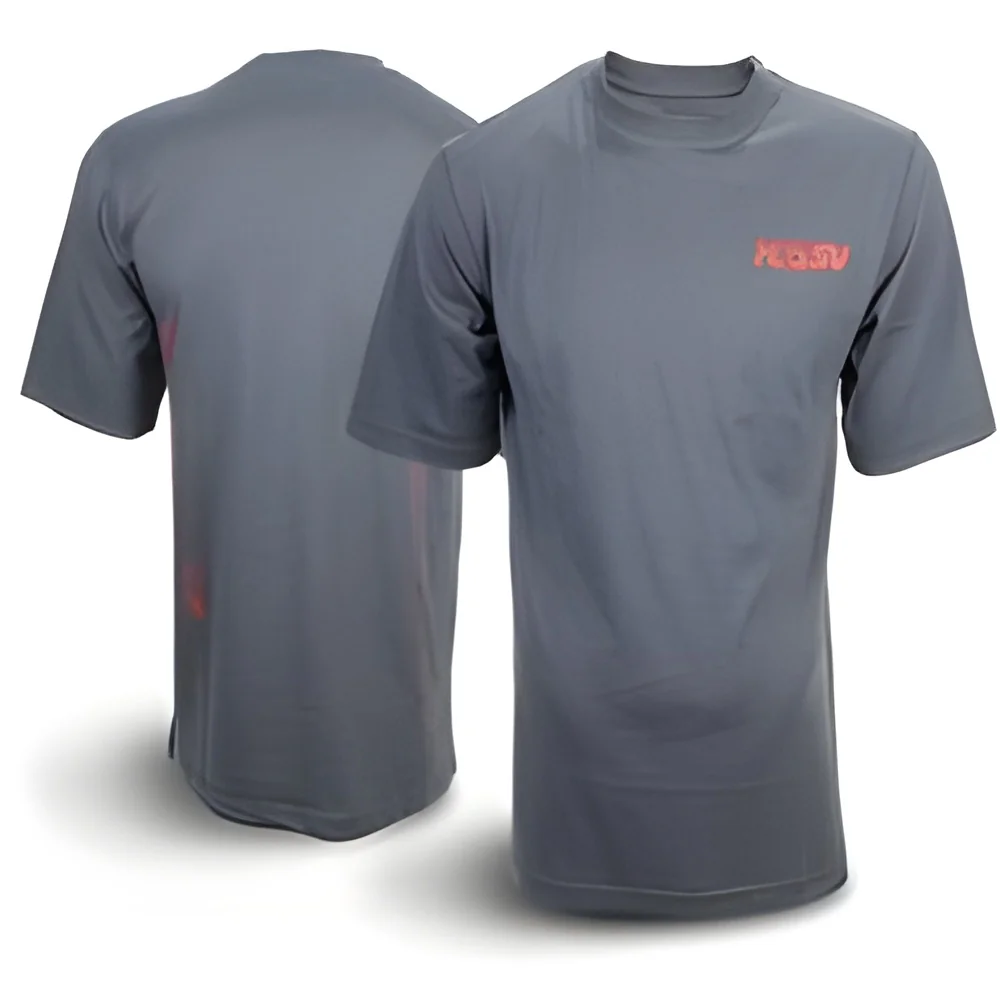
Athletic wear consists of performance-oriented clothing designed for sports and physical activities. This variant appeals to retailers focused on fitness enthusiasts and athletes looking for high-quality, functional clothing.
Outerwear
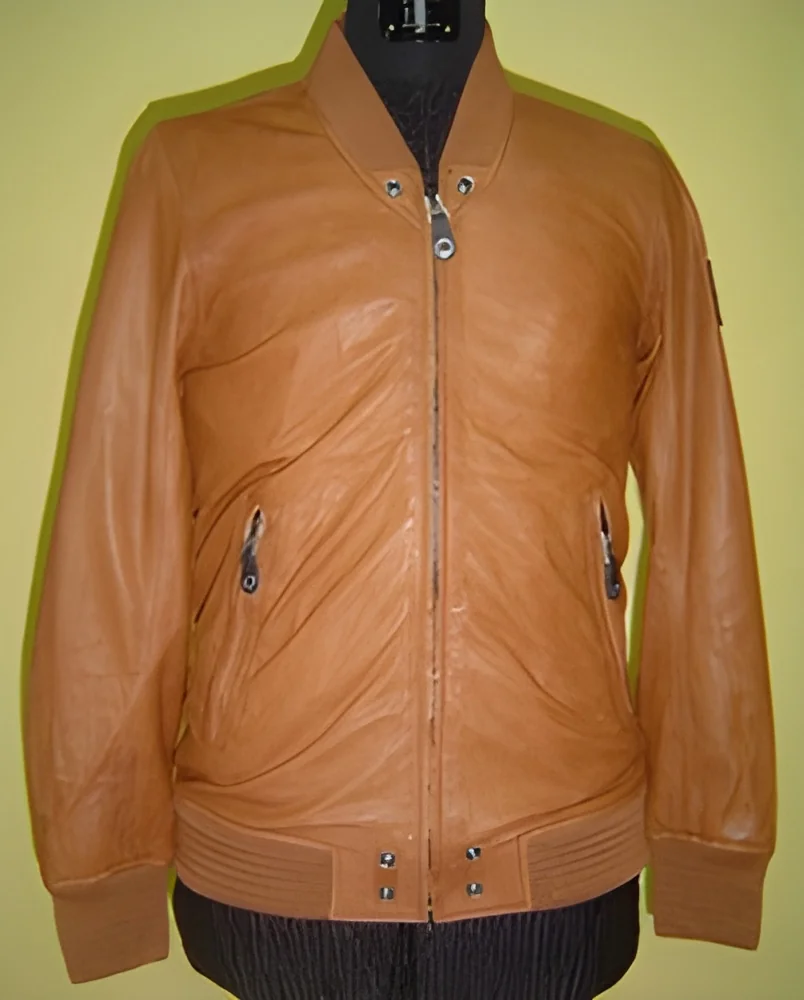
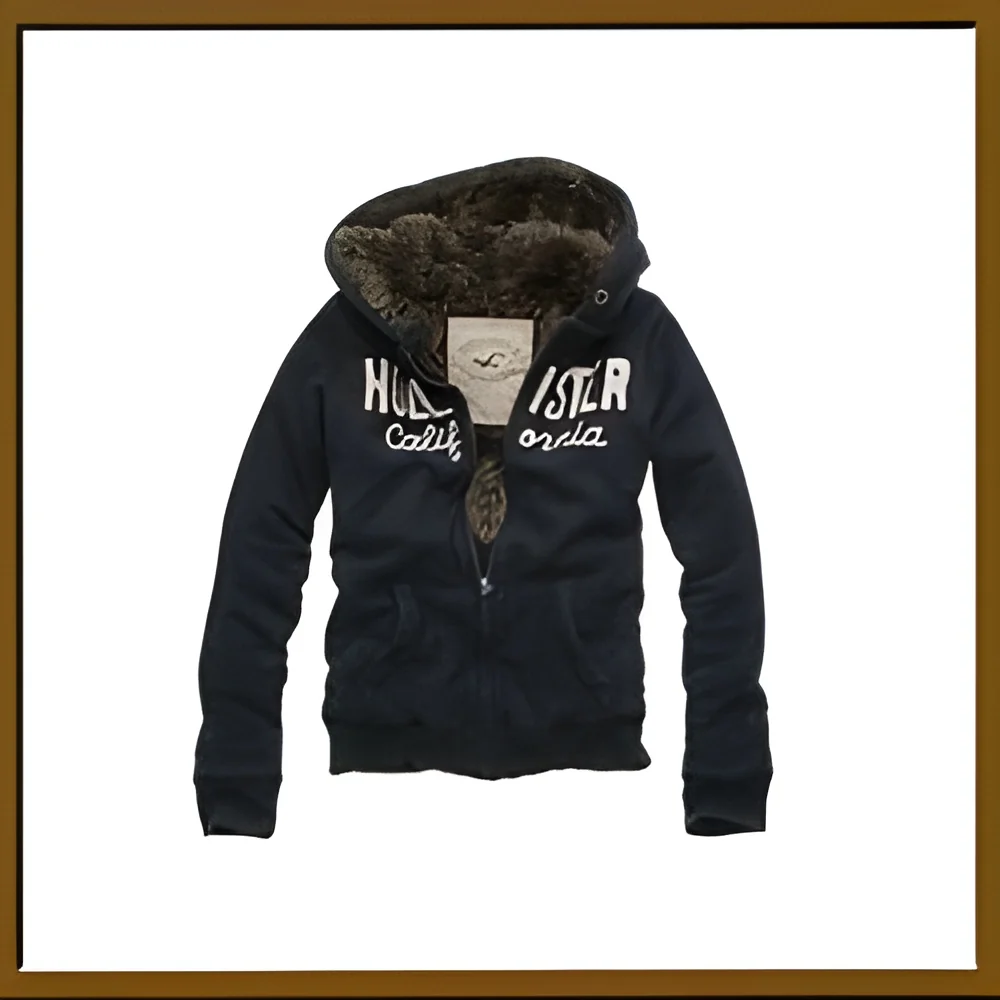
Outerwear includes jackets, coats, and hoodies, designed to provide warmth and protection against the elements. Retailers can appeal to seasonal demands by offering a variety of outerwear options through wholesalers.
Benefits and Advantages
Sourcing from men's clothing wholesalers offers significant advantages for retailers.
Key benefits include:
1. Cost-Effective Sourcing: Wholesalers provide clothing at lower prices due to bulk purchasing, allowing retailers to maximize profit margins.
2. Inventory Flexibility: Retailers can order varying quantities based on demand, enabling them to adjust their inventory without overextending financially.
3. Access to Trends: Wholesalers often track fashion trends, ensuring retailers receive the latest styles that appeal to consumers.
4. Reduced Risk: By purchasing from wholesalers, retailers minimize the risk associated with holding large amounts of stock.
5. Customization Opportunities: Many wholesalers offer customization options, allowing retailers to create unique products that stand out in the market.
6. Time Savings: Partnering with wholesalers streamlines the sourcing process, saving retailers time in procurement and logistics.
Buying Guide for B2B Buyers
When sourcing men's clothing wholesalers, buyers should consider several factors to ensure they make the best choice.
1. Quality Assessment: Evaluate the quality of clothing by requesting samples or reviewing past customer feedback. High-quality products will enhance customer satisfaction and reduce returns.
2. Supplier Verification: Conduct thorough checks on potential suppliers to confirm their reliability and reputation in the industry. Look for established businesses with positive reviews.
3. Pricing and MOQ: Understand the pricing structure and minimum order quantities. Ensure that the costs align with your budget and that the MOQ is manageable for your business.
4. Delivery and Lead Times: Discuss logistics with wholesalers to establish clear expectations for delivery timelines. This will help you plan inventory effectively.
5. Compliance Requirements: Ensure that the wholesaler meets all relevant compliance and safety standards for the clothing they supply. This is essential for maintaining product safety and quality.
Compliance and Certifications
Compliance and certifications are vital aspects of sourcing from men's clothing wholesalers.
Reputable wholesalers adhere to quality standards such as ISO 9001, which ensures consistent quality management practices. This certification signifies that the wholesaler maintains high operational standards.
Industry certifications, like CE marking, indicate that products meet European safety standards. This is crucial for retailers selling in regions that require compliance with these regulations.
Safety and testing requirements are also essential to consider. Wholesalers should conduct regular testing of materials and finished products to ensure they meet health and safety regulations.
Additionally, regional compliance considerations vary by market. Retailers must ensure that the products they source comply with local regulations regarding textile labeling, safety, and environmental impact.
Why Source Men's Clothing Wholesalers from Pepagora?
Pepagora offers a trusted platform for sourcing men's clothing wholesalers, providing several key advantages to buyers.
Verified Supplier Network: Pepagora has established a rigorous verification process to ensure that all suppliers meet high standards for quality and reliability. This gives buyers confidence in their sourcing decisions.
Streamlined RFQ Process: The platform features an efficient Request for Quotation (RFQ) system that simplifies the process of obtaining quotes from multiple wholesalers. This allows buyers to compare options quickly and make informed choices.
Trade Assurance and Support: Pepagora provides trade assurance to protect buyers against potential risks. This includes support services that assist in resolving disputes and ensuring smooth transactions.
Regional Coverage: With a presence in India, the GCC, and Southeast Asia, Pepagora connects buyers with a diverse range of wholesalers. This geographic reach allows retailers to benefit from local expertise and market insights, enhancing their sourcing strategy.

 IN
IN
 India
India