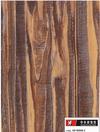
𝗪𝗵𝗮𝘁 𝗮𝗿𝗲 𝗠𝗲𝗹𝗮𝗺𝗶𝗻𝗲 𝗟𝗮𝗺𝗶𝗻𝗮𝘁𝗲𝘀?
Melamine laminates are engineered surfaces that consist of a resin-impregnated decorative paper, which is bonded onto a substrate such as particle board or MDF (medium-density fiberboard). These laminates are known for their durability, aesthetic appeal, and resistance to moisture and heat. The melamine resin provides a hard and scratch-resistant surface that is easy to clean and maintain, making it a popular choice in various applications.
Melamine laminates are primarily used in furniture, cabinetry, and interior design projects. They are commonly found in environments like offices, kitchens, and retail spaces, where both functionality and visual appeal are essential. These products offer a wide range of colors, patterns, and textures, allowing businesses to create customized solutions that fit their design needs. In the current market, melamine laminates are favored for their cost-effectiveness and versatility in both residential and commercial settings.
The relevance of melamine laminates in the industry is significant as they provide an efficient alternative to traditional wood and other materials. With increasing demands for sustainable and eco-friendly solutions, melamine laminates have emerged as a favorable option due to their resource-efficient production processes. Companies in the furniture and construction sectors are turning to these laminates to meet consumer preferences for stylish and durable products.
𝗞𝗲𝘆 𝗙𝗲𝗮𝘁𝘂𝗿𝗲𝘀 𝗮𝗻𝗱 𝗦𝗽𝗲𝗰𝗶𝗳𝗶𝗰𝗮𝘁𝗶𝗼𝗻𝘀
Melamine laminates boast a variety of features that make them suitable for diverse applications. Their specifications are designed to meet industry standards and provide reliable performance in various environments.
Key specifications include:
1. Surface Finish
- High gloss, matte, or textured finishes available
- Provides aesthetic flexibility and enhances durability
2. Thickness Range
- Common thicknesses range from 0.6 mm to 1.2 mm
- Allows for customization based on application needs
3. Moisture Resistance
- Designed to withstand high humidity levels
- Ideal for kitchen and bathroom applications
4. Scratch Resistance
- Hard surface minimizes visible wear and tear
- Suitable for high-traffic areas
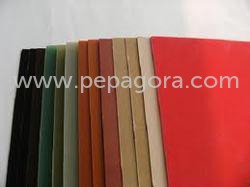
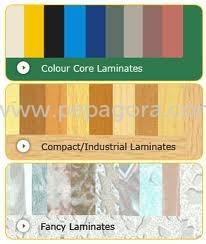
5. Color and Pattern Variety
- Extensive options available to match design requirements
- Offers choices from solid colors to intricate patterns
6. Ease of Maintenance
- Surfaces are easy to clean with common household cleaners
- Low maintenance cost compared to other materials
7. Environmental Considerations
- Many products are made from eco-friendly materials
- Contributes to sustainable building practices
8. Fire Resistance
- Some laminates are designed to meet fire safety standards
- Provides added safety in commercial applications
In summary, melamine laminates combine aesthetic variety with practical features, making them a preferred choice in multiple industries.
𝗖𝗼𝗺𝗺𝗼𝗻 𝗔𝗽𝗽𝗹𝗶𝗰𝗮𝘁𝗶𝗼𝗻𝘀 𝗮𝗻𝗱 𝗨𝘀𝗲 𝗖𝗮𝘀𝗲𝘀
Melamine laminates find applications across a wide range of industries due to their versatile properties.
1. Furniture Manufacturing: These laminates are widely used in the production of tables, chairs, and cabinets, providing an attractive finish that is both durable and easy to maintain.
2. Kitchen Installations: Melamine laminates are ideal for kitchen countertops and cabinetry, offering moisture resistance and a variety of designs that enhance the kitchen's aesthetic appeal.
3. Retail Displays: Retail environments utilize melamine laminates for shelving and display units, where visual presentation and durability are key considerations.
4. Office Spaces: In office furniture and partitions, melamine laminates provide a professional look while being easy to clean and resistant to wear.
5. Educational Institutions: Schools and universities use melamine laminates for desks and workspaces due to their durability and ease of maintenance.
6. Healthcare Facilities: Melamine laminates are suitable for cabinets and furniture in hospitals, where hygiene and durability are critical.
7. Hospitality Industry: Hotels and restaurants use melamine laminates for furniture and fixtures, combining style with resilience.
𝗣𝗿𝗼𝗱𝘂𝗰𝘁 𝗩𝗮𝗿𝗶𝗮𝗻𝘁𝘀 𝗮𝗻𝗱 𝗦𝘂𝗯𝗰𝗮𝘁𝗲𝗴𝗼𝗿𝗶𝗲𝘀
Melamine laminates come in various forms to cater to specific needs and preferences.
Standard Melamine Laminates: These represent the most common type, available in a variety of colors and finishes, perfect for general applications.
Water-Resistant Melamine Laminates: Specifically designed for high-moisture environments, these laminates feature enhanced resistance to water, making them ideal for kitchens and bathrooms.
Fire-Retardant Melamine Laminates: Engineered to meet specific fire safety standards, these laminates are used in commercial spaces where fire safety is a primary concern.
High-Gloss Melamine Laminates: Known for their shiny finish, these laminates provide a modern and sleek look, commonly used in contemporary furniture designs.
𝗕𝗲𝗻𝗲𝗳𝗶𝘁𝘀 𝗮𝗻𝗱 𝗔𝗱𝘃𝗮𝗻𝘁𝗮𝗴𝗲𝘀
Melamine laminates offer numerous advantages that contribute to their widespread use in various industries.
Key benefits include:
1. Cost-Effectiveness: Melamine laminates are generally more affordable than solid wood or other high-end materials, making them accessible for budget-conscious projects.
2. Aesthetic Versatility: With a wide range of colors and patterns, melamine laminates can be tailored to fit different design themes and preferences.
3. Durability: The hard surface of melamine laminates provides resistance to scratches and stains, ensuring longevity in high-use areas.
4. Low Maintenance: These laminates require minimal upkeep, as they can be easily cleaned and do not require special treatments.
5. Eco-Friendly Options: Many melamine laminates are produced with sustainable materials, supporting environmentally responsible building practices.
6. Quick Installation: Melamine laminates can be easily cut and installed, reducing labor time and costs during construction or renovation.
𝗕𝘂𝘆𝗶𝗻𝗴 𝗚𝘂𝗶𝗱𝗲 𝗳𝗼𝗿 𝗕𝟮𝗕 𝗕𝘂𝘆𝗲𝗿𝘀
When sourcing melamine laminates, it is essential for buyers to consider various factors that can influence their purchasing decisions.
1. Quality Assessment: Evaluate the quality of the laminates by checking for certifications and testing results. Ensure that they meet industry standards for durability and safety.
2. Supplier Verification: Vet suppliers to ensure they have a reliable track record and can provide consistent product quality. Consider asking for references or customer testimonials.
3. Pricing and MOQ: Understand the pricing structure and minimum order quantities (MOQ) required by suppliers. This information is crucial for budgeting and inventory planning.
4. Delivery and Lead Times: Confirm the expected delivery schedules and lead times to ensure that products arrive when needed for projects.
5. Compliance Requirements: Be aware of any regulatory requirements that may apply to melamine laminates in your region, such as fire safety and environmental regulations.
𝗖𝗼𝗺𝗽𝗹𝗶𝗮𝗻𝗰𝗲 𝗮𝗻𝗱 𝗖𝗲𝗿𝘁𝗶𝗳𝗶𝗰𝗮𝘁𝗶𝗼𝗻𝘀
Melamine laminates must adhere to various quality standards to ensure their safety and performance in commercial applications. Some relevant standards include ISO 9001, which addresses quality management systems, ensuring that manufacturers maintain consistent quality throughout production.
In addition to quality standards, melamine laminates can carry industry certifications such as CE, which indicates compliance with European health, safety, and environmental protection standards. This certification helps assure buyers of the product's quality and reliability.
Safety and testing requirements are also critical for melamine laminates, especially when used in environments like kitchens and healthcare facilities. Products should undergo rigorous testing for fire resistance, moisture resistance, and durability to meet industry expectations.
Finally, regional compliance considerations should not be overlooked. Buyers should familiarize themselves with local regulations regarding material safety and environmental impact to ensure that their chosen laminates meet all necessary legal requirements.
𝗪𝗵𝘆 𝗦𝗼𝘂𝗿𝗰𝗲 𝗠𝗲𝗹𝗮𝗺𝗶𝗻𝗲 𝗟𝗮𝗺𝗶𝗻𝗮𝘁𝗲𝘀 𝗳𝗿𝗼𝗺 𝗣𝗲𝗽𝗮𝗴𝗼𝗿𝗮?
Pepagora is a leading platform for sourcing melamine laminates, offering several key advantages for B2B buyers looking for reliable products.
Verified Supplier Network: Pepagora connects buyers with a carefully vetted network of suppliers. This ensures that buyers can access high-quality products from reputable manufacturers, reducing the risk of subpar materials.
Streamlined RFQ Process: The platform simplifies the request for quotation (RFQ) process, allowing buyers to easily compare prices and specifications from multiple suppliers. This efficiency helps buyers make informed decisions quickly.
Trade Assurance and Support: Pepagora provides trade assurance and support to safeguard buyers' investments. This includes protection against order discrepancies and dedicated customer service to address any concerns.
Regional Coverage: With a strong presence in India, GCC, and Southeast Asia, Pepagora offers extensive geographic reach. This allows buyers to source melamine laminates conveniently, regardless of their location, ensuring timely delivery and local support.

 IN
IN
 India
India