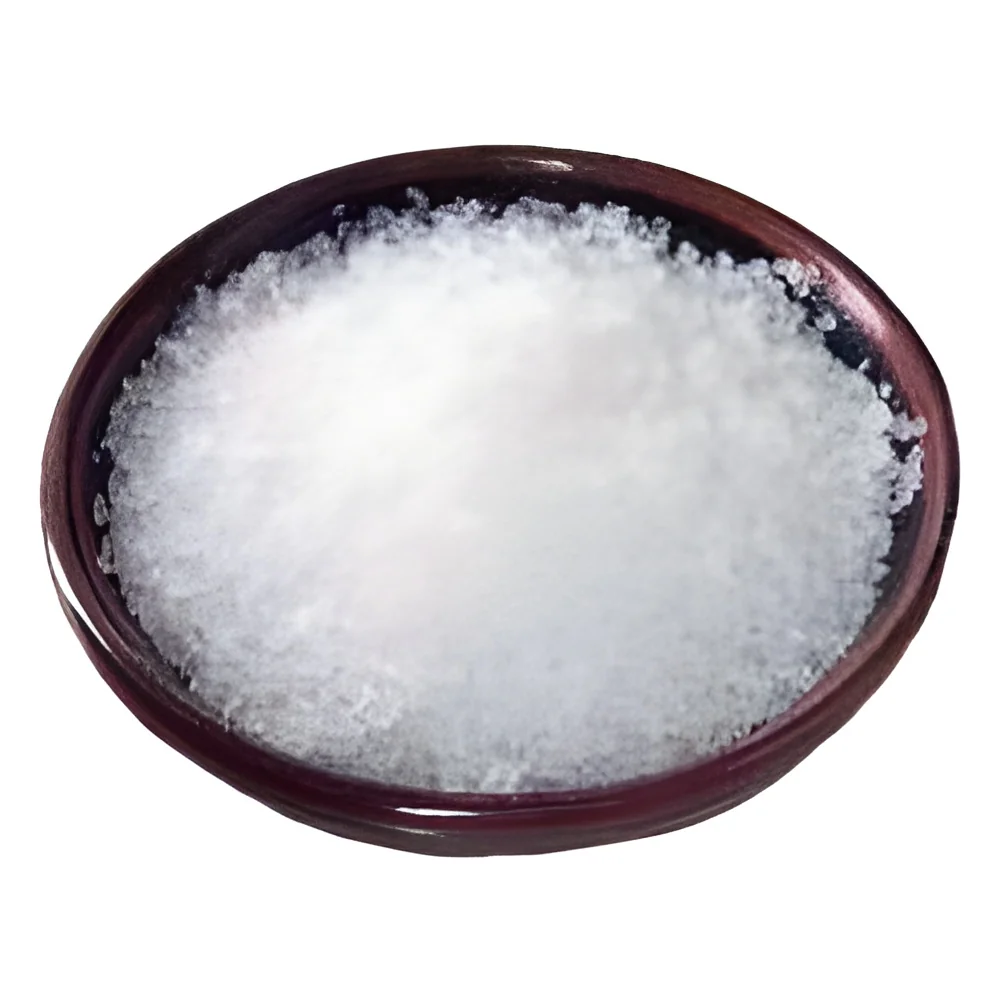
What are Leather Processing Chemicals?
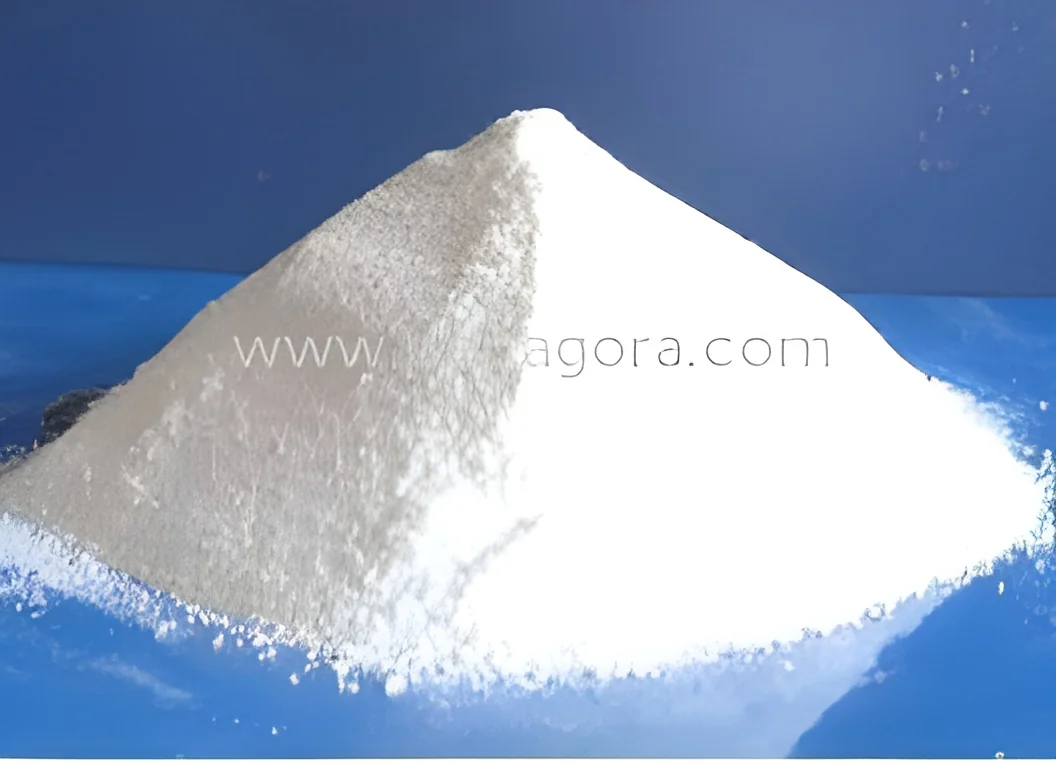
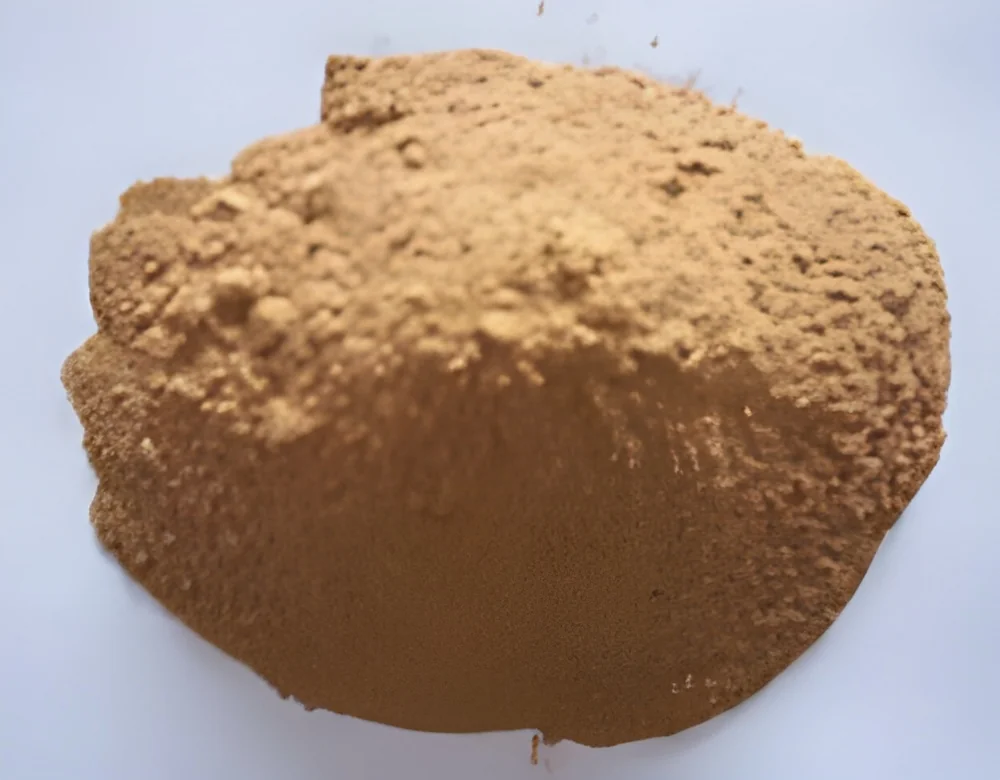
Leather processing chemicals are specialized substances used in the tanning and finishing of leather. These chemicals play a crucial role in transforming raw animal hides into durable, high-quality leather products. They include a variety of agents such as tanning agents, dyes, fatliquors, and finishing chemicals that enhance the leather’s performance, appearance, and feel.
These chemicals are primarily used in the leather industry, where they find applications in manufacturing goods such as footwear, apparel, upholstery, and accessories. The use of leather processing chemicals not only improves the aesthetic qualities of leather products but also enhances their physical properties, ensuring they meet industry standards for durability and usability. With the growing demand for leather products across various sectors, the relevance of these chemicals in the market continues to expand.
Key Features and Specifications
Leather processing chemicals come with a variety of features and specifications that cater to the needs of the leather industry. Understanding these specifications is essential for manufacturers and suppliers to ensure quality and compliance.
Key specifications include:
1. Tanning Agents
- Essential for converting raw hides into leather
- Types include chrome, vegetable, and synthetic tanning agents
2. Dyes
- Used for coloring leather
- Available in a wide range of colors and formulations
3. Fatliquors
- Provide lubrication and suppleness to leather
- Help in maintaining moisture content
4. Finishing Chemicals
- Enhance the surface qualities of leather
- Include coatings, waxes, and oils for protection and aesthetics
5. pH Levels
- Important for maintaining the stability of leather during processing
- Typically ranges from 3.5 to 5.5 for optimal results
6. Solubility
- Determines the compatibility of chemicals with various substrates
- Generally categorized as water-soluble or oil-soluble
7. Environmental Compliance
- Important for adhering to regulations
- Many chemicals are formulated to be eco-friendly
8. Safety Data
- Includes handling and storage recommendations
- Ensures safe use and compliance with workplace safety standards
These specifications help manufacturers choose the right chemicals for their leather processing needs, ensuring high-quality outcomes in their products.
Common Applications and Use Cases
Leather processing chemicals are integral to various industries that require leather products. Their applications span across multiple sectors, enhancing functionality and aesthetics.
1. Footwear: Leather processing chemicals are used to create durable and comfortable footwear. They ensure the leather is flexible and resistant to wear and tear.
2. Apparel: In the fashion industry, these chemicals are used to produce high-quality leather garments that are not only stylish but also long-lasting.
3. Upholstery: Chemicals are applied to leather used in furniture and automotive interiors, ensuring it is resistant to stains and easy to maintain.
4. Accessories: Leather processing chemicals enhance the quality of bags, belts, and wallets, making them more appealing and durable.
5. Sporting Goods: Chemicals are utilized in the production of leather used in sports equipment, ensuring it can withstand rigorous use.
6. Industrial Applications: Certain chemicals are used in leather for industrial purposes, such as gloves and protective gear, offering safety and durability.
7. Crafts and Art: Leather processing chemicals are used in artisanal leather goods, enhancing the craftsmanship and performance of handmade products.
Product Variants and Subcategories
Leather processing chemicals come in various forms to meet diverse processing needs. Understanding these variants helps manufacturers select the appropriate chemicals for their applications.
Variant 1: Chrome Tanning Agents
These are widely used for their efficiency in producing high-quality leather. They provide excellent resistance to water and heat, making them suitable for a variety of leather products.
Variant 2: Vegetable Tanning Agents
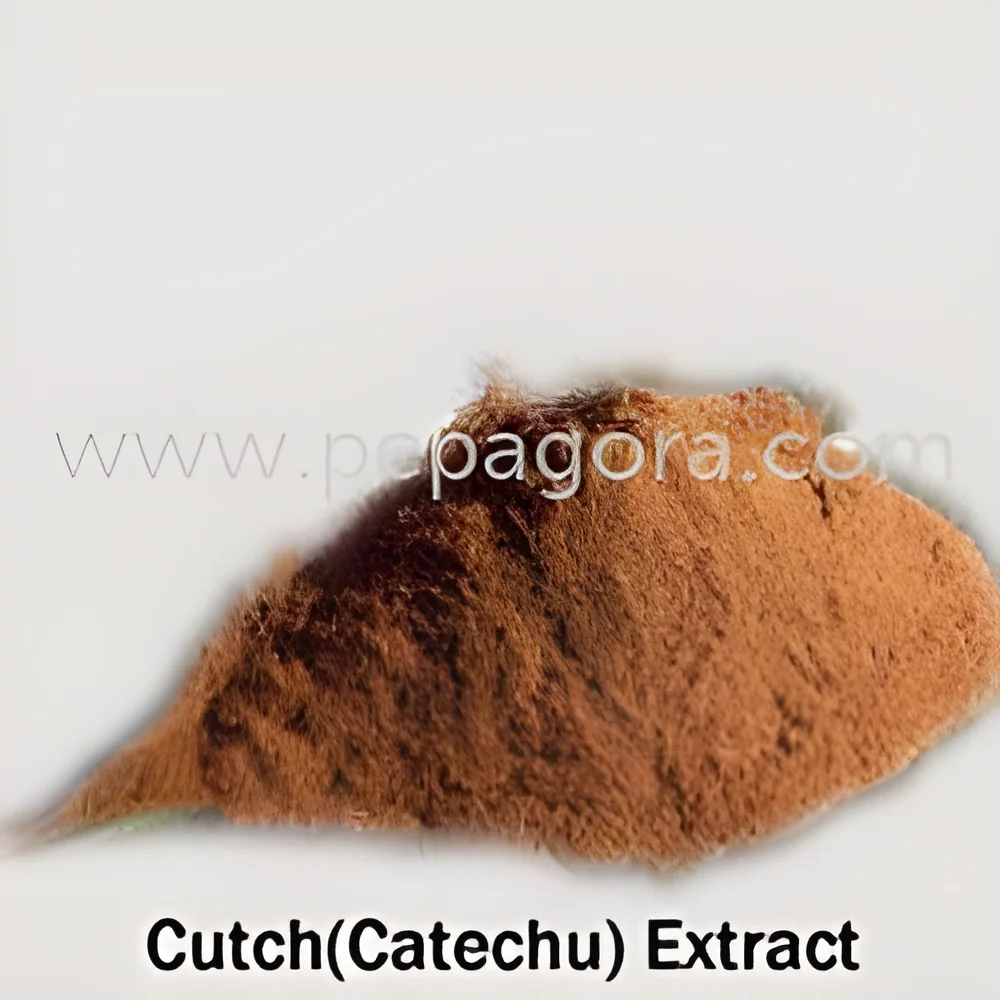
Derived from natural sources, these agents are preferred for their eco-friendly properties. They produce leather with a rich texture and are commonly used in crafting unique leather goods.
Variant 3: Synthetic Dyes
These dyes offer a broad spectrum of colors and are designed for ease of application. They provide consistent results and are widely used in mass production.
Variant 4: Fatliquors
These variants are essential for enhancing the softness and flexibility of leather. They are formulated to maintain moisture balance and are crucial in the finishing process.
Benefits and Advantages
Leather processing chemicals provide numerous benefits that enhance the quality and performance of leather products.
1. Improved Durability: These chemicals ensure that leather products are resilient against wear and tear, extending their lifespan.
2. Enhanced Aesthetics: The use of dyes and finishing agents improves the visual appeal of leather, making it more attractive to consumers.
3. Increased Flexibility: Fatliquors and tanning agents contribute to the suppleness of leather, making it comfortable for various applications.
4. Eco-Friendly Options: Many modern leather processing chemicals are designed to minimize environmental impact, appealing to eco-conscious consumers.
5. Compliance with Standards: Using certified chemicals helps manufacturers meet industry standards, ensuring product safety and quality.
6. Customization Potential: Manufacturers can tailor their leather processing by selecting specific chemicals to achieve desired properties, enhancing their product offerings.
Buying Guide for B2B Buyers
When sourcing leather processing chemicals, it is important for B2B buyers to consider several critical factors to ensure they select the right products.
1. Quality Assessment: Buyers should evaluate the quality of chemicals by reviewing supplier certifications and product testing results. This ensures that the chemicals meet industry standards.
2. Supplier Verification: It is essential to vet suppliers to confirm their reliability and reputation in the industry. This includes checking references and past performance.
3. Pricing and MOQ: Understanding the pricing structure and minimum order quantities is crucial for budget management. Buyers should compare prices across different suppliers to find the best deals.
4. Delivery and Lead Times: Buyers should inquire about the logistics of delivery to ensure timely receipt of chemicals. It is vital to understand the lead times involved in order fulfillment.
5. Compliance Requirements: Ensure that the chemicals comply with local and international regulations. This includes understanding safety, environmental, and industry-specific standards.
Compliance and Certifications
Compliance with quality standards and certifications is critical in the leather processing chemicals industry. Many manufacturers adhere to ISO 9001, which ensures quality management systems are in place for consistent product quality.
Additionally, HACCP (Hazard Analysis and Critical Control Points) is often implemented to ensure safety in the processing of chemicals. Certifications such as CE indicate compliance with European safety standards, which is crucial for products exported to European markets.
Safety and testing requirements are also paramount, including proper handling and storage protocols to ensure worker safety. Regional compliance considerations vary, making it essential for manufacturers to stay updated on local regulations regarding chemical use and disposal.
Why Source Leather Processing Chemicals from Pepagora?
Pepagora offers a reliable platform for sourcing leather processing chemicals, providing numerous advantages for businesses in the industry.
Verified Supplier Network: Pepagora ensures that all suppliers on its platform are vetted for quality and reliability, giving buyers confidence in their sourcing decisions.
Streamlined RFQ Process: The quotation system simplifies the procurement process, allowing buyers to receive multiple quotes quickly and efficiently.
Trade Assurance and Support: Pepagora offers buyer protection measures, ensuring that transactions are secure and that buyers receive the products as promised.
Regional Coverage: With a strong presence in India, the GCC, and Southeast Asia, Pepagora connects buyers with suppliers across a wide geographic area, facilitating trade and collaboration.
This comprehensive approach makes Pepagora a valuable resource for businesses looking to source high-quality leather processing chemicals effectively.

 IN
IN