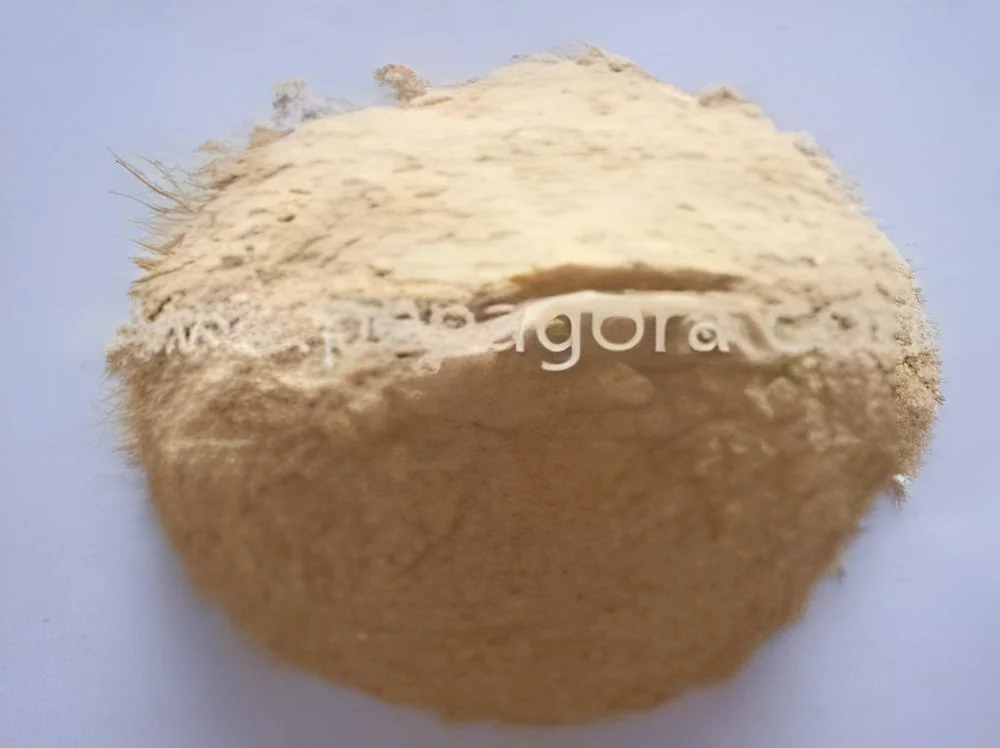
What are Tanned Leather (Vegetable, Chrome)?
Tanned leather is a versatile material produced through the tanning process, which converts raw animal hides into durable leather. Two primary methods of tanning exist: vegetable tanning and chrome tanning. Vegetable tanning uses natural tannins found in plant sources, while chrome tanning employs chromium salts. This results in leather that has distinct characteristics suited for various applications. Tanned leather is known for its durability, flexibility, and ability to be dyed in a multitude of colors, making it a popular choice across different industries.
The primary uses of tanned leather include fashion accessories, upholstery, and various industrial applications. Businesses utilize this material for products like handbags, belts, shoes, and furniture. The adaptability of tanned leather allows it to meet the aesthetic and functional demands of diverse sectors. With its rich texture and long-lasting quality, tanned leather also holds significant value in artisan crafts and luxury markets, reflecting its importance in both everyday and high-end products.
In the industrial landscape, tanned leather is especially relevant due to its sustainable properties, particularly in vegetable tanning. As consumers increasingly seek environmentally friendly options, the demand for tanned leather continues to grow. The market for tanned leather is poised for expansion, driven by trends in fashion, sustainability, and the overall growth of industries that depend on high-quality leather goods.
๐๐ฒ๐ ๐๐ฒ๐ฎ๐๐๐ฟ๐ฒ๐ ๐ฎ๐ป๐ฑ ๐ฆ๐ฝ๐ฒ๐ฐ๐ถ๐ณ๐ถ๐ฐ๐ฎ๐๐ถ๐ผ๐ป๐
Tanned leather, both vegetable and chrome, boasts a range of features that make it suitable for various applications. Understanding these specifications is essential for B2B buyers looking to source this material effectively. Here are some key specifications to consider:
1. Tanning Method
- Vegetable tanning: Utilizes natural plant-based tannins
- Chrome tanning: Employs chromium salts
2. Durability
- High resistance to wear and tear
- Long-lasting performance in various environments
3. Flexibility
- Excellent adaptability for different applications
- Maintains shape without cracking or breaking
4. Aesthetic Qualities
- Available in various colors and finishes
- Natural variations enhance the unique appearance
5. Environmental Impact
- Vegetable-tanned leather is biodegradable
- Chrome-tanned leather requires proper disposal due to chemical content
6. Thickness Range
- Commonly available in thicknesses of 1.0 to 2.5 mm
- Suitable for both lightweight and heavy-duty products
7. Moisture Resistance
- Varies based on tanning method
- Chrome-tanned leather generally offers better water resistance
8. Compliance with Standards
- Adherence to safety and quality standards, such as CE certification
These specifications highlight the essential qualities of tanned leather, making it a reliable choice for numerous applications.
๐๐ผ๐บ๐บ๐ผ๐ป ๐๐ฝ๐ฝ๐น๐ถ๐ฐ๐ฎ๐๐ถ๐ผ๐ป๐ ๐ฎ๐ป๐ฑ ๐จ๐๐ฒ ๐๐ฎ๐๐ฒ๐
Tanned leather serves a wide variety of industries, each benefiting from its unique properties.
1. Fashion and Apparel: Tanned leather is widely used in the production of clothing, accessories, and footwear. Its durability and aesthetic appeal make it a preferred material for high-quality fashion items.
2. Furniture Manufacturing: Upholstery made from tanned leather is sought after for its comfort and longevity. It is commonly used in sofas, chairs, and other furniture pieces.
3. Automotive Industry: Tanned leather is used in vehicle interiors, providing a luxurious feel while ensuring durability against wear.
4. Sporting Goods: Many sporting equipment items, such as gloves and bags, utilize tanned leather for its strength and flexibility.
5. Craft and Artisan Products: Tanned leather is favored by artisans for crafting handmade goods, including wallets, belts, and custom leather items.
6. Industrial Applications: Tanned leather is sometimes used in industrial settings, such as protective gear and equipment covers, due to its resilience.
7. Home Dรฉcor: Tanned leather is increasingly used in decorative items, such as lampshades and wall hangings, thanks to its aesthetic versatility.
๐ฃ๐ฟ๐ผ๐ฑ๐๐ฐ๐ ๐ฉ๐ฎ๐ฟ๐ถ๐ฎ๐ป๐๐ ๐ฎ๐ป๐ฑ ๐ฆ๐๐ฏ๐ฐ๐ฎ๐๐ฒ๐ด๐ผ๐ฟ๐ถ๐ฒ๐
Tanned leather comes in various forms, each tailored to specific needs and applications.
Vegetable-Tanned Leather: This variant is known for its eco-friendliness and is often used in artisan crafts. It has a natural finish, which allows it to age beautifully over time, developing a unique character.
Chrome-Tanned Leather: This variant is favored for its quick production time and superior water resistance. It is commonly used in automotive and furniture upholstery due to its durability and ease of maintenance.
๐๐ฒ๐ป๐ฒ๐ณ๐ถ๐๐ ๐ฎ๐ป๐ฑ ๐๐ฑ๐๐ฎ๐ป๐๐ฎ๐ด๐ฒ๐
Tanned leather offers numerous benefits that make it an attractive choice for B2B buyers.
1. Durability: Tanned leather is designed to withstand wear and tear, making it a long-lasting investment for products.
2. Aesthetic Appeal: With a variety of colors and finishes available, tanned leather enhances the visual appeal of any product.
3. Versatility: It can be used in various applications, from fashion to industrial goods, catering to a wide range of industries.
4. Eco-Friendliness: Vegetable-tanned leather, in particular, is biodegradable and aligns with sustainable business practices.
5. Customization: Tanned leather can be easily dyed, embossed, or cut to meet specific requirements, allowing for personalization.
6. Comfort: The natural properties of tanned leather provide a comfortable user experience, especially in apparel and upholstery.
๐๐๐๐ถ๐ป๐ด ๐๐๐ถ๐ฑ๐ฒ ๐ณ๐ผ๐ฟ ๐๐ฎ๐ ๐๐๐๐ฒ๐ฟ๐
When sourcing tanned leather, buyers should consider several key factors to ensure they make informed decisions.
1. Quality Assessment: Evaluate the quality based on the tanning method and the leather's overall appearance. Look for consistency in color and texture, as well as the absence of defects.
2. Supplier Verification: Ensure that suppliers are reputable and can provide references or certifications. Conduct background checks to confirm their reliability.
3. Pricing and MOQ: Understand the pricing structure for different types of tanned leather and inquire about the minimum order quantities (MOQ) to ensure they align with your business needs.
4. Delivery and Lead Times: Discuss logistics with suppliers to establish realistic delivery timelines. Consider how these timelines affect your production schedules.
5. Compliance Requirements: Verify that the leather meets relevant safety and environmental standards. This may include certifications such as CE for compliance with European regulations.
๐๐ผ๐บ๐ฝ๐น๐ถ๐ฎ๐ป๐ฐ๐ฒ ๐ฎ๐ป๐ฑ ๐๐ฒ๐ฟ๐๐ถ๐ณ๐ถ๐ฐ๐ฎ๐๐ถ๐ผ๐ป๐
Tanned leather is subject to various quality standards and certifications that ensure its safety and suitability for use.
ISO 9001 is a widely recognized standard for quality management systems, and many suppliers of tanned leather strive to adhere to these guidelines. This certification indicates that the manufacturer maintains consistent quality across their products.
CE certification is essential for products sold in the European market, ensuring that they meet necessary health, safety, and environmental protection standards. Suppliers should be able to provide documentation proving compliance with these regulations.
Safety and testing requirements also play a critical role in the leather industry. Testing for harmful substances, physical performance, and durability ensures that the leather is safe for consumers and suitable for its intended applications.
Additionally, regional compliance considerations may vary, so it is vital for buyers to be aware of specific regulations in their target markets.
Why Source Tanned Leather (Vegetable, Chrome) from Pepagora?
Pepagora provides a trusted platform for sourcing tanned leather, offering several key advantages to B2B buyers.
The verified supplier network at Pepagora ensures that buyers are connected with reputable manufacturers who meet stringent quality standards. This verification process helps mitigate risks associated with sourcing materials.
The streamlined RFQ process simplifies the quotation system, allowing buyers to easily compare prices and specifications from multiple suppliers. This efficiency saves time and helps businesses make informed purchasing decisions.
Trade assurance and support are crucial in building buyer confidence. Pepagora offers protection for transactions, ensuring that buyers receive exactly what they order while providing assistance throughout the sourcing process.
Finally, Pepagoraโs regional coverage spans India, the GCC, and Southeast Asia, making it easier for businesses to access high-quality tanned leather from reliable sources in these markets. This geographic reach enhances the ability to meet diverse business needs efficiently.