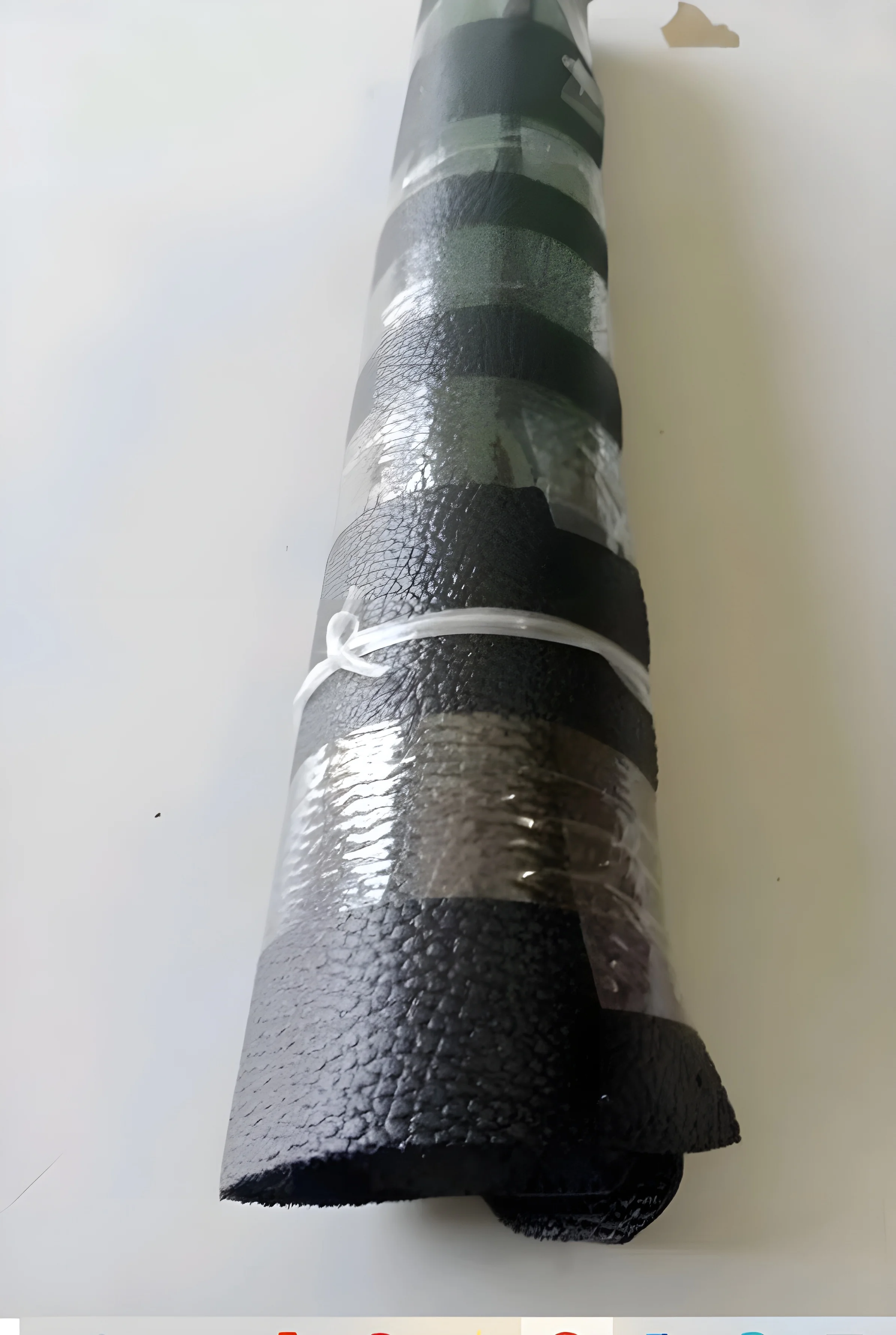
What are Finished Leather for Garments?
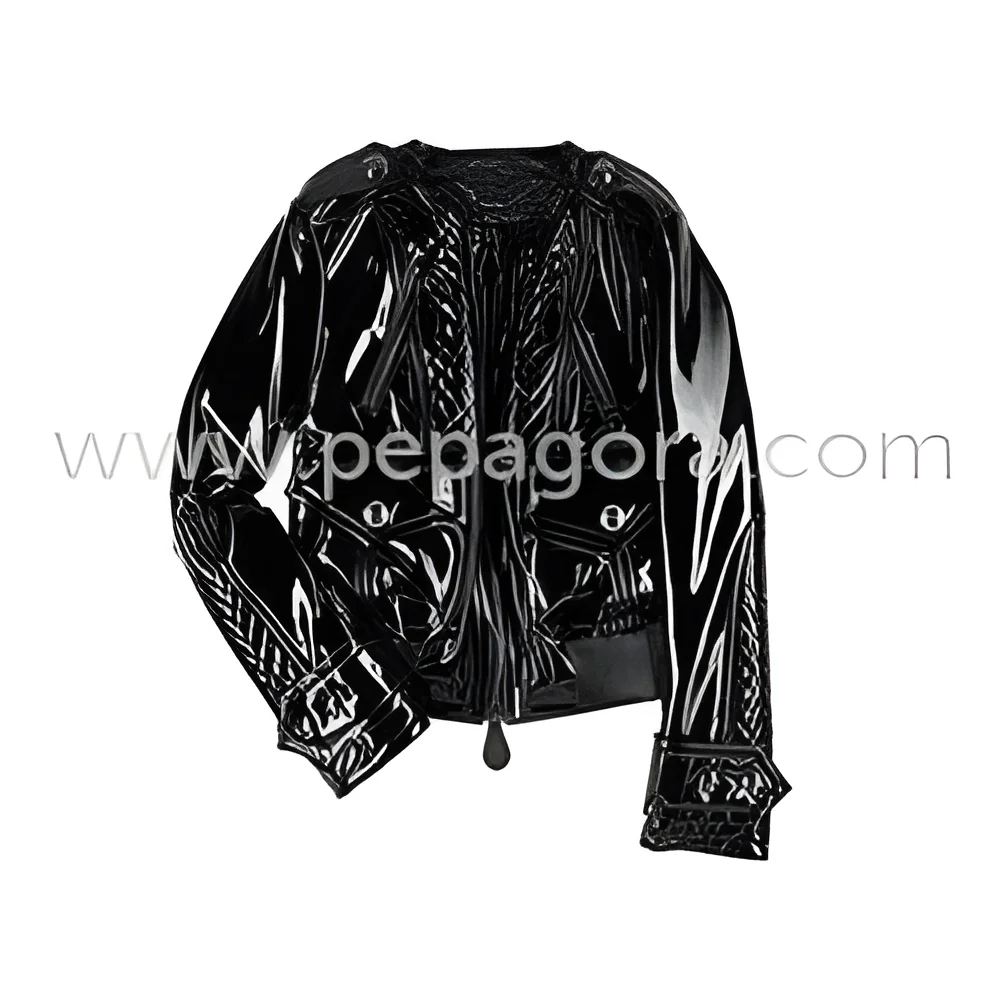
Finished leather for garments refers to leather that has undergone a series of processing stages to enhance its appearance, durability, and usability for clothing applications. This type of leather is typically sourced from various animal hides, including cow, sheep, and goat, and is treated to achieve a smooth, polished surface. The finishing processes may involve dyeing, coating, and conditioning to ensure that the leather not only looks appealing but also withstands wear and tear.
In the business world, finished leather is primarily used in the fashion and apparel industry. It is commonly found in high-quality garments such as jackets, coats, trousers, and accessories. The demand for finished leather is driven by consumer preferences for premium materials that offer both aesthetic appeal and functionality. As fashion trends evolve, the finished leather market continues to grow, making it a vital component of the global textile industry.
The relevance of finished leather for garments extends beyond fashion. It plays a significant role in the luxury goods market, where quality and exclusivity are paramount. With increasing consumer awareness regarding sustainability, many manufacturers are exploring eco-friendly tanning processes and ethical sourcing practices. This shift in market demand positions finished leather as a key player in the intersection of fashion and sustainability.
Key Features and Specifications
Finished leather for garments boasts several key features that make it a preferred choice for designers and manufacturers. These specifications ensure that the leather meets the industry's high standards for quality and performance.
Key specifications include:
1. Grain Type
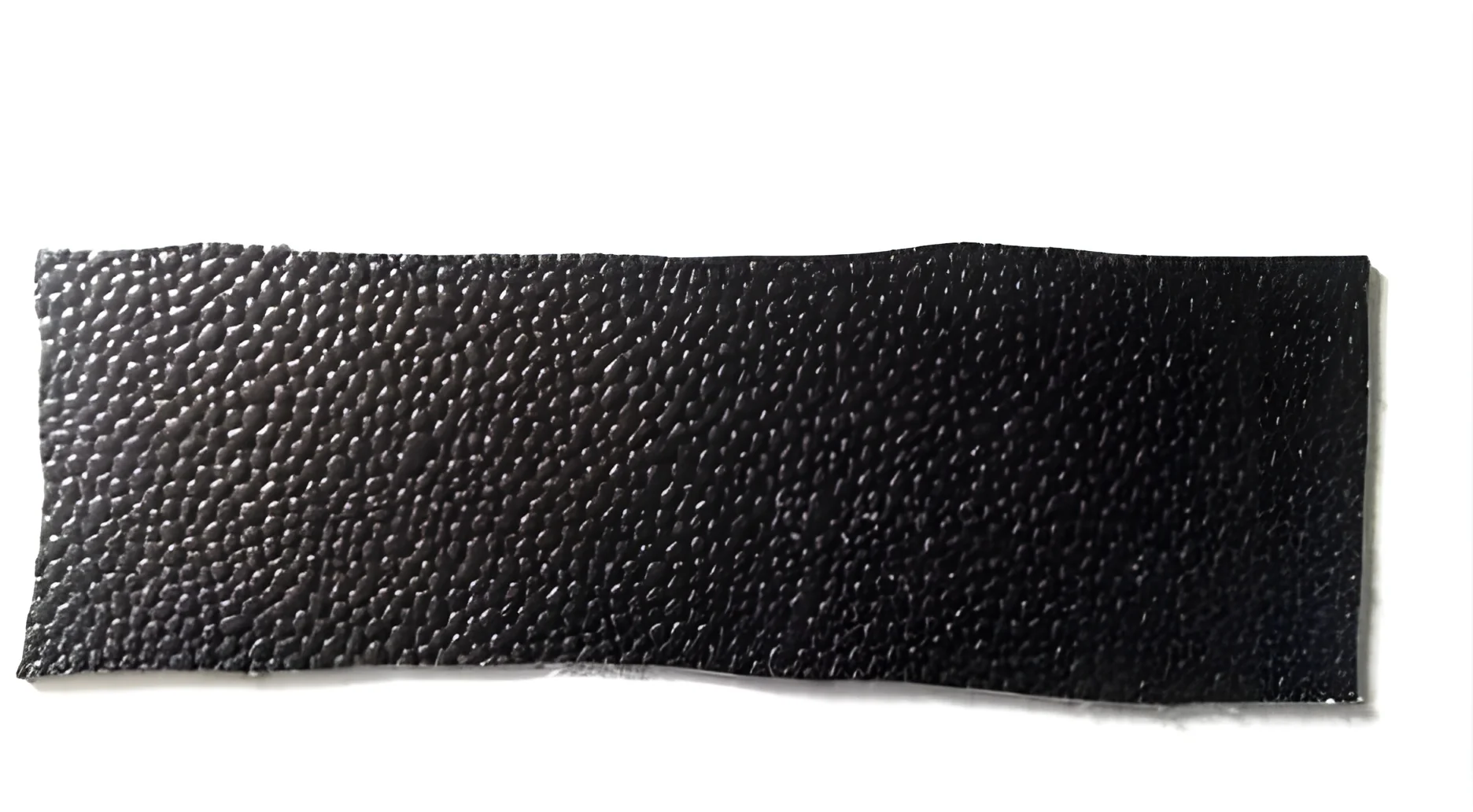
- Finished leather can be classified into different grain types, such as full grain, top grain, and corrected grain.
- Each type offers varying levels of durability and aesthetic appeal.
2. Thickness
- The thickness of finished leather typically ranges from 0.8 mm to 1.2 mm, depending on the intended application.
- Thicker leather is often used for outerwear, while thinner leather may be suitable for linings and accessories.
3. Color and Finish
- Finished leather is available in a wide range of colors and surface finishes, including matte, glossy, and embossed options.
- Custom color matching may be available upon request.
4. Tanning Process
- Common tanning methods include chrome tanning and vegetable tanning, each affecting the leather's properties.
- Chrome-tanned leather is more water-resistant, while vegetable-tanned leather is often preferred for its environmental benefits.
5. Breathability
- Quality finished leather should have adequate breathability to ensure comfort when worn.
- This property is essential for garments that require flexibility and moisture control.
6. Resistance to Wear
- Finished leather should exhibit good resistance to abrasion and tearing.
- This characteristic prolongs the lifespan of garments made from this material.
7. Maintenance Requirements
- Finished leather typically requires minimal maintenance, with many options being easy to clean and care for.
- Regular conditioning can enhance its appearance and longevity.
8. Compliance with Standards
- Many finished leathers meet international quality standards, ensuring they are safe for consumer use.
- Certifications such as CE may apply depending on the market.
In summary, the key features and specifications of finished leather for garments ensure that it meets the diverse needs of the fashion industry while maintaining high quality and performance standards.
Common Applications and Use Cases
Finished leather for garments is versatile and finds applications across various industries.
1. Fashion Industry: Finished leather is extensively used in the production of high-end clothing, such as jackets, skirts, and pants. Its aesthetic appeal and durability make it a favorite among designers.
2. Footwear: Leather is a primary material in the footwear industry, particularly for high-quality shoes and boots. Its flexibility and comfort make it ideal for both casual and formal footwear.
3. Accessories: Finished leather is commonly used in the creation of belts, bags, and wallets. These products benefit from leather's durability and upscale appearance.
4. Automotive: In the automotive sector, finished leather is used for car interiors, including seats and trim. Its luxurious feel enhances the overall driving experience.
5. Furniture: Leather garments are also utilized in furniture design, particularly for high-end sofas and chairs, adding an element of sophistication to home decor.
6. Sportswear: Certain finished leathers are used in specialized sportswear, combining functionality with style for active consumers.
7. Military and Workwear: Finished leather is often employed in uniforms and protective clothing due to its toughness and protective qualities.
Product Variants and Subcategories
Finished leather for garments offers a variety of options to meet different consumer needs and preferences. While detailed subcategories are not available, the diversity in finished leather types allows for tailored applications in various sectors.
Nappa Leather
Nappa leather is known for its softness and smooth texture. It is often used in luxury clothing items and accessories, providing a premium feel.
Aniline Leather
Aniline leather is characterized by its natural appearance, showcasing the hide's grain and imperfections. It is commonly used for high-end garments that prioritize aesthetics.
Suede Leather
Suede leather has a soft, velvety surface and is often used in fashion accessories and garments. Its unique texture adds a distinctive look to clothing items.
Pigmented Leather
Pigmented leather is treated with a colored coating, making it more resistant to stains and fading. It is widely used in casual and everyday wear.
Benefits and Advantages
Finished leather for garments offers numerous benefits that make it an attractive choice for manufacturers and consumers alike.
Key benefits include:
1. Durability: Finished leather is renowned for its strength and longevity, making it a cost-effective choice for garments that withstand daily wear.
2. Aesthetic Appeal: The natural beauty of leather adds a touch of elegance and sophistication to clothing, enhancing the overall design.
3. Versatility: Finished leather can be used in various applications, from outerwear to accessories, making it a flexible choice for designers.
4. Comfort: Quality finished leather provides comfort and breathability, ensuring that garments are pleasant to wear for extended periods.
5. Maintenance: Finished leather is generally easy to clean and maintain, requiring minimal effort to keep it looking its best.
6. Eco-Friendly Options: With the rise of sustainable practices, many finished leathers are now available through environmentally friendly processes, appealing to conscious consumers.
Buying Guide for B2B Buyers
When sourcing finished leather for garments, buyers should consider several critical factors to ensure they obtain high-quality products.
1. Quality Assessment: Evaluate the leather's texture, grain, and thickness to determine its suitability for specific applications. Look for signs of quality craftsmanship and finish.
2. Supplier Verification: Vet suppliers thoroughly to ensure they adhere to industry standards and possess relevant certifications. A reliable supplier can significantly impact product quality.
3. Pricing and MOQ: Consider the pricing structure and minimum order quantities (MOQ) set by suppliers. Understanding cost dynamics will help in budget planning.
4. Delivery and Lead Times: Discuss delivery schedules and lead times with suppliers to ensure timely receipt of materials. Reliable logistics are crucial for maintaining production timelines.
5. Compliance Requirements: Be aware of any regulatory compliance needs related to leather sourcing, including environmental and safety standards. Ensuring compliance protects both the buyer and end consumers.
Compliance and Certifications
Compliance and certifications play a vital role in the finished leather industry, ensuring that products meet safety and quality standards.
Finished leather for garments often adheres to quality standards such as ISO 9001, which specifies requirements for a quality management system. This standard ensures that manufacturers consistently produce high-quality products.
Additionally, certifications like CE indicate that the leather meets specific European safety and performance criteria. These certifications are essential for buyers seeking assurance regarding the materials they source.
Safety testing is also a critical aspect of compliance. Finished leather should undergo testing for harmful substances and durability to ensure it meets consumer safety requirements.
Regional compliance considerations can vary, with different countries imposing specific regulations on leather products. Buyers should be aware of these requirements to ensure that their sourced materials comply with local laws.
Why Source Finished Leather for Garments from Pepagora?
Pepagora provides a trusted platform for sourcing finished leather for garments, offering several key advantages to B2B buyers.
Verified Supplier Network: Pepagora ensures that all suppliers on its platform are verified and meet stringent quality standards. This verification process instills confidence in buyers looking for reliable sources of finished leather.
Streamlined RFQ Process: The platform offers a user-friendly request for quotation (RFQ) system that simplifies the sourcing process. Buyers can easily communicate their requirements and receive competitive quotes from multiple suppliers.
Trade Assurance and Support: Pepagora provides trade assurance to protect buyer investments. This includes support in case of disputes or issues, ensuring a secure purchasing experience.
Regional Coverage: With a strong presence in India, the GCC, and Southeast Asia, Pepagora offers extensive regional coverage. This geographical reach allows buyers to connect with local suppliers, reducing shipping times and costs.
By choosing Pepagora, buyers gain access to a comprehensive network of suppliers and a seamless sourcing experience for finished leather for garments.

 IN
IN