What are Leather Tools & Equipment?
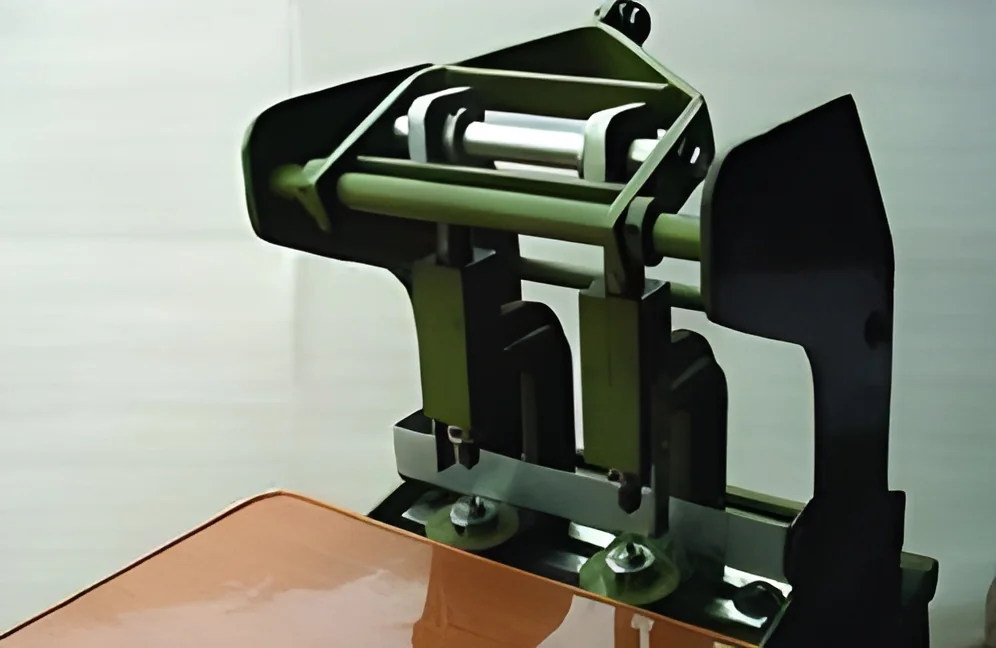
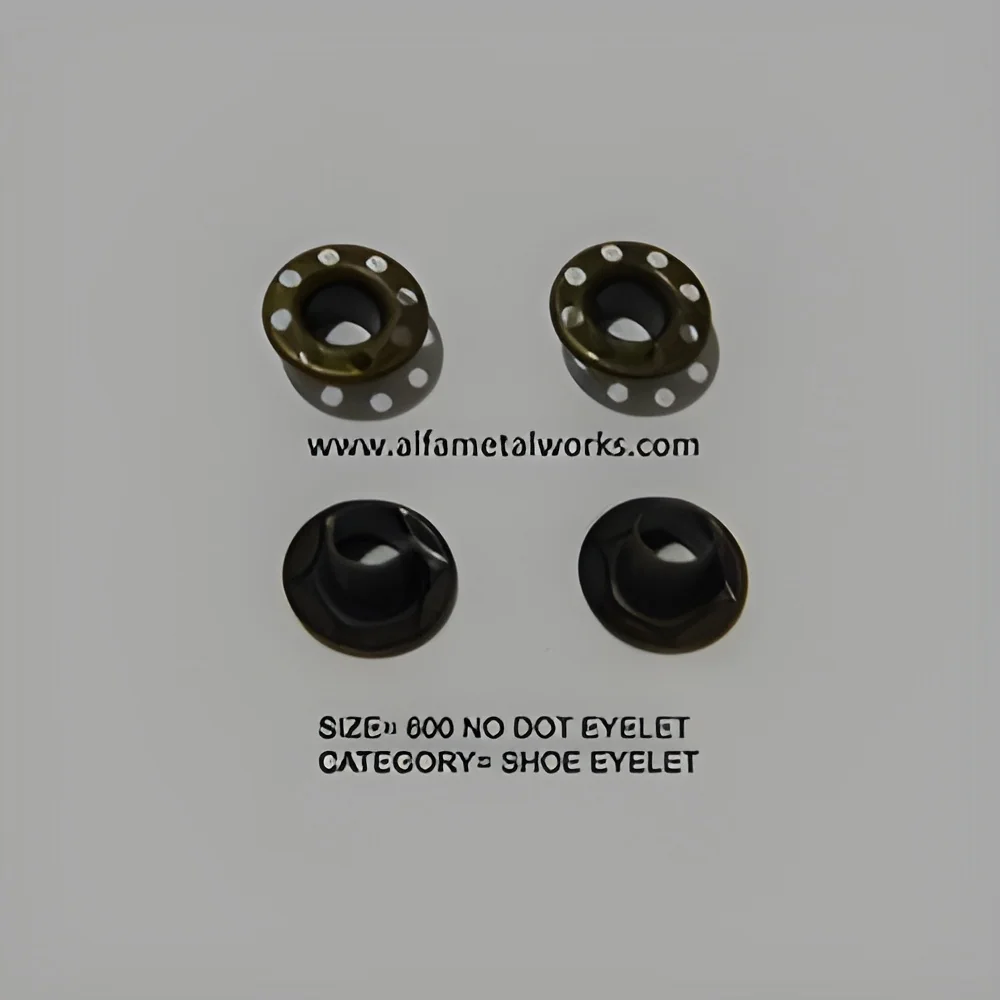
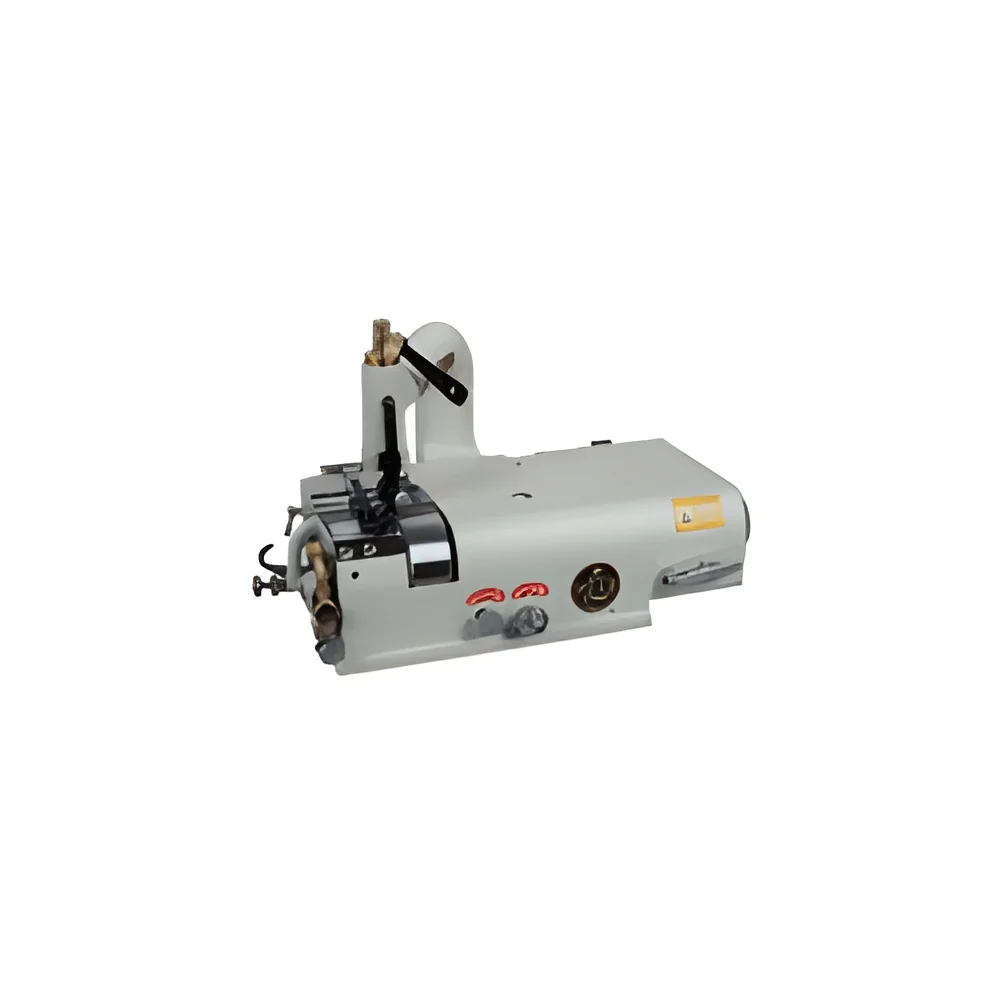
Leather tools and equipment refer to a broad range of specialized instruments and devices used in the crafting, manufacturing, and processing of leather goods. These tools are essential for artisans, manufacturers, and businesses involved in leatherwork, enabling them to cut, stitch, dye, and finish leather products with precision and efficiency. The range of tools includes cutting knives, stitching awls, edge tools, and various machinery designed for leather production.
The primary uses of leather tools and equipment span multiple applications, including the creation of leather goods such as bags, shoes, belts, and upholstery. Businesses utilize these tools to enhance productivity, maintain quality, and reduce waste in leather processing. With the growing demand for leather products in fashion, automotive, and home décor sectors, the market for leather tools and equipment continues to expand, driven by both small-scale artisans and large-scale manufacturers.
In today's competitive landscape, the relevance of high-quality leather tools and equipment cannot be overstated. They play a pivotal role in ensuring the durability and craftsmanship of leather products. As businesses strive to meet consumer expectations for quality and sustainability, investing in reliable leather tools becomes critical for maintaining a competitive edge in the market.
Key Features and Specifications
Leather tools and equipment come with various features and specifications that cater to different aspects of leatherworking. Understanding these specifications is critical for selecting the right tools for specific applications.
Key specifications include:
1. Tool Material
- Typically made of high-carbon steel or stainless steel.
- Provides durability and resistance to wear.
2. Handle Design
- Ergonomically designed for comfort during extended use.
- Can be made from wood, plastic, or rubber for better grip.
3. Cutting Edge
- Varies in thickness and sharpness depending on the tool type.
- Ensures precision in cutting various leather thicknesses.
4. Stitching Capacity
- Refers to the maximum number of stitches per inch.
- Important for achieving desired seam strength and finish.
5. Weight
- Tools can range from lightweight to heavy-duty options.
- Affects ease of use and maneuverability.
6. Compatibility with Machinery
- Some tools may be designed for specific types of sewing machines.
- Ensures seamless integration into production workflows.
7. Maintenance Requirements
- Some tools require regular sharpening or oiling.
- Others may be maintenance-free for convenience.
8. Safety Features
- Includes blade guards and ergonomic grips.
- Essential for reducing the risk of accidents during use.
These specifications are important to ensure the right selection of tools that meet specific crafting needs and enhance overall productivity.
Common Applications and Use Cases
Leather tools and equipment serve various industries, each with unique applications that benefit from quality tools.
1. Fashion Industry: Leather tools are essential for creating high-end fashion items such as handbags, shoes, and accessories. Precision cutting and stitching tools are vital for maintaining aesthetic appeal.
2. Automotive Industry: Leather equipment is used to manufacture car interiors, including seats and trims. Specialized tools ensure that leather is cut and sewn to fit the specific dimensions required.
3. Furniture Manufacturing: In the production of leather upholstery for sofas and chairs, tools help in cutting, stitching, and finishing leather for durability and comfort.
4. Crafts and Hobbies: Artisans use leather tools for crafting custom leather goods, such as wallets and belts, allowing for personal expression and creativity.
5. Sporting Goods: Leather tools are used in the production of sports equipment, such as gloves and protective gear, ensuring performance and safety.
6. Footwear Industry: The tools aid in the production of high-quality leather shoes, requiring precision in cutting and stitching to ensure both comfort and durability.
7. Pet Products: Leather equipment is also used in making leashes, collars, and other pet accessories, emphasizing durability and style.
Product Variants and Subcategories
Leather tools and equipment come in various forms to cater to different leatherworking needs.
Cutting Tools
These include knives, rotary cutters, and leather shears. They are designed for precision cutting of various leather thicknesses, allowing for clean edges and accurate shapes.
Stitching Tools
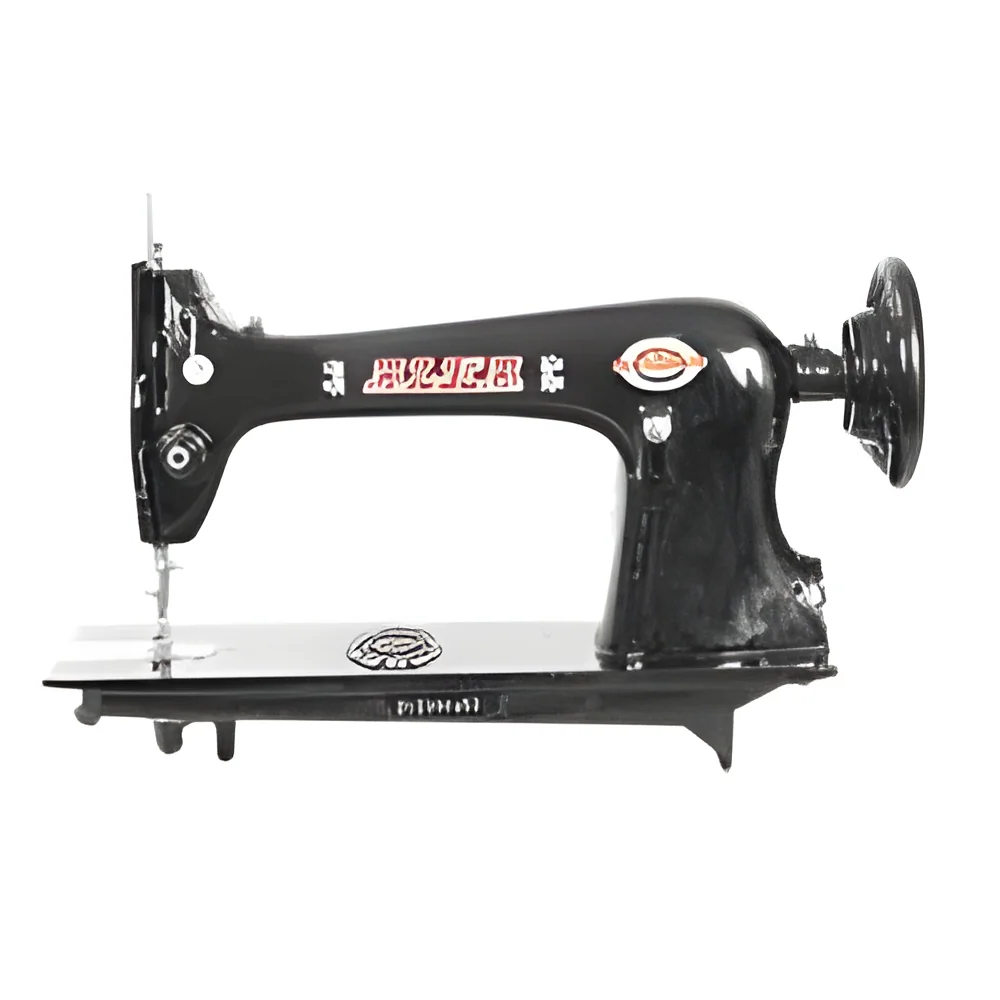
This category encompasses hand sewing needles, awls, and sewing machines. They are essential for stitching leather pieces together, ensuring strong seams and attractive finishes.
Finishing Tools
These tools include edge tools and burnishers, which are used to smooth and finish edges of leather products. They enhance the overall appearance and durability of the leather.
Punching Tools
Hole punches and chisels fall into this category, enabling artisans to create holes for stitching or decorative purposes. They ensure uniformity and precision in leatherwork.
Benefits and Advantages
Investing in quality leather tools and equipment provides several key benefits that enhance productivity and craftsmanship.
1. Enhanced Precision: Quality tools allow for accurate cutting and stitching, resulting in a polished final product.
2. Increased Efficiency: Reliable equipment streamlines the leatherworking process, reducing production time and minimizing waste.
3. Improved Durability: High-quality materials lead to longer-lasting tools, which translates into lower replacement costs over time.
4. Versatility: A wide range of tools allows artisans and manufacturers to tackle various projects, from small crafts to large-scale production.
5. Ergonomic Design: Tools designed with user comfort in mind reduce fatigue and improve overall handling, leading to better outcomes.
6. Consistent Quality: Using the right tools ensures uniformity across products, which is crucial for maintaining brand reputation and customer satisfaction.
Buying Guide for B2B Buyers
When sourcing leather tools and equipment, businesses should consider several critical factors to ensure they make informed purchasing decisions.
1. Quality Assessment: Look for tools made from high-quality materials. Assess reviews and testimonials to gauge the performance and longevity of the tools.
2. Supplier Verification: Vet suppliers to ensure they are reputable and provide quality products. Request certifications and check their track record in the industry.
3. Pricing and MOQ: Understand the pricing structure and minimum order quantities. Consider bulk purchasing options for cost savings.
4. Delivery and Lead Times: Discuss logistics with suppliers to ensure timely delivery. Factor in lead times for production and shipping.
5. Compliance Requirements: Ensure that tools meet relevant safety and quality standards. Verify any industry-specific regulations that may apply.
Compliance and Certifications
Leather tools and equipment must adhere to various compliance standards to ensure safety and quality in their use. Key quality standards include ISO 9001, which outlines requirements for a quality management system, ensuring consistent product quality and customer satisfaction.
Additionally, relevant industry certifications, such as CE marking, indicate compliance with European health, safety, and environmental protection standards. This certification assures businesses that the tools are safe and reliable for use in their operations.
Safety and testing requirements may include regular inspections and adherence to local regulations, which can vary by region. Businesses must be aware of these requirements to avoid potential issues in their operations.
Regional compliance considerations also play a role, as different markets may have unique standards and regulations. Understanding these regional differences is essential for companies sourcing leather tools internationally.
Why Source Leather Tools & Equipment from Pepagora?
Pepagora provides a trusted platform for sourcing leather tools and equipment, offering several key advantages to B2B buyers.
Verified Supplier Network: Pepagora connects buyers with a network of verified suppliers, ensuring access to high-quality products. This verification process helps reduce the risks associated with sourcing.
Streamlined RFQ Process: The platform features a user-friendly Request for Quotation (RFQ) system, allowing buyers to easily request quotes from multiple suppliers. This ensures competitive pricing and better options for buyers.
Trade Assurance and Support: Pepagora offers buyer protection through its trade assurance program, providing peace of mind during transactions. This support helps facilitate smooth operations between buyers and suppliers.
Regional Coverage: With a strong presence in regions like India, the GCC, and Southeast Asia, Pepagora enables businesses to tap into diverse markets and expand their sourcing options. This geographical reach enhances opportunities for local and international partnerships.

 IN
IN