IN
IN₹
Apparel & Fashion
Description
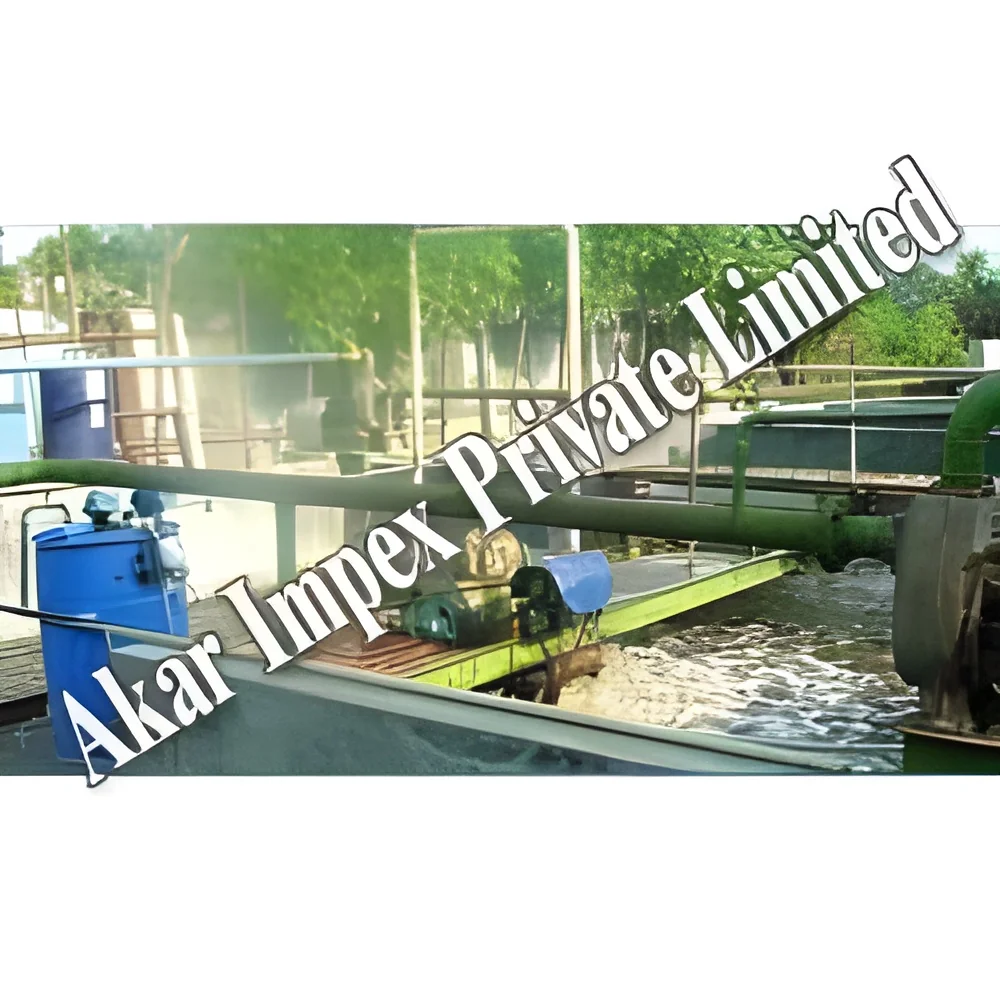
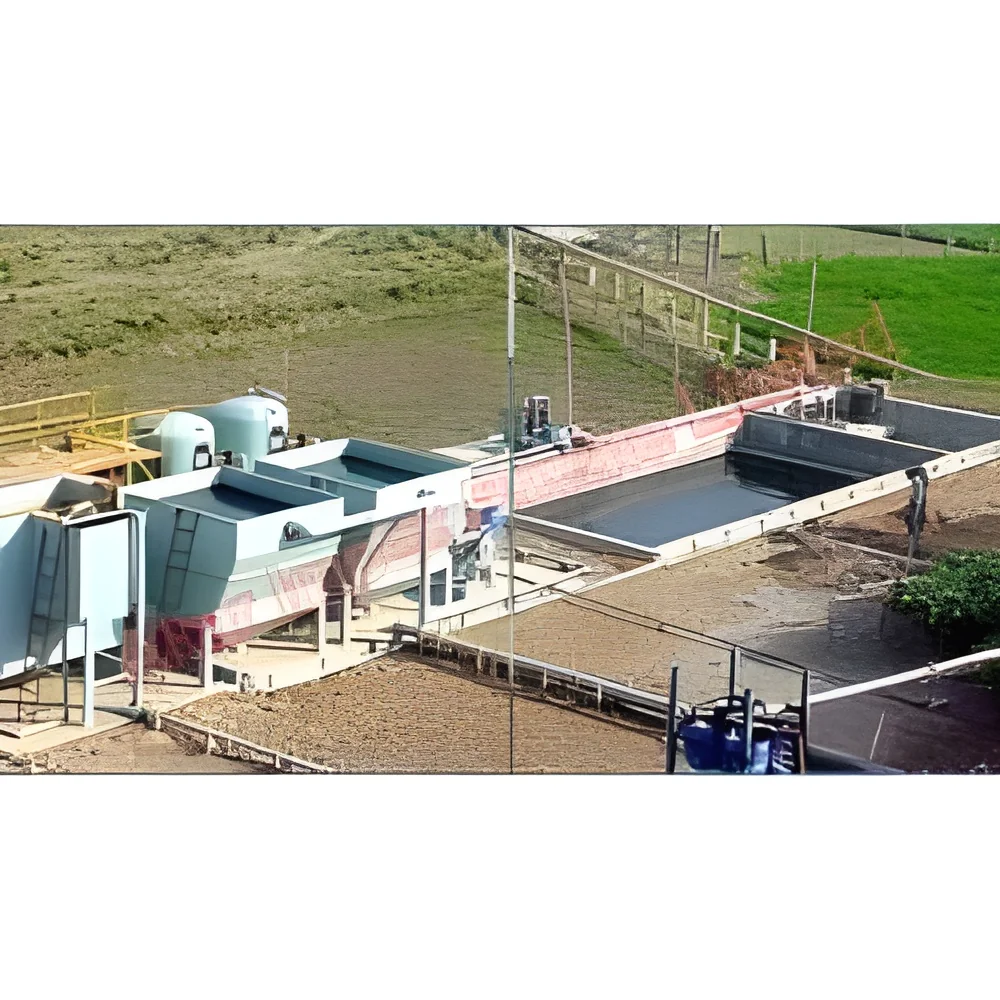
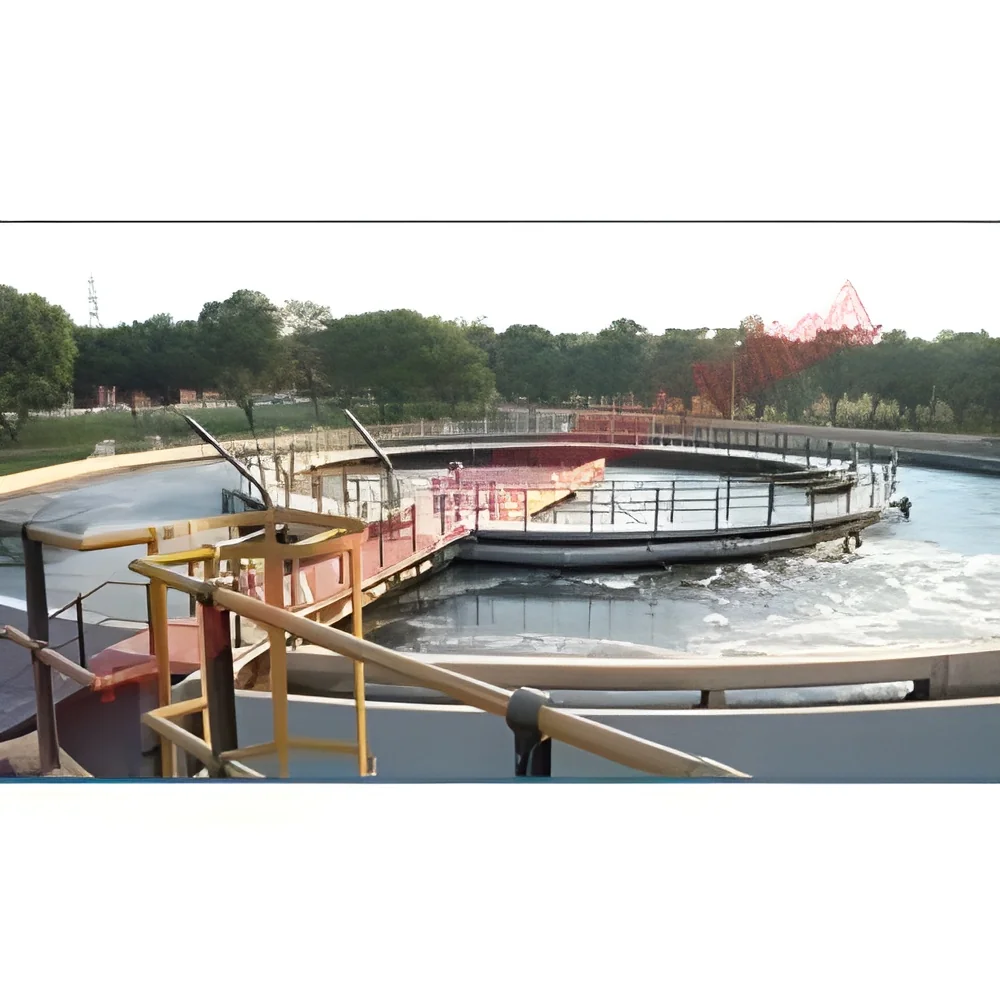
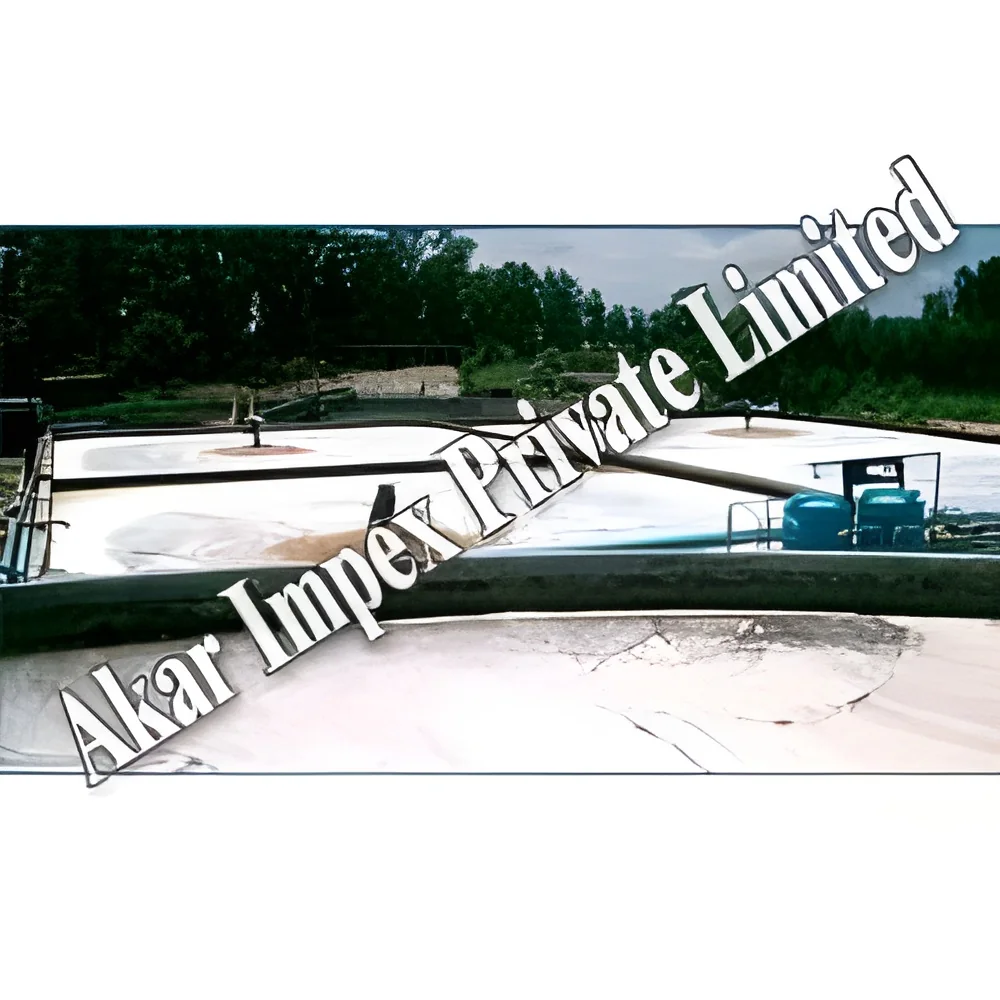
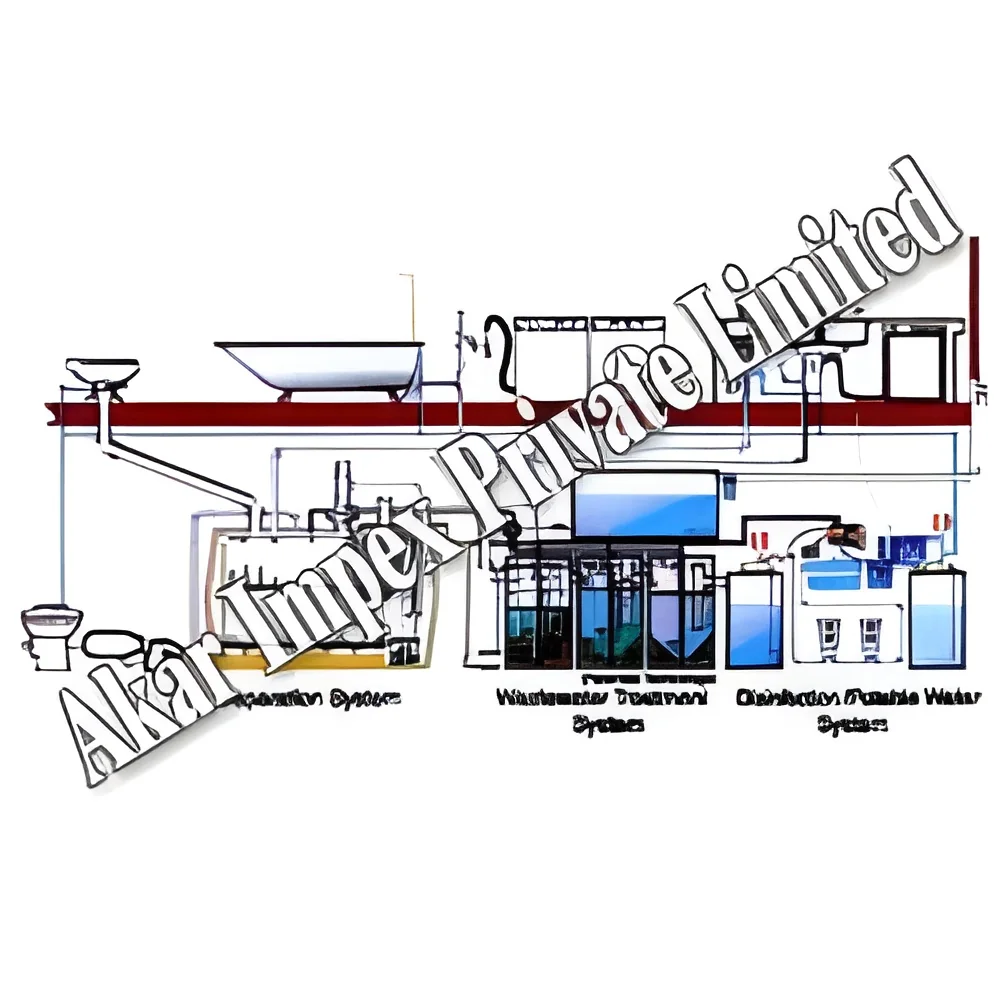
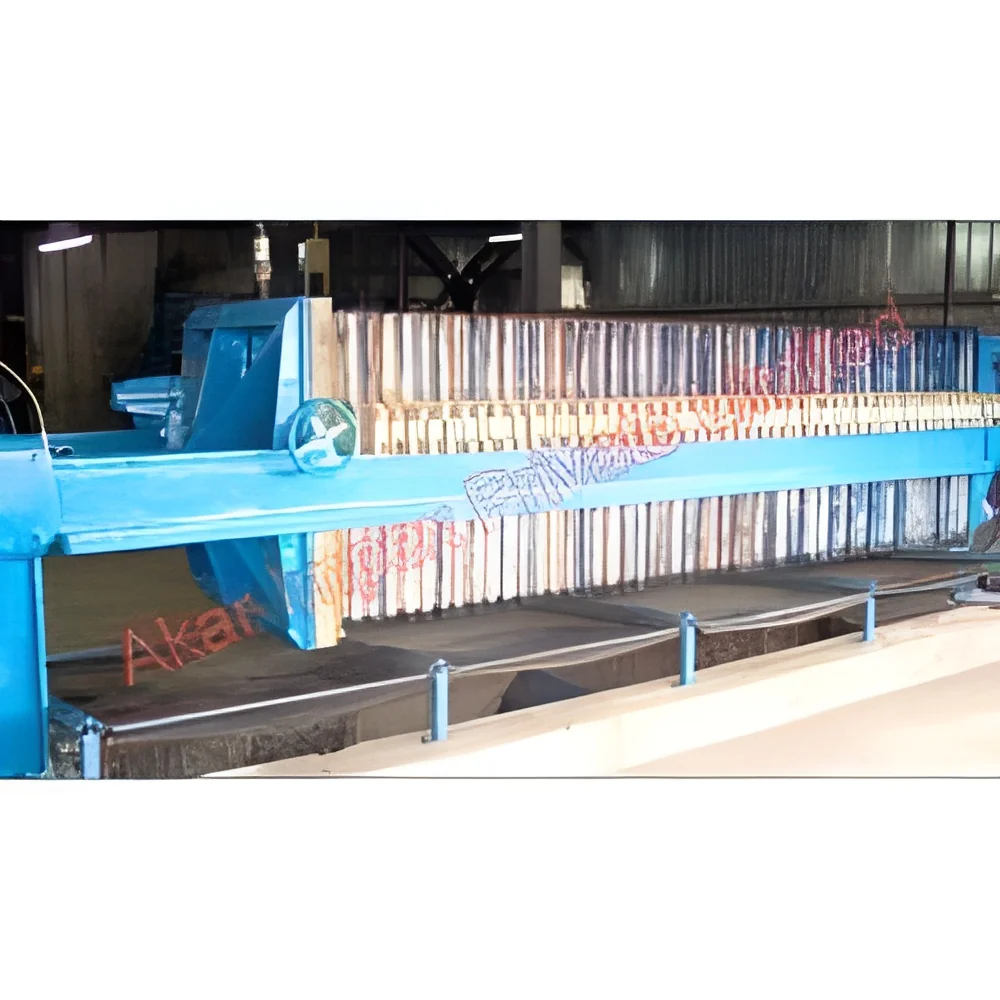
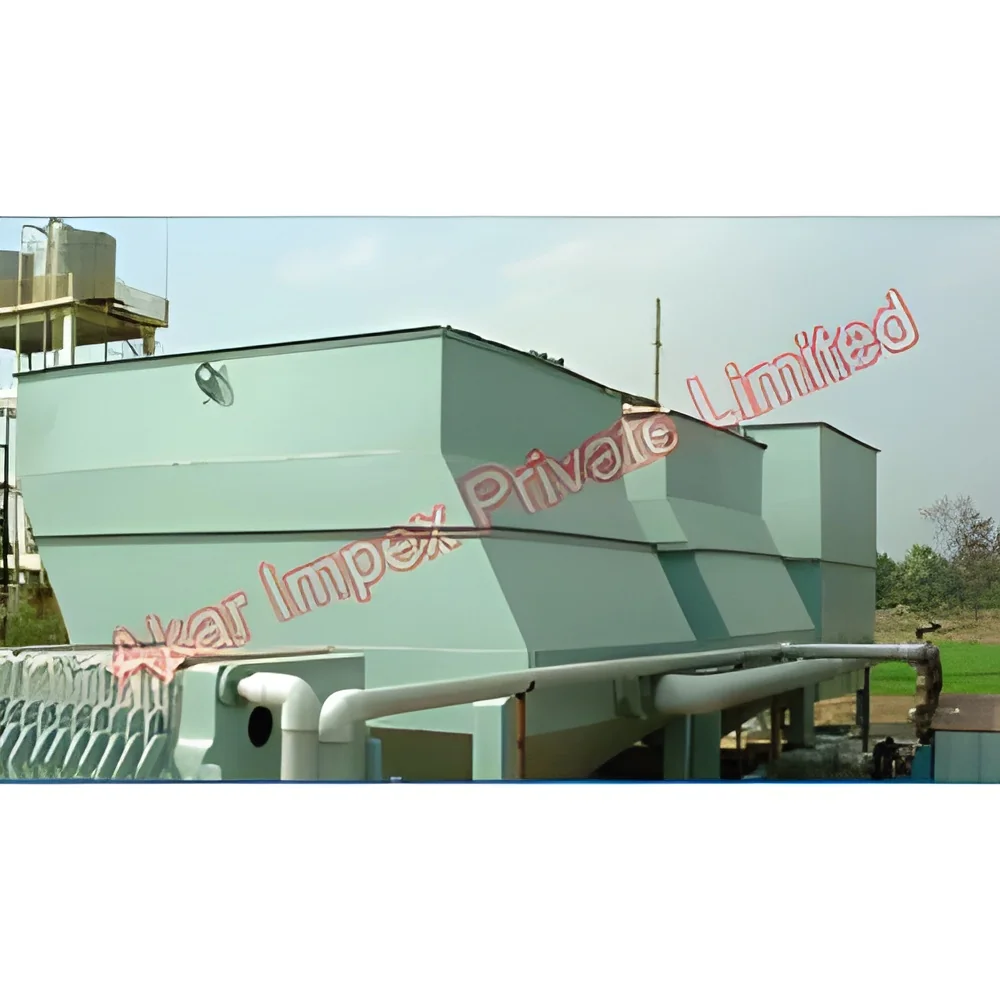
Our effluent treatment plants provide specialized wastewater management solutions designed specifically for the leather processing industry. These comprehensive systems effectively treat complex effluents containing chromium compounds, sulfides, organic matter, and various toxic substances generated throughout leather manufacturing stages. Each plant is engineered to handle specific volume requirements and chemical compositions, ensuring optimal treatment performance and regulatory compliance. The treatment process incorporates multiple stages including primary and secondary treatment, systematically removing contaminants through physical, chemical, and biological processes to produce treated water that meets discharge standards or enables safe reuse within operations.

The leather processing industry requires specialized wastewater treatment due to its chemically intensive operations involving chromium tanning, sulfide-based unhairing, and various dyeing processes. Our plants serve ta...
Our effluent treatment plants provide specialized wastewater management solutions designed specifically for the leather processing industry. These comprehensive systems effectively treat complex effluents containing chromium compounds, sulfides, organic matter, and various toxic substances generated throughout leather manufacturing stages. Each plant is engineered to handle specific volume requirements and chemical compositions, ensuring optimal treatment performance and regulatory compliance. The treatment process incorporates multiple stages including primary and secondary treatment, systematically removing contaminants through physical, chemical, and biological processes to produce treated water that meets discharge standards or enables safe reuse within operations.

The leather processing industry requires specialized wastewater treatment due to its chemically intensive operations involving chromium tanning, sulfide-based unhairing, and various dyeing processes. Our plants serve tanneries, leather finishing facilities, and manufacturing units that prioritize environmental responsibility alongside production efficiency. These systems prove particularly valuable for facilities engaged in chrome tanning processes, where effective chromium removal and potential recovery offer both environmental and economic advantages. The treatment plants also benefit industrial clusters and leather processing zones seeking centralized wastewater management solutions capable of handling the unique chemical mixtures specific to leather manufacturing while maintaining consistent treatment quality.

Investing in our effluent treatment plants delivers significant operational value through multiple channels. The systems ensure continuous regulatory compliance, preventing potential shutdowns and penalties while enhancing environmental credentials in domestic and international markets. Plant reliability stems from rigorous quality testing during manufacturing, ensuring consistent performance under demanding operating conditions. The design allows for operational scalability as production volumes change, while water recycling capabilities significantly reduce long-term operational costs. These plants are engineered for minimal maintenance requirements and energy efficiency, providing sustained operational savings while demonstrating commitment to sustainable manufacturing practices.

Key Features:
- Specialized design for leather industry effluents with chrome and sulfide removal
- Comprehensive treatment system integrating primary and secondary processes
- Durable construction using corrosion-resistant materials for extended service life
- Automated monitoring and control systems for consistent treatment performance
- Flexible design adaptable to varying production volumes and effluent characteristics

Benefits:
- Ensures compliance with environmental regulations and discharge standards
- Reduces operational costs through potential water recycling and reuse
- Minimizes environmental impact through effective contaminant removal
- Provides reliable performance with minimal maintenance requirements
- Supports sustainable manufacturing practices and corporate responsibility
Specifications
| Additional Information | |
|---|---|
| Country of Origin | India |
Application
Our specialized effluent treatment plants address the complex wastewater challenges faced by leather processing facilities. These systems effectively treat toxic discharge containing chromium compounds, sulfides, and organic pollutants generated during soaking, liming, tanning, and dyeing operations. The treatment process ensures compliance with environmental standards while enabling potential water reuse within manufacturing processes.
Designed specifically for leather industry requirements, these plants handle varying effluent volumes and compositions from different production scales. They serve tanneries, leather finishing units, and manufacturing facilities seeking sustainable wastewater management solutions. The systems adapt to specific operational needs while maintaining consistent treatment performance across different leather processing methods and chemical usage patterns.
- Treating chrome-rich wastewater from tanning processes to enable chromium recovery
- Removing sulfide contamination from liming and unhairing operations
- Processing dye and pigment contaminated water from finishing sections
- Handling mixed effluent streams from integrated leather manufacturing plants
- Enabling water recycling in washing operations to reduce freshwater consumption
Trade Details
| Available Stock | In Stock |
| Sample Availability | No |
Payment Terms
| Payment Terms |
|
Company Profile
Akar Impex Pvt Ltd, Uttar Pradesh
 Uttar Pradesh, India
Uttar Pradesh, IndiaManufacturer•Distributor / Wholesaler•Importer / Exporter
Factory Details
Factory SizeBelow 1000 sqm
Annual Production Capacity0
Main Markets
South Asia
Leather Industry Effluent Treatment Plants Chrome Sulfide Removal
Leather industry effluent treatment plants effectively remove chrome and sulfides from tannery wastewater. These reliable systems ensure regulatory compliance while providing cost-effective treatment solutions for leather processors.
Min. Order Quantity: 1 unit
Shipping
Shipping fee and delivery date to be negotiated. Contact supplier now for more details.
Akar Impex Pvt Ltd
 Uttar Pradesh, India
Uttar Pradesh, IndiaManufacturer